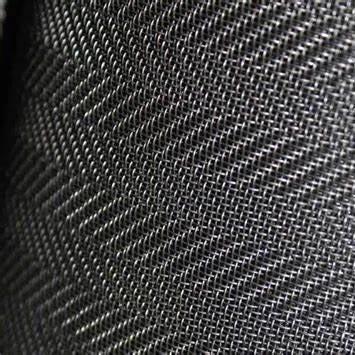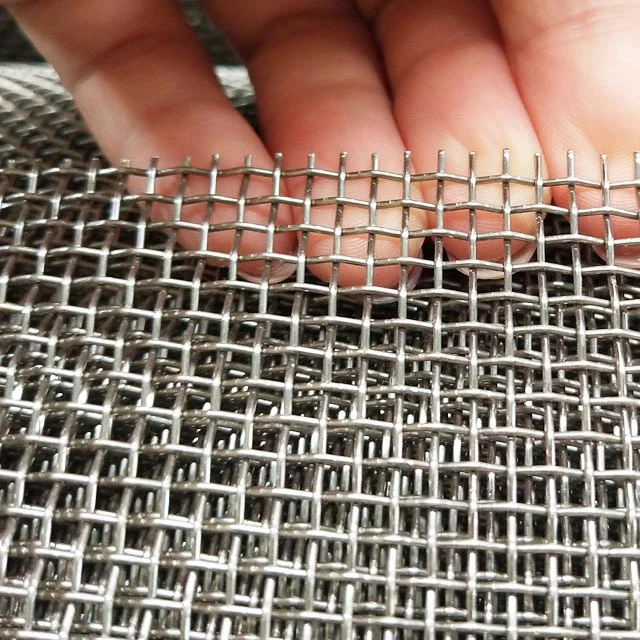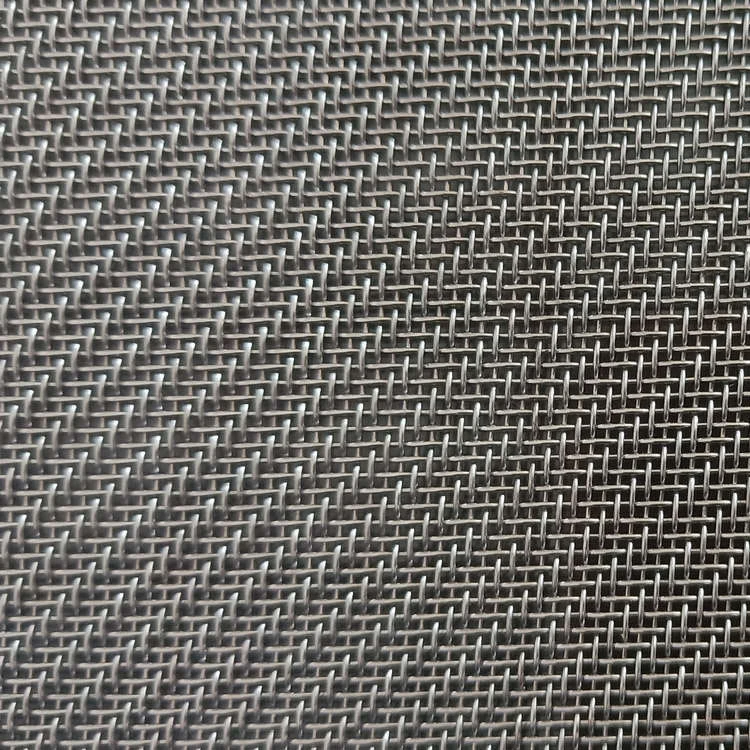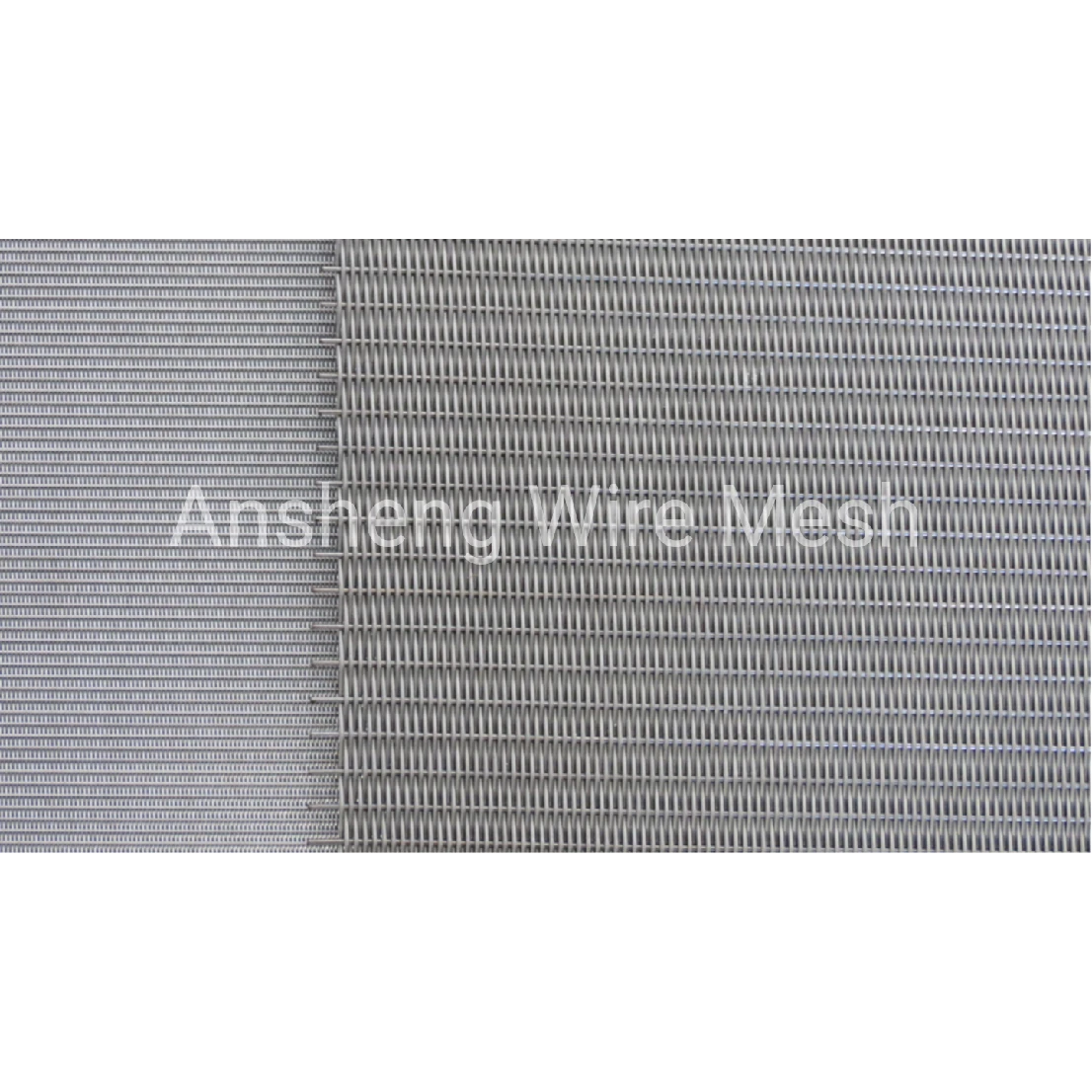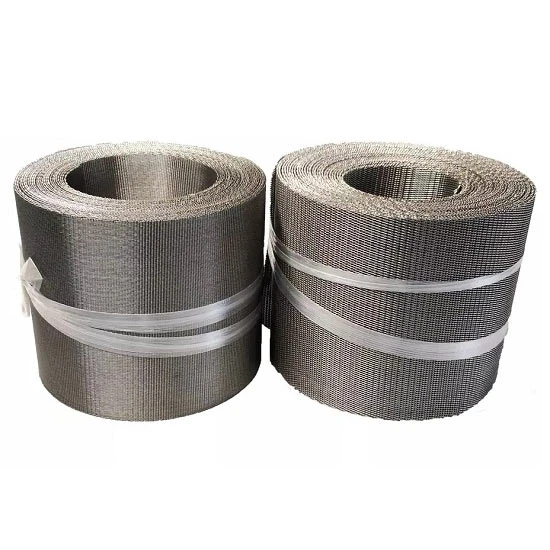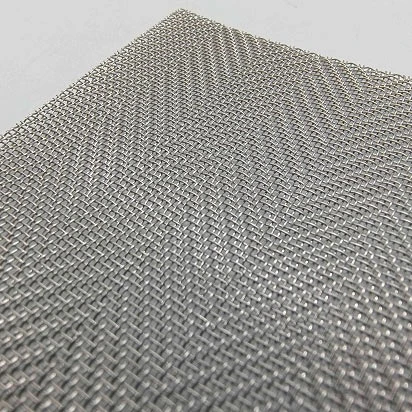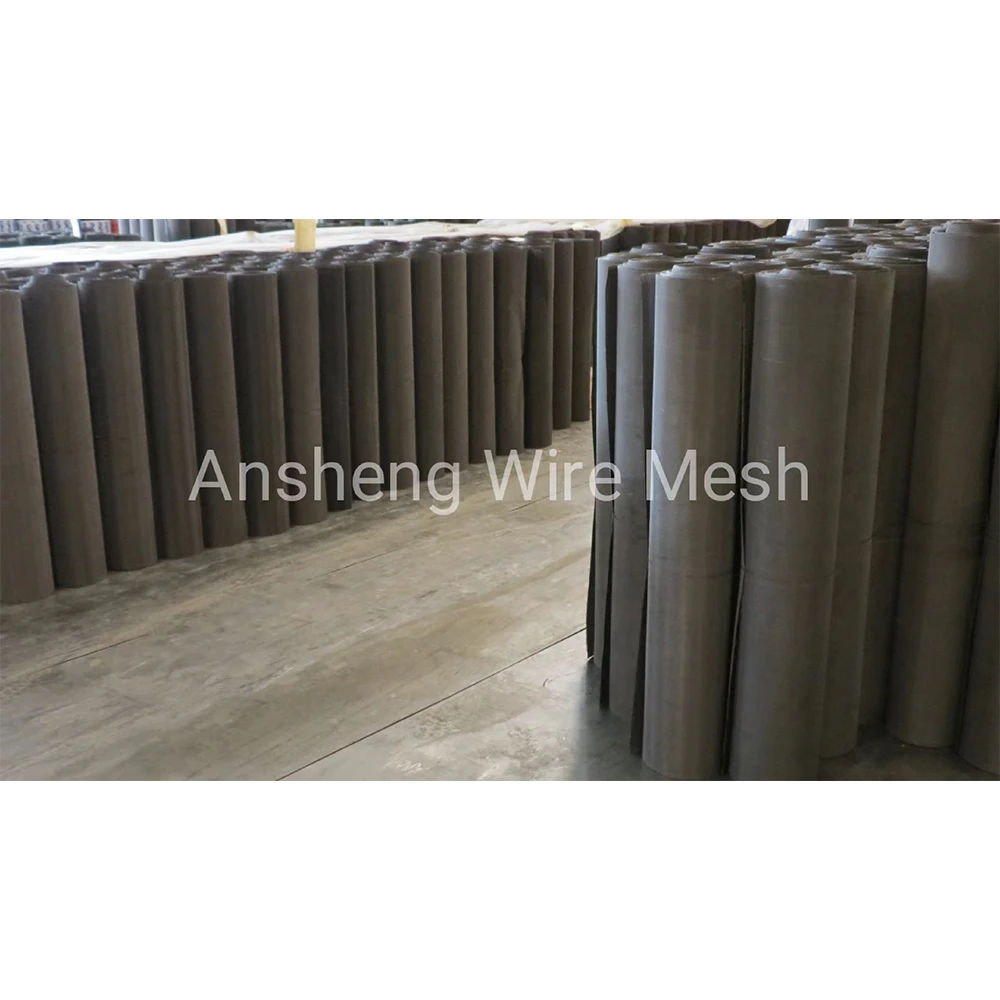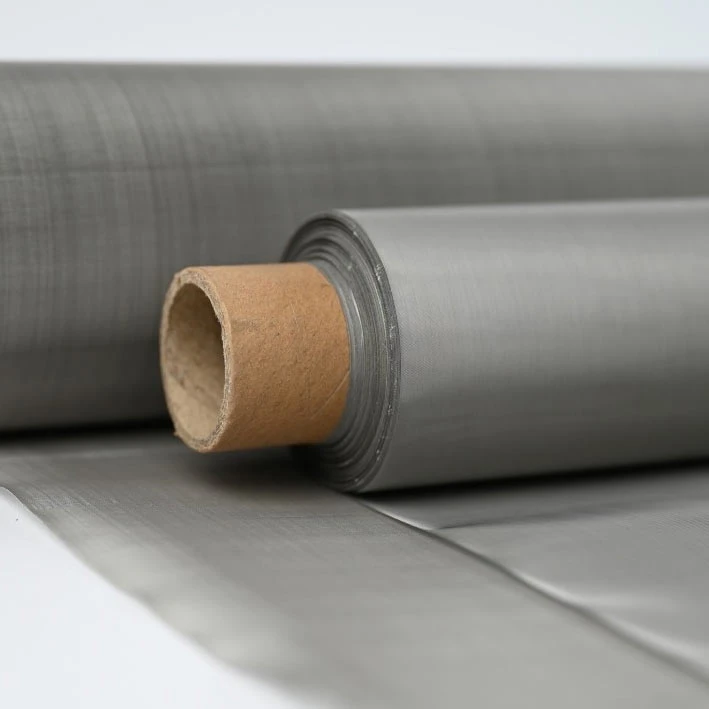
Security infrastructure often faces a critical dilemma: balancing robust protection with aesthetic visibility while battling environmental corrosion. For facility managers and construction procurement specialists, selecting a fencing solution that deteriorates within a few years leads to compounded replacement costs and security vulnerabilities. Anping County Ansheng Wire Meshes Product Co., Ltd. addresses these pain points by deploying over 20 years of metalworking expertise into the fabrication of high-durability barrier solutions.
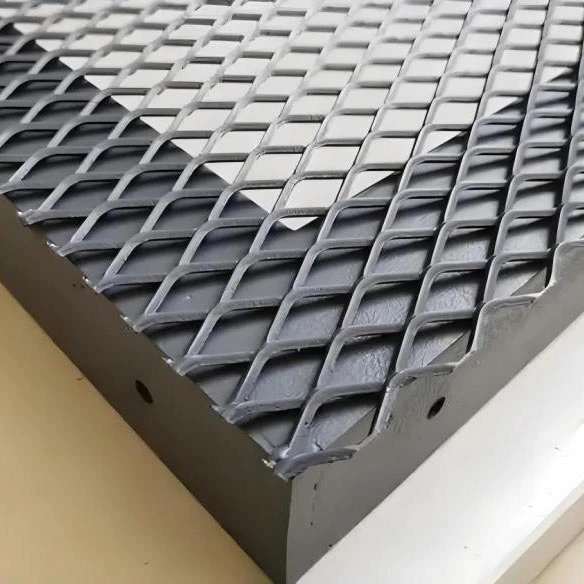
Unlike standard wire fencing that may unravel or break at welded joints, our approach leverages advanced production equipment to manufacture integral one-piece structures. By utilizing premium materials such as Low-carbon steel and Stainless Steel (304, 316, 316L), we engineer expanded metal fence panels that offer superior rigidity and impact resistance. Our comprehensive R&D and design integration allows us to solve complex perimeter challenges, ensuring that whether the application is a high-security industrial zone or a commercial boundary, the solution is tailored for longevity.
Trusted by clients across the United States, Germany, and Australia, our manufacturing process adheres to strict scientific management. This ensures that every panel leaving our facility in Anping County meets global standards for tensile strength and corrosion resistance, effectively turning your perimeter investment into a long-term asset rather than a recurring maintenance liability.
The integrity of a security fence is defined by the quality of its raw materials and the precision of the expansion process. At Ansheng, we translate our deep experience in precision filtration and metal mesh production into the structural engineering of guardrail mesh. We utilize specific metal grades, including corrosion-resistant Stainless Steel 316L and robust Low-carbon steel, to ensure our expanded metal fence panels withstand harsh environmental conditions without compromising structural integrity.
Our technical methodology involves strict quality control protocols that govern strand thickness, opening uniformity, and material ductility. The following table outlines how our manufacturing specifications compare to general market expectations, highlighting the technical advantages of our production capabilities.
| Performance Metric | Industry Significance | Our Engineering Standard | Advantage |
|---|---|---|---|
| Material Composition | Determines rust resistance and lifespan. | Premium SS 304/316L & Low-carbon Steel QSn6.5-0.1 options. | Superior weather resistance specifically for export markets like Brazil and New Zealand. |
| Structural Integrity | Resistance to cutting and impact. | One-piece expansion; no welds or joints to fail. | High-tensile strength that prevents unraveling if cut. |
| Customization Capability | adaptability to site-specific terrain. | Full R&D integration for special specifications. | Tailored panel dimensions ensuring seamless installation. |
| Quality Assurance | Consistency across large volume orders. | Advanced testing equipment & scientific management. | Uniform strand width and aperture size for consistent security. |
By leveraging materials typically reserved for high-precision filtration—such as high-grade stainless steel—we elevate the standard for fencing. This cross-industry expertise ensures that our expanded metal fence panels deliver exceptional performance in sectors ranging from petrochemical plant security to municipal infrastructure.
Procuring perimeter security is not merely a purchase; it is a capital investment where the Total Cost of Ownership (TCO) dictates the true value. While initial costs for inferior fencing solutions may appear lower, the recurring expenses associated with maintenance, painting, and early replacement drastically erode ROI. Investing in high-quality expanded metal fence panels from a manufacturer with a proven global footprint—exporting to markets from Poland to Taiwan—ensures a strategic reduction in long-term operational costs.
Our integrated business model, which spans R&D, design, and production, allows for value engineering at the source. By selecting the optimal material grade, such as utilizing the wear-resistant properties of specific metal alloys, we extend the lifecycle of the installation. This durability is crucial for industries like oil and gas, where we already provide support layer solutions, proving our capability to withstand demanding environments. The chart below illustrates the comparative lifecycle durability and maintenance savings when choosing our engineered expanded metal over traditional fencing options.
Related products
Top Selling Products