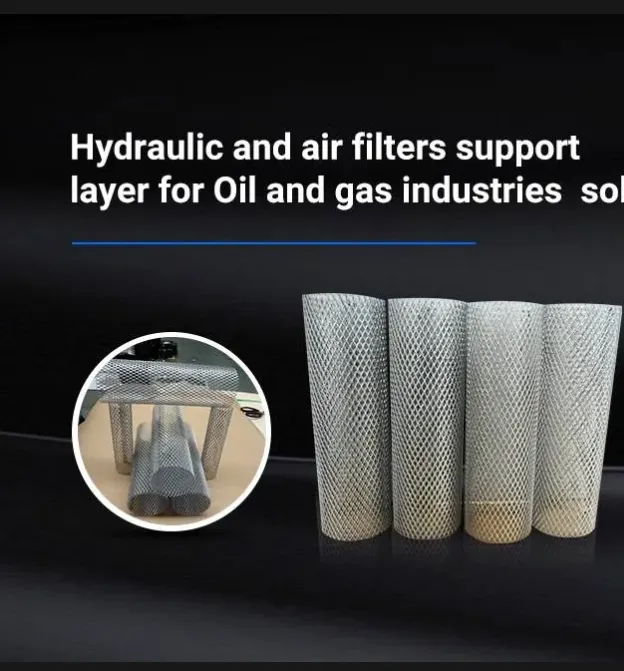
WE PROVIDE HIGH QUALITY EQUIPMENT
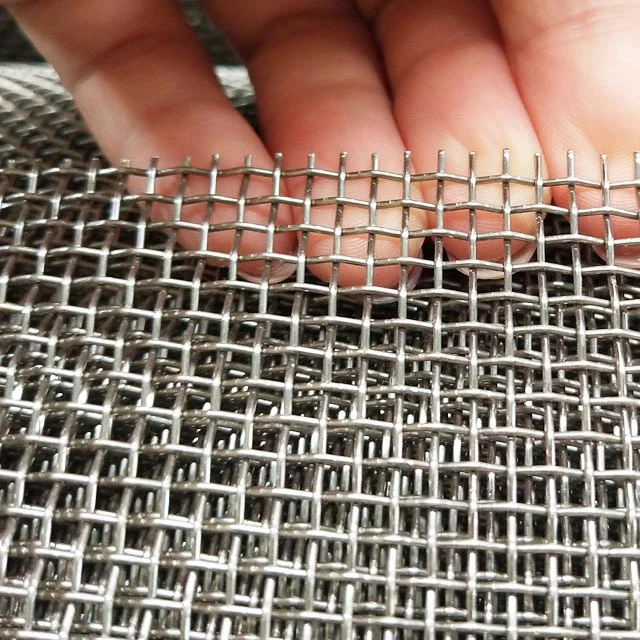
  • Stainless Steel Plain Weave Wire Mesh

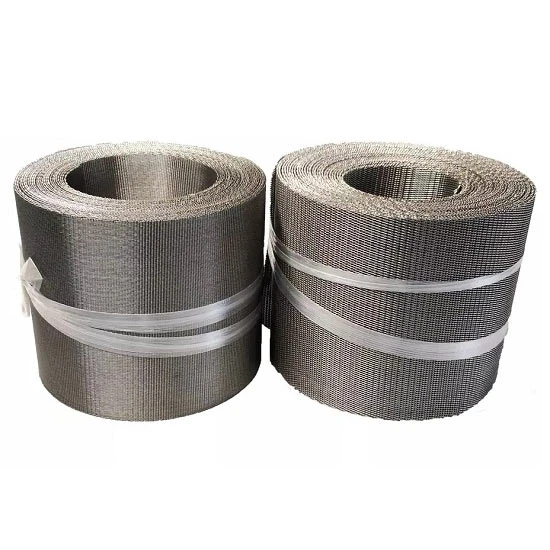
    Stainless steel plain weave wire mesh, also known as Stainless steel wire cloth, stainless steel screen, stainless steel gauze. Materials: Stainless steel 201, 304, 316, 316L, etc. Plain weave scope of Mesh : 1mesh-635mesh Plain weave scope of wire diameter: 1mm-0.001mm Plain weave scope of width: usually 0.915m-2meters, and special specifications can be customized according to customer requirements. Plain weave scope of length: generally 30 meters. Stainless steel wire mesh weave type: plain weave, twill weave, herringbone weave, dutch weave, reserve dutch weave

  • Stainless Steel Reverse Dutch Weave Wire Mesh

    Stainless steel reserve dutch weave wire mesh, also known as Stainless steel wire cloth, stainless steel screen, stainless steel gauze. Materials: Stainless steel 201, 304, 316, 316L, etc. Reserve dutch weave scope of Mesh : 72x15mesh-260x40mesh Reserve dutch weave scope of wire diameter: 0.55mm-0.15mm Reserve dutch weave scope of width: usually 60mm-300mm, and special specifications can be customized according to customer requirements. Reserve dutch weave scope of length: generally 10 meters, 20 meters, 30meters. Stainless steel wire mesh weave type: plain weave, twill weave, herringbone weave, dutch weave, reserve dutch weave

  • Iron Dutch Weave Wire Mesh

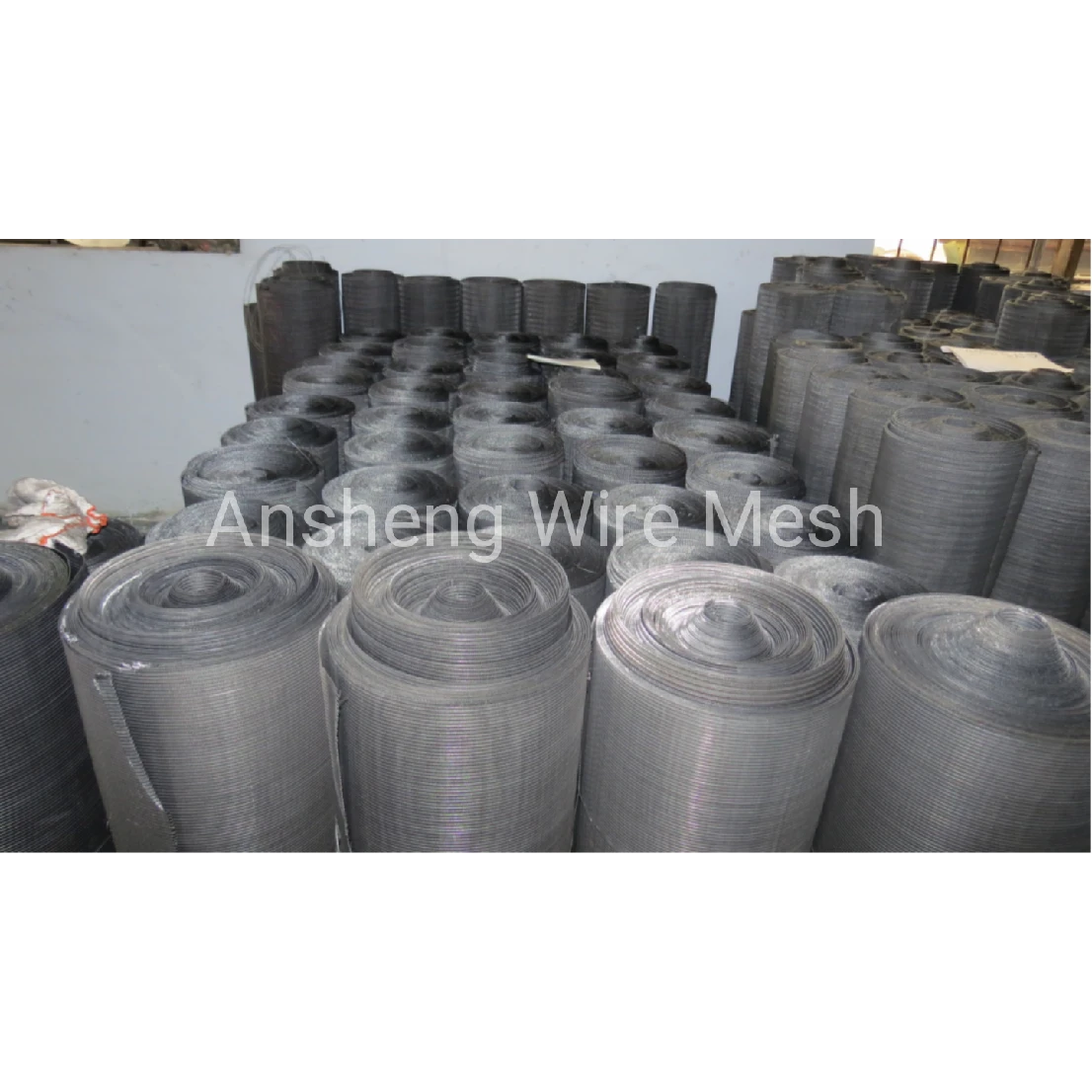
    Low-carbon steel dutch weave wire mesh, also known as iron wire filter mesh, black wire cloth. Materials: Low-carbon steel Scope of Mesh : 7x55mesh-40x200mesh Scope of wire diameter: 0.14mm-0.75mm Scope of width: usually 0.915m-1.3meters, and special specifications can be customized according to customer requirements. Scope of length: generally 30 meters. Weave: plain weave, herringbone weave, dutch weave

  • Phosphor Copper Wire Mesh

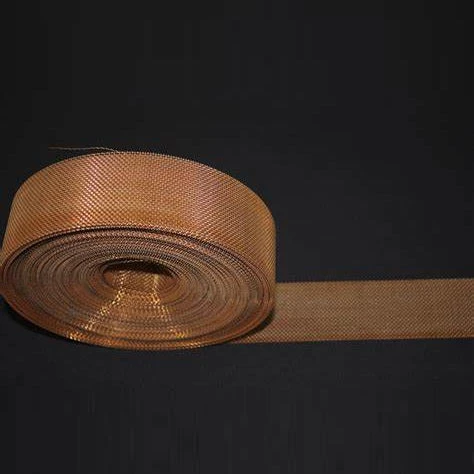
    Phosphor copper wire mesh, also known as copper wire mesh. Materials: QSn6.5-0.1,QSn6.5-0.4 Property: Non-magnetic, wear resistant, good ductility Scope of Mesh : 2-300mesh Scope of wire diameter: 0.08mm-0.8mm Scope of width: usually 1m-1.5meters, and special specifications can be customized according to customer requirements. Scope of length: generally 30 meters. Weave: plain weave, twill weave
Trust us, choose us
About Us
  • wire cloth company
  • wire cloth company
  • wire cloth company
Brief description:

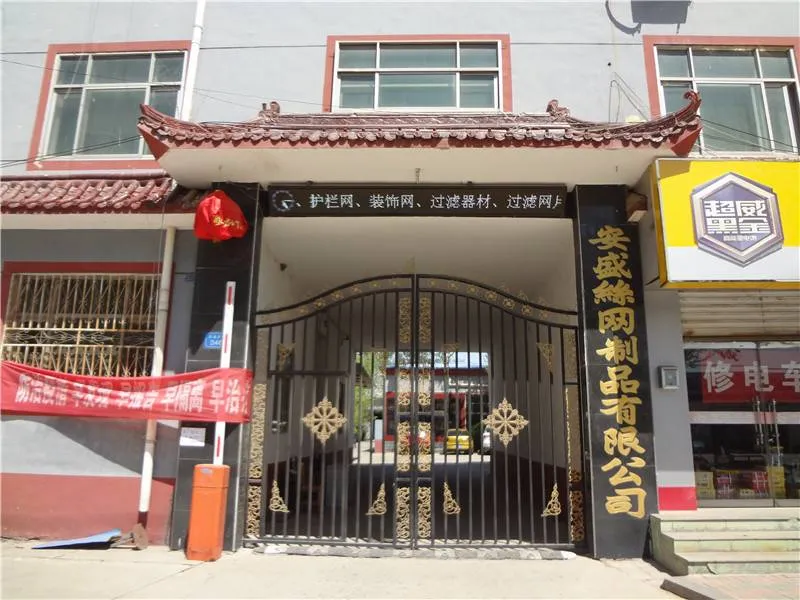
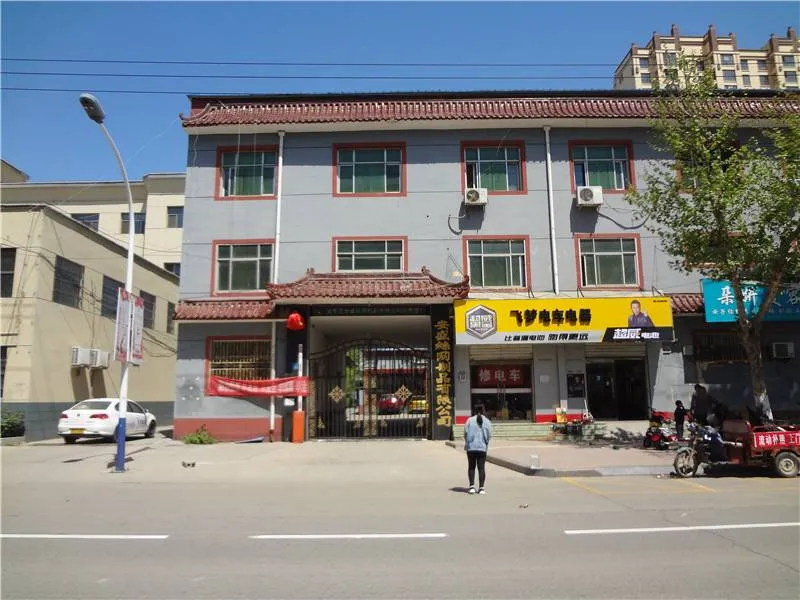
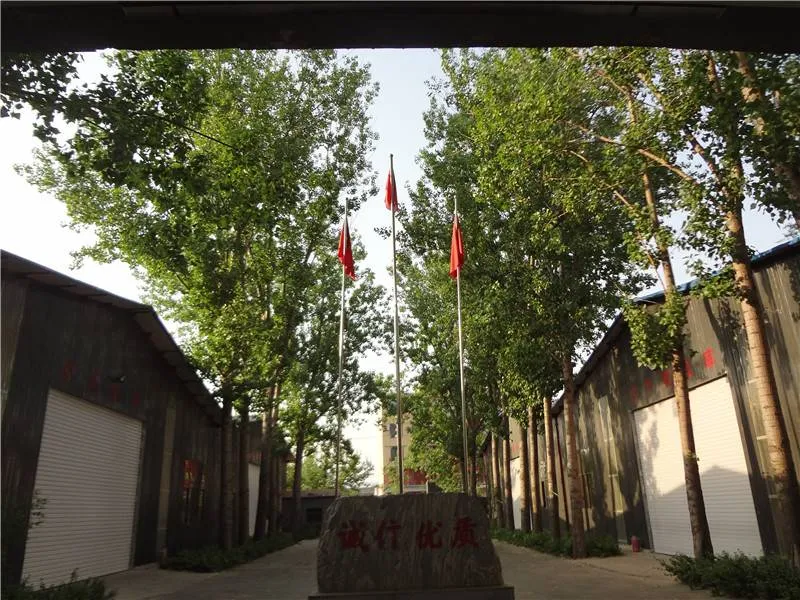
Our company is an enterprise specializing in the production and sale of various metal wire mesh and filter equipment. The products are widely used in machinery, petrochemical, plastic, metallurgy, pharmaceutical, water treatment and other industries. Our company has advanced production and testing equipment, strict scientific management and quality control. After more than 20 years of development, it has become a modern enterprise integrating R & D, design, production, sales, and service. In addition to satisfying domestic customers, our products Also exported to the United States, Brazil, Germany, Poland, Australia, New Zealand, Taiwan and other countries and regions.

Participate in exhibition activities
EVENTS & TRADE SHOWS
  • Woven wire cloth, also known as woven wire mesh, is a versatile material used across countless industries. From filtration and screening to security and architectural applications, its unique properties make it an invaluable component in diverse manufacturing processes. This article provides an in-depth look at woven wire cloth, covering its construction, types, applications, and key considerations for selecting the right mesh for your needs. We’ll delve into the advantages of choosing high-quality woven wire cloth from a trusted supplier. Woven wire cloth is created through a process similar to weaving fabric. It involves interlacing warp and weft wires in a specific pattern, typically plain, twill, or Dutch weave. The warp wires run lengthwise, while the weft wires run widthwise. The mesh count, specified as the number of openings per inch, determines the fineness of the weave. A higher mesh count indicates smaller openings. The material used can vary widely, including stainless steel, carbon steel, brass, copper, aluminum, and other alloys, each offering different properties in terms of corrosion resistance, strength, and cost. The quality of the wire used, and the precision of the weaving process are critical to the final performance of the cloth.

  • 304 stainless steel woven wire mesh is a versatile material widely used in various industrial and commercial applications. Renowned for its corrosion resistance, durability, and strength, it offers a reliable solution for filtration, separation, screening, and security needs. This article delves into the properties, applications, specifications, and benefits of 304 stainless steel woven wire mesh, providing a comprehensive guide for professionals and buyers. Ansheng Metal Mesh specializes in providing high-quality 304 stainless steel woven wire mesh solutions tailored to diverse industry requirements. 304 stainless steel woven wire mesh is manufactured by weaving stainless steel wires together in a variety of patterns, including plain weave, twill weave, and dutch weave. The "304" designation refers to the alloy's composition – it contains approximately 18% chromium and 8% nickel, which provides excellent corrosion resistance. This type of mesh is a popular choice due to its cost-effectiveness, versatility, and ease of fabrication. It’s significantly resistant to oxidation and many corrosive agents, making it suitable for demanding environments. Key Highlights: Excellent corrosion resistance, high tensile strength, versatile weaving patterns, and cost-effective solution for various applications. The applications for 304 stainless steel woven wire mesh are diverse and span across numerous industries. Some prominent examples include: filtration in food and beverage processing, screening in aggregate and mining operations, security fencing, insect screening, architectural facades, and even in the pharmaceutical industry for specific filtration processes.

  • Architectural woven mesh is a versatile and aesthetically pleasing material increasingly used in modern construction and design. Offering a unique blend of functionality and visual appeal, it's finding applications in facades, safety barriers, interior design, and more. This article will delve into the characteristics, benefits, applications, and considerations when using architectural woven mesh, providing a thorough overview for architects, designers, and construction professionals. We'll explore how this innovative material can enhance both the form and function of your projects. At its core, architectural woven mesh is created by interlacing wires in a specific pattern – plain weave, twill weave, or other specialized weaves. This process results in a durable, flexible, and visually interesting material. Commonly made from stainless steel, but also available in materials like aluminum, copper, and brass, the mesh offers excellent corrosion resistance and longevity. The openness of the weave (the spaces between the wires) can be adjusted to control visibility, airflow, and light transmission.

  • Woven wire mesh screens are versatile materials used across numerous industries for filtration, separation, security, and more. Their durability, precision, and customizable nature make them a preferred choice for a wide range of applications. This article will delve into the intricacies of woven wire mesh screens, exploring their manufacturing process, key features, diverse applications, and how to choose the right mesh for your specific needs. Understanding the properties of these screens is crucial for optimal performance and longevity. The creation of woven wire mesh screens is a meticulous process involving interlacing wires to create a consistent, durable fabric. The process begins with selecting the appropriate wire material – stainless steel, carbon steel, brass, and aluminum are common choices. These wires are then meticulously woven using looms, either plain weave, twill weave, or dutch weave, each resulting in different characteristics. Plain weave offers stability, twill weave provides greater strength and flexibility, and dutch weave maximizes open area for filtration. Following weaving, the mesh may undergo further processing such as cutting, forming, or coating to meet specific application requirements.

  • Aluminum woven wire mesh is a versatile material utilized across a wide spectrum of industries due to its unique properties. It’s known for its lightweight nature, corrosion resistance, and durability. This article provides an in-depth look at aluminum woven wire mesh, covering its manufacturing process, key characteristics, diverse applications, and why Ansheng Metal Mesh is a leading supplier. Whether you're involved in filtration, screening, protection, or architectural design, understanding this material is crucial. The creation of aluminum woven wire mesh is a meticulous process. It begins with selecting high-quality aluminum wires, often alloys like 304, 316, or 6061 for enhanced properties. These wires are then woven together on specialized looms, creating a mesh with varying weave patterns – plain weave, twill weave, and dutch weave being the most common. The weave pattern dictates the mesh’s openness, strength, and filtration capabilities. Precision is vital; maintaining consistent wire diameter and weaving tension ensures a uniform and durable product.

  • Brass woven wire mesh is a versatile material prized for its unique combination of properties, making it ideal for a wide array of industrial, commercial, and even artistic applications. Its excellent conductivity, corrosion resistance, and aesthetic appeal make it a superior choice compared to other metal meshes. This article provides a comprehensive overview of brass woven wire mesh, covering its characteristics, manufacturing process, key applications, and how Ansheng Metal Mesh delivers high-quality products. Understanding these aspects will help you determine if brass woven wire mesh is the right solution for your needs. Brass woven wire mesh is created by interlacing brass wires in a variety of weave patterns, such as plain weave, twill weave, and dutch weave. The composition of brass—typically an alloy of copper and zinc—contributes to its distinctive properties. The percentage of zinc impacts the mesh's color, strength, and corrosion resistance.

  • Woven brass mesh is a versatile material prized for its durability, corrosion resistance, and aesthetic appeal. It finds application in a diverse range of industries, from architectural design to industrial filtration. This article will explore the properties of woven brass mesh, its manufacturing process, common applications, and why An Sheng Metal Mesh is a leading supplier of high-quality brass mesh products. Choosing the right mesh is critical for performance and longevity, and we’ll guide you through understanding the key factors. Woven brass mesh is created by interweaving brass wires in a specific pattern – plain weave, twill weave, or dutch weave are the most common. The weaving process involves passing the weft (horizontal) wires over and under the warp (vertical) wires, creating an interlocking structure. The specific weave pattern dictates the mesh's properties, such as its aperture size, flexibility, and strength.

tel email tel top

If you are interested in our products, you can choose to leave your information here, and we will be in touch with you shortly.