
The Ultimate Guide to Woven Mesh Sheet: Applications and Selection
In the world of industrial filtration, separation, and architectural design, the woven mesh sheet serves as a fundamental component. Defined by its precise interlacing of metal wires, this versatile material provides a balanced combination of strength, permeability, and durability. Whether you are looking for high-precision filtration in a laboratory or robust security screening for a warehouse, understanding the nuances of woven mesh is essential. This guide explores the technical specifications, material advantages, and industry applications to help you make an informed procurement decision for your project.
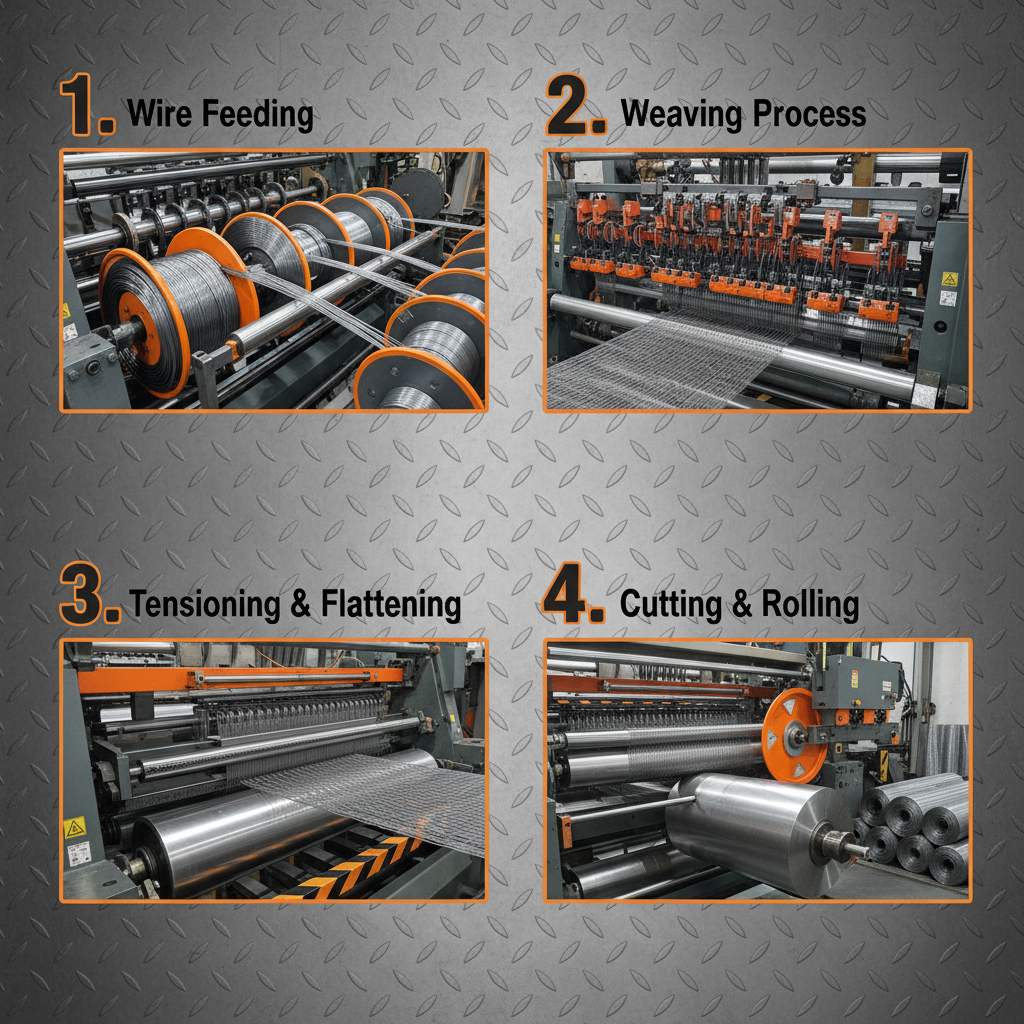
Understanding the Structure of a Woven Mesh Sheet
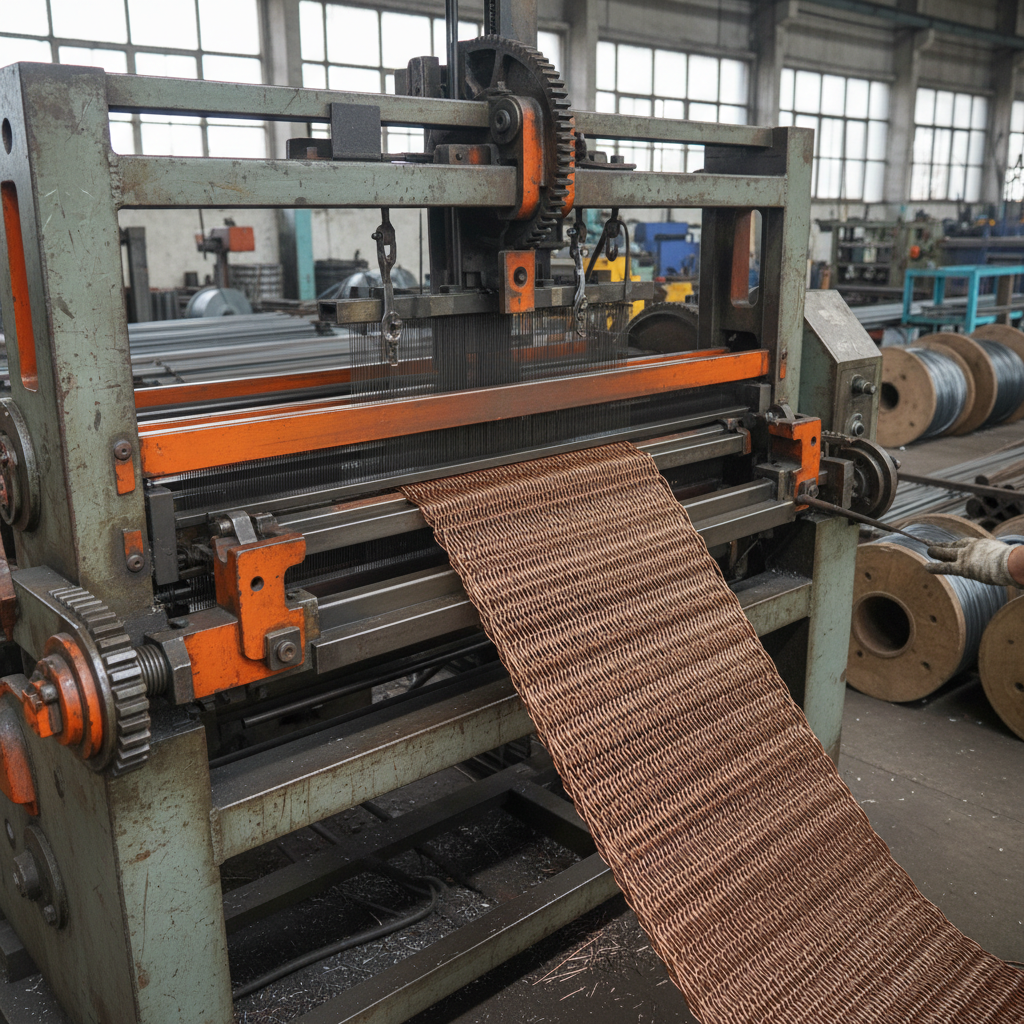
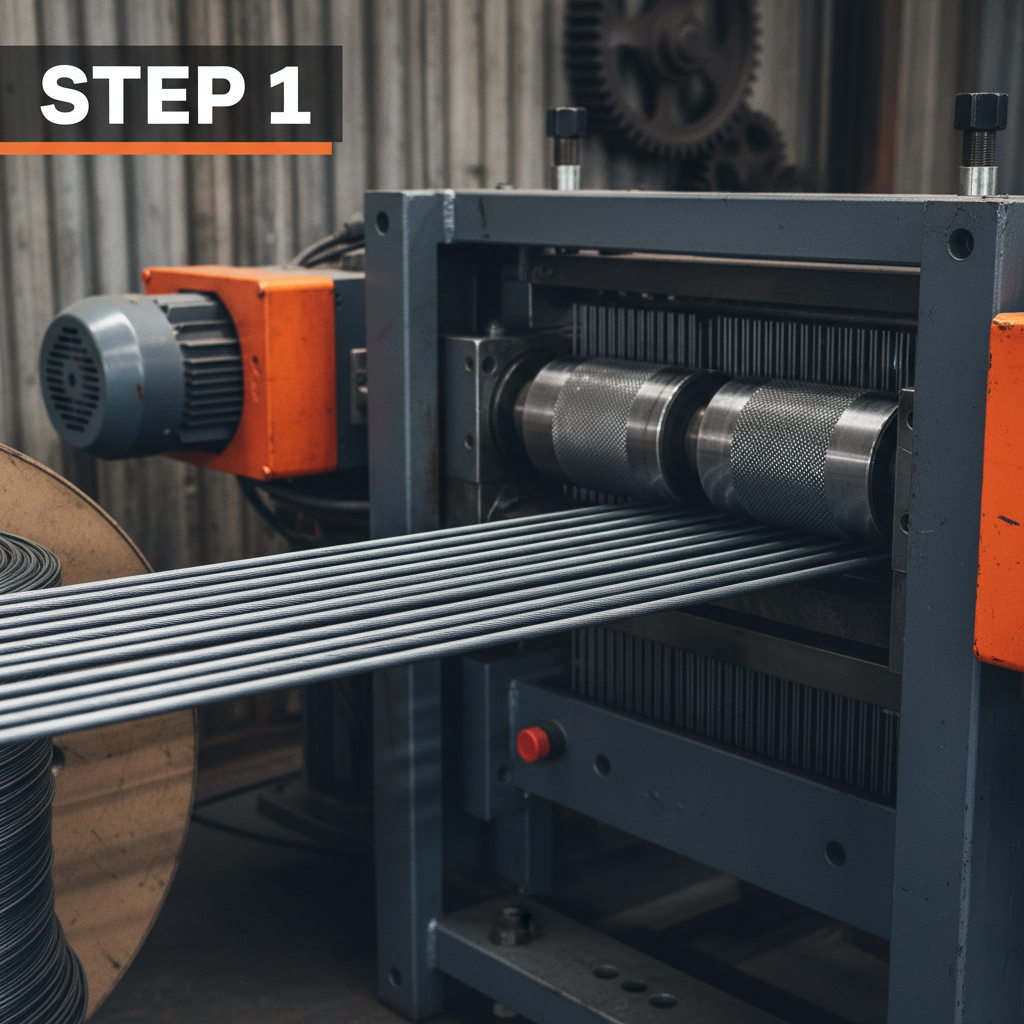
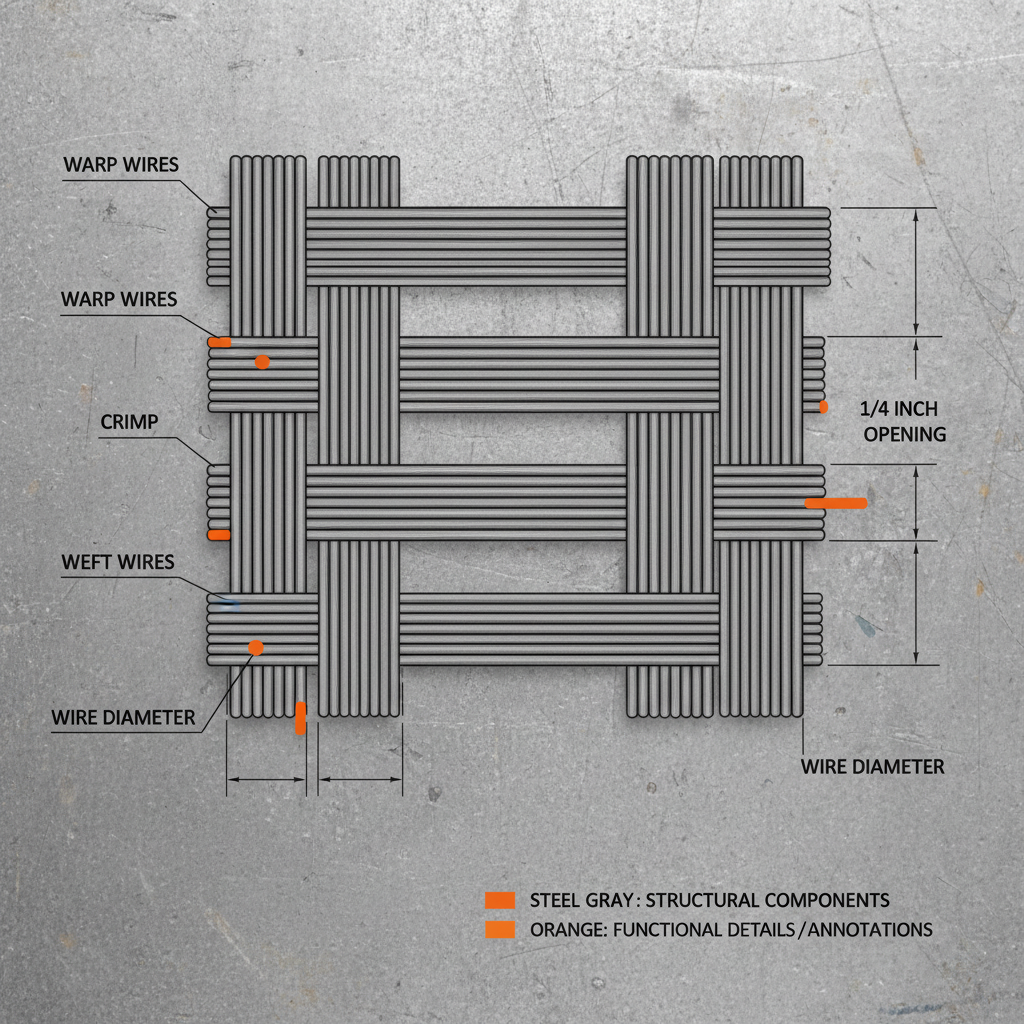
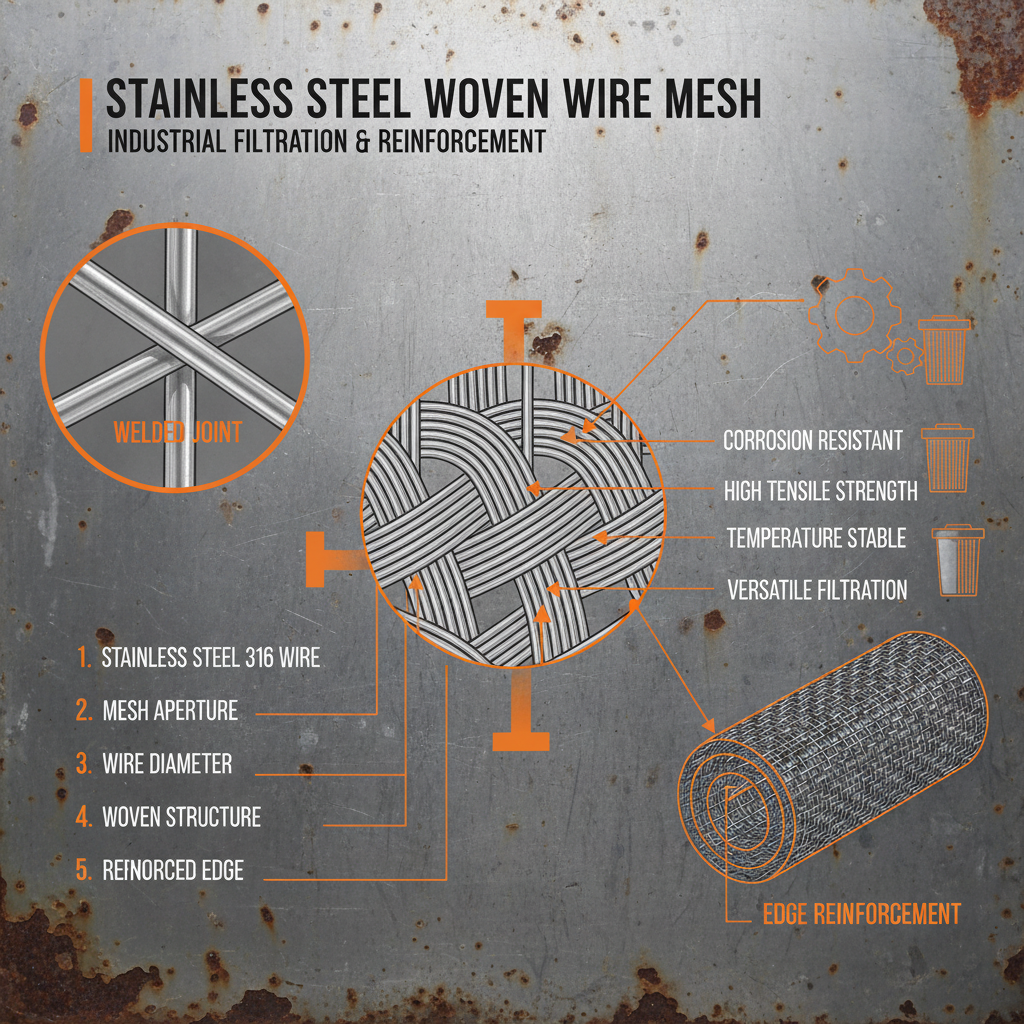
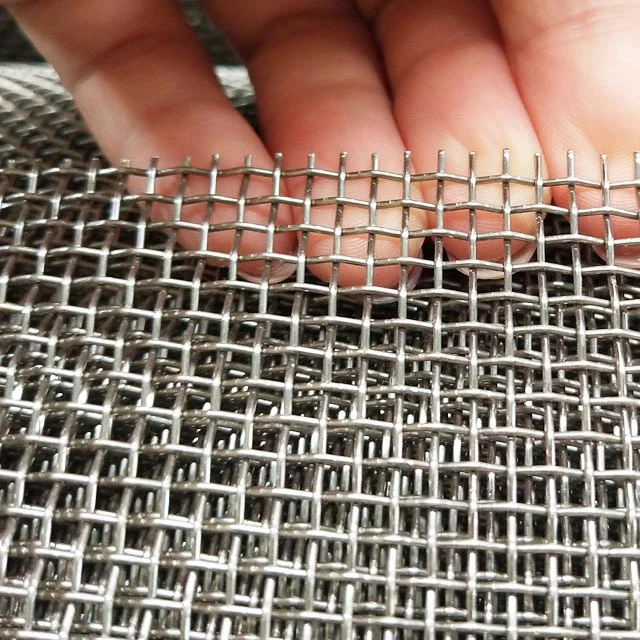
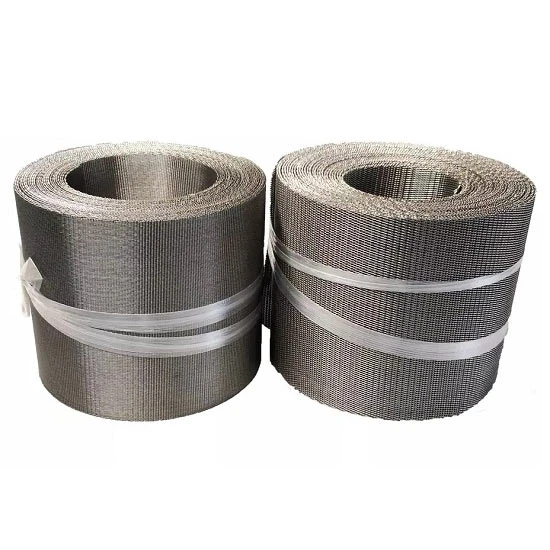
A woven mesh sheet is created by weaving two or more sets of wires—the warp and the weft—at right angles to each other. The most common weave is the "plain weave," where wires alternate over and under. However, for specialized industrial needs, "twill" or "dutch" weaves are employed to achieve higher density or specific filtration ratings. The precision of the weave determines the opening size, which is the most critical factor when selecting mesh for filtration. By controlling the wire diameter and the mesh count (number of openings per linear inch), manufacturers can create a product that filters out microscopic particles or supports heavy structural loads.
Pro Tip: When specifying a mesh, always provide the Wire Diameter and the Mesh Count to ensure the permeability meets your operational requirements.
Material Options for Woven Mesh Sheet Performance
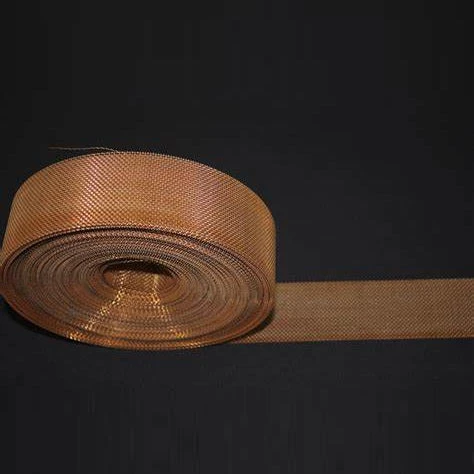
The choice of material directly impacts the lifespan and efficiency of your woven mesh sheet. Stainless steel (particularly 304 and 316 grades) is the gold standard due to its exceptional corrosion resistance and thermal stability. For applications where cost is a primary driver and environment is non-corrosive, galvanized steel or aluminum may be suitable. In extreme chemical environments, alloy metals like Monel or Inconel are utilized. Choosing the wrong material can lead to premature oxidation or chemical degradation, resulting in costly downtime and replacement expenses.
Material Quick-Reference:
• SS304: General purpose, excellent corrosion resistance.
• SS316: Marine grade, superior resistance to chlorides.
• Aluminum: Lightweight, naturally corrosion-resistant.
• Galvanized Steel: Cost-effective for outdoor construction.
Woven Mesh Sheet Specifications and Comparison
To better understand which type of woven mesh sheet fits your needs, it is helpful to compare different weave types and their typical applications. Plain weave is best for general screening, while Dutch weave is optimized for high-efficiency fluid filtration. The following table provides a technical comparison of these common configurations.
Industrial Applications of Woven Mesh Sheets
The versatility of the woven mesh sheet allows it to be integrated into a vast array of industries. In the pharmaceutical and food industries, high-grade stainless steel mesh is used for sifting powders and filtering liquids to meet strict hygiene standards. In the automotive sector, it is often found in oil filters and fuel strainers. Additionally, architects utilize these sheets for decorative facades, solar shading, and security partitions, blending functionality with modern aesthetics. The ability to customize the mesh to specific tolerances makes it an indispensable tool for engineers worldwide.
Quality Control and Maintenance Tips
To maximize the return on investment for your woven mesh sheet, regular maintenance is required. Clogging is the most common issue in filtration applications. Implementing a periodic back-washing system or using ultrasonic cleaning can restore the mesh's original permeability. Furthermore, it is critical to inspect the edges of the sheet for fraying or corrosion, as these can lead to structural failure. Ensuring that the mesh is properly tensioned during installation will prevent sagging and ensure a consistent filtration rate across the entire surface area.
Ordering the Right Woven Mesh Sheet: A Checklist
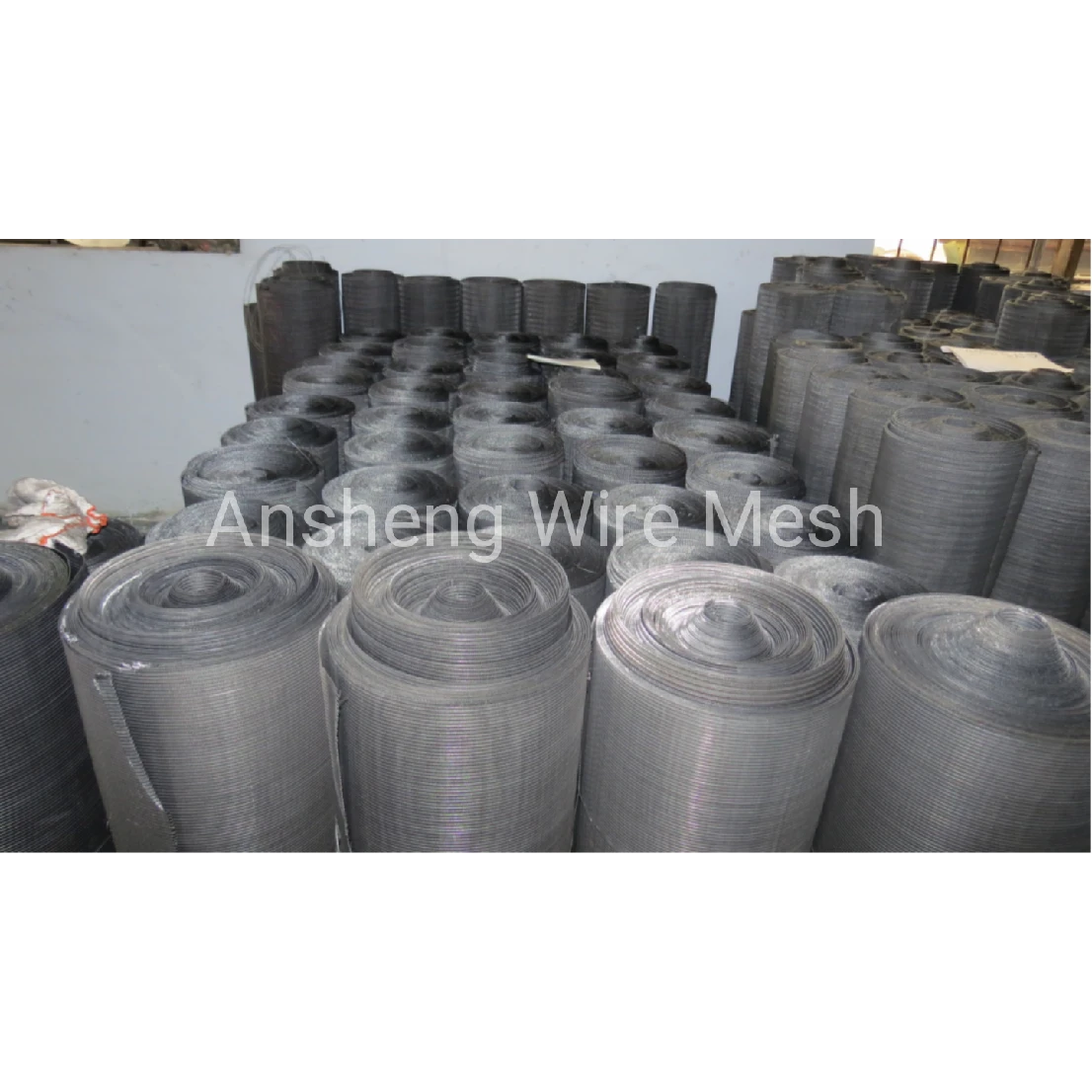
Ordering the wrong specification can lead to operational inefficiency. When requesting a quote from a supplier like Ansheng Metal Mesh, ensure you have the following details ready. This ensures that the woven mesh sheet you receive is perfectly tailored to your application. Precision in the ordering stage eliminates the need for costly replacements and ensures the system operates at peak performance from day one.
Conclusion: Optimizing Your Project with Woven Mesh
The woven mesh sheet is more than just a piece of metal; it is a precision-engineered tool that ensures efficiency, safety, and quality across various industrial sectors. By carefully selecting the material, weave type, and specifications, you can significantly enhance the performance of your filtration or architectural systems. Partnering with an experienced manufacturer ensures that you receive a product that meets international standards and your specific operational needs. Invest in quality mesh to secure the longevity of your industrial infrastructure.
Frequently Asked Questions (FAQs)
What is the difference between mesh count and opening size?
Mesh count refers to the number of openings per linear inch of the woven mesh sheet. Opening size, on the other hand, is the actual physical space between the wires. While a higher mesh count often means smaller openings, the opening size also depends on the diameter of the wires used. For example, a 100-mesh sheet with very thin wires will have larger openings than a 100-mesh sheet with thicker wires. Knowing both is crucial for precise filtration applications.
Which material is best for saltwater environments?
For saltwater or marine environments, Stainless Steel 316 (SS316) is the highly recommended choice for a woven mesh sheet. Unlike SS304, SS316 contains molybdenum, which significantly increases its resistance to pitting and crevice corrosion caused by chlorides found in salt water. This makes it essential for offshore platforms, shipbuilding, and coastal architectural installations where standard steel would fail rapidly.
Can woven mesh sheets be customized in size and shape?
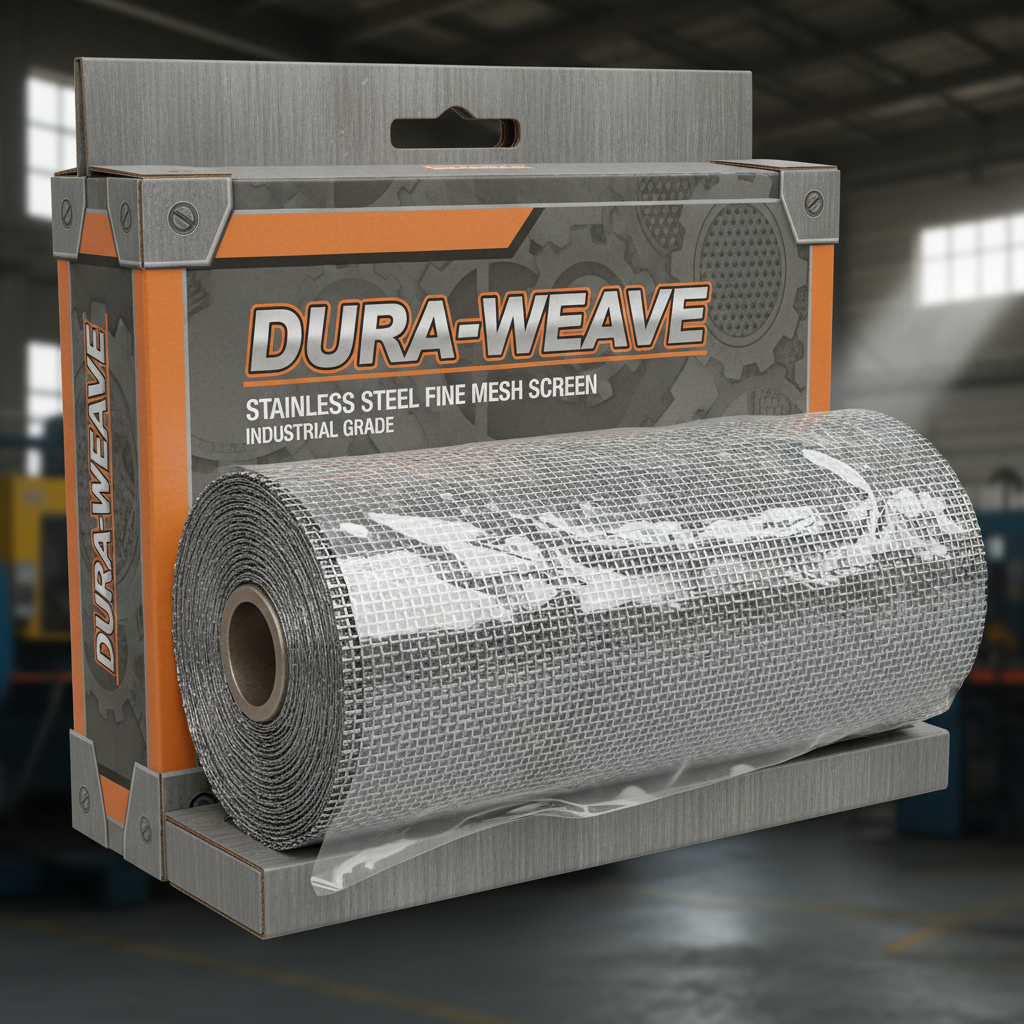
Yes, most professional manufacturers can customize the woven mesh sheet to meet specific requirements. This includes cutting the sheets to exact dimensions, creating circular discs for filter housings, or providing rolls for large-scale projects. Additionally, edge finishing—such as welding a frame or folding the edges—can be performed to ensure the mesh is safe to handle and easy to install into your existing machinery.
How do I clean a clogged woven mesh filter?
The method of cleaning depends on the material and the type of contaminant. For light debris, air blowing or water rinsing from the reverse direction (back-flushing) is often sufficient. For stubborn organic or chemical buildup, an ultrasonic cleaner is the most effective tool as it removes particles without damaging the wire structure. Avoid using abrasive brushes or harsh chemicals that could scratch the surface or react with the metal, as this can compromise the integrity of the woven mesh sheet.
Post time: Apr . 09, 2026 03:10