Copper woven wire mesh stands as a critical material in numerous industrial applications, providing filtration, screening, and structural support. Its unique combination of conductivity, corrosion resistance, and formability makes it indispensable in sectors ranging from aerospace and automotive to chemical processing and environmental protection. Understanding the intricacies of copper woven wire mesh is vital for engineers, procurement specialists, and manufacturers seeking optimal performance and longevity in their products and processes.
The global demand for copper woven wire mesh is driven by the continued growth of these key industries. As manufacturing processes become more sophisticated and environmental regulations tighten, the need for high-quality, reliable filtration and separation solutions increases. Furthermore, the versatility of copper allows for customization to meet specific application requirements, driving innovation and market expansion.
Its significance extends beyond simple material science; copper woven wire mesh plays a role in enhancing product efficiency, safeguarding environmental health, and ensuring the safety of critical infrastructure. By understanding its properties and potential, we can unlock even more innovative applications for this remarkable material.
Understanding Copper Woven Wire Mesh
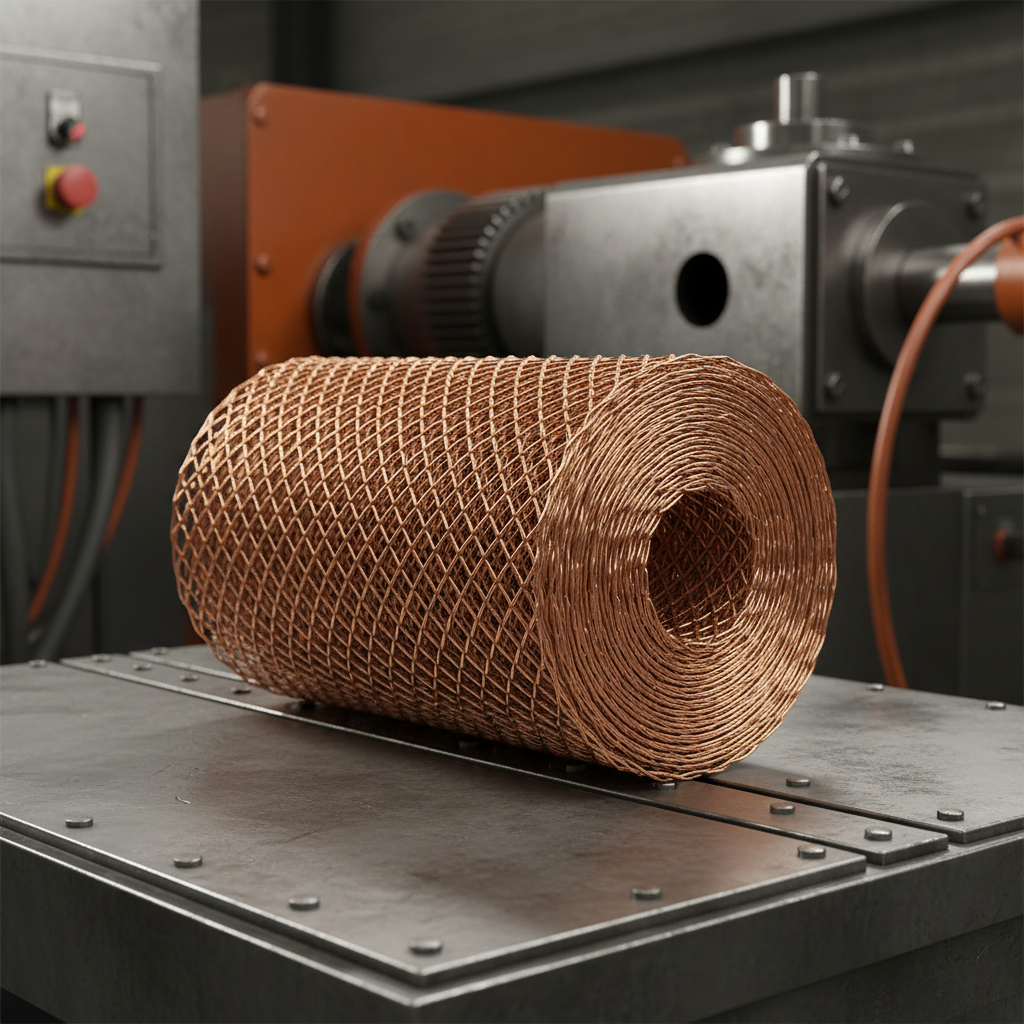
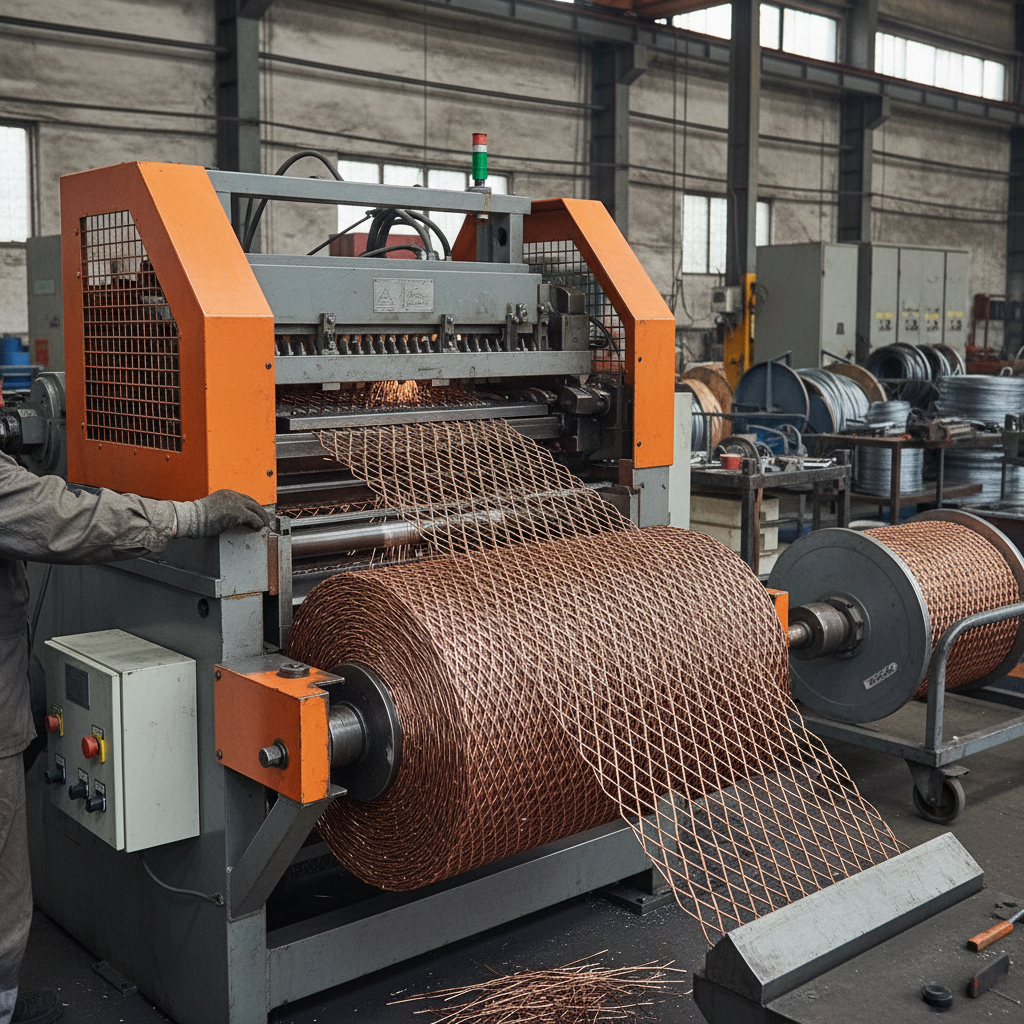
Copper woven wire mesh isn't merely a material; it’s an engineered solution. Its construction involves interlacing copper wires in a specific pattern, creating a mesh with defined aperture sizes and structural integrity. This process is fundamental to its wide range of applications, from basic filtration to sophisticated electromagnetic shielding.
The value of copper woven wire mesh lies in its adaptability. By controlling wire diameter, weave pattern, and copper alloy composition, manufacturers can tailor the mesh’s properties to meet specific performance criteria. This makes it ideal for diverse industries where precision and reliability are paramount.
Defining Copper Woven Wire Mesh
Copper woven wire mesh is a fabric constructed by interlacing copper wires at right angles. This method of construction creates a robust, durable material with consistent openings (apertures) that can be precisely controlled. Unlike welded wire mesh, woven wire mesh possesses greater flexibility and conforms more readily to complex shapes.
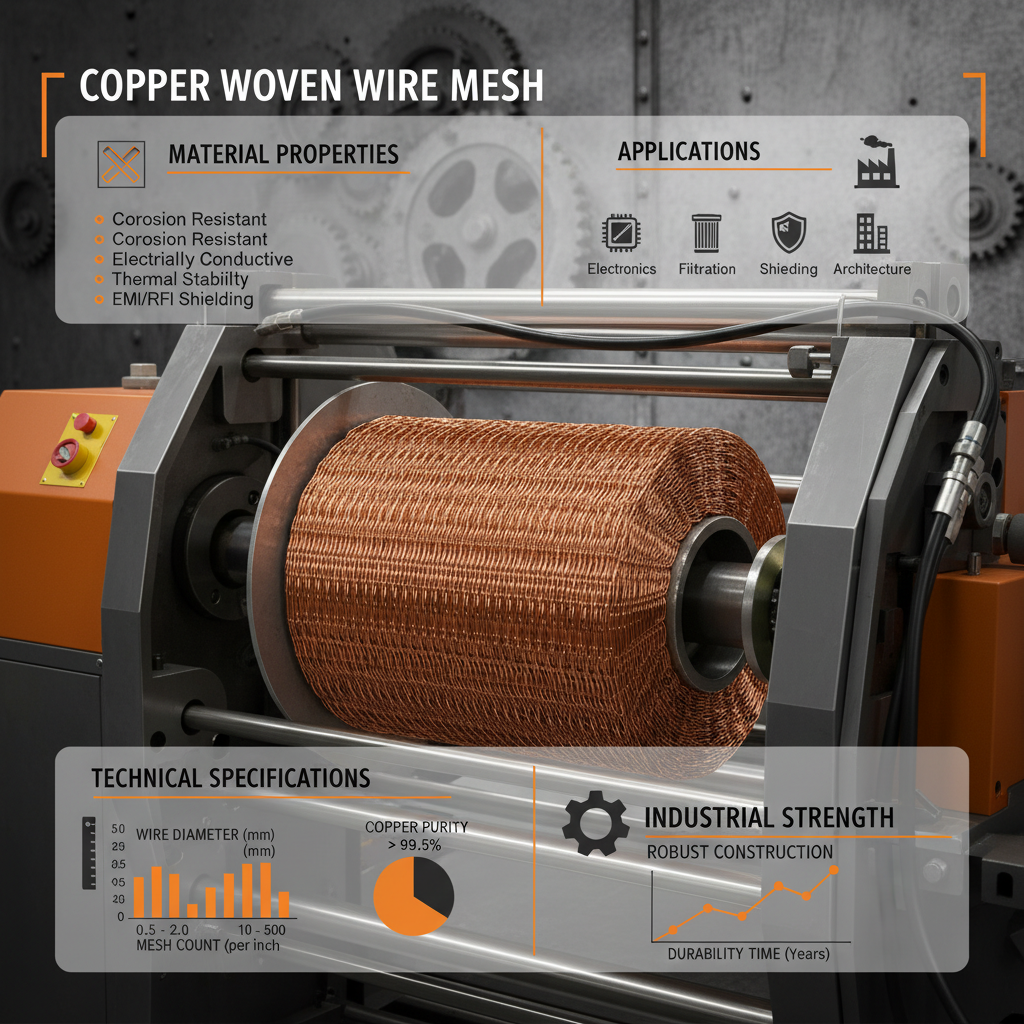
Its significance stems from copper’s inherent properties: excellent electrical and thermal conductivity, resistance to corrosion, and ductility. These characteristics make copper woven wire mesh suitable for applications where conductivity, durability, and environmental resistance are crucial.
Historically, woven wire mesh has been used for centuries, but the application of copper has become increasingly prevalent with the growth of industries demanding high-performance materials. Today, it's integral to modern manufacturing and vital in addressing contemporary engineering challenges.
Key Properties of Copper Woven Wire Mesh
The utility of copper woven wire mesh is deeply rooted in its exceptional properties. Firstly, its conductivity—both electrical and thermal—is outstanding, making it invaluable in applications requiring efficient energy transfer or electromagnetic shielding. Secondly, copper’s inherent corrosion resistance ensures longevity even in harsh environments.
Beyond conductivity and corrosion resistance, copper woven wire mesh exhibits excellent ductility, allowing it to be formed into complex shapes without fracturing. It also demonstrates impressive tensile strength, ensuring structural integrity under stress. These characteristics collectively contribute to the mesh's versatility and reliability.
Finally, the weave pattern influences the mesh's properties. Plain weaves offer high strength, while twill weaves provide greater flexibility. Dutch weaves, with varying wire diameters, create specialized filtration characteristics. The ability to customize the weave adds another layer of adaptability, ensuring optimal performance for diverse applications.
Applications Across Industries
The applications of copper woven wire mesh are incredibly diverse, spanning multiple industries. In the aerospace sector, it's used for electromagnetic interference (EMI) shielding and aircraft de-icing systems. The automotive industry utilizes it in catalytic converters and air filters.
The chemical processing industry relies on copper woven wire mesh for filtration and separation of liquids and gases. Environmental applications include wastewater treatment and pollution control. Furthermore, it finds uses in architectural applications, such as security screening and decorative elements.
Its versatility is also evident in specialized applications, like battery manufacturing (current collectors), printed circuit boards (conductive paths), and even artistic installations. The global reach of these industries ensures a consistent demand for high-quality copper woven wire mesh.
Copper Woven Wire Mesh Application Distribution
Advantages and Long-Term Value
Investing in copper woven wire mesh offers significant advantages beyond its initial cost. Its exceptional durability translates to a longer lifespan, reducing the frequency of replacements and associated downtime. This contributes to long-term cost savings and increased operational efficiency.
The material's resistance to corrosion minimizes maintenance requirements, further reducing lifecycle costs. Furthermore, its recyclability aligns with sustainability goals, offering an environmentally responsible solution. The combination of these factors delivers substantial long-term value to end-users.
Future Trends in Copper Woven Wire Mesh
Several emerging trends are shaping the future of copper woven wire mesh. The increasing demand for electric vehicles is driving innovation in battery technology, where copper mesh is becoming crucial for current collection and thermal management.
Advancements in nanotechnology are enabling the creation of ultra-fine copper mesh with enhanced properties. Furthermore, the integration of smart materials and sensors into the mesh structure is opening up new possibilities for real-time monitoring and control. These developments promise to unlock even more sophisticated applications for this versatile material.
Challenges and Solutions
Despite its numerous advantages, working with copper woven wire mesh presents certain challenges. One common issue is the cost of raw materials, which can fluctuate with market conditions. Another challenge is ensuring consistent quality and precision in the weaving process.
Solutions include sourcing copper from reliable suppliers, implementing rigorous quality control measures, and investing in advanced weaving technologies. Furthermore, exploring alternative copper alloys and coatings can enhance performance and reduce costs. Collaborating with experienced manufacturers is crucial for overcoming these challenges and maximizing the benefits of this material.
Ultimately, continuous innovation and a commitment to quality are essential for maintaining the competitiveness and sustainability of the copper woven wire mesh industry.
Key Performance Indicators of Copper Woven Wire Mesh Manufacturing
| Material Purity (%) |
Aperture Consistency (Std. Dev.) |
Tensile Strength (MPa) |
Production Efficiency (Units/Hour) |
| 99.8% |
0.05 mm |
450 MPa |
120 |
| 99.7% |
0.07 mm |
420 MPa |
100 |
| 99.5% |
0.10 mm |
380 MPa |
80 |
| 99.9% |
0.03 mm |
480 MPa |
150 |
| 99.6% |
0.08 mm |
400 MPa |
90 |
| 99.4% |
0.12 mm |
350 MPa |
70 |
FAQS
The cost of copper woven wire mesh is primarily affected by the current price of copper, the complexity of the weave pattern, the wire diameter, and the order quantity. Specialized alloys and tighter tolerances also contribute to higher costs. Lead times and shipping costs can also play a role, depending on the supplier and destination. Sourcing from reputable manufacturers and optimizing specifications can help manage expenses.
Mesh count, expressed as the number of wires per inch, dictates the aperture size and filtration capacity. A higher mesh count means smaller openings and finer filtration. To determine the appropriate mesh count, consider the particle size you need to capture or separate. It's crucial to balance filtration efficiency with flow rate; higher counts may restrict flow. Consulting with a mesh specialist can help optimize this selection.
Lead times for custom orders vary based on complexity, material availability, and the manufacturer’s production schedule. Standard weave patterns with readily available copper alloys may have lead times of 2-4 weeks. More intricate designs or specialized alloys can require 6-8 weeks or longer. Clear communication with the supplier and early order placement are vital for meeting project deadlines.
Yes, copper woven wire mesh can be welded or soldered, but requires careful technique to avoid damaging the mesh structure. Spot welding is often preferred to minimize heat-affected zones. Soldering should be conducted with appropriate fluxes and temperatures to ensure strong, reliable joints without distorting the mesh. Professional welding or soldering services are recommended for critical applications.
Various surface treatments can enhance the properties of copper woven wire mesh. Epoxy coating provides corrosion resistance and electrical insulation. Nickel plating improves hardness and wear resistance. Passivation treatments can minimize oxidation. The choice of treatment depends on the intended application and the desired performance characteristics.
To prevent corrosion, store copper woven wire mesh in a dry, well-ventilated area. Avoid exposure to moisture, corrosive chemicals, and direct sunlight. Wrapping the mesh in protective materials like polyethylene film can provide an additional barrier against environmental factors. Regular inspection and cleaning can also help maintain its condition.
Conclusion
Copper woven wire mesh remains a cornerstone material for diverse industries. Its unique combination of conductivity, durability, and formability, coupled with ongoing innovation in manufacturing techniques, ensures its continued relevance. By understanding its properties and applications, engineers and manufacturers can leverage this material to enhance product performance, improve efficiency, and address evolving challenges.
Looking ahead, the demand for copper woven wire mesh is poised to grow, driven by advancements in electric vehicles, renewable energy, and nanotechnology. Strategic investment in research and development, coupled with a commitment to sustainable practices, will be crucial for unlocking the full potential of this remarkable material and securing a prosperous future for the industry. For all your copper woven wire mesh needs, visit our website today.