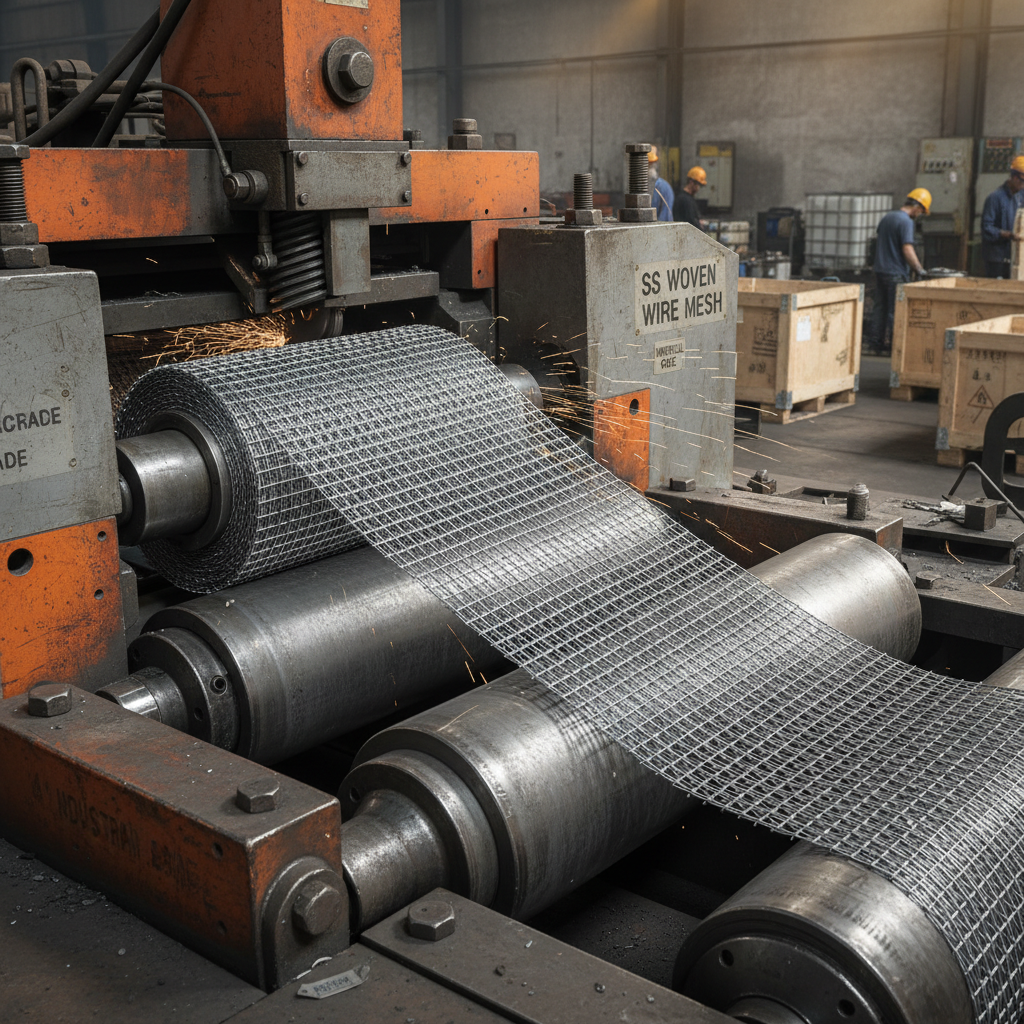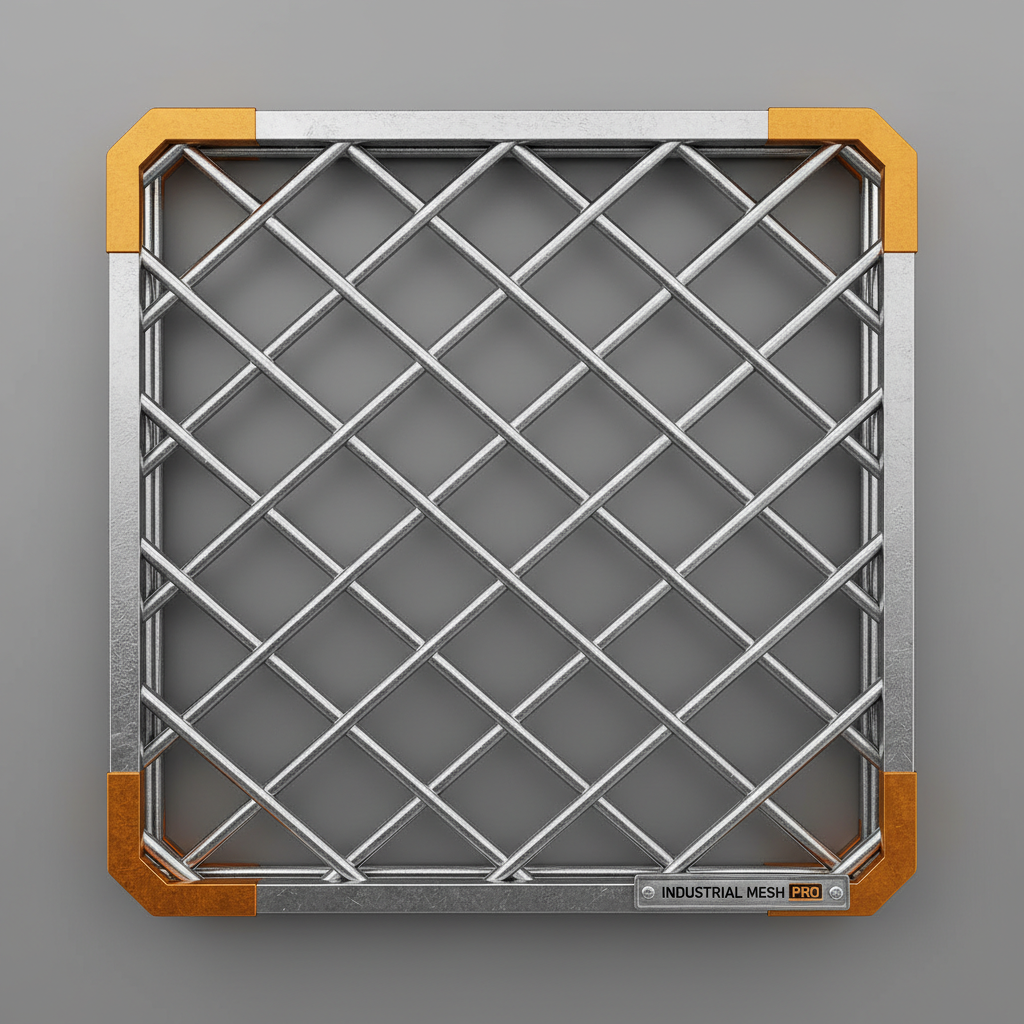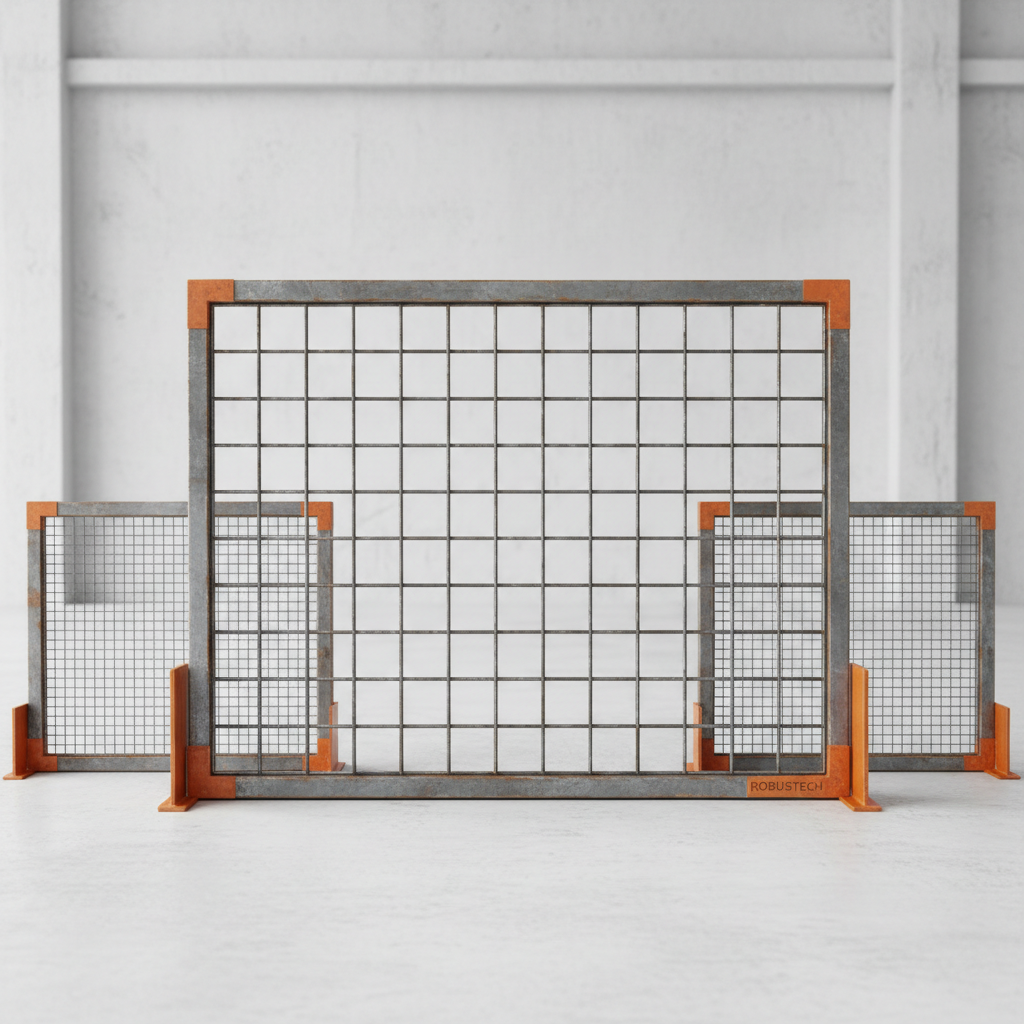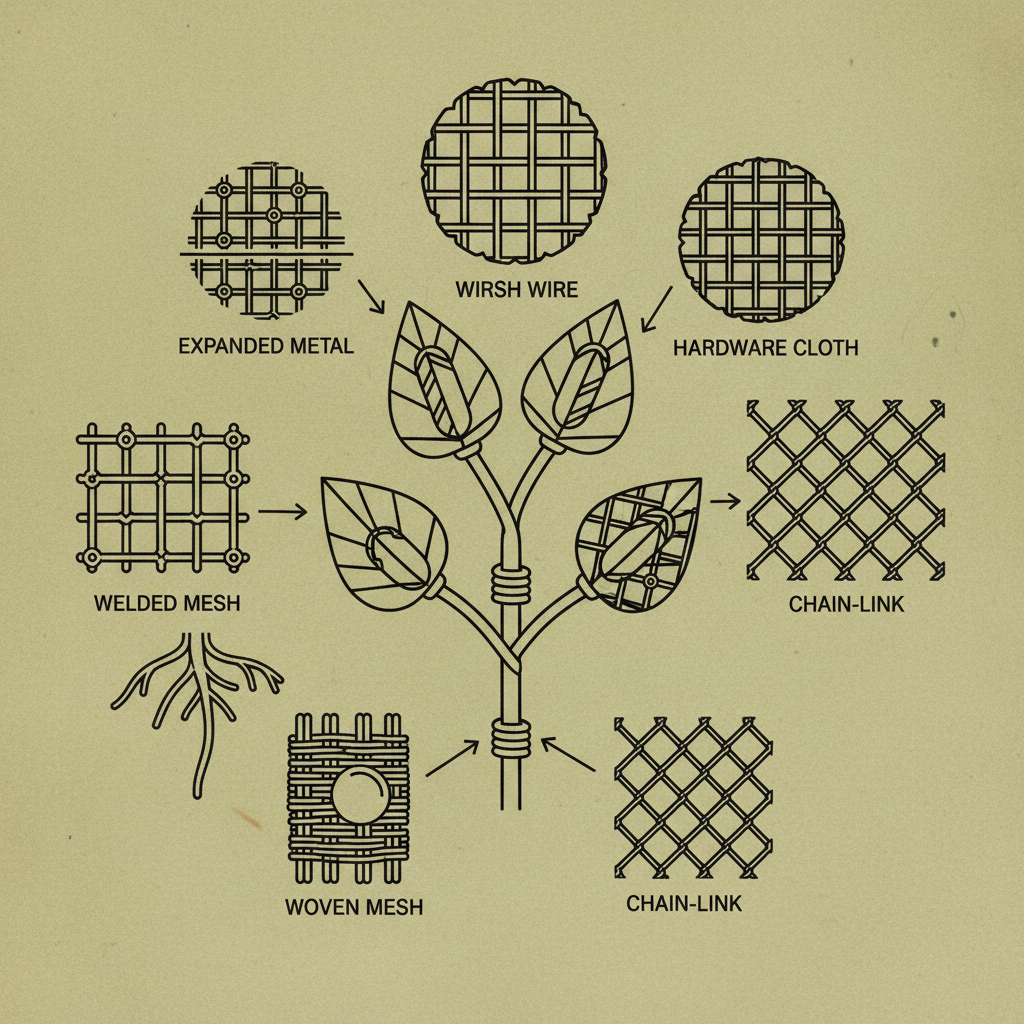
Lock crimp wire mesh represents a cornerstone in modern industrial filtration, security, and architectural applications. Its unique construction, achieved by precisely crimping and interlocking wires, delivers exceptional strength, durability, and resistance to deformation. This makes it a preferred material in demanding environments where performance and longevity are paramount. Understanding the properties and applications of lock crimp wire mesh is critical for engineers, designers, and procurement professionals seeking reliable and cost-effective solutions.
Globally, the demand for high-quality wire mesh products, including lock crimp variations, is driven by infrastructural development, increasing industrialization, and stringent safety regulations. Industries ranging from oil and gas to pharmaceuticals rely on its precise filtration capabilities, while security sectors benefit from its robust barrier properties. Recognizing the importance of this versatile material is key to addressing critical challenges across various sectors.
The efficacy of lock crimp wire mesh lies in its ability to maintain structural integrity even under significant stress, offering a superior alternative to welded or woven counterparts in certain applications. As industries continue to evolve, the role of this specialized mesh will only grow in importance, making a comprehensive understanding of its capabilities a vital asset.
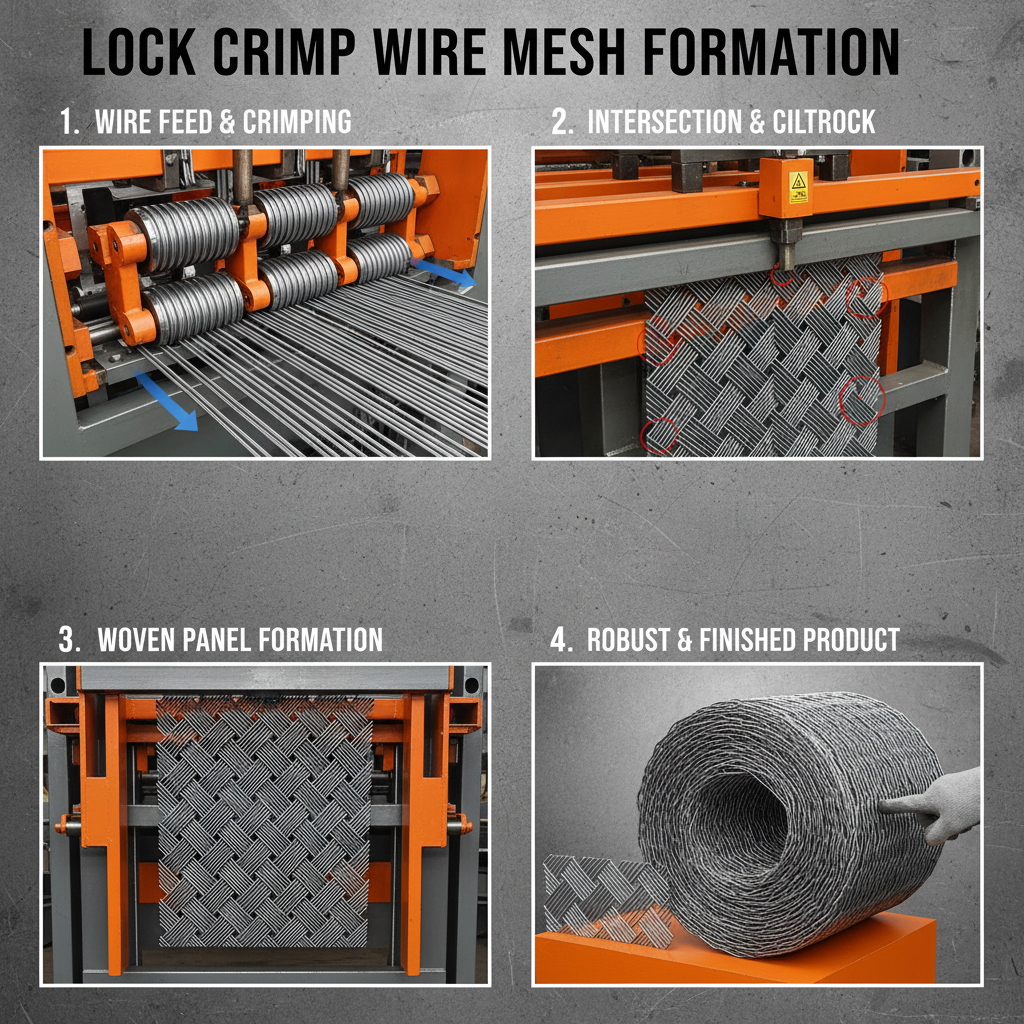
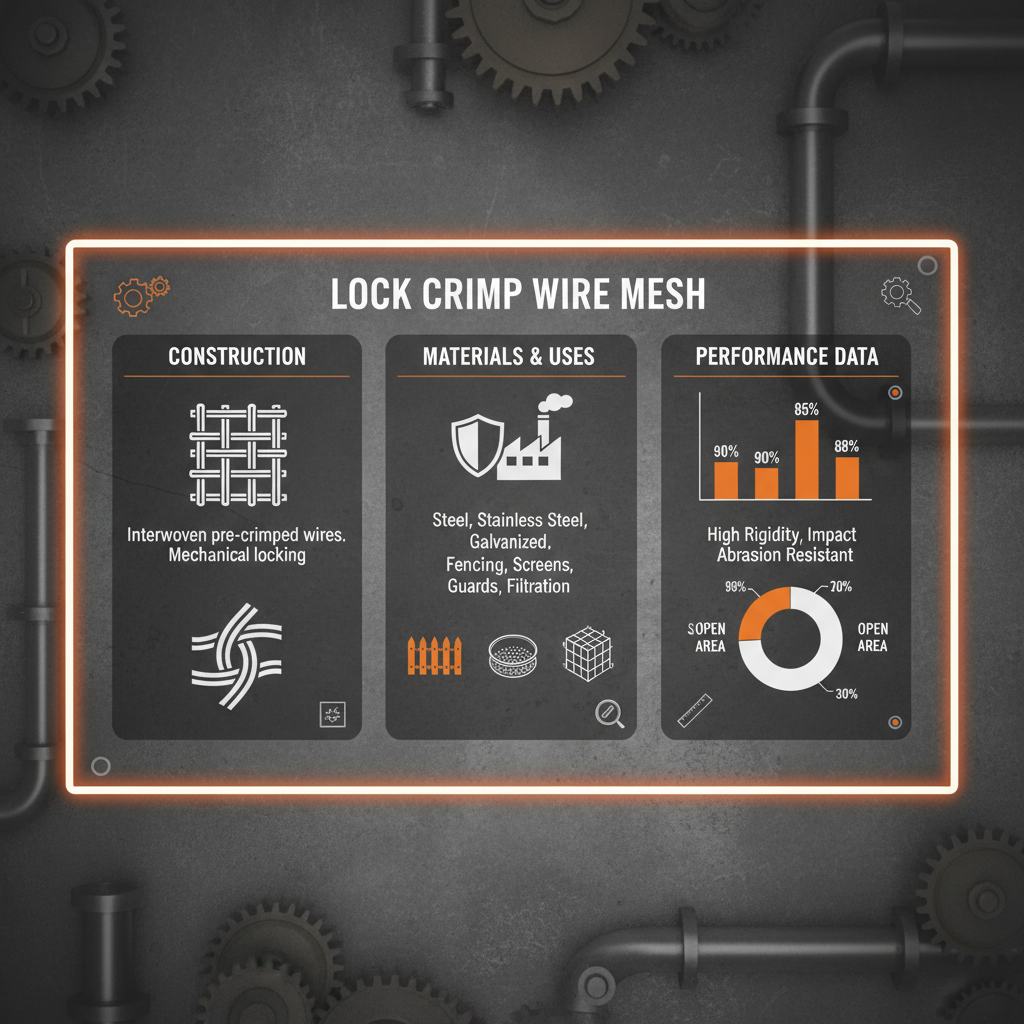
At its core, lock crimp wire mesh is defined by its unique weaving pattern. Wires are crimped before being interwoven, creating a self-locking structure that resists unraveling even when cut. This structural integrity is a primary benefit, distinguishing it from other wire mesh types.
The manufacturing process demands precision and control. The depth and frequency of the crimps are carefully calibrated to achieve specific performance characteristics. Choosing the right crimp profile is vital for optimizing the mesh's strength, flexibility, and filtration efficiency.
Lock crimp wire mesh exhibits superior resistance to deformation and unraveling under high pressure due to its unique crimping and interlocking design. Unlike woven wire mesh, where individual wires can shift and potentially compromise the structure, lock crimp maintains its integrity, ensuring consistent performance and prolonged service life in demanding environments. This makes it ideal for filtration in oil and gas, hydraulic systems, and other high-stress applications.
Absolutely. Lock crimp wire mesh offers a high degree of customization. By adjusting the wire diameter, crimp height, and weave pattern, manufacturers can precisely control the aperture size and filtration efficiency. This allows for tailoring the mesh to specific applications, whether it's removing micron-sized particles in pharmaceutical processes or providing coarse filtration in industrial wastewater treatment.
The material composition is critical for corrosion resistance. Stainless steel alloys, such as 304 and 316, are commonly used for applications exposed to corrosive substances. Special coatings, like epoxy or PVC, can further enhance protection in particularly harsh environments. Selecting the appropriate material ensures long-term performance and minimizes the risk of degradation.
The lifespan of lock crimp wire mesh used in outdoor security fencing typically ranges from 10 to 25 years, depending on the environment and maintenance practices. Coastal areas with high salt content may require more frequent inspection and cleaning. Galvanized or stainless steel mesh offers superior corrosion resistance, extending the lifespan in these challenging conditions. Regular visual inspections and prompt repairs can further maximize the mesh’s longevity.
Yes, lock crimp wire mesh is largely recyclable, particularly when made from metals like stainless steel or aluminum. Recycling reduces the demand for virgin materials, conserving resources and minimizing environmental impact. Responsible disposal practices are crucial to ensure proper recycling and prevent environmental contamination. Choosing manufacturers committed to sustainable practices is an important consideration.
The cost of lock crimp wire mesh is influenced by several factors, including the material type, wire diameter, mesh aperture, and order quantity. Optimizing your budget involves carefully specifying your requirements, considering alternative materials if appropriate, and obtaining quotes from multiple suppliers. Negotiating bulk discounts and choosing a reputable manufacturer known for competitive pricing can also help reduce costs.
Lock crimp wire mesh stands as a versatile and robust solution for a wide array of industrial, security, and architectural challenges. Its inherent strength, durability, and customizable properties make it a preferred material where reliable performance and long-term value are essential. Understanding its fundamental characteristics and applications empowers engineers, designers, and procurement professionals to make informed decisions.
Looking ahead, continued innovation in materials, manufacturing processes, and digital integration will further enhance the capabilities of lock crimp wire mesh. Embracing these advancements will unlock new possibilities and solidify its position as a cornerstone material in a rapidly evolving world. To explore our extensive range of lock crimp wire mesh products and discuss your specific needs, visit our website today.