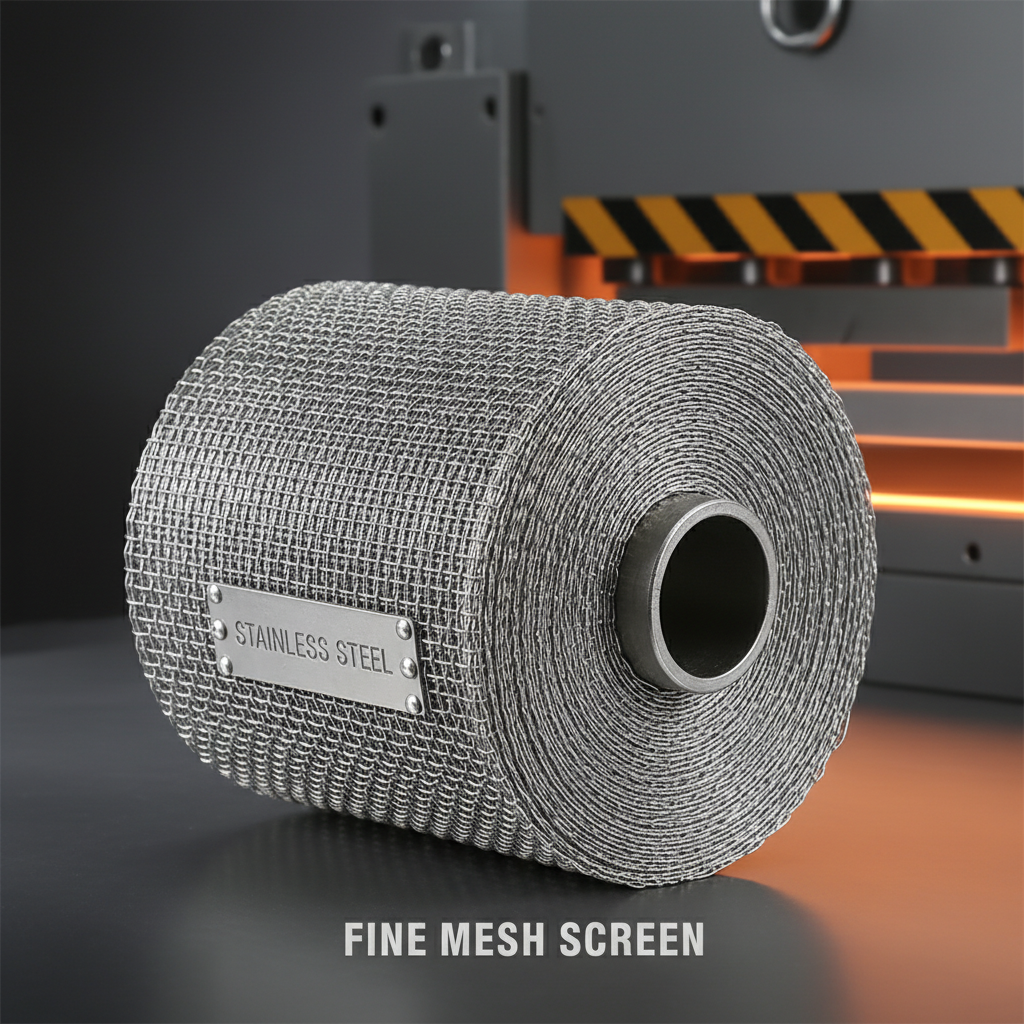
Stainless steel fine mesh screen – it’s not just a material, it’s a problem solver. I’ve spent the last fifteen years on construction sites, in fabrication shops, and even in remote field operations, and I can tell you, a quality mesh screen is often the unsung hero of a project. From filtration systems keeping critical equipment running to secure enclosures protecting sensitive areas, it's a versatile component impacting efficiency, safety, and long-term durability. The demand for reliable, corrosion-resistant materials is only growing, driven by stricter regulations and the need for longer service life in challenging environments. We’re talking about everything from water treatment plants to pharmaceutical manufacturing, and it all comes down to choosing the right mesh. stainless steel fine mesh screen is increasingly the answer.
The global stainless steel market is booming, and fine mesh screens are a significant part of that growth. According to recent reports, the global stainless steel market was valued at USD 89.8 billion in 2023 and is projected to reach USD 127.6 billion by 2032, exhibiting a CAGR of 4.2% during the forecast period. This growth isn't just about increased production; it’s driven by the push for sustainable infrastructure, cleaner manufacturing processes, and more robust security measures. What I see on the ground is a constant need for materials that can withstand harsh conditions – saltwater exposure, extreme temperatures, corrosive chemicals – and that’s where stainless steel mesh really shines. It's about minimizing downtime and avoiding costly repairs, and that impacts a project's bottom line significantly.
Ultimately, this isn’t a theoretical material. It’s about real-world performance. I’ve seen firsthand how the wrong material choice can lead to equipment failure, environmental contamination, and even safety hazards. Stainless steel fine mesh screen is a foundational element in ensuring process integrity and operational reliability across a vast range of industries. It's a key component in building a more resilient and sustainable future.
Introduction: Global or Industry Context
As someone who's spent years dealing with material selection on projects from wastewater treatment plants to pharmaceutical manufacturing, I can tell you that stainless steel fine mesh screen is critical. It's not a glamorous component, but it’s often the linchpin in ensuring a process functions correctly and safely. The global need for effective filtration, separation, and protection is constantly increasing, particularly with growing concerns around water quality, food safety, and industrial hygiene. We’re seeing stricter regulations worldwide demanding higher standards, and that directly translates into a greater need for high-performance materials like stainless steel mesh. stainless steel fine mesh screen is responding to that demand.
The drive for sustainability is also a major factor. Stainless steel is inherently durable and recyclable, reducing the lifecycle environmental impact compared to other materials. Plus, its resistance to corrosion minimizes the need for frequent replacements, conserving resources and reducing waste. I've seen projects where switching to stainless steel mesh significantly extended the lifespan of critical equipment, saving both money and environmental impact. This is becoming increasingly important as companies and governments prioritize sustainable practices. The cost savings over the long term can be substantial.
The demand for fine mesh isn’t confined to a single industry. From aerospace and automotive to medical and food processing, the need for precise filtration and separation is universal. We're seeing innovations in mesh weaving and fabrication techniques leading to increasingly specialized applications. And, frankly, with global supply chains being what they are, having a reliable source for quality mesh is becoming paramount to keeping projects on schedule and within budget. It’s about mitigating risk and ensuring a consistent supply of a critical component.
Definition & Meaning
Simply put, stainless steel fine mesh screen is a woven or welded fabric constructed from stainless steel wire, characterized by exceptionally small openings. The 'fineness' refers to the mesh count – the number of openings per inch. It's more than just a screen; it's an engineered material designed for specific filtration, separation, or protection tasks. I’ve seen mesh ranging from a few hundred to over ten thousand openings per inch, each suited for a particular application. Choosing the right mesh count is crucial for optimal performance.
Its connection to modern industry is profound. It enables critical processes in countless sectors, from ensuring the purity of pharmaceuticals to protecting sensitive electronic components. Think about water purification – stainless steel mesh filters out contaminants, providing safe drinking water. In the food industry, it ensures product integrity and prevents foreign object contamination. In the aerospace industry, it’s used in engine components and control systems. It's a fundamental enabling technology. stainless steel fine mesh screen plays an integral role in all of these.
And increasingly, it’s connected to humanitarian needs as well. In disaster relief efforts, it’s used in portable water purification systems. In developing countries, it's part of mosquito nets preventing the spread of disease. It’s a relatively simple technology with a massive impact on public health and well-being. It’s a versatile material that addresses fundamental needs.
Key Factors or Core Components
First, Corrosion Resistance is paramount. Stainless steel’s inherent resistance to rust and corrosion makes it ideal for harsh environments. Different grades of stainless steel offer varying levels of protection, so selecting the right alloy for the specific application is critical. I’ve seen cheaper materials fail rapidly in corrosive environments, leading to costly downtime and replacements. Choosing the right grade saves headaches down the road.
Secondly, Mesh Count and Aperture Size dictate the level of filtration or separation. The smaller the openings, the finer the filtration. This impacts flow rate and pressure drop, so it's a balancing act. Understanding the particle size you need to capture is fundamental to choosing the correct mesh. I’ve spent countless hours on site troubleshooting issues caused by incorrect mesh selection – it’s a common mistake. The quality of the weaving process to ensure consistent aperture size is vital.
Third, Material Grade (304, 316, etc.) determines the screen's properties. 316 stainless steel, with its molybdenum content, offers superior corrosion resistance in chloride environments, like saltwater. 304 is a good general-purpose option for less demanding applications. Understanding the chemical exposure the mesh will face is critical for longevity. It's not always necessary to go for the highest grade, but knowing the options is important. stainless steel fine mesh screen offers various grades to meet specific demands.
Global Applications & Use Cases
I’ve seen stainless steel fine mesh screen in use all over the world. In Europe, it’s heavily used in wastewater treatment plants to ensure compliance with stringent environmental regulations. In Asia, it’s vital for the pharmaceutical industry, maintaining the purity of drug manufacturing processes. In North America, it’s essential for food processing, safeguarding product quality. stainless steel fine mesh screen is ubiquitous and essential.
In post-disaster relief operations, portable water purification systems utilizing stainless steel mesh filters are critical for providing safe drinking water to affected populations. In remote industrial zones, the durability and corrosion resistance of stainless steel mesh make it ideal for protecting equipment and infrastructure from harsh environmental conditions. The automotive industry also relies on it for air intake filters and catalytic converter components. The list goes on. It's a foundational material for modern society.
Take the oil and gas industry, for instance. Stainless steel mesh is used in shale gas extraction to filter out sand and debris, protecting expensive downhole equipment. In the aerospace industry, it’s employed in engine filters and control surfaces, ensuring reliable performance in extreme conditions. And, increasingly, we're seeing it used in renewable energy applications, such as solar panel production and wind turbine blade coatings. The versatility is really remarkable.
Stainless Steel Fine Mesh Screen Application Breakdown
Advantages & Long-Term Value
The most obvious benefit is cost savings. While the initial investment in high-quality stainless steel mesh may be higher than other materials, the reduced maintenance, extended lifespan, and minimized downtime translate into significant long-term cost benefits. I’ve seen projects where the initial cost savings of using a cheaper material were quickly overshadowed by the need for frequent replacements and repairs. Investing in quality upfront is almost always the smarter move. stainless steel fine mesh screen provides value.
Beyond cost, there's the issue of sustainability. Stainless steel is recyclable, reducing waste and conserving resources. Its durability minimizes the need for frequent replacements, further reducing its environmental impact. And, perhaps most importantly, it enhances safety. Reliable filtration and protection systems contribute to safer working environments and protect public health. That's a value you can't put a price on. It’s about building responsibly and sustainably.
Future Trends & Innovations
We’re seeing a lot of exciting innovation in the stainless steel mesh space. New weaving techniques are allowing for the creation of increasingly fine and complex mesh structures. Researchers are developing new alloys with enhanced corrosion resistance and strength. Additive manufacturing (3D printing) is also starting to play a role, allowing for the creation of custom mesh components with intricate geometries.
The integration of smart technologies is another emerging trend. Sensors embedded within the mesh can monitor pressure, flow rate, and other critical parameters, providing real-time data and enabling predictive maintenance. This will lead to even greater efficiency and reliability. We’re also seeing a growing focus on using stainless steel mesh in green energy applications, such as fuel cells and solar energy systems. The future is bright for this material.
Challenges & Solutions
One of the biggest challenges is cost. High-quality stainless steel mesh can be expensive, especially for large-scale projects. However, the long-term cost benefits often outweigh the initial investment. Another challenge is finding suppliers who can consistently deliver high-quality, custom-made mesh products. Due diligence and careful supplier selection are critical. It’s a matter of finding a reliable partner. stainless steel fine mesh screen focuses on providing quality products.
Another potential issue is clogging, particularly in applications involving viscous or particulate-laden fluids. Proper mesh selection and regular maintenance are essential to prevent clogging and ensure optimal performance. In some cases, self-cleaning mesh systems may be necessary. I’ve also seen successful solutions involving the use of pre-filters to remove larger particles before they reach the fine mesh.
Finally, ensuring proper installation is crucial. Incorrect installation can compromise the integrity of the mesh and lead to premature failure. Proper training and adherence to industry best practices are essential. It’s not enough to just buy the right material; you have to install it correctly to reap the benefits.
Core Challenges and Solutions for Stainless Steel Fine Mesh Screen Implementation
| Challenge |
Impact Area |
Severity (1-10) |
Proposed Solution |
| High Initial Cost |
Project Budget |
6 |
Life Cycle Cost Analysis |
| Supplier Reliability |
Supply Chain |
8 |
Rigorous Supplier Audits |
| Mesh Clogging |
Operational Efficiency |
7 |
Pre-Filtration Systems |
| Corrosion in Harsh Environments |
Material Longevity |
9 |
High-Grade Alloy Selection |
| Improper Installation |
System Integrity |
5 |
Certified Installer Training |
| Limited Customization |
Application Specific Needs |
4 |
Exploring Additive Manufacturing Options |
FAQS
304 stainless steel is a general-purpose alloy, offering good corrosion resistance in most environments. However, 316 stainless steel contains molybdenum, which significantly enhances its resistance to chloride corrosion, making it ideal for marine environments, chemical processing, and applications where exposure to saltwater is a concern. The increased molybdenum content in 316 adds to the cost, but provides superior long-term performance in harsh conditions. Choosing between the two depends entirely on the specific application requirements.
The correct mesh count depends on the size of the particles or materials you need to filter or separate. A higher mesh count means smaller openings, providing finer filtration. To determine the appropriate mesh count, you'll need to know the particle size distribution of the material you're working with. A simple sieve analysis can help with this. Remember that a finer mesh will also result in a lower flow rate, so balancing filtration efficiency with flow requirements is crucial. It’s always better to err on the side of slightly finer mesh, if feasible.
The lifespan varies greatly depending on the application and the specific grade of stainless steel used. However, in a standard industrial application with moderate corrosion exposure, a well-maintained stainless steel mesh screen can easily last 5-10 years, and often much longer. Proper cleaning and maintenance are essential to maximize its lifespan. In highly corrosive environments, the lifespan may be shorter, but even then, stainless steel will outperform many other materials.
Minor damage, such as small tears or holes, can often be repaired by welding or patching. However, extensive damage may require replacement. The feasibility of repair depends on the severity of the damage, the location of the damage, and the critical nature of the application. It’s generally recommended to consult with a qualified fabricator to assess the damage and determine the best course of action.
While highly corrosion-resistant, stainless steel is not completely immune to corrosion. Certain environments, such as those with high chloride concentrations (like seawater) or exposure to strong acids, can cause pitting or crevice corrosion, particularly in lower grades of stainless steel. Choosing the appropriate grade of stainless steel (e.g., 316) for the specific environment is crucial to mitigate corrosion risks. Proper maintenance and cleaning also play a key role.
Stainless steel is 100% recyclable, meaning it can be reused without loss of quality, reducing the demand for virgin materials and conserving resources. Its durability also minimizes the need for frequent replacements, lowering waste generation. Furthermore, its use in filtration systems helps protect water quality and reduce environmental pollution. Compared to many other materials, stainless steel has a lower lifecycle environmental impact.
Conclusion
Stainless steel fine mesh screen is a fundamentally important material, often operating behind the scenes to ensure the efficiency, safety, and sustainability of countless industrial processes. From water purification and food processing to aerospace and pharmaceuticals, its versatility and durability make it an indispensable component in a wide range of applications. Understanding the key factors – corrosion resistance, mesh count, material grade – is crucial for selecting the right mesh for the job. stainless steel fine mesh screen is a cornerstone of modern industry.
Looking ahead, innovation in materials science and manufacturing techniques will continue to drive improvements in mesh performance and expand its applications. Embracing these advancements and prioritizing sustainable practices will be essential to meeting the growing global demand for high-quality, reliable filtration and protection solutions. Don’t underestimate the power of a well-chosen mesh; it can make all the difference. For all your stainless steel fine mesh screen needs, visit our website: www.anshengmetalmesh.com.