Look, I spend my days knee-deep in dust and concrete, talking to the guys actually building things. Forget the boardroom theories, I see what works, and what doesn’t. And let me tell you, a solid, reliable woven mesh sheet is a cornerstone of modern construction and increasingly, rapid deployment solutions. It's not glamorous, but it’s fundamental. We’re talking about everything from reinforcing concrete to creating temporary shelters, and frankly, it’s getting harder to build anything without it. It’s a surprisingly versatile material, and understanding its nuances is crucial for anyone serious about efficiency and safety on a job site.
The global demand for durable, scalable, and quickly deployable materials is soaring. We’re seeing it across the board – infrastructure projects in developing nations, disaster relief efforts ramping up due to climate change, even a boom in modular construction. Woven mesh sheet is right in the thick of it. The UN, for example, consistently calls for robust shelter solutions, and ISO standards are tightening around material performance. But it’s not just about meeting standards; it’s about solving real-world problems with practical, cost-effective materials.
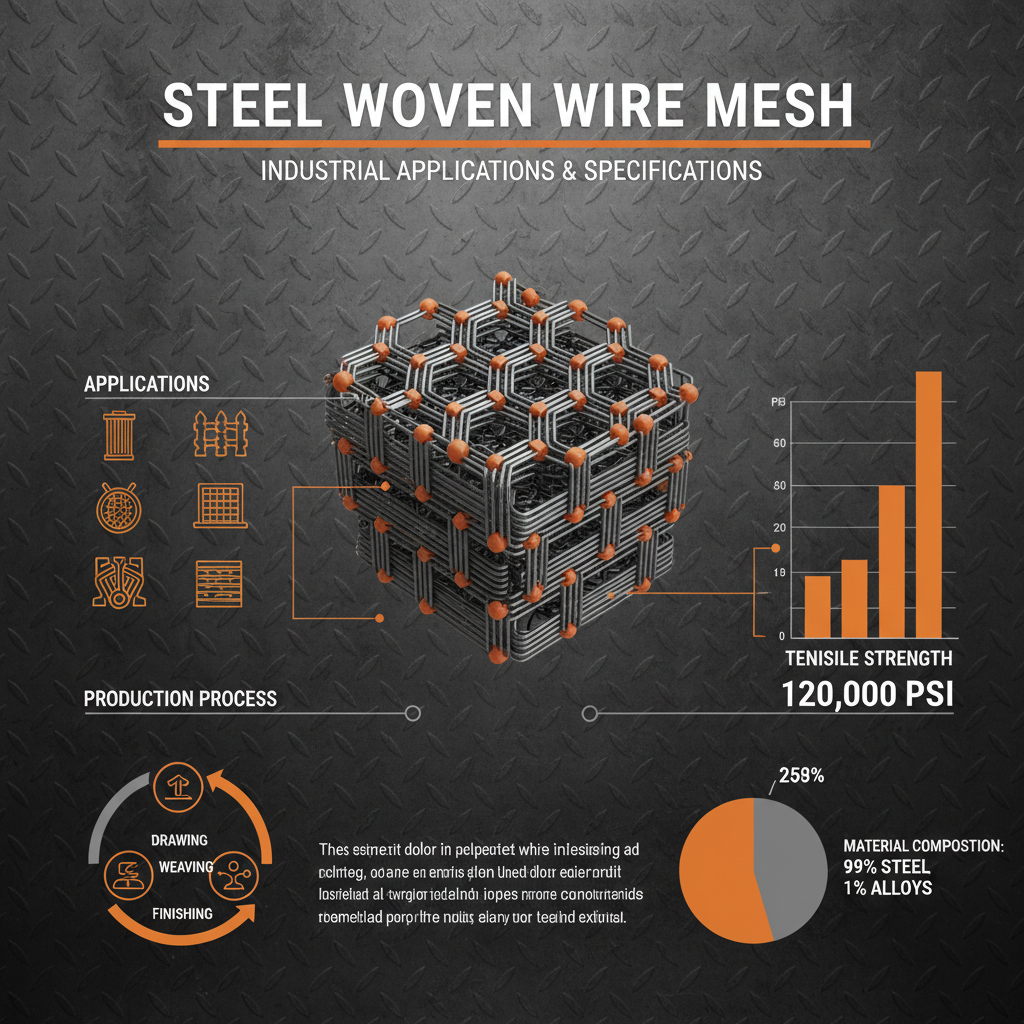
At its core, a woven mesh sheet is exactly what it sounds like – a grid of wires woven together to create a strong, flexible fabric. It's different than welded wire; the weaving process gives it properties that welded wire simply can't match, particularly when it comes to stress distribution and adaptability. It's the workhorse material bridging the gap between traditional building methods and the need for faster, more sustainable construction solutions in a world that demands both.
The Importance of woven mesh sheet in Modern Construction
I’ve seen firsthand how woven mesh sheet adds a level of structural integrity to concrete that you just can’t achieve otherwise. It’s about controlling cracking, improving load distribution, and ultimately, building things that last. It's not just about making things stronger, it's about making them smarter – more resilient to the stresses they'll inevitably face.
Beyond concrete reinforcement, the flexibility of this material opens up a world of possibilities. From erosion control to security fencing, the applications are extensive. I’ve even seen it used in creating custom molds for architectural elements. It’s a material that adapts to the needs of the project, rather than forcing the project to adapt to the material.
Global Relevance and Industry Context
Look around the world – rapid urbanization in Asia, infrastructure rebuilds in post-conflict zones, the growing demand for sustainable building practices everywhere. These trends are all driving the need for materials like woven mesh sheet. The World Bank, for instance, is heavily invested in resilient infrastructure projects, and these projects often rely on materials that can withstand harsh conditions and provide long-term stability.
The construction industry is notoriously slow to adopt new technologies, but woven mesh sheet is starting to gain serious traction. It's no longer a niche product; it's becoming a standard component in many building designs. The push for prefabrication and modular construction is accelerating this trend, as the material is ideal for creating lightweight, durable building modules.
There's a growing awareness of the environmental impact of construction, too. Woven mesh sheet, especially when made from recycled materials, offers a more sustainable alternative to some traditional building materials. It requires less energy to produce and can contribute to a lower carbon footprint.
Defining woven mesh sheet: Structure and Functionality
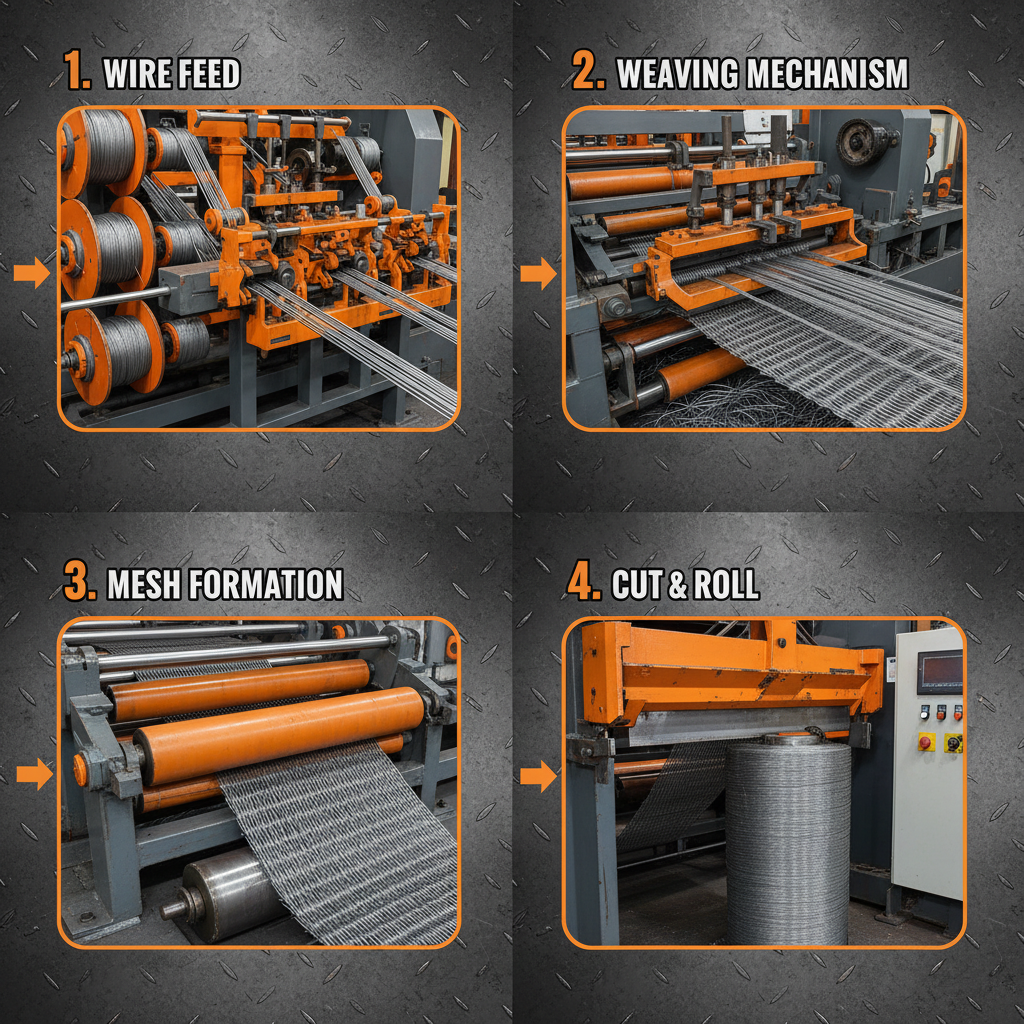
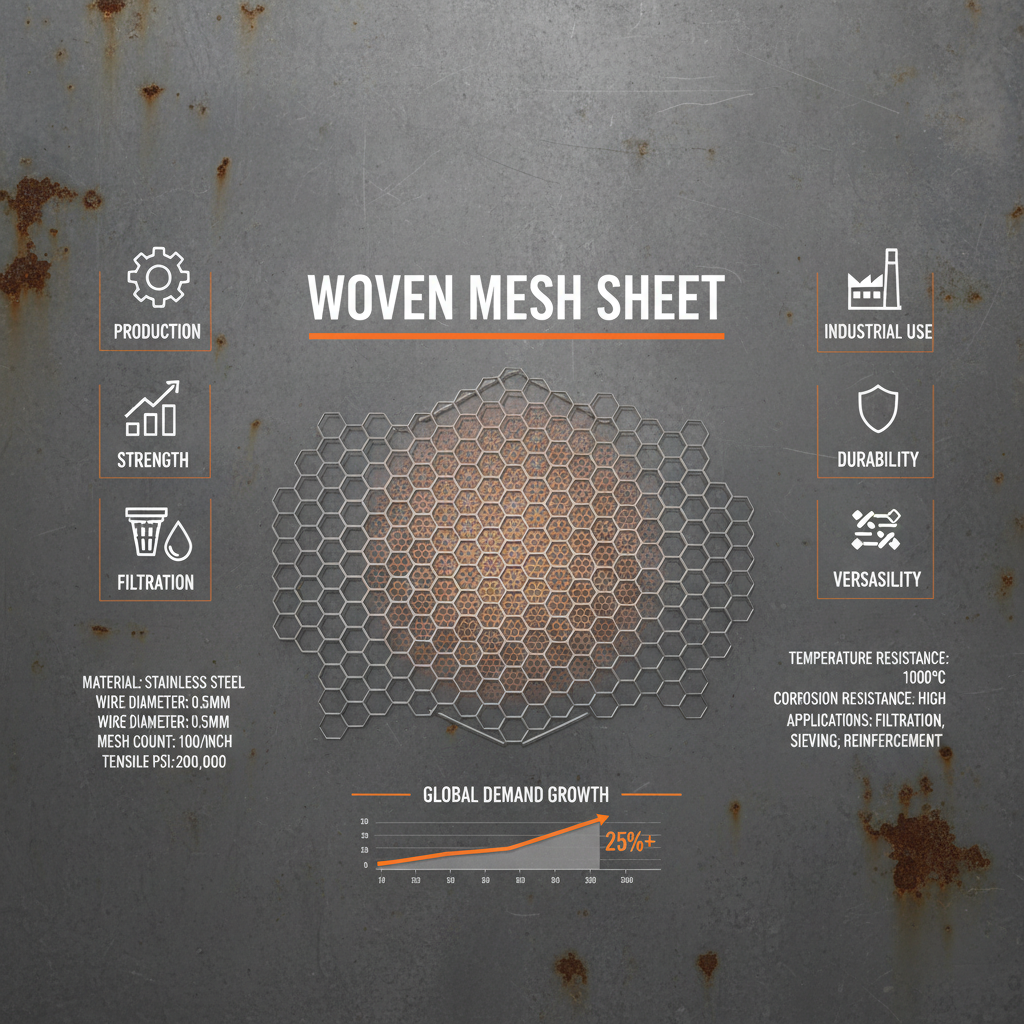
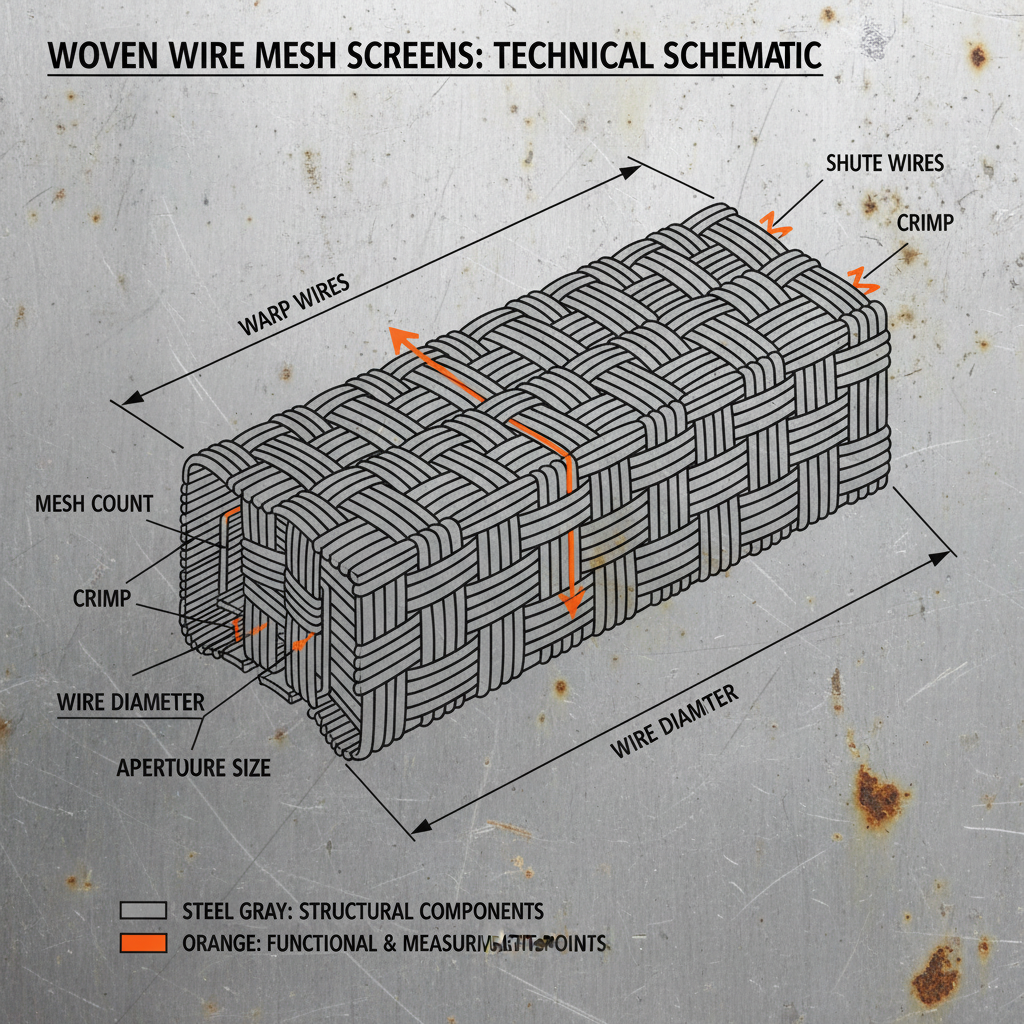
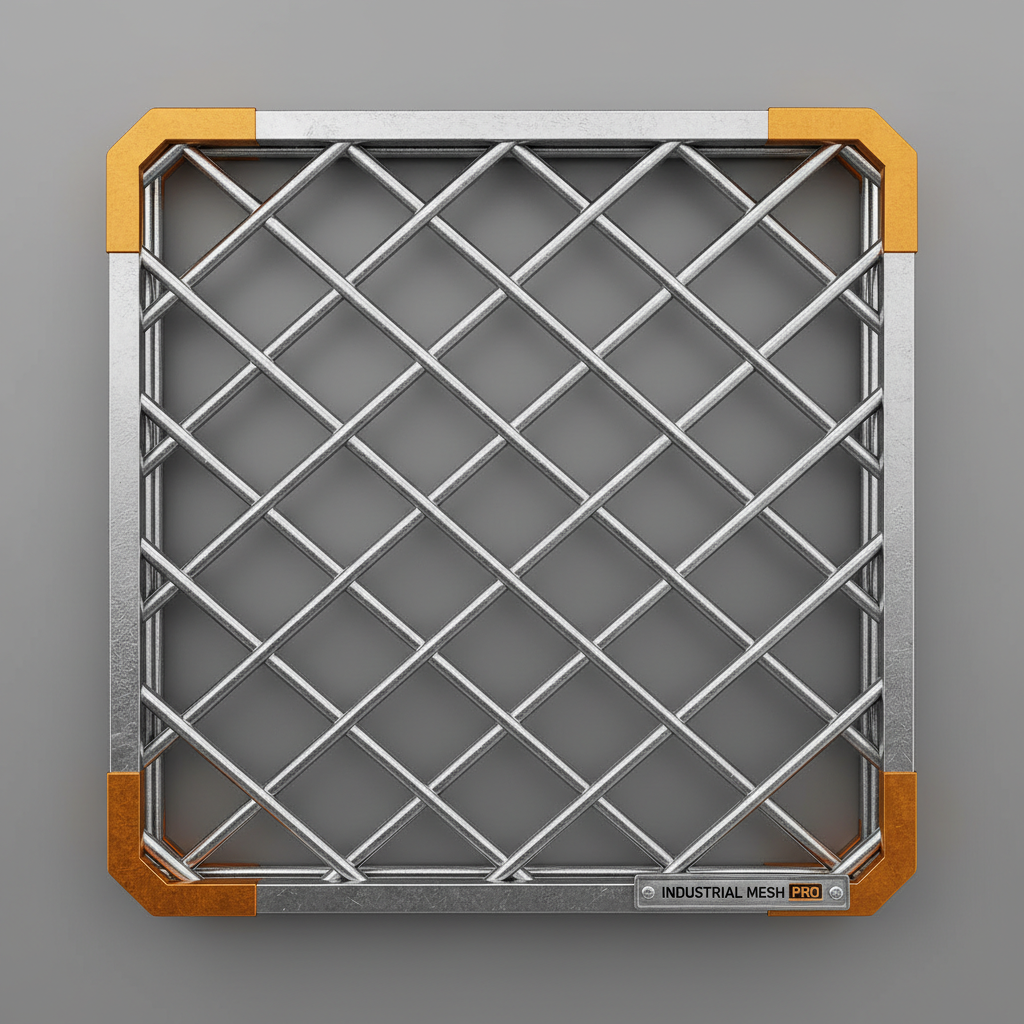
Simply put, woven mesh sheet is made by interlacing wires at right angles. It’s similar to weaving fabric, hence the name. The key difference is the material – typically stainless steel, galvanized steel, or other corrosion-resistant alloys. The weaving pattern, wire diameter, and mesh opening all determine the material’s strength, flexibility, and permeability.
What sets it apart from welded wire mesh? Welding creates rigid points of connection, making the mesh susceptible to cracking under stress. Weaving, on the other hand, distributes stress more evenly across the entire structure. This means it’s more durable, more flexible, and more resistant to tearing and deformation. This is particularly important in applications where the material is subjected to dynamic loads or vibrations.
The functionality stems from this unique structure. It provides tensile strength, resists deformation, and allows for the passage of light, air, or liquids, depending on the mesh opening size. It's a deceptively simple material with a remarkably broad range of applications.
Key Characteristics of High-Quality woven mesh sheet
I've learned the hard way that not all woven mesh sheet is created equal. There are a few key things I look for on a job site, things that separate the good stuff from the stuff that’ll give you headaches.
First, the material quality. Stainless steel is king for corrosion resistance, but even galvanized steel can be good enough for certain applications. The wire diameter and the weaving pattern are also crucial. A tighter weave with thicker wires will provide greater strength, but it will also be less flexible.
Comparison of woven mesh sheet Characteristics
Real-World Applications of woven mesh sheet
I’ve seen this stuff used in everything. In post-disaster relief, it’s invaluable for quickly constructing temporary shelters and reinforcing damaged structures. We used it extensively after the earthquake in Nepal, creating stable foundations for emergency housing.
In remote industrial zones, it's often used for security fencing and access control. It’s a robust and reliable solution for protecting valuable assets. We've also used it extensively in tunneling projects, providing ground support and preventing rockfalls.
Advantages and Long-Term Value Proposition
Look, cost is always a factor, but focusing solely on upfront cost is short-sighted. Woven mesh sheet offers a fantastic return on investment due to its durability and longevity. Less maintenance, fewer repairs, and a longer lifespan – that all adds up.
Beyond the financial benefits, there’s the peace of mind that comes with knowing you’re using a reliable material. It enhances safety on construction sites, reduces the risk of structural failures, and contributes to a more sustainable building process. That's a win-win in my book.
The social impact is significant too. Quick-deployment shelters built with woven mesh sheet provide dignity and security to those affected by disasters, allowing them to rebuild their lives.
Future Trends and Emerging Innovations
We’re seeing a lot of innovation in the materials science space. Researchers are exploring new alloys and weaving techniques to further enhance the strength and corrosion resistance of woven mesh sheet.
I’m particularly excited about the potential of integrating smart technologies into the mesh. Imagine a mesh that can monitor its own structural integrity and alert engineers to potential problems. That’s the kind of innovation that could revolutionize the construction industry.
The push for sustainable construction will continue to drive demand for eco-friendly materials, and woven mesh sheet made from recycled materials is well-positioned to benefit from this trend. Automation and robotics are also playing a role, allowing for more precise and efficient manufacturing processes.
Summary of Key Challenges and Potential Solutions for woven mesh sheet
| Challenge |
Impact on woven mesh sheet Application |
Potential Solution |
Implementation Difficulty (1-10) |
| Corrosion in Harsh Environments |
Reduced lifespan and structural integrity. |
Utilize high-grade stainless steel or specialized coatings. |
6 |
| High Initial Cost |
May deter use in budget-constrained projects. |
Optimize material usage and explore cost-effective alternatives. |
5 |
| Installation Complexity |
Requires skilled labor and proper techniques. |
Develop pre-fabricated panels and provide comprehensive training. |
7 |
| Limited Availability of Recycled Materials |
Hindrance to sustainable construction practices. |
Invest in recycling infrastructure and promote material recovery programs. |
8 |
| Lack of Standardization |
Inconsistent quality and performance across different suppliers. |
Establish industry-wide standards and certification programs. |
9 |
| Difficulty in Repairing Damage |
Requires specialized skills and equipment for effective repairs. |
Develop modular replacement systems and easy-to-use repair kits. |
4 |
FAQS
Woven mesh sheet offers several advantages. It provides more uniform stress distribution, reducing cracking. Its flexibility makes it better suited for structures prone to movement. It’s also lighter and easier to handle than rebar, speeding up installation. Finally, it can be particularly effective in applications requiring complex shapes or thin concrete sections where rebar placement is challenging.
The weave pattern is critical. A tighter weave with smaller openings generally results in higher tensile strength and less flexibility. A looser weave provides more flexibility but reduces strength. The choice depends on the application – a high-strength mesh might be used for reinforcing concrete, while a more flexible mesh might be used for erosion control or filtration. It’s a trade-off we assess on every project.
Lifespan varies based on the environment and the quality of the materials used. However, structures reinforced with high-grade stainless steel woven mesh sheet can easily last 75-100 years or more. Even galvanized steel mesh can provide decades of reliable service, especially with proper maintenance and protective coatings. We've seen examples still going strong after 50 years.
It can be. Choosing woven mesh sheet made from recycled materials significantly reduces its environmental impact. Its durability also contributes to sustainability by reducing the need for frequent repairs and replacements. Plus, its lightweight nature reduces transportation costs and associated emissions. We’re seeing more and more specifiers prioritizing these aspects.
It's a game-changer in disaster relief. We use it for rapidly constructing temporary shelters, reinforcing damaged buildings, creating erosion control barriers, and even building makeshift water filtration systems. Its lightweight nature and ease of deployment make it ideal for situations where time and resources are limited. It’s often the difference between survival and hardship.
The initial cost can sometimes be higher than traditional rebar, but the long-term value is often greater. Reduced labor costs, faster installation times, and lower maintenance requirements can offset the upfront expense. Plus, the enhanced durability and longer lifespan contribute to a lower life-cycle cost. It's about looking at the big picture.
Conclusion
Woven mesh sheet isn’t just a product; it’s a versatile solution addressing critical challenges in construction, disaster relief, and sustainable development. From enhancing concrete’s integrity to providing rapid shelter solutions, its unique properties offer a compelling alternative to traditional materials. It’s about building smarter, building stronger, and building for the future.
The industry is on the cusp of further innovation, with advancements in materials science and smart technologies poised to unlock even more potential. If you're serious about quality, durability, and long-term value, explore the possibilities. Visit our website at www.anshengmetalmesh.com to learn more and discuss your specific needs. We’re here to help you build it right.