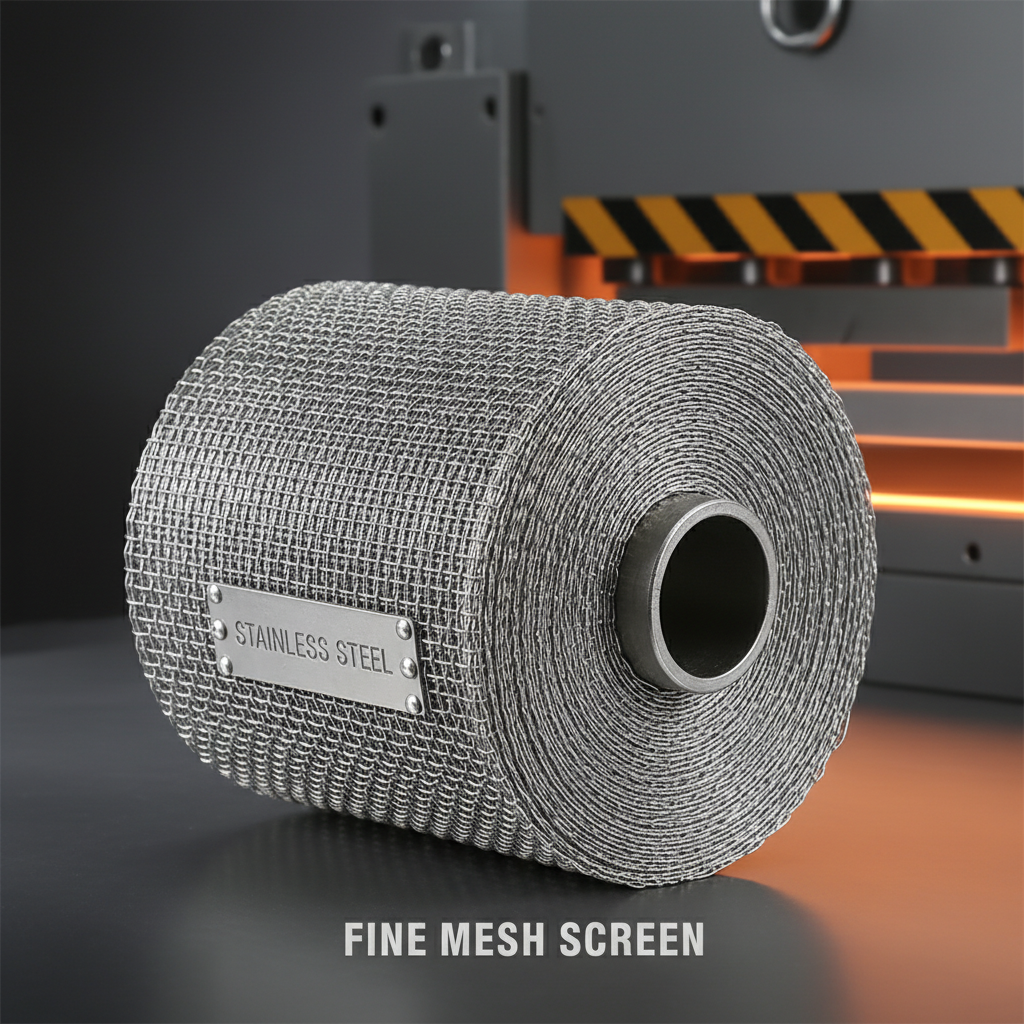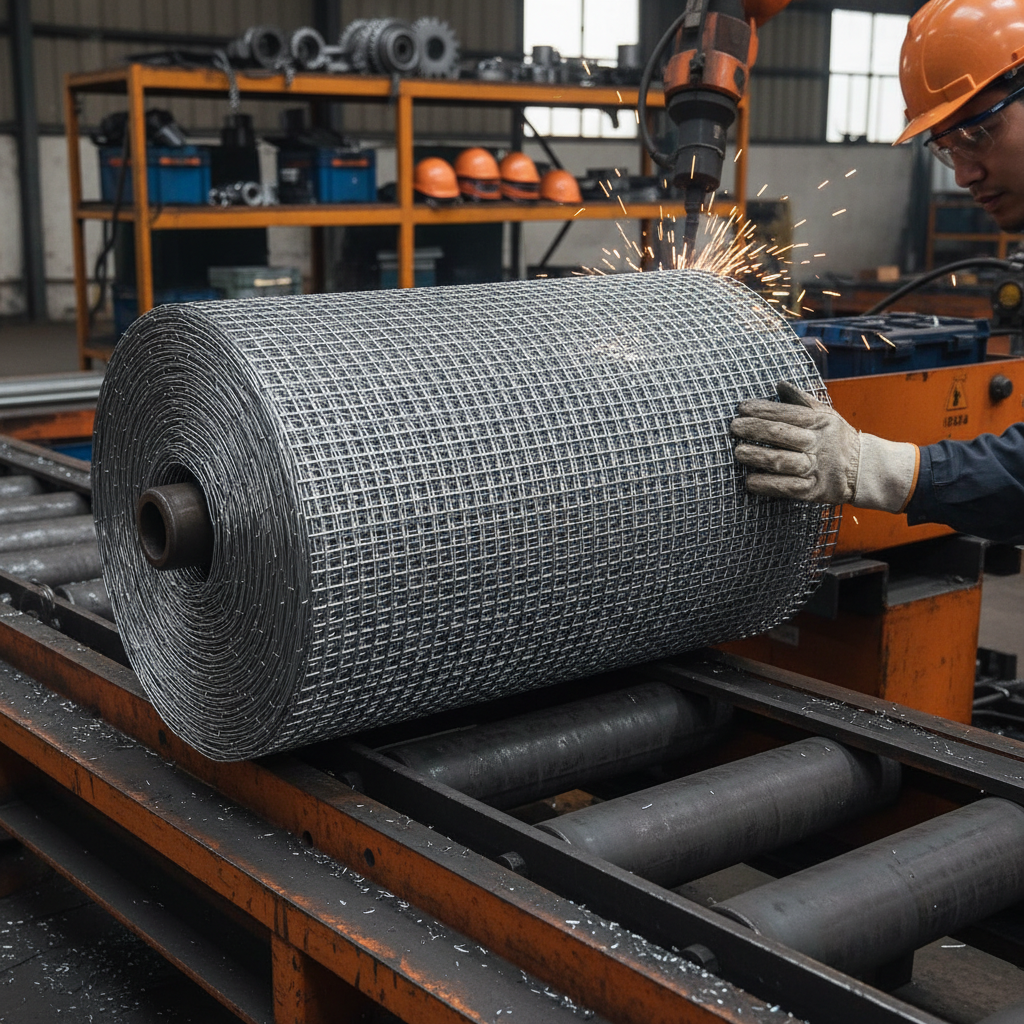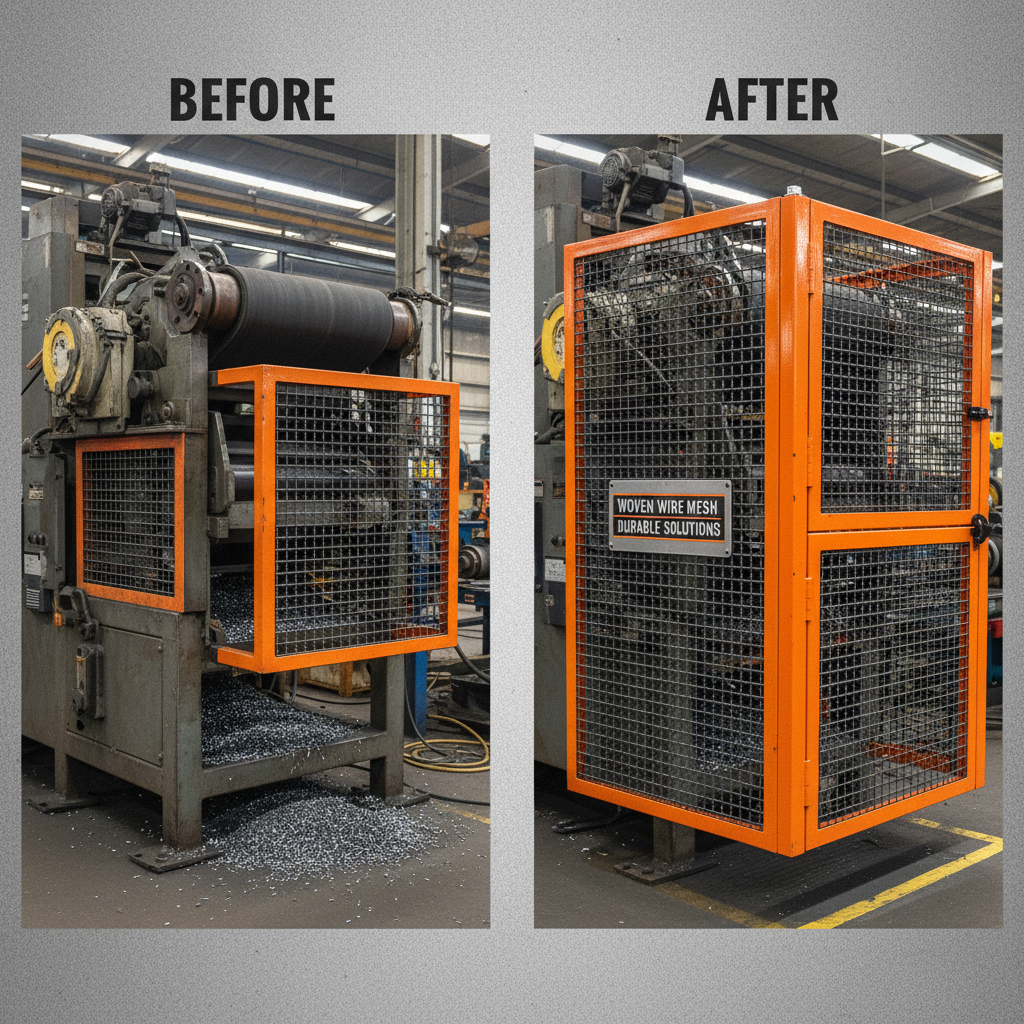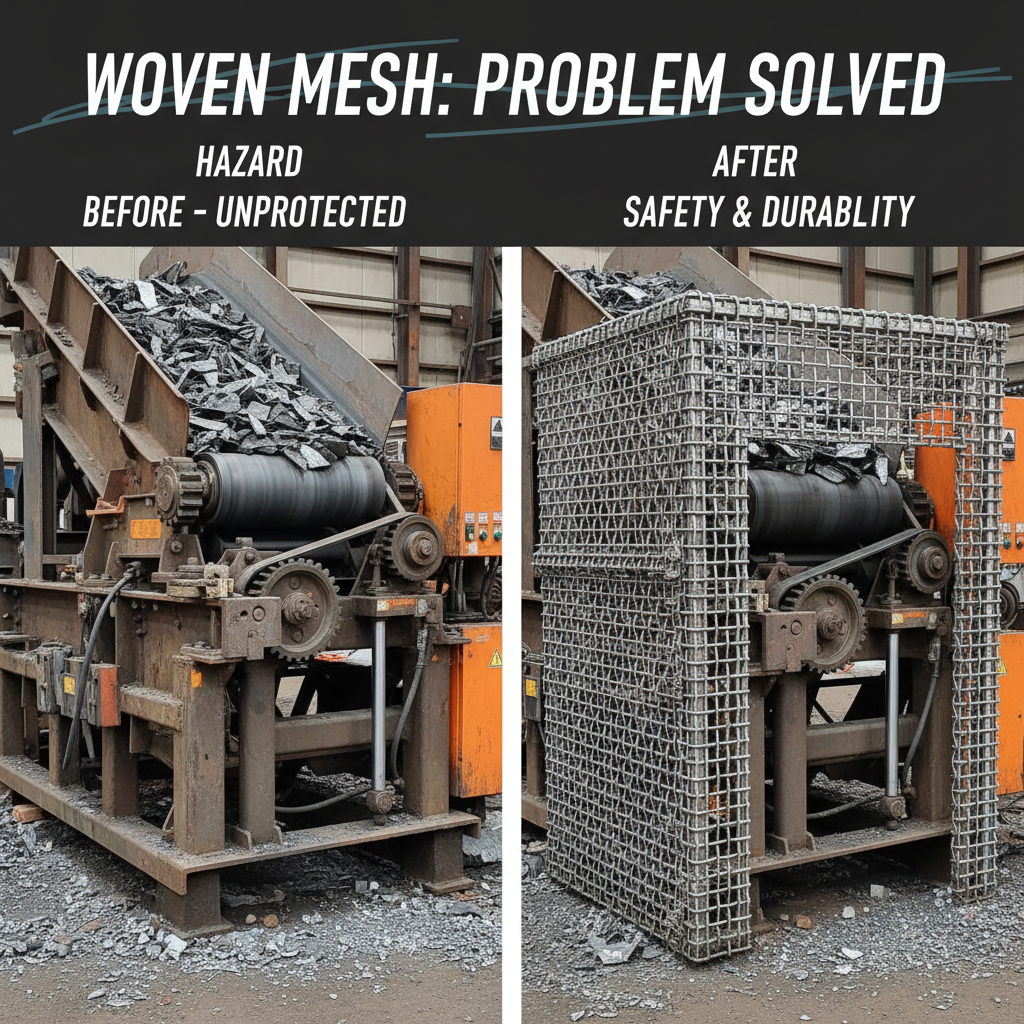
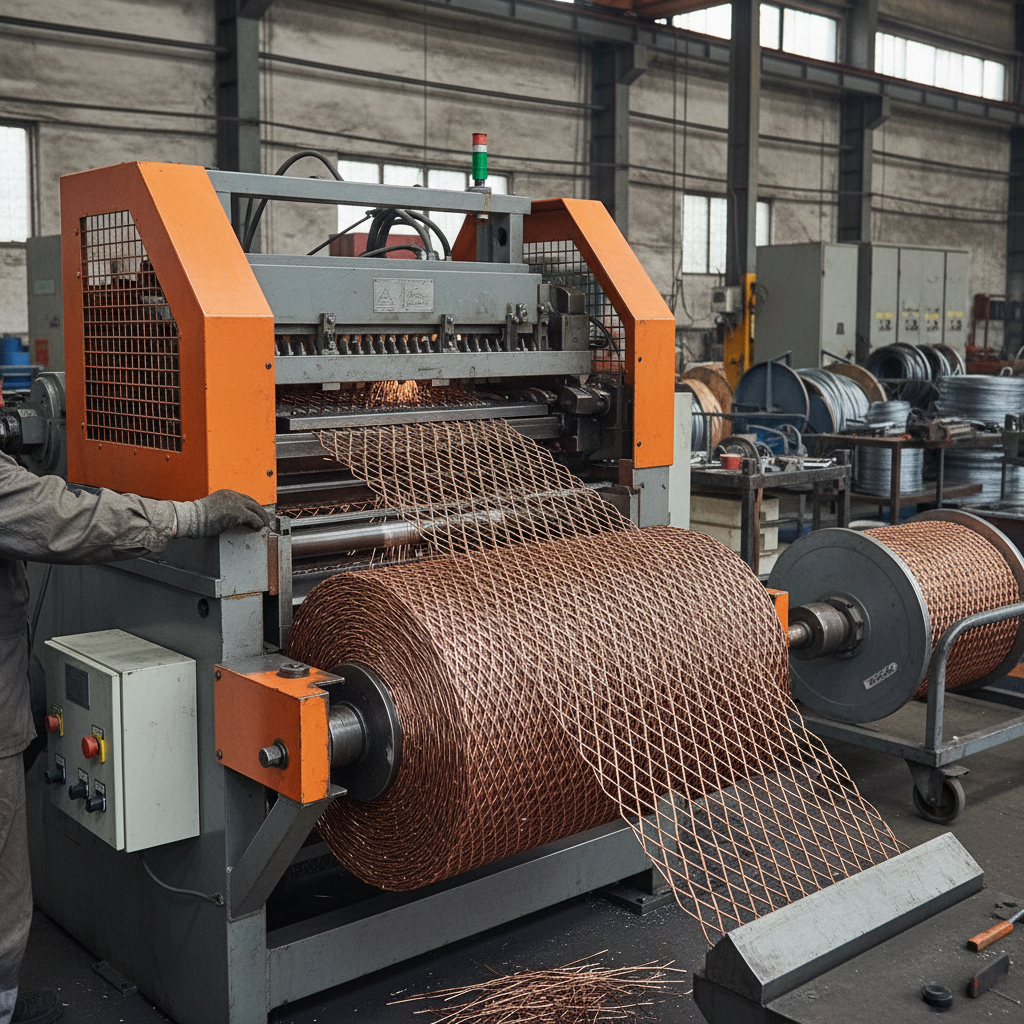
Woven copper mesh – it's not just some fancy material for labs anymore. I've spent years on construction sites, dealing with everything from rebar to specialized coatings, and I’m telling you, this stuff is a game changer. It's about durability, yes, but also adaptability. We’re seeing it pop up in places you wouldn’t expect, solving problems that used to mean expensive workarounds or compromises. The demand is steadily climbing; global markets are recognizing its versatile applications beyond traditional electrical conductivity. It’s a relatively small piece of the broader materials puzzle, but it’s a piece we’re relying on more and more.
For years, engineers have relied on tried-and-true materials, and rightly so. But the world isn't static. We're facing increasing demands for sustainable solutions, increased safety regulations, and a need for materials that can perform in harsh environments. Woven copper mesh addresses many of these concerns. It isn't just about replacing existing materials; it’s about enabling new designs and functionalities. From EMI shielding to filtration, and even emerging applications like antimicrobial surfaces, copper mesh is moving into spaces previously dominated by plastics and other less sustainable options.
And honestly, it’s about efficiency. On a job site, time is money. Materials that are easy to work with, reliable, and require minimal maintenance are worth their weight in gold. Woven copper mesh often delivers on all three fronts. It's lightweight, easily formed, and in many cases, can reduce the overall complexity of a build. I’ve seen firsthand how it streamlines installation and reduces the need for specialized tooling.
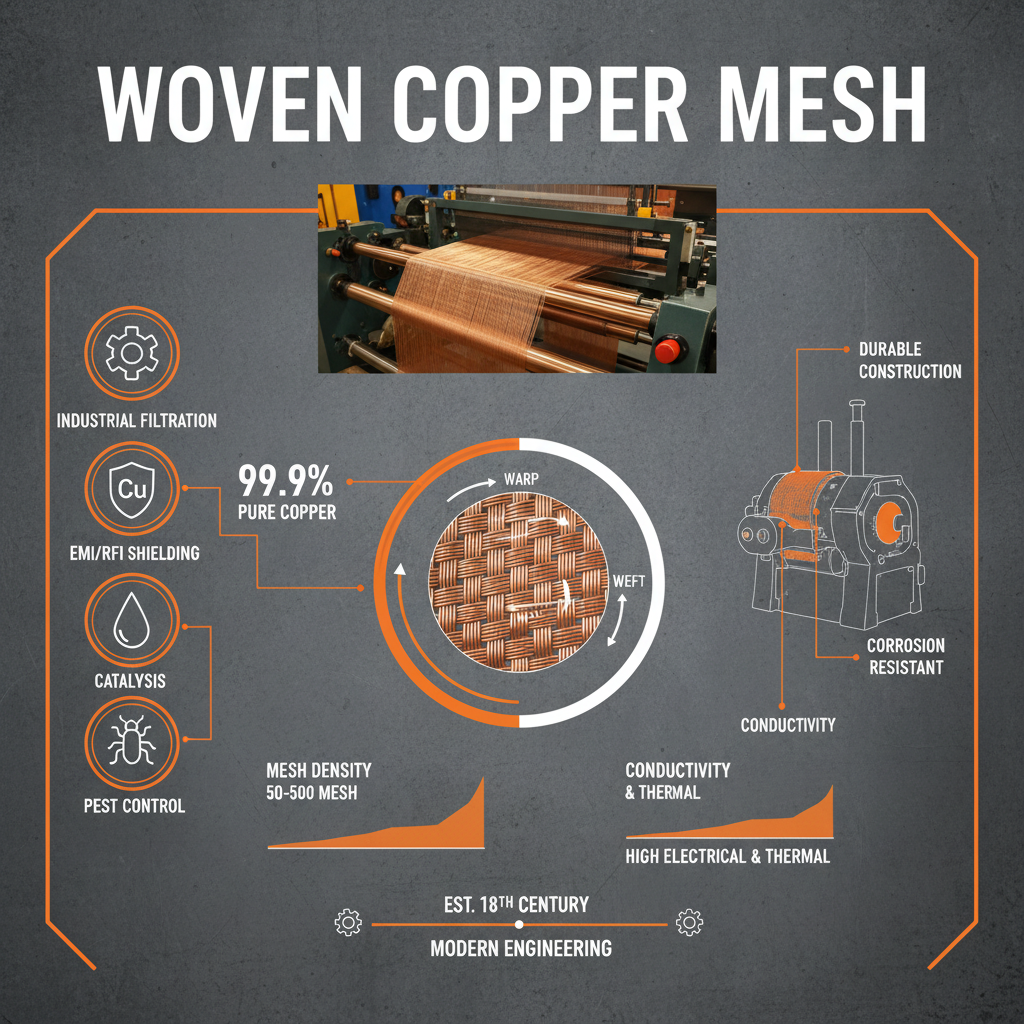
The global demand for advanced materials is exploding, driven by factors like the growth of renewable energy, the increasing sophistication of electronics, and a heightened focus on sustainability. Woven copper mesh is uniquely positioned to capitalize on these trends. We’re not just talking about a niche market anymore. The UN has highlighted the need for resilient infrastructure, and copper mesh contributes to that by providing robust shielding and filtration solutions. The World Bank’s focus on sustainable development aligns perfectly with copper’s recyclability and durability. It’s a material that’s increasingly demanded because it works.
The biggest challenge we've faced historically is finding materials that balance performance with cost-effectiveness. Too often, you have to choose between something that’s incredibly strong but prohibitively expensive, or something affordable but compromises on quality. Woven copper mesh is starting to bridge that gap. It offers a compelling combination of strength, flexibility, and conductivity, making it an attractive option for a widening range of applications.
Woven copper mesh offers superior flexibility and conformability compared to solid copper, making it easier to integrate into complex designs. It's also lighter weight and often more cost-effective for large-scale shielding applications. While solid copper offers a potentially higher shielding effectiveness, the difference is often negligible in practical applications, especially when considering the ease of installation and cost savings of the mesh.
The weave pattern significantly impacts properties like shielding effectiveness, permeability, and mechanical strength. Tighter weaves generally provide better shielding but reduce permeability. Looser weaves offer better airflow and filtration but may have lower shielding performance. Selecting the appropriate weave pattern depends on the specific application requirements and desired balance of properties.
Copper naturally corrodes over time, especially in harsh environments. However, woven copper mesh exhibits excellent corrosion resistance due to the copper's inherent properties. To further mitigate corrosion, protective coatings like lacquer or epoxy can be applied. Proper storage and handling practices are also crucial to prevent contamination and accelerate corrosion.
Woven copper mesh is used in several renewable energy applications, including as a backsheet material for solar panels, improving conductivity and durability. It’s also used for grounding and lightning protection in wind turbines, shielding electronic components in inverters, and as a conductive element in energy storage systems. Its flexibility and corrosion resistance make it ideal for these outdoor environments.
The cost of woven copper mesh is generally higher than aluminum or steel mesh due to copper's higher material cost. However, copper's superior conductivity, corrosion resistance, and shielding effectiveness often justify the higher price. When considering the total cost of ownership, including maintenance and replacement costs, copper mesh can be more cost-effective in the long run.
Copper is a highly recyclable material, making woven copper mesh a sustainable choice. Using recycled copper reduces the demand for virgin materials and minimizes environmental impact. Its durability and long lifespan also contribute to sustainability by reducing the need for frequent replacements. Furthermore, copper's antimicrobial properties can offer benefits in certain applications.
Woven copper mesh is more than just a material; it's a versatile solution addressing a growing need for durable, sustainable, and adaptable components across a wide range of industries. From enhancing EMI shielding to enabling innovative filtration systems and contributing to renewable energy solutions, its applications are continually expanding. Understanding its unique properties and potential is crucial for engineers, designers, and project managers looking to optimize performance and reduce long-term costs.
Looking ahead, continued research and development focused on standardization, cost optimization, and exploring new applications will unlock even greater potential for woven copper mesh. It’s a material that’s poised to play an increasingly important role in shaping a more sustainable and technologically advanced future. To learn more about how woven copper mesh can benefit your project, visit our website: woven copper mesh.