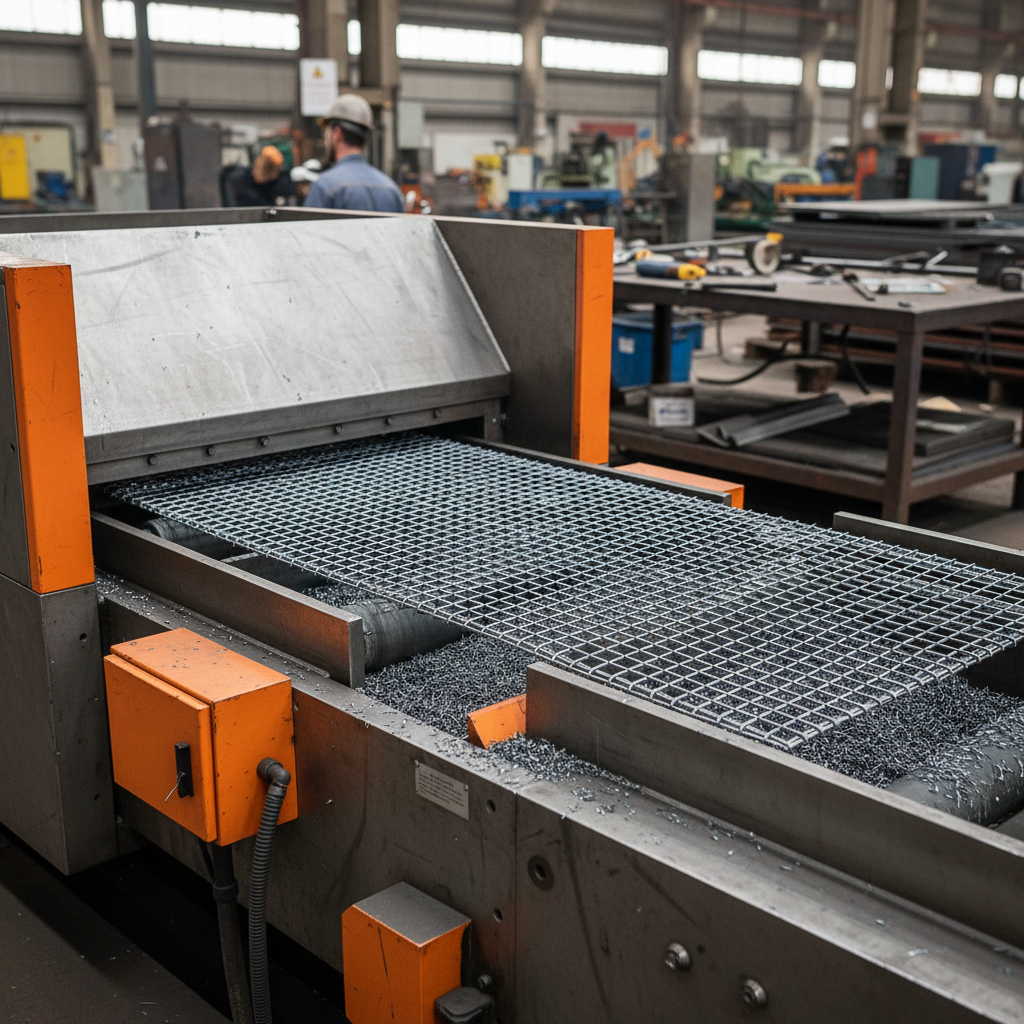
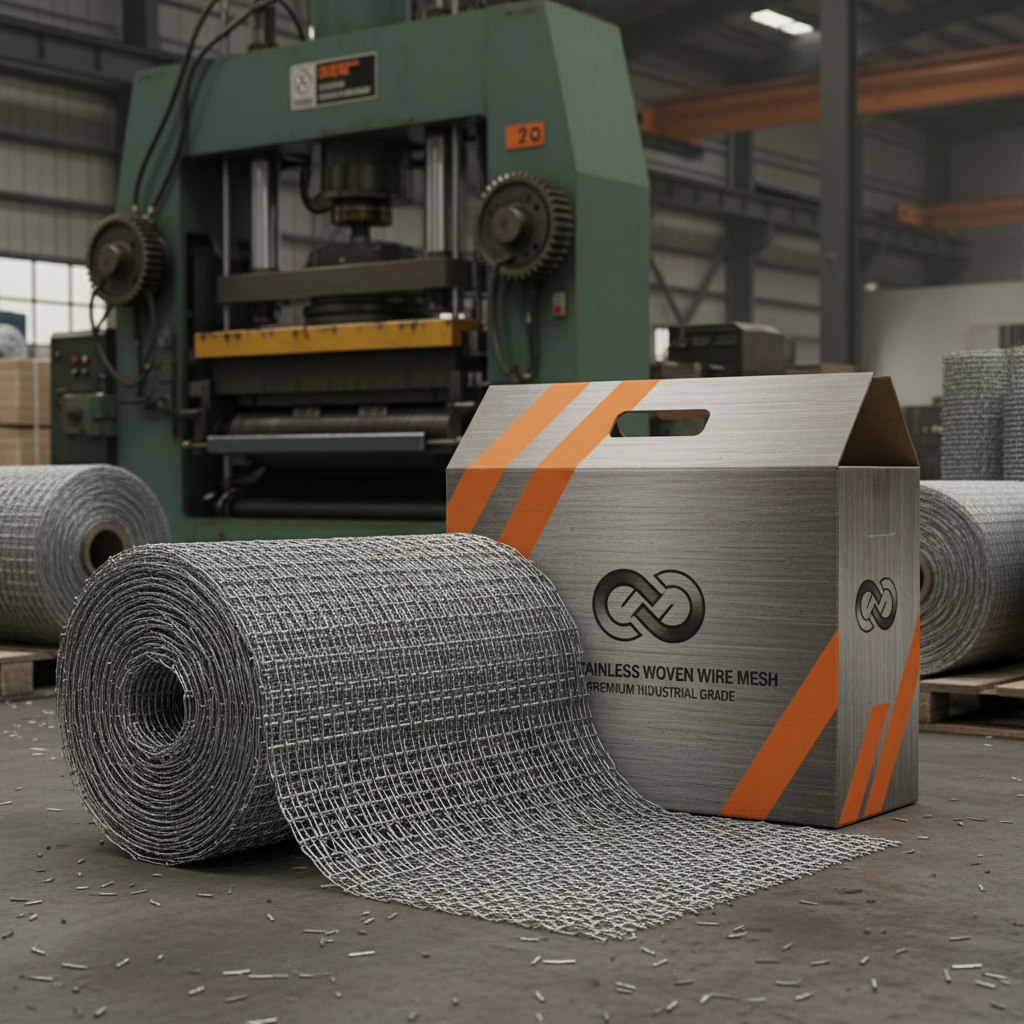
Woven wire screen. It's not glamorous, believe me. I spend more time around it – and wrestling with it – than most folks. It’s the unsung hero on countless job sites, holding everything from aggregate in place during concrete pours to safeguarding personnel from falling debris. We're talking about a fundamental building block, something seemingly simple but critically important to the success and, frankly, the safety of a huge range of projects. It’s not about the flashy tech; it’s about reliable performance, day in and day out, and that’s what I look for in any material I spec.
Over the years, I've seen a lot of materials come and go, hyped up with promises of innovation. But woven wire screen? It's a constant. It's adaptable – you find it in everything from simple fencing to sophisticated filtration systems. It’s cost-effective, and when sourced right, surprisingly durable. Too often, project managers chase the latest trend, overlooking the workhorses like woven wire screen that keep things running smoothly. I’ve learned the hard way that sticking with the proven stuff, and understanding its nuances, is a smart move.
Frankly, the details matter. It's easy to think “wire mesh is wire mesh”, but the wire gauge, the weave pattern, the material itself—these all impact performance. Getting it wrong can lead to delays, rework, and, worst of all, potential safety hazards. That’s why I’m always digging into specs, talking to suppliers like woven wire screen, and making sure we’re using the right product for the job.
The Practical Value of Woven Wire Screen
I've been on sites where corners were cut on screening materials, and it always comes back to bite you. Whether it’s premature wear, inconsistent sizing, or just plain failure, the cost of cheaping out far outweighs the initial savings. Woven wire screen, when properly specified and installed, is a preventative measure. It's about building a solid foundation – literally. You don’t see it in the finished product, but you feel its impact in the longevity and reliability of the project.
I’ve found that understanding the different weave patterns is crucial. Plain weave is your workhorse – versatile and cost-effective. Twilled weaves offer more strength and a tighter mesh. And then you get into specialized weaves for specific applications, like Dutch weave for filtration. Knowing what each one brings to the table is a skill honed by experience, and it separates the good PMs from the… well, the ones I avoid on future projects.
Global Relevance and Industry Applications
You see woven wire screen everywhere, globally. It's fundamental to infrastructure development, especially in rapidly growing economies. I’ve worked with teams in Southeast Asia where consistent material quality is a huge challenge, and reliable woven wire screen is a godsend. It's used heavily in mining operations across South America, protecting workers and containing materials. Even in developed countries, it’s integral to highway construction, water treatment facilities, and agricultural practices.
According to industry reports, the global wire mesh market is projected to reach significant growth in the coming years, driven by infrastructure spending and increased demand for filtration solutions. This isn’t some niche product; it's a core component of modern industry. ISO standards play a big role in ensuring quality and consistency, which is essential for projects with international stakeholders. Trying to navigate this landscape without a firm grasp of these standards is a recipe for disaster.
The problem isn't the availability of woven wire screen; it’s ensuring consistent quality and sourcing from reputable suppliers. There’s a lot of substandard material flooding the market, and that’s where experience and due diligence come in. It’s about knowing who to trust and having the technical knowledge to verify specifications.
Defining Woven Wire Screen: Beyond the Basics
Woven wire screen, at its core, is a material created by interlacing wires in a systematic pattern – usually a plain, twill, or Dutch weave. It’s not just about holding things back; it's about controlling flow, providing support, and offering protection. It’s a deceptively simple concept, but the manufacturing process is where the quality really shines through. The consistency of the wire diameter, the accuracy of the weave, and the overall finish all contribute to the final product's performance.
Its connection to modern industry and humanitarian needs is profound. In construction, it’s vital for reinforcing concrete, creating safety barriers, and protecting materials during transport. In developing nations, it's used in mosquito netting to combat disease, in water filtration systems to provide clean drinking water, and even in temporary shelters during disaster relief. This isn’t just about building structures; it’s about improving lives.
The key distinction between woven wire screen and other types of mesh, like welded wire mesh, lies in the interlacing process. Woven wire screen offers greater flexibility and resilience, making it ideal for applications where movement or deformation is expected. Welded wire mesh is typically more rigid and used for more static applications. Understanding these differences is crucial for selecting the right material for the job.
Core Characteristics of High-Quality Woven Wire Screen
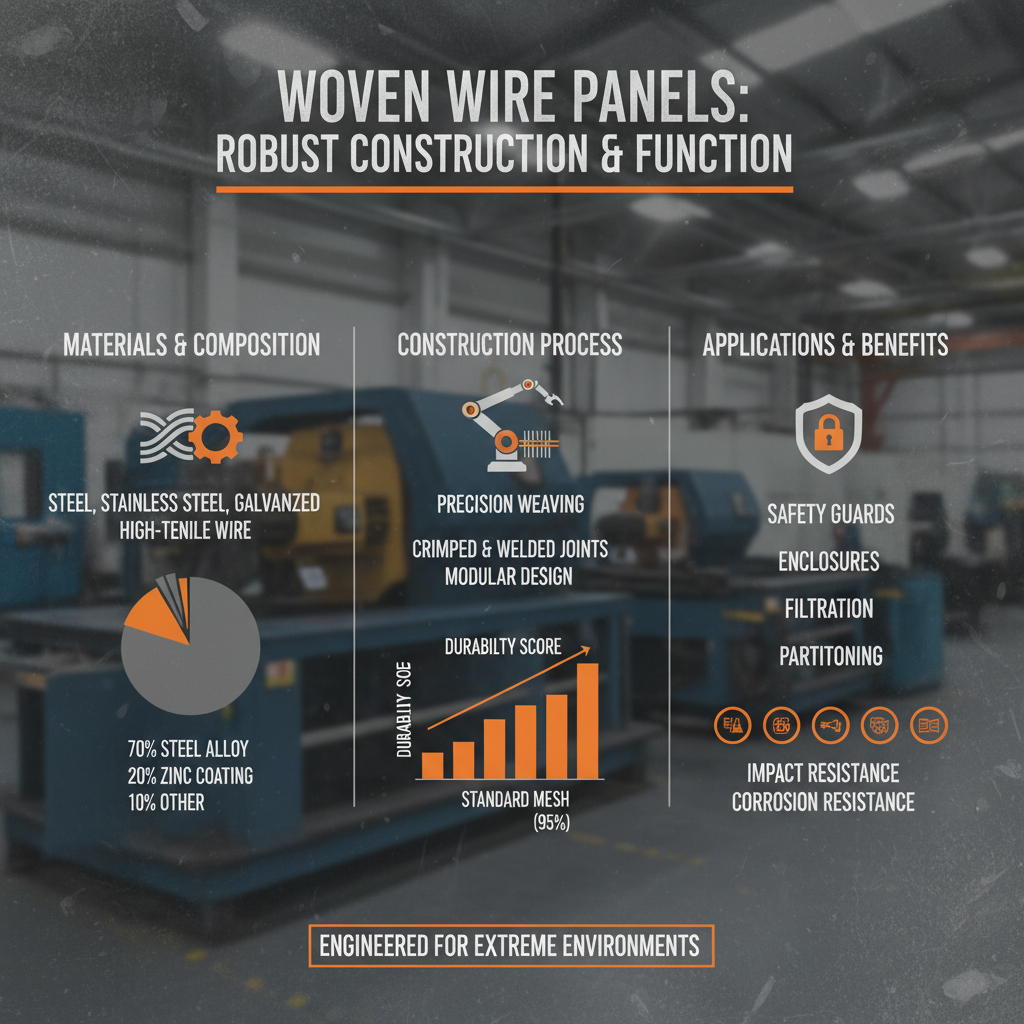
There are a few things I prioritize when evaluating woven wire screen. First, durability – the material needs to withstand the rigors of the job site and the environmental conditions. Second, precision – a consistent weave and accurate wire diameter are essential for reliable performance. Third, corrosion resistance – especially in coastal environments or applications involving harsh chemicals. And fourth, tensile strength – the ability to withstand stress without breaking or deforming.
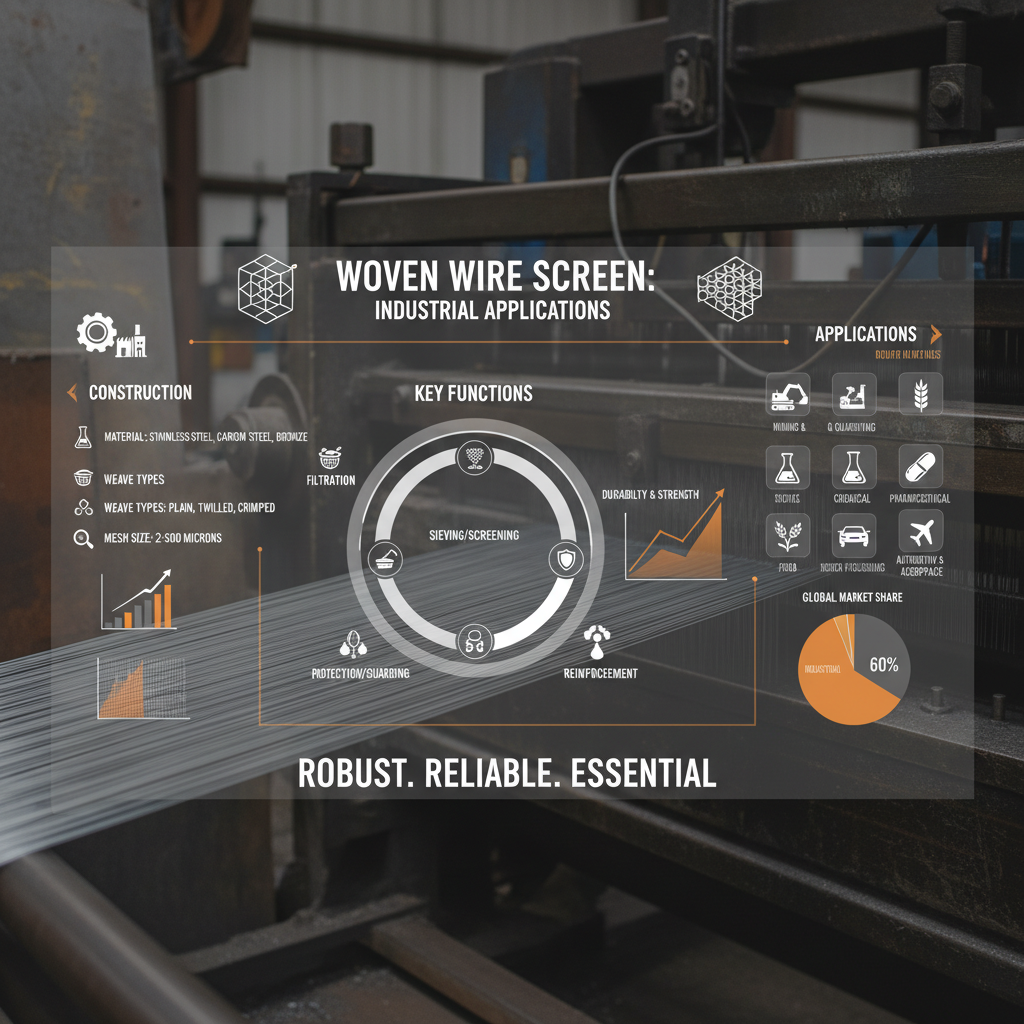
Let's visualize this:
Woven Wire Screen Performance Metrics
Real-World Applications: From Construction to Filtration
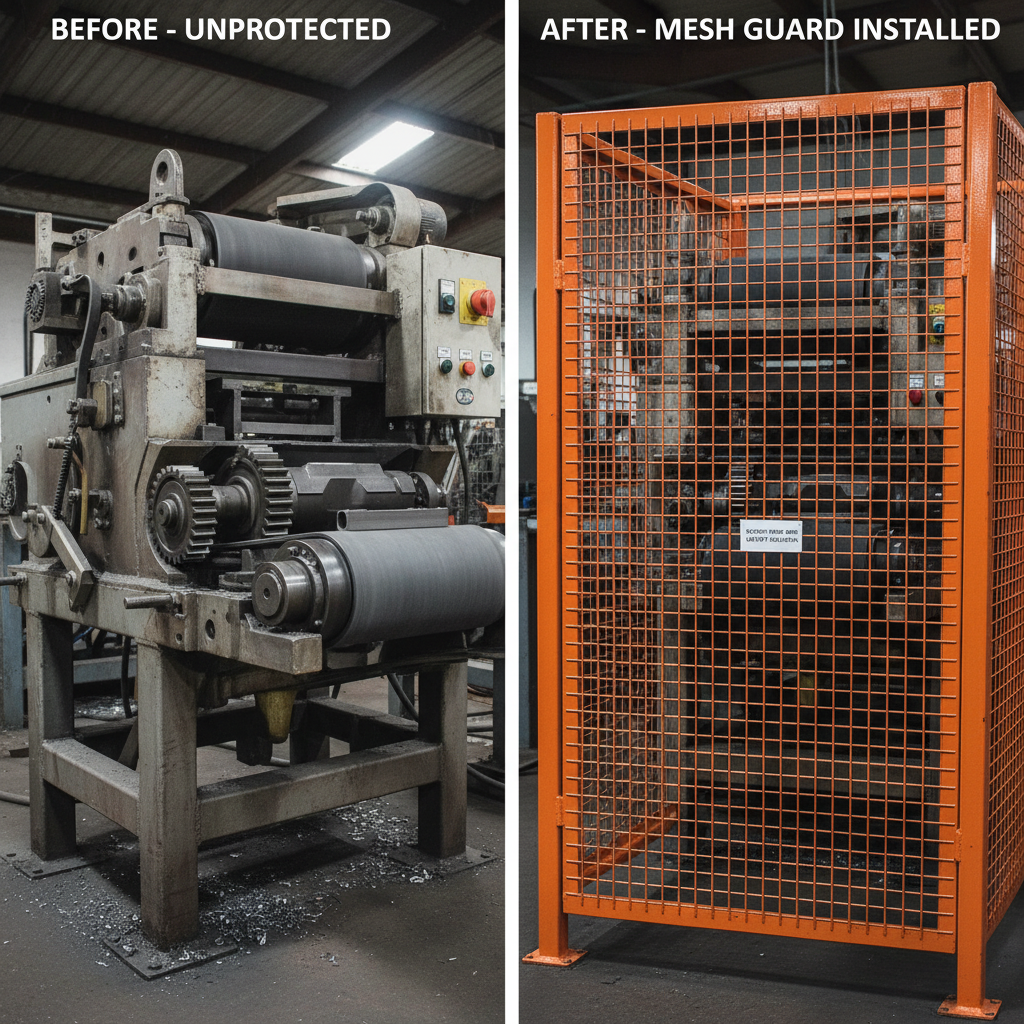
I've used woven wire screen on everything from high-rise construction projects to wastewater treatment plants. In construction, it's crucial for safety netting, preventing debris from falling and protecting workers. It's also used extensively in concrete reinforcement, adding tensile strength and preventing cracking. It’s literally holding things together.
Beyond construction, it's vital in filtration systems – purifying water, separating solids from liquids, and even filtering air in industrial settings. In agriculture, it’s used in poultry fencing, protecting crops from pests, and creating shade structures. The applications are truly diverse, and it’s a testament to its versatility.
The Enduring Advantages of Woven Wire Screen
The benefits are clear: cost-effectiveness, long-term durability, and adaptability. Compared to other materials, woven wire screen often provides the best value for the money. It doesn't require specialized tools or training to install, and it's readily available from a wide range of suppliers.
But it's more than just cost. It’s about reliability. When you need a material you can count on, something that won’t fail under pressure, woven wire screen delivers. It’s about peace of mind, knowing you’ve specified a product that will perform as expected, protecting your project and the people involved.
The sustainability aspect shouldn't be overlooked either. Many woven wire screen products are made from recyclable materials, reducing their environmental impact. Plus, its durability means fewer replacements, contributing to a more sustainable construction process.
Future Trends and Innovations in Woven Wire Screen Technology
We're starting to see some interesting developments in the woven wire screen space. New alloys are being developed that offer increased strength and corrosion resistance. Manufacturers are experimenting with different weave patterns to optimize performance for specific applications. And there's a growing focus on sustainable materials and manufacturing processes.
Digital fabrication techniques, like laser cutting, are also allowing for more precise and customized woven wire screen solutions. This opens up possibilities for complex geometries and tailored designs. Integrating sensors into woven wire screen structures is another area of innovation, allowing for real-time monitoring of stress, strain, and environmental conditions.
I expect to see increased adoption of smart woven wire screen systems in infrastructure projects, providing valuable data for maintenance and safety management. And as the demand for sustainable materials grows, we’ll likely see more woven wire screen products made from recycled content.
FAQS
For saltwater applications, 316 stainless steel is your best bet. It has superior corrosion resistance compared to standard stainless steel or galvanized steel. While it’s more expensive upfront, it will save you money in the long run by avoiding premature failure and costly replacements. I've seen galvanized steel rust through in a matter of months in harsh marine environments, while 316 stainless steel can last for decades.
Mesh count refers to the number of wires per inch. A higher mesh count means a finer opening. To determine the correct mesh count, you need to consider the size of the particles you need to retain or filter. If you’re filtering sand, you’ll need a much finer mesh than if you’re simply separating large debris. It’s always best to err on the side of a finer mesh if you’re unsure, but remember that a finer mesh can also restrict flow.
Plain weave is the most common and least expensive weave. It’s good for general applications where strength isn’t a primary concern. Twill weave, on the other hand, has a diagonal pattern that makes it more durable and resistant to stretching. It’s ideal for applications where the screen will be subjected to high stress or abrasion. Think of it like comparing a basic cotton shirt to a denim jacket – the denim is much tougher.
Yes, it can, but the type of woven wire screen you use is critical. You’ll need a heavy-gauge wire and a tightly woven mesh to prevent cutting or climbing. Welded wire mesh is often preferred for security fencing, as it’s more difficult to cut, but a robust woven wire screen can be effective as well. Consider adding features like barbed wire or razor wire for enhanced security.
Common causes include corrosion, fatigue, abrasion, and improper installation. Corrosion is a major issue, especially in harsh environments. Fatigue can occur if the screen is subjected to repeated stress or vibration. Abrasion can damage the wires, particularly in applications involving abrasive materials. And improper installation can lead to stress concentrations and premature failure. Regular inspection and maintenance are key to preventing these issues.
Store woven wire screen in a dry, well-ventilated area, protected from direct sunlight and moisture. Avoid stacking heavy objects on top of it, as this can distort the mesh. If the screen is galvanized, keep it dry to prevent rust. For long-term storage, consider wrapping it in plastic to protect it from the elements. Proper storage can significantly extend the lifespan of the material.
Conclusion
Woven wire screen isn't a glamorous material, but it's a fundamentally important one. From construction and infrastructure to filtration and agriculture, it plays a vital role in countless applications. Understanding its properties, limitations, and proper applications is crucial for any project manager or engineer. It’s a workhorse material that, when specified and installed correctly, delivers consistent performance and long-term value.
I urge anyone working with woven wire screen to do your research, talk to experienced suppliers like woven wire screen, and prioritize quality over cost. A little extra effort upfront can save you a lot of headaches – and money – down the road. Don't underestimate the power of a reliable, well-chosen material. It can make all the difference between a successful project and a costly failure.