In the demanding world of industrial filtration and structural reinforcement, ss woven wire mesh stands as a cornerstone of modern engineering. This specialized material, crafted from high-grade stainless steel wires interlaced in precise patterns, provides an unparalleled combination of structural integrity and permeability. For industries ranging from aerospace to pharmaceuticals, selecting the right mesh configuration is not merely a technical detail but a critical factor in operational efficiency and safety.
The global reliance on ss woven wire mesh has surged as manufacturing processes become more precise and environmental regulations more stringent. Whether it is used for high-temperature catalyst support or ultra-fine liquid filtration, the material's resistance to corrosion and oxidation makes it the gold standard. Understanding the nuances of weave types—such as plain, twill, or dutch weaves—allows engineers to optimize flow rates and particle retention in the most challenging environments.
Ultimately, the value of this material lies in its versatility. By manipulating the wire diameter and the aperture size, manufacturers can create a product that is either a robust security barrier or a microscopic filter. This flexibility ensures that ss woven wire mesh remains an indispensable component in the evolution of sustainable and high-performance industrial infrastructure globally.
Global Industry Context of SS Woven Wire Mesh
On a global scale, the demand for ss woven wire mesh is intrinsically linked to the growth of the chemical processing and water treatment sectors. According to international industrial standards such as ISO, the precision of mesh openings is vital for maintaining the purity of processed materials. In regions like Europe and North America, the shift toward "Green Manufacturing" has forced a transition away from disposable plastic filters toward durable, recyclable stainless steel solutions that minimize waste and reduce long-term operational costs.
However, the industry faces a persistent challenge: the balance between aperture precision and mechanical strength. Many traditional manufacturing methods struggle to maintain uniform pore sizes over large surface areas, leading to "leakage" in critical filtration systems. This gap in quality has driven the adoption of advanced weaving technologies, ensuring that the ss woven wire mesh produced today can withstand extreme pressures and corrosive chemicals without compromising its structural integrity.
Defining the Technical Essence of SS Woven Wire Mesh
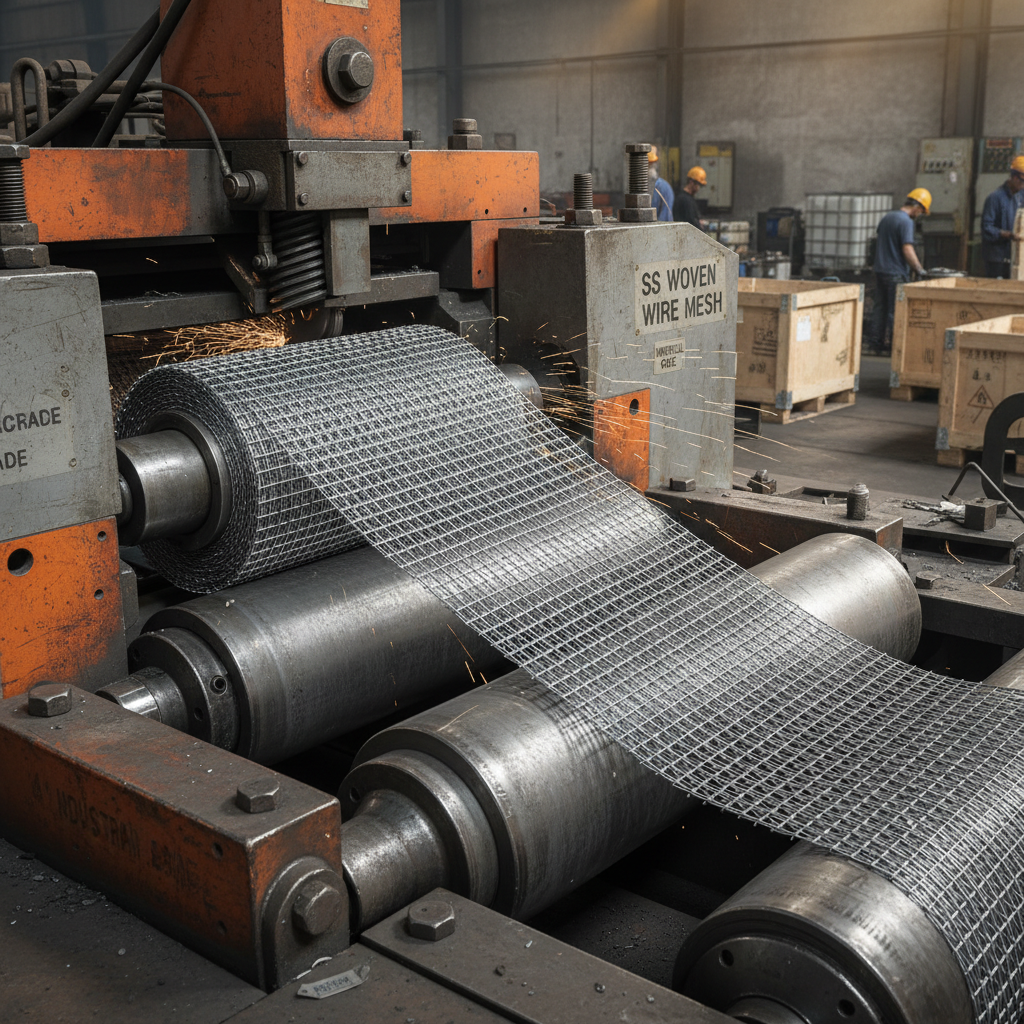
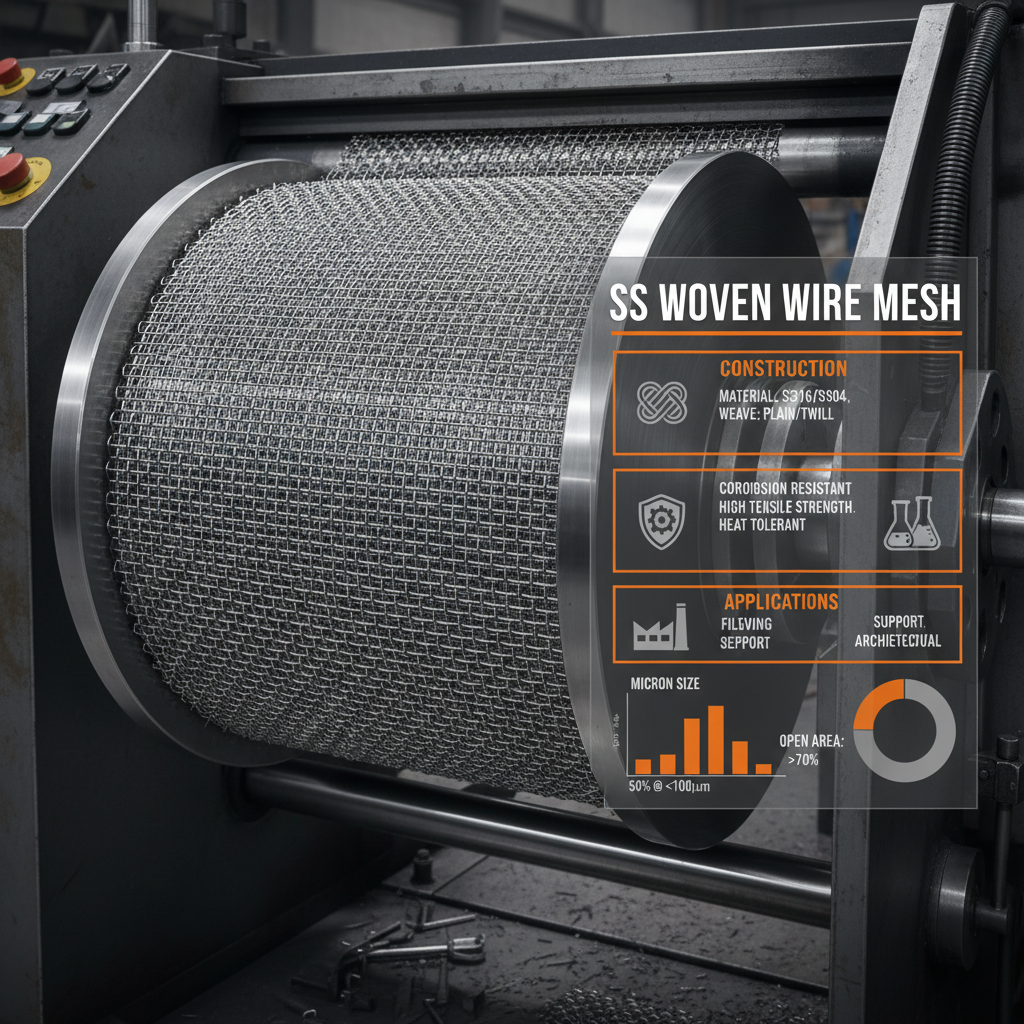
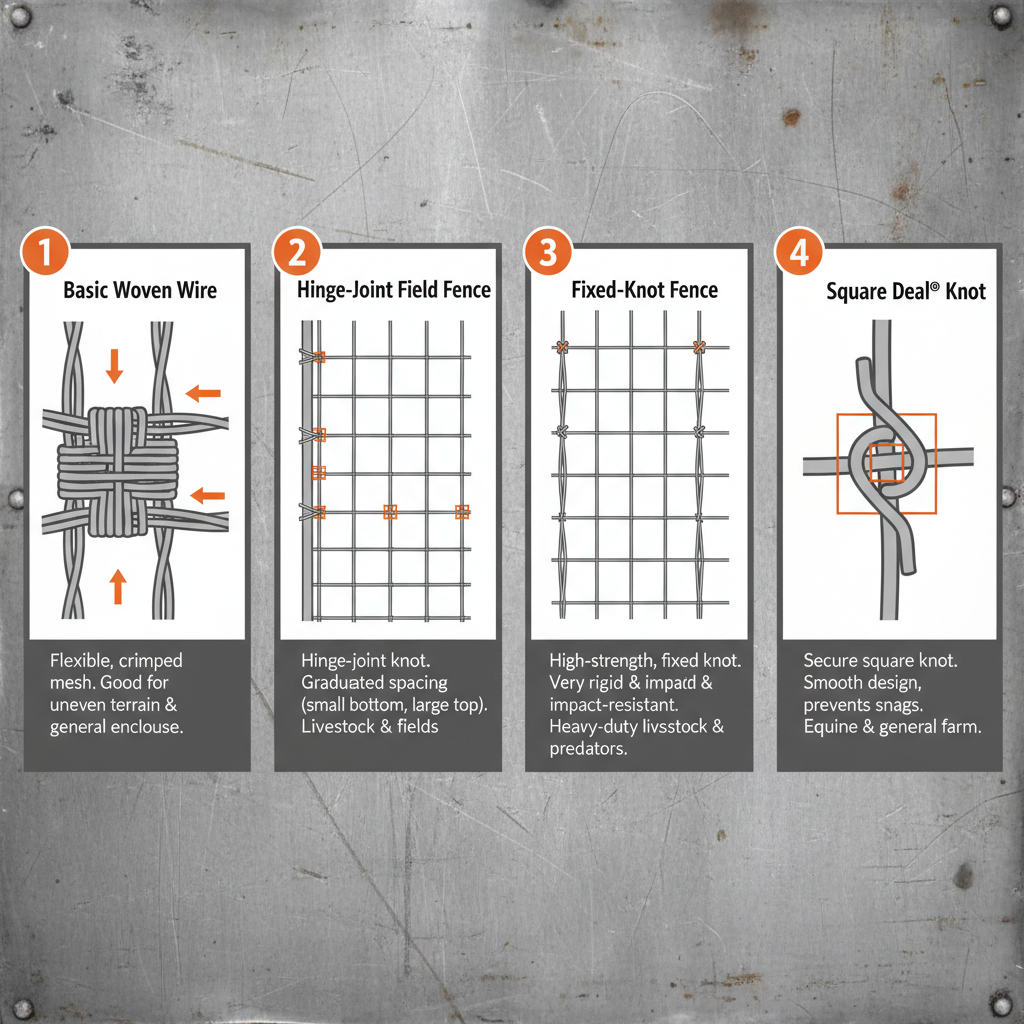
In its simplest terms, ss woven wire mesh is a textile-like material created by interlacing two or more sets of stainless steel wires at right angles. Unlike welded mesh, which uses heat to fuse joints, woven mesh relies on the physical crossing of wires, allowing for much tighter tolerances and smaller openings. This mechanical bond provides the flexibility needed for shaping the mesh into cylinders or discs while maintaining a rigid filter medium.
Beyond the basic definition, this material represents a critical intersection of metallurgy and textile engineering. The choice of alloy—typically 304, 316, or 316L stainless steel—determines the mesh's ability to resist chloride pitting and sulfuric acid attack. In modern humanitarian and industrial contexts, this means that a single piece of mesh can serve as a life-saving water filtration component in a remote village or a high-precision separator in a semiconductor cleanroom.
The "woven" aspect is what allows for the creation of complex geometries. By varying the "pick" (the number of wires per inch), manufacturers can control the open area percentage. This technical control is what transforms a simple piece of metal into a high-performance tool capable of separating sub-micron particles from a fluid stream, making ss woven wire mesh essential for the purity standards of the 21st century.
Core Components and Performance Factors
The performance of ss woven wire mesh is primarily dictated by its material composition. The chromium and nickel content in the steel ensures the formation of a passive oxide layer, which prevents rust and degradation. This chemical stability is what allows the mesh to operate in harsh environments, such as saltwater exposure or high-temperature furnaces, without losing its tensile strength.
Durability and precision are the dual pillars of high-quality ss woven wire mesh. The weaving tension must be perfectly calibrated to avoid "skewing," which occurs when the wires shift, creating uneven apertures. When the tension is uniform, the mesh achieves maximum scalability, meaning it can be produced in massive rolls for industrial fencing or microscopic sheets for laboratory use without a drop in quality.
Furthermore, cost-efficiency is achieved through the longevity of the material. While the initial investment in stainless steel is higher than in galvanized or iron alternatives, the lifecycle cost of ss woven wire mesh is significantly lower due to its resistance to wear and tear. This long-term value is realized through reduced downtime for replacements and lower maintenance requirements in high-cycle industrial processes.
Global Applications and Industrial Use Cases
Across the globe, ss woven wire mesh is deployed in a staggering variety of roles. In the pharmaceutical industry, it is used to sieve active ingredients, ensuring that powder particle sizes are perfectly consistent to guarantee drug efficacy. In the oil and gas sector, heavy-duty woven meshes act as primary filters to remove debris from crude oil, protecting expensive downstream equipment from abrasive wear.
In more specialized contexts, such as aerospace engineering, these meshes are used in heat exchangers and flame arrestors. In remote industrial zones or post-disaster relief operations, stainless steel mesh is often utilized for emergency water purification systems, providing a durable and washable method to remove large sediments and contaminants from natural water sources, thereby improving public health outcomes.
Comparative Performance of SS Woven Wire Mesh Types
Long-Term Value and Tangible Advantages
The primary advantage of investing in ss woven wire mesh is its exceptional sustainability. Unlike polymer-based screens that degrade under UV exposure or chemical attack, stainless steel is infinitely recyclable. This aligns with the global shift toward a circular economy, where industrial components are designed for a century of use rather than a few years of convenience.
Beyond the logical benefits of cost and durability, there is an element of trust and safety. In high-pressure environments, the failure of a filter can lead to catastrophic system breakdowns or contamination of food and medical supplies. The reliability of a certified ss woven wire mesh provides peace of mind to plant managers, knowing that their systems meet the strictest safety standards and regulatory compliance.
Future Innovations in Mesh Technology
As we move toward Industry 4.0, the production of ss woven wire mesh is being transformed by automation and digital twin technology. AI-driven looms can now adjust tension in real-time, virtually eliminating the possibility of human error during the weaving process. This allows for the creation of "gradient meshes," where the pore size changes gradually across the material, optimizing the filtration path and reducing the risk of clogging.
Moreover, the integration of nanotechnology is paving the way for "smart meshes." Researchers are experimenting with coating ss woven wire mesh with hydrophobic or antimicrobial nano-layers. These innovations allow the mesh to repel water or kill bacteria on contact, making them invaluable for the next generation of medical implants and high-efficiency air purification systems in smart cities.
Sustainability is also driving the development of new alloy blends that provide the same strength as 316L but use a lower percentage of rare earth minerals. This transition ensures that the production of high-performance mesh remains eco-friendly, reducing the carbon footprint of the mining and smelting processes while maintaining the same rigorous industrial standards.
Common Challenges and Expert Solutions
One of the most frequent challenges encountered with ss woven wire mesh is "blinding," where particles become lodged in the apertures, blocking the flow. This is especially common in wet filtration. To solve this, experts recommend the use of ultrasonic cleaning systems or the implementation of a "back-flush" mechanism that periodically reverses the flow to clear the mesh pores.
Another common issue is the corrosion of the mesh at the weld points or edges. While the mesh itself is corrosion-resistant, the edges can be vulnerable if not properly finished. The professional solution involves precision laser cutting and edge-welding or the use of reinforced frames that encapsulate the mesh, preventing fraying and chemical ingress at the boundaries.
Finally, selecting the wrong weave for the application often leads to premature failure. For instance, using a plain weave in a high-friction environment can lead to rapid wire wear. Switching to a twill weave, which has fewer wire intersections and a smoother surface, significantly reduces friction and extends the service life of the ss woven wire mesh.
Technical Analysis of SS Woven Wire Mesh Performance by Grade
| Material Grade |
Corrosion Resistance |
Temperature Limit |
Industrial Suitability |
| SS 304 Mesh |
Moderate |
800°C |
General Purpose/Food |
| SS 316 Mesh |
High |
870°C |
Marine/Chemical |
| SS 316L Mesh |
Very High |
850°C |
Pharmaceutical/Medical |
| SS 310S Mesh |
High |
1030°C |
High-Temp Furnaces |
| Nickel Alloy Mesh |
Extreme |
1100°C+ |
Aerospace/Acidic |
| Monel Mesh |
Extreme |
900°C |
Oceanic Oil Rigs |
FAQS
The primary difference lies in the construction method. ss woven wire mesh is made by interlacing wires over and under each other, which allows for much smaller apertures and higher precision. Welded mesh is formed by fusing wires together at the intersections using heat or pressure. Woven mesh is generally preferred for filtration and fine screening, while welded mesh is used for structural barriers and fencing where rigidity is more important than precision.
Choice depends on your environment. SS 304 is suitable for general industrial use and food processing. If your application involves saltwater or aggressive chemicals (like chlorides), SS 316 or 316L is required due to the addition of molybdenum. For extreme heat applications, such as kiln filters, specialized grades like SS 310S or Nickel alloys are recommended to prevent oxidation and maintain strength at high temperatures.
Yes, one of the biggest advantages of ss woven wire mesh is its reusability. Depending on the contaminant, it can be cleaned using high-pressure water jets, chemical solvents, or ultrasonic baths. This makes it a much more sustainable and cost-effective choice compared to disposable filter bags or plastic screens, as it can be returned to its original permeability after proper cleaning.
Dutch weave is a specialized weave where the filling wires are thicker and more closely spaced than the warp wires. This creates a mesh with a very high percentage of plugged area, making it ideal for ultra-fine filtration of liquids and gases. You should use Dutch weave when you need a high degree of filtration precision without sacrificing the mechanical strength of the filter element.
The wire diameter directly impacts the "Open Area" percentage. A thinner wire increases the open area, allowing for higher flow rates but reducing the physical strength of the ss woven wire mesh. Conversely, thicker wires increase durability and pressure resistance but reduce the flow rate. Balancing these two factors is key to optimizing any filtration system.
Absolutely. Stainless steel is non-reactive and does not leach chemicals into the product, which is why it is the industry standard for FDA-compliant equipment. Using grades like 316L ensures that the mesh can withstand the harsh caustic cleaning agents used in "Clean-in-Place" (CIP) systems without corroding, ensuring a sterile environment for food and drug production.
Conclusion
In summary, ss woven wire mesh is far more than a simple industrial component; it is a precision-engineered solution that enables the high standards of purity, safety, and durability required by modern global industries. From the careful selection of steel alloys to the intricate mathematics of weave patterns, every detail contributes to a material that can withstand the most corrosive environments while maintaining microscopic accuracy.
Looking forward, the integration of smart materials and AI-driven manufacturing will only further enhance the capabilities of these meshes, making them central to the transition toward sustainable, zero-waste industrialism. Whether you are optimizing a chemical plant or designing a new medical device, investing in high-quality woven wire mesh is a commitment to long-term reliability and innovation. Visit our website for more professional solutions: www.anshengmetalmesh.com