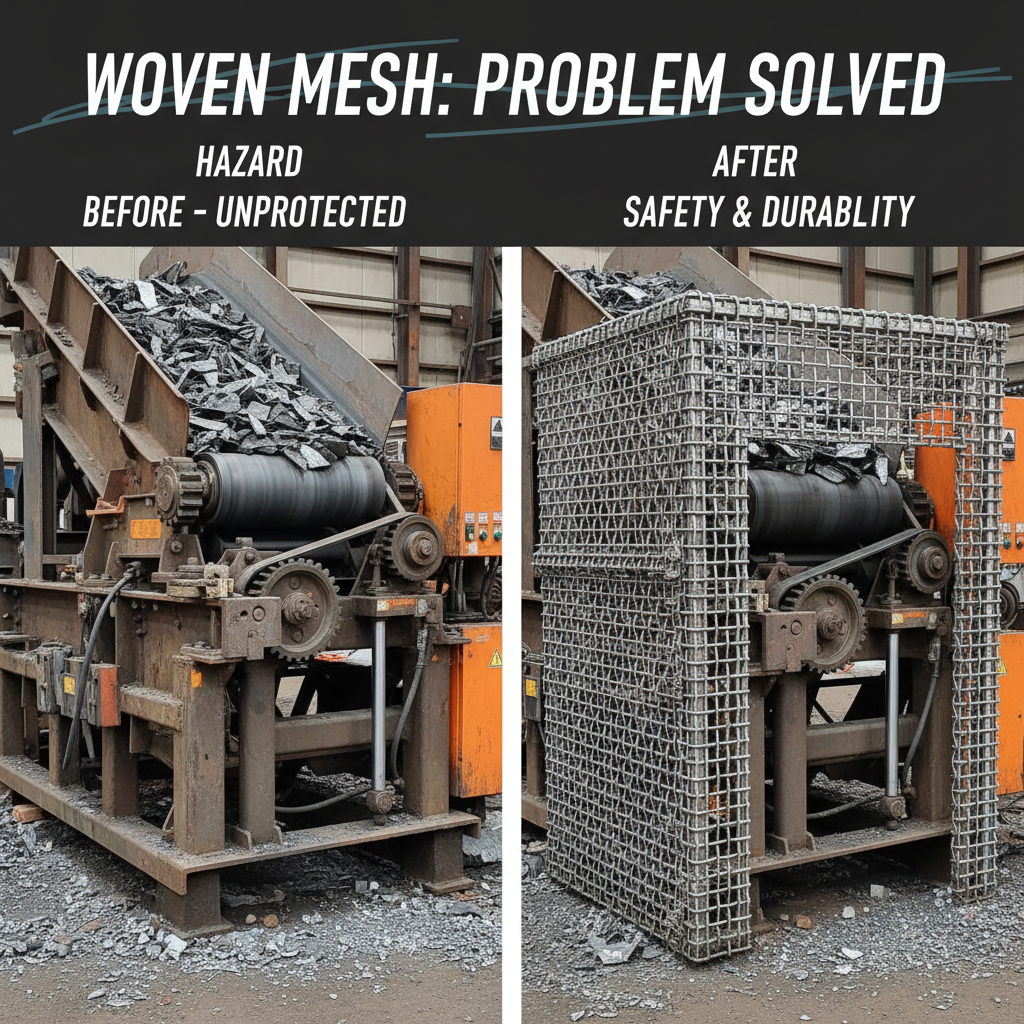
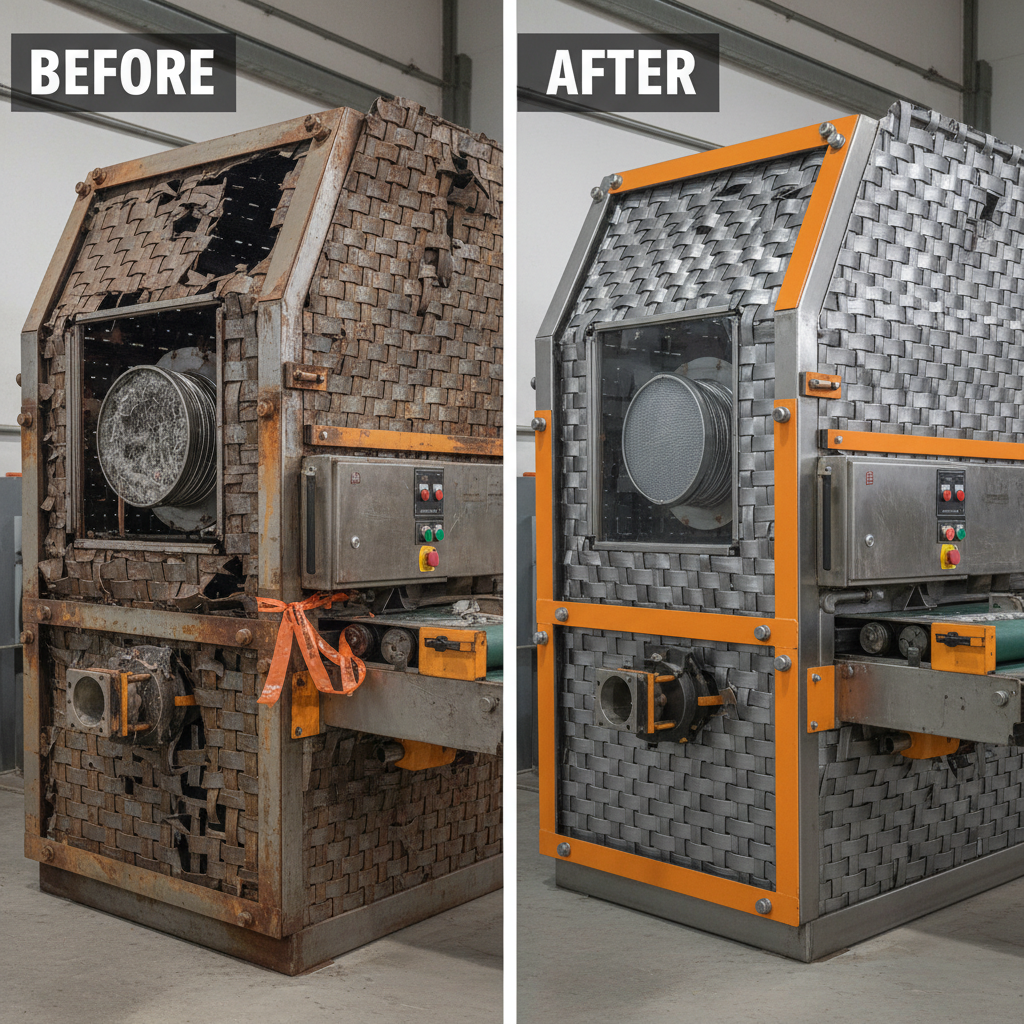
In the demanding landscape of modern industrial architecture and security management, woven wire mesh partitions have emerged as a premier solution for spatial organization. These specialized barriers balance the critical need for security with the necessity of airflow and visibility, ensuring that industrial environments remain safe without becoming claustrophobic or stagnant. By utilizing precision-engineered metal weaves, companies can delineate high-value storage areas or hazardous zones while maintaining an open-concept layout.
The global shift toward lean manufacturing and ISO-standardized workplace safety has amplified the demand for versatile partitioning systems. Unlike solid walls, which require permanent installation and restrict ventilation, woven mesh solutions offer a modular approach to facility management. This flexibility allows plant managers to reconfigure their floor plans rapidly in response to evolving production needs or updated safety protocols, reducing long-term capital expenditure.
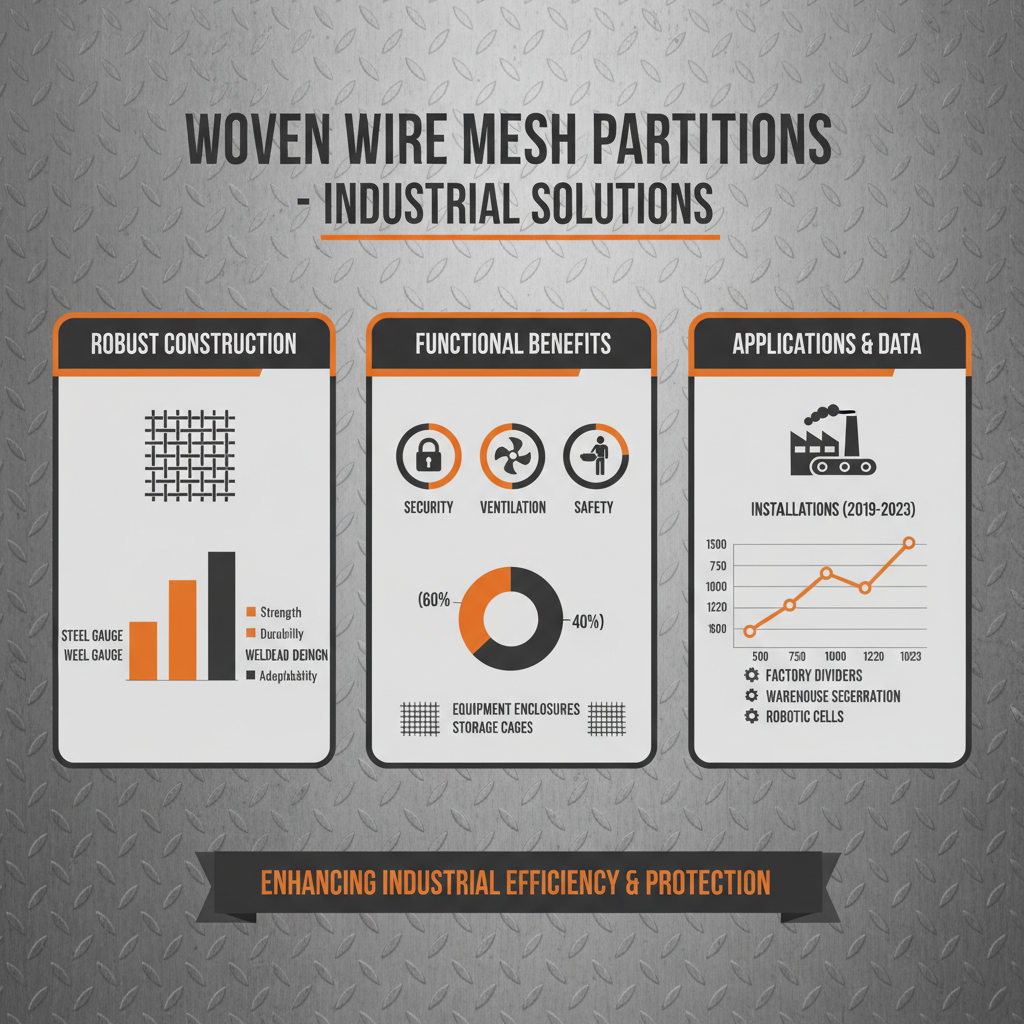
Understanding the technical nuances of woven wire mesh partitions—from the choice of stainless steel versus galvanized iron to the specific weave density—is essential for maximizing operational efficiency. When implemented correctly, these partitions do more than just divide space; they enhance the overall workflow, protect expensive assets, and contribute to a culture of transparency and safety within the industrial workspace.
Global Relevance and Industry Context of Woven Wire Mesh Partitions
On a global scale, the adoption of woven wire mesh partitions is closely tied to the growth of the logistics and automated warehousing sectors. As e-commerce scales, the need for secure "cages" for high-value electronics or pharmaceutical products has surged. According to industrial safety benchmarks, open-mesh partitioning significantly reduces the risk of airborne contaminant buildup and improves the efficacy of HVAC systems compared to solid drywall or plastic sheets.
The primary challenge addressed by these systems is the conflict between security and accessibility. In many manufacturing hubs across Asia and Europe, facilities struggle with "blind spots" that hide safety hazards or facilitate theft. By implementing transparent yet robust mesh barriers, organizations can ensure that supervisors have a clear line of sight across the factory floor while still restricting unauthorized access to dangerous machinery or sensitive inventories.
Technical Definitions and Structural Meaning
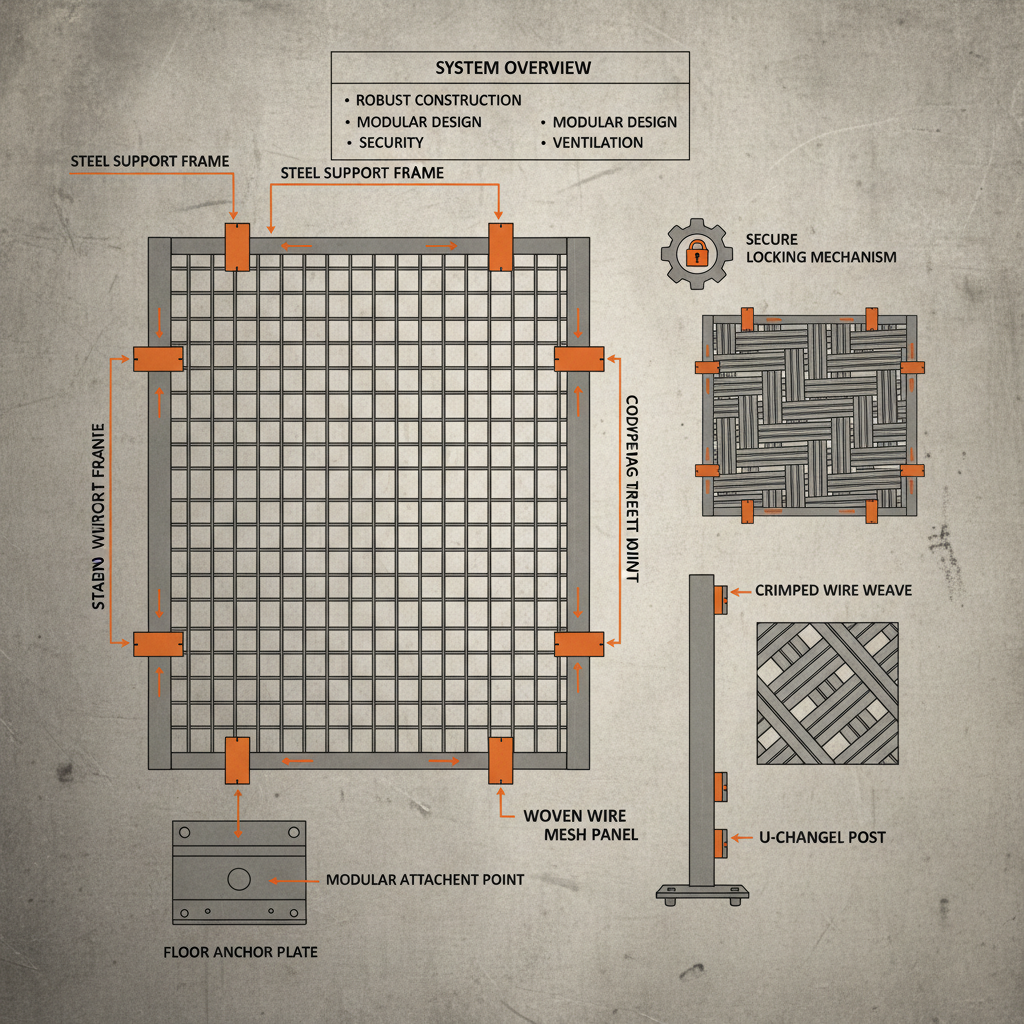
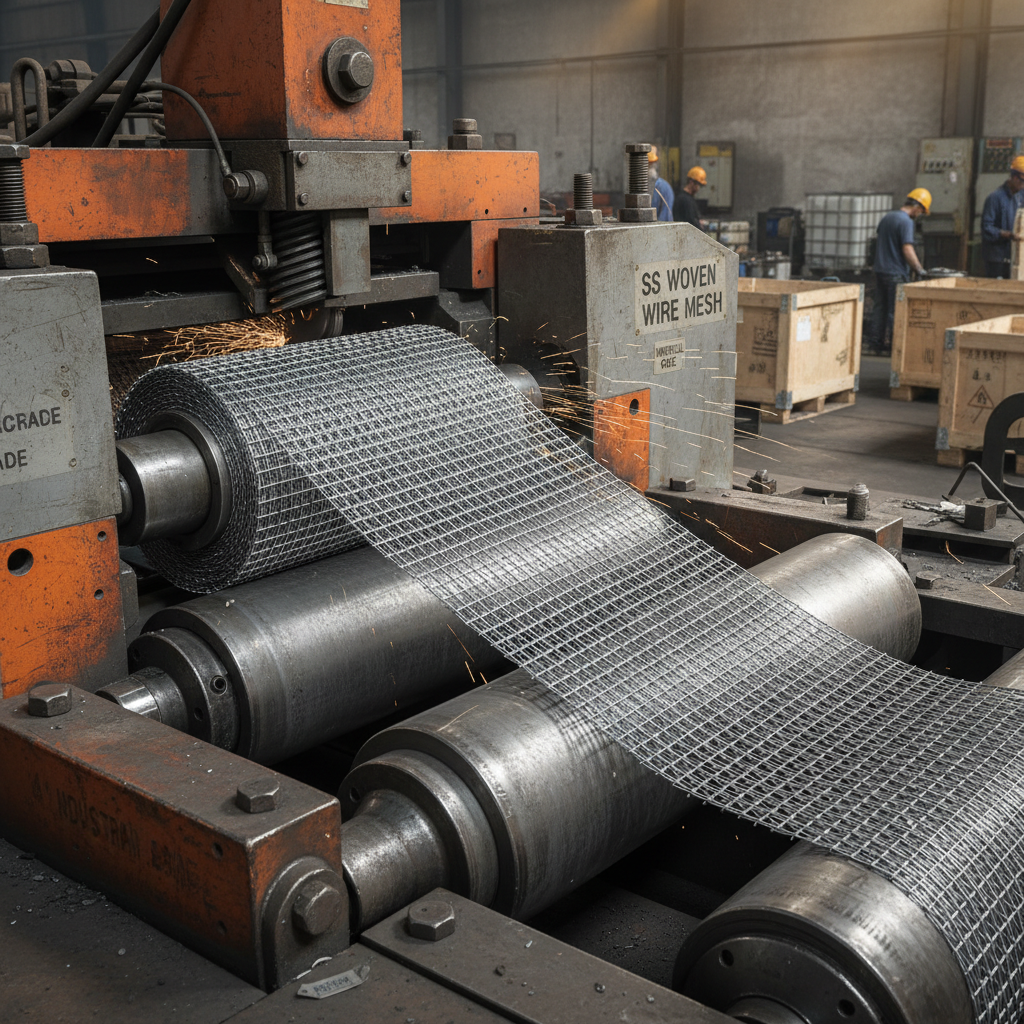
At its core, woven wire mesh partitions refer to a system of interlocking metal wires, woven in specific patterns (such as plain or twill weaves), and mounted within a supportive frame to create a semi-permeable boundary. Unlike welded mesh, which relies on fusion at the intersections, woven mesh provides a level of flexibility and structural resilience that is ideal for large-scale partitions that must withstand vibration and mechanical stress.
In a modern industrial context, these partitions represent more than just a fence; they are a tool for "zoning." This involves the strategic separation of clean rooms from dirty zones, or pedestrian walkways from forklift traffic. The "meaning" of the mesh is found in its transparency—it provides a psychological feeling of openness while maintaining a physical barrier that is legally and operationally sufficient for safety compliance.
Furthermore, the connection to humanitarian and large-scale infrastructure needs is evident in temporary medical clinics or rapid-deployment logistics hubs. In these scenarios, the speed of installation and the ability to reuse the materials make woven wire mesh a sustainable choice for creating organized, secure environments in high-pressure settings.
Core Components for Maximum Durability
The effectiveness of woven wire mesh partitions depends heavily on the material grade. Stainless steel (304 or 316) is the gold standard for food-grade or chemical environments due to its corrosion resistance, whereas galvanized iron provides a cost-effective solution for general warehouse use.
A critical component is the weave density, which determines the "aperture" or hole size. For high-security woven wire mesh partitions, a tighter weave prevents the insertion of tools or hands, whereas a wider weave is preferred for maximum airflow and visibility in ventilation-critical areas.
Finally, the framing system—typically consisting of heavy-duty steel tubes and secure fasteners—ensures that the mesh remains taut and does not sag over time. The integration of modular gates and locking mechanisms transforms a simple mesh screen into a fully functional security system.
Global Applications and Versatile Use Cases
In real-world contexts, woven wire mesh partitions are indispensable across diverse sectors. In the pharmaceutical industry in Switzerland and Germany, these partitions are used to create sterile corridors that prevent cross-contamination while allowing technicians to monitor laboratory conditions from a distance.
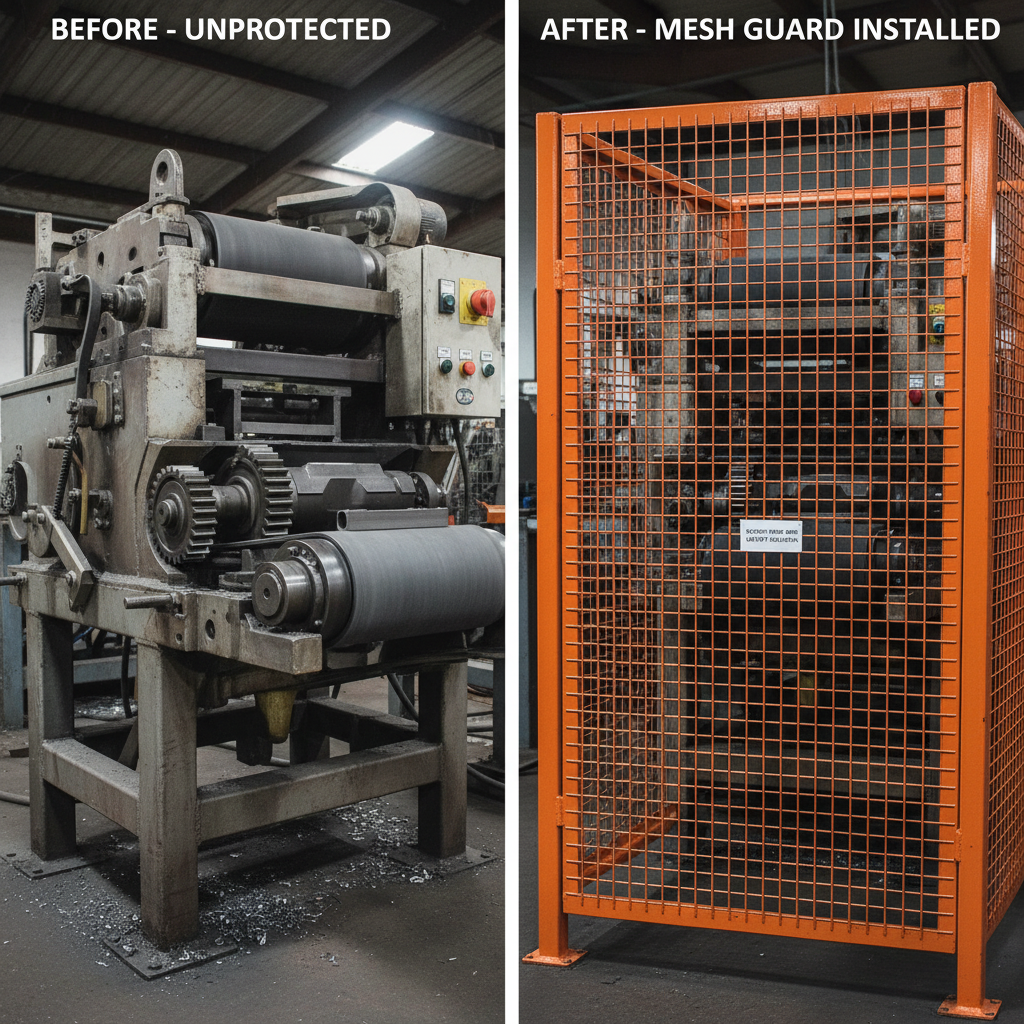
In remote industrial zones, such as mining sites in Australia or oil refineries in the Middle East, the durability of coated woven mesh prevents salt-air corrosion and protects critical control panels from accidental impact. For instance, in post-disaster relief operations, modular mesh partitions are often used to quickly organize supply depots, ensuring that aid is sorted and secured without the need for heavy construction.
Performance Comparison of Woven Wire Mesh Partition Types
Long-Term Value and Economic Advantages
The investment in woven wire mesh partitions yields significant long-term dividends. From a financial perspective, the modular nature of these systems means that when a facility expands or changes its layout, the partitions can be dismantled and reinstalled elsewhere, effectively reducing the cost of facility upgrades to nearly zero for the partitioning component.
Beyond the balance sheet, there is a profound social impact. By improving safety and transparency, these partitions instill a sense of trust and dignity among workers. Employees feel safer knowing that hazardous areas are clearly marked and physically inaccessible, while the open-air design prevents the feeling of isolation common in walled-off industrial cubicles.
Future Trends in Mesh Partition Innovation
The evolution of woven wire mesh partitions is currently being driven by the "Green Industry" movement. We are seeing a rise in the use of 100% recyclable alloys and eco-friendly powder coatings that eliminate VOC emissions. This ensures that the partitions not only protect the workforce but also the environment.
Digital transformation is also playing a role. Some high-tech facilities are integrating "smart sensors" into their mesh frames. These sensors can detect unauthorized breaches or monitor airflow patterns through the mesh, feeding data directly into a centralized Building Management System (BMS) for real-time monitoring and automation.
Additionally, the integration of automated assembly is making these partitions even easier to deploy. Pre-fabricated, snap-fit components are reducing the need for specialized welding on-site, allowing for rapid deployment in time-sensitive projects like temporary pandemic response centers or emergency logistics hubs.
Overcoming Challenges in Partition Implementation
One common limitation in current practice is the risk of "sagging" in very large mesh spans. To overcome this, expert engineers suggest the implementation of reinforced tension cables or intermediate support struts. By calculating the load-bearing capacity of the specific weave, one can prevent the mesh from warping over time, maintaining both aesthetics and security.
Another challenge is the balance between security and visibility. Some users find that too-tight a weave blocks light, while too-loose a weave is insecure. The solution lies in "hybrid zoning," where high-security areas use a fine mesh and transition areas use a wider weave, optimizing both light penetration and protection.
Finally, maintenance can be an issue in highly corrosive environments. We recommend a proactive cleaning schedule and the application of specialized corrosion inhibitors to the joints of the woven wire mesh partitions. This ensures that the structural integrity remains intact for decades rather than years.
Analysis of Woven Wire Mesh Partition Material Efficiency
| Material Type |
Security Level |
Corrosion Resistance |
Installation Speed |
| Stainless Steel 316 |
Ultra High |
Excellent |
Moderate |
| Galvanized Iron |
High |
Good |
Fast |
| Epoxy Coated |
Medium-High |
Very High |
Fast |
| Nickel Alloy |
Ultra High |
Superior |
Slow |
| Standard Iron |
Medium |
Low |
Very Fast |
| Custom Hybrid |
Variable |
High |
Moderate |
FAQS
Woven wire mesh partitions provide unmatched ventilation and visibility, which are critical for industrial safety and HVAC efficiency. Unlike solid walls, they allow light to penetrate deep into the facility and enable supervisors to monitor operations without entering a restricted zone. Additionally, their modular nature allows for rapid reconfiguration and easier installation compared to permanent construction.
Depending on the material, the lifespan varies significantly. Stainless steel 316 mesh partitions can last decades even in saltwater or chemical environments. Galvanized options are excellent for dry warehouses, lasting 10-15 years. For maximum longevity, we recommend epoxy-coated or nickel-plated mesh, which provides an extra barrier against oxidation and chemical wear.
Yes, they are highly cost-effective because they eliminate the need for professional contractors required for drywall or glass installation. The lower material cost of galvanized mesh and the ability to reuse the system as the business grows make it a smart long-term investment that reduces recurring facility expenses.
Absolutely. We offer various weave densities. For high-security needs, a tight weave prevents small objects from being passed through or tools from being inserted. For general zoning, a wider aperture is used to maximize airflow. Custom combinations can be designed to meet specific ISO or OSHA security standards.
One of the biggest advantages of these systems is the minimal disruption. Because they are modular and often use bolt-together frames, they can be installed during off-peak hours or in phases. There is no wet work, curing time, or heavy dust associated with traditional construction, allowing production to continue nearly uninterrupted.
Maintenance is straightforward. We recommend periodic inspections of the tension points and fasteners. For coated meshes, a simple wipe-down to remove abrasive dust prevents coating chips. If a section is damaged, the modular design allows you to replace a single panel rather than the entire partition, keeping maintenance costs low.
Conclusion
In summary, woven wire mesh partitions represent a sophisticated intersection of security, functionality, and industrial design. By prioritizing materials like stainless steel and leveraging modular engineering, businesses can create spaces that are safe, transparent, and adaptable. From the economic benefits of reusable infrastructure to the social benefits of a safer workplace, the value of these systems extends far beyond mere physical separation.
Looking forward, the integration of sustainable materials and smart technology will further elevate the role of mesh partitioning in the "Industry 4.0" era. For companies seeking to optimize their facility layout without sacrificing security or air quality, investing in high-quality woven mesh solutions is a strategic move toward operational excellence. We invite you to explore our full range of professional mesh products to find the perfect fit for your facility. Visit our website: www.anshengmetalmesh.com