In the complex landscape of industrial filtration and structural reinforcement, woven metal sheets stand as a cornerstone of engineering versatility. These precision-engineered materials are created by interlacing metal wires in specific patterns, resulting in a durable, permeable surface that can be tailored to meet exact aperture and micron ratings. Whether used for high-temperature catalysts or fine liquid filtration, the ability to control the weave density makes these sheets indispensable across diverse global sectors.
The global demand for high-performance metal mesh has surged as industries strive for greater efficiency and sustainability. From the aerospace sector requiring lightweight yet strong partitions to the chemical industry needing corrosion-resistant filters, the application of woven metal sheets ensures that critical processes remain uncontaminated and structurally sound. By bridging the gap between raw material strength and functional porosity, these products solve the eternal engineering struggle of balancing flow with filtration.
Understanding the technical nuances of different weaves—such as plain, twill, or dutch—allows procurement managers and engineers to optimize their operational costs and product lifespans. As we move toward an era of "Industry 4.0," the integration of advanced alloys and automated weaving processes is pushing the boundaries of what these metal sheets can achieve. This guide explores the intricate world of industrial weaving, providing the technical insight needed to select the right material for the most demanding environments.
Global Industry Context of Woven Metal Sheets
On a global scale, the production and application of woven metal sheets are deeply intertwined with the growth of the global manufacturing GDP. According to ISO standards for metallic meshes, the precision of the weave directly impacts the efficiency of industrial separation processes. In regions like East Asia and North America, the adoption of high-grade stainless steel and nickel alloys has allowed factories to operate in increasingly corrosive environments without frequent downtime.
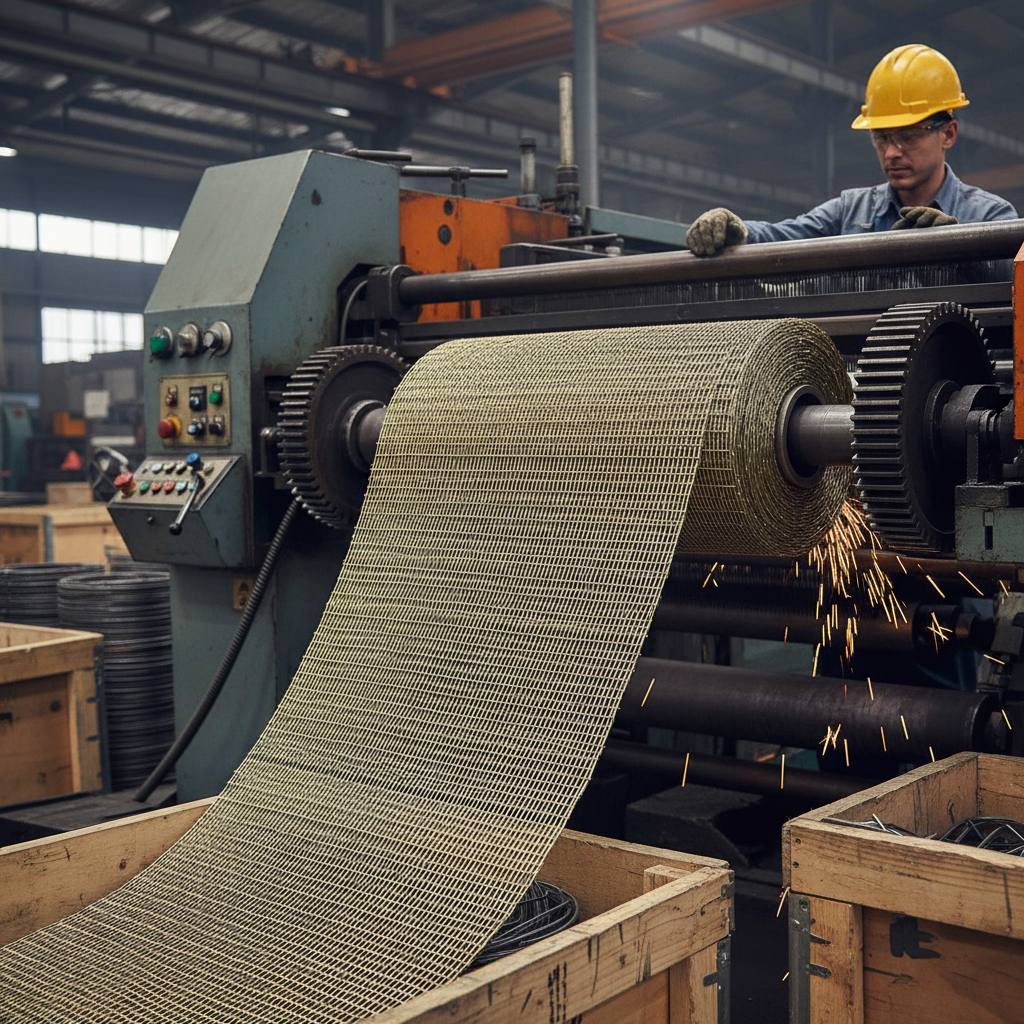
The primary challenge facing the industry today is the need for "ultra-fine" filtration without sacrificing structural integrity. As environmental regulations tighten worldwide, particularly regarding wastewater treatment and air emissions, the demand for sheets with micron-level precision has skyrocketed. This has forced a shift from traditional weaving methods to computerized looms that can maintain tension across thousands of meters of wire, ensuring a consistent pore size that meets strict international regulatory benchmarks.
Technical Definition and Material Composition
At its most fundamental level, woven metal sheets are fabric-like structures created by interlacing two or more sets of metal wires—typically the warp (longitudinal) and the weft (transverse). Unlike perforated sheets, which are punched from a solid plate, woven sheets are built from the wire up. This allows for a significantly higher open-area percentage and a more precise control over the "mesh count" (the number of openings per linear inch).
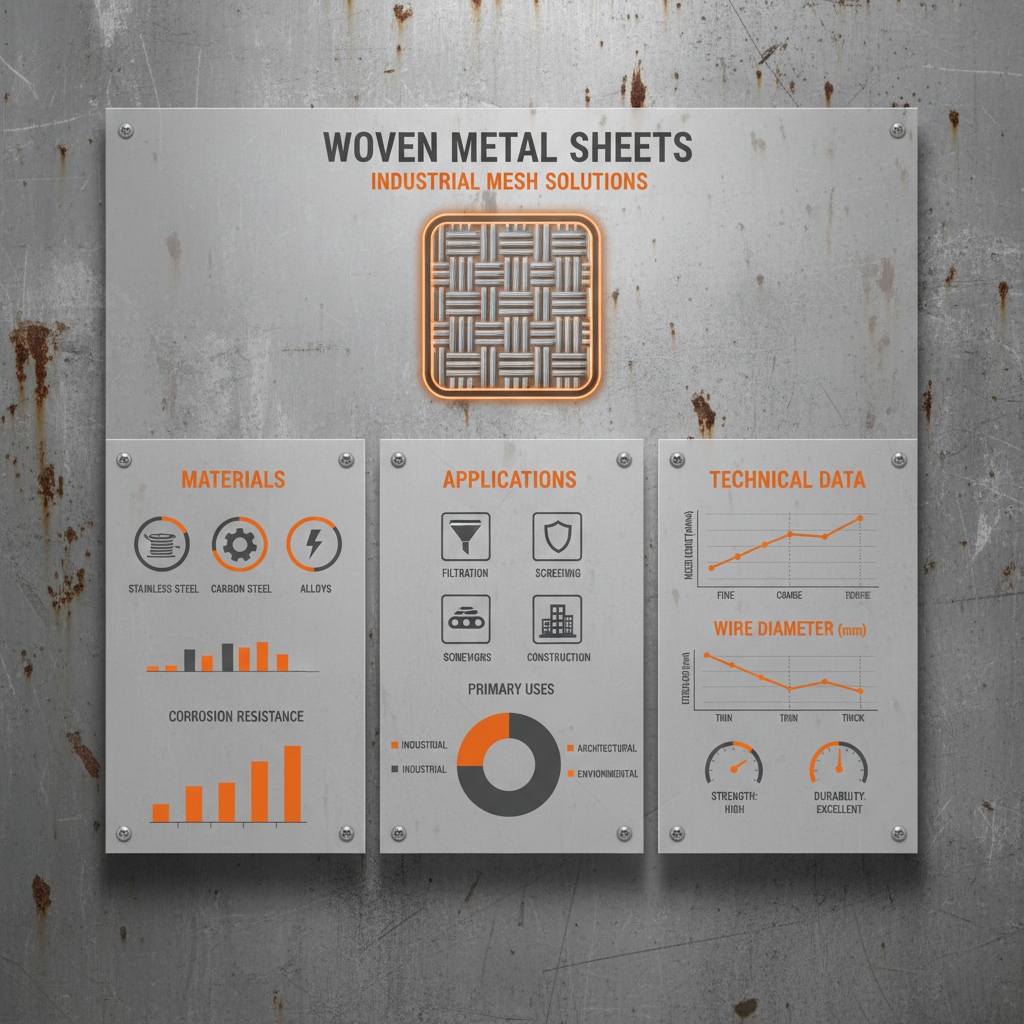
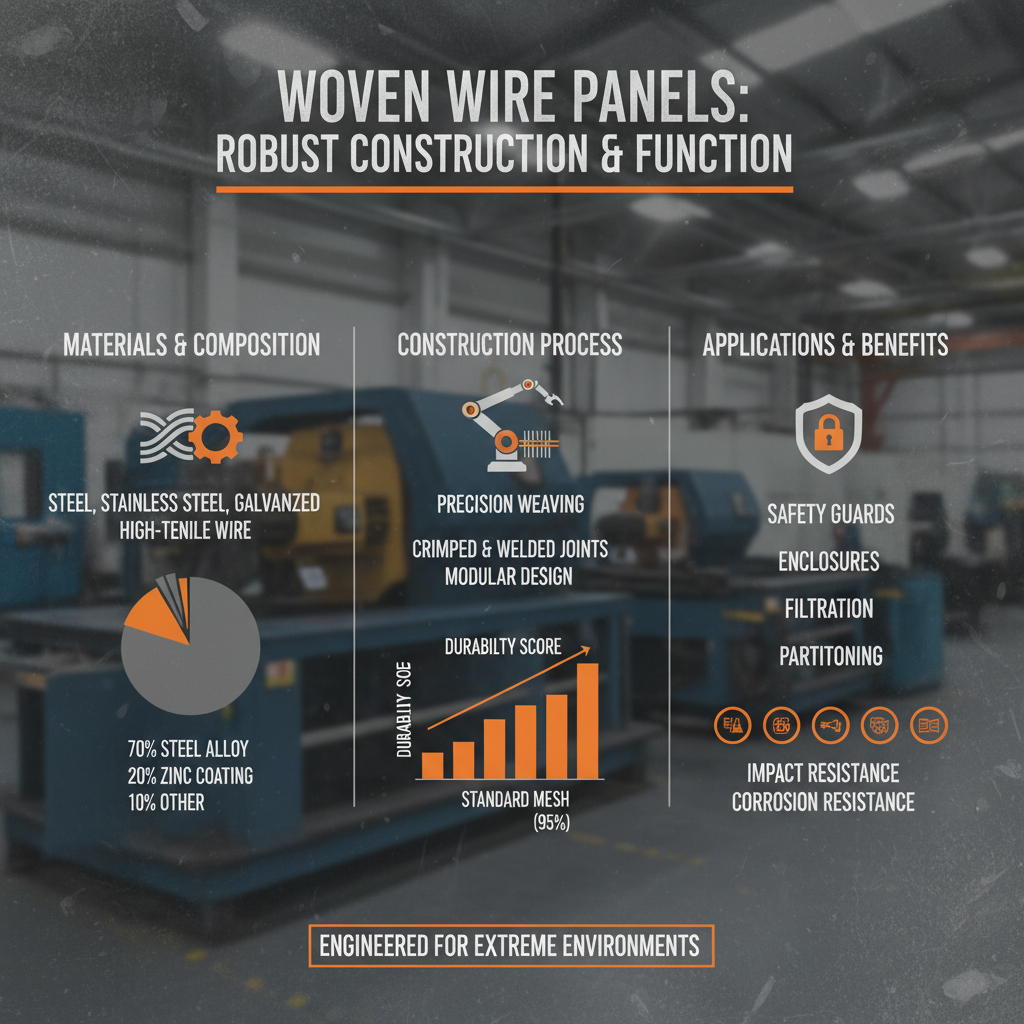
The material choice is critical to the sheet's performance. Stainless steel (304, 316L) is the industry standard due to its balance of cost and corrosion resistance. However, for extreme applications, nickel wire mesh is used for high-temperature oxidation resistance, and copper wire mesh is favored for its electrical conductivity and antimicrobial properties. These materials are often further enhanced with epoxy coatings or galvanization to extend their lifespan in salty or acidic atmospheres.
Modern industrial weaving also incorporates specialized alloys like Inconel or Hastelloy for the most aggressive chemical environments. The synergy between the material's metallurgy and the geometric pattern of the weave determines the sheet's overall tensile strength, permeability, and filtration efficiency, making the technical specification process a critical phase of any engineering project.
Core Performance Factors for Industrial Mesh
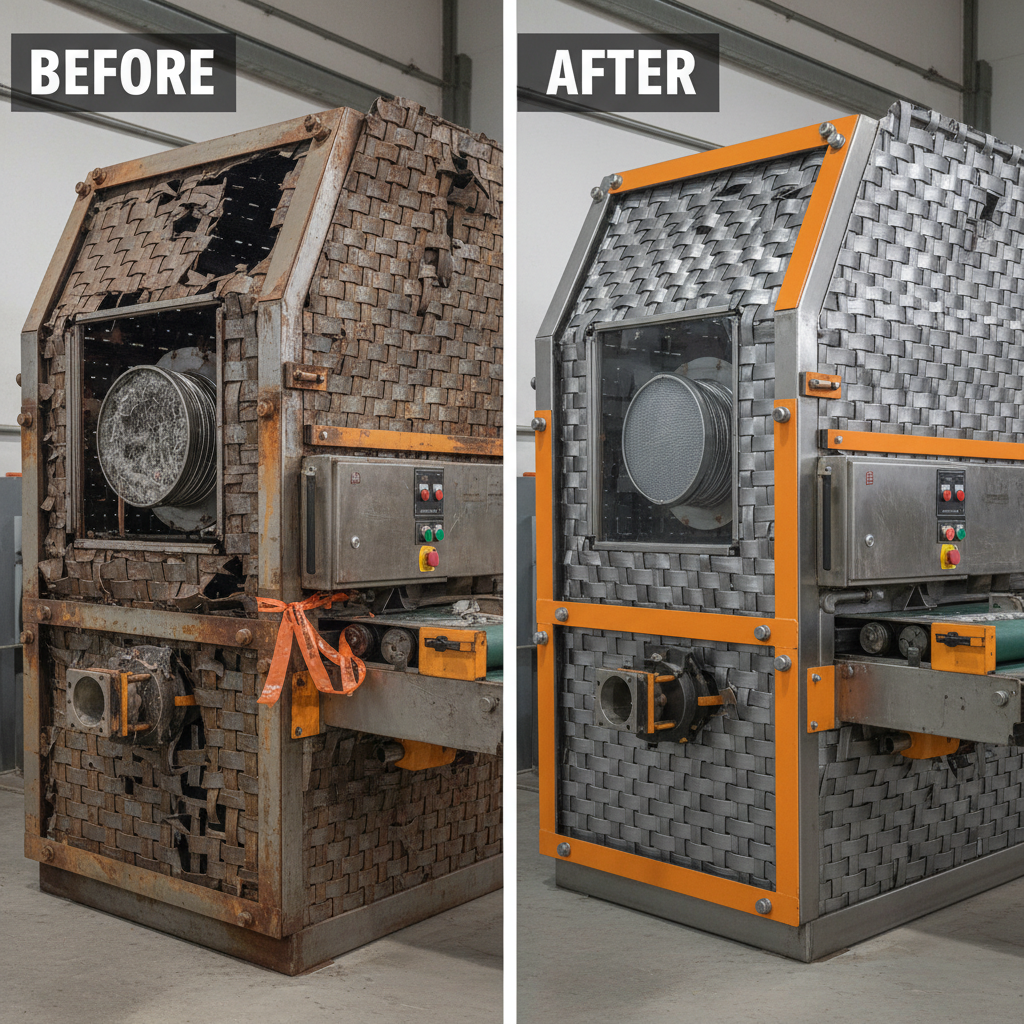
The effectiveness of woven metal sheets is primarily measured by their Durability. In high-pressure environments, the weave must resist "blinding" (clogging) and mechanical deformation. The intersection points of the wires are the primary stress zones; therefore, the quality of the draw and the precision of the weave are paramount to preventing premature failure under load.
Scalability and Precision are the next key factors. Whether a project requires a small disc for a laboratory filter or massive rolls for industrial screening, the consistency of the aperture must remain identical. This precision allows engineers to calculate flow rates and pressure drops with mathematical certainty, ensuring that the woven metal sheets perform exactly as predicted in the CAD model.
Finally, Cost Efficiency is evaluated through the lens of the Total Cost of Ownership (TCO). While a high-nickel alloy sheet may have a higher initial purchase price than a galvanized iron mesh, its resistance to corrosion reduces the frequency of replacements and minimizes production downtime, ultimately providing a higher return on investment for the plant operator.
Global Applications and Sectoral Use Cases
The versatility of woven metal sheets allows them to be deployed in a staggering array of real-world contexts. In the petrochemical industry, they are used as primary filters to remove particulates from crude oil, preventing damage to downstream catalysts. In the food and beverage sector, stainless steel woven mesh ensures hygienic separation of ingredients while meeting strict FDA and EU sanitary standards.
Beyond heavy industry, these materials play a vital role in specialized infrastructure. For instance, in remote industrial zones or mining operations in Australia and Canada, heavy-duty woven wire mesh is used for soil stabilization and rock-fall protection. Similarly, in the pharmaceutical industry, ultra-fine dutch weaves are employed in the production of sterile medicines, where even a single micron of contamination could compromise the entire batch.
Performance Comparison of Woven Metal Sheets Types
Long-Term Value and Sustainability Advantages
The long-term value of investing in high-quality woven metal sheets lies in their inherent sustainability. Unlike plastic filters, which are single-use and contribute to landfill waste, metal woven sheets are often washable and reusable. Through ultrasonic cleaning or chemical back-flushing, the mesh can be restored to its original permeability, drastically reducing the environmental footprint of the filtration process.
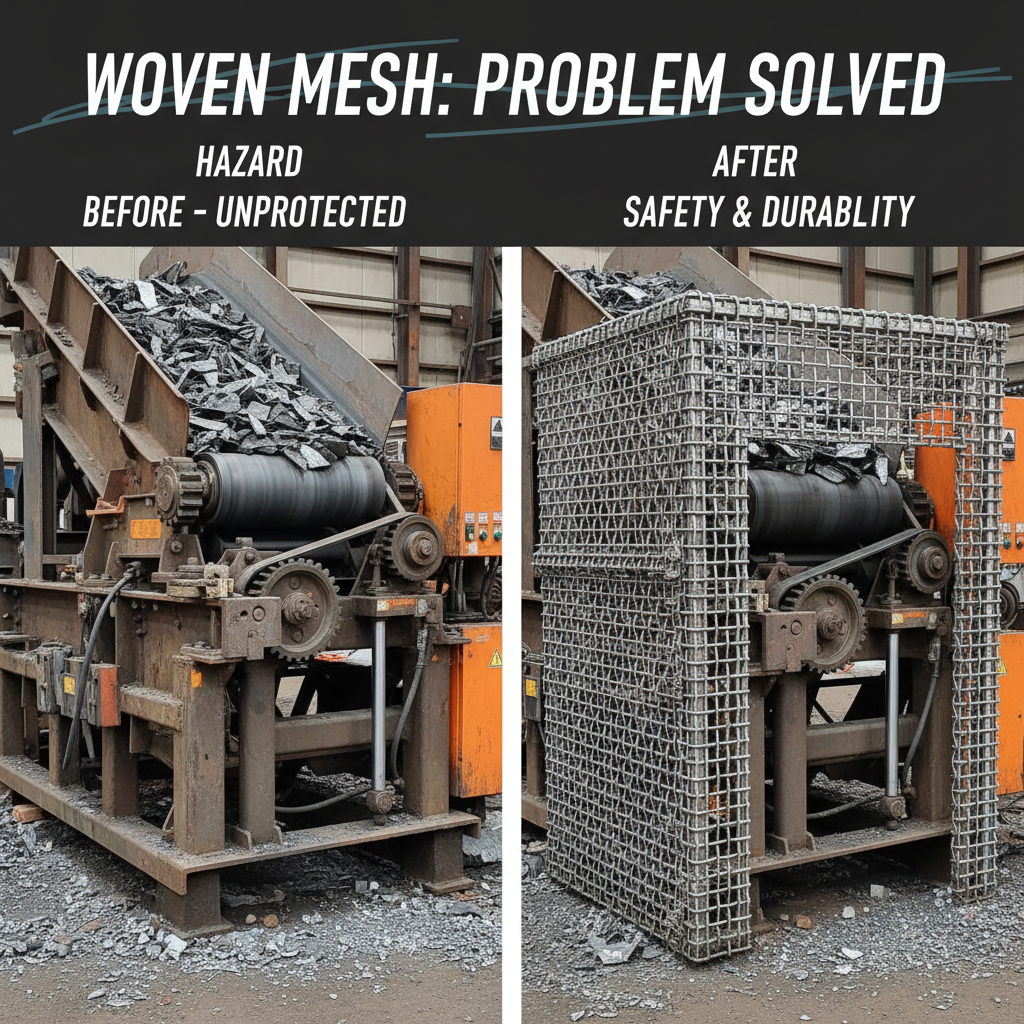
From a logical and emotional standpoint, the reliability of these materials provides peace of mind for safety officers and plant managers. Knowing that a filter will not rupture under pressure or a security screen will not fail under impact creates a culture of trust and safety within the workplace. This reliability is not just a technical specification; it is a commitment to the dignity and safety of the workforce operating these machines.
Future Innovations in Metal Weaving Technology
The future of woven metal sheets is being shaped by the intersection of metallurgy and digital manufacturing. We are seeing the emergence of "smart meshes" that incorporate sensors to detect pressure drops or contamination levels in real-time. This transition toward digitalization allows for predictive maintenance, where a sheet is replaced based on actual wear data rather than a generic calendar schedule.
Furthermore, the rise of green energy is driving the development of specialized meshes for hydrogen fuel cells and carbon capture systems. These applications require materials that can withstand extreme electrochemical stress while maintaining a precise pore structure to maximize gas diffusion. The development of nano-coated wires is also allowing for the creation of "super-hydrophobic" sheets that repel water and oils, further increasing efficiency.
Automation in the weaving process is also reducing human error and material waste. High-speed CNC looms can now create complex 3D woven structures, moving beyond flat sheets to integrated filter elements. This evolution ensures that the industrial world can meet increasingly stringent environmental targets without sacrificing productivity.
Overcoming Challenges in Mesh Implementation
Despite their advantages, the implementation of woven metal sheets is not without challenges. One common issue is "mechanical blinding," where particles become wedged in the weave. To overcome this, experts recommend utilizing "twill" or "dutch" weaves, which offer a more streamlined flow path and are easier to clean than the standard plain weave.
Another hurdle is the risk of galvanic corrosion when different metals are in contact. When installing stainless steel mesh into an aluminum frame, for example, an insulating layer or specific sealant must be used to prevent the electrochemical reaction that eats away at the metal. Proper material pairing and the use of protective coatings are the primary solutions to this systemic issue.
Finally, the complexity of specifying the correct micron rating often leads to procurement errors. The solution lies in a collaborative approach between the end-user and the manufacturer. By providing a sample of the material being filtered, manufacturers can perform "sieve analysis" to determine the ideal aperture, ensuring the sheet provides maximum filtration without creating an excessive pressure drop.
Analysis of Woven Metal Sheets Material Performance and Application
|
Material Type
|
Corrosion Resistance (1-10)
|
Max Temp (°C)
|
Primary Application
|
|
Stainless Steel 304
|
7
|
800
|
General Filtration
|
|
Stainless Steel 316L
|
9
|
850
|
Marine/Chemical
|
|
Nickel Alloy
|
10
|
1100
|
High-Temp Furnaces
|
|
Copper Mesh
|
5
|
400
|
EMI Shielding
|
|
Galvanized Iron
|
4
|
200
|
Construction Fencing
|
|
Monel Alloy
|
10
|
900
|
Acidic Environments
|
FAQS
Plain weave is the simplest pattern, where wires cross each other one-by-one, providing high stability but higher resistance to flow. Twill weave involves wires crossing over two or more others, creating a diagonal rib. This results in a more flexible sheet with a higher open area, making it better for filtration tasks where high flow rates and easier cleaning are required.
Choosing a mesh count depends on the size of the particles you need to filter. First, identify the "critical particle size" you wish to block. We then recommend a mesh aperture slightly smaller than that size. For very fine particles, a Dutch weave is often preferred as it allows for much tighter tolerances and higher density without using impossibly thin wires.
Yes, most industrial suppliers can cut woven metal sheets to specific dimensions using laser or water-jet cutting to ensure edges remain clean and the weave isn't distorted. Additionally, these sheets can be welded into cylinders, discs, or complex filter elements to fit directly into existing machinery housings.
Prevention starts with material selection; choosing 316L stainless steel over 304 provides better resistance to chlorides. For extreme cases, epoxy coatings or PVC dipping can be applied to the sheet. Regularly scheduled cleaning and avoiding contact with dissimilar metals (to prevent galvanic corrosion) are also essential maintenance steps.
Absolutely. While synthetic filters are often disposable, metal woven sheets are durable and reusable. They can be cleaned via back-washing or ultrasonic baths and put back into service. Furthermore, metals like stainless steel and copper are 100% recyclable at the end of their long service life, significantly reducing industrial waste.
Lifespan varies by environment. In a clean, low-pressure air system, a stainless steel sheet can last for decades. In a corrosive chemical plant, it may last 1-3 years. The lifespan is extended by choosing the correct alloy and implementing a rigorous cleaning schedule to prevent permanent blinding of the pores.
Conclusion
In summary, woven metal sheets represent a critical intersection of traditional craftsmanship and modern material science. By meticulously selecting the right weave pattern, metal alloy, and aperture size, industries can significantly enhance their operational efficiency, ensure higher safety standards, and reduce their environmental impact. From the microscopic precision of Dutch weaves to the rugged durability of galvanized steel, these materials provide the essential structural and functional backbone for countless global industrial processes.
Looking forward, the shift toward sustainable manufacturing and the integration of smart sensing technology will only increase the importance of high-precision metal weaving. We encourage engineers and procurement specialists to look beyond the initial cost and consider the total lifecycle value of their mesh solutions. By partnering with expert manufacturers, you can ensure that your filtration and screening systems are optimized for the challenges of tomorrow. For high-quality, customized solutions, visit our website: www.anshengmetalmesh.com