
Industrial Grade Stainless Steel Fine Mesh Screen Guide

The Ultimate Guide to Stainless Steel Fine Mesh Screen

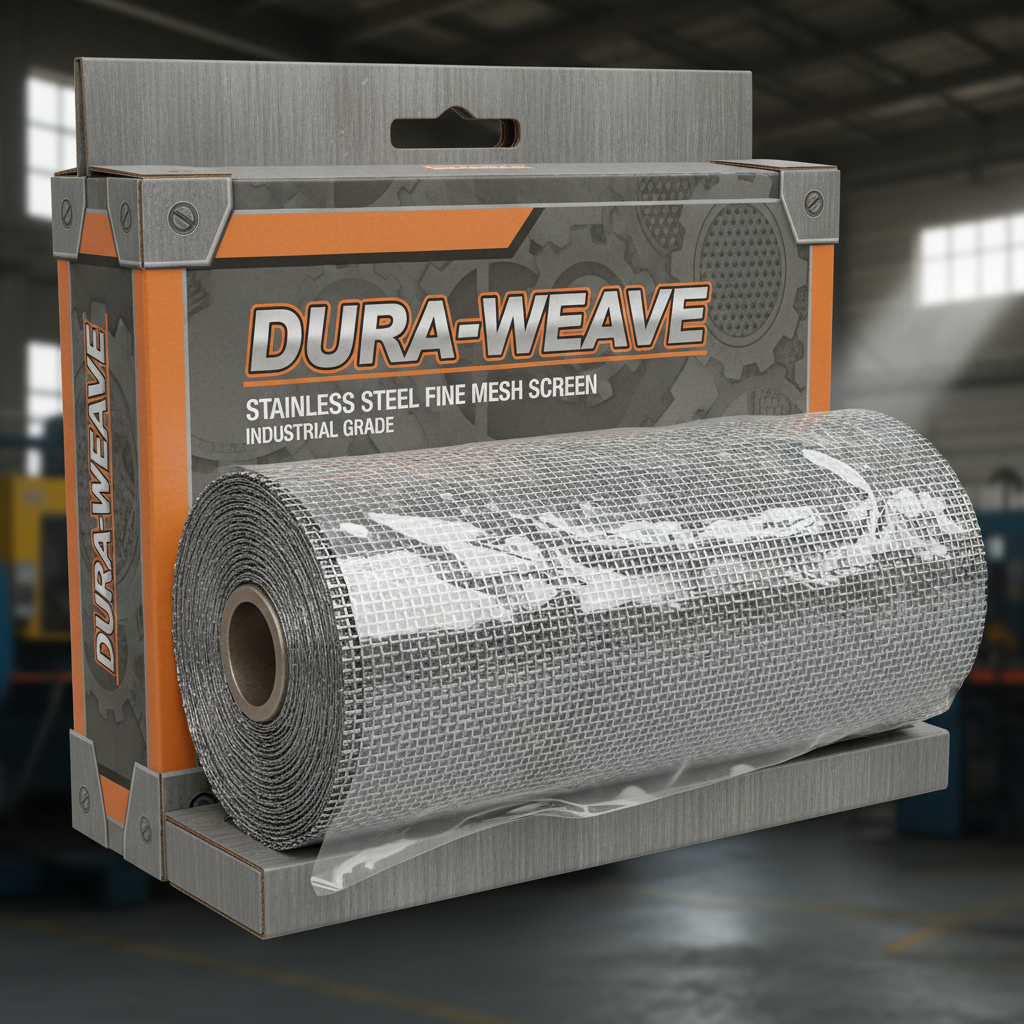
In the world of industrial filtration and precision screening, the stainless steel fine mesh screen stands as an indispensable component. Combining exceptional durability with microscopic precision, these screens are engineered to handle the toughest environments while maintaining strict filtration standards. Whether you are dealing with chemical processing, pharmaceutical refining, or high-end architectural design, choosing the right mesh density and material grade is critical for operational efficiency. In this comprehensive guide, we will explore the technical nuances, applications, and selection criteria that make this material a cornerstone of modern industry.
Industrial Grade Stainless Steel Fine Mesh Screen Guide

Unmatched Material Properties of Fine Mesh

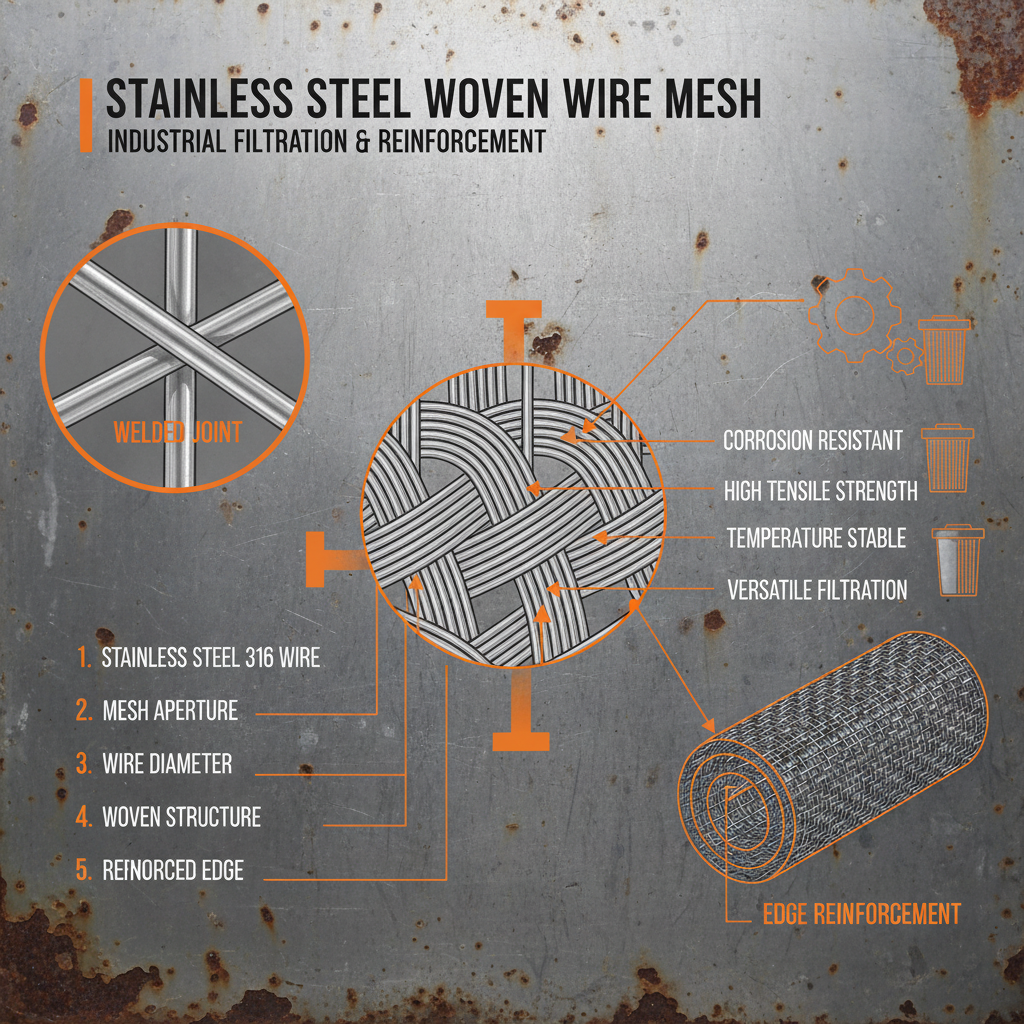
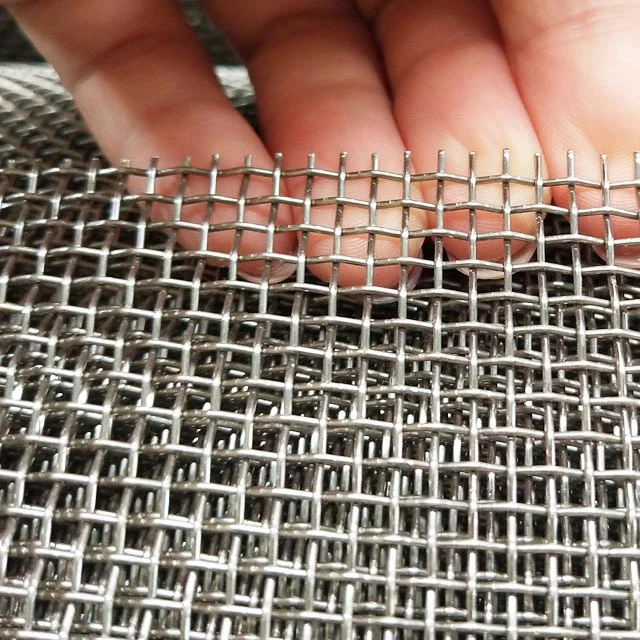
The primary appeal of a stainless steel fine mesh screen lies in its inherent resistance to corrosion and extreme temperatures. Unlike synthetic filters, stainless steel does not degrade when exposed to harsh solvents or high heat. Grade 304 is commonly used for general industrial purposes, while Grade 316 is preferred for marine or medical environments due to its added molybdenum, which enhances resistance to chlorides. The "fine" nature of the mesh refers to the high wire count per inch, allowing for the capture of particles measured in microns, ensuring a level of purity that is essential for sensitive laboratory and industrial processes.

Industrial Advantage: The structural integrity of woven stainless steel prevents "blow-through" or mesh failure under high-pressure flow, a common weakness in non-metallic filtering alternatives.

Comparing Stainless Steel Fine Mesh Screen Types

Not all fine meshes are created equal. Depending on the weaving technique, a stainless steel fine mesh screen can be categorized into Plain Weave, Twill Weave, or Dutch Weave. Plain weave is the most common, offering a balanced structure for general filtration. Twill weave, characterized by its diagonal pattern, allows for thicker wires and higher flow rates without sacrificing the filtration gap. Dutch weave is the gold standard for high-pressure liquid filtration, providing an incredibly dense barrier that can stop the smallest particulates.

Weave Type Structure Primary Benefit Typical Application
Plain Weave 1:1 Interlacing Uniform Aperture General Sieving
Twill Weave Diagonal Pattern Higher Flow Rate Heavy-duty Filtering
Dutch Weave Dense Offset Weave Maximum Precision Oil & Gas Filtration

Key Applications for Stainless Steel Fine Mesh Screen

The versatility of the stainless steel fine mesh screen allows it to be utilized across a vast spectrum of industries. In the food and beverage sector, it is used for straining juices and filtering syrups to ensure no contaminants reach the final product. In the aerospace industry, fine meshes are used as electromagnetic interference (EMI) shielding and for high-precision fuel filters. Furthermore, the architectural world employs these screens for luxury facades and interior partitions, blending functional ventilation with a sleek, modern aesthetic. The ability to customize the micron rating makes it the first choice for any process requiring exact particulate separation.

Industrial Grade Stainless Steel Fine Mesh Screen Guide

How to Choose the Right Stainless Steel Fine Mesh Screen

Selecting the ideal screen requires a balance between permeability and retention. If the mesh is too fine, you risk frequent clogging and a significant drop in flow rate; if it is too coarse, contaminants will pass through. You must consider the chemistry of the fluid being filtered to decide between SS304 and SS316. Additionally, the environmental temperature plays a role—extreme heat may require specialized alloys. By consulting with experts at Ansheng Metal Mesh, users can determine the exact wire diameter and opening size needed for their specific application.

Technical Specifications of Fine Mesh Products

To provide a clear understanding of what to expect from professional-grade screening, it is helpful to look at the standard specifications. High-quality stainless steel fine mesh screen products are measured by "mesh count" (number of openings per linear inch) and "micron rating" (the actual size of the opening). Below is a typical specification table for high-precision fine mesh screens:

Mesh Count Aperture (Microns) Wire Diameter (mm) Recommended Use
100 Mesh 149 μm 0.09 mm Coarse Filtration
200 Mesh 74 μm 0.05 mm Medium Precision
400 Mesh 37 μm 0.03 mm Ultra-Fine Filtering

Maintenance and Longevity of Mesh Screens

To maximize the ROI of your stainless steel fine mesh screen, a consistent maintenance schedule is required. Over time, "blinding" occurs, where particles become lodged in the mesh openings. Ultrasonic cleaning is the most effective way to remove these particles without damaging the delicate wires. Additionally, periodic inspections for corrosion or mechanical deformation are essential to prevent catastrophic system failure. By employing proper cleaning agents and avoiding abrasive scrubbing, the operational lifespan of a stainless steel mesh can be extended by several years.

Conclusion: Quality Screening for Industrial Success

Investing in a high-quality stainless steel fine mesh screen is an investment in the purity, safety, and efficiency of your production line. From the precision of the weave to the resilience of the alloy, every detail matters. By selecting the correct mesh count and material grade, businesses can ensure consistent results and reduced downtime. When precision is non-negotiable, stainless steel mesh remains the industry's most trusted solution.

Frequently Asked Questions (FAQs)

What is the difference between Mesh Count and Micron Rating?

Mesh count refers to the number of openings per linear inch of the screen. For example, a 100-mesh screen has 100 wires and 100 openings in one inch. However, the micron rating describes the actual size of those openings (the clear space between wires). Because wire diameters vary, two different 100-mesh screens could have different micron ratings. For high-precision work, always specify the micron rating to ensure you are capturing the correct particle size.

Should I choose SS304 or SS316 for my fine mesh screen?

SS304 is an excellent, cost-effective choice for most freshwater and dry applications where standard corrosion resistance is sufficient. However, if your stainless steel fine mesh screen will be exposed to salt water, chlorides, or highly aggressive chemicals, SS316 is highly recommended. The addition of molybdenum in SS316 provides superior protection against pitting and crevice corrosion, making it ideal for pharmaceutical and marine environments.

Can these screens be customized for specific shapes?

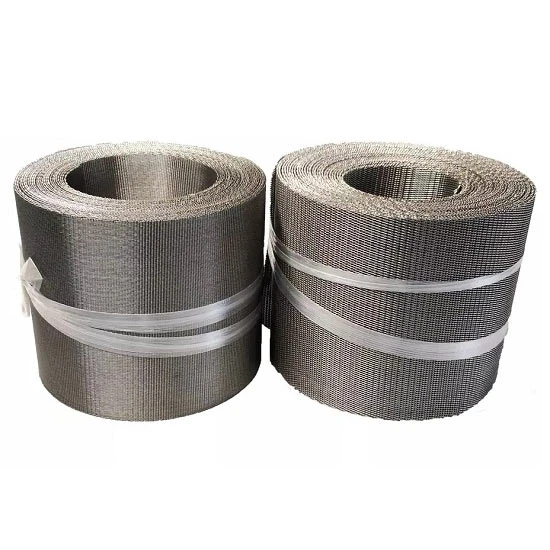
Yes, most professional manufacturers can customize the mesh into various forms. Beyond simple flat sheets, screens can be fabricated into cylinders, discs, or complex filter baskets. This is often achieved through precision welding or framing. Customization allows the mesh to fit perfectly into existing machinery, reducing the risk of leaks or bypass around the edges of the filter, which is essential for maintaining the integrity of the filtration process.

How do I prevent my fine mesh from clogging?

Clogging, or blinding, can be prevented by implementing a "back-flushing" system where fluid is pushed in the opposite direction to dislodge particles. Additionally, ensuring that the incoming fluid is pre-filtered with a coarser mesh can remove larger debris before it reaches the fine screen. For periodic deep cleaning, ultrasonic baths are the most effective method as they use high-frequency sound waves to shake particles loose from the microscopic gaps without distorting the wire structure.


Post time: Apr . 16, 2026 03:08
Related News
  • In the world of industrial filtration, separation, and architectural design, the woven mesh sheet serves as a fundamental component. Defined by its precise interlacing of metal wires, this versatile material provides a balanced combination of strength, permeability, and durability. Whether you are looking for high-precision filtration in a laboratory or robust security screening for a warehouse, understanding the nuances of woven mesh is essential. This guide explores the technical specifications, material advantages, and industry applications to help you make an informed procurement decision for your project.

  • Woven copper mesh is a versatile material increasingly utilized across diverse industries due to its exceptional properties. From electromagnetic shielding to filtration and decorative applications, its unique characteristics make it a preferred choice. This article will explore the composition, manufacturing process, key benefits, and wide-ranging applications of woven copper mesh, providing a comprehensive guide for potential users.

  • Heavy duty woven steel mesh is a versatile and robust material used across a wide range of industries, from construction and security to filtration and industrial processing. Its strength, durability, and customizable nature make it an ideal solution for applications demanding high performance and longevity. At Ansheng Metal Mesh, we specialize in providing top-quality woven steel mesh solutions tailored to meet your specific needs.

  • 1 4 woven wire mesh is a versatile material used in a wide array of industrial, agricultural, and commercial applications. This mesh, defined by its opening size of approximately 1/4 inch, offers a balance of strength, durability, and cost-effectiveness. At Ansheng Metal Mesh, we specialize in providing high-quality woven wire mesh solutions tailored to your specific needs. This article will delve into the characteristics of 1/4 inch woven wire mesh, its common uses, available materials, and factors to consider when making a purchase.

  • Woven wire screen is a versatile material used across a wide range of industries, from agriculture and construction to filtration and security. Its robust construction and variety of mesh sizes make it a preferred choice for numerous applications. This article will delve into the properties, applications, and benefits of woven wire screen, with a focus on its importance in modern industrial processes. We’ll also explore how An Sheng Metal Mesh provides high-quality woven wire screen solutions tailored to your specific needs.

  • Stainless steel gauze mesh is a versatile material utilized across a broad spectrum of industries, from filtration and screening to medical and industrial applications. Its exceptional properties – corrosion resistance, durability, and precise weave – make it a preferred choice for demanding environments. This article delves into the characteristics of stainless steel gauze mesh, explores its diverse applications, and highlights the benefits of using this high-performance material. Learn how Ansheng Metal Mesh provides quality stainless steel gauze mesh solutions for your specific needs. Stainless steel gauze mesh is a woven fabric constructed from thin stainless steel wires. The ‘gauze’ designation refers to the openness of the weave, resulting in a material with numerous interstices. These meshes are renowned for their strength, resistance to corrosion, and ability to withstand high temperatures. Different grades of stainless steel, such as 304, 316, and 316L, are used to create meshes tailored to specific applications. The weave pattern, wire diameter, and mesh count determine the mesh’s overall properties, making it customizable for a variety of requirements. Ansheng Metal Mesh specializes in producing bespoke stainless steel gauze mesh solutions.

  • Woven wire partitions are a versatile and cost-effective solution for a wide range of security, containment, and aesthetic applications. From industrial settings to retail spaces, these partitions provide a balance of visibility, security, and airflow. This article delves into the details of woven wire partitions, exploring their construction, key benefits, diverse applications, and factors to consider when choosing the right solution for your needs. We will also showcase the quality and customization options available from Ansheng Metal Mesh, a leading manufacturer of woven wire mesh products.

WE PROVIDE HIGH QUALITYEQUIPMENT
Recommend Products
  • Stainless Steel Plain Weave Wire Mesh

    Stainless steel plain weave wire mesh, also known as Stainless steel wire cloth, stainless steel screen, stainless steel gauze. Materials: Stainless steel 201, 304, 316, 316L, etc. Plain weave scope of Mesh : 1mesh-635mesh Plain weave scope of wire diameter: 1mm-0.001mm Plain weave scope of width: usually 0.915m-2meters, and special specifications can be customized according to customer requirements. Plain weave scope of length: generally 30 meters. Stainless steel wire mesh weave type: plain weave, twill weave, herringbone weave, dutch weave, reserve dutch weave

  • Stainless Steel Reverse Dutch Weave Wire Mesh

    Stainless steel reserve dutch weave wire mesh, also known as Stainless steel wire cloth, stainless steel screen, stainless steel gauze. Materials: Stainless steel 201, 304, 316, 316L, etc. Reserve dutch weave scope of Mesh : 72x15mesh-260x40mesh Reserve dutch weave scope of wire diameter: 0.55mm-0.15mm Reserve dutch weave scope of width: usually 60mm-300mm, and special specifications can be customized according to customer requirements. Reserve dutch weave scope of length: generally 10 meters, 20 meters, 30meters. Stainless steel wire mesh weave type: plain weave, twill weave, herringbone weave, dutch weave, reserve dutch weave

  • Iron Dutch Weave Wire Mesh

    Low-carbon steel dutch weave wire mesh, also known as iron wire filter mesh, black wire cloth. Materials: Low-carbon steel Scope of Mesh : 7x55mesh-40x200mesh Scope of wire diameter: 0.14mm-0.75mm Scope of width: usually 0.915m-1.3meters, and special specifications can be customized according to customer requirements. Scope of length: generally 30 meters. Weave: plain weave, herringbone weave, dutch weave

  • Phosphor Copper Wire Mesh

    Phosphor copper wire mesh, also known as copper wire mesh. Materials: QSn6.5-0.1,QSn6.5-0.4 Property: Non-magnetic, wear resistant, good ductility Scope of Mesh : 2-300mesh Scope of wire diameter: 0.08mm-0.8mm Scope of width: usually 1m-1.5meters, and special specifications can be customized according to customer requirements. Scope of length: generally 30 meters. Weave: plain weave, twill weave

tel email tel top

If you are interested in our products, you can choose to leave your information here, and we will be in touch with you shortly.