
Understanding Stainless Steel Gauze Mesh: Applications and Benefits
Stainless steel gauze mesh is a versatile material utilized across a broad spectrum of industries, from filtration and screening to medical and industrial applications. Its exceptional properties – corrosion resistance, durability, and precise weave – make it a preferred choice for demanding environments. This article delves into the characteristics of stainless steel gauze mesh, explores its diverse applications, and highlights the benefits of using this high-performance material. Learn how Ansheng Metal Mesh provides quality stainless steel gauze mesh solutions for your specific needs.
What is Stainless Steel Gauze Mesh?
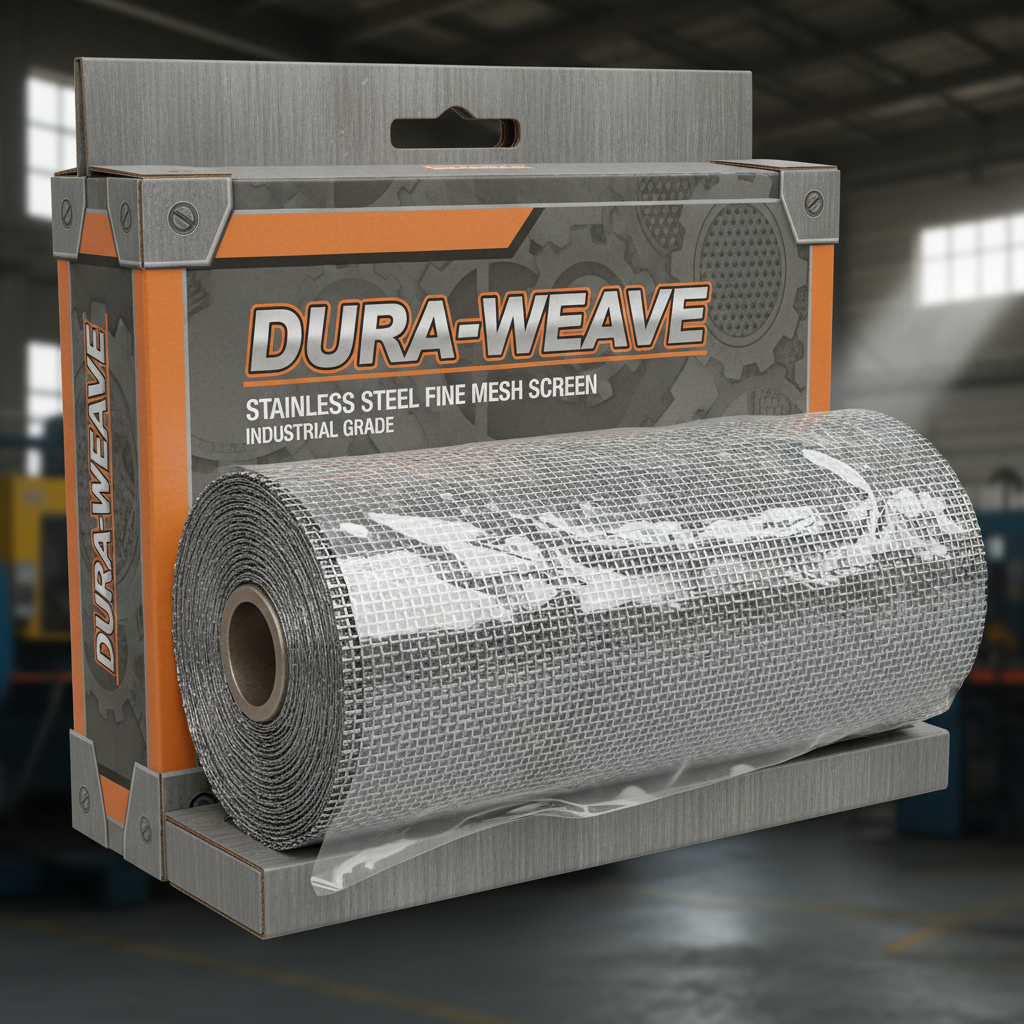
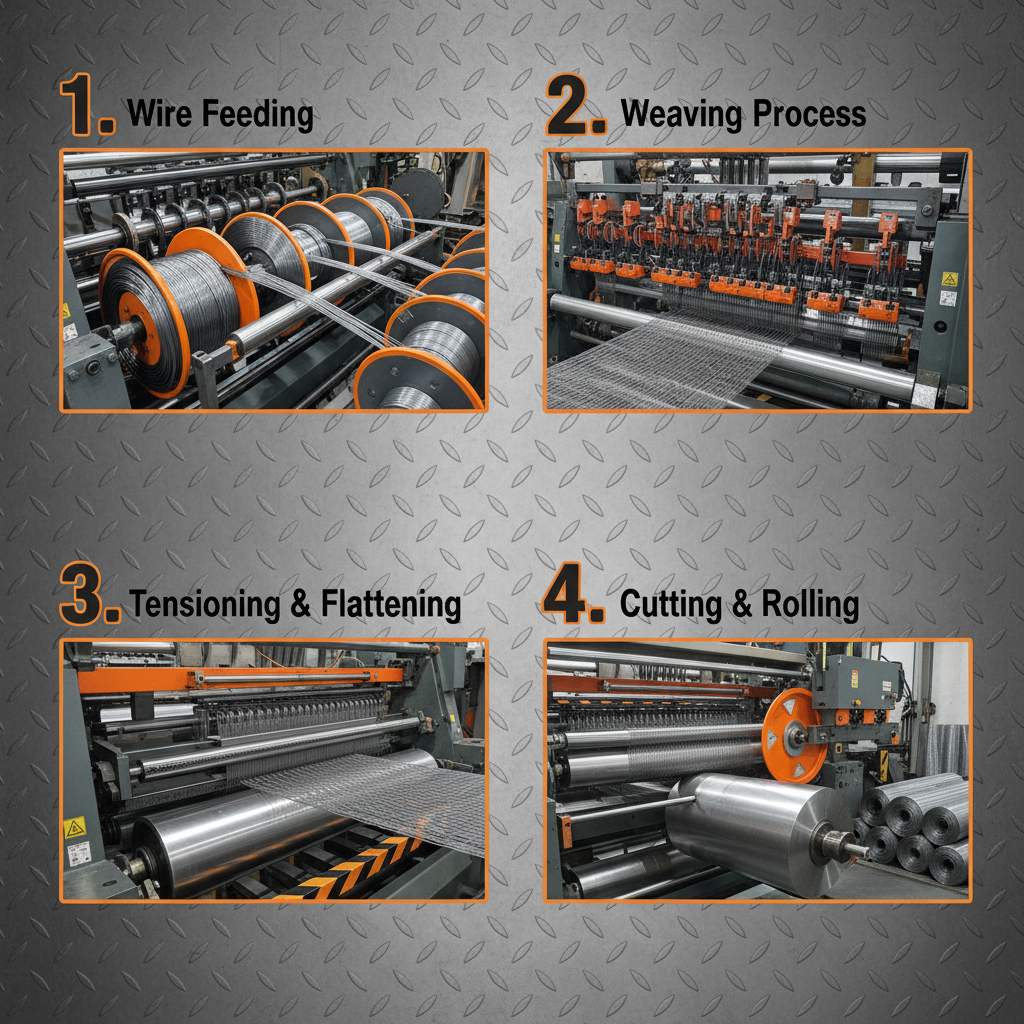
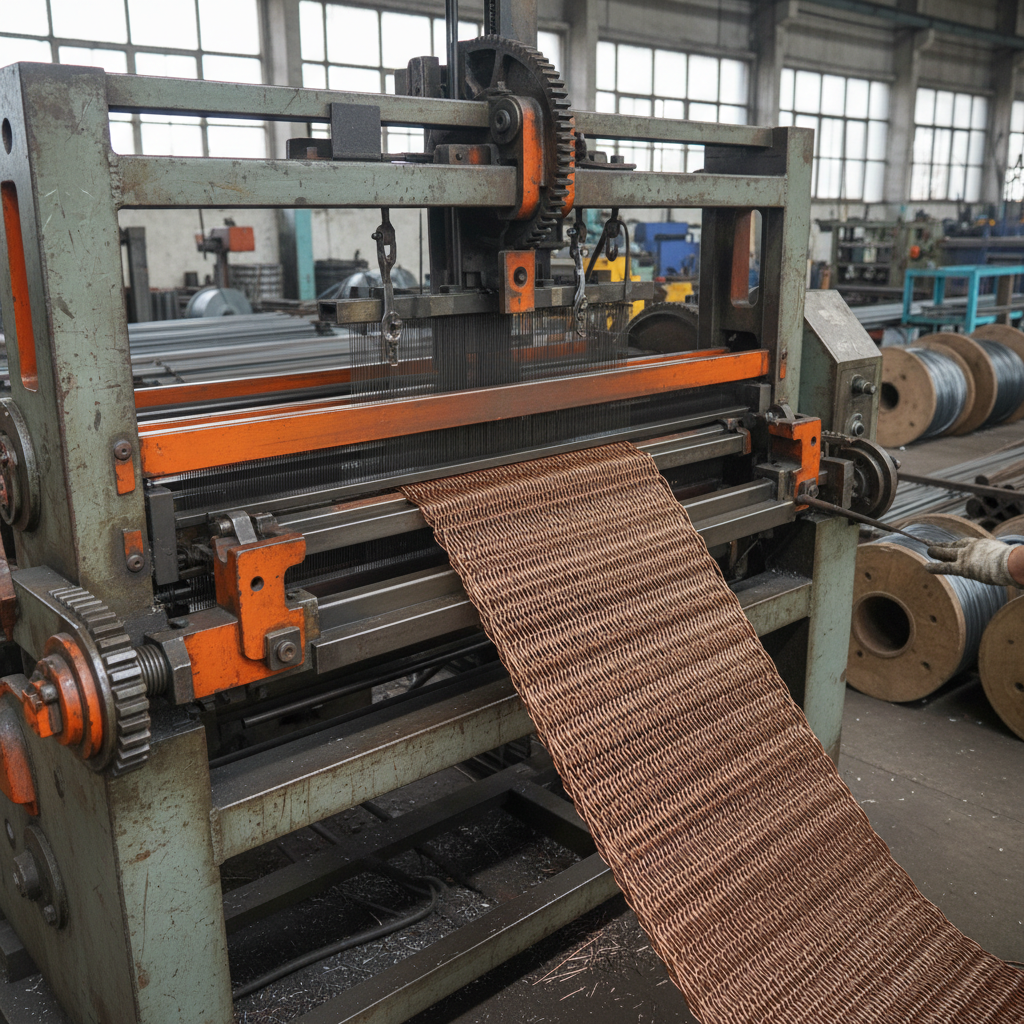
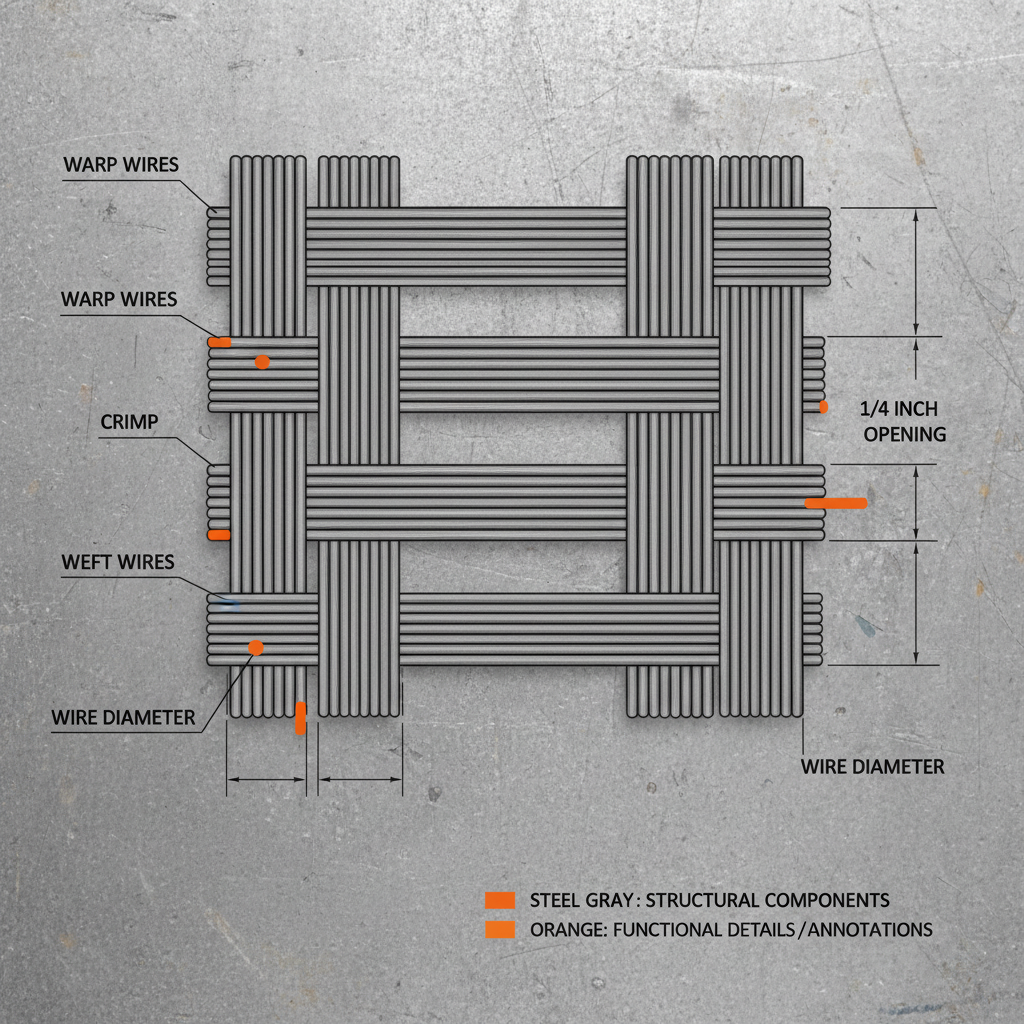
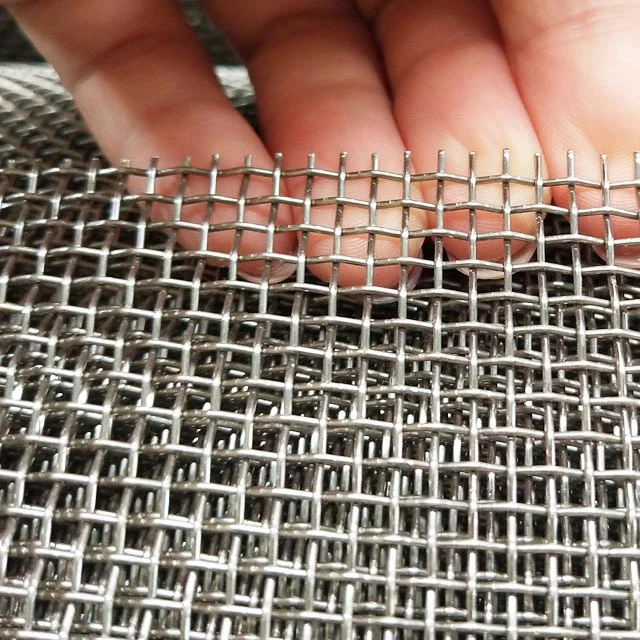
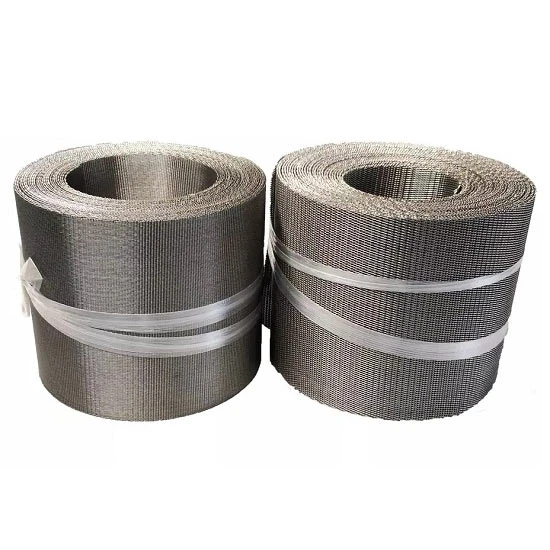
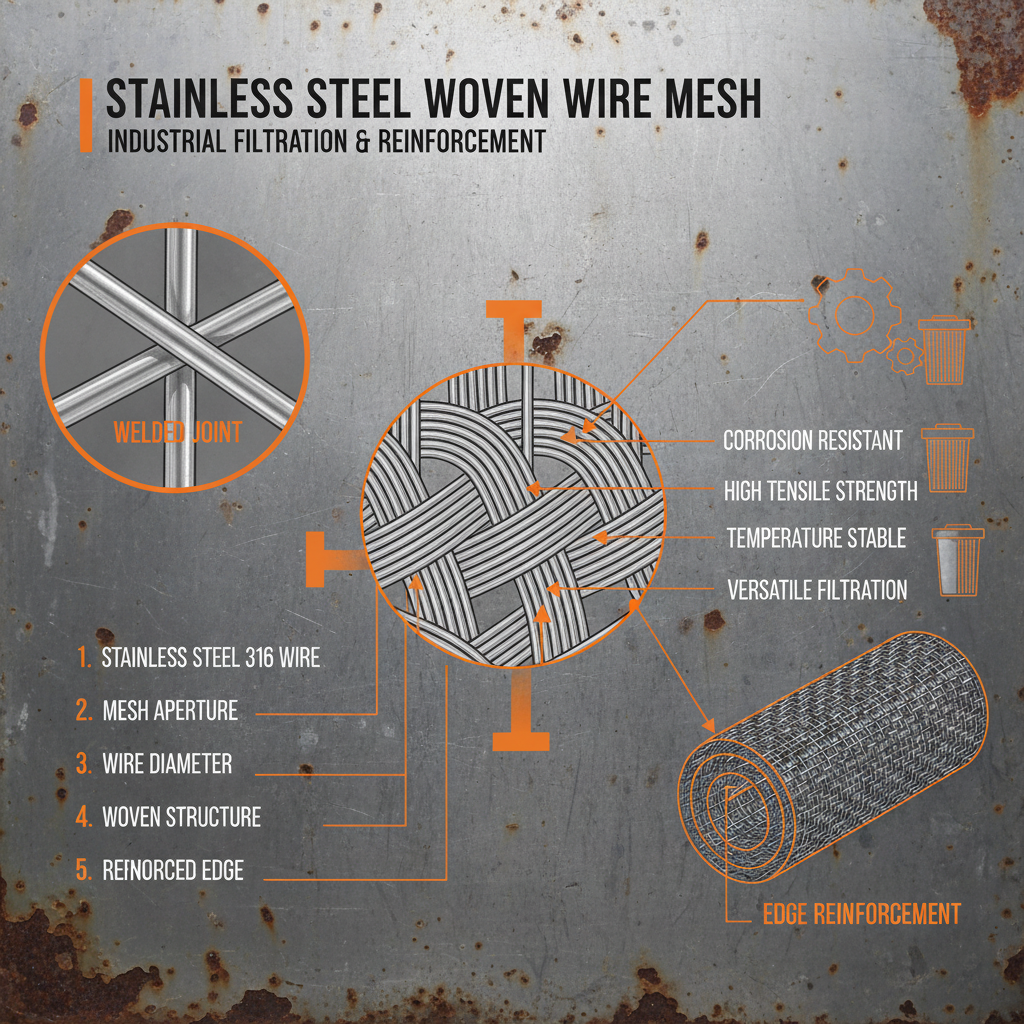
Stainless steel gauze mesh is a woven fabric constructed from thin stainless steel wires. The ‘gauze’ designation refers to the openness of the weave, resulting in a material with numerous interstices. These meshes are renowned for their strength, resistance to corrosion, and ability to withstand high temperatures. Different grades of stainless steel, such as 304, 316, and 316L, are used to create meshes tailored to specific applications. The weave pattern, wire diameter, and mesh count determine the mesh’s overall properties, making it customizable for a variety of requirements. Ansheng Metal Mesh specializes in producing bespoke stainless steel gauze mesh solutions.
Key Highlights: Offers exceptional strength, corrosion resistance, and a customizable weave for a multitude of applications. Different stainless steel grades provide tailored solutions for varying environments.
Applications of Stainless Steel Gauze Mesh
The applications of stainless steel gauze mesh are incredibly diverse. In the medical field, it’s used for surgical implants, filters, and sterilization wraps. Industrial applications include filtration in chemical processing, gas separation, and as a component in catalytic converters. It also finds uses in aerospace for heat shields and noise reduction, and in the food and beverage industry for screening and filtering. Furthermore, it's commonly used in environmental control for air and water purification. The adaptability of this material makes it a valuable asset across numerous sectors.
Application Areas:
• Medical Implants & Sterilization
• Chemical & Gas Filtration
• Aerospace Components
• Food & Beverage Processing
Choosing the Right Stainless Steel Gauze Mesh: Grade and Weave Considerations
Selecting the appropriate stainless steel gauze mesh involves careful consideration of the application's specific requirements. The stainless steel grade significantly impacts corrosion resistance and temperature tolerance. 304 stainless steel is a common choice for general-purpose applications, while 316 and 316L offer superior resistance to chlorides and other corrosive elements, making them ideal for marine and chemical environments. The weave pattern, such as plain weave, twill weave, or dutch weave, also plays a crucial role in determining the mesh's permeability, strength, and filtering efficiency. Ansheng Metal Mesh offers expert guidance to help you select the optimal mesh for your application.
Benefits of Using Stainless Steel Gauze Mesh
Compared to other materials, stainless steel gauze mesh offers several distinct advantages. Its exceptional corrosion resistance ensures long-term durability, even in harsh environments. It can withstand high temperatures without deformation, making it suitable for demanding industrial processes. Furthermore, its precise weave and customizable characteristics allow for fine-tuned filtration and screening capabilities. The material is also relatively lightweight, easy to clean, and recyclable, contributing to sustainable practices.
Stainless Steel Gauze Mesh Specifications at Ansheng Metal Mesh
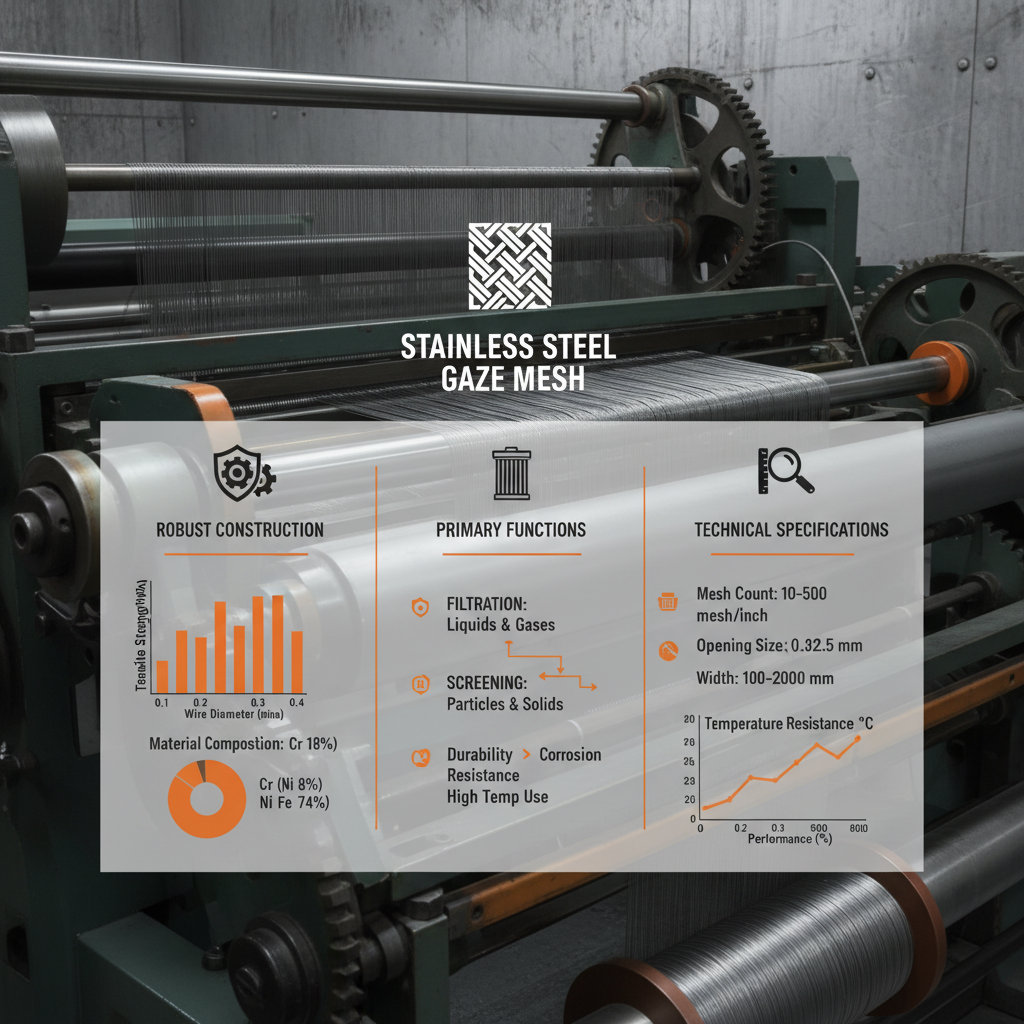
At Ansheng Metal Mesh, we offer a comprehensive range of stainless steel gauze mesh products. Our specifications include:
Conclusion: Reliable Stainless Steel Gauze Mesh Solutions
Stainless steel gauze mesh is a versatile and reliable material suitable for a wide array of applications. Its unique properties—corrosion resistance, durability, and customizable characteristics—make it a standout choice for industries demanding high performance. Ansheng Metal Mesh is dedicated to providing quality stainless steel gauze mesh solutions tailored to your specific needs. Contact us today to learn more.
Frequently Asked Questions (FAQs)
What is the typical lead time for custom orders?
Lead times vary depending on the complexity of the order and the quantity required. Standard orders typically ship within 5-7 business days. Custom orders, especially those requiring unique weave patterns or specialized materials, may take 2-4 weeks. We provide accurate lead time estimates upon receiving your specific requirements. At Ansheng Metal Mesh, we prioritize efficient production and timely delivery without compromising quality. We will keep you updated throughout the process.
Can stainless steel gauze mesh be cut to custom sizes?
Yes, stainless steel gauze mesh can be easily cut to custom sizes using various methods, including shears, laser cutting, and wire EDM. We offer custom cutting services to provide mesh sheets precisely tailored to your specifications. Precise cutting ensures proper fit and minimizes waste. We can also provide finished edges to prevent fraying and enhance the overall appearance.
How do I clean and maintain stainless steel gauze mesh?
Stainless steel gauze mesh is relatively easy to clean. For general cleaning, mild soap and water are sufficient. For more stubborn residues, use a specialized stainless steel cleaner. Avoid abrasive cleaners or scouring pads, as they can damage the mesh surface. Regular cleaning prevents buildup and maintains the mesh's performance. Proper storage in a dry environment also helps to prevent corrosion.
What are the advantages of using 316L stainless steel over 316?
316L stainless steel has a lower carbon content than 316. This lower carbon content minimizes carbide precipitation during welding, reducing the risk of corrosion in welded joints. As a result, 316L is often preferred for applications involving welding or exposure to highly corrosive environments, such as marine applications or chemical processing plants. While both grades offer excellent corrosion resistance, 316L provides an extra layer of protection in demanding situations.
Post time: Mar . 26, 2026 03:09