
Understanding Woven Copper Mesh: Applications and Benefits
Woven copper mesh is a versatile material increasingly utilized across diverse industries due to its exceptional properties. From electromagnetic shielding to filtration and decorative applications, its unique characteristics make it a preferred choice. This article will explore the composition, manufacturing process, key benefits, and wide-ranging applications of woven copper mesh, providing a comprehensive guide for potential users. Understanding the specific qualities of this material can help determine if it is suitable for your project requirements.
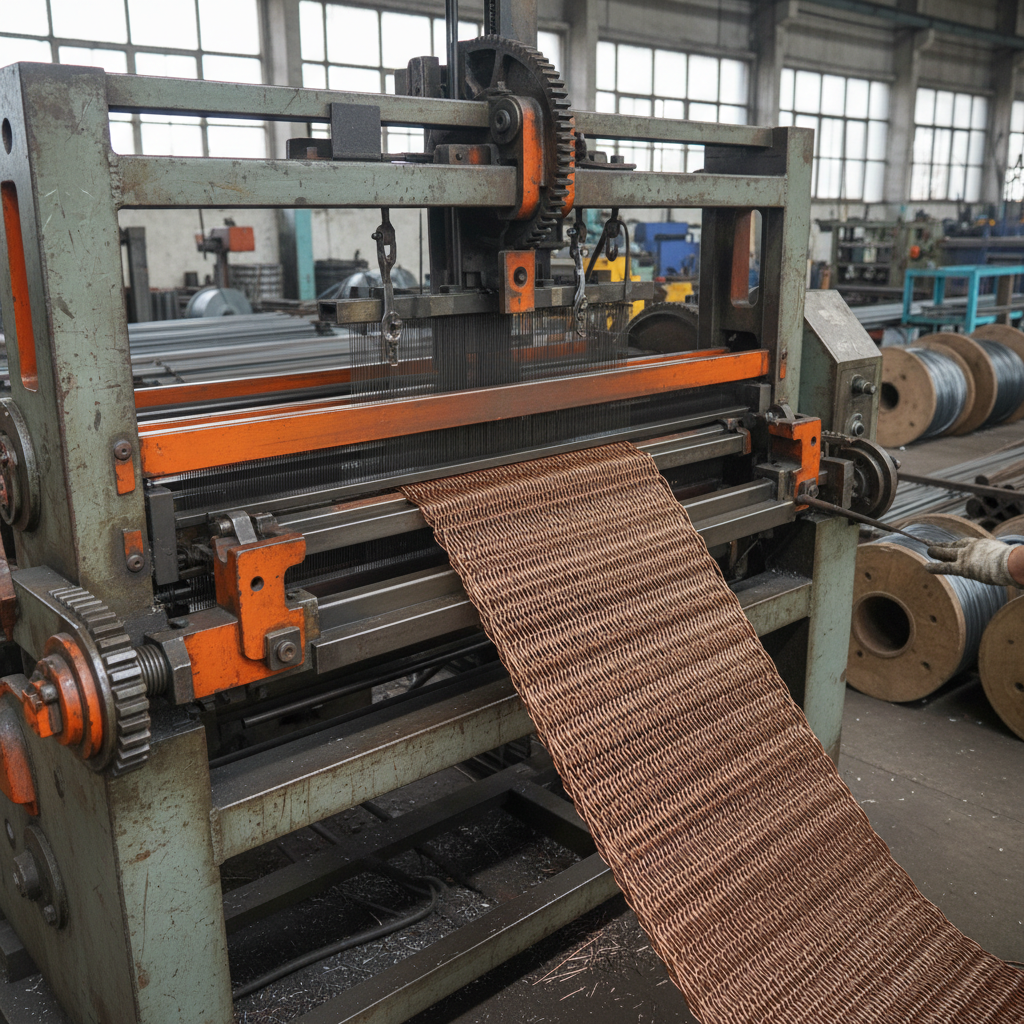
The Manufacturing Process of Woven Copper Mesh
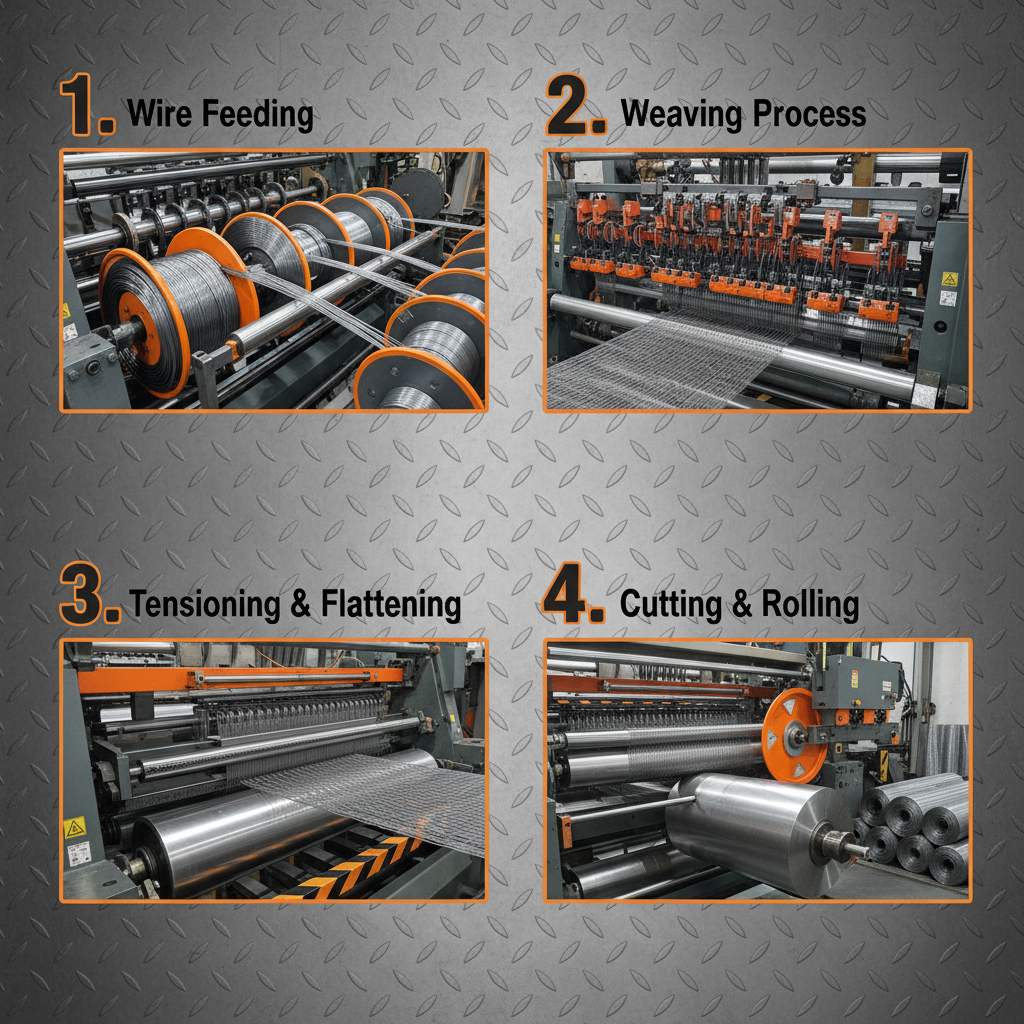
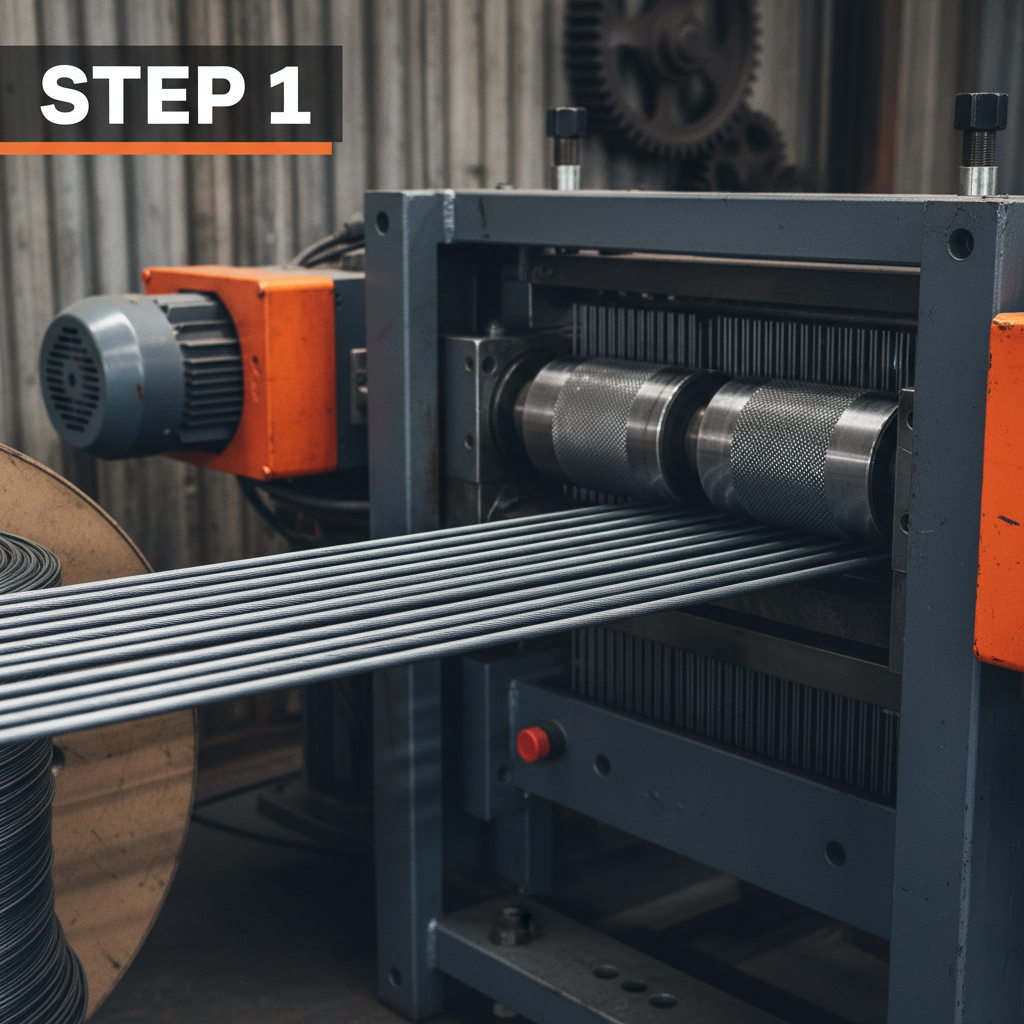
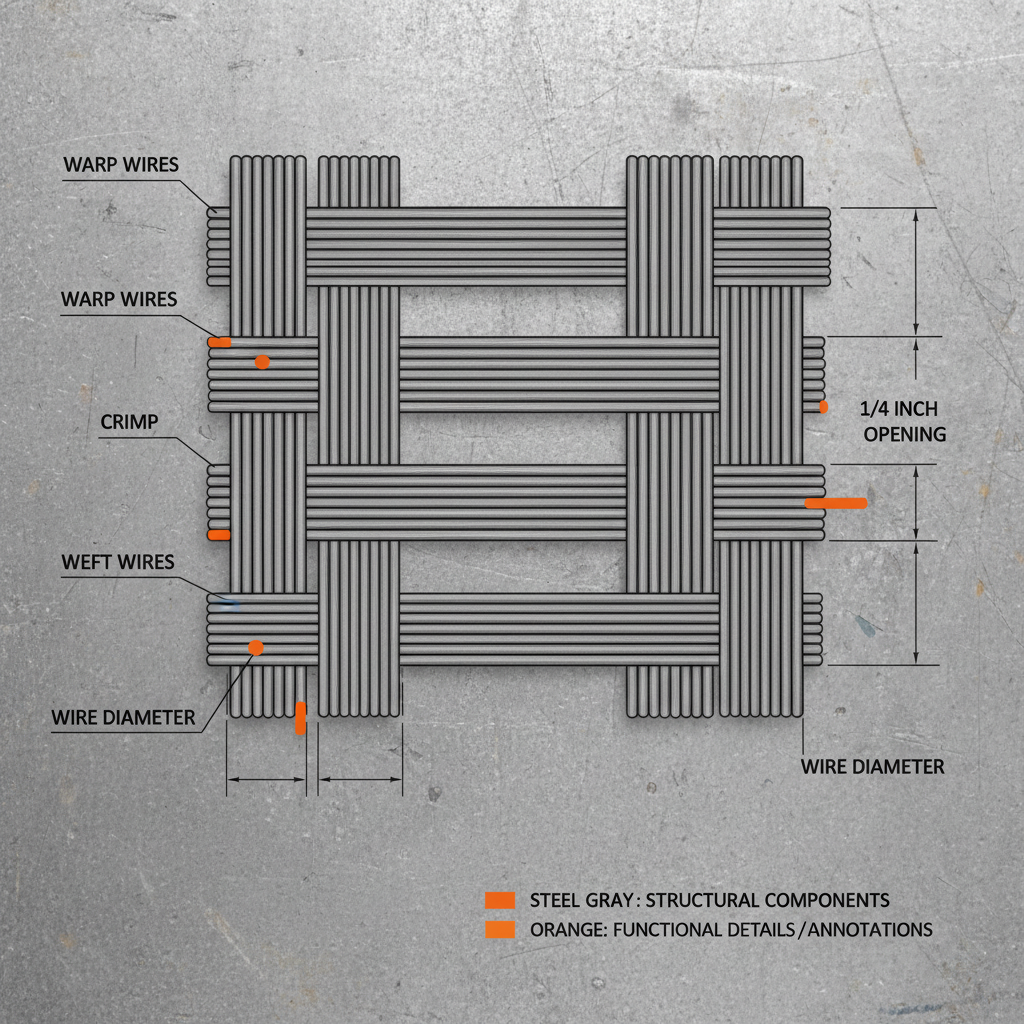
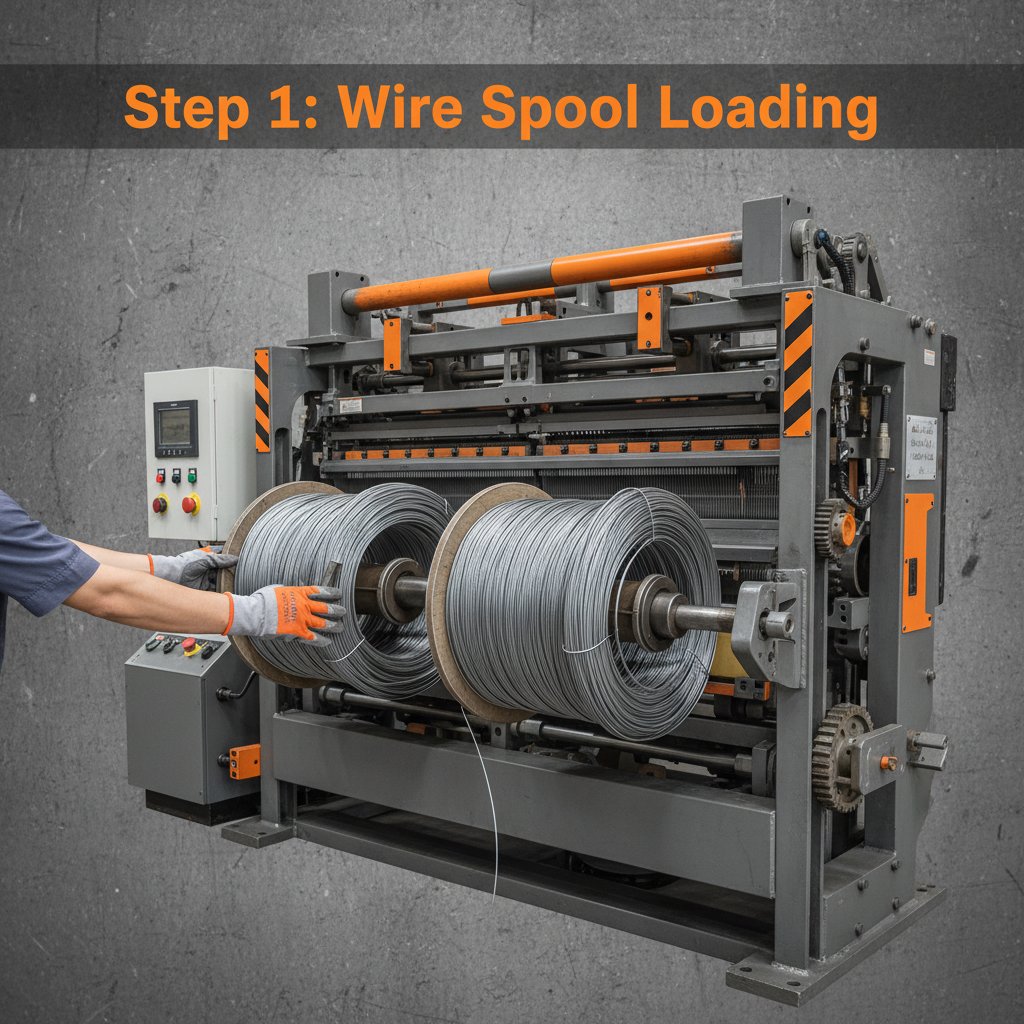
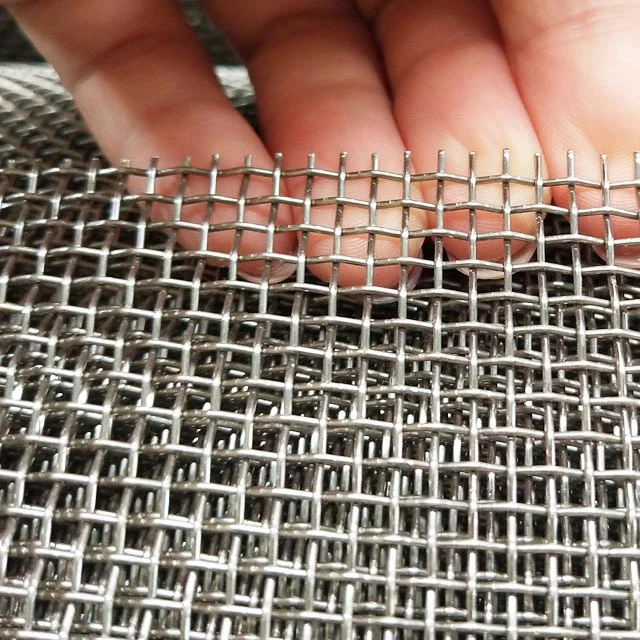
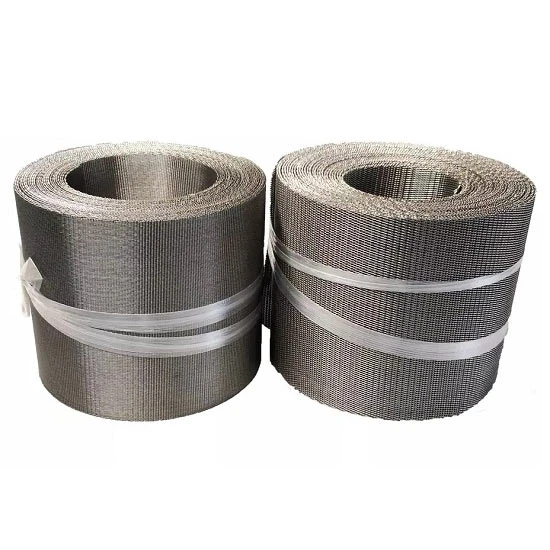
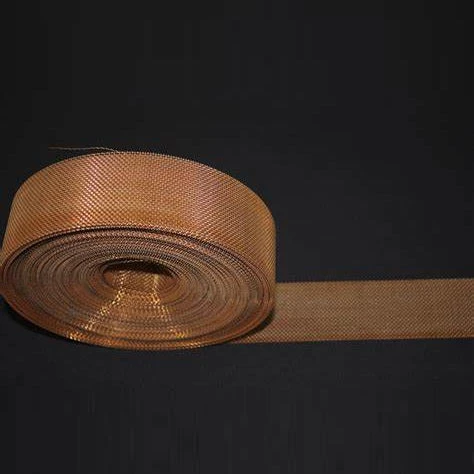
Woven copper mesh is created through an intricate weaving process, similar to fabric production but utilizing metallic wires. Typically, high-purity copper wires are interlaced on specialized looms, creating a mesh with varying weave patterns and aperture sizes. The choice of weave – plain weave, twill weave, or Dutch weave – dictates the mesh's characteristics, such as its flexibility, density, and permeability. The precision of the weaving process directly impacts the mesh’s uniformity and overall quality. Ansheng Metal Mesh utilizes advanced technology to ensure consistent and reliable production of high-quality copper mesh.
Key Highlights: The manufacturing process begins with high-purity copper wires, meticulously interlaced on specialized looms to achieve desired weave patterns and aperture sizes.
Key Properties and Benefits of Woven Copper Mesh
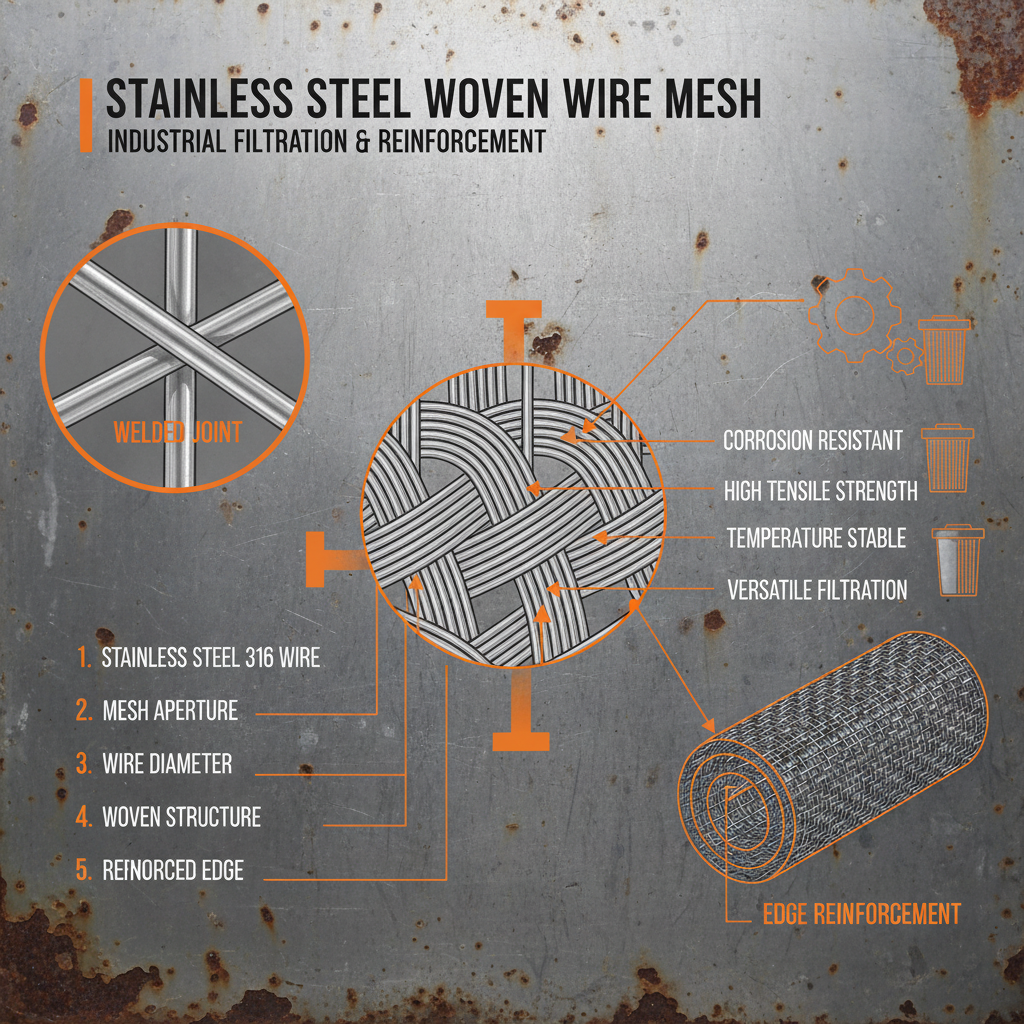
Woven copper mesh possesses a unique combination of properties that make it advantageous in numerous applications. Its excellent conductivity ensures effective electromagnetic shielding, crucial in electronics and telecommunications. The material's inherent corrosion resistance makes it suitable for outdoor environments and demanding industrial applications. Furthermore, copper's malleability allows for easy forming and shaping, adapting to complex designs. The mesh's permeability enables effective filtration, while its aesthetic appeal makes it valuable in architectural and decorative elements. The versatility and reliability of woven copper mesh consistently make it a top choice for diverse projects.
Key Benefits:
• Excellent electrical conductivity
• High corrosion resistance
• Malleability for easy forming
• Effective filtration capabilities
Woven Copper Mesh Applications Across Industries
The applications of woven copper mesh are remarkably broad. In the electronics industry, it serves as crucial electromagnetic interference (EMI) shielding for sensitive components. Within the filtration sector, it’s employed in creating specialized filters for liquids and gases. Architectural projects utilize it for decorative cladding and security screens. Additionally, it finds use in ventilation systems to prevent pest intrusion, and even in the creation of conductive fabrics for specialized garments. The adaptability of woven copper mesh makes it an invaluable material across a wide spectrum of industries.
Choosing the Right Woven Copper Mesh: Specifications to Consider
Selecting the appropriate woven copper mesh requires careful consideration of several key specifications. Mesh count (wires per inch) determines the aperture size and overall density. Wire diameter impacts the mesh's strength and flexibility. Weave type – plain, twill, or Dutch – influences its characteristics. Furthermore, copper purity and coating (if any) affect corrosion resistance and conductivity. Understanding these factors allows for precise selection based on specific application needs. Ansheng Metal Mesh offers a wide range of specifications to meet diverse requirements, and our team can provide expert guidance to ensure optimal product selection.
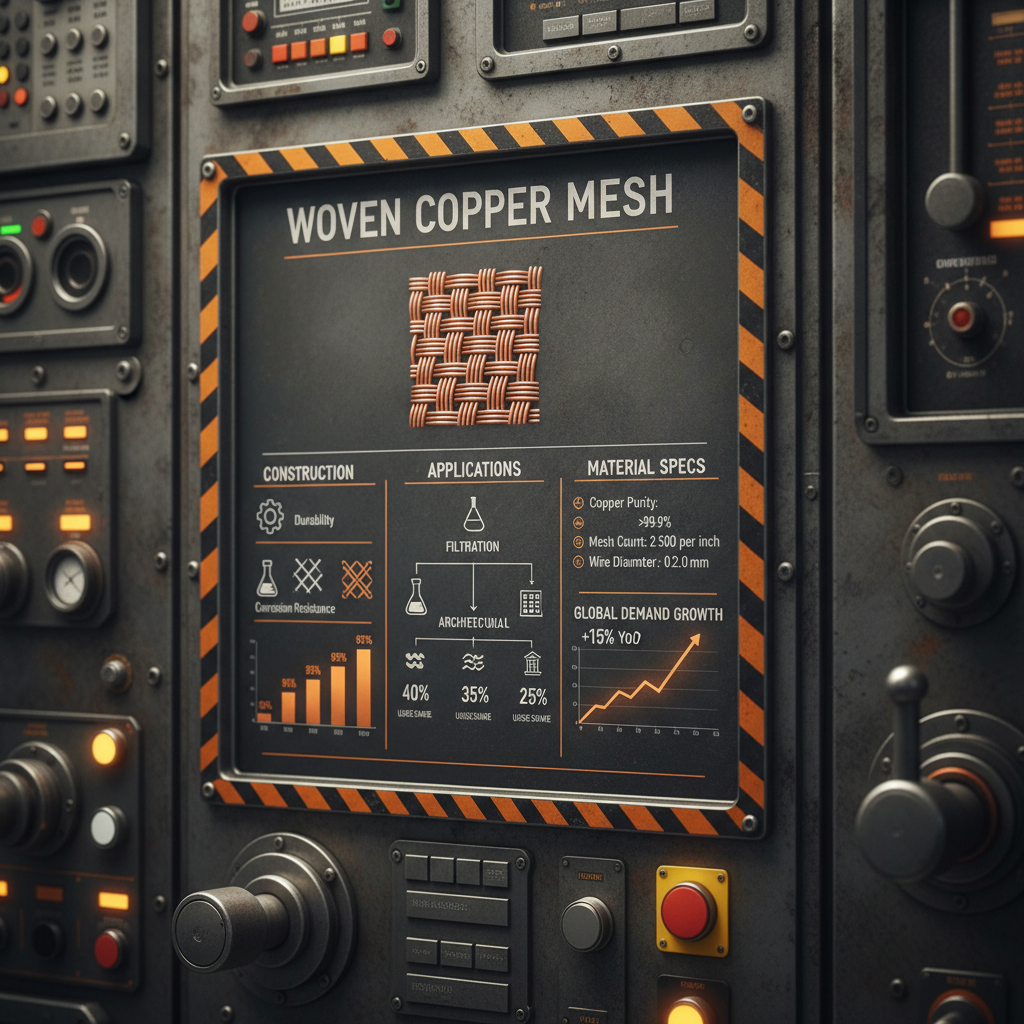
Woven Copper Mesh Specifications and Standards
Woven copper mesh offered by reputable suppliers like Ansheng Metal Mesh adheres to industry standards to ensure consistent quality and performance. Common standards include ASTM (American Society for Testing and Materials) specifications regarding wire dimensions and mesh characteristics. While specific standards vary depending on the intended application, ensuring compliance with relevant guidelines is crucial for reliability and safety. Detailed product specifications, including wire diameter, mesh count, weave type, and copper purity, are readily available from trusted manufacturers.
Conclusion: The Versatile Solution of Woven Copper Mesh
Woven copper mesh presents a compelling solution for a wide range of applications, offering a unique blend of electrical conductivity, corrosion resistance, and versatility. From shielding sensitive electronics to providing robust filtration and enhancing architectural designs, its properties make it a preferred material across numerous industries. Choosing a reputable supplier like Ansheng Metal Mesh ensures you receive high-quality products tailored to your specific needs.
Frequently Asked Questions (FAQs)
What is the typical lead time for custom woven copper mesh orders?
Lead times for custom orders can vary depending on the complexity of the specifications, the quantity required, and current production schedules. Generally, standard custom orders are processed within 2-4 weeks. However, for particularly large or intricate orders, the lead time may be extended. Ansheng Metal Mesh provides accurate lead time estimates upon receiving detailed order requirements and strives to expedite production whenever possible. Contacting our sales team directly is the best way to receive a specific timeline for your project.
Can woven copper mesh be soldered?
Yes, woven copper mesh can be soldered, but it requires careful technique to avoid damaging the mesh structure. It is recommended to use a low-temperature solder and apply heat evenly to prevent melting or distortion of the wires. Flux should be used to ensure a strong and reliable solder joint. For larger or more complex soldering applications, professional assistance is often recommended.
What are the storage recommendations for woven copper mesh?
To maintain the quality and prevent corrosion, woven copper mesh should be stored in a dry, well-ventilated area. It's advisable to protect it from direct sunlight, moisture, and corrosive chemicals. Wrapping the mesh in protective packaging, such as polyethylene film or paper, can help prevent oxidation and contamination. Proper storage will ensure the longevity and performance of the material.
Does woven copper mesh require any special maintenance?
Woven copper mesh generally requires minimal maintenance. However, regular inspection for any signs of damage, corrosion, or blockage is recommended, particularly in harsh environments. If corrosion is detected, gentle cleaning with a mild detergent and water may be sufficient. Avoid abrasive cleaners or harsh chemicals that could damage the copper. For heavily soiled mesh, professional cleaning services may be necessary.
Post time: Apr . 07, 2026 03:05