
Understanding 1 4 Woven Wire Mesh: Applications and Benefits
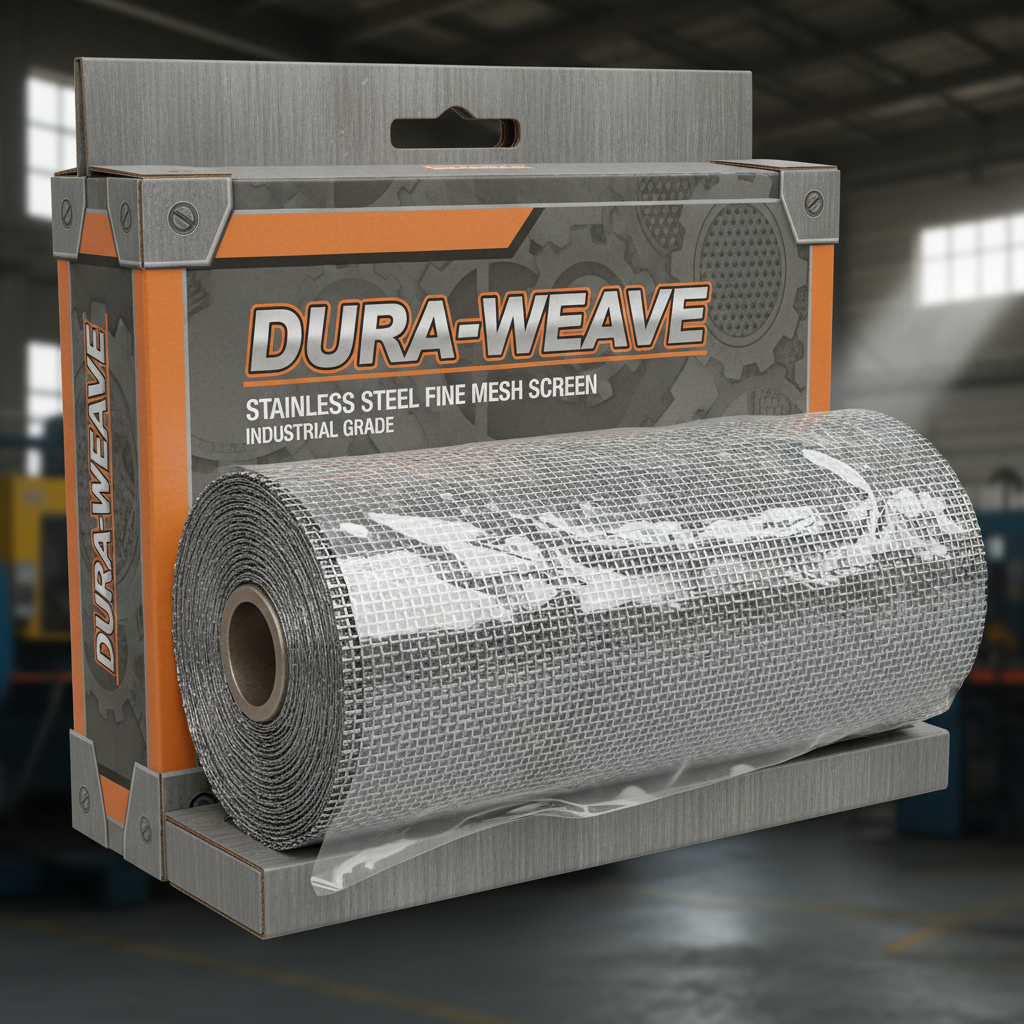
1 4 woven wire mesh is a versatile material used in a wide array of industrial, agricultural, and commercial applications. This mesh, defined by its opening size of approximately 1/4 inch, offers a balance of strength, durability, and cost-effectiveness. At Ansheng Metal Mesh, we specialize in providing high-quality woven wire mesh solutions tailored to your specific needs. This article will delve into the characteristics of 1/4 inch woven wire mesh, its common uses, available materials, and factors to consider when making a purchase. Choosing the right mesh can significantly impact the performance and longevity of your project.
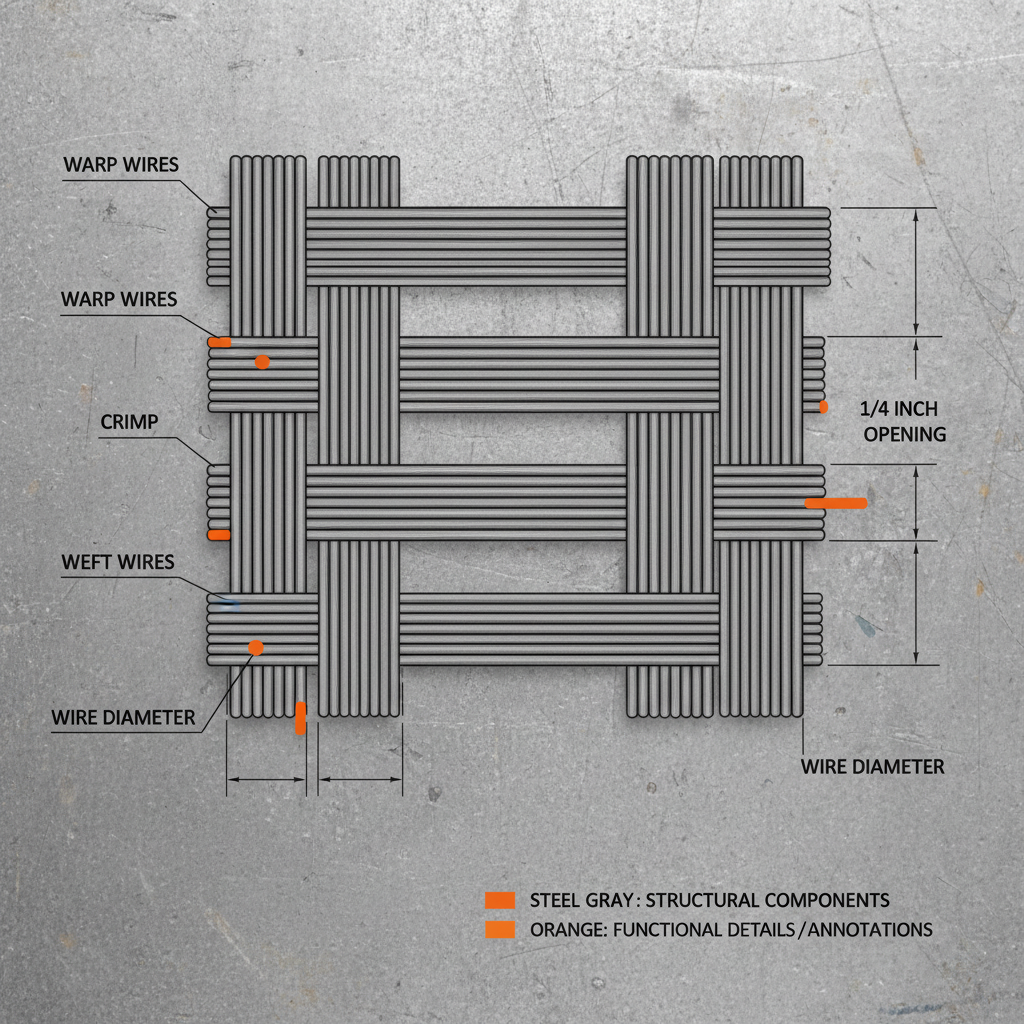
Key Characteristics of 1 4 Woven Wire Mesh
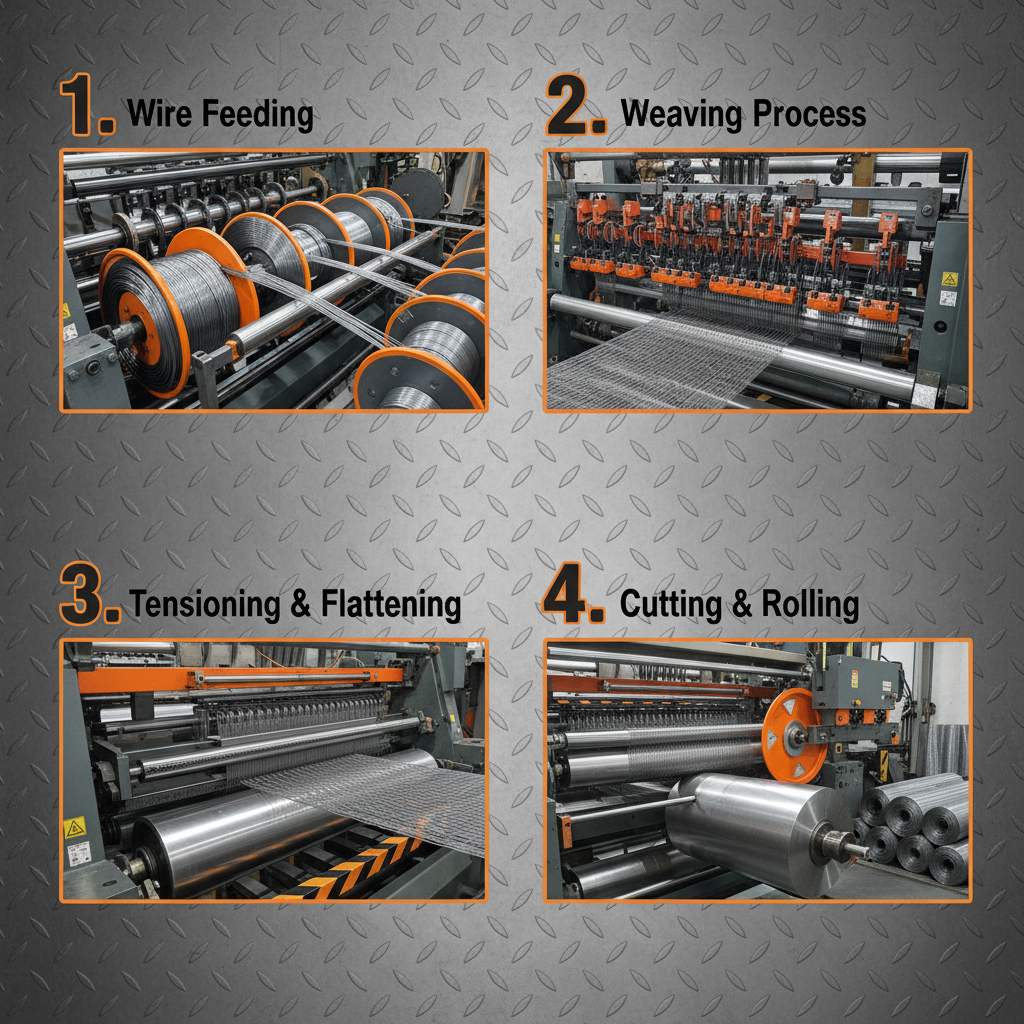
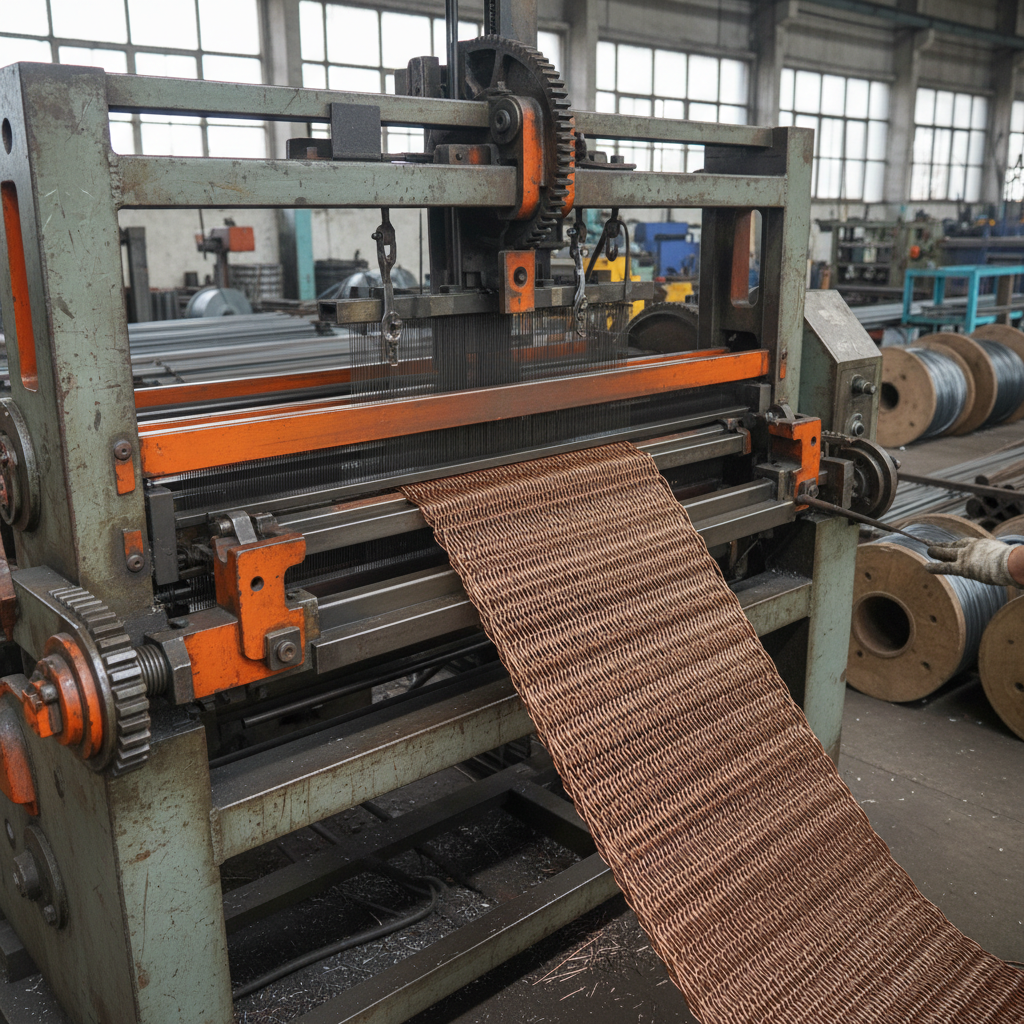
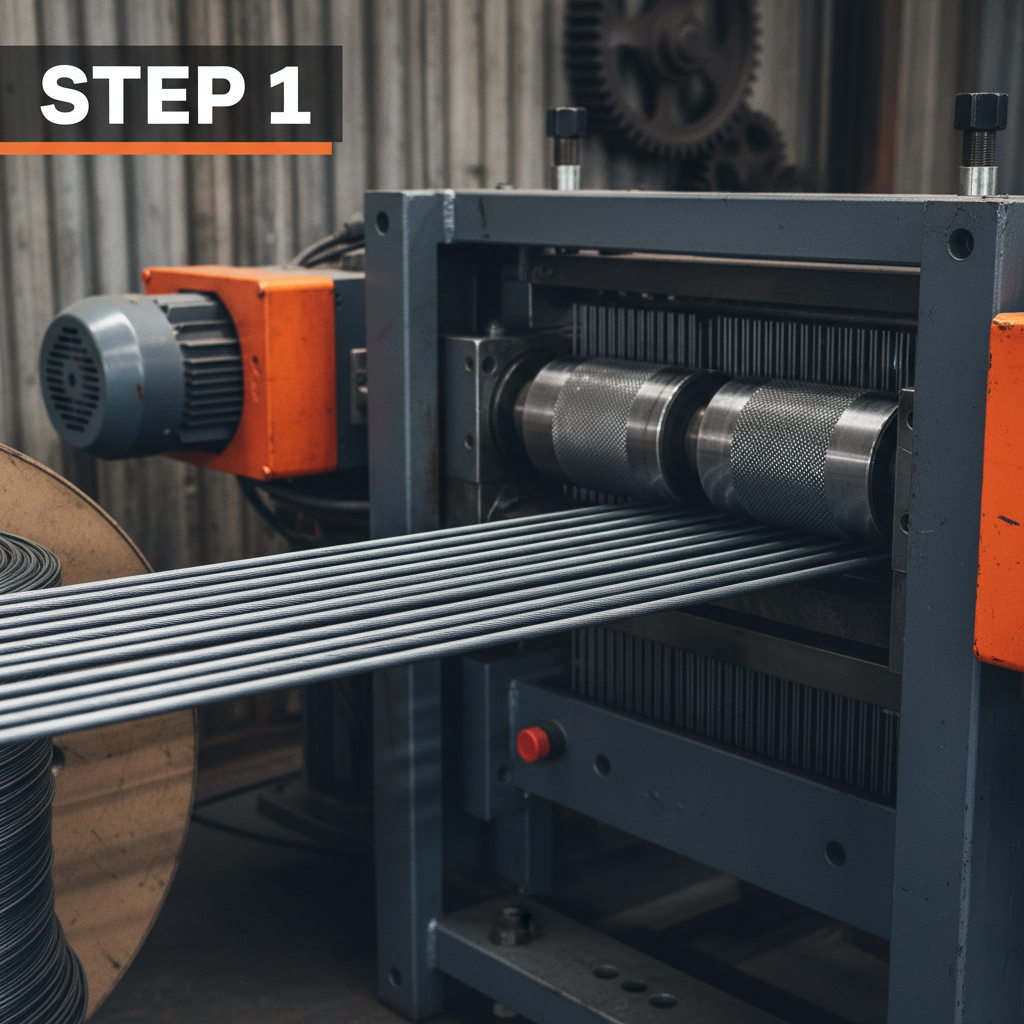
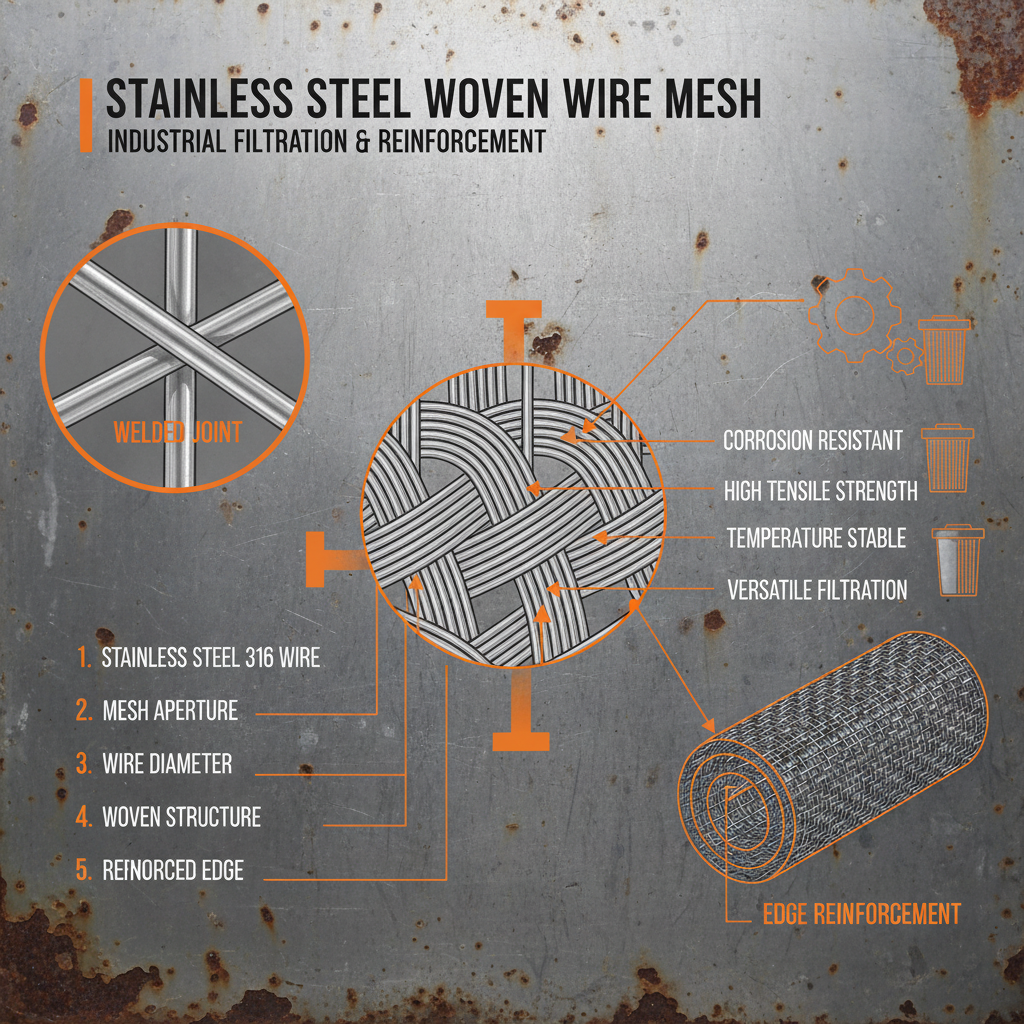
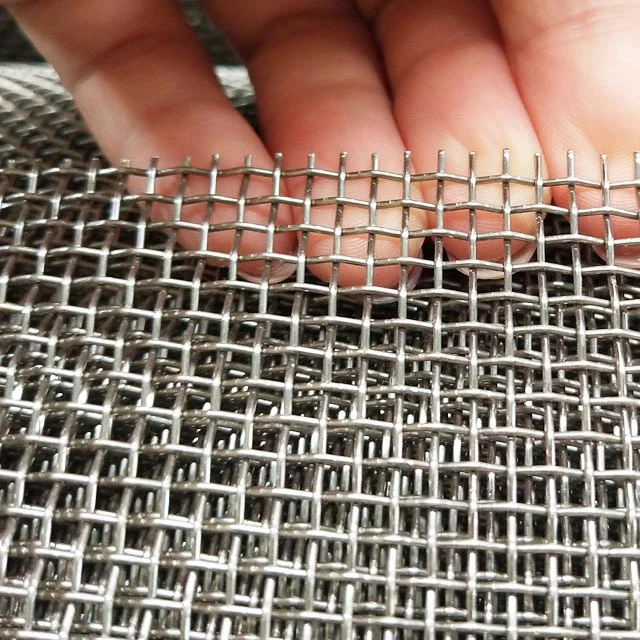
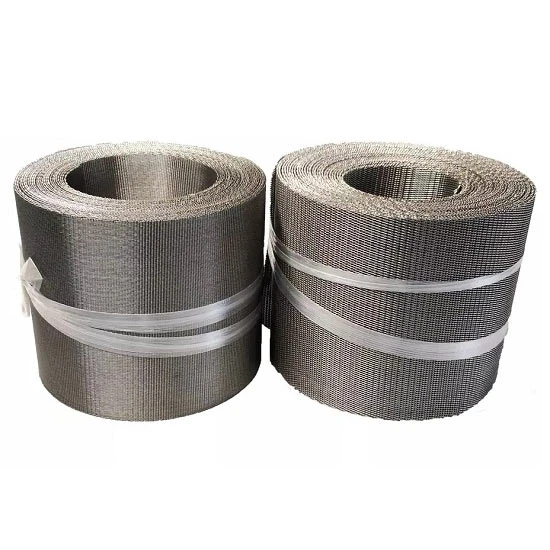
The term "1 4 woven wire mesh" refers to the approximate size of the openings in the mesh. More precisely, it's often described as 6.35mm mesh. The mesh is created through a weaving process, interlacing warp and weft wires to form a stable and consistent structure. The weaving pattern contributes significantly to the mesh's strength and dimensional stability. Common weave types include plain weave, twill weave, and dutch weave, each offering different properties. Plain weave is the most basic and cost-effective, while twill and dutch weaves provide increased density and filtration capabilities. The wire diameter also influences the mesh's overall strength and permeability.
Key Highlights: A versatile material offering a balance of strength, durability, and cost-effectiveness, ideal for diverse applications from screening to security.
Common Applications of 1 4 Woven Wire Mesh
The 1/4 inch woven wire mesh finds application in a multitude of sectors. In agriculture, it’s frequently used for poultry netting, protecting crops from pests, and creating animal enclosures. Industrially, it serves as a filter screen, reinforcing material in composite structures, and safety guarding. Construction utilizes it for stucco lath, concrete reinforcement, and erosion control. Additionally, the mesh is employed in security fencing, vibration screening, and even specialized applications like loudspeaker grills. The wide range of applications highlights the adaptability of this material.
Application Areas:
• Agriculture: Poultry netting, crop protection, animal enclosures
• Industrial: Filter screens, reinforcing materials, safety guarding
• Construction: Stucco lath, concrete reinforcement, erosion control
• Security: Fencing, vibration screening
Material Options for 1 4 Woven Wire Mesh
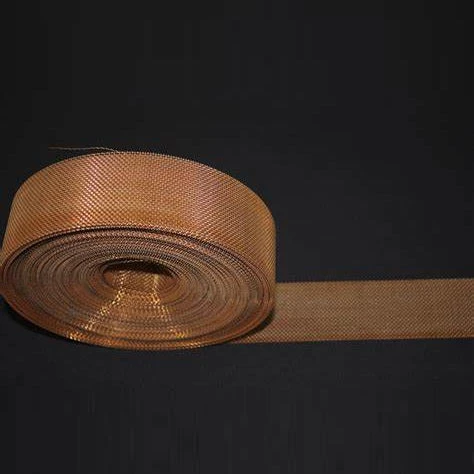
Several materials are used to manufacture 1 4 woven wire mesh, each offering distinct advantages. Galvanized steel is a popular choice due to its cost-effectiveness and corrosion resistance. Stainless steel, particularly grades 304 and 316, provides superior corrosion resistance and is ideal for harsh environments. Carbon steel offers high strength but requires protective coatings to prevent rust. Other materials like brass, bronze, and aluminum are used for specific applications requiring unique properties. At Ansheng Metal Mesh, we offer a wide range of material options to meet your precise requirements.
Factors to Consider When Purchasing 1 4 Woven Wire Mesh
When selecting 1 4 woven wire mesh, consider the environment it will be exposed to, the required strength, and your budget. The wire gauge (thickness) impacts the mesh's durability and ability to withstand stress. The weave type influences its permeability and filtering capabilities. Also, consider the finish – galvanized, polished, or coated – to ensure adequate corrosion resistance. It's essential to choose a supplier that offers quality control and consistent product specifications. Ansheng Metal Mesh provides customized solutions and expert guidance to help you select the optimal mesh for your application.
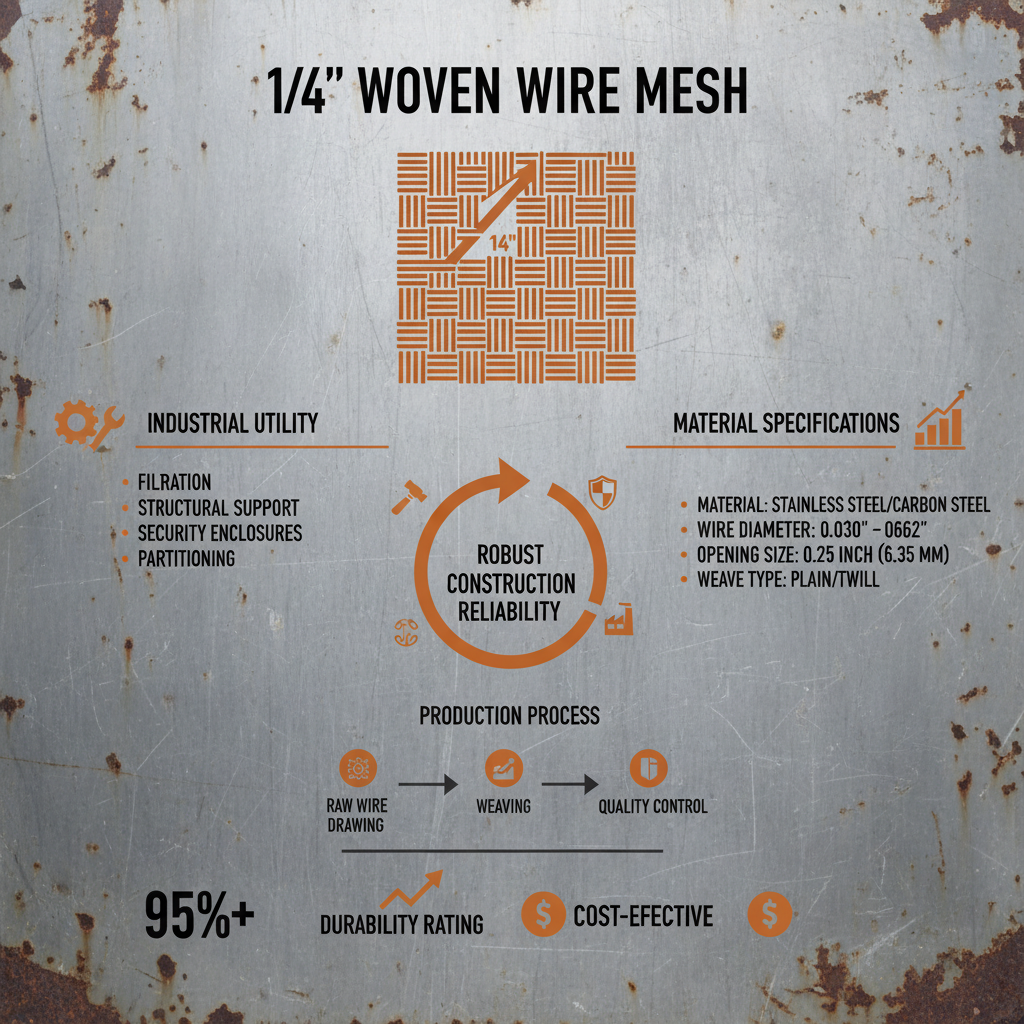
Conclusion: Choosing the Right 1 4 Woven Wire Mesh for Your Needs
1 4 woven wire mesh is a remarkably versatile material, offering a range of benefits for diverse applications. By carefully considering factors such as material, weave type, and wire gauge, you can select the optimal mesh to meet your specific requirements. Ansheng Metal Mesh is committed to providing high-quality, reliable woven wire mesh solutions and expert support. Contact us today to discuss your project and receive a customized quote.
Frequently Asked Questions (FAQs)
What is the typical tensile strength of 1/4 inch woven wire mesh?
The tensile strength of 1/4 inch woven wire mesh varies depending on the material and wire gauge. Generally, stainless steel meshes exhibit higher tensile strength than galvanized steel or carbon steel options. A typical range for stainless steel 304 mesh is between 500-800 MPa. It's crucial to consult the manufacturer's specifications for precise tensile strength values based on the specific mesh you are considering. Factors like the weaving pattern also impact tensile strength.
Can 1/4 woven wire mesh be cut to size without unraveling?
Yes, 1/4 woven wire mesh can be cut to size, but it’s important to use appropriate tools and techniques to prevent unraveling. Using wire cutters or metal shears is recommended. To minimize unraveling, consider bending the cut edges over or securing them with wire, clamps, or soldering. Depending on the application, edge treatments might be necessary to maintain the mesh’s structural integrity. At Ansheng Metal Mesh we can provide pre-cut pieces to your exact specifications.
What is the difference between plain weave and twill weave for 1/4 inch mesh?
Plain weave is the most basic weave pattern, with wires passing alternately over and under each other. It’s cost-effective and provides good stability. Twill weave, however, has a diagonal pattern, achieved by passing wires over multiple adjacent wires before going under one. This results in a denser, more flexible mesh with increased resistance to deformation. Twill weave is often preferred for filtration applications requiring finer particle retention. Plain weave offers better airflow, while twill weave provides greater strength and drape.
Post time: Mar . 31, 2026 03:07