In the realm of perimeter security and architectural demarcation, facility managers and project engineers often face a critical dichotomy: balancing robust physical protection with aesthetic permeability. Standard fencing solutions frequently succumb to corrosion or fail to provide the structural rigidity required for high-risk industrial zones. When your project demands a barrier that offers superior strength-to-weight ratios without compromising visibility, selecting a high-grade expanded metal mesh fence becomes a strategic imperative rather than a simple purchasing decision.
Anping County Ansheng Wire Meshes Product Co., Ltd. addresses these challenges by leveraging over 20 years of manufacturing heritage. While renowned for filtration expertise, our mastery over material processing—specifically with low-carbon steel and stainless steel series (304, 316, 316L)—translates directly into superior guardrail and decorative mesh solutions. By integrating R&D with advanced production capabilities, we move beyond generic manufacturing to provide tailored fencing systems. Our commitment to strict scientific management ensures that every expanded metal mesh fence we export, from the United States to Germany, meets the rigorous durability standards demanded by global infrastructure projects.
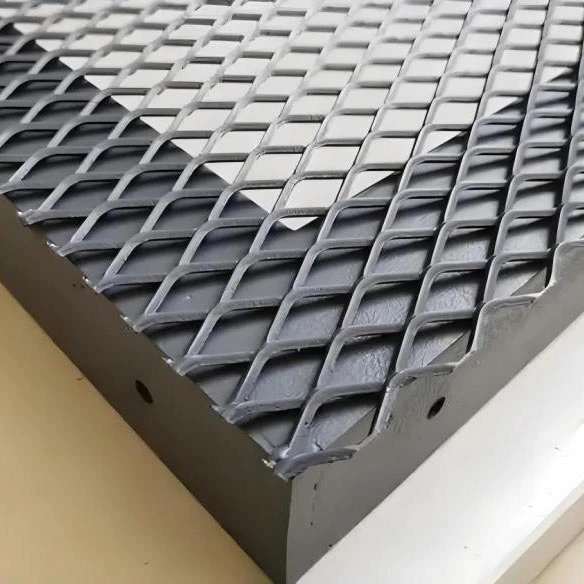
The structural integrity of a fence is defined by the quality of its raw materials and the precision of the manufacturing process. Unlike standard woven wire, an expanded metal mesh fence is slit and stretched from a single sheet of metal, creating a seamless structure that cannot unravel. At Ansheng, we apply the same rigorous quality control protocols used in our high-precision filter equipment to our fencing products, ensuring uniformity in strand width and bond strength.
We utilize advanced production equipment to process a variety of alloys, ensuring that the mechanical properties of the fence match the environmental conditions of the installation site. Below is a breakdown of our technical benchmarks compared to general industry expectations.
| Performance Metric | Industry Significance | Our Engineering Standard | Advantage |
|---|---|---|---|
| Material Composition | Determines corrosion resistance and lifespan. | Certified Low-Carbon Steel, SS 304, 316, 316L. | Adaptable to both standard urban environments and corrosive coastal/industrial zones. |
| Structural Continuity | Prevents unraveling upon impact or cutting. | One-piece slit & stretch technology (Non-welded). | Higher tensile strength and impact resistance compared to traditional woven fences. |
| Customization Capability | Ensures fit for unique architectural designs. | Full Customization (Mesh Opening/Strand Width). | Solutions tailored to specific security levels or decorative requirements (Guardrail/Decorative Mesh). |
| Quality Assurance | Guarantees consistent product performance. | Strict Scientific Management & QC Protocols. | Zero-defect delivery backed by 20+ years of export experience to markets like the USA and Brazil. |
Procurement decisions for industrial fencing should be viewed through the lens of Total Cost of Ownership (TCO). While initial acquisition costs are a factor, the long-term value of an expanded metal mesh fence is realized through reduced maintenance and extended service life. Inferior fencing requires frequent painting, repairs due to sagging, or total replacement caused by corrosion.
Ansheng’s global footprint, serving demanding markets in Australia, Poland, and the United States, validates our approach to value engineering. By utilizing premium materials like Stainless Steel 316L or treated low-carbon steel, we extend the replacement cycle significantly. The rigidity of our expanded metal design also acts as a formidable deterrent, potentially lowering security personnel costs and insurance premiums. Investing in our engineered fencing solutions transforms a capital expenditure into a long-term asset that protects your facility's operational integrity.
Related products
Top Selling Products