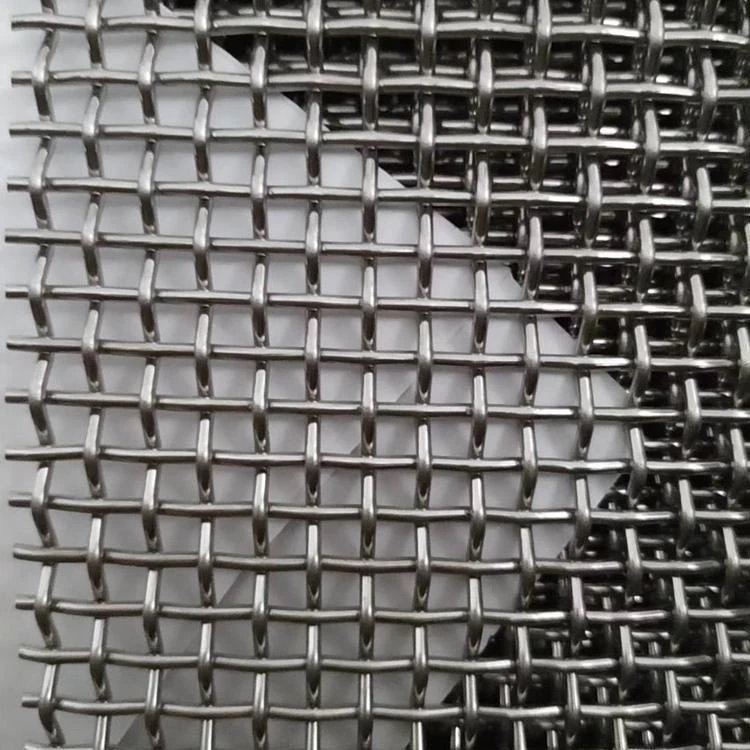
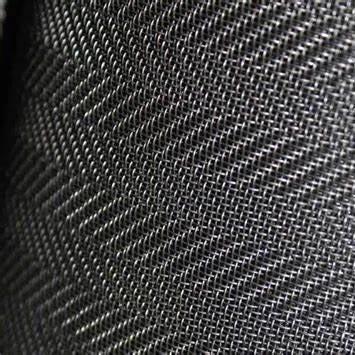
High-Performance stainless woven wire mesh Solutions for Bolivia's Industrial Sector

Providing precision-engineered filtration and screening systems tailored for the challenging mining and agricultural environments of the Bolivian highlands and lowlands.

High-Performance stainless woven wire mesh Solutions for Bolivia's Industrial Sector

Our advanced industrial screening solutions provide the structural integrity and corrosion resistance required for Bolivia's heavy-duty extractive and processing industries.

Industrial Screening Landscape in Bolivia

Analyzing the demand for durable wire mesh in South America's heartland.

In Bolivia, the industrial demand for woven wire mesh is heavily driven by the mining sector in Potosí and Oruro. The extreme altitude and fluctuating temperatures of the Altiplano necessitate materials that can withstand thermal expansion and contraction without compromising structural stability.

Furthermore, the agricultural processing plants in Santa Cruz require high-efficiency stainless steel net solutions to maintain sanitary standards. The high humidity in the tropical lowlands makes corrosion a critical failure point, shifting the market preference toward high-grade alloys.

The local market currently faces a gap between basic galvanized products and high-precision industrial filters. As Bolivia modernizes its lithium extraction and mineral processing plants, the need for specialized steel woven wire with precise aperture control has reached an all-time high.
Evolution and Technical Trajectory of Mesh Manufacturing

From traditional weaving to precision alloy engineering.

Market Development History

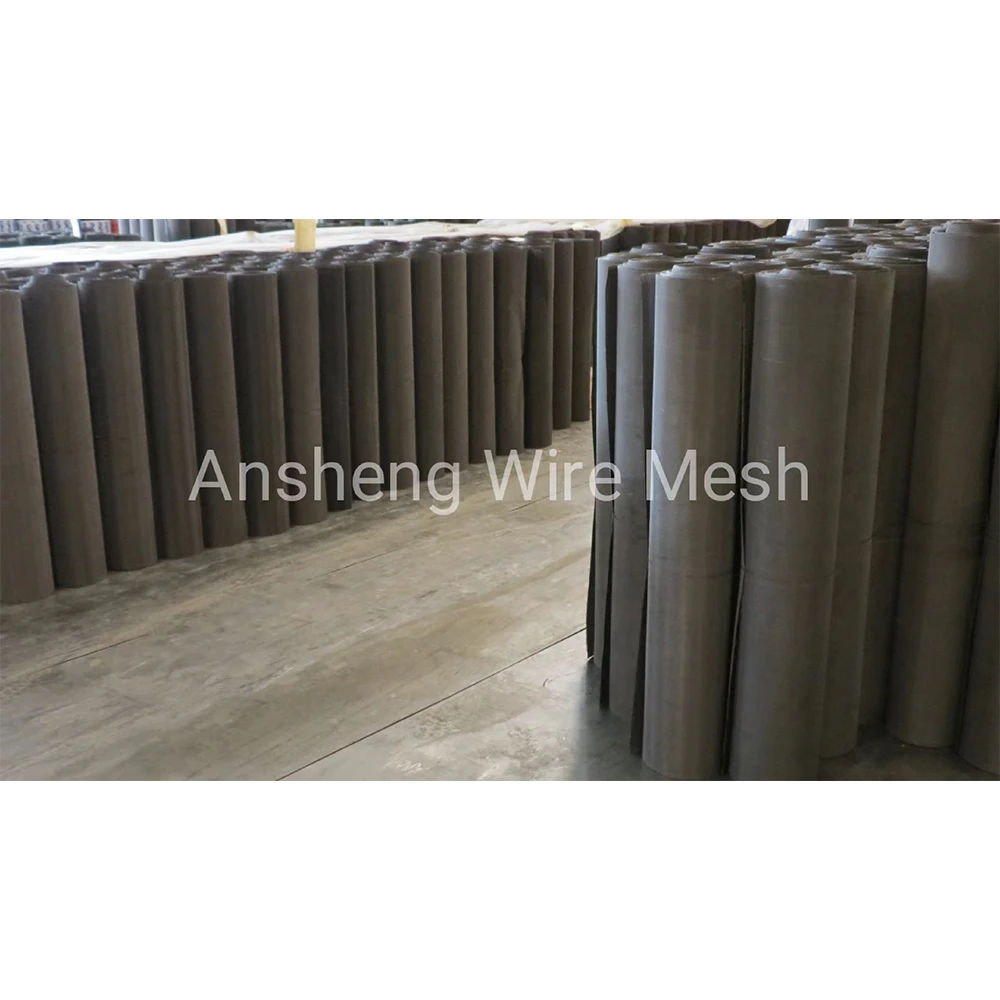
Prior to the 1990s, the Bolivian market relied primarily on coarse steel woven wire produced via manual looms, which lacked consistency in mesh size and were prone to rapid oxidation in humid regions.

Between 2000 and 2015, there was a significant shift toward the adoption of stainless woven wire mesh. The introduction of automated weaving technology allowed for the production of "Dutch Weave" and "Five-Wire" patterns, essential for the growing chemical and oil sectors.

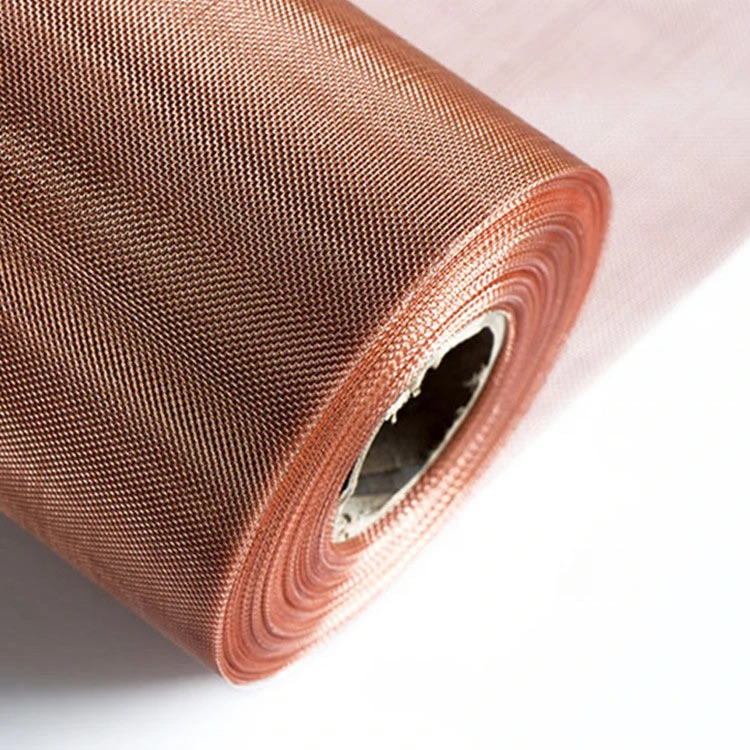
From 2016 to the present, the focus has pivoted toward material specialization. The integration of copper woven wire mesh for electrical shielding and specialized conductive applications has emerged, mirroring the global trend of industrial electrification.

Future Development Trends

Nano-Coated Surface Engineering

We predict a surge in the use of PTFE and ceramic coatings on stainless steel to reduce blinding and clogging in mineral processing.

Hybrid Alloy Integration

Development of dual-material meshes that combine the strength of steel with the corrosion resistance of exotic alloys for extreme mining acidity.

AI-Driven Mesh Design

Using computational fluid dynamics (CFD) to design mesh apertures that maximize flow rate while maintaining filtration precision.

Future Outlook of Metal Mesh Technology

Anticipating the next generation of industrial filtration in Bolivia.

Sustainable Metallurgy
Transitioning toward recycled alloys to reduce the carbon footprint of heavy industry in Bolivia.
Smart Filtration Systems
Integration of sensors within mesh frameworks to monitor pressure drops in real-time.
Ultra-Precision Weaving
Pushing the limits of micron-level filtration for Bolivia's pharmaceutical sector.
Anti-Corrosive Alloys
Developing molybdenum-enhanced alloys to combat the acidic tailings of mining sites.

Industry Outlook

Based on Google search trends for industrial filtration in South America, there is a clear trajectory toward "high-durability" and "custom-aperture" solutions. Bolivia's investment in lithium brine extraction will drive an unprecedented demand for specialized mesh that can handle high-salinity environments.

Over the next 3-5 years, the shift from general-purpose steel to precision-engineered alloys will accelerate. We expect a 20% increase in the adoption of custom-woven filters as Bolivian manufacturers seek to optimize yield and reduce downtime.

Localized Applications in Bolivia

Real-world deployment of our wire mesh solutions across diverse Bolivian sectors.

01. Lithium Brine Extraction in Uyuni

Implementing high-precision stainless steel filtration to separate impurities from lithium-rich brines, ensuring maximum purity for battery-grade carbonate production.

02. Silver and Zinc Mining in Potosí

Deploying heavy-duty vibration screens made of reinforced steel to handle the abrasive nature of ore crushing in high-altitude mining operations.

03. Soy and Grain Processing in Santa Cruz

Utilizing food-grade stainless steel net for sieving and sorting agricultural produce, ensuring compliance with international export standards.

04. Industrial Oil Refineries in the Lowlands

Installing corrosion-resistant filters for hydrocarbon processing, where chemical stability is paramount to prevent systemic failure.

05. Electrical Infrastructure in La Paz

Using copper woven wire mesh for EMI/RFI shielding in critical telecommunications and power distribution hubs.

Brand Story

Global Development Journey of Anping Ansheng Metal Mesh Co., Ltd.

Founding Excellence

Established in the heart of China's wire mesh capital, we began with a mission to solve the fundamental problem of mesh inconsistency in industrial filtration.

Technological Leap

Invested in automated precision weaving technology to move beyond standard products into the realm of custom engineering and high-alloy materials.

Global Expansion

Expanded our reach to South America, specifically addressing the unique challenges of Bolivia's mining and agricultural topography.

Quality Certification

Achieved international ISO standards, ensuring that every micron of our mesh meets the rigorous demands of the global aerospace and chemical industries.

Future Vision

Dedicated to creating a world where industrial filtration is sustainable, intelligent, and perfectly adapted to the local environment.

Comprehensive Product Portfolio for the Bolivian Market

A full spectrum of metal mesh solutions designed for extreme conditions.

Common Questions for Bolivian Industrial Buyers

Technical guidance for selecting the right wire mesh.

Which grade of stainless woven wire mesh is best for lithium brine filtration?

For lithium brines in Uyuni, we recommend Grade 316L stainless steel due to its superior resistance to chlorides and pitting corrosion compared to Grade 304.

How does altitude affect the performance of steel woven wire screens?

Altitude primarily affects temperature fluctuations; we provide specialized tempering processes to ensure the steel remains ductile and resists brittle fracture in freezing Altiplano conditions.

Can copper woven wire mesh be used for industrial grounding in Bolivia?

Yes, our copper mesh provides excellent electrical conductivity and is frequently used for electromagnetic shielding and grounding in industrial power plants.

What is the difference between a stainless steel net and a woven mesh for food processing?

While "net" is a general term, our "woven mesh" refers to a precision-interlaced structure that ensures uniform aperture size, which is critical for food safety and grading.

Do you provide custom aperture sizes for mineral screening?

Absolutely. We can customize the wire diameter and opening size to meet specific micron requirements for different mineral densities found in Bolivian ores.

How to prevent clogging in woven wire mesh used in humid environments?

We recommend applying a specialized hydrophobic coating or utilizing a tapered weave pattern to facilitate better material discharge and reduce blinding.

Ready to Optimize Your Industrial Filtration?

Partner with the leading experts in industrial wire mesh to enhance your operational efficiency in Bolivia.

Contact Us Now
tel email tel top

If you are interested in our products, you can choose to leave your information here, and we will be in touch with you shortly.