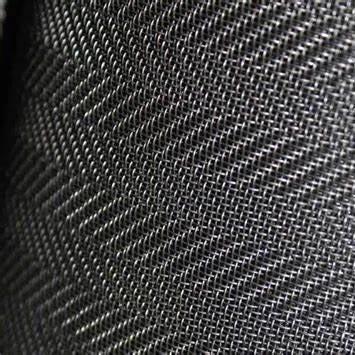
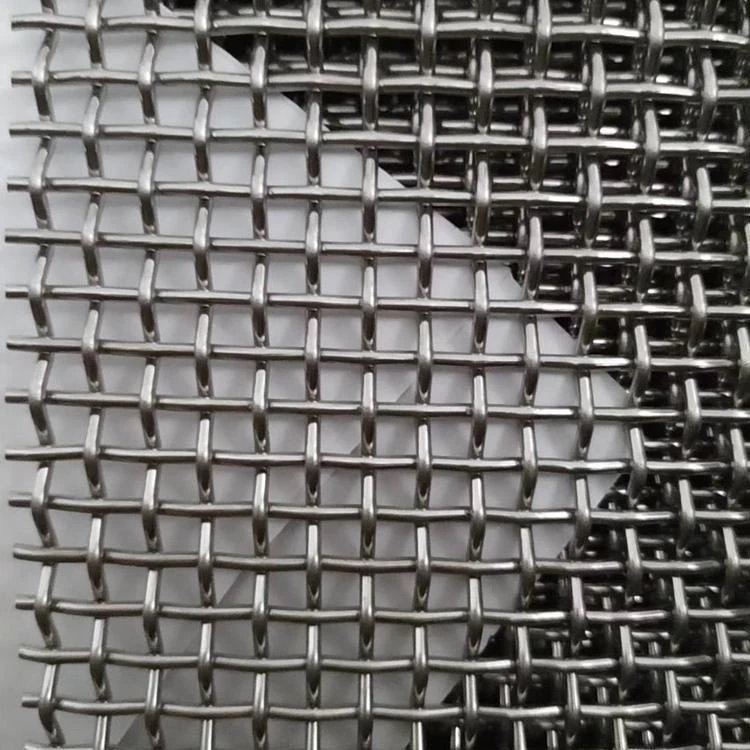
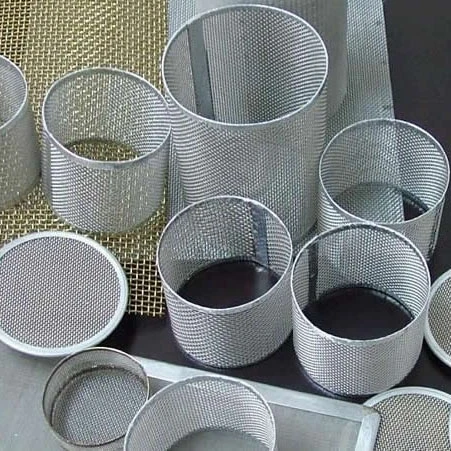
Industrial Filtration Solutions for stainless woven wire mesh in Poland

Providing high-precision, corrosion-resistant metal mesh solutions tailored for the heavy industrial and chemical sectors across the Polish market.

Industrial Filtration Solutions for stainless woven wire mesh in Poland

Specializing in the manufacture of high-performance woven wire mesh systems that meet the rigorous European standards for durability and precision filtration in Polish industrial applications.

Industrial Mesh Landscape in Poland

Analyzing the current demand and environmental challenges for metal mesh in the Polish manufacturing sector.

Poland's industrial landscape, characterized by a strong presence in automotive, chemical, and mining sectors, creates a massive demand for woven wire mesh. The region's humid continental climate, combined with heavy industrial emissions in the Silesian region, necessitates materials with extreme corrosion resistance.

Current market dynamics show a shift toward high-grade materials. Local factories are increasingly replacing basic carbon steel with stainless steel net to reduce maintenance costs and extend the lifecycle of filtration equipment in harsh environments.

Furthermore, the integration of Poland into the wider EU supply chain has pushed local manufacturers to adopt tighter tolerance specifications and ISO-certified quality controls, making precision-woven materials a necessity rather than an option.
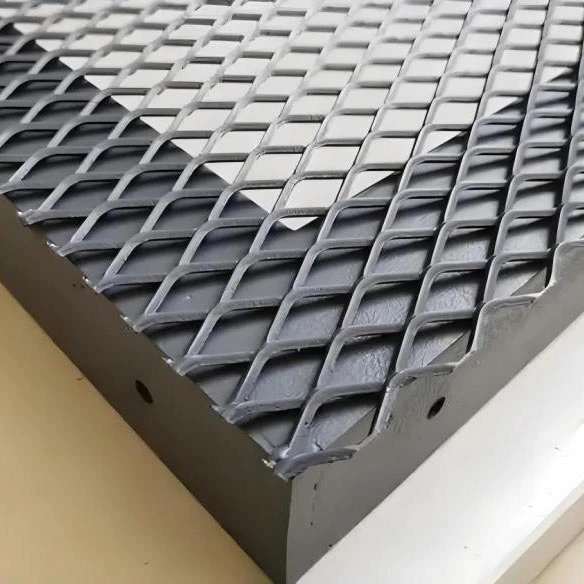
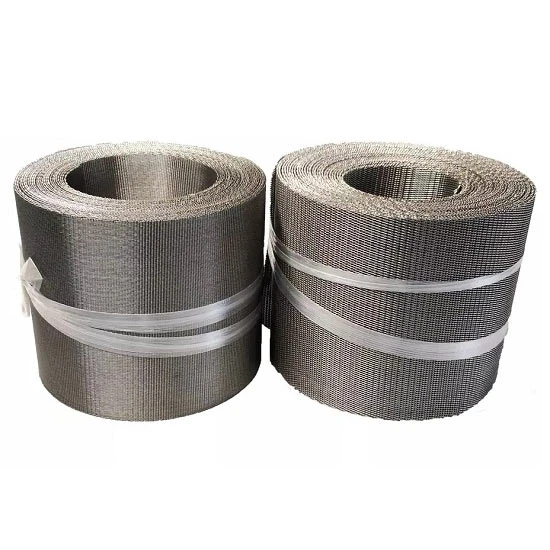
Evolution of Industrial Mesh Technology

From traditional weaving techniques to modern automated precision engineering.

Market Development History

In the early 2000s, the Polish market relied heavily on basic steel woven wire, which served primarily in construction and basic sieving. These products lacked the corrosion resistance required for the burgeoning chemical industry.

By 2010, a technological pivot occurred. The introduction of computerized weaving looms allowed for the production of micron-level apertures, leading to a surge in the adoption of high-precision stainless woven wire mesh for pharmaceutical and food processing plants.

From 2018 to the present, the focus has shifted toward specialty alloys. The integration of copper woven wire mesh has become vital for electromagnetic shielding and specialized electrical components within Poland's growing electronics sector.

Future Development Trends

Smart Filtration Integration

Future trends indicate the integration of sensor-compatible mesh that can signal clogging or degradation in real-time, reducing downtime in automated Polish factories.

Nano-Coating Enhancements

The application of hydrophobic and oleophobic nano-coatings on metal surfaces to prevent fouling in liquid filtration systems is expected to become standard.

Sustainable Material Sourcing

A move towards 100% recyclable alloys and "green steel" production to comply with the EU's strict Circular Economy Action Plan.

Industry Trends and Future Outlook

Strategic forecasting for the metal mesh industry within the European industrial corridor.

Hyper-Precision Weaving
Demand for tighter mesh counts and smaller apertures to support advanced micro-filtration.
Alloy Diversification
Growth in Nickel and Monel alloys for extreme temperature and acidity environments.
Automated Integration
Seamless integration of mesh components into Industry 4.0 automated production lines.
Carbon Footprint Reduction
Implementing low-emission manufacturing processes to meet EU green certifications.

Industry Outlook

Based on current Google search trends and regional economic data, the demand for high-end filtration in Poland is projected to grow by 4.5% annually. The emphasis is shifting from "lowest cost" to "lowest total cost of ownership," favoring durable stainless alloys over cheaper alternatives.

The long-term outlook suggests that the Polish market will become a hub for specialized filtration for the hydrogen energy sector, requiring extremely precise and chemically inert metal mesh solutions.

Localized Application Scenarios in Poland

Real-world implementations of industrial wire mesh in Polish sectors.

1. Silesian Mining Ventilation

Utilization of heavy-duty stainless steel mesh for debris filtration in mine ventilation shafts to ensure air quality and worker safety in the Upper Silesian Industrial Region.

2. Masovian Food Processing

Application of high-grade stainless steel net in dairy and meat processing plants near Warsaw to meet stringent EU hygiene and HACCP standards.

3. Pomeranian Shipbuilding

Deployment of corrosion-resistant mesh for saltwater filtration and marine engine intake protection in the shipyards of Gdańsk and Gdynia.

4. Lower Silesian Automotive Filtration

Integration of precise woven meshes into oil and fuel filtration systems for the automotive parts manufacturing cluster in Wrocław.

5. Central Polish Chemical Plants

Implementation of acid-resistant alloys and specialized meshes for catalyst support and chemical separation in industrial parks throughout Central Poland.

Brand Story

Global Development History of Anping Ansheng Metal Mesh Products Co., Ltd.

Foundation & Local Mastery

Established in the heart of China's wire mesh capital, we began by mastering the traditional art of weaving, focusing on durability and structural integrity.

Technological Transition

We transitioned from manual looms to fully automated CNC weaving systems, enabling the production of micron-precision industrial filters.

Global Quality Certification

By achieving ISO and CE certifications, we bridged the gap between Asian manufacturing efficiency and European quality standards.

European Market Expansion

We strategically expanded into the Polish and German markets, solving critical corrosion and filtration pain points for heavy industry.

Innovation Leadership

Today, we lead in the development of specialty alloy meshes, committed to driving sustainable industrial filtration worldwide.

Comprehensive Product Portfolio for Poland

A full range of high-performance wire mesh solutions engineered for Polish industrial specifications.

Common Questions for Poland Industrial Mesh

Technical guidance and procurement FAQs for the Polish market.

Which grade of stainless woven wire mesh is best for Polish chemical plants?

For the corrosive environments typical in Polish chemical processing, we recommend Grade 316L stainless steel due to its superior resistance to chlorides and acids compared to Grade 304.

Can you provide custom apertures for specialized steel woven wire applications?

Yes, we provide precision weaving for custom micron ratings, ensuring that your filtration system meets the exact requirements of your specific industrial process.

How does copper woven wire mesh perform in electrical shielding?

Our copper mesh offers exceptional conductivity and EMI shielding effectiveness, making it ideal for Poland's electronics and aerospace components.

Is the stainless steel net compliant with EU food safety regulations?

Absolutely. Our food-grade stainless steel nets are manufactured to meet EU standards, ensuring no contamination and ease of sterilization.

What is the lead time for shipping woven wire mesh to Poland?

Depending on the order volume and customization level, standard shipping to major Polish ports or cities typically takes 3-5 weeks via optimized logistics channels.

Do you provide technical support for mesh installation in Poland?

We provide comprehensive technical documentation and remote consulting to ensure that your mesh is installed for maximum efficiency and longevity.

Get a Professional Technical Quote

Consult with our engineers today to find the perfect filtration solution for your operations in Poland.

Contact Us Now
tel email tel top

If you are interested in our products, you can choose to leave your information here, and we will be in touch with you shortly.