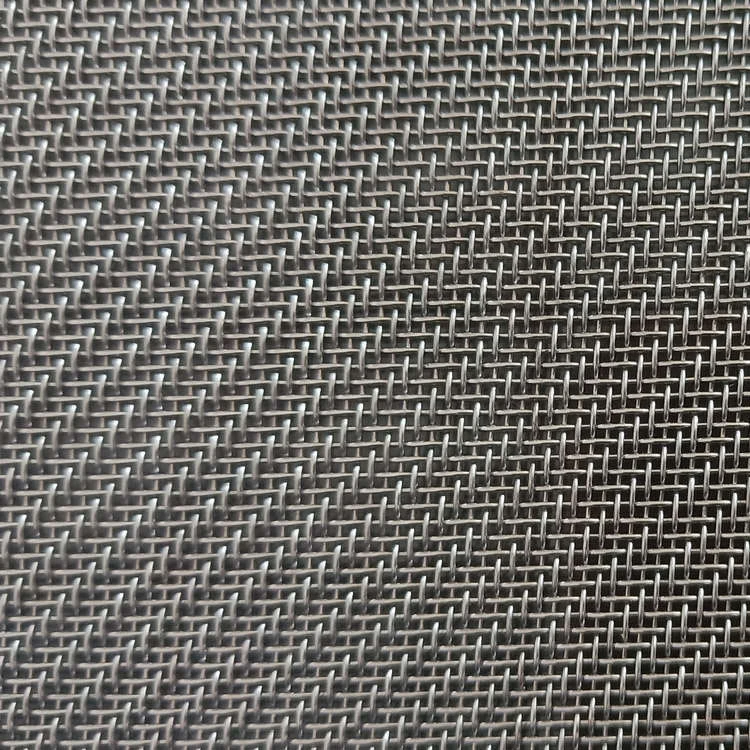
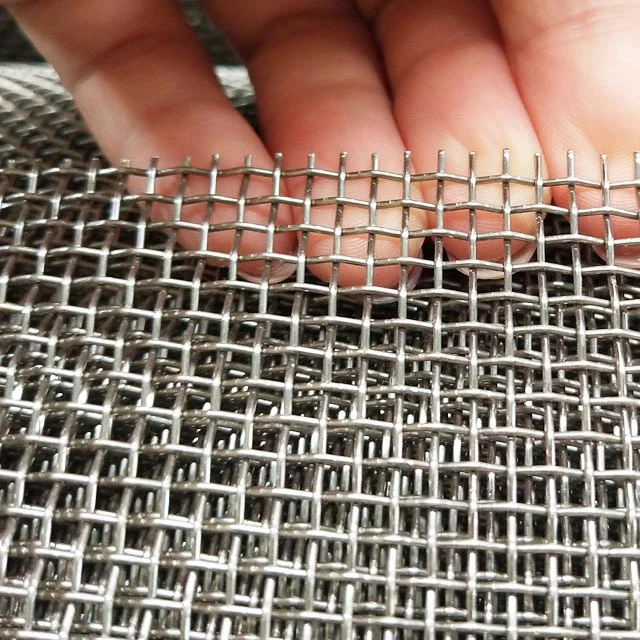
Industrial Grade stainless woven wire mesh Solutions for Gambia

High-precision filtration and screening systems engineered to withstand the unique environmental challenges of the Gambian industrial sector.

Industrial Grade stainless woven wire mesh Solutions for Gambia

Providing superior corrosion-resistant mesh solutions tailored for Gambia's agricultural processing, water treatment, and mining operations, ensuring long-term durability in coastal climates.

Industrial Filtration Landscape in Gambia

Analyzing the demand and environmental stressors on metal mesh in the West African coastal region.

In Gambia, the industrial sector faces significant challenges due to high humidity and salinity from the Atlantic coastline. This environmental stress makes the use of standard steel woven wire problematic, as rapid oxidation often leads to premature structural failure in screening equipment.

The local market is currently transitioning from rudimentary hand-woven screens to precision-engineered woven wire mesh. This shift is driven by the growth of peanut processing and fisheries, where strict hygiene and precise particle separation are becoming critical for export quality.

Despite the demand, there is a shortage of high-grade specialty materials locally. Most industries rely on imports, creating a gap for high-performance stainless steel net that can offer both the mechanical strength for industrial vibration and the chemical resistance needed for the Gambian climate.
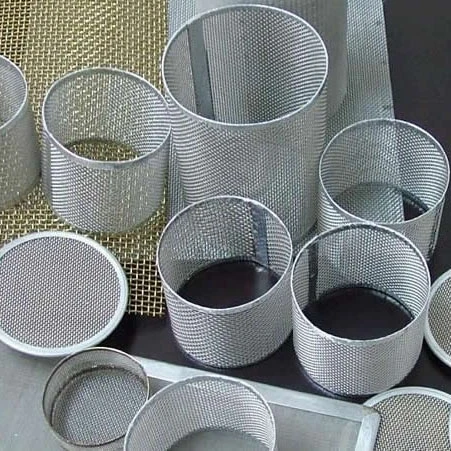
Evolution of Mesh Technology in Gambia

From basic galvanized screening to advanced alloy weaving techniques.

Market Development History

Prior to 2010, the Gambian market relied heavily on basic galvanized iron mesh. These products were sufficient for simple fencing but failed quickly in industrial filtration roles due to the abrasive nature of local minerals and agricultural waste.

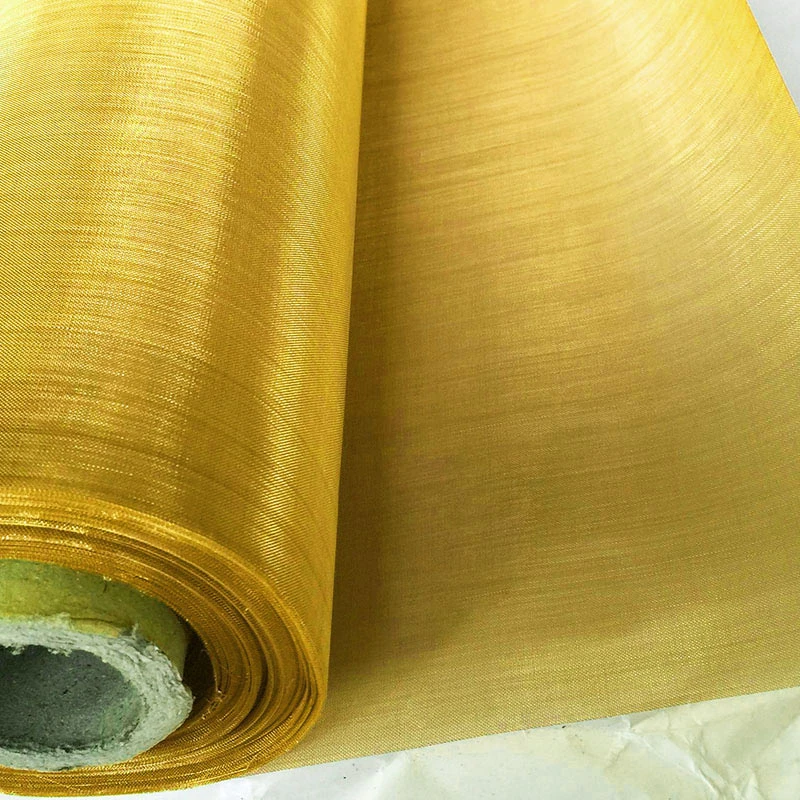
Between 2010 and 2020, there was a noticeable pivot toward copper woven wire mesh for specialized electrical grounding and specific chemical filtering applications, reflecting an increase in technical infrastructure across the region.

From 2020 to the present, the adoption of 304 and 316L grade stainless steel has become the industry standard. The focus has shifted toward micron-level precision and the integration of automated weaving processes to ensure uniformity in mesh aperture.

Future Development Trends

Smart Alloy Integration

Expected shift toward duplex stainless steels that provide double the strength and corrosion resistance of standard grades, specifically for offshore Gambian installations.

Nanoscale Filtration

Growth in demand for ultra-fine mesh for water purification and desalination plants to combat increasing saltwater intrusion in coastal aquifers.

Sustainable Manufacturing

A move toward 100% recyclable metal components and energy-efficient weaving processes to align with West African green industrial initiatives.

Strategic Industry Outlook and Projections

Forecasting the trajectory of industrial metal fabrics in the Gambian market.

Corrosion Resistance Pivot
Increasing search trends for 316L stainless steel to combat the high salt-mist environment of the Atlantic coast.
Agro-Processing Upgrade
Modernization of groundnut and fruit processing plants requiring food-grade mesh for safety compliance.
Water Treatment Growth
Rising demand for precision filters in urban water management and desalination projects.
Industrial Automation
Integration of high-strength mesh into automated conveyor and sorting systems.

Industry Outlook

Google search trends indicate a growing interest in "industrial filtration" and "corrosion-resistant materials" within the Gambian business sector. This reflects a broader economic shift toward value-added manufacturing rather than raw material export.

Over the next 3-5 years, the market will likely see a consolidation of suppliers who can provide certified E-E-A-T compliant technical specifications, reducing the reliance on generic, low-quality alternatives.

Localized Application Scenarios in Gambia

Practical implementations of high-performance wire mesh across Gambian industries.

1. Groundnut Processing & Grading

Utilizing stainless steel net for the separation of impurities and grading of peanuts, ensuring food safety and meeting European export standards.

2. Coastal Fisheries Filtration

Implementing corrosion-resistant mesh in fish processing plants for waste water filtration, specifically designed to withstand high salinity and organic acidity.

3. Artisanal Gold Mining Screening

Deploying heavy-duty steel woven wire for mineral sluicing and grading in small-scale mining operations to increase gold recovery rates.

4. Urban Water Purification

Using multi-layered fine mesh filters in municipal water systems to remove sediments and protect downstream pumping equipment in Banjul and Serekunda.

5. Electrical Shielding & Grounding

Applying copper woven wire mesh in industrial power stations to provide EMI shielding and reliable grounding in humid environments.

Brand Story

Global Development Journey of Anping Ansheng Metal Mesh Co., Ltd.

Foundational Excellence

Established in the heart of the wire mesh capital, we began by mastering the traditional art of weaving, focusing on structural integrity and dimensional accuracy.

Technological Transition

We invested in automated CNC weaving machinery, allowing us to produce micron-level precision mesh that meets international ISO standards.

Global Market Expansion

Expanding our reach to Africa and beyond, we tailored our alloys to survive extreme climates, from the deserts of the Sahel to the coasts of Gambia.

Innovation in Filtration

Developing specialized hybrid mesh solutions that combine the strength of steel with the chemical resistance of advanced polymers.

The Sustainability Mission

Our current focus is on reducing the environmental footprint of metal fabrication while providing the world's most durable industrial filters.

Comprehensive Metal Mesh Portfolio for Gambia

A full suite of industrial screening and filtration products tailored for West African requirements.

Gambia Industrial Mesh FAQ

Expert answers to common technical questions regarding woven wire mesh applications.

Which grade of stainless woven wire mesh is best for the coastal air in Banjul?

For high-salinity coastal areas, we strongly recommend Grade 316L stainless steel over 304, as the added molybdenum provides superior resistance to chloride-induced pitting and corrosion.

How does copper woven wire mesh perform in humid tropical climates?

Copper mesh offers excellent conductivity and antimicrobial properties, but in very humid Gambian conditions, it can develop a patina. For industrial filtration, stainless options are usually preferred unless electrical conductivity is the primary goal.

Can steel woven wire be used for agricultural peanut grading?

While carbon steel is cheaper, it is not recommended for food contact due to oxidation. We suggest using a food-grade stainless steel net to ensure product purity and hygiene compliance.

What is the typical lifespan of a stainless steel net in mining applications?

Lifespan depends on the abrasiveness of the material. However, our reinforced weaves typically last 3-5 times longer than galvanized alternatives in high-friction mining environments.

Do you provide custom apertures for specialized Gambian industrial filters?

Yes, we specialize in custom weaving. We can adjust the wire diameter and mesh opening to meet exact micron specifications for any industrial filtration process.

How should woven wire mesh be maintained in high-humidity regions?

Regular rinsing with fresh water to remove salt deposits and periodic inspection for tension loss are the best ways to maintain the structural integrity of your mesh screens.

Get Expert Consultation for Your Project

Our engineers are ready to provide technical specifications and shipping logistics for all industrial mesh requirements in Gambia.

Contact Us Now
tel email tel top

If you are interested in our products, you can choose to leave your information here, and we will be in touch with you shortly.