In the global industrial filtration and chemical processing markets, understanding the variables that influence the ss mesh price is critical for procurement engineers and project managers. While stainless steel remains a baseline, the industry is seeing a significant shift toward high-nickel alloys for environments where standard austenitic steels fail due to extreme corrosion or thermal stress.
The volatility of raw material costs, combined with the precision required for micron-level apertures, means that price is rarely a fixed figure. Instead, it is a reflection of material purity, weaving complexity, and the specific chemical resistance required for the application, whether it be in petrochemical refining or battery electrode manufacturing.
This analysis examines the cost drivers of specialized metal meshes and provides a technical framework for evaluating value versus specification. For those seeking high-stability alternatives, exploring ss mesh price trends alongside nickel-based solutions is essential for optimizing long-term operational expenditure.


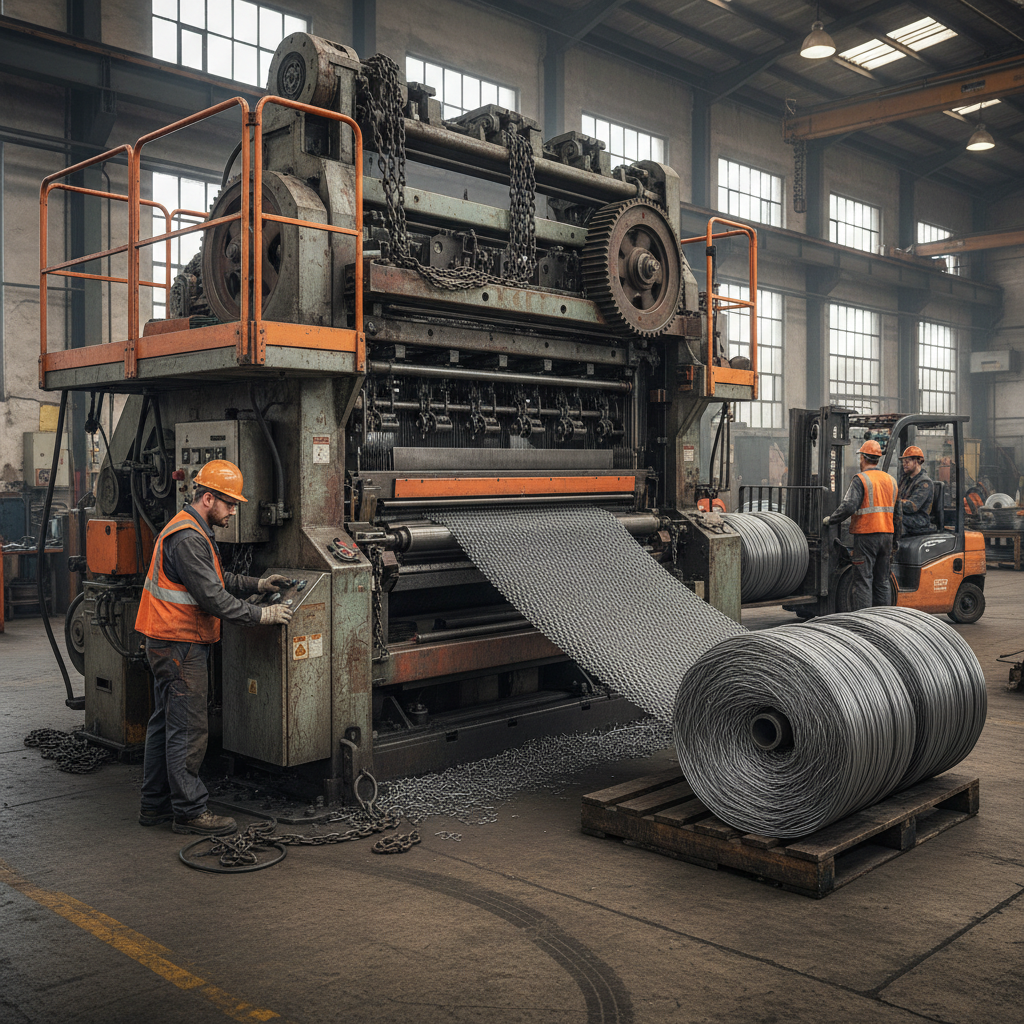
The pricing of industrial mesh is primarily governed by the raw material weight and the complexity of the weaving process. For standard stainless steel, the grade (e.g., 304 vs 316L) determines the base cost, but the "weaving premium" increases exponentially as the wire diameter decreases.
Precision weaving of ultra-fine wires requires specialized looms and tighter tension control to prevent breakage, which adds significant labor and quality control overhead to the final quote.
Mesh count and wire diameter are the two most influential technical specs. A higher mesh count (more wires per inch) requires finer raw materials and more intricate weaving cycles, which directly elevates the ss mesh price.
Beyond geometry, the surface finish—whether it is raw, polished, or epoxy-coated—introduces additional processing steps. Coating, for instance, is often utilized to enhance corrosion resistance or prevent adhesion in specific filtration tasks, adding a layer of cost to the base metal.
Tightness of the weave also plays a role. Plain weave is the industry standard, but specialized weaves designed for high flow rates or specific particle retention require more complex machinery setups and longer production lead times.
While stainless steel is versatile, pure nickel woven wire mesh is deployed when chemical stability is non-negotiable. Nickel resists corrosion from acids, alkalis, and salts more effectively than many standard SS grades, making it indispensable for chlor-alkali and organic chloride production.
From a cost perspective, nickel mesh carries a higher initial investment than standard SS. However, the lifecycle value is often higher due to reduced replacement frequency in harsh chemical environments, shifting the focus from initial price to Total Cost of Ownership (TCO).
Evaluating the efficiency of a mesh involves balancing the open area percentage against the mechanical strength of the wire. A high open area improves flow but may compromise the structural rigidity of the filter element.
The following assessment provides a normalized engineering rating of different metal mesh configurations based on their typical performance in corrosive vs. high-temperature environments.
In a typical deployment scenario, such as liquid filtration in the petrochemical industry, the mesh must withstand constant exposure to corrosive agents while maintaining a precise micron rating. Engineers must calculate the pressure drop across the mesh to ensure that the chosen wire diameter does not restrict flow beyond acceptable limits.
For battery manufacturing, nickel mesh is integrated as an electrode material. Here, the primary requirement is electrical conductivity and the ability to carry electrochemical reactions without degrading, which justifies the higher cost compared to standard ss mesh price options.
The industry is moving toward "hybridization," where different metal meshes are layered to create graded filtration systems. This approach optimizes the balance between filtration efficiency and flow rate, reducing the overall maintenance cost.
We are also seeing an increase in the demand for customized ultra-fine meshes. As aerospace and shipbuilding technologies evolve, there is a critical need for materials that can operate in extreme pressure and temperature ranges, pushing the boundaries of current weaving capabilities.
Sustainability is also becoming a factor. The ability to recycle high-value alloys like nickel and specialized stainless steels is influencing how companies approach procurement and the lifecycle management of their filtration equipment.
Selecting the right material requires a systematic comparison of the operational environment against the material properties. A focus on the initial ss mesh price can lead to premature failure in high-corrosion zones.
The following matrix outlines the recommended configurations based on the severity of the industrial application, contrasting standard profiles with high-duty requirements.
Engineering teams should use these profiles to determine if a standard stainless steel solution is sufficient or if a high-purity nickel mesh is required for process stability.
| Configuration Profile | Material Base | Corrosion Resistance | Recommended Use Case |
|---|---|---|---|
| Basic Configuration | SS 304 | Moderate | General Industrial Screening |
| Standard Configuration | SS 316L | High | Pharmaceutical / Water Treatment |
| High-Duty Configuration | Pure Nickel | Extreme | Chlor-Alkali / Petrochemical |
| Precision Configuration | Fine SS Mesh | High | Micron Filtration / Electronics |
| Thermal Configuration | Nickel Alloy | Extreme | High-Temp Catalyst Support |
| Industry Baseline | Galvanized Steel | Low | Construction / Fencing |
The price is primarily determined by the raw material grade (e.g., 304, 316L, or Pure Nickel), the wire diameter, and the mesh count. Finer wires and higher mesh counts increase production complexity and material waste, thereby raising the cost. Additionally, customized specifications, specialized weaves, and secondary treatments like epoxy coating or polishing contribute to the final valuation.
Nickel mesh should be selected for environments with extreme chemical corrosivity, specifically those involving strong alkalis or specific acids where stainless steel would pit or corrode. It is also the preferred choice for high-temperature applications where structural stability is required without melting or deformation, such as in catalyst carriers or high-tech aerospace components.
A higher mesh count reduces the aperture size, allowing for the filtration of smaller particles. However, this also increases the resistance to flow, leading to a higher pressure drop across the filter. Engineers must balance the required filtration precision (micron rating) with the permissible flow rate of the system to prevent operational bottlenecks.
Yes, industrial manufacturers can provide customized services to meet unique requirements. This includes adjusting the wire diameter and mesh count to achieve a specific open area percentage or mechanical strength. Customizations are often necessary for specialized applications in battery electrodes or electromagnetic shielding where standard specifications do not suffice.
While lifespan depends on the specific medium and concentration, nickel mesh generally offers a significantly longer service life than stainless steel in alkali-rich environments. Its superior chemical stability prevents the gradual thinning of wires, ensuring the filtration aperture remains constant over a longer period and reducing the frequency of system shutdowns for replacement.
Quality is verified through strict scientific management and testing equipment. This includes measuring the actual aperture size using precision microscopy, verifying wire diameter consistency, and conducting material purity tests (such as XRF analysis for nickel content). For high-duty meshes, tension tests and corrosion resistance sampling are also performed to ensure compliance with industry standards.
The evaluation of the ss mesh price must transcend simple unit costs and instead focus on the technical requirements of the operating environment. The transition from standard stainless steel to high-purity nickel represents a strategic decision to prioritize chemical stability and thermal resistance over initial expenditure.
For industrial operators, the practical implication is clear: investing in higher-grade materials for corrosive or high-temperature zones significantly reduces downtime and extends the replacement cycle of filtration elements. Choosing a partner with advanced R&D and custom fabrication capabilities ensures that the mesh configuration precisely matches the engineering constraints of the project.