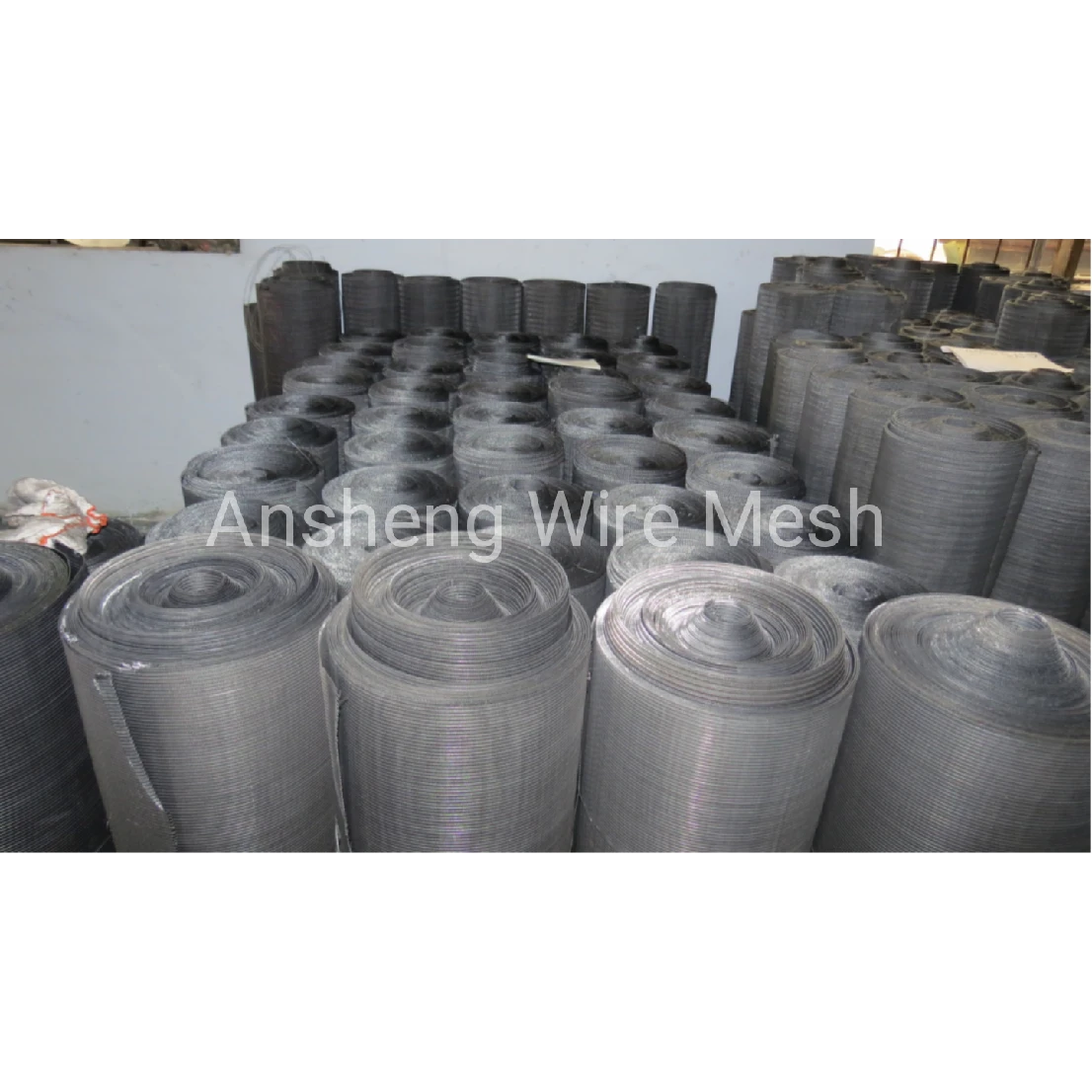
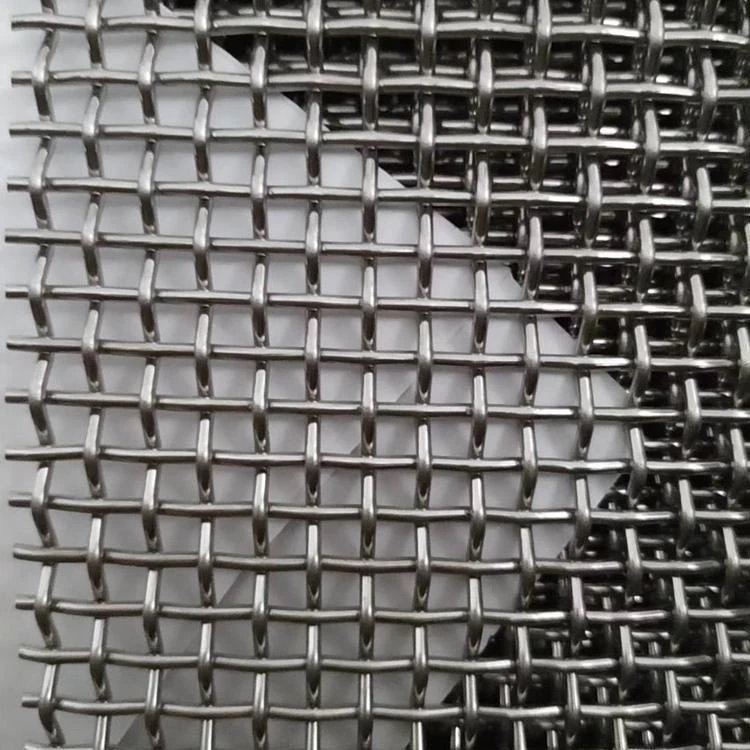
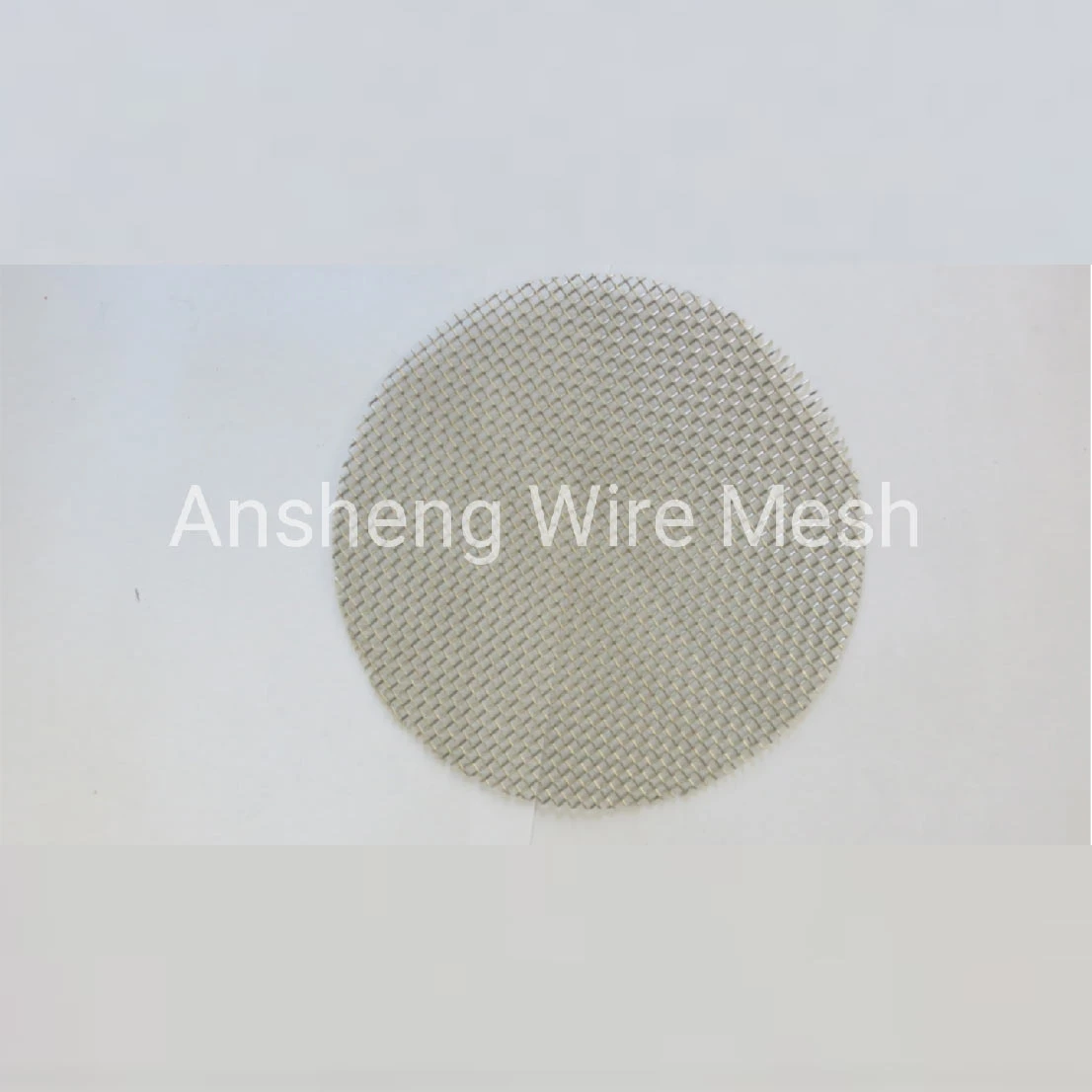
Industrial stainless woven wire mesh Solutions for Denmark

Precision-engineered filtration and separation systems designed to withstand the rigorous maritime and industrial standards of the Danish market.

Industrial stainless woven wire mesh Solutions for Denmark

Providing high-performance mesh solutions tailored for Denmark's pharmaceutical, food processing, and offshore energy sectors, ensuring durability and micron-level precision.

The Current State of Industrial Mesh in Denmark

Analyzing the demand for corrosion-resistant materials in the North Sea climate.

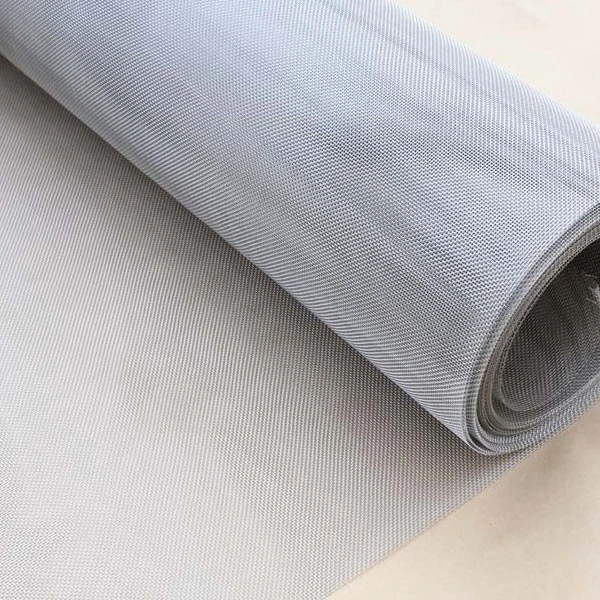
Denmark's industrial landscape is characterized by a high demand for extreme corrosion resistance due to its coastal geography and humid maritime climate. The widespread use of stainless steel net is essential here, particularly in aquaculture and offshore wind energy components where saltwater exposure is constant.

In the pharmaceutical hubs of Copenhagen and Aarhus, the focus has shifted toward ultra-fine woven wire mesh. These industries require strict adherence to EU hygiene standards, pushing the market toward 316L grade materials that prevent contamination and resist aggressive chemical cleaning agents.

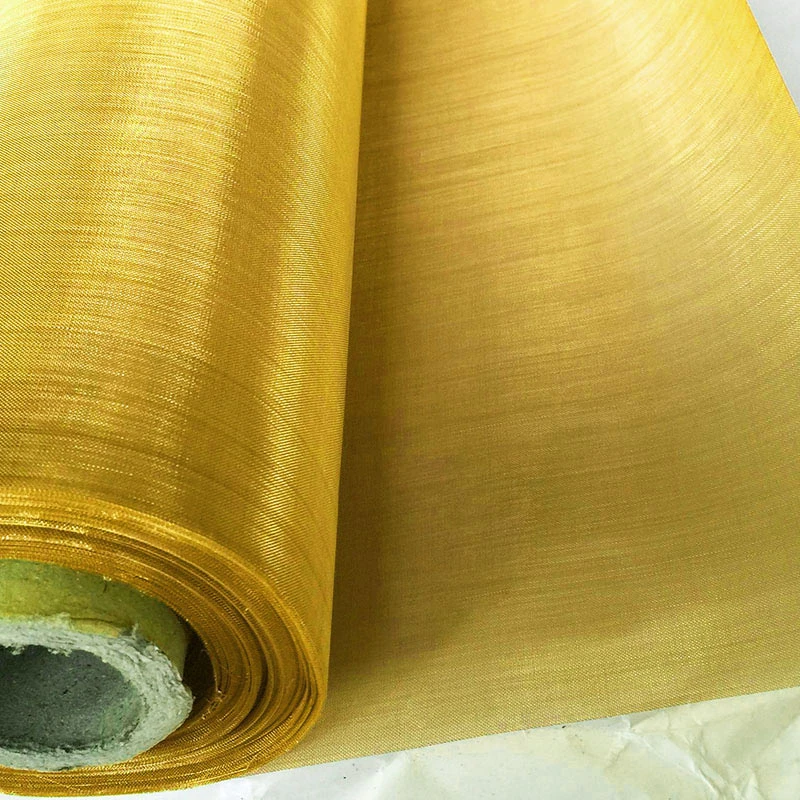
Furthermore, the Danish transition toward green energy has increased the need for specialized copper woven wire mesh for electromagnetic shielding and electrical grounding in advanced power grids, blending traditional metallurgy with modern sustainability goals.
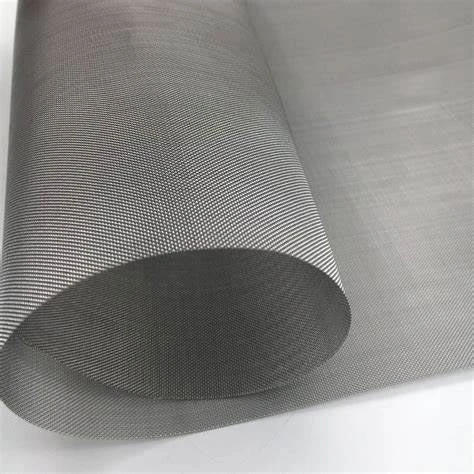
Evolution of Metal Mesh Technology in Denmark

From basic agricultural screening to precision nano-filtration.

Market Development History

During the mid-20th century, the Danish market relied heavily on galvanized steel woven wire for agricultural and simple industrial sieving. These products provided basic structural integrity but lacked the longevity required for the harsh Nordic environment.

By the 1990s, the rise of the Danish biotech and food-export sectors triggered a transition toward high-grade stainless alloys. The adoption of computerized weaving looms allowed for tighter tolerances, replacing manual weaves with consistent, industrial-grade apertures.

From 2010 to the present, the integration of plasma coating and laser-welded edges has redefined the lifespan of filters. The industry has moved from "replaceable consumables" to "long-term engineered assets" with a focus on total cost of ownership (TCO).

Future Development Trends

Smart Filtration Integration

Integrating IoT sensors within mesh frames to monitor pressure drops and clogging in real-time for Danish automated factories.

Hybrid Alloy Development

The emergence of duplex stainless steels to combine the strengths of ferritic and austenitic structures for deeper offshore applications.

Circular Economy Manufacturing

A shift toward 100% recyclable metal substrates, aligning with Denmark's national goal of carbon neutrality by 2050.

Industry Outlook and Future Projections

Strategic foresight based on Northern European industrial trends.

Precision Micronization
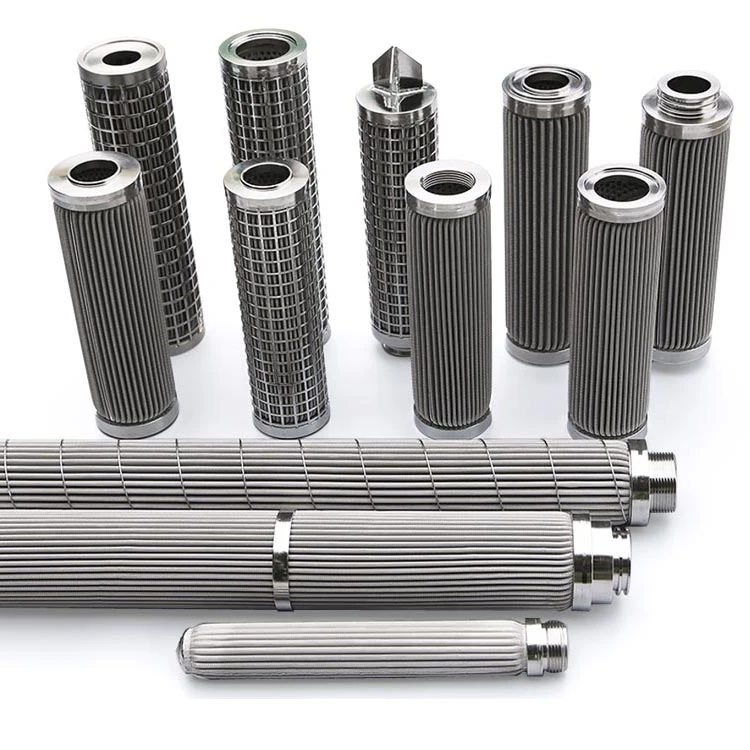
Increasing demand for ultra-fine mesh apertures in the Danish pharmaceutical sector for sterile filtration.
Maritime Grade Durability
Development of specialized coatings to prevent pitting corrosion in North Sea wind turbine components.
Automation Alignment
Custom mesh dimensions optimized for Industry 4.0 robotic installation in Danish manufacturing plants.
Sustainability Focus
Prioritizing low-carbon footprint steel production to meet Danish environmental regulations.

Industry Outlook

Based on Google search trends in the EU, there is a significant increase in queries related to "sustainable filtration" and "corrosion-resistant alloys." For the Danish market, this indicates a transition toward high-value, long-life cycle products over cheap replacements.

We predict that within the next 3-5 years, the integration of nano-coatings on stainless steel surfaces will become the standard, allowing for "self-cleaning" mesh that reduces maintenance costs in the food and beverage industry.

Localized Applications in Denmark

Real-world implementation of industrial mesh in Danish sectors.

01. Offshore Wind Energy Filtration

Using high-strength mesh to protect hydraulic systems from saltwater contaminants in wind farms across the North Sea.

02. Pharmaceutical Grade Sieving

Deploying micron-precise filtration systems for the production of insulin and other biologics in the Medicon Valley cluster.

03. Sustainable Aquaculture Systems

Applying corrosion-resistant nets for sustainable salmon and trout farming in Danish fjords to ensure water flow and fish health.

04. Dairy Processing Filtration

Implementing hygienic mesh for the filtration of whey and milk products in large-scale Danish cooperatives.

05. Green Hydrogen Production

Utilizing specialized metal meshes as electrode separators or filtration components in emerging hydrogen electrolysis plants.

Brand Story

Global Development Journey of Anping Ansheng Metal Mesh Co., Ltd.

Foundational Excellence

Established in the heart of China's wire mesh capital, we began by mastering the fundamental art of weaving high-tensile industrial grids.

Technological Pivot

Invested in advanced CNC weaving technology to solve the pain point of aperture inconsistency in precision filtration.

Global Standard Alignment

Obtained international certifications to meet the stringent E-E-A-T requirements of European industrial buyers.

European Market Expansion

Developed tailored solutions for the Nordic region, focusing on extreme weather resistance and sustainable materials.

Future-Proof Engineering

Now leading the way in hybrid alloy mesh, helping Danish industries achieve higher efficiency and lower carbon emissions.

Comprehensive Mesh Portfolio for Denmark

A complete range of industrial metal solutions for every Danish application.

Common Questions in the Danish Market

Technical guidance for selecting the right metal mesh for Nordic conditions.

Which grade of stainless woven wire mesh is best for North Sea saltwater?

For extreme saltwater environments in Denmark, we highly recommend Grade 316L or Duplex stainless steel, as they offer superior resistance to chloride-induced pitting compared to Grade 304.

How does copper woven wire mesh perform in electromagnetic shielding?

Copper mesh provides exceptional electrical conductivity, making it the ideal choice for EMI/RFI shielding in Danish electronics manufacturing and power grid components.

What is the difference between steel woven wire and stainless steel net?

Steel woven wire typically refers to carbon steel (often galvanized), suitable for structural or low-corrosion areas. Stainless steel net contains chromium and nickel, providing inherent corrosion resistance for food and pharma use.

Can you customize woven wire mesh apertures for pharmaceutical filters?

Yes, we specialize in micron-level precision weaving, allowing us to produce custom apertures that meet the strict filtration requirements of the Danish biotech industry.

How to prevent corrosion in industrial mesh used in Danish aquaculture?

Using a combination of 316L stainless steel and specialized polymer coatings can significantly extend the life of nets used in fish farming by preventing biofouling and salt oxidation.

Are your metal mesh products compliant with EU food safety standards?

Our stainless steel mesh products are manufactured using food-grade alloys that comply with EU regulations, ensuring no leaching of harmful substances into food products.

Request a Technical Consultation

Get expert advice on the best mesh specifications for your project in Denmark.

Contact Us Now
tel email tel top

If you are interested in our products, you can choose to leave your information here, and we will be in touch with you shortly.