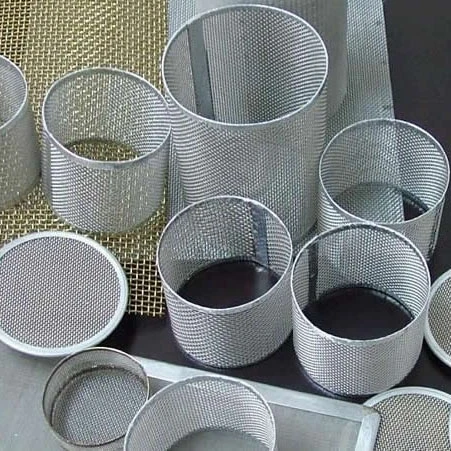
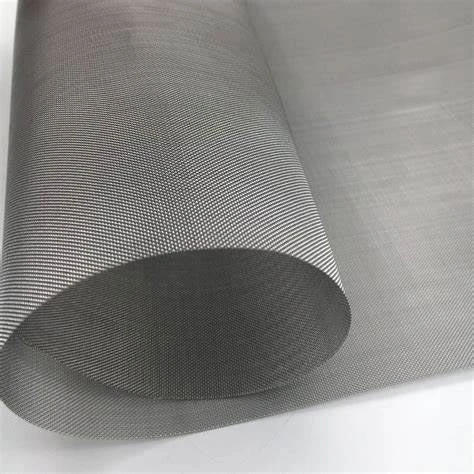
Industrial stainless woven wire mesh Solutions for New Zealand

High-precision engineered filtration and screening systems designed to withstand Oceania's demanding coastal and industrial environments.

Industrial stainless woven wire mesh Solutions for New Zealand

Providing the New Zealand market with superior corrosion-resistant screening and filtration materials tailored for the agricultural, marine, and mining sectors.

Current Landscape of Wire Mesh Industry in New Zealand

Analyzing the demand for high-performance metal fabrics in Oceania's unique economic climate.

New Zealand's industrial sector faces a unique challenge: high salinity and humidity due to its island geography. This creates a massive demand for stainless steel net products that can resist oxidation and chloride-induced stress corrosion cracking, especially in the Auckland and Wellington coastal regions.

The agricultural backbone of the country, particularly in dairy and viticulture, requires specialized woven wire mesh for filtration and livestock management. The shift toward sustainable farming has increased the need for long-life, recyclable materials that reduce the frequency of replacement.

Furthermore, the mining and geothermal energy sectors in the North Island necessitate heavy-duty steel woven wire for industrial sifting. The market is currently transitioning from generic imported mesh to precision-engineered solutions that meet strict NZ safety and environmental standards.
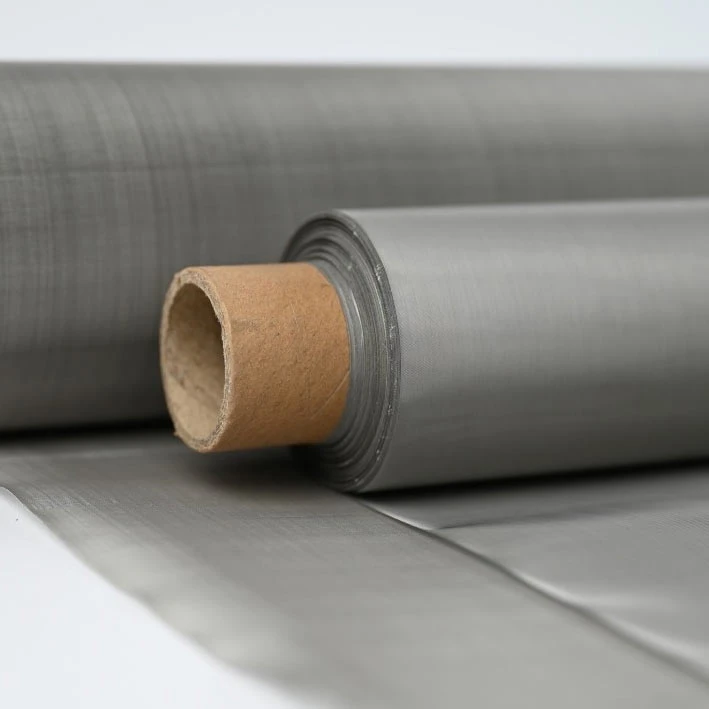
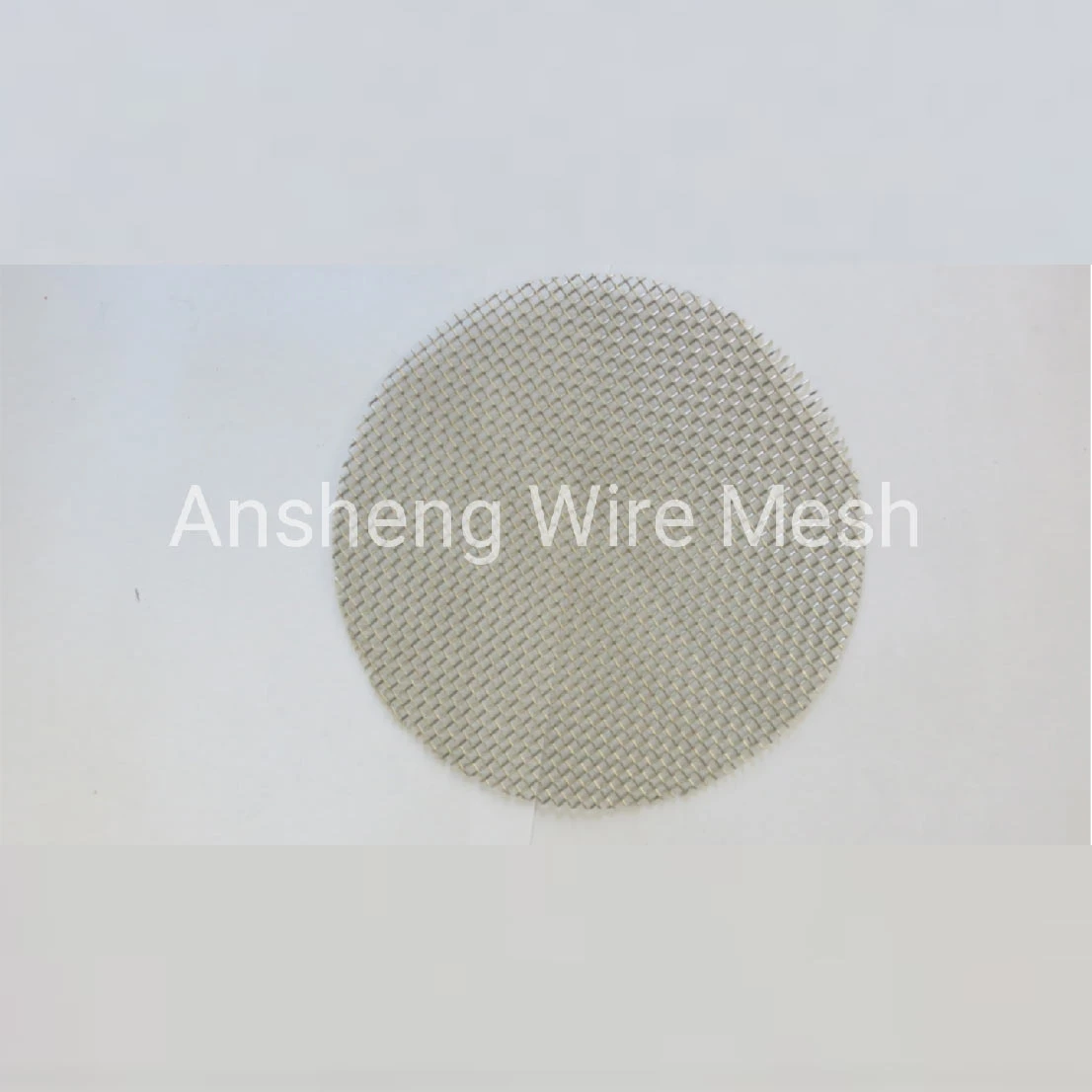
Evolution and Trajectory of Industrial Mesh Technology

From basic galvanized screens to advanced alloy weaving techniques.

Market Development History

In the early 20th century, New Zealand relied heavily on basic galvanized steel woven wire for farming and simple industrial use. These materials were prone to rapid corrosion in the humid oceanic air, leading to frequent failures.

By the 1980s and 90s, there was a significant pivot toward stainless woven wire mesh. The introduction of 304 and 316L grades allowed the food processing and pharmaceutical industries in NZ to meet global hygiene standards (HACCP), marking a shift toward medical-grade precision.

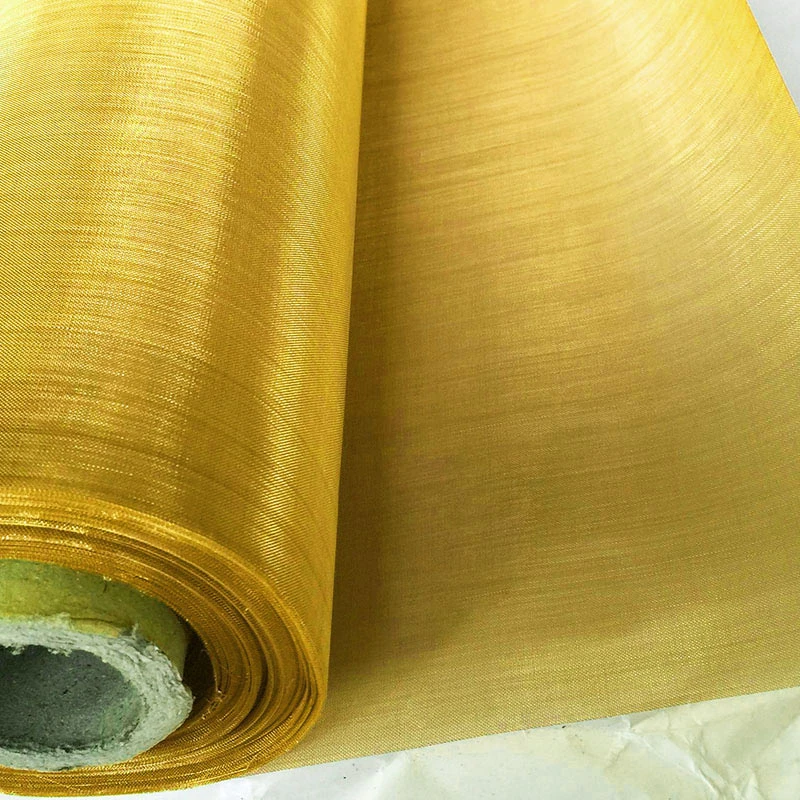
Entering the 2010s, the industry integrated CNC weaving technology and plasma coating, enabling the production of ultra-fine meshes and specialized copper woven wire mesh for electronic shielding and high-conductivity industrial filters.

Future Development Trends

Nanoscale Filtration Integration

Future trends show a shift toward micro-aperture weaving to support New Zealand's growing biotech and water purification sectors.

Eco-Friendly Alloy Development

Increasing demand for "green" steel and low-carbon footprints in manufacturing will drive the adoption of sustainable alloys.

Smart Mesh Monitoring

Integration of sensors within woven structures to monitor wear and tear in real-time for large-scale mining operations.

Industry Trends and Future Outlook

Predicting the next 3-5 years of metal mesh evolution in Oceania.

Corrosion Resistance 2.0
Transitioning to super-alloys and duplex stainless steels to counter the aggressive salty air of NZ coasts.
Precision Micron Weaving
Adopting high-mesh counts for pharmaceutical filtration and high-tech aerospace components.
Sustainable Manufacturing
Implementing circular economy principles with 100% recyclable stainless steel substrates.
Custom Geometric Weaves
Creating non-linear mesh patterns for specialized architectural and acoustic applications in NZ.

Industry Outlook

Based on Google search trends in Oceania, there is a rising query volume for "marine-grade filtration" and "industrial mesh durability." This indicates that the New Zealand market is moving away from cost-centric purchasing toward value-centric, long-term asset management.

The integration of Industry 4.0 will likely lead to "Smart Mesh" where material properties are tuned at the molecular level to provide selective permeability, which will be crucial for NZ's advanced aquaculture and wastewater treatment plants.

Localized Application Scenarios in New Zealand

Where our industrial metal mesh solves real-world problems in the NZ landscape.

01. Marine Aquaculture & Shellfish Farming

Utilizing high-grade stainless steel net to build durable cages and filtration systems that resist the corrosive effects of the Pacific Ocean and Tasman Sea.

02. Dairy Processing Filtration

Implementing precision stainless woven wire mesh in cream separators and milk filtration systems to ensure maximum hygiene and zero contamination.

03. Geothermal Energy Heat Exchangers

Applying specialized copper woven wire mesh for thermal conductivity and electrical grounding in Taupō region geothermal plants.

04. Viticulture & Orchard Protection

Deploying reinforced steel woven wire for hail protection and pest control in the Marlborough and Hawke's Bay vineyards.

05. Mining & Mineral Processing

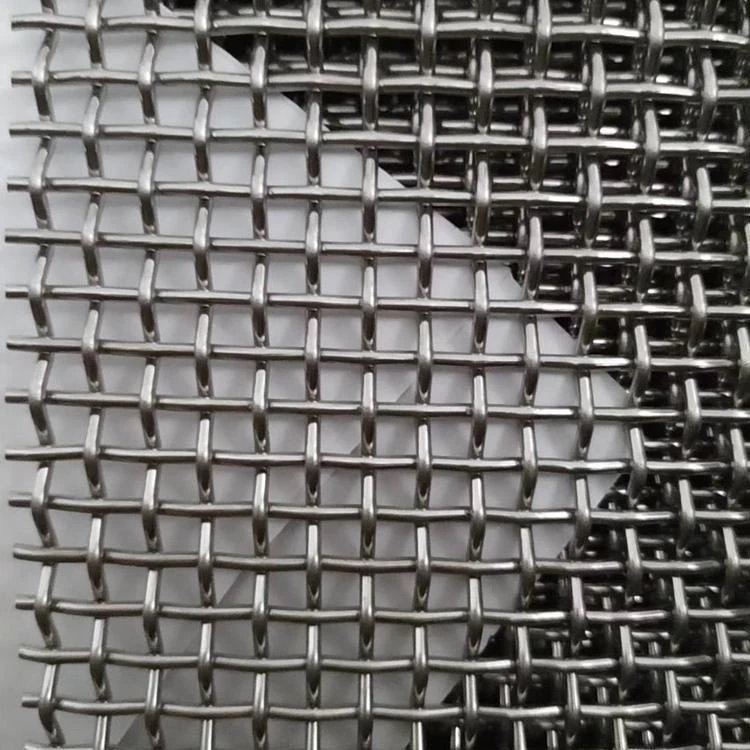
Installing heavy-duty vibrating screens made of thick-gauge woven wire mesh for gold and coal extraction in the South Island.

Brand Story

Global Development Journey of Anping Ansheng Metal Mesh Products Co., Ltd.

Foundational Excellence

Started as a local workshop in Anping, focusing on traditional weaving techniques to solve basic industrial sifting needs.

Technological Pivot

Invested in automated CNC looms, shifting from manual production to high-precision industrial standards.

Global Expansion

Expanded into international markets, establishing a strong presence in Oceania by specializing in corrosion-resistant alloys.

Quality Certification

Achieved ISO and international quality certifications, ensuring every mesh meets the strict safety codes of New Zealand and Australia.

Future-Ready Vision

Now leading the way in sustainable metal fabrics, focusing on reducing the environmental impact of industrial filtration.

Complete Product Portfolio for the New Zealand Market

A comprehensive range of woven solutions for every industrial demand in Oceania.

Common Questions Regarding Wire Mesh in New Zealand

Expert answers to the most frequent technical queries from our local clients.

Which grade of stainless woven wire mesh is best for NZ coastal environments?

For coastal areas like Auckland or Christchurch, we highly recommend Grade 316L stainless steel due to its molybdenum content, which provides superior resistance to chloride corrosion compared to Grade 304.

How does copper woven wire mesh perform in electronic shielding?

Copper mesh offers exceptional electrical conductivity and EMI/RFI shielding capabilities, making it ideal for high-tech manufacturing and telecommunications infrastructure in New Zealand.

Can steel woven wire be customized for heavy mining in the South Island?

Yes, we provide customized weave patterns and thickness options for steel woven wire to handle extreme abrasion and high-impact loads found in mining operations.

What is the lifespan of a stainless steel net in aquaculture?

Depending on the grade and maintenance, a 316L stainless steel net can last significantly longer than galvanized options, often exceeding 10-15 years in marine environments.

How do I choose the correct aperture size for woven wire mesh filtration?

Aperture choice depends on the particle size you need to filter. We provide technical charts and consultation to match the mesh count with your specific fluid or solid separation needs.

Are your products compliant with NZ food safety standards?

Absolutely. Our stainless steel products are manufactured to meet international food-grade standards, ensuring they are non-reactive and easy to sanitize for the NZ dairy and beverage industry.

Get Expert Mesh Consultation

Ready to upgrade your industrial filtration? Our engineers are available to provide custom solutions for businesses across New Zealand.

Contact Us Now
tel email tel top

If you are interested in our products, you can choose to leave your information here, and we will be in touch with you shortly.