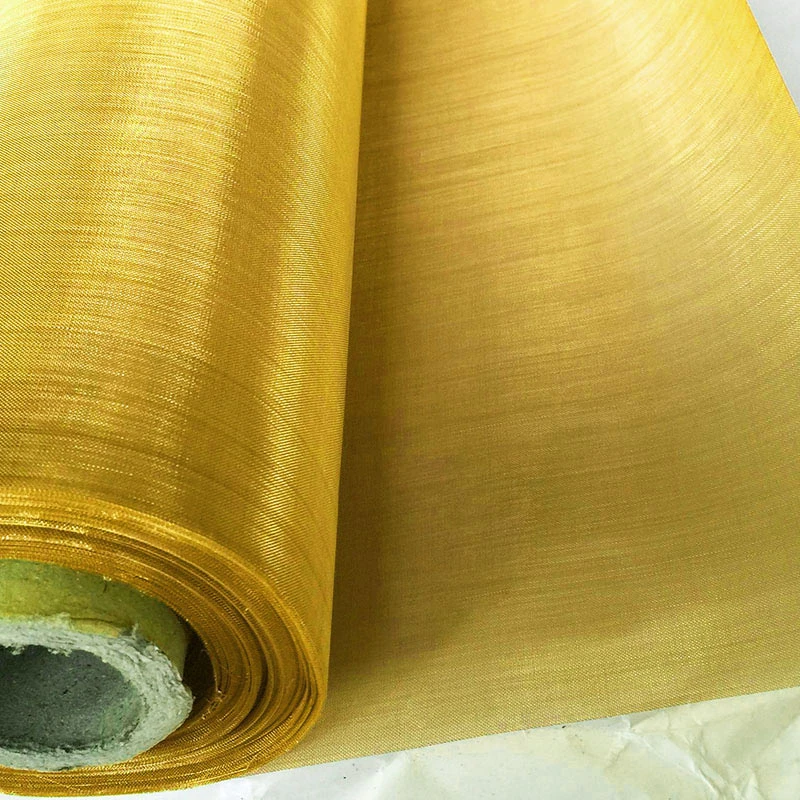
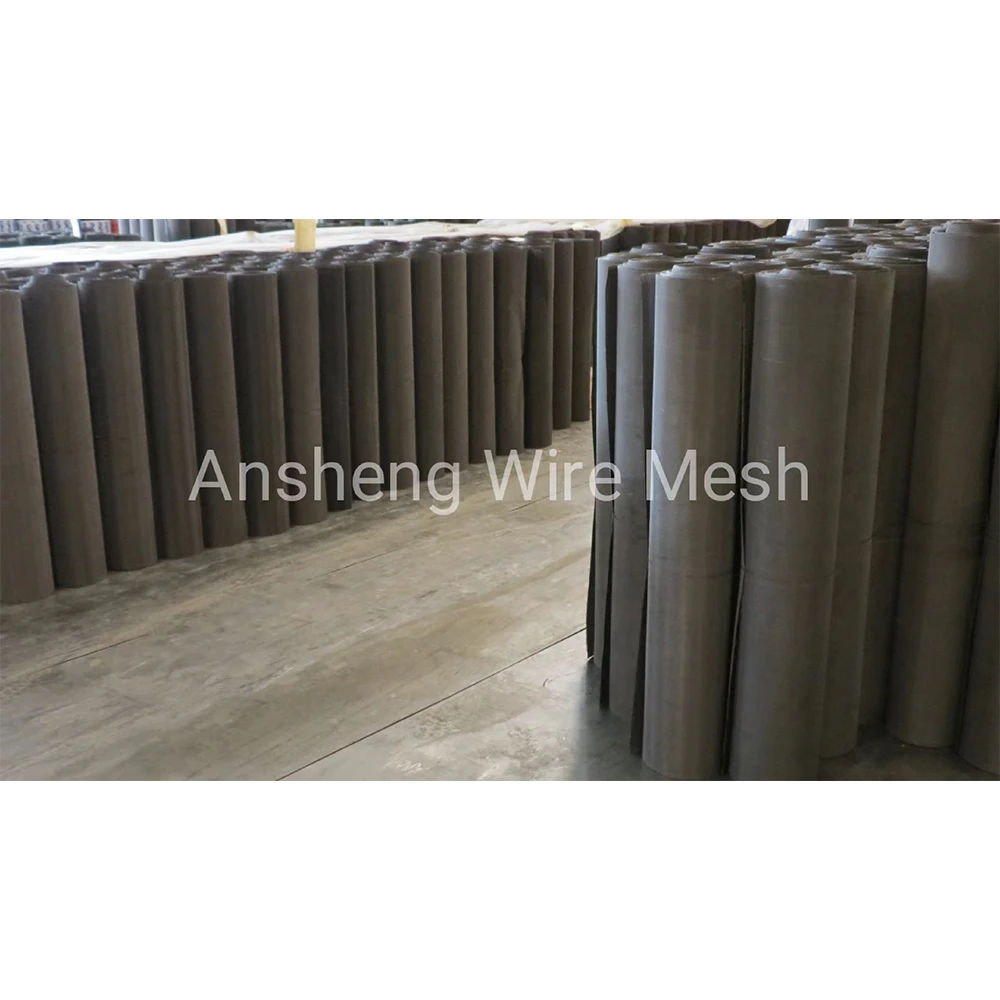
Industrial stainless woven wire mesh Solutions for Turkmenistan

High-precision filtration and screening systems engineered for Turkmenistan's demanding oil, gas, and petrochemical infrastructure.

Industrial stainless woven wire mesh Solutions for Turkmenistan

Providing the most durable and corrosion-resistant industrial mesh solutions tailored for the unique environmental challenges of the Central Asian region.

Market Status of Industrial Mesh in Turkmenistan

Analyzing the current demand for high-performance filtering materials in the Caspian region.

The industrial landscape of Turkmenistan is heavily defined by its massive hydrocarbon reserves. Consequently, there is a critical reliance on woven wire mesh for primary filtration in oil and gas extraction, where extreme temperature fluctuations and saline soil conditions demand superior material stability.

Current market dynamics show a shift from general-purpose materials to specialized stainless steel net components. Local refineries and chemical plants are increasingly upgrading their systems to prevent corrosion and reduce downtime caused by the harsh desert climate and chemical exposure.

Despite the availability of basic screens, there is a notable shortage of high-precision, micro-aperture industrial meshes. This creates a significant opportunity for advanced manufacturing solutions that can withstand the corrosive environment of the Karakum Desert and the Caspian coast.
Evolution of Filtration Technology in Turkmenistan

From basic screening to high-precision alloy weaving.

Market Development History

In the early industrialization phase (1990s-2005), the market relied primarily on basic steel woven wire. These products were sufficient for coarse separation but lacked the longevity required for aggressive chemical processing.

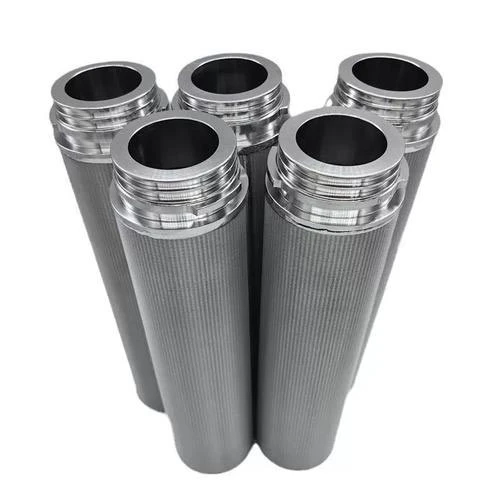
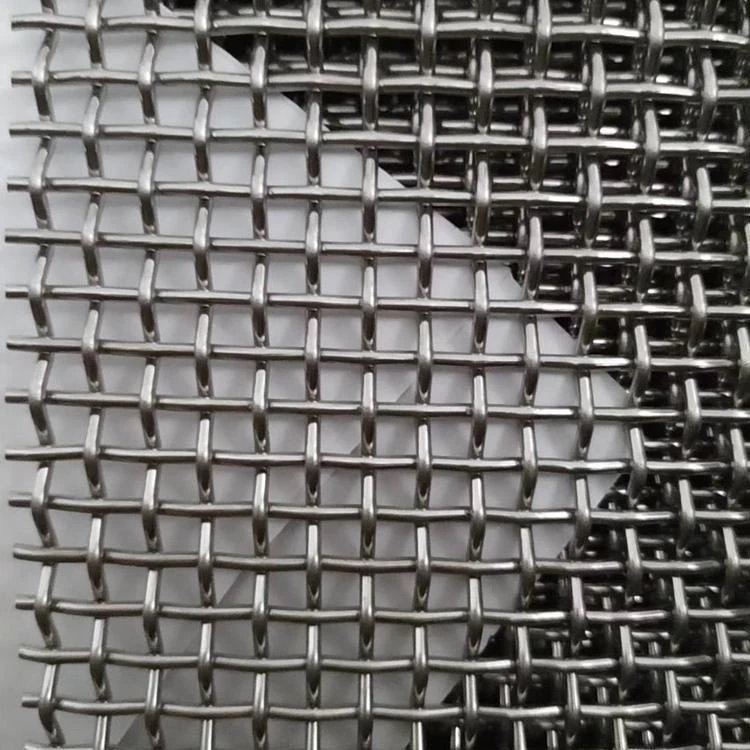
Between 2006 and 2018, the introduction of 304 and 316L stainless steels revolutionized the sector. The adoption of stainless woven wire mesh allowed for finer filtration and significantly reduced the frequency of part replacements in the petrochemical sector.

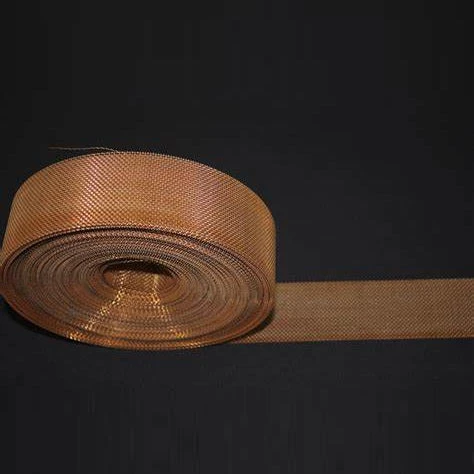
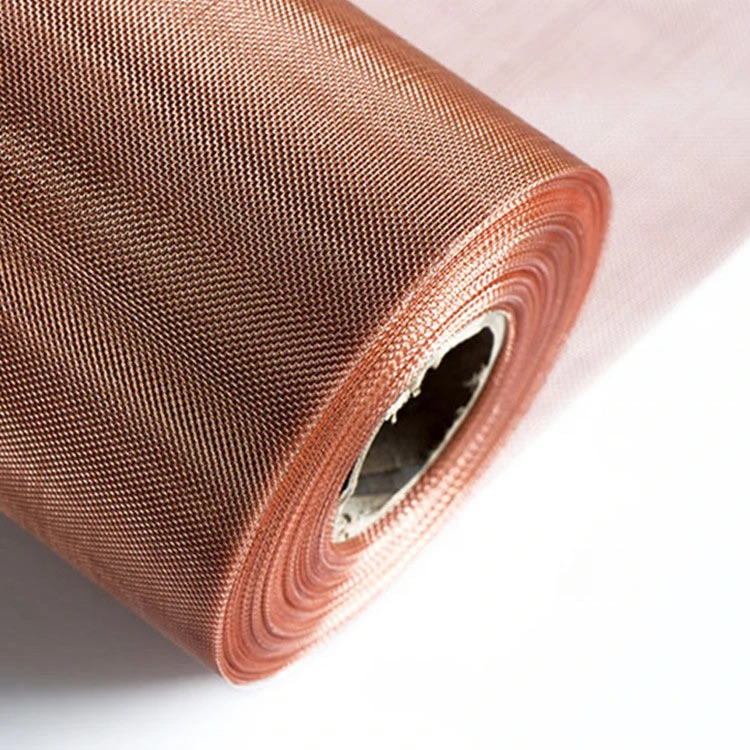
Since 2019, the focus has shifted toward specialized alloys and hybrid materials. The demand for copper woven wire mesh has grown specifically for electrical shielding and specialized thermal applications within the energy sector.

Future Development Trends

Nano-Precision Weaving

The shift toward micron-level filtration to improve the purity of processed gas and lubricants.

Advanced Corrosion Resistance

Implementation of Hastelloy and Inconel weaves to combat high-sulfur environments in gas fields.

Automated Mesh Integration

The integration of smart sensors with industrial mesh to monitor filter clogging in real-time.

Future Trends and Strategic Outlook

Navigating the next 5 years of metal mesh innovation in Central Asia.

Sustainable Materials
Increasing demand for recyclable and long-life alloys to reduce industrial waste in oil fields.
Precision Engineering
Transition to micron-scale weaving for high-purity gas filtration standards.
Corrosion Shielding
Advanced coating technologies to prevent sulfide stress cracking in gas pipelines.
Customized Geometries
Development of complex 3D woven structures for specialized industrial separators.

Industry Outlook

Based on Google search trend logic for the Central Asian energy sector, the demand for "high-temperature filtration" and "corrosion-resistant mesh" is projected to rise by 15% annually. Turkmenistan's investment in gas processing plants will drive the need for higher-grade stainless steel alloys.

We anticipate a transition toward "Smart Filtration," where mesh materials are integrated with sensor technology to predict maintenance cycles, reducing operational risk in remote desert locations.

Localized Application Scenarios in Turkmenistan

Practical implementations of advanced wire mesh across national industries.

1. Natural Gas Purification Plants

Utilizing high-precision stainless woven wire mesh to remove particulate matter from raw gas streams, ensuring turbine safety and purity.

2. Oil Field Desanding Systems

Deploying heavy-duty steel woven wire screens in sand control units to prevent equipment erosion in the Caspian oil fields.

3. Chemical Processing Filtration

Integrating stainless steel net filters in fertilizer production plants to manage caustic liquid flow and solid separation.

4. Electrical Grid Grounding & Shielding

Applying copper woven wire mesh for electromagnetic interference (EMI) shielding in critical energy transmission infrastructure.

5. Water Treatment in Arid Regions

Implementing multi-layered filtration screens for desalination and industrial wastewater treatment to support agricultural sustainability in the desert.

Brand Story

Global Development History of Anping Ansheng Metal Mesh Co., Ltd.

Foundational Expertise

Established in the heart of China's wire mesh capital, focusing on the mastery of traditional weaving techniques for industrial use.

Technological Pivot

Transitioned to high-grade alloy production, solving the pain point of rapid corrosion in high-sulfur industrial environments.

Global Expansion

Expanded operations to Central Asia, tailoring products to the extreme temperature variations of the Turkmenistan region.

Precision Innovation

Invested in automated CNC weaving looms to achieve micron-level accuracy for the global pharmaceutical and energy sectors.

Sustainable Mission

Committed to providing eco-friendly, long-life filtration solutions that reduce industrial waste worldwide.

Comprehensive Mesh Portfolio for Turkmenistan

A full spectrum of industrial filtration and screening materials designed for Central Asian durability.

Industrial Mesh FAQs for Turkmenistan

Technical answers to common questions regarding industrial mesh selection and maintenance.

Which stainless woven wire mesh grade is best for oil and gas in Turkmenistan?

For most applications in Turkmenistan, Grade 316L is recommended due to its superior resistance to chlorides and sulfuric acids commonly found in regional oil and gas deposits.

How does the desert climate affect the lifespan of steel woven wire?

Extreme temperature swings and abrasive sand can accelerate wear. We recommend galvanized or stainless options over standard carbon steel to prevent rapid oxidation.

Can copper woven wire mesh be used for high-temperature filtration?

Copper is primarily used for thermal conductivity and EMI shielding. For high-temperature filtration, stainless steel or nickel alloys are far more suitable.

What is the difference between a stainless steel net and a woven wire mesh?

While often used interchangeably, "net" can refer to various constructions, whereas "woven wire mesh" specifically refers to wires interlaced at right angles for precise aperture control.

How to prevent clogging in industrial woven wire mesh systems?

Implementing a regular back-washing cycle and selecting the correct mesh density based on the particle size distribution of the filtered medium is essential.

Do you provide customized apertures for the Turkmen petrochemical industry?

Yes, we offer fully customized wire diameters and mesh counts to meet specific filtration requirements of petrochemical and refinery plants.

Consult Our Technical Experts

Looking for high-performance industrial mesh in Turkmenistan? Our engineers are ready to help you optimize your filtration system.

Contact Us Now
tel email tel top

If you are interested in our products, you can choose to leave your information here, and we will be in touch with you shortly.