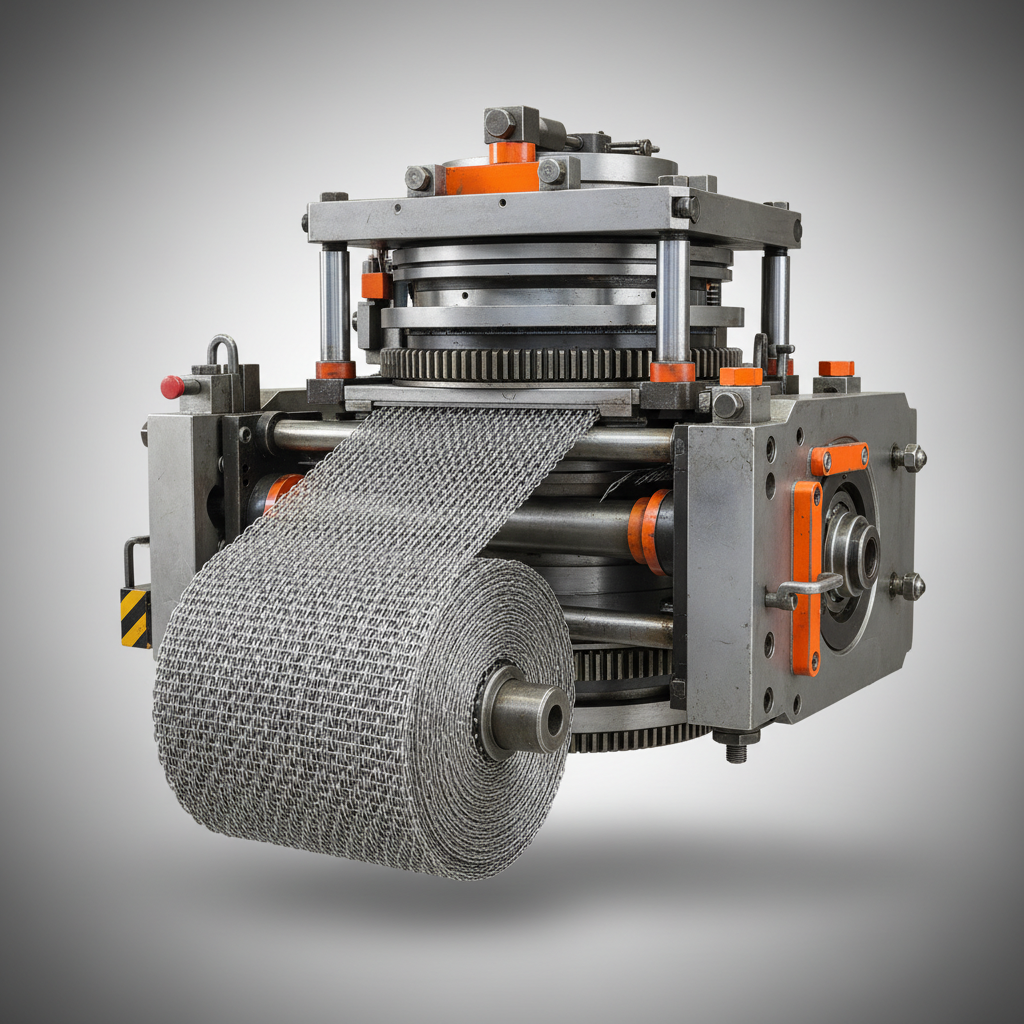
Woven wire fence manufacturers specialize in the production of high-strength perimeter security and containment systems created by interlacing metal wires. These manufacturers employ various weaving techniques, such as plain or twill weaves, to produce meshes that provide structural stability and operational longevity across agricultural, industrial, and residential sectors.
Selecting the right manufacturer is critical because the quality of the wire, the precision of the weave, and the coating applied directly impact the fence's resistance to environmental corrosion and physical impact. Many procurement teams struggle with balancing initial material costs against the long-term maintenance required for low-grade installations.
This guide provides a detailed technical analysis of woven wire fencing, covering material specifications, selection criteria for different industrial applications, and a comparative look at the performance metrics that distinguish top-tier manufacturers from standard suppliers.

1Fundamentals of Woven Wire Fencing

Woven wire fencing is engineered by interlacing vertical and horizontal wires to create a stable grid. Unlike welded mesh, the structural integrity of woven wire depends on the tension and the specific weave pattern, allowing the fence to absorb more impact and flexibility without immediate failure. This makes it ideal for environments where ground movement or physical pressure is expected.
Manufacturers typically offer a range of materials, from galvanized steel to stainless steel and specialized brass meshes. The choice of material is dictated by the chemical environment of the installation site and the required mechanical strength.
Understanding the distinction between different weave types allows engineers to optimize the fence for either transparency, security, or structural support, ensuring the installation meets local safety and operational standards.
2Core Material Properties and Technical Value
High-quality woven wire fences are characterized by their physical properties, including high tensile strength and elasticity. For instance, brass and coated meshes provide a balance of conductivity and corrosion resistance, making them suitable for both architectural decoration and industrial filtration. The ability of the wire to withstand external pressures without permanent deformation is a key indicator of manufacturing quality.
Processing performance is another critical factor. Top manufacturers ensure that their wire can be rolled, stretched, or bent without cracking the protective coating. This flexibility allows for customized shapes and specifications that fit complex site topologies.
Furthermore, the cost-effectiveness of these materials is realized through the reduction of replacement cycles. While premium materials have a higher upfront cost, their resistance to atmospheric and freshwater corrosion ensures a significantly lower total cost of ownership over a ten-year period.
3Industrial Application Scenarios
Woven wire systems are widely deployed in the petrochemical, pharmaceutical, and water treatment industries. In these settings, the mesh often serves as a primary filter element or a protective barrier for sensitive equipment. The precision of the mesh holes ensures that contaminants are filtered while maintaining high flow rates for liquids or gases.
In agricultural and livestock management, the flexibility of woven wire allows it to adapt to uneven terrain, preventing the fence from sagging or breaking under the weight of animals. The toughness of the wire is specifically designed to prevent breach by impact.
For heavy industrial machinery, stainless steel woven wire is preferred due to its ability to operate at high temperatures and resist aggressive chemical solvents, ensuring that the safety perimeter remains intact even in extreme operating conditions.
4Performance Metrics and Quality Benchmarks
Evaluating a manufacturer requires looking at specific performance benchmarks. Key indicators include the uniformity of the mesh holes and the consistency of the wire diameter across the entire roll. Any deviation in these metrics can lead to weak points in the fence, compromising the overall security of the perimeter.
Mechanical properties, such as the breaking strength and elongation percentage, are tested to ensure the fence can handle sudden loads. The chart below compares the performance of standard industry averages against those produced by specialized woven wire fence manufacturers.
woven wire fence manufacturers Performance Metrics
As indicated, specialized manufacturing processes result in higher corrosion resistance and durability. This is achieved through stricter quality control and the use of high-grade raw materials, such as high-purity brass or medical-grade stainless steel.
5Procurement and Selection Best Practices
When sourcing from woven wire fence manufacturers, procurement teams should prioritize a specification-first approach. This involves defining the required mesh size and wire diameter based on the specific threat or filtration requirement. Relying on "standard" sizes often leads to over-engineering (increasing cost) or under-engineering (compromising safety).
Evaluating the manufacturer's R&D capabilities is also essential. Companies that offer customization services can adapt the weave density and material composition to meet unique environmental constraints, such as high-salinity coastal air or extreme thermal cycling.
Finally, consider the lead times and inventory capacity of the supplier. A manufacturer with a diverse stock of standard specifications can provide faster turnaround for urgent repairs, while their custom capabilities handle large-scale project deployments.
6Innovations in Wire Mesh Technology
The industry is moving toward "smart" coatings and hybrid materials. Recent developments include the integration of epoxy coatings that not only prevent corrosion but also provide electrical insulation, which is critical for fences installed near high-voltage power lines or electronic monitoring systems.
Automation in the weaving process has significantly reduced the occurrence of "skipped" wires or uneven tension. This precision manufacturing ensures that every square meter of the fence possesses the same mechanical strength, eliminating the variable failure points found in older, manual production methods.
Sustainability is also becoming a factor, with manufacturers implementing closed-loop recycling for scrap wire and adopting low-emission galvanizing baths to reduce the environmental footprint of the production facility.
7Comparative Analysis of Fencing Options
Choosing between different mesh types requires a trade-off analysis between cost, durability, and functionality. For instance, while stainless steel offers the best longevity, galvanized iron is more cost-effective for temporary or low-risk installations.
The following table compares common material options provided by leading manufacturers to assist in the decision-making process based on environmental and budget constraints.
| Material Type | Primary Strength | Environment Fit | Relative Cost |
|---|---|---|---|
| High Strength | General Outdoor | Moderate | |
| Max Corrosion Resistance | Chemical/Marine | High | |
| Aesthetics/Conductivity | Decoration/Filtering | Moderate | |
| Insulation/Protection | Industrial/Humid | Moderate | |
| Precision/Heat Resistance | Technical Labs | Very High | |
| Basic Containment | Dry/Internal | Low |
Ultimately, the selection should be based on the expected lifecycle of the project. For critical infrastructure, the higher investment in stainless steel or specialized coatings is justified by the avoidance of costly downtime and maintenance.
Frequently Asked Questions
Conclusion
Investing in a high-quality system from experienced woven wire fence manufacturers ensures a balance of structural integrity, longevity, and cost-efficiency. By understanding the technical nuances of material selection—such as the trade-offs between galvanized steel and stainless steel—and the importance of weave patterns, procurement teams can significantly reduce long-term operational risks and maintenance costs.
Whether for industrial filtration, agricultural containment, or architectural design, the right fencing solution depends on precise specifications and manufacturer expertise. For those evaluating suitable solutions and technical specifications, further detailed product information is available at www.anshengmetalmesh.com.