In demanding industrial environments—from polymer filtration to petrochemical processing—operational failure is rarely an option. The challenge often lies not in the machinery itself, but in the durability and precision of the filtration media supporting it. Selecting the incorrect specification can lead to rapid corrosion, flow rate bottlenecks, or compromised product purity. Navigating the complexities of weave types, alloy grades, and mesh counts requires a partner who understands the nuance of filtration science.
Anping County Ansheng Wire Meshes Product Co., Ltd. bridges the gap between raw manufacturing power and engineered precision. With over 20 years of development experience, we move beyond simple fabrication to offer integrated R&D and design solutions. Whether your project requires the corrosion resistance of 316L stainless steel or the specific ductility of low-carbon steel, our global export pedigree—serving markets from the United States to Germany—ensures that every roll of steel woven wire mesh meets rigorous international standards. We help you transition from frequent replacements to long-term reliability.
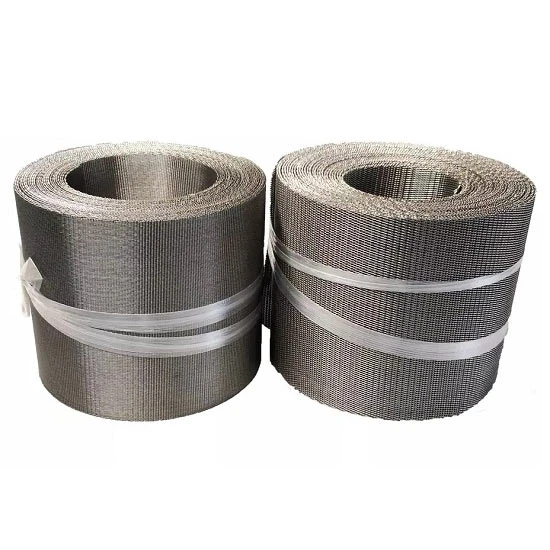
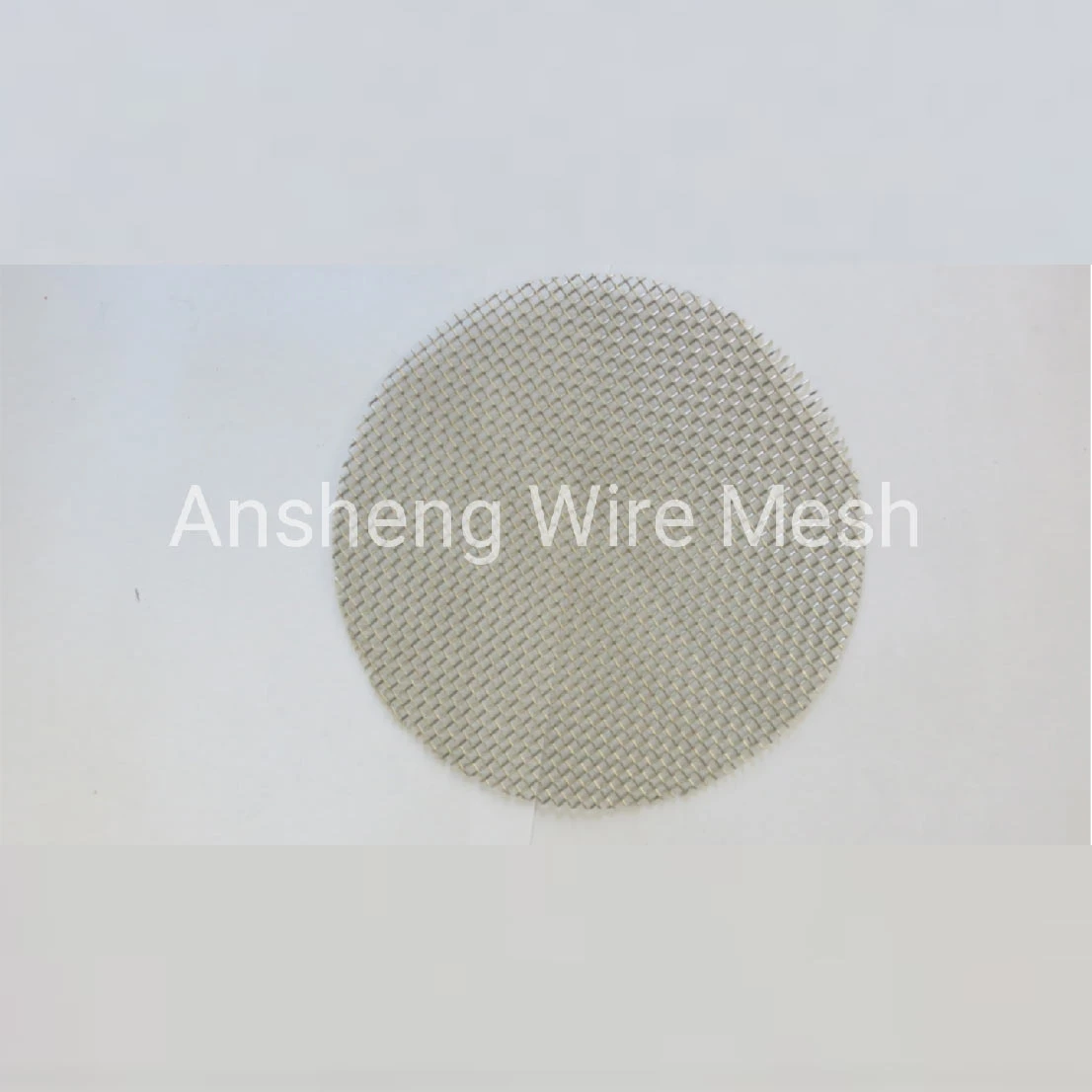
Precision is the currency of modern manufacturing. To support applications such as hydraulic filtration and extruder screens, the geometrical consistency of the wire mesh is paramount. We leverage advanced production and testing equipment to ensure that our steel woven wire mesh maintains structural integrity even under high-pressure conditions found in oil and gas support layers.
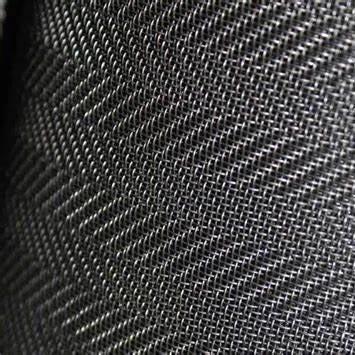
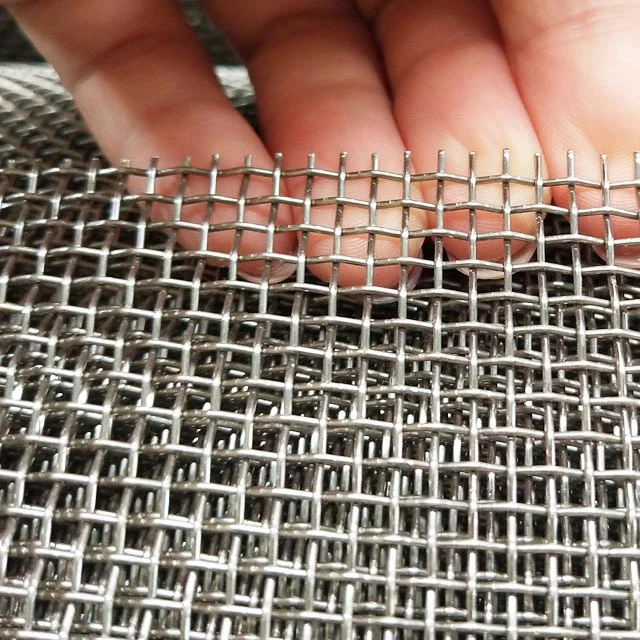
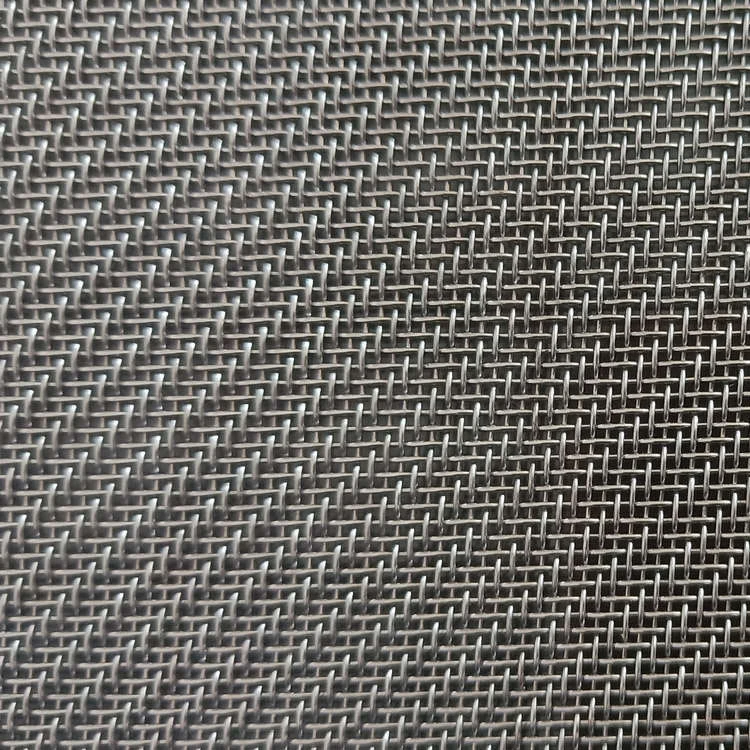
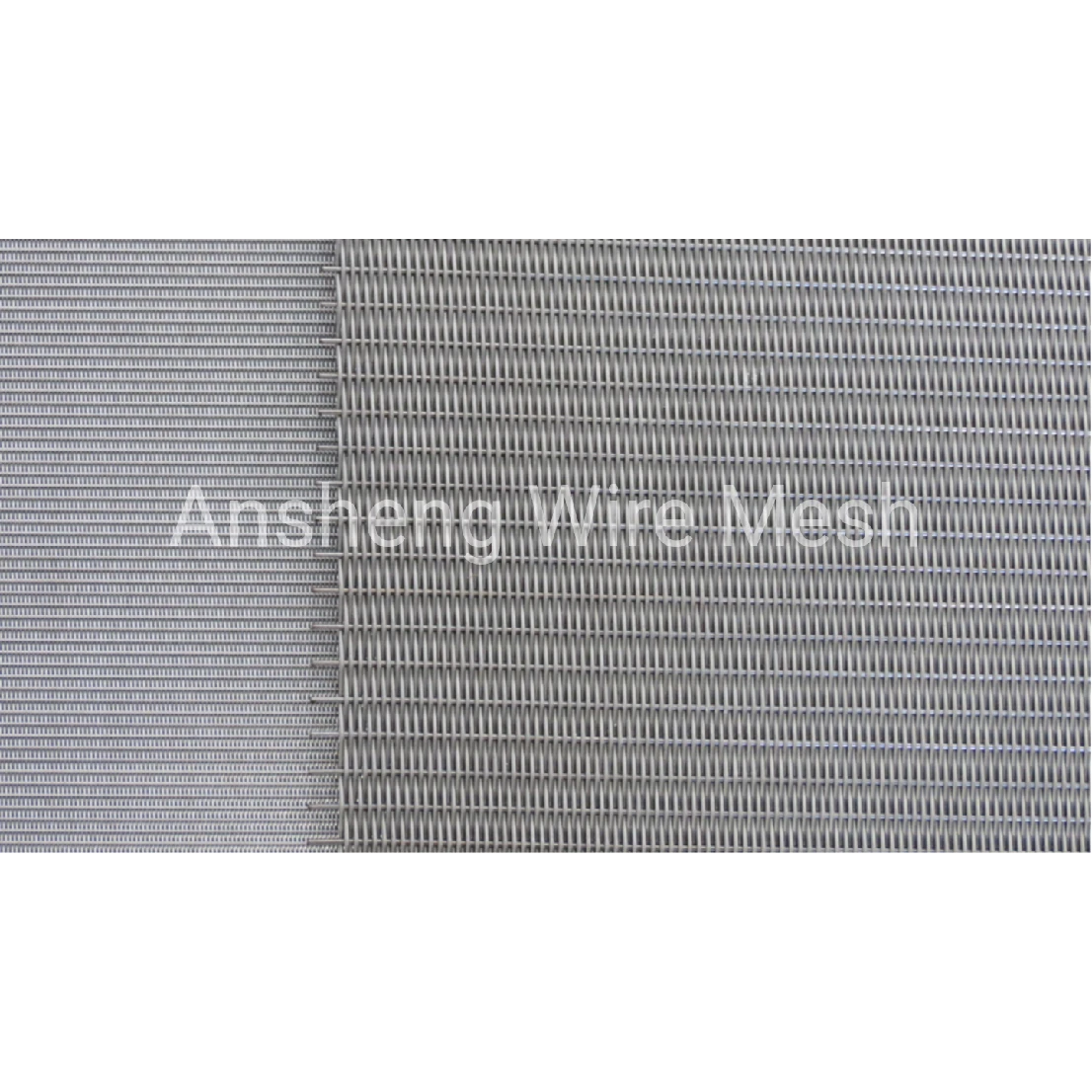
Our manufacturing process covers a vast spectrum of specifications, ranging from ultra-fine 635 mesh for micro-filtration to robust Dutch weaves for heavy-duty screening. The table below outlines how our technical benchmarks translate into tangible operational advantages for your facility.
| Performance Metric | Industry Significance | Our Engineering Standard | Advantage |
|---|---|---|---|
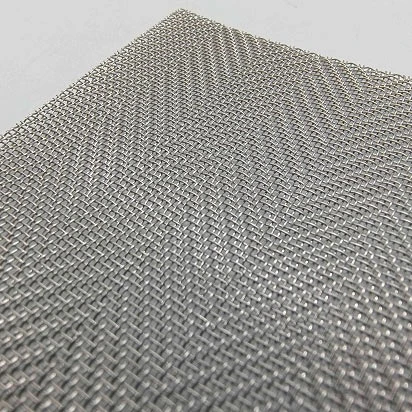
| Weave Complexity & Stability | Determines flow rate and particle retention capabilities under pressure. | Diverse Weave Portfolio: Plain, Twill, Herringbone, Dutch, and Reverse Dutch (up to 260x40 mesh). | Optimized filtration specifically for plastic recycling and polymer extrusion, reducing screen changes. |
| Material Composition | Dictates resistance to chemical corrosion and thermal stress. | Certified Grades: Stainless Steel (304, 316, 316L), Low-Carbon Steel, and Phosphor Bronze. | Extended service life in aggressive chemical or high-humidity environments. |
| Dimensional Precision | Ensures consistent aperture size for uniform product quality. | High-Precision Looming: Strict scientific QC from 1 mesh down to micron-level 635 mesh. | Guarantees zero-defect filtration layers for critical hydraulic and air filter support. |
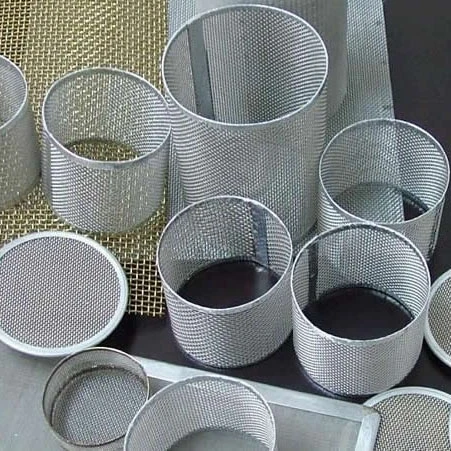
| Customization Capability | Standard sizes often fail to fit specialized machinery. | R&D Integration: Customization of special specifications and mesh sheets. | Seamless integration into existing machinery (US, German, or Brazilian standards). |
Procurement is often driven by initial unit cost, but the true value of industrial filtration is measured in Lifecycle Cost (LCC). Inferior mesh leads to frequent downtime, increased labor for screen changes, and potential damage to downstream equipment. By investing in premium steel woven wire mesh, organizations capitalize on "Value Engineering"—where the longevity of the material significantly outweighs the initial investment.
Our position as a "Plastic recycling filtration expert" and a trusted partner for global markets (including Australia and Poland) validates our commitment to quality. The data suggests that utilizing high-grade, strictly controlled wire mesh can extend maintenance intervals by substantial margins compared to generic market alternatives.
Related products
Top Selling Products