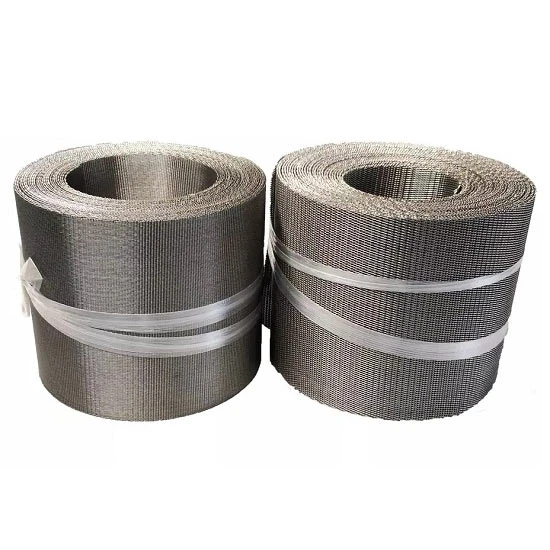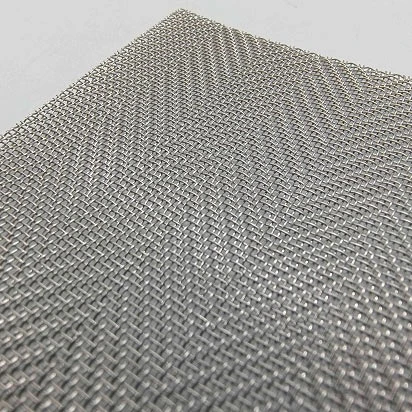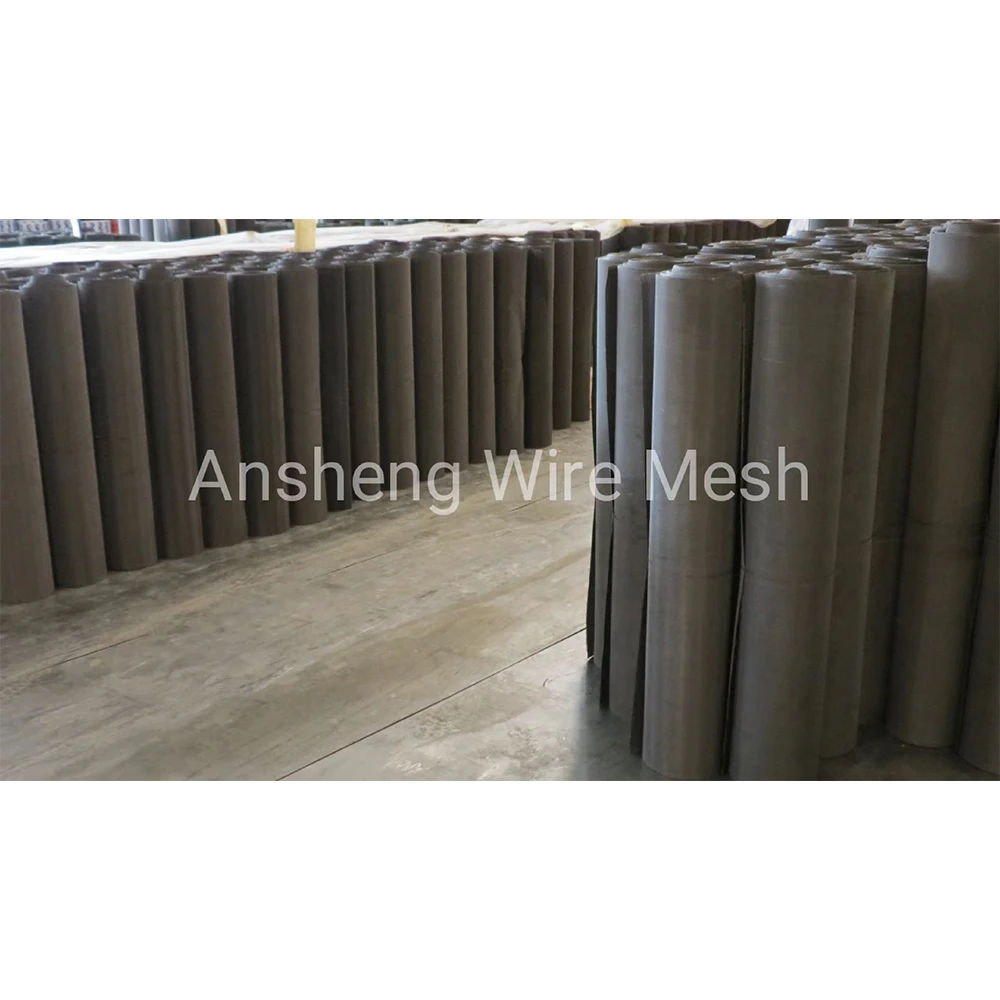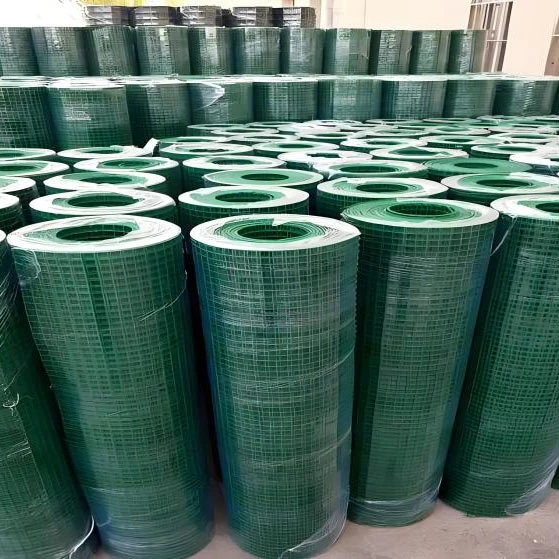
Navigating the complexities of perimeter protection requires a deep understanding of structural integrity and application-specific requirements. Whether you are securing a high-traffic industrial zone or a vast agricultural perimeter, the debate between Welded Wire vs Field Fence Security Fencing often comes down to the balance between rigid security and flexible durability. Many project managers face the challenge of selecting a mesh that prevents intrusion without exceeding budgetary constraints or sacrificing the longevity of the installation.
Anping County Ansheng Wire Meshes Product Co., Ltd. addresses these challenges by leveraging over 20 years of development in the metal mesh industry. As a modern enterprise integrating R & D, design, and production, we utilize advanced production and testing equipment to ensure every roll of fencing meets global rigorous standards. Our experience in exporting to high-demand markets like the United States, Germany, and Australia allows us to provide expert guidance on which configuration serves your specific security posture most effectively.
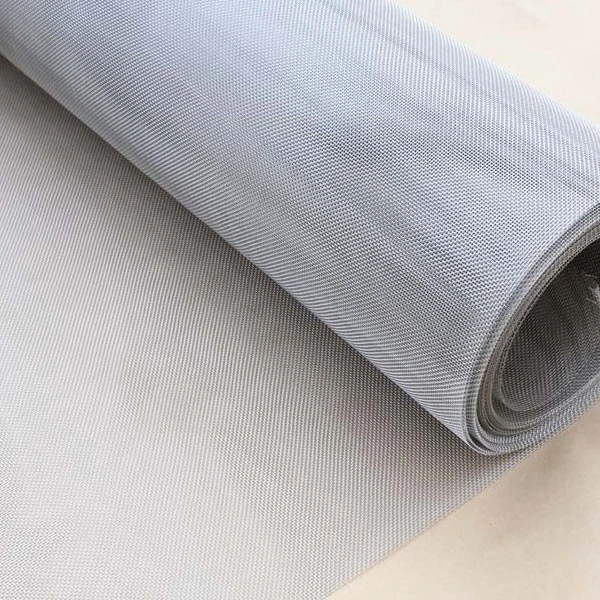
The technical distinction between these two fencing types lies in their construction and mechanical response to stress. Welded wire offers a rigid, non-deformable surface ideal for high-security zones, while field fencing (often featuring hinge-joint or fixed-knot designs) provides the elasticity needed for uneven terrain and livestock containment. Below are the engineering benchmarks maintained at our specialized production facility.
| Performance Metric | Industry Significance | Our Engineering Standard | Advantage |
|---|---|---|---|
| Joint Integrity | Determines resistance to manual tampering or impact. | High-frequency fusion welding for 100% bond strength. | Prevents mesh unraveling under focused pressure. |
| Material Composition | Dictates corrosion resistance and tensile strength. | Low-carbon steel or 304/316 Stainless Steel options. | Extends service life in harsh coastal or industrial climates. |
| Mesh Precision | Ensures uniformity for security cameras and sensors. | Automated weaving and welding with CNC accuracy. | Eliminates weak points and structural sagging. |
| Environmental Adaptability | Ability to withstand thermal expansion and ground shifts. | Customizable weave patterns (Plain/Twill/Dutch). | Maintains structural tension over decades of use. |
Investing in security infrastructure is a long-term strategic decision where the "total cost of ownership" outweighs the initial purchase price. When evaluating Welded Wire vs Field Fence Security Fencing, decision-makers must consider maintenance cycles, replacement frequency, and the protection of high-value assets. Ansheng’s commitment to scientific management and strict quality control systems ensures that our products provide a superior return on investment by minimizing physical degradation.
Our global presence in markets like New Zealand and Brazil has proven that utilizing high-grade materials—ranging from specialized nickel alloys to reinforced low-carbon steel—drastically reduces the need for repairs. By choosing a solution engineered with advanced testing equipment, you are not just buying a fence; you are securing a 20-year asset that maintains its protective capabilities against both environmental and human threats.
Related products
Top Selling Products