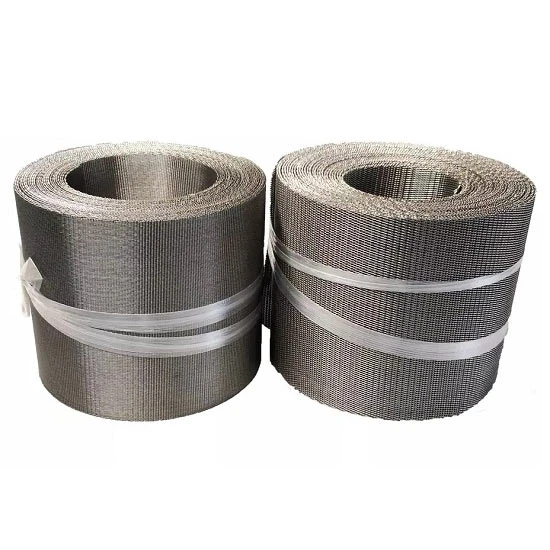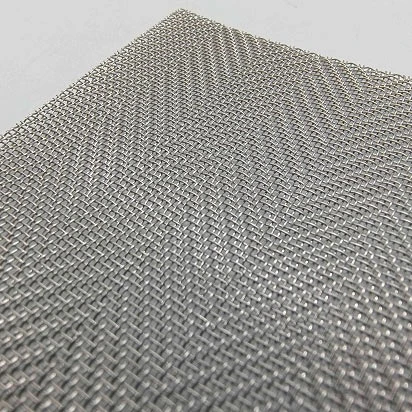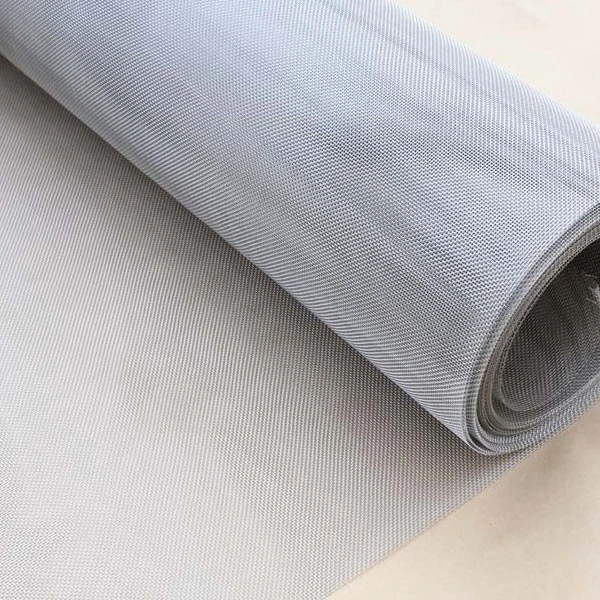
Selecting the optimal mesh for industrial projects often boils down to a critical dilemma: the structural rigidity of resistance-welded joints versus the flexible resilience of interlaced wires. When your project demands a specific balance of tensile integrity and aperture precision, understanding the Welded Wire vs. Woven Wire: Strength & Application Comparison becomes the deciding factor in operational longevity. Many engineers struggle with premature mesh failure due to improper selection in high-vibration or high-load environments.
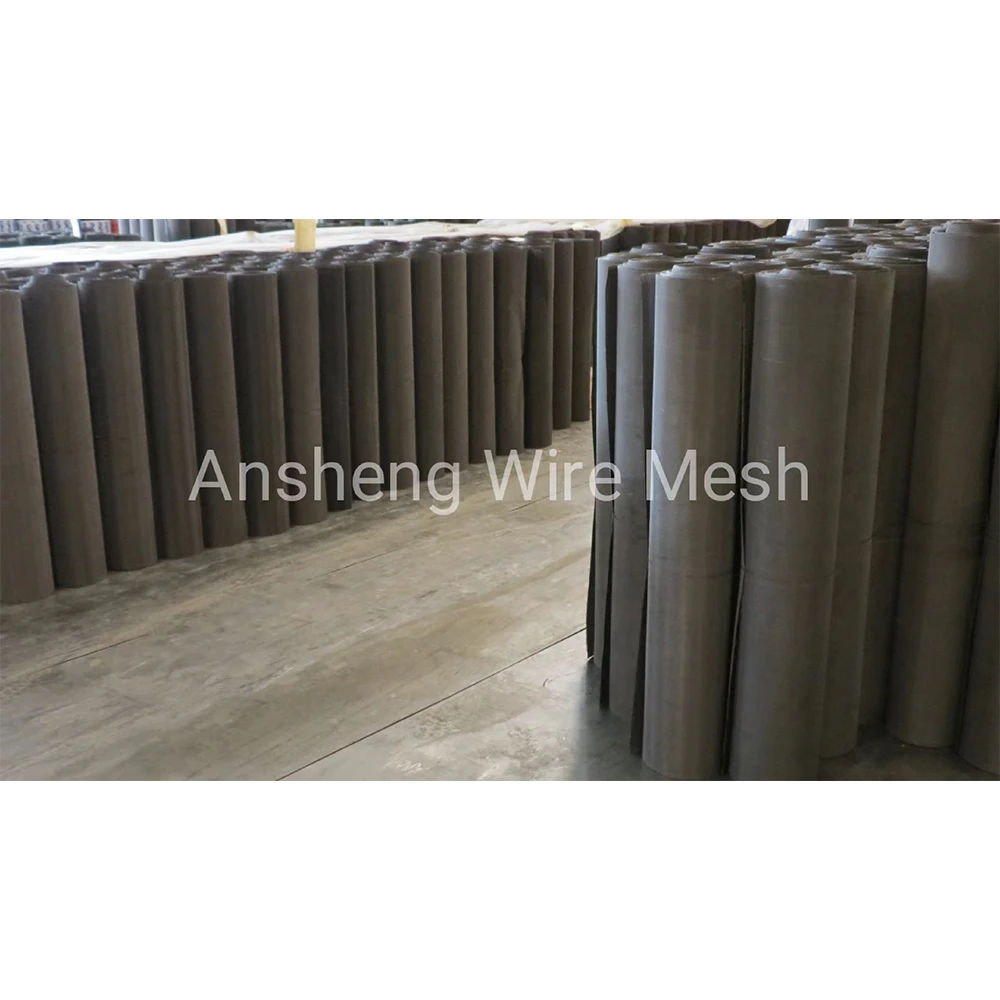
Anping County Ansheng Wire Meshes Product Co., Ltd. addresses these technical challenges by leveraging over 20 years of manufacturing expertise. As a modern enterprise integrating R&D and advanced testing equipment, we provide the empirical data necessary to navigate this comparison. Whether you require the fixed-grid stability of welded mesh for security or the high-precision filtration (up to 635 mesh) found in our woven variants, our global supply chain—serving the United States, Germany, and Australia—ensures your material selection is backed by scientific management and ISO-standard quality control.
To make an informed procurement decision, it is essential to evaluate how different manufacturing processes influence the physical properties of the mesh. Below is a technical breakdown of how our production standards influence the Welded Wire vs. Woven Wire: Strength & Application Comparison.
| Performance Metric | Industry Significance | Our Engineering Standard | Advantage |
|---|---|---|---|
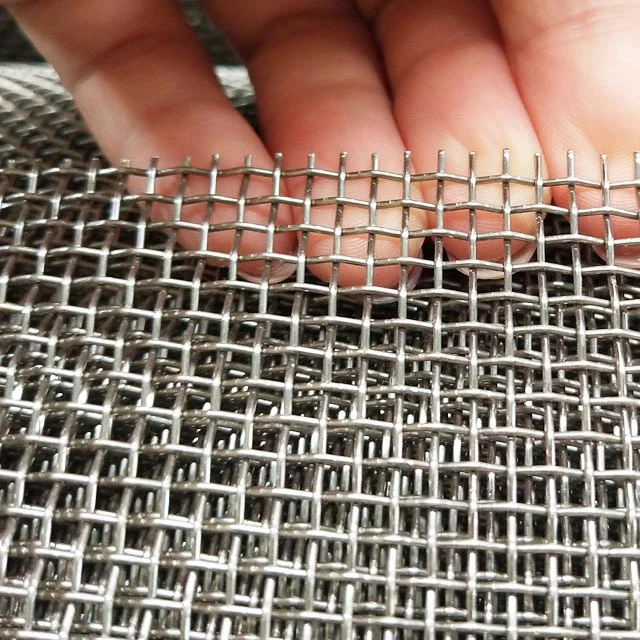
| Structural Integrity | Determines load-bearing capacity and shape retention. | Welded: T-welded resistance joints; Woven: Mechanical interlocking. | Welded offers fixed apertures; Woven allows for dynamic tension. |
| Material Versatility | Ensures chemical and thermal resistance. | SS 304, 316, 316L, Nickel, and Copper alloys. | Customizable alloy selection for corrosive environments. |
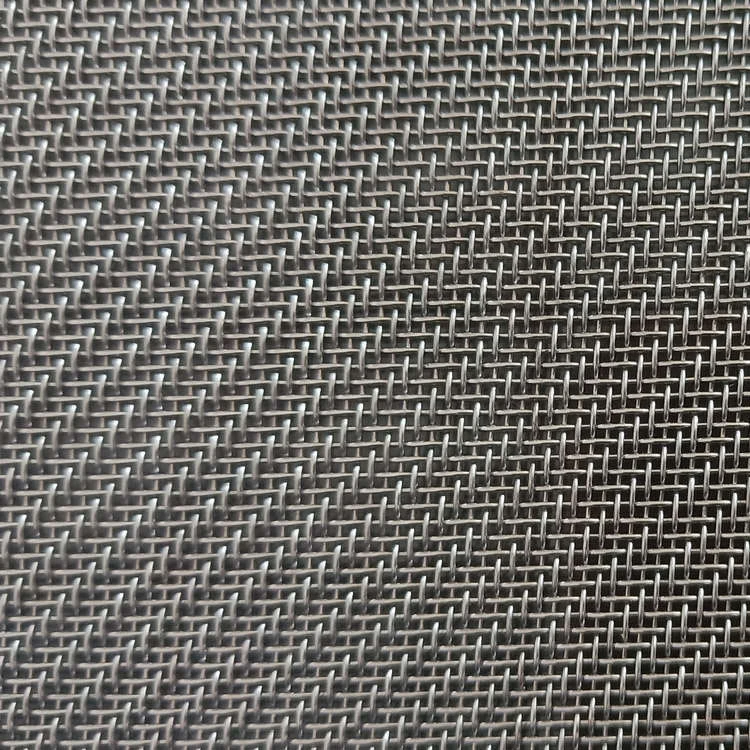
| Filtration Precision | Critical for fine particle separation. | Ultra-fine woven mesh up to 635 mesh. | Superior accuracy for high-density filtration tasks. |
| Dimensional Stability | Impacts installation and framing. | Advanced straightening and tension-leveling equipment. | Eliminates internal stress, ensuring flat, easy-to-install panels. |
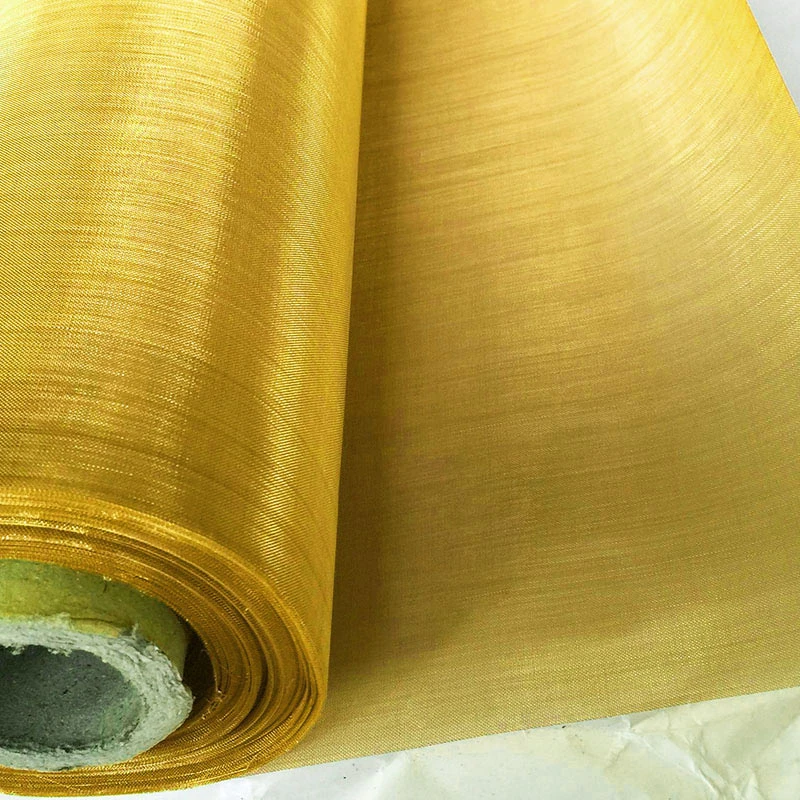
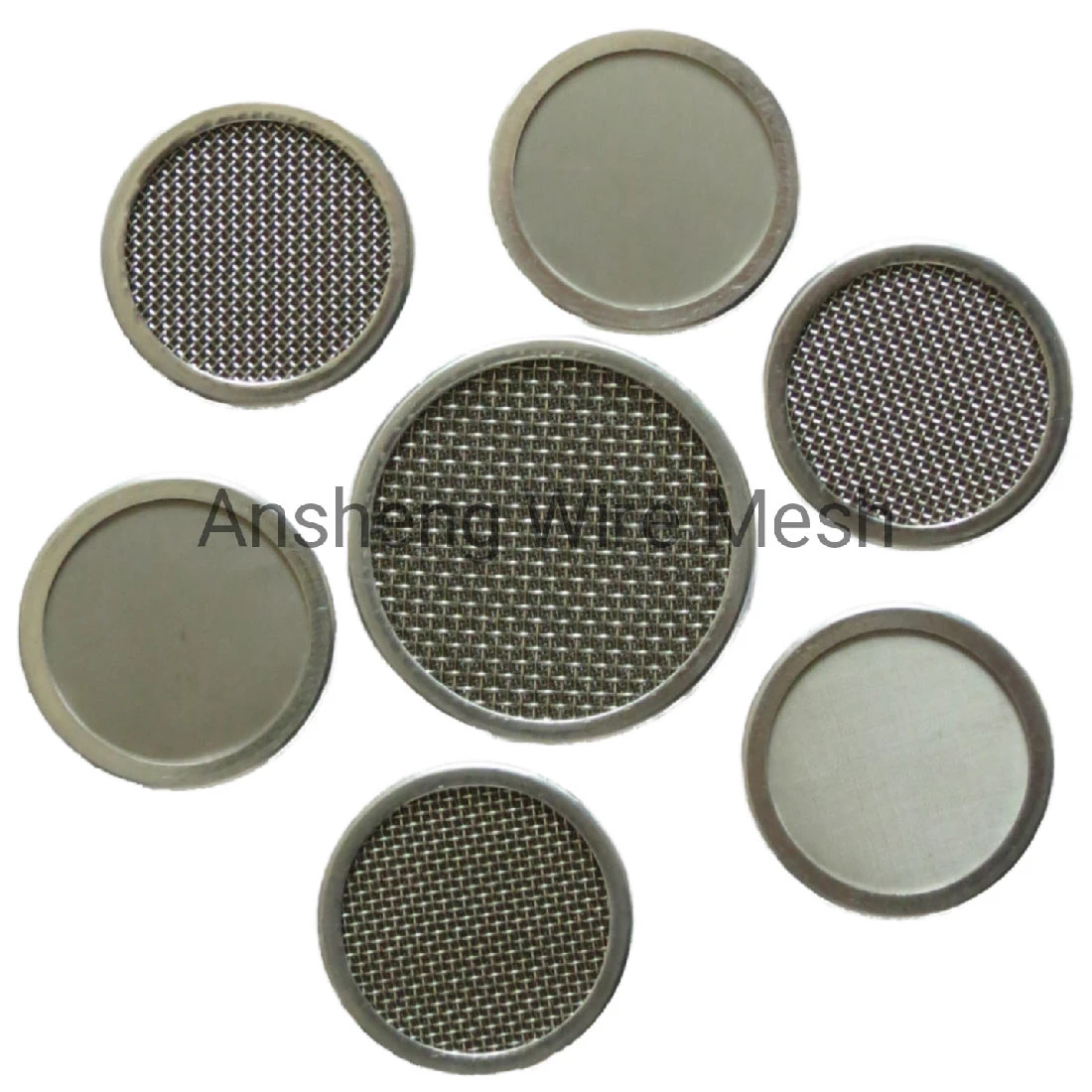
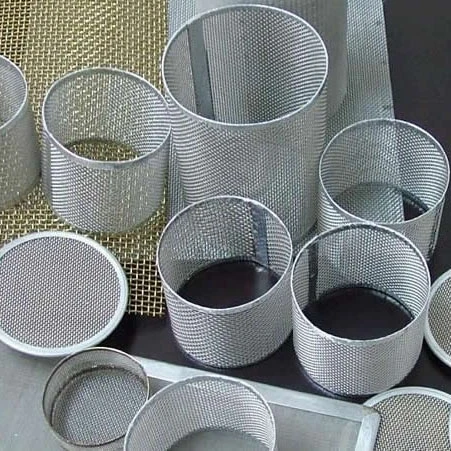
Our factory utilizes advanced production and testing equipment to ensure that every roll of mesh—whether it be plain, twill, or dutch weave—meets the exact tolerances required for global industrial applications.
From a strategic procurement perspective, the Welded Wire vs. Woven Wire: Strength & Application Comparison is not just about material cost, but about the Total Cost of Ownership (TCO). Woven wire mesh, with its ability to adapt to complex shapes and its high-precision capabilities, often provides a higher ROI in filtration and decorative sectors. Conversely, welded wire mesh excels in cost-efficiency for large-scale structural reinforcement and perimeter security.
By partnering with Ansheng, you gain access to a legacy of 20+ years of service experience. Our ability to customize materials (from low-carbon steel to premium 316L stainless steel) means we engineer solutions that reduce maintenance intervals and prevent premature replacement. This strategic alignment of material property to application stress is what defines our global reputation.
Related products
Top Selling Products