In the complex landscape of industrial filtration and screening, identifying a material that balances ductility, wear resistance, and precise conductivity is a significant challenge for procurement managers and engineers. Selecting the wrong alloy often leads to rapid oxidation, frequent downtime, and compromised separation quality in polymer and petrochemical processing. The decision process must go beyond simple specifications to prioritize manufacturers who understand the metallurgical nuance required for high-stakes environments.
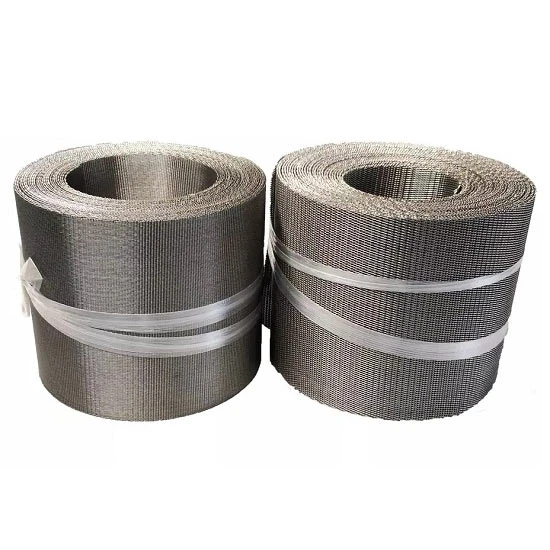
Anping County Ansheng Wire Meshes Product Co., Ltd. addresses these specific pain points by leveraging over 20 years of specialized development experience. By integrating R&D with advanced production capabilities, we deliver brass woven wire mesh solutions that meet strict global standards. Our expertise is not just in weaving but in providing a strategic support layer for hydraulic and air filters, ensuring that clients in the US, Germany, and Brazil receive products optimized for longevity and performance. Whether you require specific non-magnetic properties or custom geometric specifications, our approach is designed to transform your filtration challenges into operational assets.
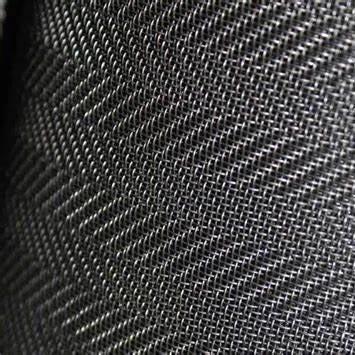
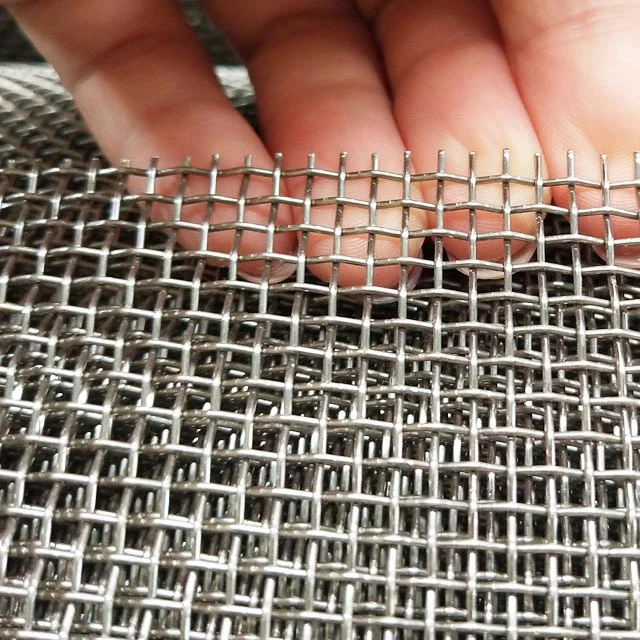
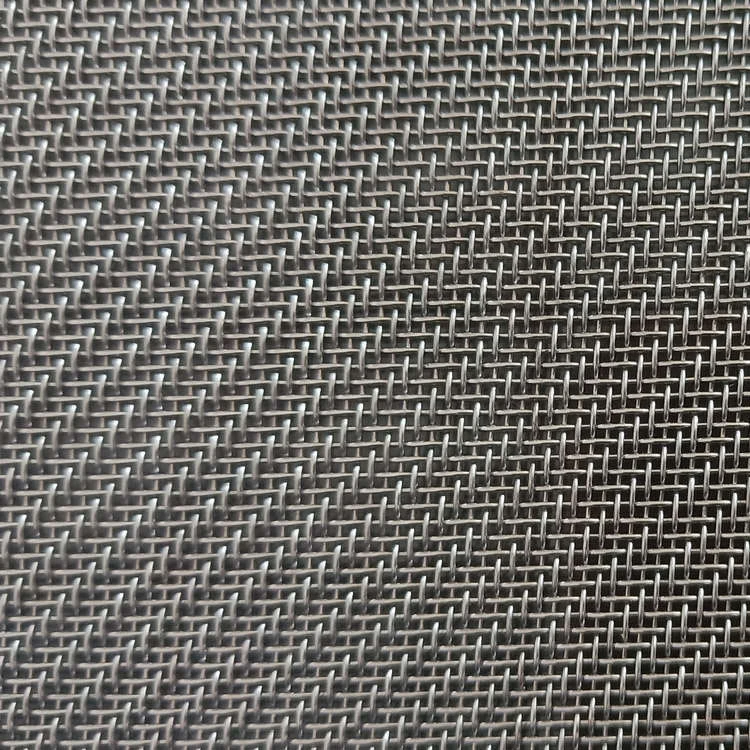
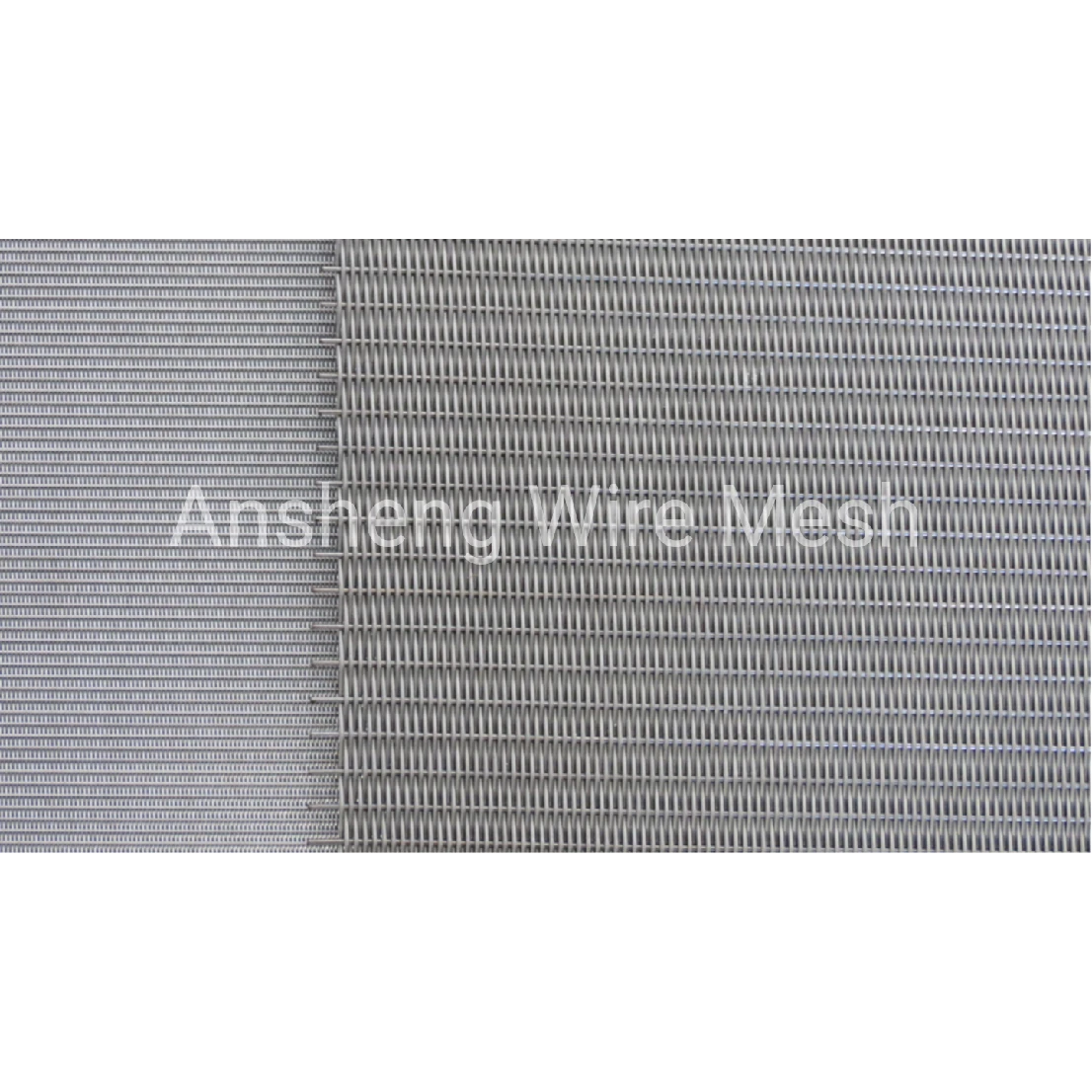
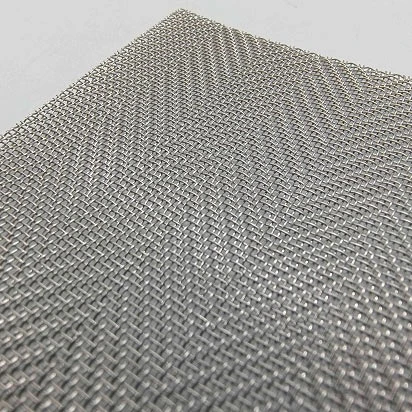
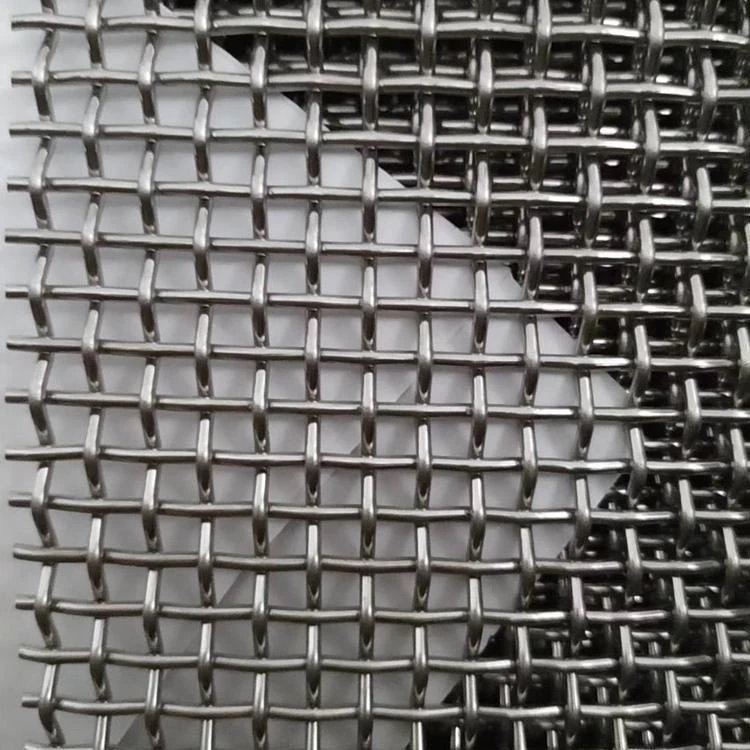
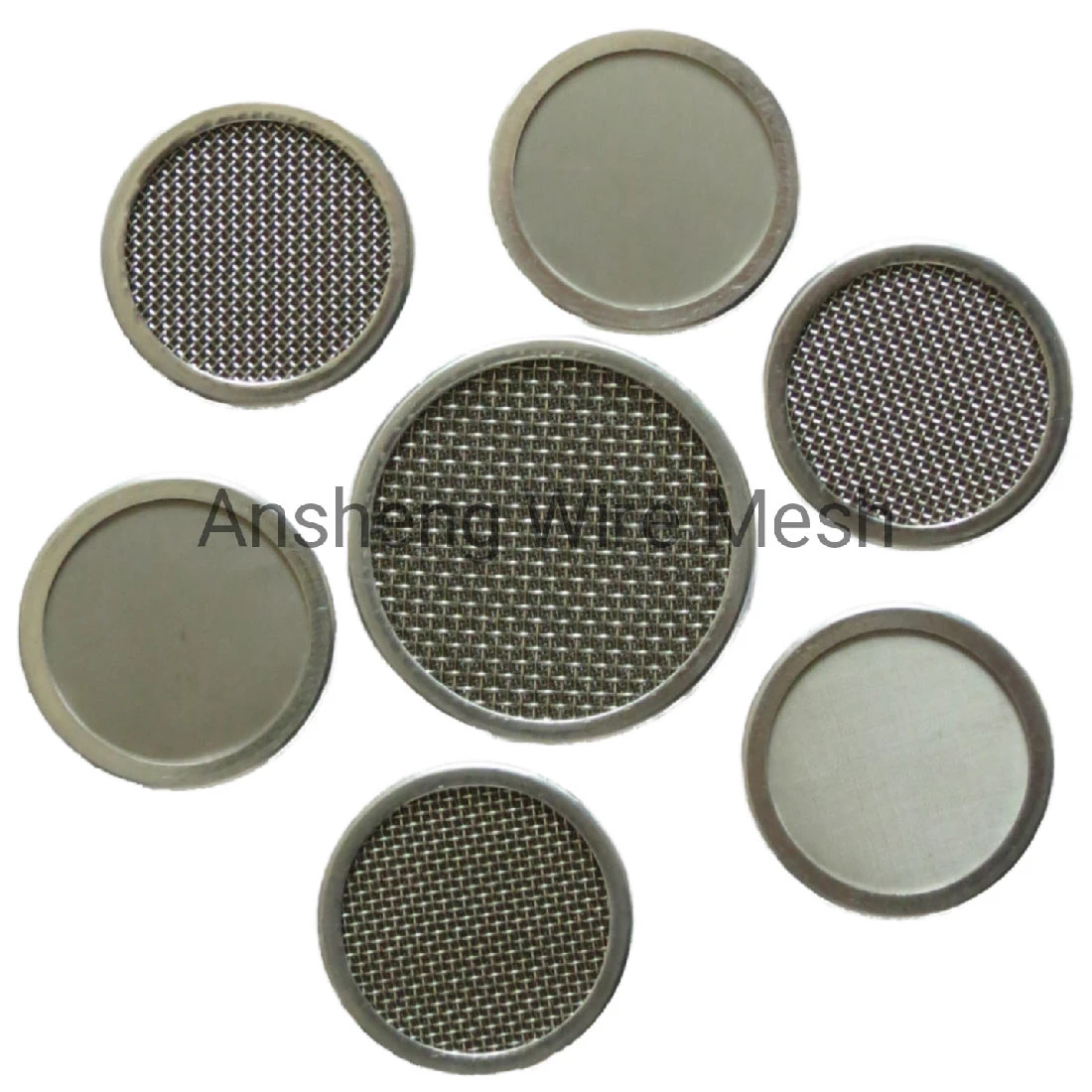
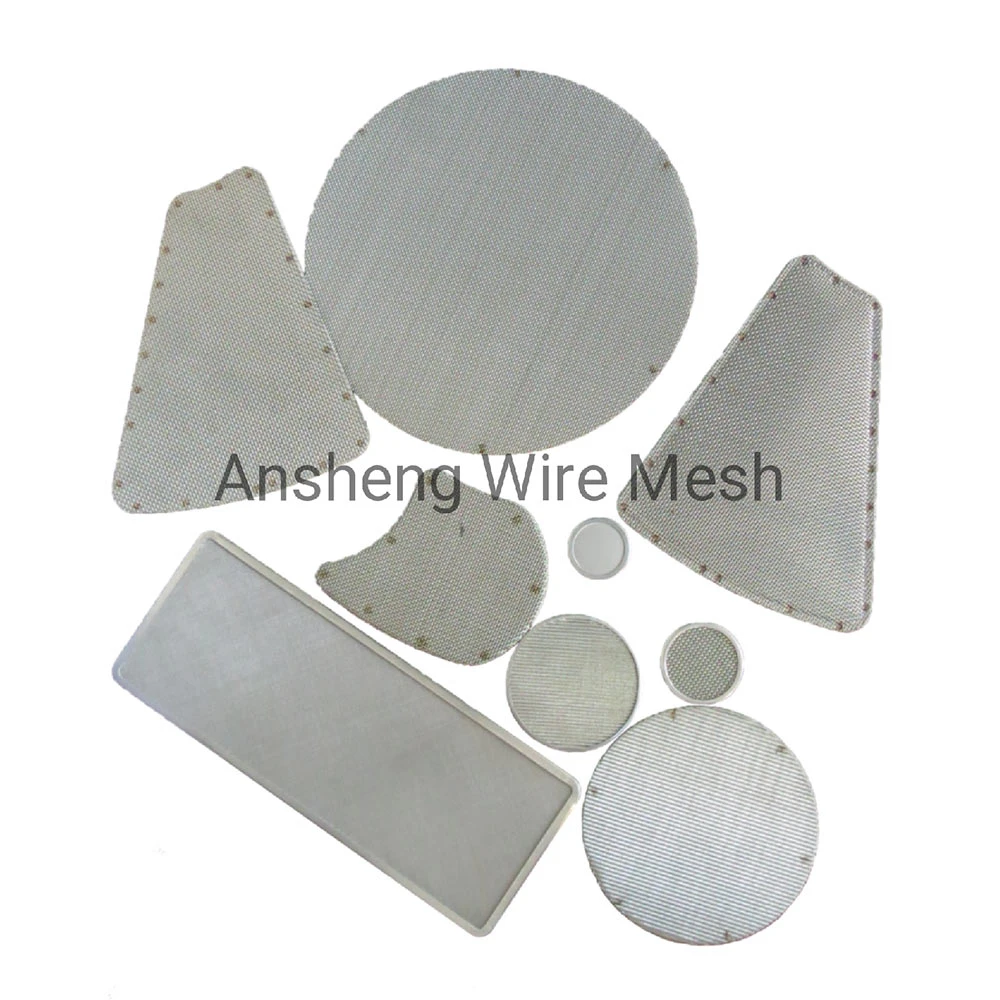
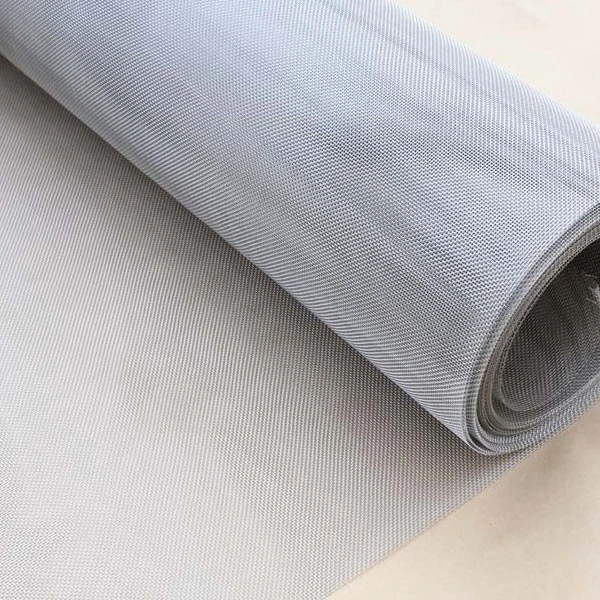
Precision in metal mesh manufacturing is defined by strict scientific management and the caliber of testing equipment utilized. For copper-based alloys, including high-grade brass and phosphor bronze variants, the uniformity of the weave and the chemical stability of the material are paramount. We utilize advanced looms capable of executing complex weave patterns—from Plain to Reverse Dutch—ensuring that every square inch of mesh performs consistently under pressure.
Our technical protocols allow us to produce meshes ranging from 2 to 300 mesh for copper-based lines, accommodating specific alloy requirements like QSn6.5-0.1 and QSn6.5-0.4. Below is a breakdown of how our engineering benchmarks for brass woven wire mesh and related copper alloys compare to standard market offerings.
| Performance Metric | Industry Significance | Our Engineering Standard | Advantage |
|---|---|---|---|
| Mesh Range Capability | Determines filtration precision flexibility. | 2 mesh to 300 mesh (Ultra-fine capabilities). | Supports diverse applications from coarse sieving to fine polymer filtration. |
| Material Composition | Ensures corrosion resistance and ductility. | Strict adherence to QSn6.5-0.1 / QSn6.5-0.4 standards. | Superior wear resistance and good ductility compared to generic alloys. |
| Magnetic Permeability | Crucial for electronics and sensitive filters. | Certified Non-Magnetic properties. | Prevents interference in sensitive electronic and navigational equipment. |
| Weave Diversity | Impacts flow rate and structural stability. | Plain, Twill, Herringbone, Dutch, Reverse Dutch. | Customized flow dynamics tailored to specific hydraulic or air filtration needs. |
True value engineering in filtration does not come from minimizing the initial purchase price, but from extending the lifecycle of the consumable and protecting downstream machinery. Utilizing high-quality brass woven wire mesh—engineered for specific ductility and wear resistance—significantly reduces the frequency of maintenance shutdowns. As a recognized plastic recycling filtration expert and partner for extruder screens, our products are designed to withstand the rigors of the petrochemical and metallurgy industries, directly translating to higher operational uptime.
By exporting to demanding markets such as the United States, Germany, and Australia, we have refined our production to deliver a higher return on investment. The durability of our non-magnetic, wear-resistant mesh means fewer replacements and consistent product purity. The chart below illustrates the projected operational efficiency gains when switching to premium-grade wire mesh solutions compared to standard market alternatives over a standard production cycle.
Related products
Top Selling Products