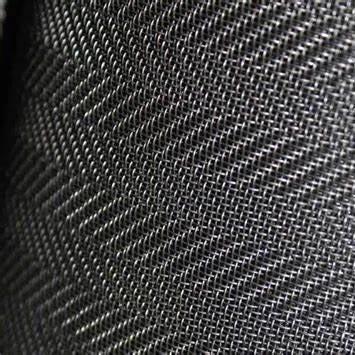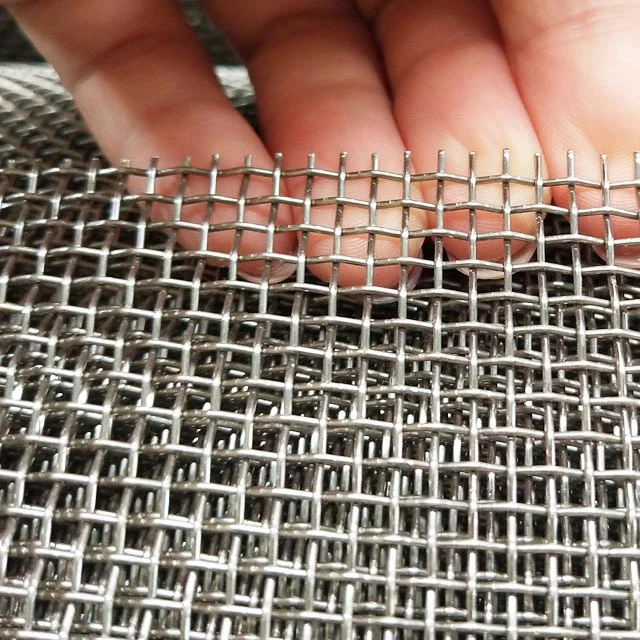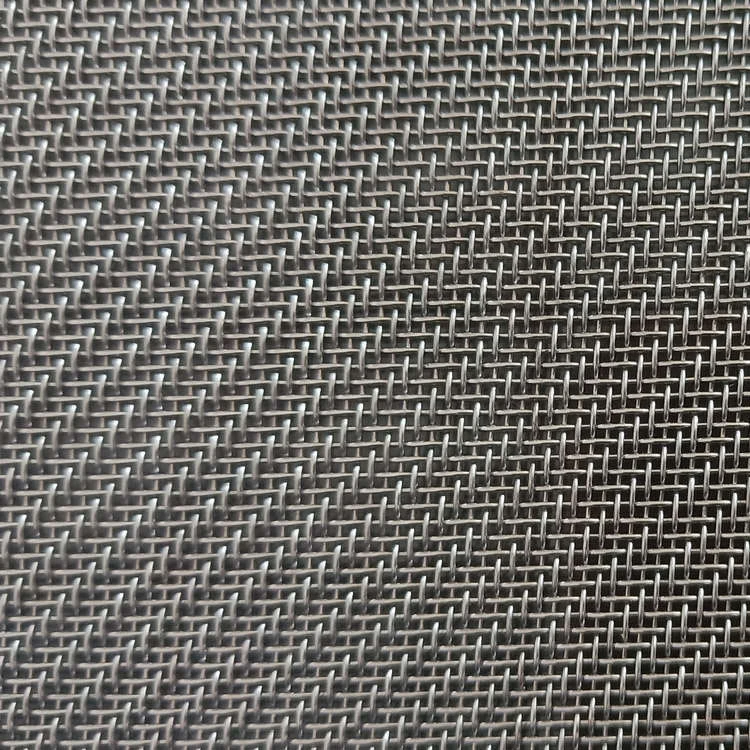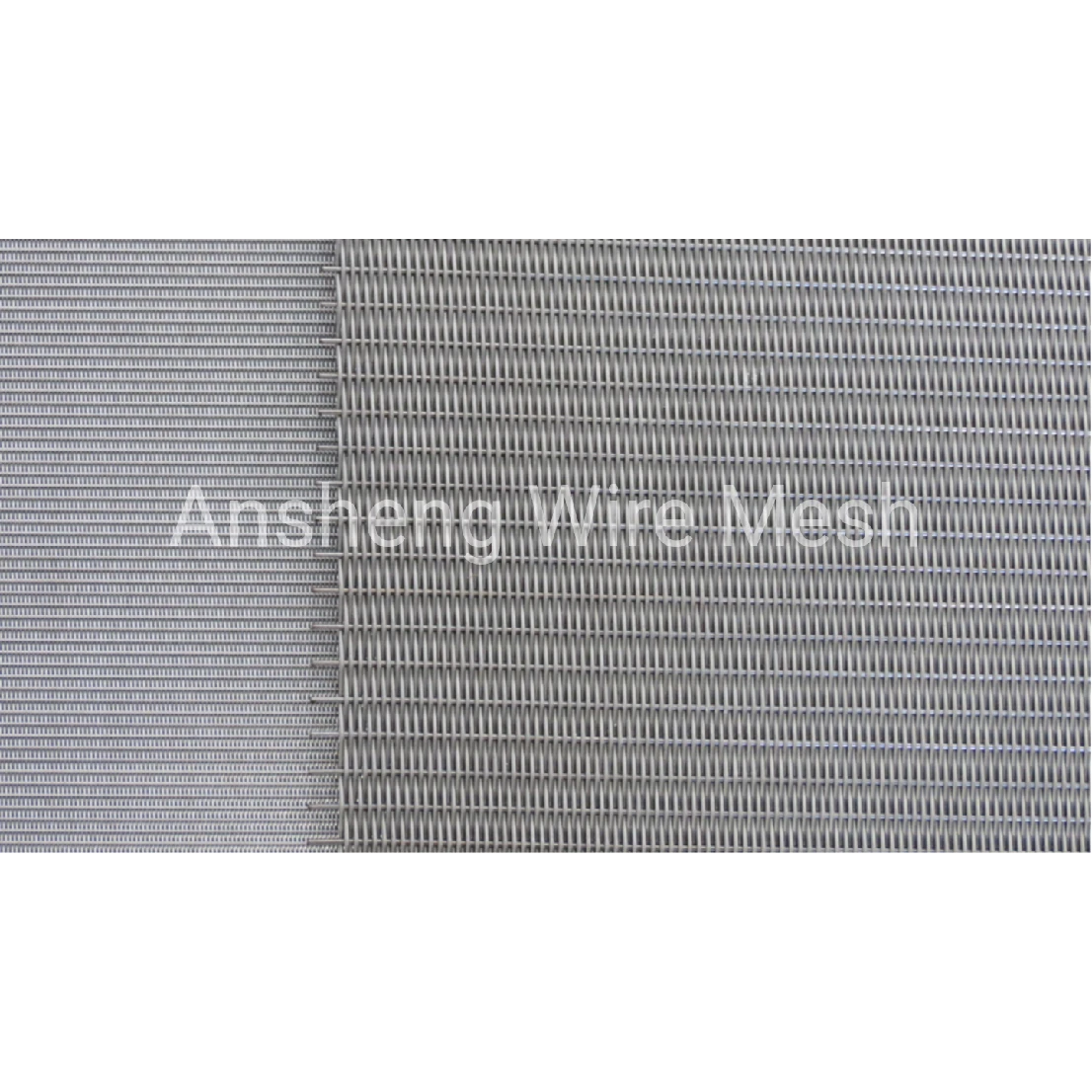
Securing facility perimeters or defining industrial boundaries often presents a critical dilemma: how to balance structural rigidity with environmental resilience. For project managers and procurement officers, the failure of a containment system due to corrosion or poor tensile strength can lead to significant safety liabilities and replacement costs. The challenge lies not just in buying a fence, but in investing in a boundary solution that withstands the elements.
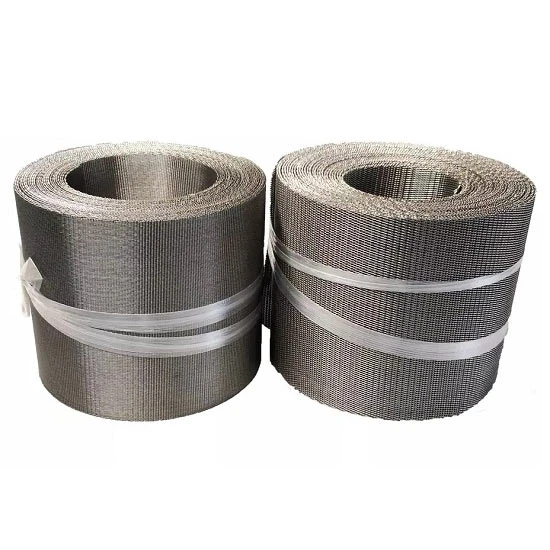
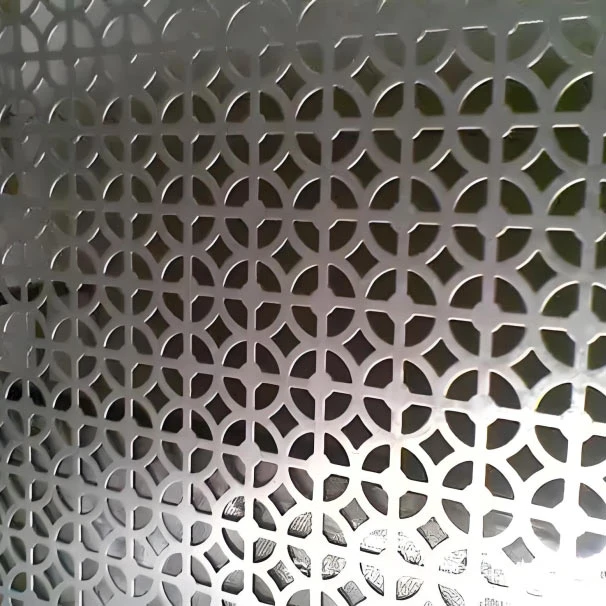
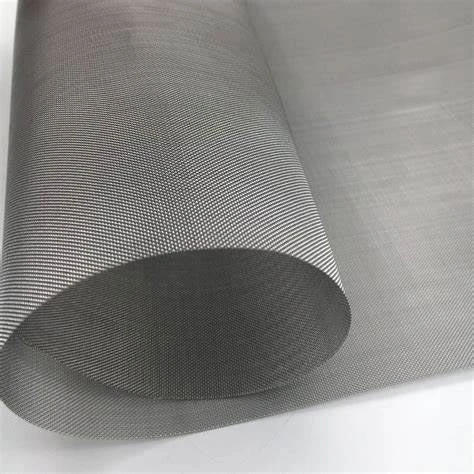
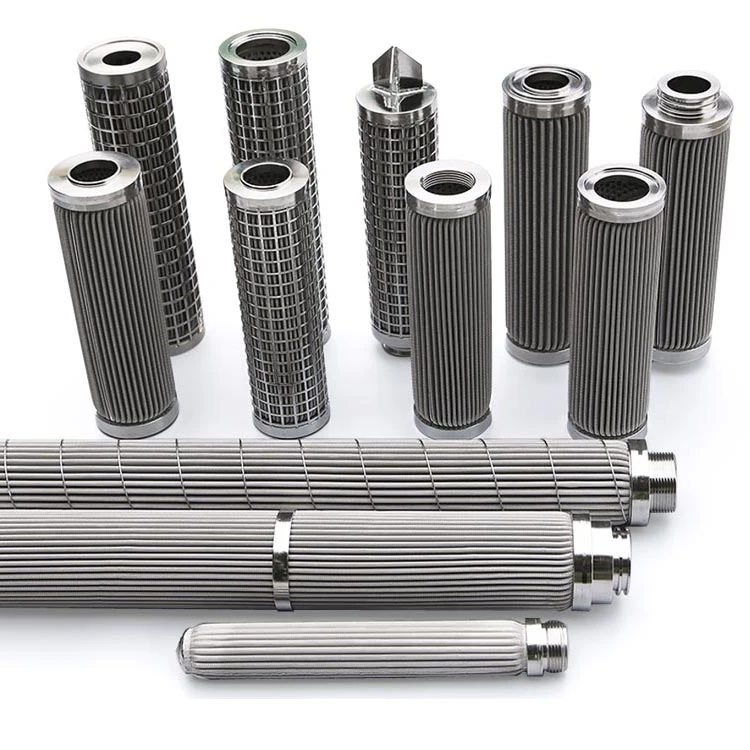
Anping County Ansheng Wire Meshes Product Co., Ltd. addresses this challenge by leveraging over 20 years of expertise in metal metallurgy and weaving technologies. While many suppliers offer generic solutions, we integrate strict scientific management with advanced production capabilities to deliver metal wire mesh fence systems (guardrail mesh) designed for longevity.
Whether your project requires the robust nature of low-carbon steel or the superior corrosion resistance of Stainless Steel (304/316L) for coastal regions, our approach focuses on material integrity. By exporting to demanding markets like the United States, Germany, and Australia, we have refined our manufacturing processes to ensure that every mesh panel provides the necessary "support layer" for your facility's security infrastructure.
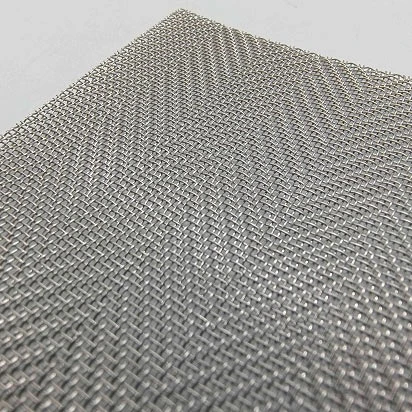
In the realm of industrial protection, the difference between a temporary barrier and a permanent asset lies in the engineering specifications. At Ansheng, we do not view a metal wire mesh fence as a simple commodity; we view it as an engineered assembly of precision-drawn wires. Our production lines, backed by advanced testing equipment, allow us to control parameters ranging from wire ductility to mesh aperture consistency.
We utilize specific materials such as Low-carbon steel for standard guardrails and high-grade Stainless Steel for specialized applications, ensuring our products meet global export standards. Below is a breakdown of how our technical benchmarks translate to performance:
| Performance Metric | Industry Significance | Our Engineering Standard | Advantage |
|---|---|---|---|
| Material Composition | Determines rust resistance and tensile strength. | Premium Low-Carbon Steel & SS 304/316L | Superior ductility and weather resistance compared to standard iron alloys. |
| Structural Consistency | Prevents weak points and structural failure under impact. | Advanced Automated Weaving/Welding | Uniform mesh apertures ensuring consistent load distribution across the fence. |
| Quality Assurance | Ensures compliance with safety regulations. | Strict Scientific Management & In-house Testing | Zero-defect tolerance ensuring every exported panel meets ISO-level expectations. |
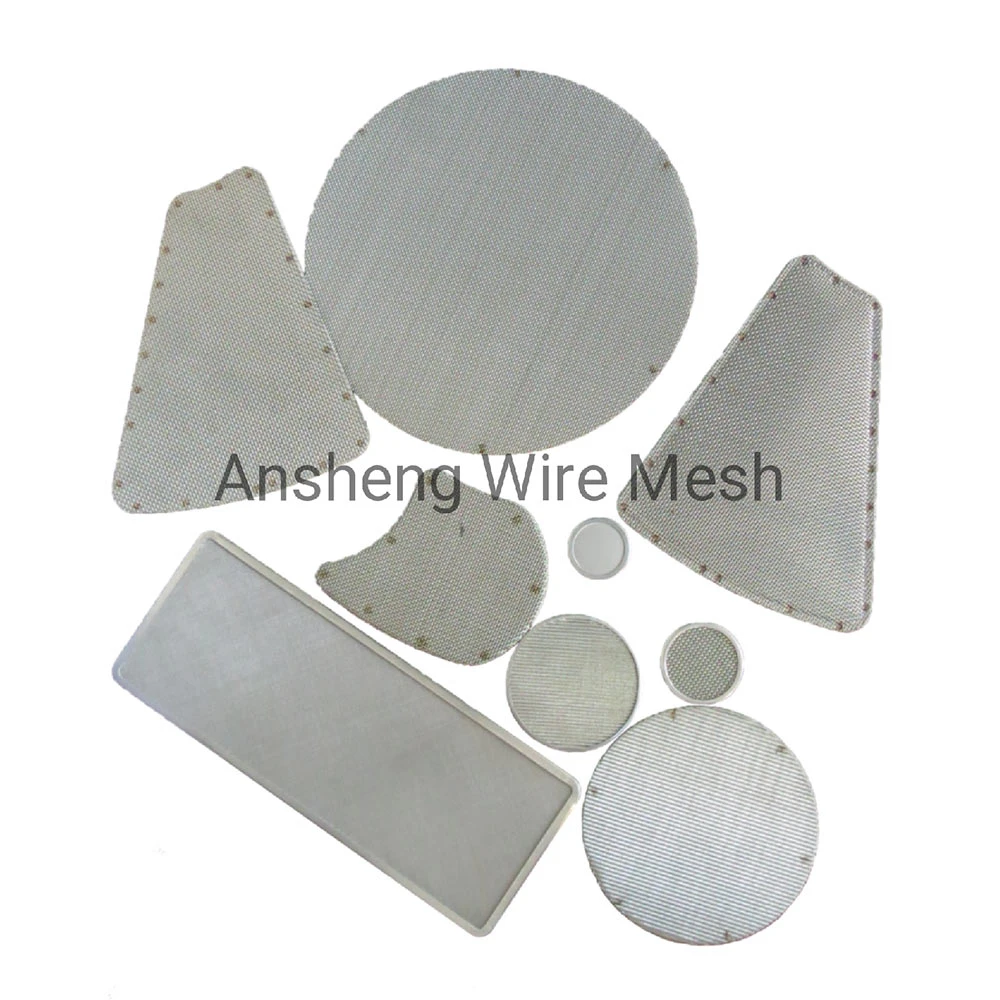
| Customization | Adaptability to unique site terrains and requirements. | Flexible Spec Ranges (Customizable) | Tailored solutions for specific height, width, and mesh density requirements. |
When evaluating the Total Cost of Ownership (TCO) for perimeter security, the initial purchase price is often misleading. Low-quality fencing requires frequent painting, repairs, or premature replacement—costs that accumulate rapidly. By selecting a metal wire mesh fence from a manufacturer with a global footprint and over two decades of development experience, you are essentially pre-paying for durability and reducing Operational Expenditure (OPEX).
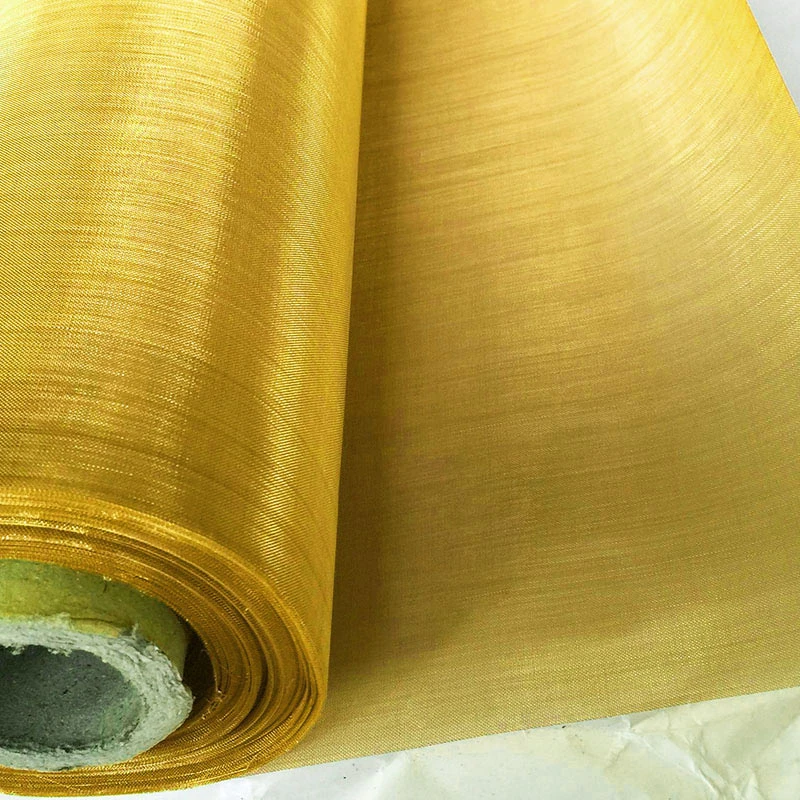
Our experience in serving sophisticated markets like Brazil, Poland, and New Zealand has demonstrated that high-quality raw materials (like our specific phosphor copper or high-grade steel options) significantly extend the lifecycle of the installation. The chart below illustrates the projected savings in maintenance and replacement costs when opting for Ansheng's engineered mesh solutions versus generic market alternatives over a 10-year period.
Related products
Top Selling Products