
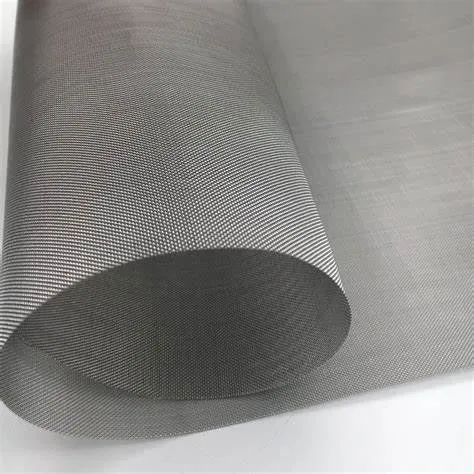
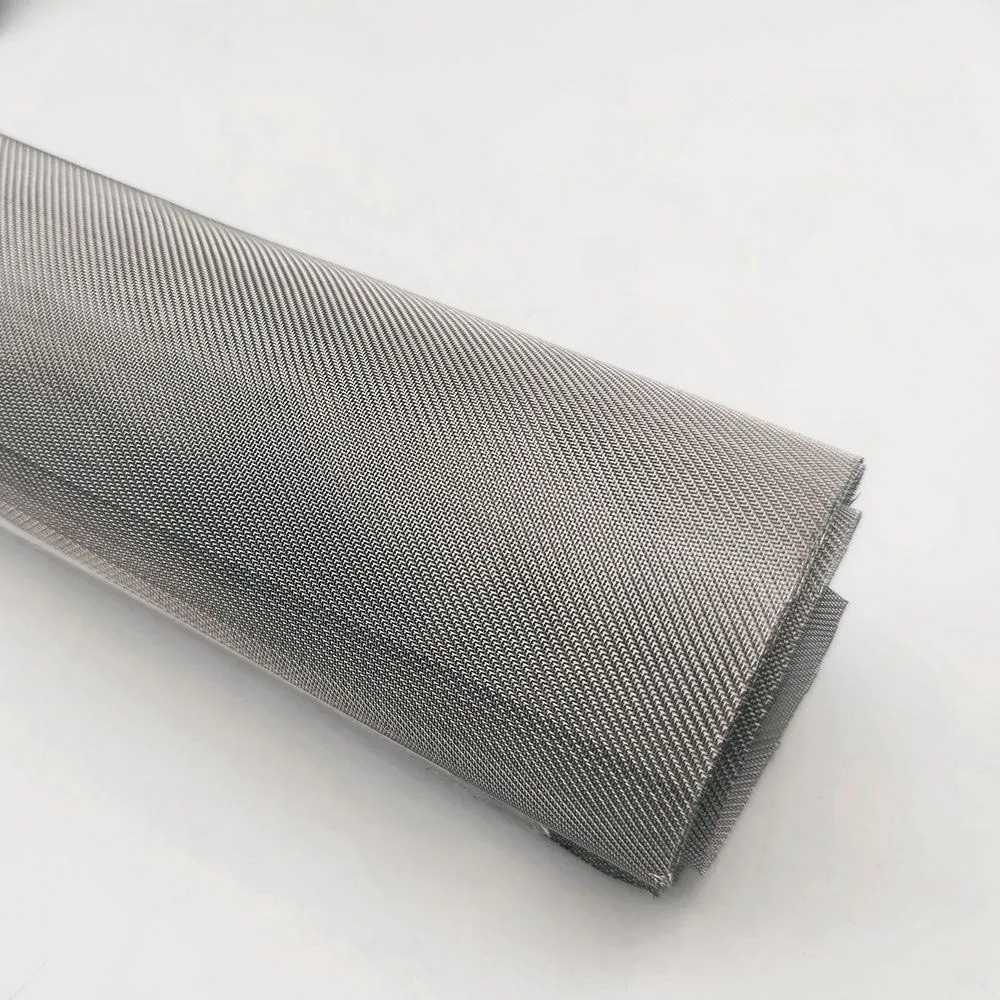
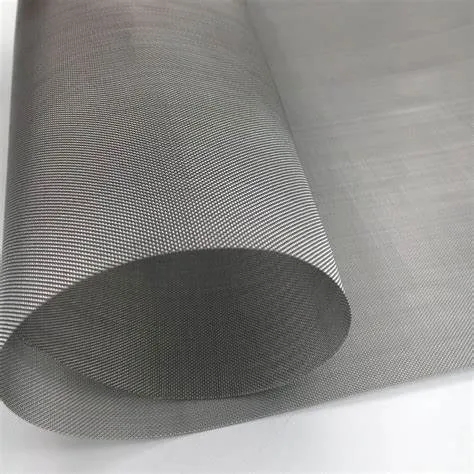
Nickel Twill Weave Wire Mesh
Nickel has good chemical stability and can resist corrosion from various corrosive media such as acids, alkalis, and salts. It can maintain stable performance in harsh chemical environments and has a long service life.
At the same time, it also has excellent high temperature resistance, which can maintain good strength and stability in high temperature environments, withstand high temperatures without deformation or melting, and is suitable for high-temperature work scenarios.
And in chemical reactions, pure nickel woven wire mesh is not prone to chemical reactions with other substances, and can serve as a stable structural material or carrier, ensuring the safety of the production process and the stability of product quality.
In the field of filtration, it is used for gas and liquid filtration under corrosive environmental conditions such as acid and alkali, as well as other medium separation, such as filtering corrosive liquids and gases in the chemical and petroleum industries, removing impurities and solid particles;
In battery manufacturing, it can be used as an electrode material for batteries, providing the functions of current conduction and carrying electrochemical reactions, as well as improving the cycle life and charge discharge performance of batteries;
In the field of electronics, it is used for electromagnetic shielding, anti-static and thermal management in electronic products, and can also be used as a substrate for electric heating elements such as heating wires and electric heating plates;
In chemical catalysis, it can be used as a catalyst carrier for catalytic reactions, especially in hydrogen production by electrolysis of water, and its electrode performance is very stable;
It also plays an important role in high-tech fields such as aerospace and shipbuilding, as well as in the alkali production industry, chlor alkali chemical industry, and organic chloride production;
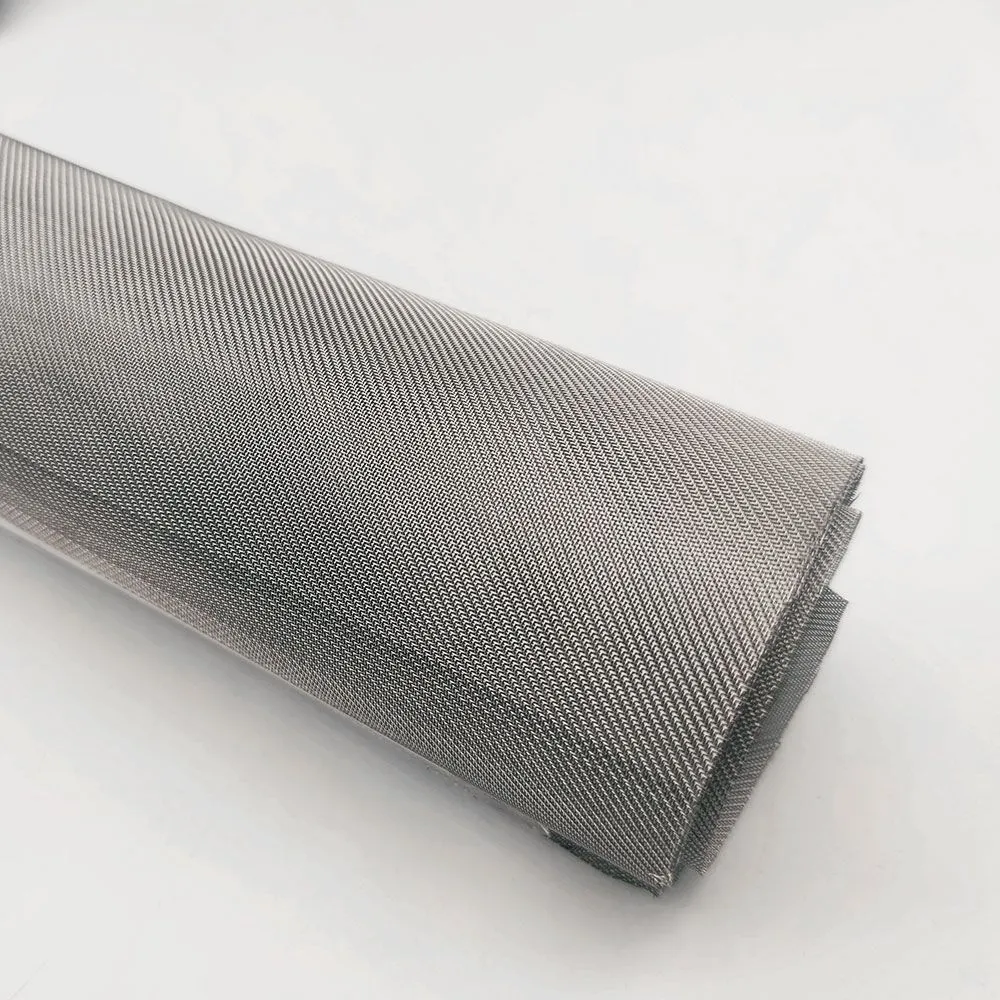
It can also be used to manufacture protective masks, gloves, and other protective equipment, providing protection and breathability.Advantages of twill weave mesh:
Thicker wire diameter, balancing strength and mesh flexibility
Under the same mesh size conditions, the twill weaving method can use thicker wire diameters without causing mesh deformation or density reduction due to excessive wire diameter. The combination of coarse wire diameter and diagonal structure enhances the load-bearing capacity of single wire, resulting in higher overall tensile and impact resistance than plain weave mesh. It is suitable for scenarios that require high wear resistance and load-bearing capacity.
Our company's nickel mesh uses high-quality pure nickel raw materials with high nickel content, ensuring excellent product performance. During the production process, strict quality control and the use of advanced technology ensure the high quality of nickel mesh.
The commonly used specifications are as follows.
|
mesh |
Wire diameter(mm) |
|
60 |
0.25 |
|
150 |
0.07 |
|
180 |
0.05 |
|
300 |
0.038 |
In addition to these standard specifications, our inventory is also stocked with a wide variety of other specifications. And if you still can't find what you need, we're more than happy to offer customized services to precisely meet your unique requirements.
-
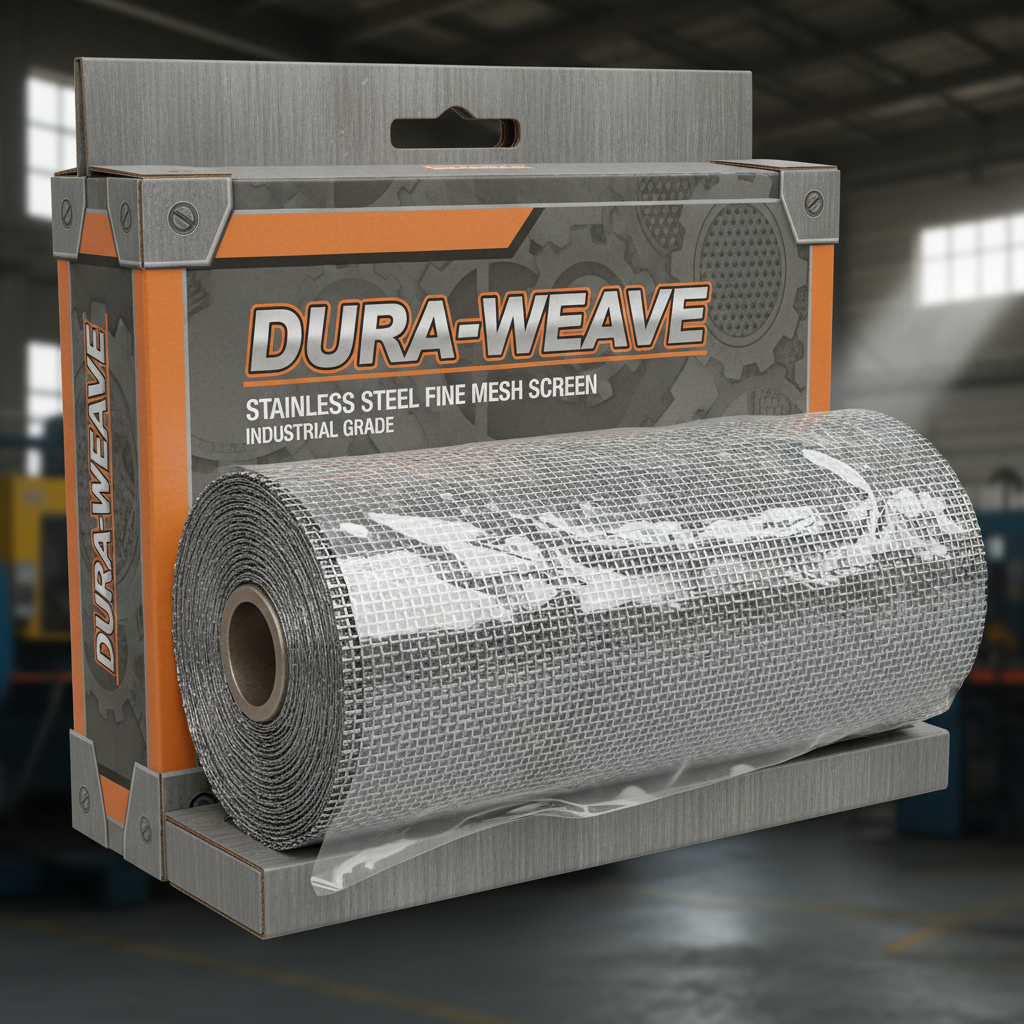
In the world of industrial filtration and precision screening, the stainless steel fine mesh screen stands as an indispensable component. Combining exceptional durability with microscopic precision, these screens are engineered to handle the toughest environments while maintaining strict filtration standards. Whether you are dealing with chemical processing, pharmaceutical refining, or high-end architectural design, choosing the right mesh density and material grade is critical for operational efficiency. In this comprehensive guide, we will explore the technical nuances, applications, and selection criteria that make this material a cornerstone of modern industry.
-
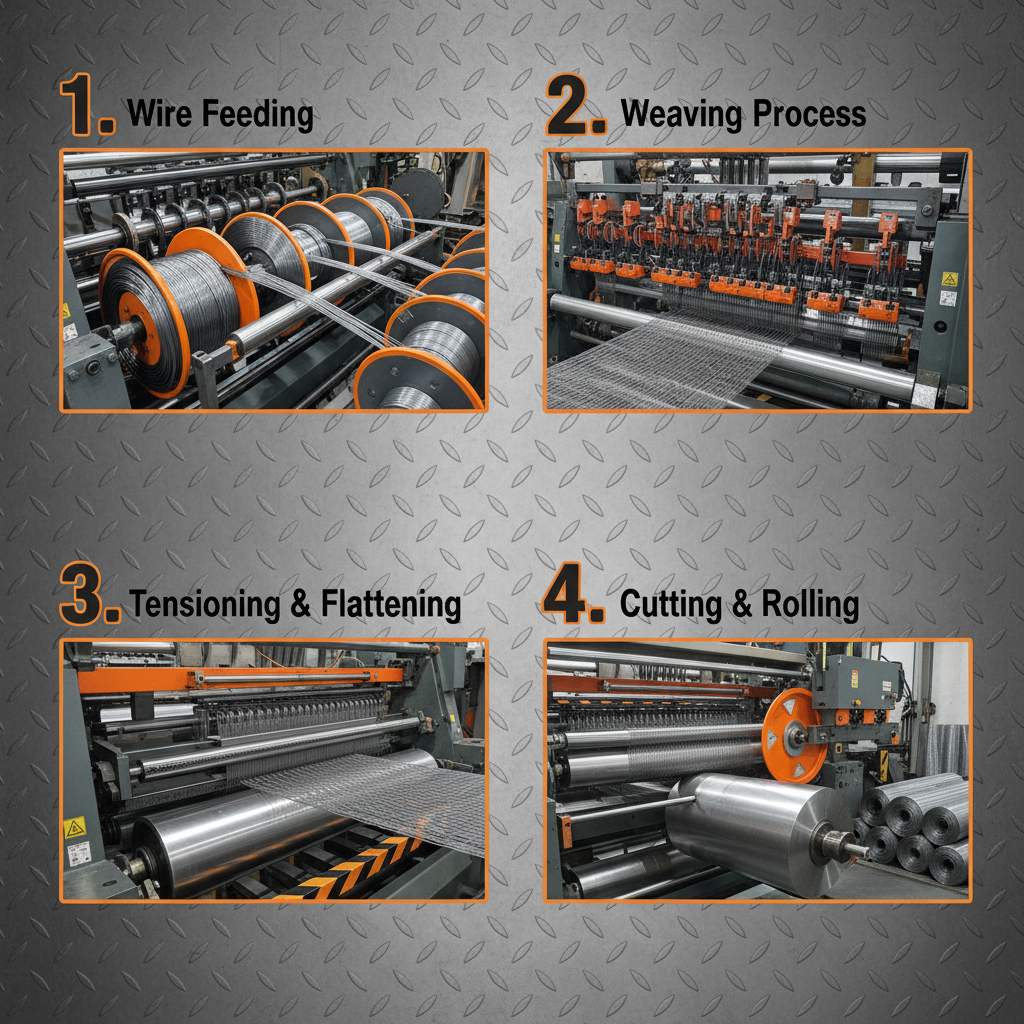
In the world of industrial filtration, separation, and architectural design, the woven mesh sheet serves as a fundamental component. Defined by its precise interlacing of metal wires, this versatile material provides a balanced combination of strength, permeability, and durability. Whether you are looking for high-precision filtration in a laboratory or robust security screening for a warehouse, understanding the nuances of woven mesh is essential. This guide explores the technical specifications, material advantages, and industry applications to help you make an informed procurement decision for your project.
-
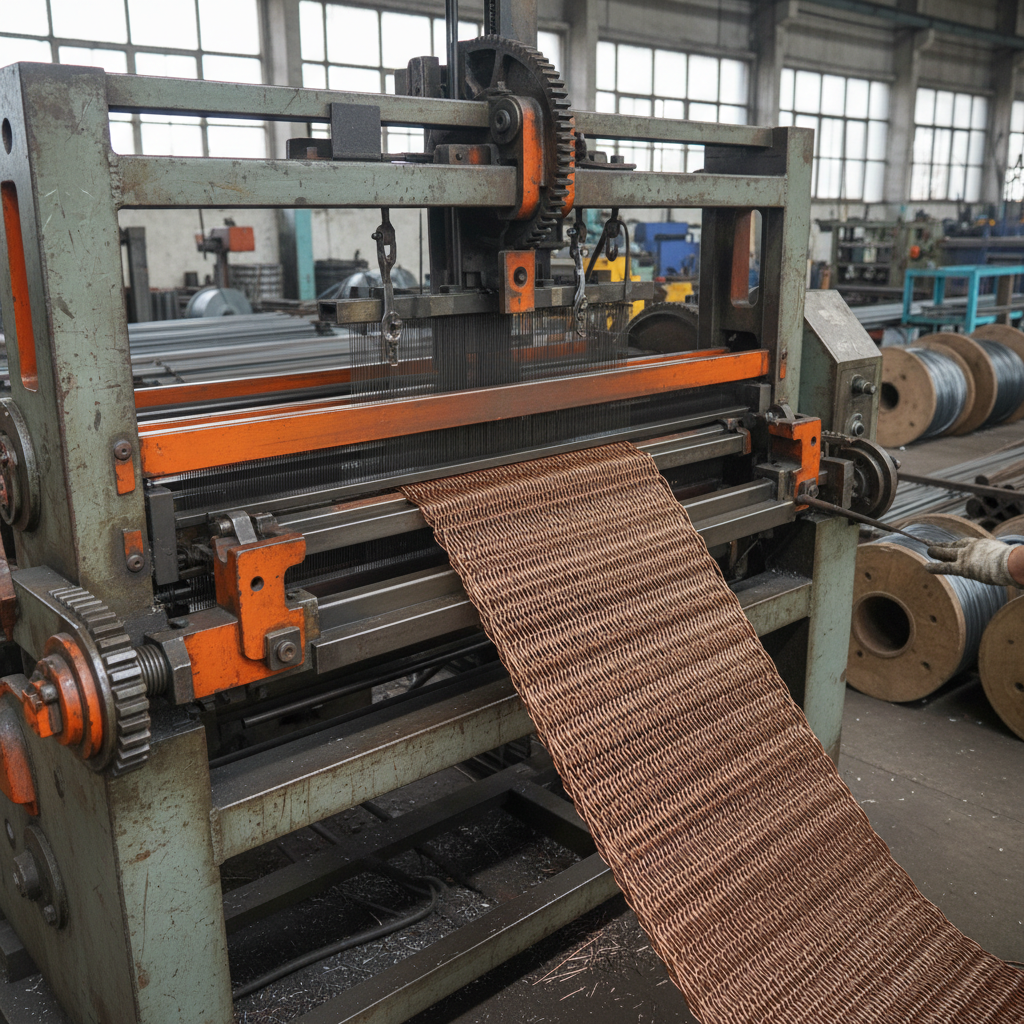
Woven copper mesh is a versatile material increasingly utilized across diverse industries due to its exceptional properties. From electromagnetic shielding to filtration and decorative applications, its unique characteristics make it a preferred choice. This article will explore the composition, manufacturing process, key benefits, and wide-ranging applications of woven copper mesh, providing a comprehensive guide for potential users.
-
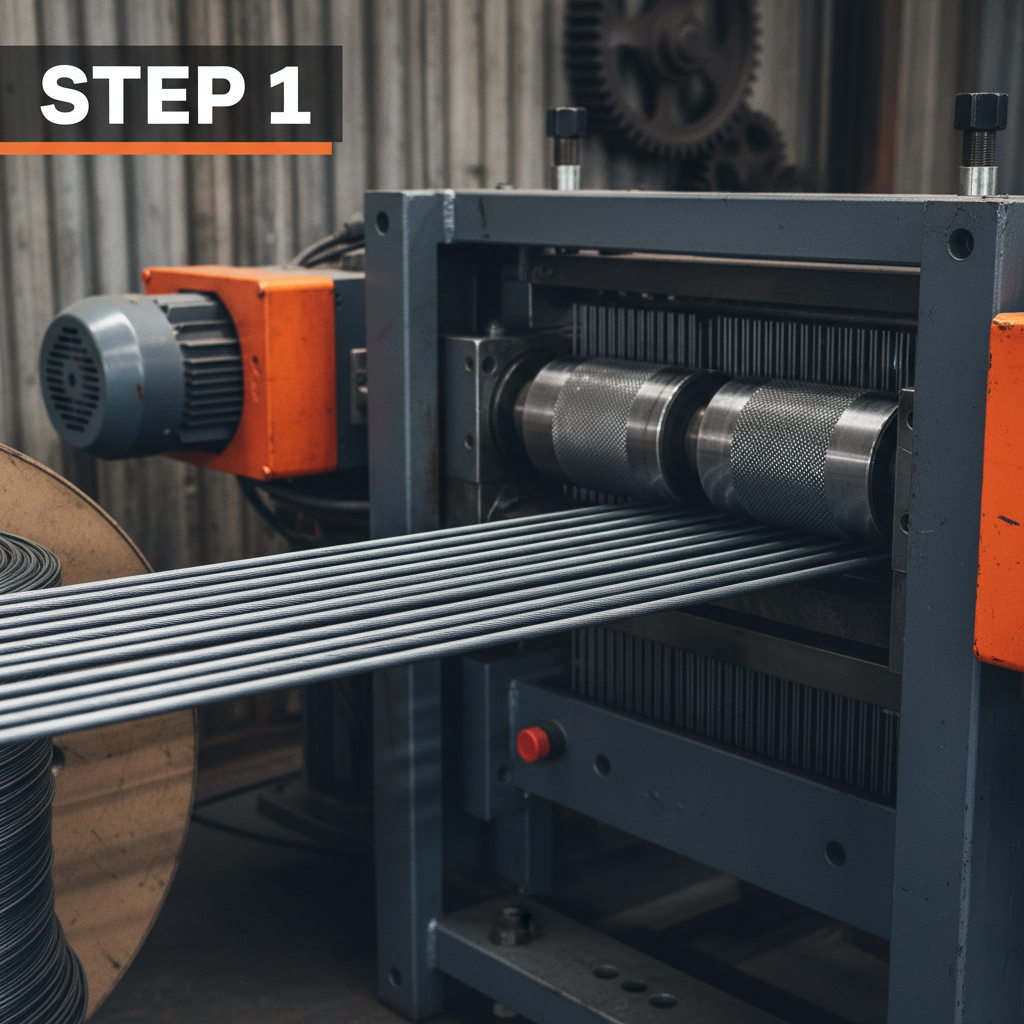
Heavy duty woven steel mesh is a versatile and robust material used across a wide range of industries, from construction and security to filtration and industrial processing. Its strength, durability, and customizable nature make it an ideal solution for applications demanding high performance and longevity. At Ansheng Metal Mesh, we specialize in providing top-quality woven steel mesh solutions tailored to meet your specific needs.
-
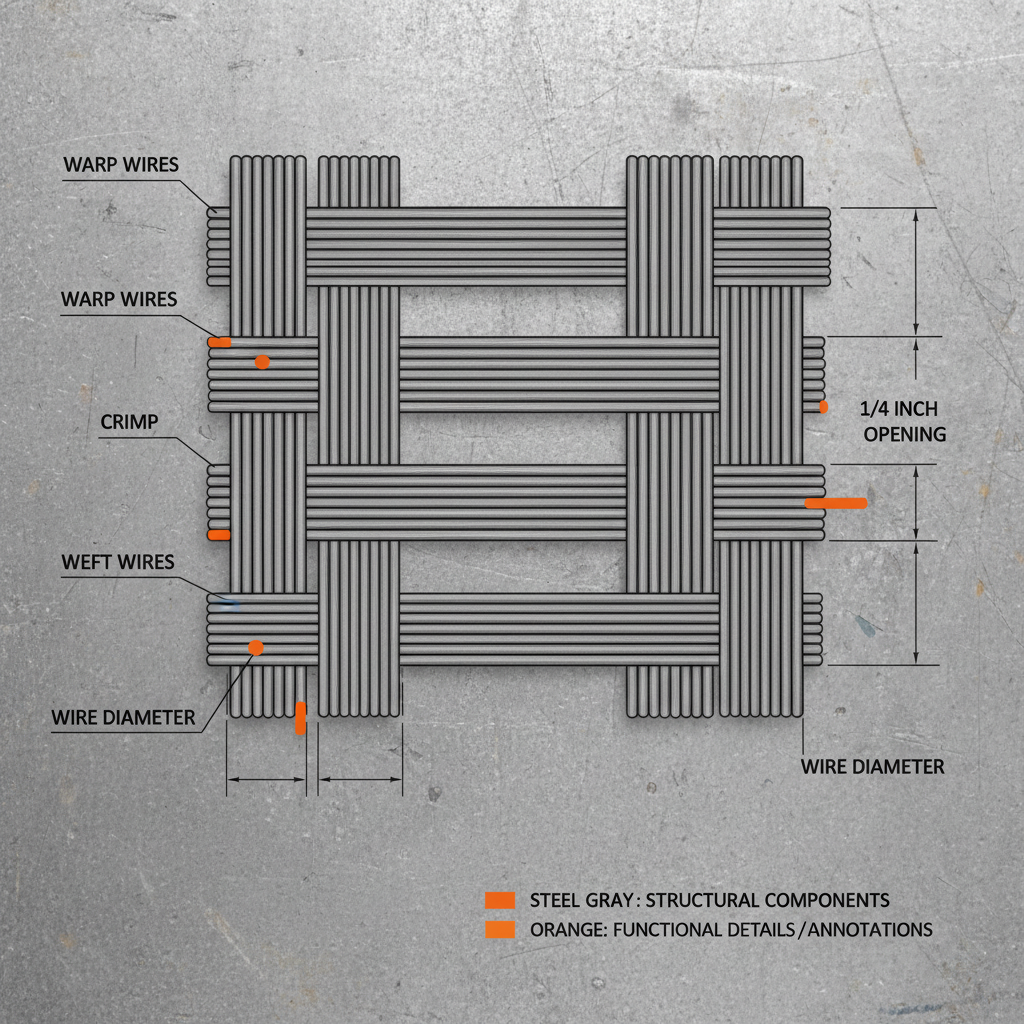
1 4 woven wire mesh is a versatile material used in a wide array of industrial, agricultural, and commercial applications. This mesh, defined by its opening size of approximately 1/4 inch, offers a balance of strength, durability, and cost-effectiveness. At Ansheng Metal Mesh, we specialize in providing high-quality woven wire mesh solutions tailored to your specific needs. This article will delve into the characteristics of 1/4 inch woven wire mesh, its common uses, available materials, and factors to consider when making a purchase.
-
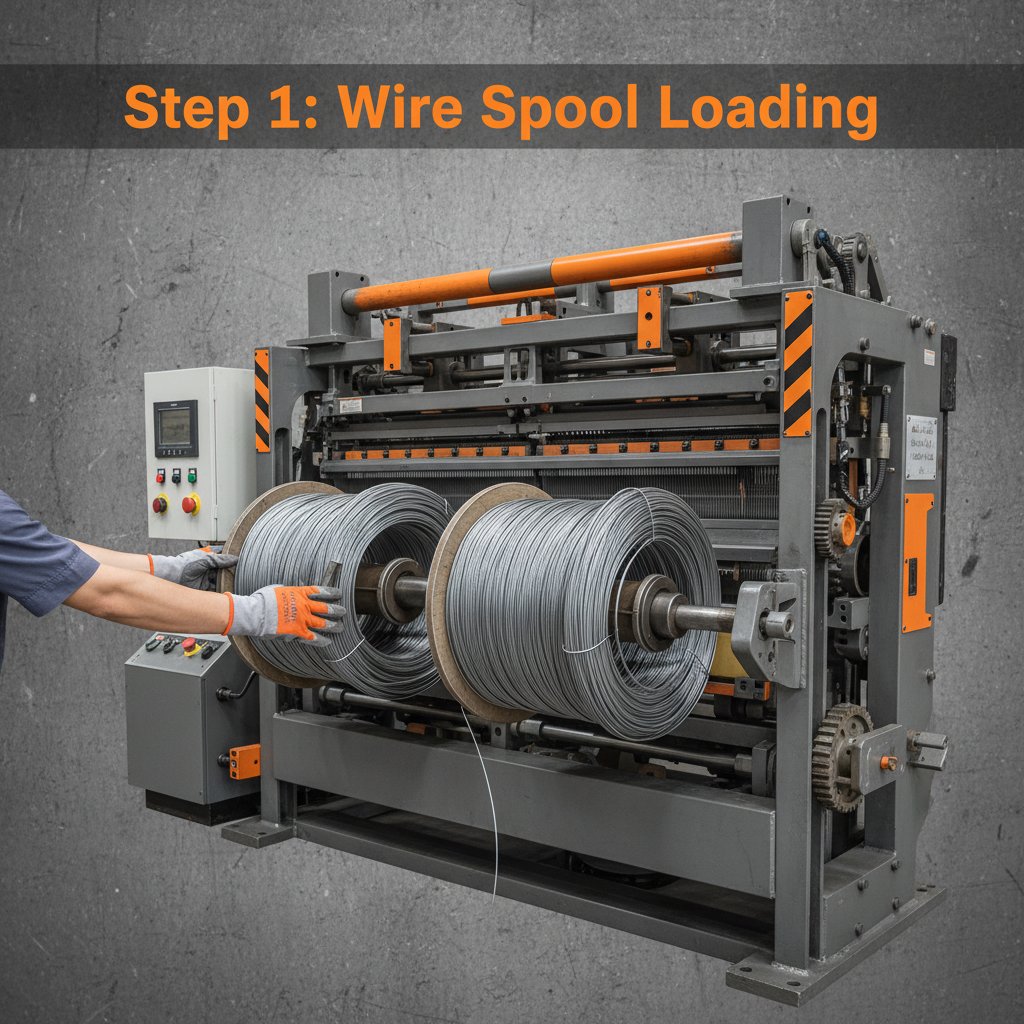
Woven wire screen is a versatile material used across a wide range of industries, from agriculture and construction to filtration and security. Its robust construction and variety of mesh sizes make it a preferred choice for numerous applications. This article will delve into the properties, applications, and benefits of woven wire screen, with a focus on its importance in modern industrial processes. We’ll also explore how An Sheng Metal Mesh provides high-quality woven wire screen solutions tailored to your specific needs.
-
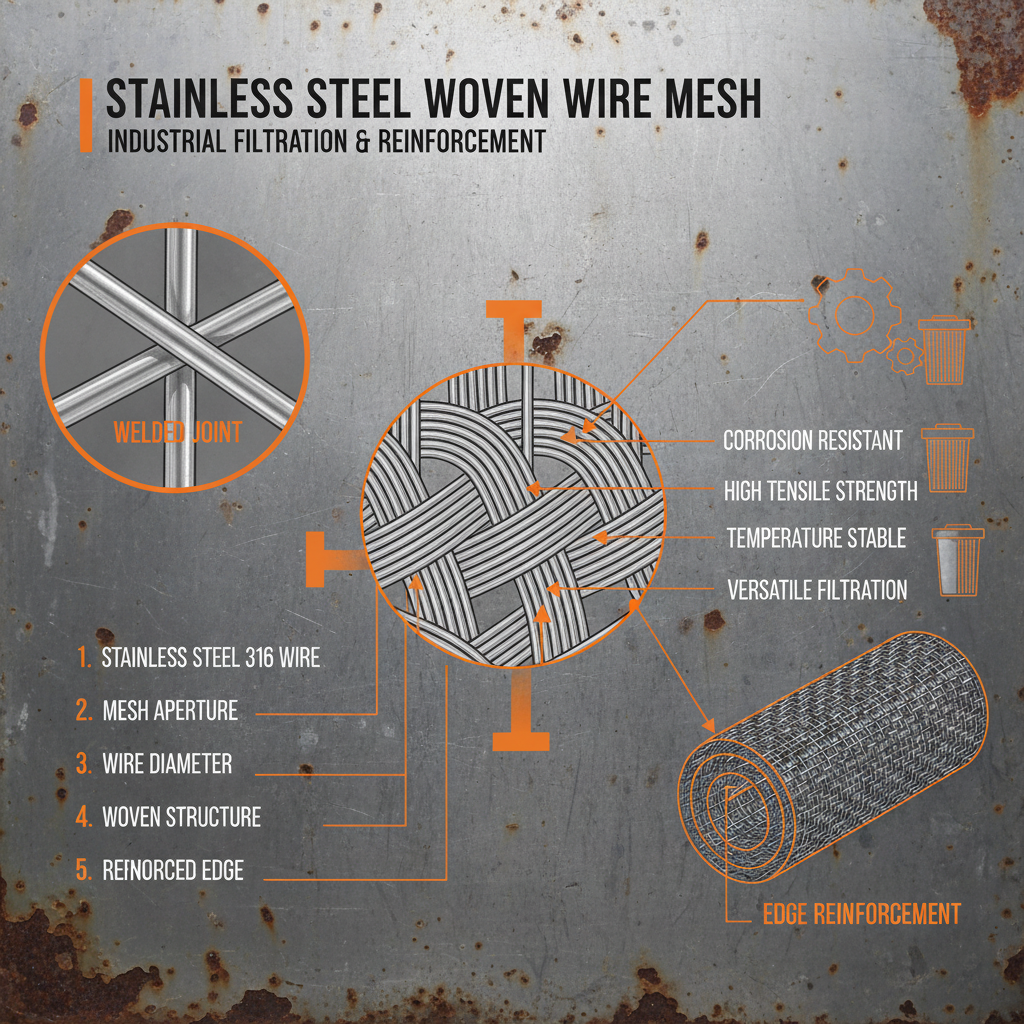
Stainless steel gauze mesh is a versatile material utilized across a broad spectrum of industries, from filtration and screening to medical and industrial applications. Its exceptional properties – corrosion resistance, durability, and precise weave – make it a preferred choice for demanding environments. This article delves into the characteristics of stainless steel gauze mesh, explores its diverse applications, and highlights the benefits of using this high-performance material. Learn how Ansheng Metal Mesh provides quality stainless steel gauze mesh solutions for your specific needs. Stainless steel gauze mesh is a woven fabric constructed from thin stainless steel wires. The ‘gauze’ designation refers to the openness of the weave, resulting in a material with numerous interstices. These meshes are renowned for their strength, resistance to corrosion, and ability to withstand high temperatures. Different grades of stainless steel, such as 304, 316, and 316L, are used to create meshes tailored to specific applications. The weave pattern, wire diameter, and mesh count determine the mesh’s overall properties, making it customizable for a variety of requirements. Ansheng Metal Mesh specializes in producing bespoke stainless steel gauze mesh solutions.
-
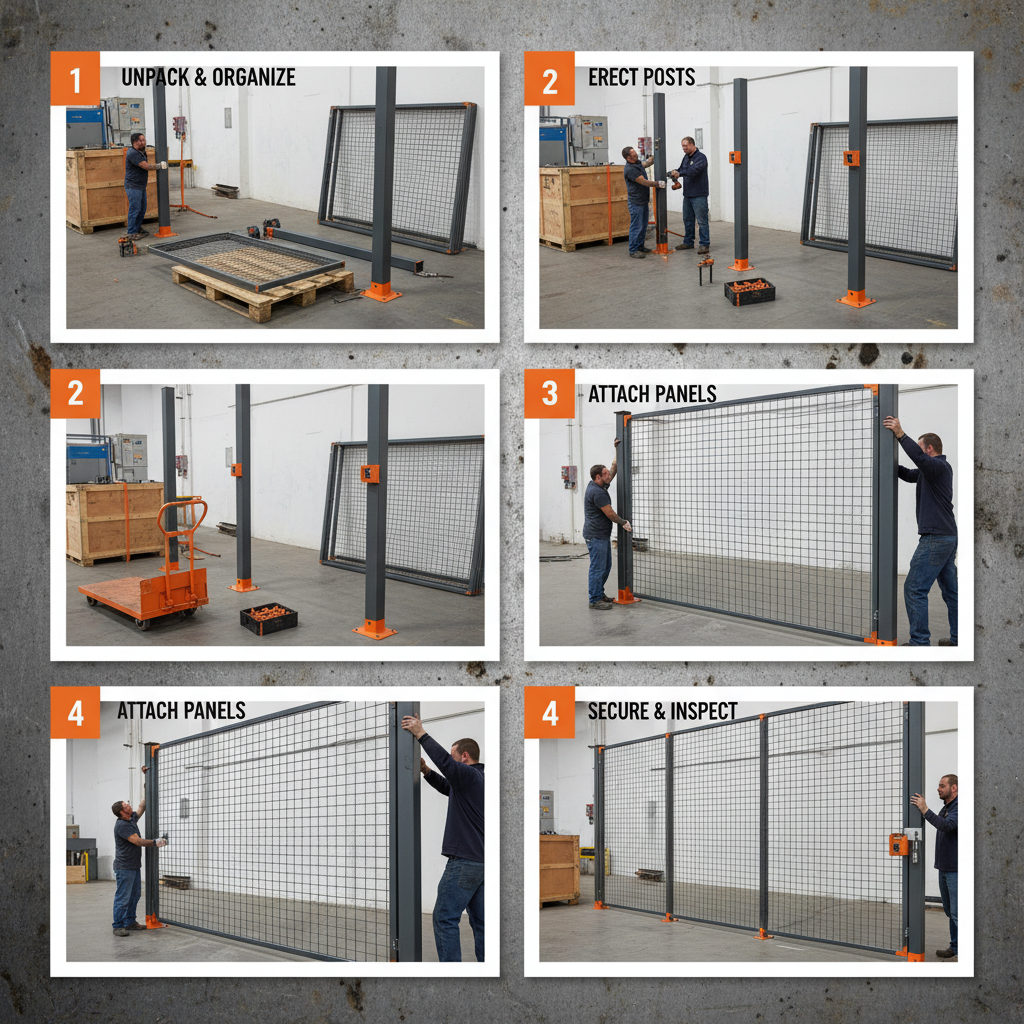
Woven wire partitions are a versatile and cost-effective solution for a wide range of security, containment, and aesthetic applications. From industrial settings to retail spaces, these partitions provide a balance of visibility, security, and airflow. This article delves into the details of woven wire partitions, exploring their construction, key benefits, diverse applications, and factors to consider when choosing the right solution for your needs. We will also showcase the quality and customization options available from Ansheng Metal Mesh, a leading manufacturer of woven wire mesh products.


