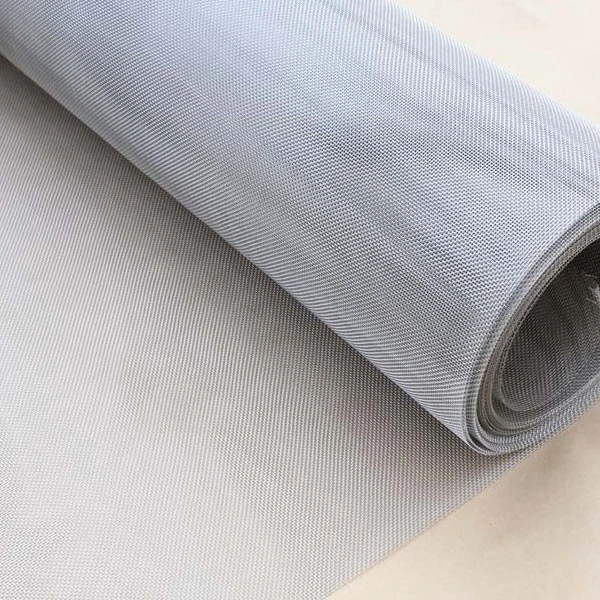
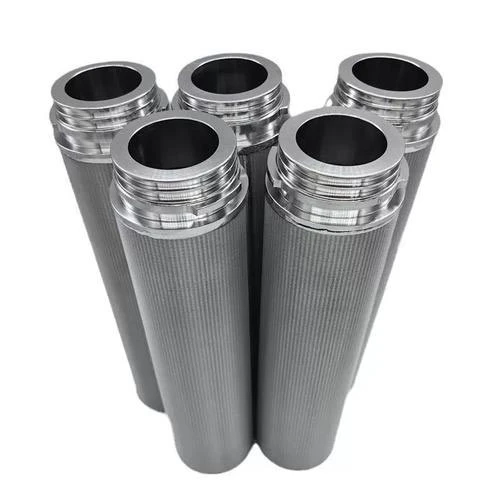
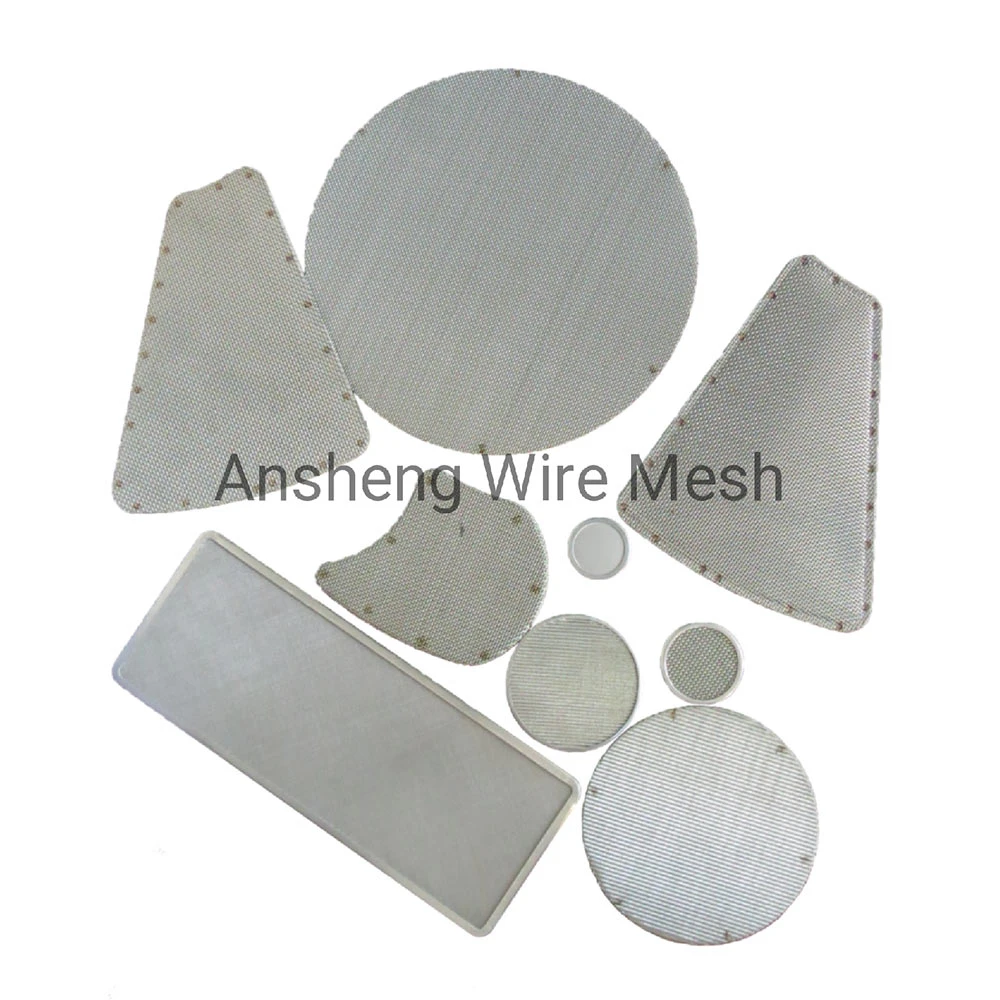
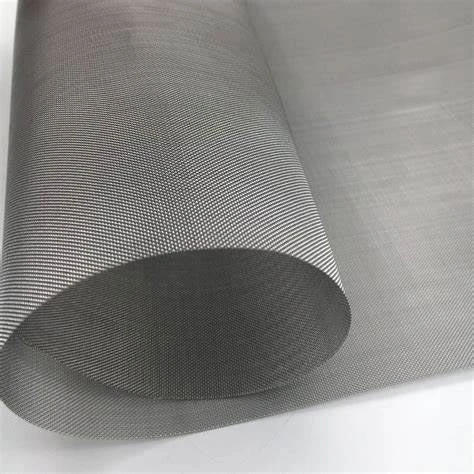
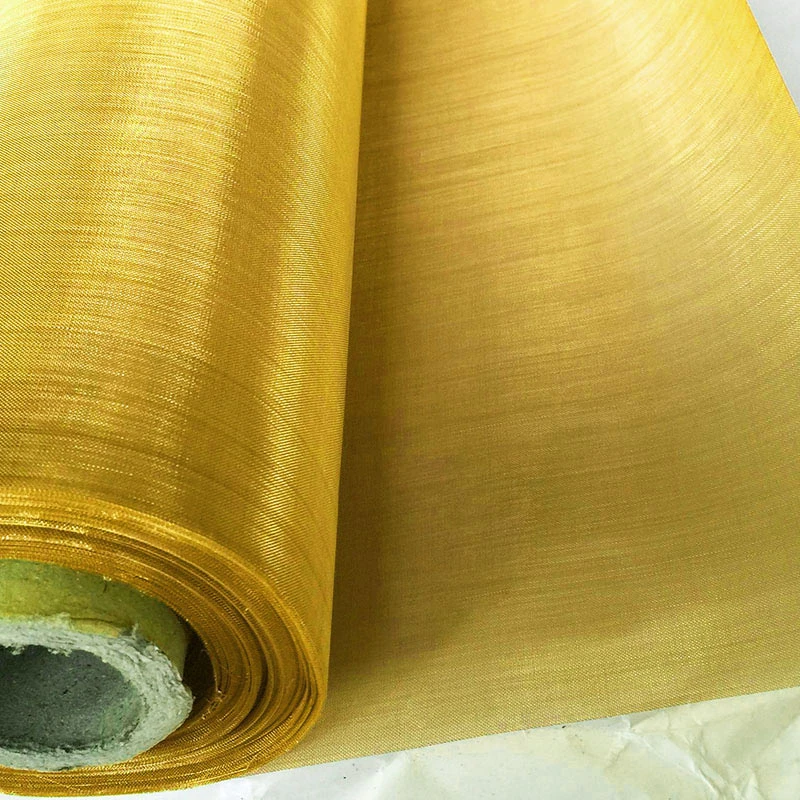
Advanced stainless woven wire mesh Solutions for Israel's Industrial Sector

Providing high-precision filtration and structural reinforcement for Israel's demanding chemical, agricultural, and aerospace industries.

Advanced stainless woven wire mesh Solutions for Israel's Industrial Sector

Specializing in the engineering of high-durability metal fabrics tailored for the specific salinity and temperature fluctuations of the Israel region.

The Industrial Landscape of woven wire mesh in Israel

Analyzing the synergy between material science and regional environmental challenges.

In Israel, the industrial demand for woven wire mesh is heavily influenced by the coastal humidity and the saline environment of the Mediterranean and Dead Sea regions. This necessitates materials with extreme corrosion resistance to prevent premature structural failure in filtration systems.

The local market is characterized by a high concentration of high-tech manufacturing and advanced irrigation projects. Consequently, the preference has shifted toward stainless steel net products that can withstand aggressive chemical treatments used in desalination plants and pharmaceutical labs.

Furthermore, the strategic importance of security and aerospace in Israel drives the demand for precision-engineered steel woven wire, where micron-level accuracy is required for electromagnetic shielding and high-pressure fluid filtration.
Evolution and Trajectory of Wire Mesh Technology

From basic screening to nanometer-precision industrial filtration.

Market Development History

During the early industrialization phase (1960s-1980s), the focus in Israel was on basic steel woven wire for construction and simple agricultural sieving, relying on heavy-gauge materials with limited corrosion protection.

The 1990s to 2010s saw a pivotal shift toward specialized alloys. The rise of the "Startup Nation" in biotech and chemicals pushed the adoption of stainless woven wire mesh, utilizing 316L grade steel to meet strict medical and food-grade hygiene standards.

In the current era, the integration of additive manufacturing and automated weaving has allowed for the creation of hybrid meshes, combining traditional weaving with laser-cutting to achieve complex geometries required for advanced sensors.

Future Development Trends

Smart Filtration Integration

The next 3-5 years will see the integration of IoT sensors within the mesh structure to monitor clogging and pressure drops in real-time, moving toward predictive maintenance.

Sustainable Material Sourcing

There is a growing trend toward recycled high-grade alloys and the use of copper woven wire mesh for improved electrical conductivity in green energy storage solutions.

Nano-Coating Enhancements

Google search trends indicate a spike in "anti-fouling coatings," suggesting a future where meshes are treated at the molecular level to repel organic bio-films in water treatment.

Future Outlook: Industrial Mesh Innovation

Strategic forecasts for the metal fabric industry in the Levant region.

Precision Micron Filtration
Shift towards ultra-fine apertures to support the semiconductor industry in Israel.
Corrosion-Resistant Alloys
Development of super-duplex steels for extreme Mediterranean saline conditions.
Automated Fabrication
Integration of AI-driven weaving to reduce material waste and lead times.
Hybrid Mesh Architectures
Combining different metals to achieve specific thermal and electrical properties.

Industry Outlook

The trajectory for Israel's metal mesh market is moving toward specialization. We expect a significant increase in demand for meshes that can handle the high-temperature requirements of the energy sector and the extreme purity requirements of the medical device industry.

By 2028, the focus will shift from "commodity mesh" to "engineered components," where the mesh is an integral part of a larger, smart-system assembly, optimizing the efficiency of water recovery and industrial processing.

Localized Applications in Israel

Tailored mesh solutions for the unique regional industrial requirements.

1. Desalination Plant Pre-filtration

Using high-grade stainless woven wire mesh to filter organic debris and particulates from Mediterranean intake water, preventing membrane fouling.

2. Advanced Drip Irrigation Systems

Implementation of precision stainless steel net in irrigation hubs to ensure debris-free water flow for the Negev desert agricultural projects.

3. Pharmaceutical Lab Screening

Utilizing micro-aperture woven wire mesh for the sterile filtration of chemical compounds in Tel Aviv's biotech clusters.

4. Aerospace Electromagnetic Shielding

Employing high-conductivity copper woven wire mesh for EMI/RFI shielding in sensitive aviation electronic components.

5. Industrial Waste Management

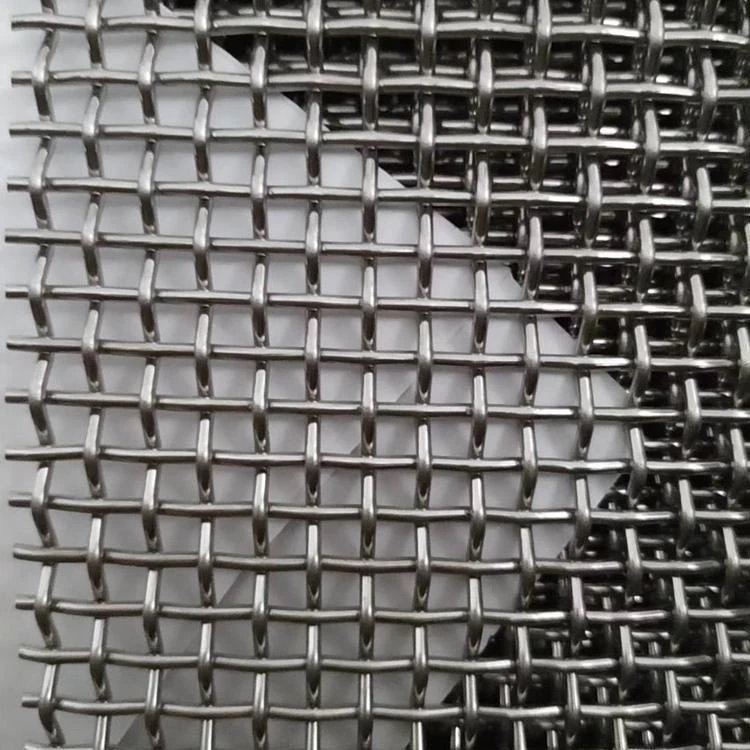
Application of heavy-duty steel woven wire for the separation of minerals and waste in local quarrying and mining operations.

Brand Story

The Global Development History of Anping Ansheng Metal Mesh Products Co., Ltd.

Foundational Excellence

Established in the heart of China's wire mesh capital, we began by solving the fundamental problem of mesh durability in harsh industrial environments.

Technological Leap

We transitioned from manual weaving to automated CNC precision weaving, enabling us to meet the strict tolerances of global aerospace and medical clients.

Global Market Penetration

By expanding our export network to Asia and the Middle East, we customized our alloys to withstand the saline climates of regions like Israel.

Quality Standardization

Achieving international certifications, we ensured that every roll of mesh provides consistent pore size and tensile strength across all batches.

Vision for Tomorrow

Our current mission is to integrate smart materials with traditional weaving to create the next generation of "intelligent filters" for a sustainable world.

Comprehensive Mesh Portfolio for the Israel Market

A complete range of materials designed for extreme durability and precision.

Industrial Wire Mesh FAQs for Israel

Expert answers to common technical queries from our local partners.

Which material is best for desalination plants in Israel?

For desalination plants, we strongly recommend 316L grade stainless woven wire mesh due to its superior resistance to chloride-induced pitting corrosion.

How to choose the correct aperture for a stainless steel net?

The choice depends on the particle size of the filtered material; generally, the aperture should be 20-30% smaller than the minimum particle size you wish to retain.

Can copper woven wire mesh be used for grounding in Israel's tech hubs?

Yes, our high-purity copper meshes are ideal for electrical grounding and EMI shielding, providing excellent conductivity for sensitive electronic environments.

What is the lifespan of steel woven wire in humid coastal areas?

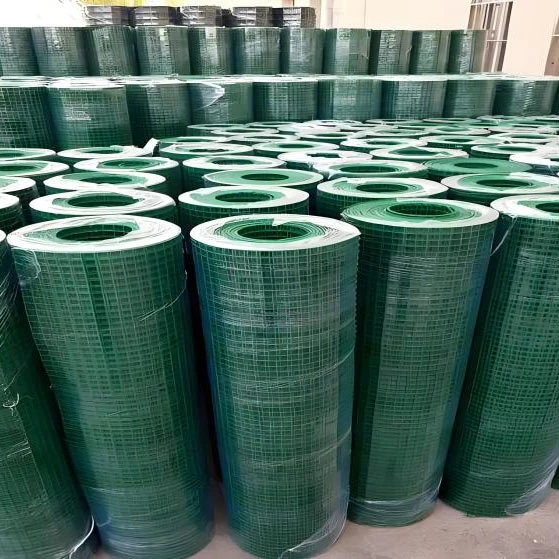
Standard steel wire can corrode quickly; however, our galvanized or coated steel woven wire extends the lifespan significantly, though stainless steel remains the gold standard for longevity.

Do you provide custom sizes for woven wire mesh?

Yes, we offer full customization of wire diameter, mesh count, and roll width to fit the specific machinery dimensions of your facility.

How is the quality of the stainless steel net verified?

Every shipment undergoes rigorous testing, including aperture measurement via digital microscopy and tensile strength tests to ensure compliance with ISO standards.

Consult Our Technical Experts

Looking for the perfect mesh specifications for your project in Israel? Our engineers are ready to help you optimize your filtration systems.

Contact Us Now
tel email tel top

If you are interested in our products, you can choose to leave your information here, and we will be in touch with you shortly.