High-Performance stainless woven wire mesh Solutions for Canadian Industry

Engineered for extreme climates and rigorous industrial standards across North America, providing precision filtration and structural integrity.

High-Performance stainless woven wire mesh Solutions for Canadian Industry

Delivering world-class woven wire mesh specifically designed to withstand Canada's diverse industrial demands, from mining in the North to manufacturing in Ontario.

Industrial Landscape of Wire Mesh in Canada

Analyzing the intersection of material science and Canada's unique environmental challenges.

In Canada, the industrial demand for steel woven wire is heavily influenced by the nation's vast mining and oil sectors. The extreme temperature fluctuations, ranging from scorching summers to sub-zero winters, necessitate materials with exceptional thermal stability and corrosion resistance to prevent premature structural failure.

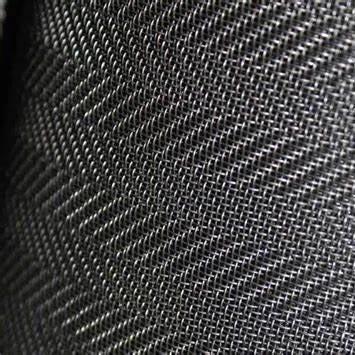
The regional economy in provinces like Alberta and British Columbia drives a high consumption of specialized filters. The shift towards sustainable extraction and processing has increased the reliance on precision stainless steel net systems that can handle aggressive chemical environments while maintaining strict micron ratings.

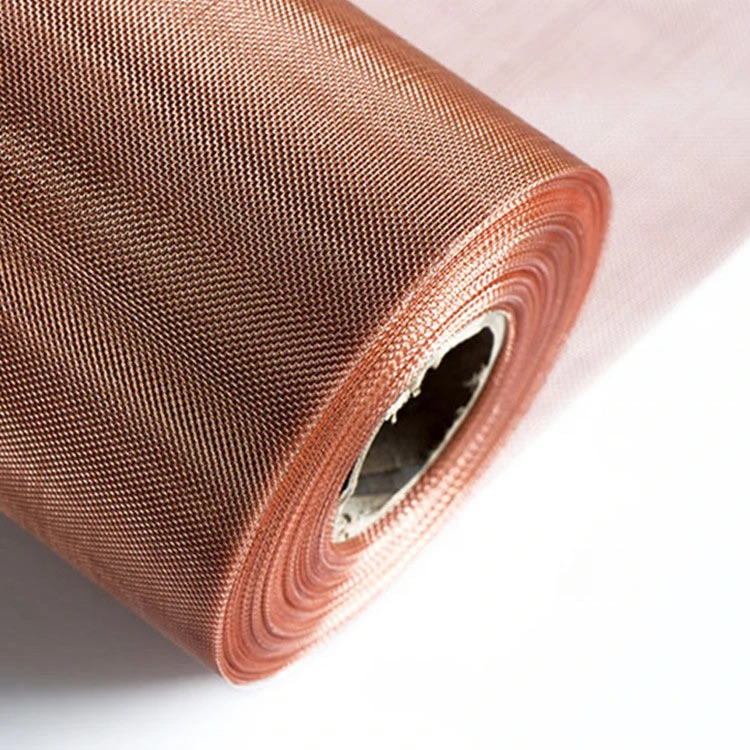
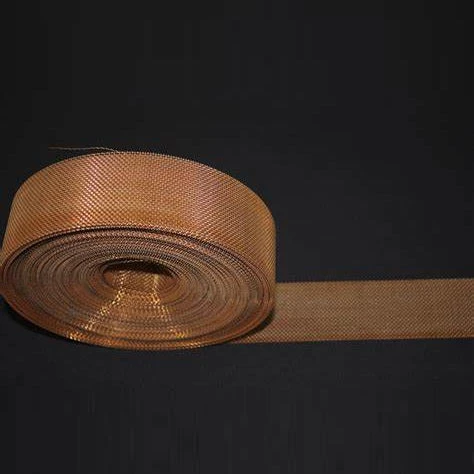
Furthermore, the Canadian manufacturing sector is currently transitioning toward automated production. This evolution requires highly standardized copper woven wire mesh for electronic shielding and specialized heat exchange components, blending traditional weaving expertise with modern metallurgical requirements.
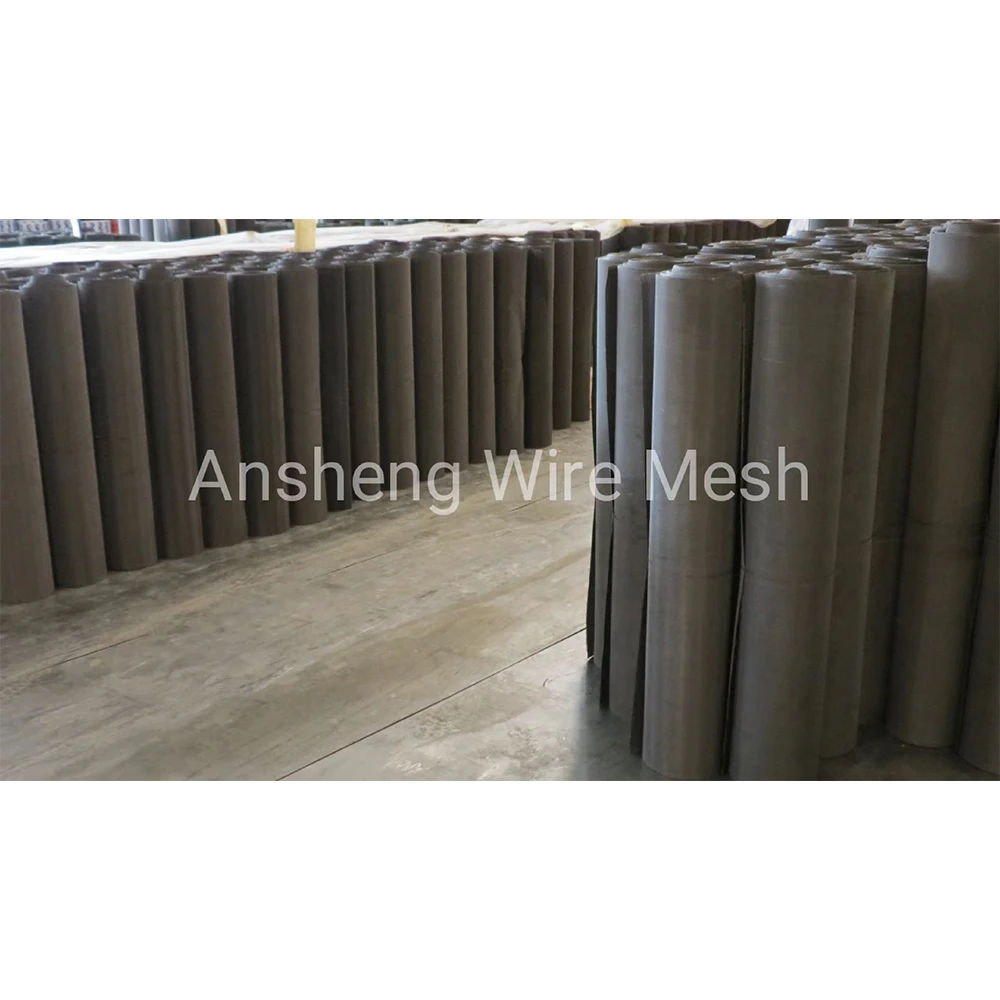
Evolution and Trajectory of Woven Wire Technology

From manual looms to CNC-precision weaving for the North American market.

Market Development History

Historically, the Canadian market relied on heavy-duty galvanized wires for basic screening. Between 1970 and 1990, the industry saw a pivotal shift toward alloyed steels, as the need for longer lifecycles in corrosive environments became apparent, leading to the widespread adoption of early-grade stainless alloys.

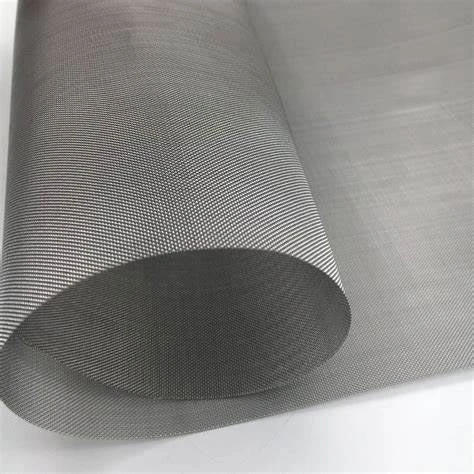
By the early 2000s, the integration of Dutch weave and Five-wire plain weave techniques allowed for much finer filtration. This era marked the transition from "general screening" to "precision filtration," enabling the Canadian pharmaceutical and food processing industries to meet stricter FDA and Health Canada standards.

In the last decade, the focus has shifted toward "Smart Mesh." The integration of high-strength alloys and vacuum-tight weaving processes has allowed for the creation of filters that can operate under extreme pressures, a critical requirement for Canada's deep-sea and subterranean resource extraction.

Future Development Trends

Nanoscale Precision Weaving

The trend is moving toward ultra-fine apertures that approach the micron level, optimizing filtration efficiency for hydrogen energy cells and advanced semiconductor manufacturing.

Sustainable Alloy Sourcing

Increased regulatory pressure in Canada regarding "Green Steel" is pushing the industry toward recycled alloys and low-carbon production methods for all woven components.

Adaptive Material Coating

Development of PTFE and hydrophobic coatings integrated directly into the weave to prevent clogging in humid or oily Canadian industrial environments.

Strategic Outlook for Industrial Filtration

Forecasting the next 3-5 years of technological integration in the mesh industry.

AI-Driven Mesh Design
Using generative algorithms to optimize aperture geometry for maximum flow rates and minimum pressure drops.
Extreme Alloy Fusion
Integration of Hastelloy and Inconel weaves for Canada's aggressive chemical processing plants.
IoT-Integrated Monitoring
Integrating sensor fibers within the mesh to detect clogging and wear in real-time.
Custom-Hybrid Weaves
Combining multiple metal types in a single weave to balance conductivity and strength.

Industry Outlook

Google search trends indicate a sharp rise in queries for "sustainable industrial filtration" and "corrosion-resistant mesh" within the Canadian market. This suggests that procurement officers are moving away from low-cost, disposable screens toward high-investment, durable assets that reduce long-term OpEx.

We anticipate that the synergy between additive manufacturing and traditional weaving will allow for 3D-contoured mesh components, specifically for the aerospace hubs in Quebec and Ontario, further diversifying the application of woven wire technologies.

Localized Applications in Canada

Real-world deployment of high-performance mesh in key Canadian economic zones.

01. Oil Sands Filtration (Alberta)

Utilization of heavy-duty stainless steel net for primary separation of bitumen and sand, designed to withstand abrasive slurry and extreme temperature cycles.

02. Mining Mineral Grading (British Columbia)

Implementation of high-tensile steel woven wire screens for aggregate sizing in copper and gold mines, prioritizing tear resistance and high impact strength.

03. Pharmaceutical Grade Sieving (Ontario)

Application of precision stainless woven wire mesh for powder analysis and filtration in the GTA's biotech clusters, ensuring zero contamination.

04. Hydroelectric Plant Intake (Quebec)

Deployment of large-scale corrosion-resistant screens to protect turbines from debris, utilizing a specialized weave to maximize water flow while maintaining structural integrity.

05. Electronic Shielding (Vancouver Tech Hub)

Use of copper woven wire mesh for electromagnetic interference (EMI) shielding in advanced communication hardware and aerospace components.

Brand Story

Global Development Journey of Anping Ansheng Metal Mesh Products Co., Ltd.

Foundational Expertise

Established in the heart of China's wire mesh capital, we began by mastering the fundamental art of weaving, focusing on durability and precision.

Technological Pivot

We transitioned from manual production to CNC automated weaving, allowing us to meet the rigorous tolerances required by international industrial standards.

Global Market Expansion

By optimizing our supply chain, we expanded our footprint into North America, tailoring our metallurgy to suit the specific climates of Canada and the USA.

Quality Certification Era

Achieving global quality certifications ensured that our products could be seamlessly integrated into the most demanding aerospace and medical environments.

Future Vision

Our mission today is to solve the conflict between industrial efficiency and environmental sustainability through innovative, long-life alloy mesh solutions.

Complete Wire Mesh Portfolio for Canada

A comprehensive range of materials engineered for the Canadian industrial landscape.

Canadian Industrial Mesh FAQ

Expert answers to the most common technical questions from our Canadian partners.

Which stainless woven wire mesh grade is best for saltwater environments in Nova Scotia?

For high-salinity coastal areas, we recommend Grade 316 or 316L stainless steel, as the molybdenum content provides superior resistance to pitting and chloride corrosion compared to Grade 304.

How does copper woven wire mesh perform in electronic EMI shielding?

Copper mesh offers the highest electrical conductivity among common metals, making it ideal for blocking high-frequency electromagnetic interference in sensitive Canadian aerospace and telecom equipment.

What is the lifespan of steel woven wire in mining operations?

Lifespan varies by application, but using high-carbon steel or alloyed weaves significantly extends wear life. Regular tension checks and the use of reinforced edges can double the operational cycle.

Can a stainless steel net be customized for specific micron ratings?

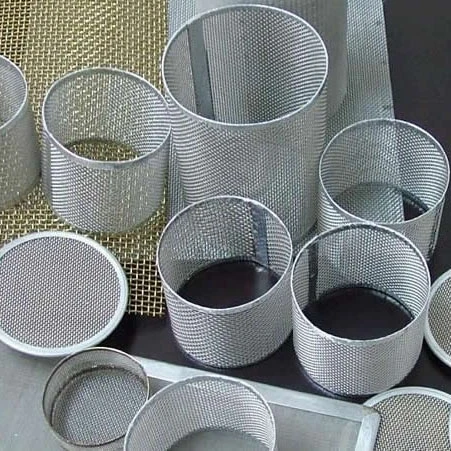
Yes, we offer custom weaving where wire diameter and mesh count are precisely calibrated to achieve specific micron ratings for pharmaceutical and food-grade filtration.

How to prevent clogging in woven wire mesh used in oil sands?

We recommend utilizing "Dutch Weave" patterns or applying specialized oleophobic coatings that reduce the adhesion of bitumen to the wire surface.

Do you provide ASTM standard certifications for Canadian imports?

Absolutely. All our industrial mesh products are manufactured to meet or exceed ASTM and ISO standards, ensuring full compliance with Canadian regulatory requirements.

Request a Technical Consultation

Our engineering team is ready to provide customized mesh specifications for your projects in Canada.

Contact Us Now
tel email tel top

If you are interested in our products, you can choose to leave your information here, and we will be in touch with you shortly.