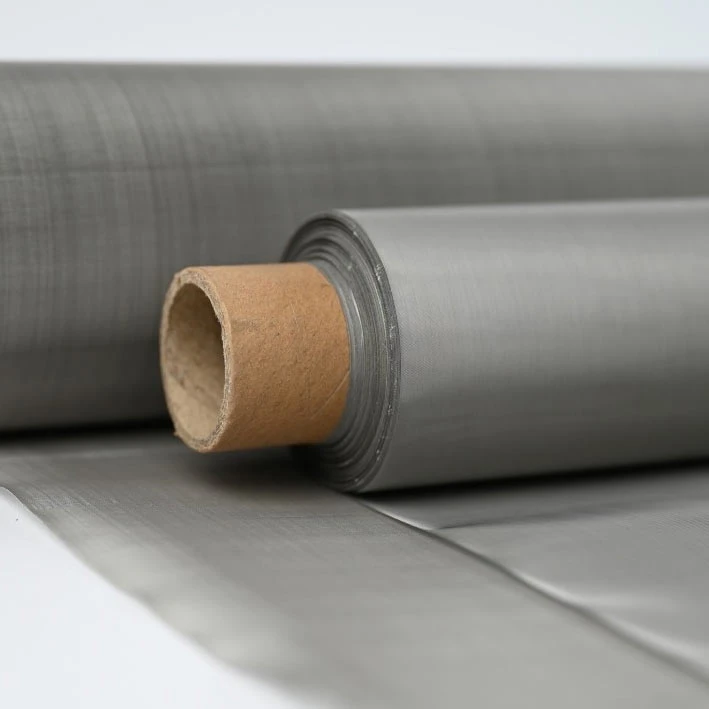
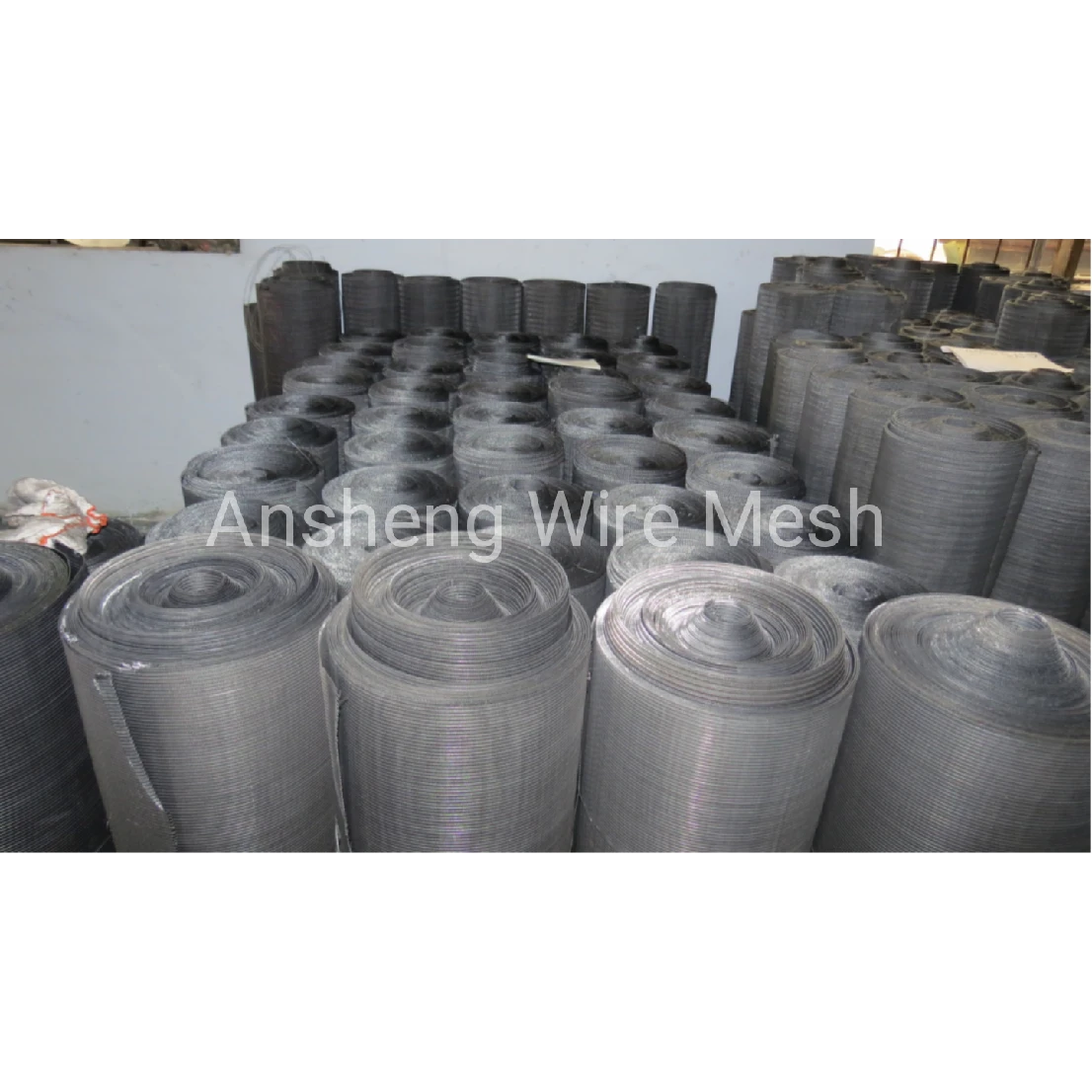
High-Performance stainless woven wire mesh Solutions for US Industry

Precision-engineered filtration and screening systems designed to meet the rigorous technical standards of North American manufacturing.

High-Performance stainless woven wire mesh Solutions for US Industry

Providing the United States market with industrial-grade screening solutions, specializing in corrosion-resistant alloys and precision weaving for critical aerospace, chemical, and food processing applications.

Industrial Landscape of woven wire mesh in the United States

Analyzing the demand for high-durability mesh in North America's diversified industrial sectors.

The United States market is currently characterized by a shift toward ultra-high precision and extreme durability. With the resurgence of domestic manufacturing (Reshoring), there is an increased demand for steel woven wire that can withstand the harsh operational environments of the Midwest's heavy industry and the coastal regions' saline atmospheres.

Geographically, the demand varies significantly; the Gulf Coast oil and gas sector requires specialized stainless steel net materials capable of resisting H2S corrosion, while the West Coast's aerospace hubs demand micron-level precision for filtration components.

Economically, the US market is moving away from commodity-grade products toward E-E-A-T compliant, certified materials. Integration with automated production lines requires mesh with strict dimensional tolerances to reduce downtime in high-cost labor environments.
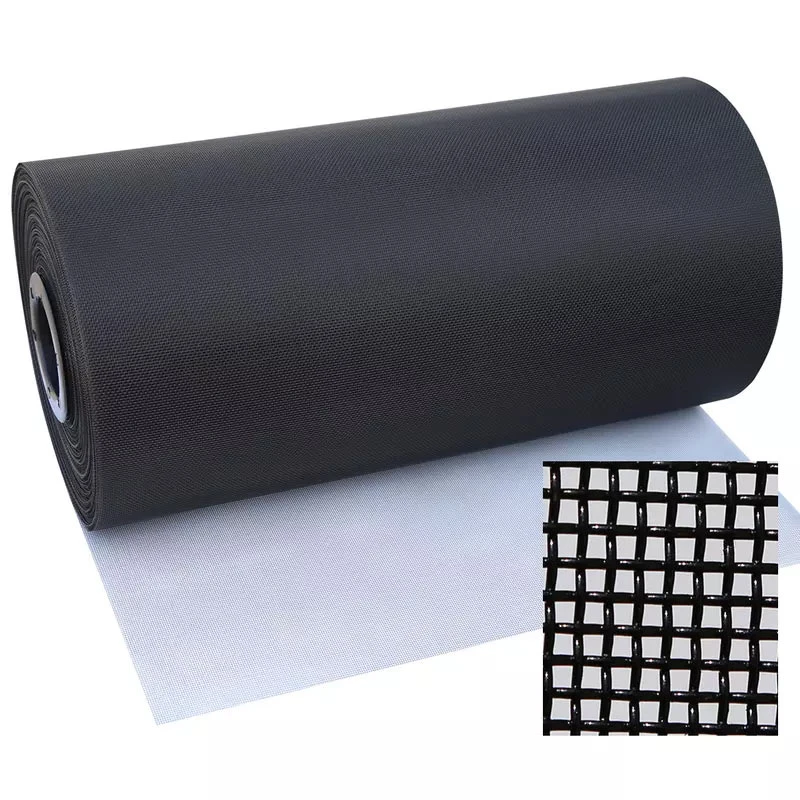
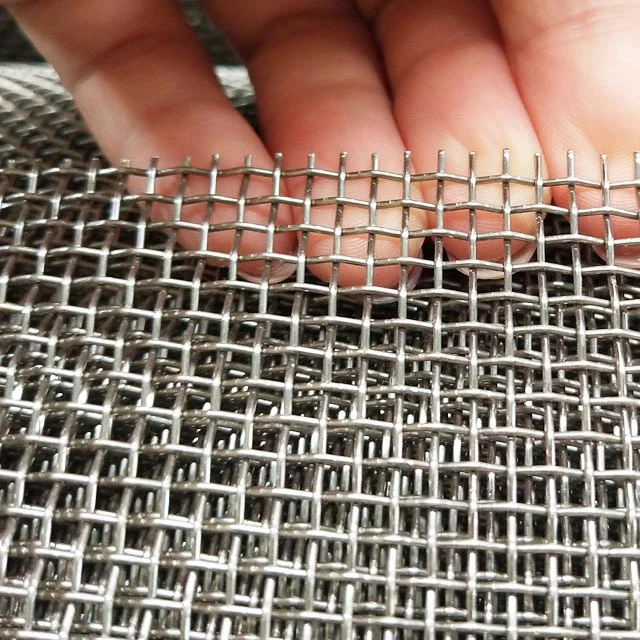
Evolution and Trajectory of Industrial Screening

From traditional weaving to smart material engineering in the North American context.

Market Development History

In the mid-20th century, the US industry relied heavily on basic carbon steel meshes for mining and construction, focusing primarily on structural strength over chemical resistance.

Between 1980 and 2010, there was a significant technological pivot toward stainless woven wire mesh as the food and pharmaceutical sectors implemented stricter FDA and USDA hygiene regulations, necessitating non-reactive materials.

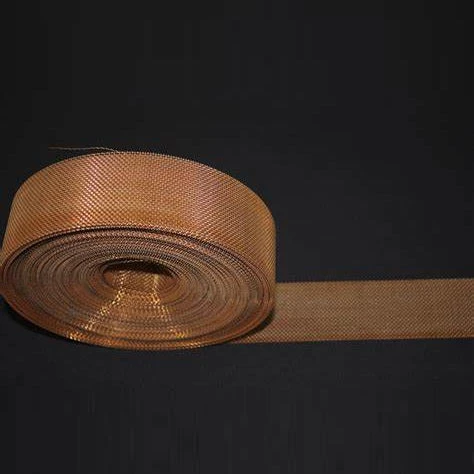
Entering the 2020s, the industry has moved into the era of "Specialty Alloys," where copper woven wire mesh is increasingly utilized for EMI shielding and high-conductivity electrical applications in the booming EV sector.

Future Development Trends

Nano-Coated Mesh Integration

Expect a surge in hydrophobic and oleophobic coatings applied to stainless steel to prevent clogging in high-viscosity filtration.

AI-Driven Mesh Design

The use of generative design to optimize aperture geometry for maximum flow rate and minimum pressure drop in industrial filters.

Sustainable Alloy Sourcing

A transition toward "Green Steel" and recycled alloys to meet the stringent ESG goals of Fortune 500 companies in the US.

Industry Trends and Future Outlook

Strategic predictions for the metal mesh sector based on Google search trends and industrial shifts.

Precision Micronization
Increased search volume for ultra-fine mesh apertures for semiconductor and battery electrode production.
Corrosion Resistance 2.0
Shift toward Hastelloy and Titanium weaves to replace standard stainless steel in aggressive chemical environments.
EMI/RFI Shielding
Rapid growth in copper-based mesh demand for autonomous vehicle sensors and 5G infrastructure.
Custom Geometry
Transition from standard rolls to complex, pre-fabricated 3D mesh components for rapid assembly.

Industry Outlook

Over the next 3-5 years, the US market will prioritize "Smart Filtration." We anticipate a convergence of metallurgy and sensor technology, where mesh surfaces are integrated with sensors to monitor pressure drops in real-time.

Furthermore, as North American supply chains diversify, the demand for high-specification woven wire mesh that complies with ASTM international standards will become the baseline for all industrial procurement.

Localized Application Scenarios in the US

Real-world deployment of precision mesh across North American key industries.

01. Texas Oil & Gas Filtration

Utilizing high-grade stainless steel mesh for crude oil filtration and saltwater treatment plants in the Permian Basin to prevent scale buildup and resist chloride corrosion.

02. California Semiconductor Fabrication

Implementation of ultra-fine mesh for clean-room air filtration and chemical etching screens, where zero-contamination is mandatory for wafer integrity.

03. Midwest Automotive Assembly

Using heavy-duty steel wire for industrial vibration screens and part-washing filtration systems in Detroit's automotive manufacturing plants.

04. East Coast Pharmaceutical Labs

Deployment of pharmaceutical-grade mesh for sterile liquid filtration and powder sifting, ensuring compliance with strict FDA purity standards.

05. Northwest Aerospace Engineering

Specialized alloys used in fuel strainers and electromagnetic shielding for aircraft components, focusing on weight reduction and thermal stability.

Brand Story

Global Development Journey of Anping Ansheng Metal Mesh Products Co., Ltd.

Foundational Excellence

Established in the heart of China's wire mesh capital, we began with a mission to solve the durability gaps in traditional industrial screening.

Technical Evolution

We invested in advanced weaving technology to master micron-level precision, bridging the gap between standard mesh and high-tech filters.

Global Expansion

Expanding into the North American market, we tailored our production to meet ASTM and ISO standards, earning trust from US engineers.

Innovation Hub

Developed a specialized R&D wing focusing on alloy blends and nano-coatings to solve the "clogging" pain point in industrial filtration.

Sustainable Future

Today, we lead the way in sustainable manufacturing, providing eco-friendly metal solutions to the global industrial community.

Comprehensive Mesh Portfolio for the US Market

A full spectrum of woven solutions from heavy-duty steel to precision stainless alloys.

Common Questions in the US Industrial Sector

Technical clarifications for procurement managers and engineers.

How do I choose the right grade of stainless woven wire mesh for corrosive environments?

For most US industrial applications, Grade 304 is standard, but for coastal or chemical environments, Grade 316 is highly recommended due to its molybdenum content which resists pitting corrosion.

What are the lead times for custom steel woven wire orders to the United States?

Standard sizes are typically shipped within 7-14 days. Custom technical specifications require a design phase, with typical production and shipping taking 3-5 weeks depending on volume.

Can copper woven wire mesh be used for high-temperature electrical shielding?

Yes, copper mesh is excellent for EMI/RFI shielding. For high-temperature environments, we provide specialized annealed copper or alloy-plated versions to maintain conductivity and structural integrity.

Does your stainless steel net comply with FDA food safety standards?

Absolutely. Our food-grade mesh is manufactured using high-purity alloys and polished to remove contaminants, meeting the strict requirements for food contact in the US market.

What is the difference between plain weave and twill weave for industrial filters?

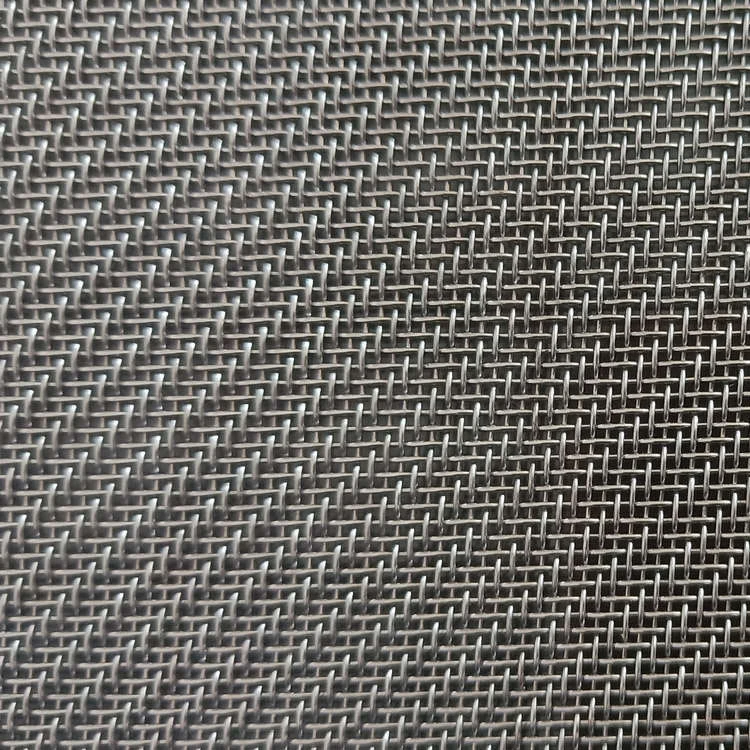
Plain weave offers the highest stability and precise pore size, while twill weave allows for thicker wires and higher open areas, making it better for heavy-duty filtration with less clogging.

How do you ensure dimensional tolerance for large-scale US projects?

We utilize automated CNC weaving looms and laser-based quality inspection systems to ensure that every roll meets the exact micron specifications requested by the client.

Ready to Optimize Your Filtration System?

Our engineering team is ready to provide high-precision mesh solutions tailored for the unique industrial demands of the United States.

Contact Us Now
tel email tel top

If you are interested in our products, you can choose to leave your information here, and we will be in touch with you shortly.