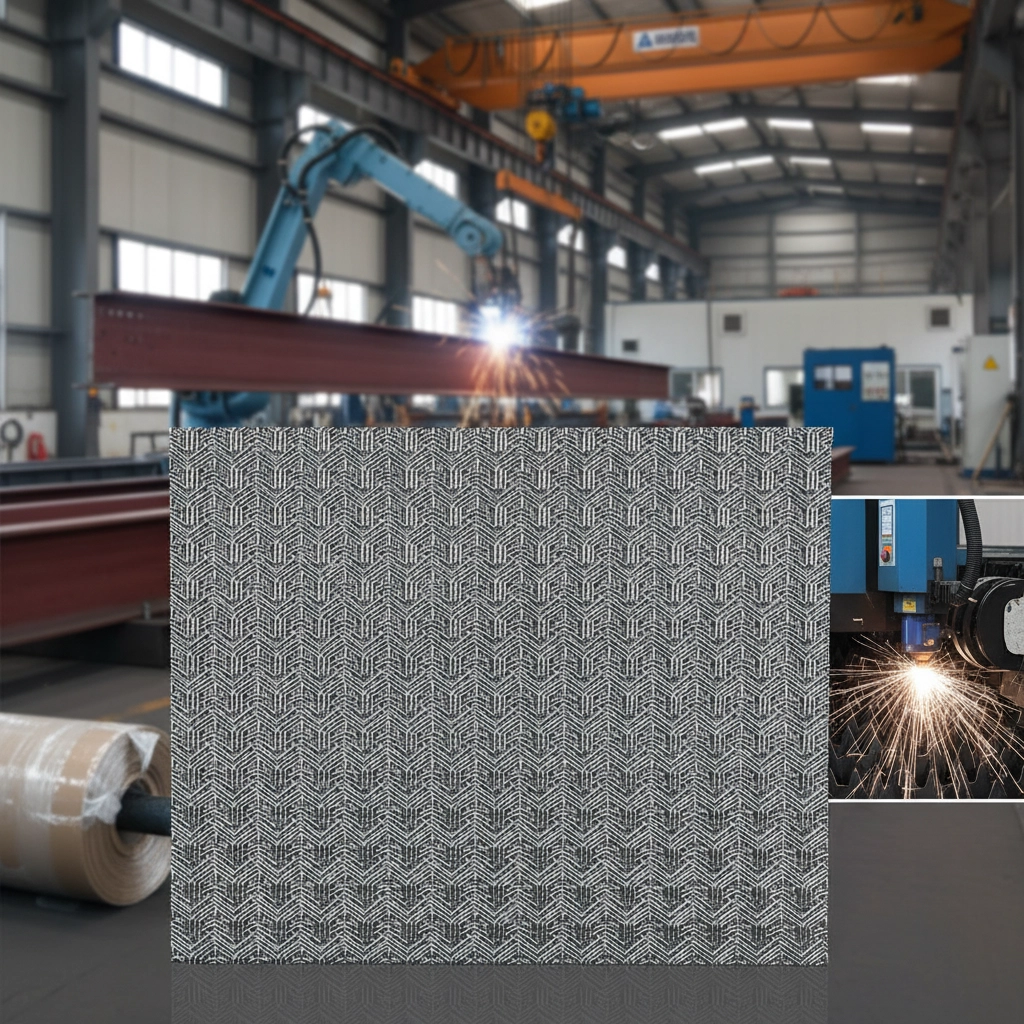
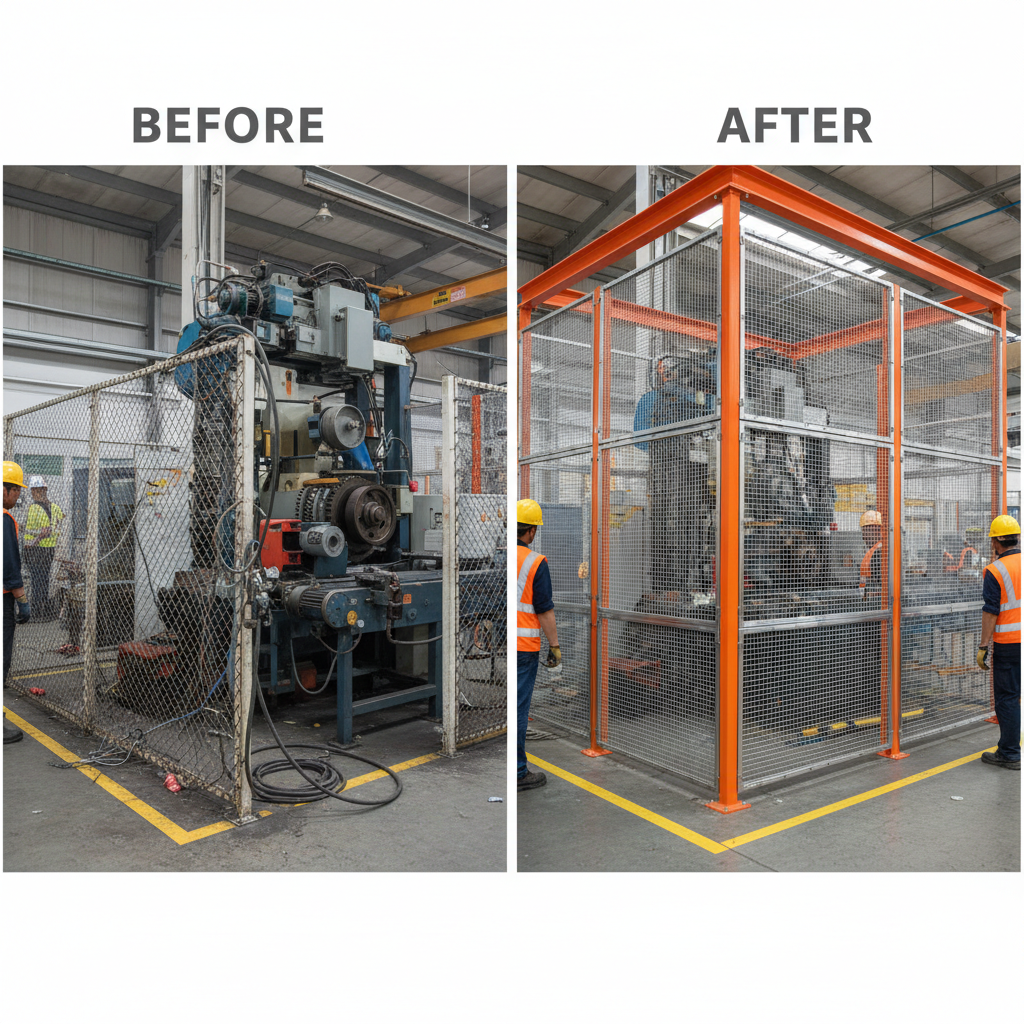
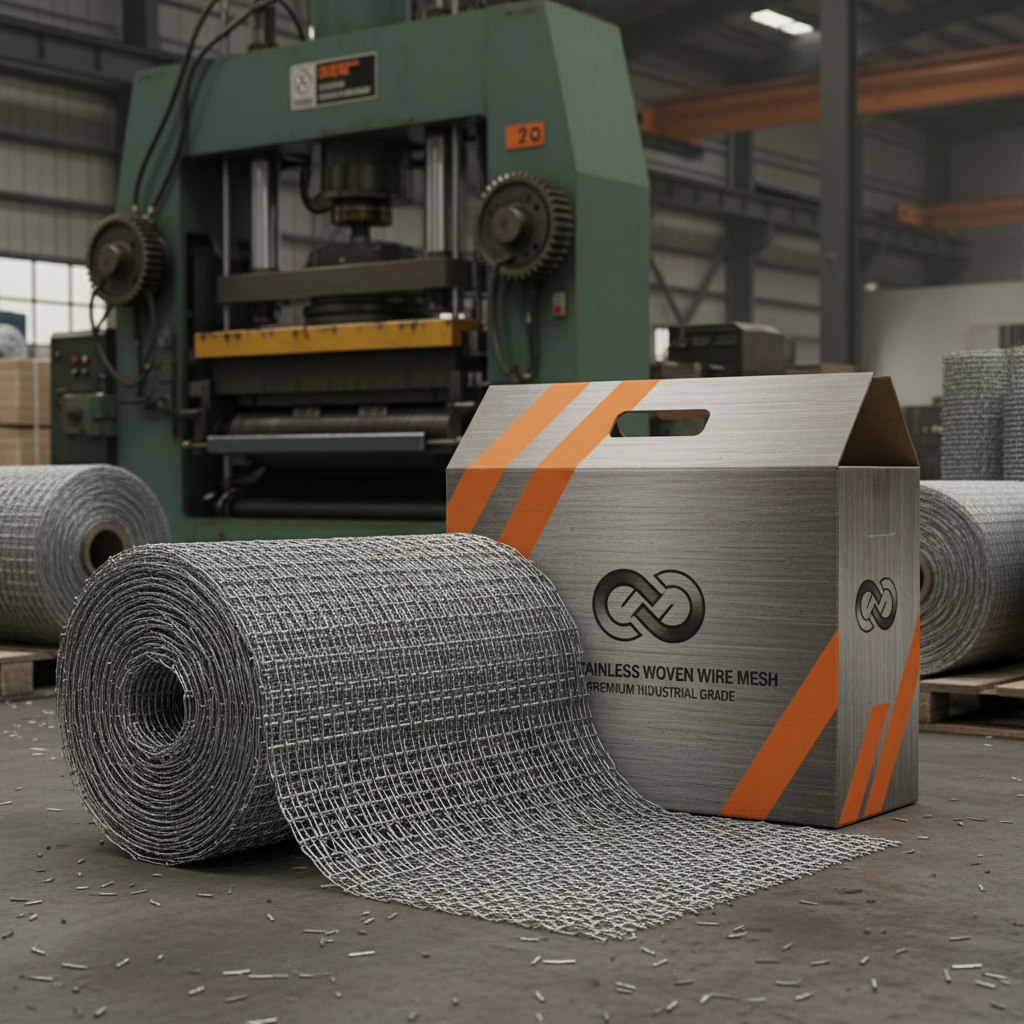
In the demanding landscape of modern industrial filtration and structural reinforcement, woven stainless steel stands as a cornerstone material. Its unique combination of mechanical strength and corrosion resistance makes it indispensable for sectors ranging from chemical processing to aerospace engineering. By intertwining high-grade stainless steel wires in precise patterns, manufacturers create a medium that can withstand extreme pressures and temperatures while maintaining strict permeability standards.
The global demand for high-performance mesh has surged as industries shift toward more sustainable and durable infrastructure. Understanding the nuances of woven stainless steel—from its weave types like plain, twill, and dutch—to its alloy compositions—is critical for engineers aiming to optimize system efficiency. Whether it is used for fine liquid filtration or heavy-duty architectural screening, the material's versatility ensures a long lifecycle and reduced maintenance costs.
Beyond its technical specifications, the adoption of these metallic fabrics addresses the critical challenge of material fatigue in corrosive environments. As ISO standards for industrial filtration continue to evolve, the precision of woven stainless steel allows for the creation of microscopic pore sizes, enabling the separation of particles at a micron level. This capability is not just a technical advantage but a fundamental requirement for the safety and purity of global pharmaceutical and food production chains.
Global Industrial Relevance of Woven Stainless Steel
The global industrial landscape relies heavily on the stability of filtration and screening systems. woven stainless steel plays a pivotal role in maintaining this stability, particularly in regions with heavy industrialization in Asia and North America. With the rise of stringent environmental regulations, the need for precise filtration to prevent pollutants from entering water systems has made high-grade stainless mesh a global necessity.
Data from international trade reports indicate a steady increase in the consumption of corrosion-resistant alloys. The primary challenge facing modern plants is "material degradation," where traditional metals fail under acidic or alkaline conditions. By implementing woven stainless steel, companies can mitigate the risk of catastrophic equipment failure, ensuring continuous operation and adherence to ISO safety protocols.
Defining Woven Stainless Steel and Its Industrial Role
At its most basic level, woven stainless steel is a fabric created by interlacing stainless steel wires at right angles or specific offsets. Unlike perforated metals, which are punched from a sheet, woven mesh is built from the ground up, allowing for incredible precision in aperture size and wire diameter. This structural integrity allows the mesh to act as both a physical barrier and a high-precision filter.
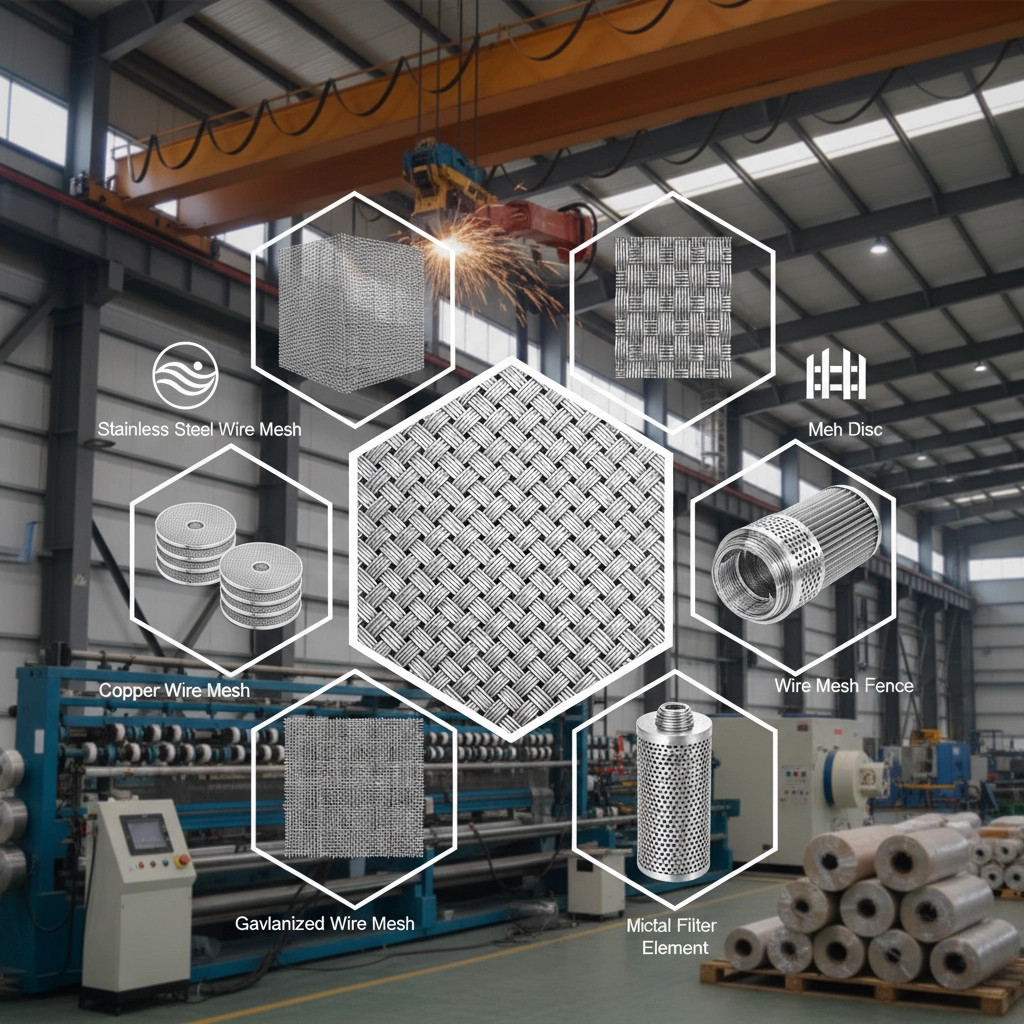
In the context of modern humanitarian and industrial needs, this material is essential for water purification projects in remote areas and the creation of sterile environments in healthcare. The "woven" aspect provides a flexibility that solid plates lack, allowing the material to be formed into cylinders, discs, or complex filter elements without losing its structural properties.
The industrial role of woven stainless steel extends to its ability to withstand extreme thermal expansion. In high-temperature furnaces or cryogenic cooling systems, the material remains stable, preventing leaks and ensuring that the filtration process remains consistent regardless of the external temperature fluctuations.
Core Technical Components for Maximum Performance
Durability is the first hallmark of woven stainless steel. The use of alloys like 304, 316L, or 904L ensures that the mesh can resist oxidation and pitting. This chemical resilience is critical when the mesh is exposed to saline environments or aggressive industrial solvents, preventing the "rust-through" effect common in galvanized alternatives.
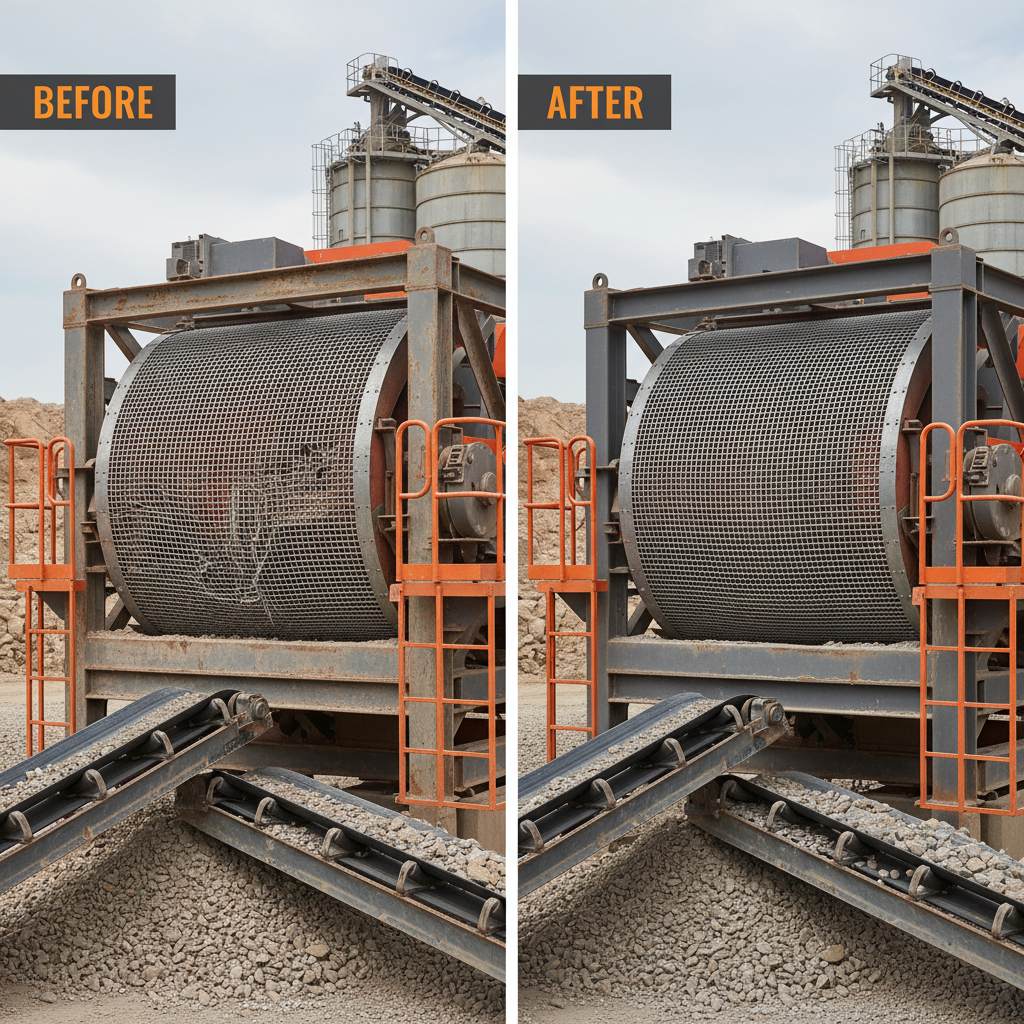
Precision and Scalability are achieved through the control of the wire gauge and the weave density. woven stainless steel can be manufactured with apertures as small as a few microns, making it scalable from giant quarry screens to microscopic laboratory filters. This flexibility allows engineers to specify the exact "open area" percentage required for optimal flow rates.
Cost Efficiency over the long term is realized through the reduced frequency of replacements. While the initial investment in woven stainless steel may be higher than plastic or iron meshes, the total cost of ownership (TCO) is lower due to its immense lifespan and the avoidance of costly production downtime caused by material failure.
Comparative Analysis of Weaving Methods
Selecting the right weave is paramount to the success of any filtration project. For instance, a plain weave provides the highest stability and a consistent pore size, whereas a twill weave allows for a higher percentage of open area and better self-cleaning properties. The choice of woven stainless steel patterns directly impacts the pressure drop across a filter medium.
Dutch weaves, on the other hand, are engineered specifically for high-precision filtration. By using different wire diameters for the warp and weft, these woven stainless steel structures create a denser barrier that can trap smaller particles without sacrificing the structural strength of the mesh.
Performance Rating of Woven Stainless Steel Weave Types
Global Applications and Real-World Use Cases
In real-world industrial zones, woven stainless steel is the primary choice for chemical distillation columns. Here, the mesh acts as a packing material to increase the surface area for gas-liquid contact, directly improving the purity of the distilled product. This application is critical in petrochemical hubs across the Middle East and East Asia.
Furthermore, in post-disaster relief operations, woven stainless steel is utilized in rapid-deployment water filtration units. These units provide a first line of defense against large debris and biological contaminants, ensuring that displaced populations have access to safer water before advanced chemical treatment is applied.
Long-Term Value and Sustainability Advantages
The sustainability of woven stainless steel lies in its 100% recyclability. Unlike polymer-based filters that end up in landfills, stainless steel can be melted down and repurposed without losing its metallurgical properties. This creates a circular economy within the manufacturing sector, reducing the reliance on virgin ore mining.
From a logical standpoint, the reliability of the material provides a sense of safety. In critical systems—such as nuclear power plant cooling filters—the trust placed in the tensile strength of woven stainless steel is absolute. The knowledge that the mesh will not rupture under sudden pressure spikes prevents environmental disasters.
Additionally, the innovation in cleaning technologies, such as ultrasonic cleaning, allows these meshes to be reused hundreds of times. This reduces the waste stream and lowers the operational overhead for factories, proving that high-quality material choice is an investment in both profit and planetary health.
Future Trends and Material Innovations
The future of woven stainless steel is being shaped by the integration of nanotechnology. "Nano-coatings" are now being applied to the wires to create hydrophobic or omniphobic surfaces. This prevents "blinding" or clogging of the mesh, which is a common challenge in oily or viscous fluid filtration.
Automation and digital transformation are also refining the weaving process. AI-driven looms can now detect a single broken wire in real-time, ensuring that every square inch of woven stainless steel meets exacting tolerances. This level of precision is essential for the burgeoning hydrogen energy sector, where leak-proof filtration is a prerequisite.
As green energy becomes the global priority, we are seeing a shift toward "smart meshes" that can sense pressure changes or contamination levels via integrated conductive fibers. This evolution transforms the woven stainless steel from a passive component into an active sensor within the industrial IoT (Internet of Things) ecosystem.
Comparison of Stainless Steel Mesh Grades for Industrial Use
| Material Grade |
Corrosion Resistance |
Max Temp Range |
Primary Application |
| SS 304 |
Moderate |
Up to 800°C |
General Food Processing |
| SS 316L |
High |
Up to 850°C |
Marine & Chemical Plants |
| SS 904L |
Extreme |
Up to 900°C |
Acidic Fluid Filtration |
| SS 310S |
Moderate |
Up to 1050°C |
High-Heat Furnaces |
| Duplex 2205 |
Very High |
Up to 700°C |
Oil & Gas Exploration |
| Hastelloy Mesh |
Ultimate |
Up to 1100°C |
Extreme Chemical Vapors |
FAQS
The primary advantage is the precision of the pore size. While perforated metal is limited by the diameter of the punch, woven stainless steel can achieve microscopic openings through the use of extremely fine wires. Additionally, woven structures offer better flexibility and a higher surface area per unit of volume, which significantly enhances filtration efficiency and flow distribution.
The decision depends on the environment. SS 304 is excellent for general-purpose use, such as food processing and indoor applications. However, if your project involves saltwater, chlorides, or harsh chemicals, SS 316L is the professional choice. The addition of molybdenum in 316L provides superior resistance to pitting and crevice corrosion, ensuring a much longer lifespan in aggressive settings.
While not "indefinite," it is highly reusable. Most industrial woven meshes can be cleaned using high-pressure backwashing or ultrasonic baths to remove trapped particulates. The longevity depends on the abrasive nature of the filtered material; however, compared to disposable paper or plastic filters, stainless steel drastically reduces waste and long-term operational costs.
A plain weave is a simple one-over, one-under pattern, providing the most stable and uniform pore structure. A twill weave offsets the interlacing wires, creating a diagonal rib. This allows the wires to be packed more closely, resulting in a higher "open area" and better flow rates, while also making the mesh more resistant to clogging in heavy-duty applications.
Yes, it is one of the most sustainable industrial materials. Stainless steel is 100% recyclable without any loss in quality. Furthermore, its extreme durability means that fewer replacement parts are needed over the lifetime of a project, reducing the overall carbon footprint associated with manufacturing and shipping replacement filters.
For oily environments, we recommend using a twill weave for better flow or applying a specialized oleophobic nano-coating. These coatings lower the surface energy of the wires, preventing oil droplets from adhering to the surface. Regular back-flushing with a compatible solvent is also recommended to maintain the optimal permeability of the woven stainless steel.
Conclusion
To summarize, woven stainless steel is more than just a industrial component; it is a high-precision engineering solution that balances durability, chemical resistance, and extreme accuracy. From the structural integrity of the weave to the metallurgical properties of the alloy, every detail is designed to maximize efficiency and safety in the world's most challenging environments.
As we look toward a future of greener energy and smarter manufacturing, the evolution of these materials will continue to drive innovation in filtration and separation technologies. We encourage engineers and procurement specialists to prioritize quality and precision to ensure long-term operational success. Visit our website for professional guidance and high-quality products: www.anshengmetalmesh.com