In the complex landscape of industrial filtration and structural reinforcement, weave mesh stands as a fundamental engineering marvel. By interlacing metal wires in precise geometric patterns, manufacturers create a versatile medium capable of everything from micron-level filtration to heavy-duty architectural shielding. Understanding the nuances of this material is essential for engineers and procurement specialists who seek to balance permeability, strength, and chemical resistance in demanding environments.
From a global perspective, the demand for high-precision weave mesh has surged as industries transition toward more sustainable and efficient production cycles. Whether it is used in aerospace components, pharmaceutical processing, or large-scale water treatment plants, the ability to customize the aperture and wire diameter allows for unparalleled control over fluid dynamics and particle separation. This adaptability makes it an indispensable asset in the modern industrial toolkit.
However, selecting the wrong specification can lead to catastrophic failures, such as premature corrosion or insufficient flow rates. This guide aims to demystify the technical parameters of woven metal fabrics, exploring how different materials—from stainless steel to nickel—and various weaving techniques influence the long-term performance and ROI of industrial installations.
Global Industrial Relevance of Weave Mesh
The global industrial landscape relies heavily on the precision of weave mesh to maintain operational safety and product purity. According to ISO standards for industrial textiles, the consistency of the mesh opening is critical for sectors such as chemical processing and food production, where a single deviation in pore size can lead to batch contamination or system failure.
As emerging economies expand their manufacturing bases, the integration of high-grade woven metals has become a benchmark for quality. The challenge remains in sourcing materials that can withstand extreme thermal fluctuations and corrosive atmospheres while maintaining the structural integrity of the weave, driving a global shift toward advanced alloys and specialized coatings.
Defining the Mechanics of Weave Mesh
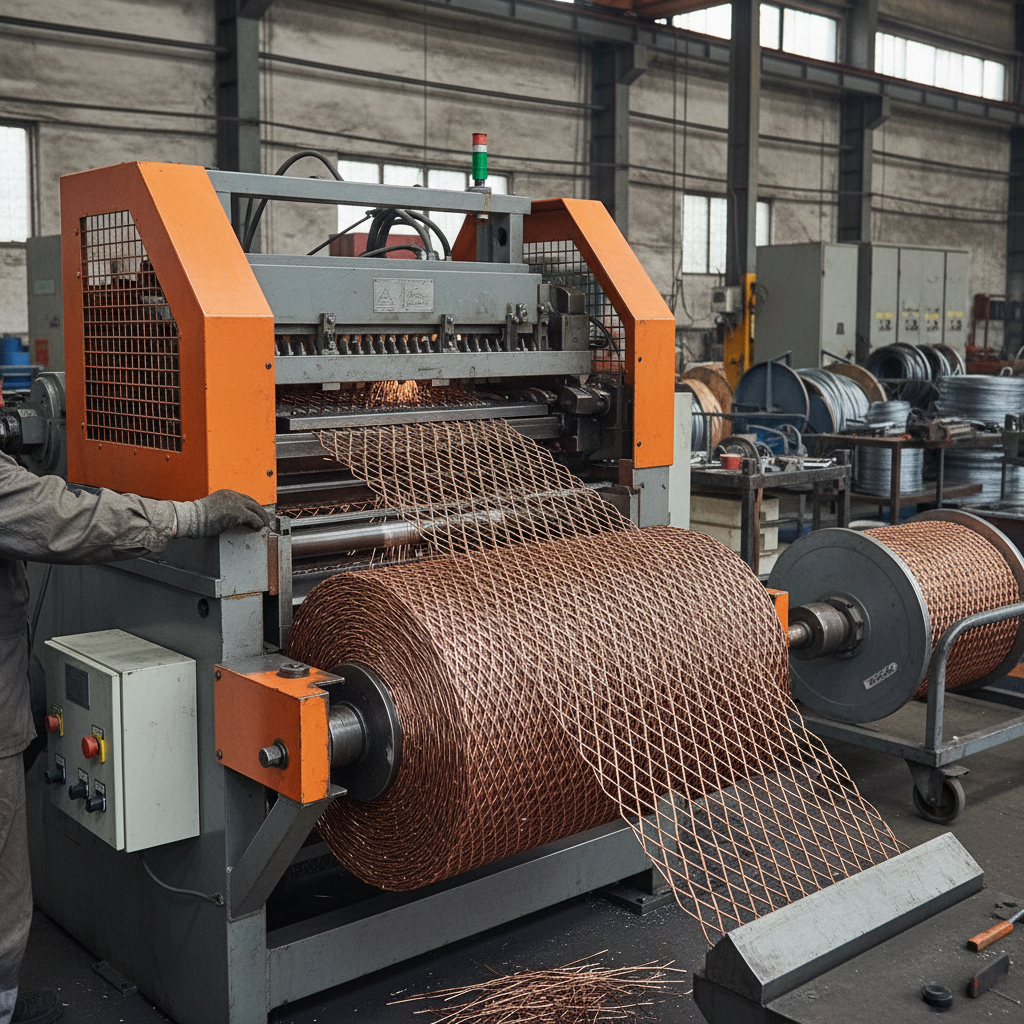
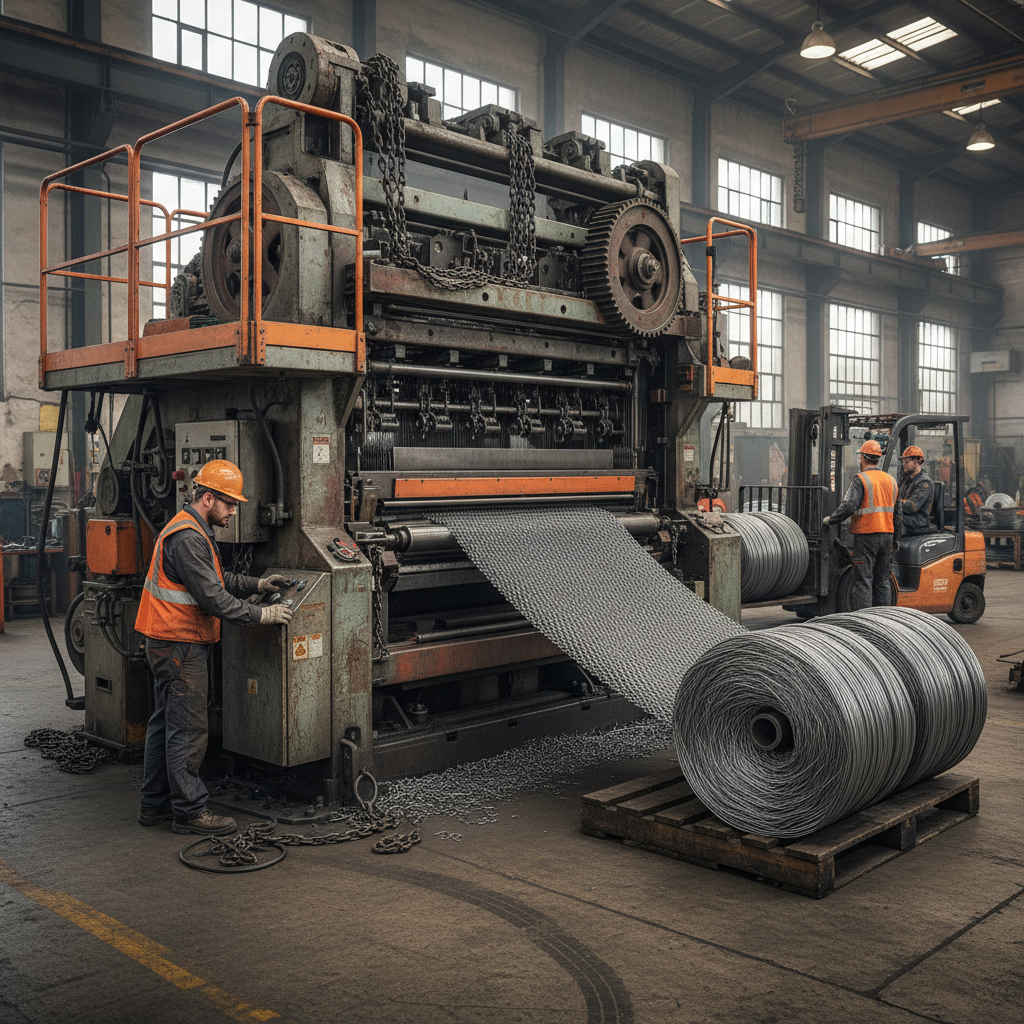
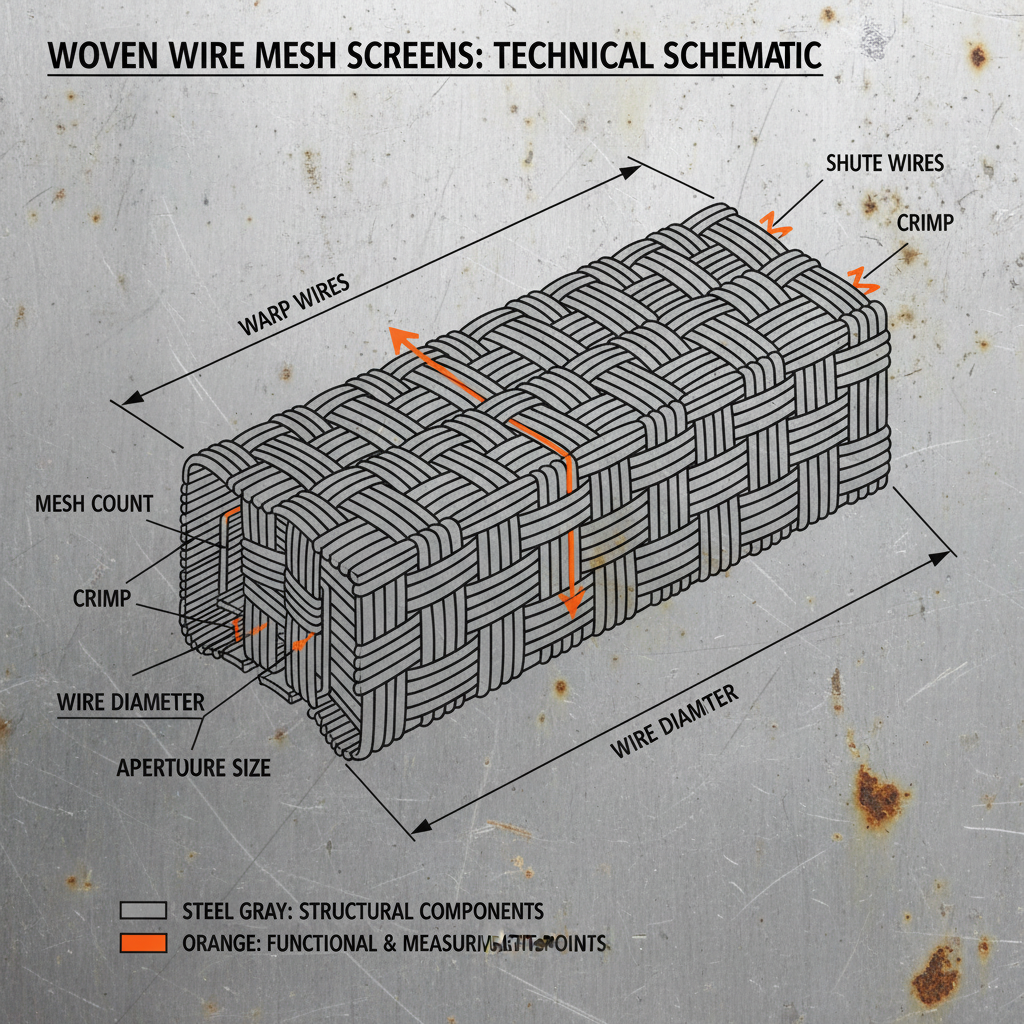
In its simplest form, weave mesh is a textile-like structure created by interlacing two or more sets of metal wires—typically the warp and the weft—at right angles. Unlike perforated metal, which is punched from a sheet, woven mesh is constructed from individual wires, allowing for much finer apertures and higher open-area percentages, which are critical for high-flow filtration applications.
This mechanical construction is deeply connected to modern humanitarian and industrial needs. For instance, in water purification projects in remote regions, specifically designed woven screens provide a cost-effective first line of defense against macro-contaminants, ensuring that subsequent chemical treatments are more efficient and less prone to clogging.
The versatility of the "weave" itself—ranging from plain weave to twill and dutch weave—determines the physical properties of the final product. A plain weave offers maximum stability, while a dutch weave provides a denser structure, making it ideal for high-pressure filtration where the smallest particles must be intercepted without sacrificing the strength of the screen.
Core Components Driving Performance
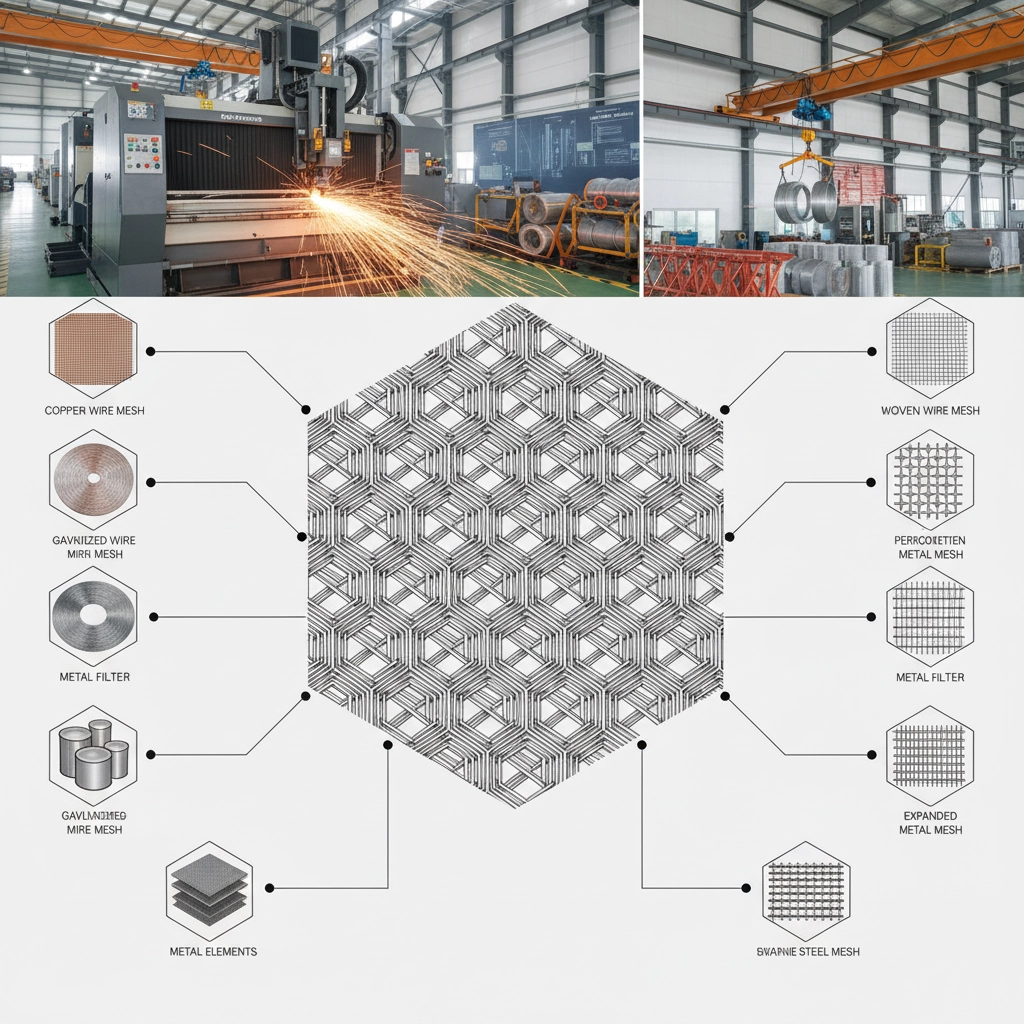
The durability of weave mesh is primarily dictated by the material selection. Stainless steel (304, 316L) is the industry gold standard due to its exceptional resistance to oxidation, whereas nickel and copper alloys are preferred for specialized electronic or conductive applications.
Scalability and precision are achieved through the control of the "wire diameter" and "mesh count." By adjusting these two variables, engineers can create a weave mesh that functions as a coarse debris screen or a microscopic filter, ensuring that the product can be scaled from small laboratory vials to massive industrial silos.
Cost efficiency in the long run is not about the initial purchase price but the operational lifespan. High-quality weaves reduce the frequency of replacements and downtime, particularly in harsh environments where abrasion and chemical erosion are constant threats to the structural integrity of the filter element.
Global Applications and Use Cases
The practical application of weave mesh spans across every continent, adapting to local industrial needs. In the pharmaceutical hubs of Europe and North America, ultra-fine woven filters are used to ensure the sterility of injectable medicines, preventing any particulate matter from entering the final product.
In remote industrial zones, such as mining operations in Australia or South America, heavy-duty galvanized weave mesh is deployed for mineral sifting and aggregate grading. These applications require the mesh to withstand immense physical impact and abrasive wear, demonstrating the material's capacity for rugged, large-scale industrial use.
Comparative Performance of Weave Mesh Types
Long-Term Value and Strategic Advantages
Investing in premium weave mesh offers tangible benefits beyond simple filtration. The primary advantage is sustainability; high-grade metal meshes are often recyclable and possess a lifespan that far exceeds plastic alternatives, significantly reducing the carbon footprint of industrial waste.
Beyond the logic of cost and durability, there is an element of trust and safety. In high-pressure steam systems or volatile chemical reactors, the reliability of a woven screen is a matter of operational security. Knowing that a mesh will not rupture under stress provides the peace of mind necessary for engineers to push the boundaries of innovation in plant design.
Future Innovations in Mesh Technology
The future of weave mesh is being shaped by the digital transformation of manufacturing. The introduction of AI-driven quality control ensures that every millimeter of a woven screen is free from defects, allowing for "zero-failure" components in critical aerospace and medical applications.
Furthermore, the rise of green energy is driving the development of specialized meshes for hydrogen fuel cells and advanced battery separators. These new materials prioritize extreme chemical inertness and optimized ion flow, proving that the ancient art of weaving is evolving to meet the needs of the 21st century.
We are also seeing a trend toward "smart meshes"—woven structures integrated with sensors that can detect pressure drops or particulate buildup in real-time. This shift from passive filtration to active monitoring allows for predictive maintenance, further optimizing the efficiency of global supply chains.
Overcoming Common Technical Challenges
One of the most persistent challenges with weave mesh is the phenomenon of "blinding," where particles become lodged in the apertures. To overcome this, experts recommend the use of specialized coatings or the implementation of automated ultrasonic cleaning systems that vibrate the mesh to dislodge debris without damaging the wires.
Another common issue is galvanic corrosion, which occurs when two dissimilar metals touch in the presence of an electrolyte. The solution lies in the strategic selection of materials—such as using high-nickel alloys in saline environments—and the application of epoxy coatings to isolate the metal from the surrounding atmosphere.
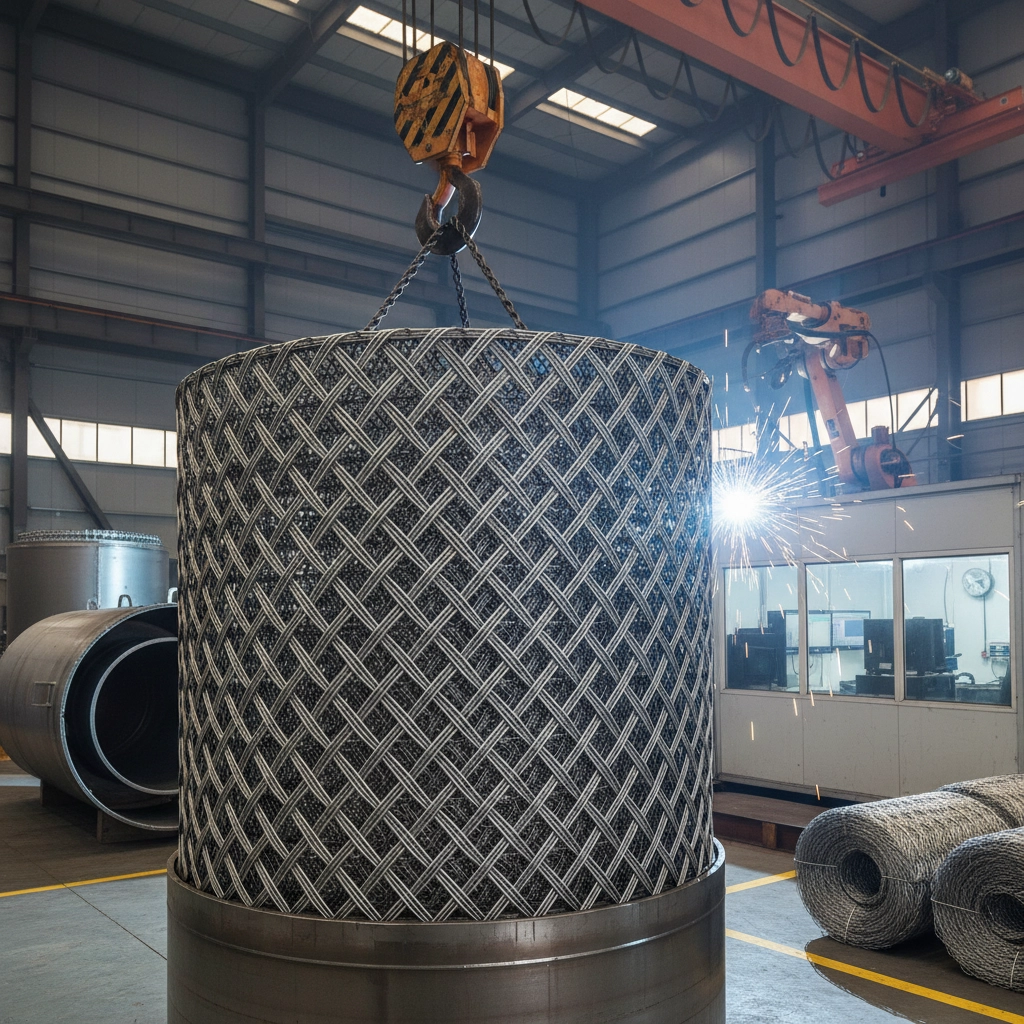
Finally, achieving a perfect seal between the mesh and the filter housing remains a critical pain point. Innovative welding techniques and customized flange designs have emerged as the primary solutions, ensuring that no "bypass" occurs and that 100% of the medium passes through the weave mesh.
Technical Analysis of Weave Mesh Material Selection and Performance
| Material Grade |
Corrosion Resistance |
Thermal Stability |
Recommended Application |
| Stainless Steel 304 |
Medium (7/10) |
High (8/10) |
General Industrial Filtration |
| Stainless Steel 316L |
Very High (9/10) |
High (8/10) |
Marine & Pharmaceutical |
| Nickel Alloy |
High (8/10) |
Ultra High (10/10) |
High-Temp Furnaces |
| Galvanized Iron |
Low (4/10) |
Medium (5/10) |
Construction Fencing |
| Copper Mesh |
Medium (6/10) |
Medium (6/10) |
EMI/RFI Shielding |
| Monel/Inconel |
Extreme (10/10) |
Extreme (10/10) |
Acidic Chemical Plants |
FAQS
The primary difference lies in the construction method. Weave mesh is made by interlacing individual wires, which allows for much smaller openings and a higher "open area" percentage, making it superior for fine filtration. Perforated metal is a solid sheet with holes punched out, offering higher structural rigidity and thickness, making it better for heavy-duty guards or architectural facades.
Wire diameter selection depends on the balance between flow rate and strength. A thicker wire increases the structural durability and abrasion resistance of the mesh but reduces the open area, which can slow down filtration. For high-pressure environments, a thicker wire is essential; for high-precision separation, a thinner wire is preferred.
Yes, provided the correct material is selected. While standard 304 stainless steel may fail, materials like Hastelloy, Monel, or 316L stainless steel are specifically engineered to resist corrosion from acids and chlorides. For extreme cases, epoxy-coated woven mesh can provide an additional barrier against chemical attack.
Blinding occurs when particles become trapped within the mesh apertures, effectively sealing the screen and stopping flow. This can be prevented by selecting a mesh with a larger opening relative to the particle size, using a twill weave to reduce stagnation points, or employing back-flushing and ultrasonic cleaning systems.
While custom weaving has a higher initial setup cost, it is often more cost-effective in the long run. A custom-engineered mesh that perfectly matches your specific flow and filtration requirements will last longer and reduce operational downtime compared to a "close-enough" stock item that may fail prematurely.
Quality is verified through a combination of aperture measurement using digital microscopes, tensile strength testing to ensure the weave won't rupture under pressure, and material spectroscopy (PMI) to confirm the alloy grade. ISO 9001 certified manufacturers typically provide these certificates with every shipment.
Conclusion
In summary, weave mesh is far more than a simple industrial screen; it is a precision-engineered tool that enables the efficiency and safety of countless global industries. By carefully balancing material grade, weave pattern, and aperture size, businesses can significantly enhance their production quality, reduce waste, and ensure the longevity of their critical infrastructure.
Looking forward, the integration of smart materials and automated manufacturing will only further refine the capabilities of woven metal fabrics. For companies aiming to optimize their filtration or structural systems, the key lies in partnering with experts who can translate complex operational needs into precise technical specifications. To explore our full range of high-performance solutions, visit our website: www.anshengmetalmesh.com.