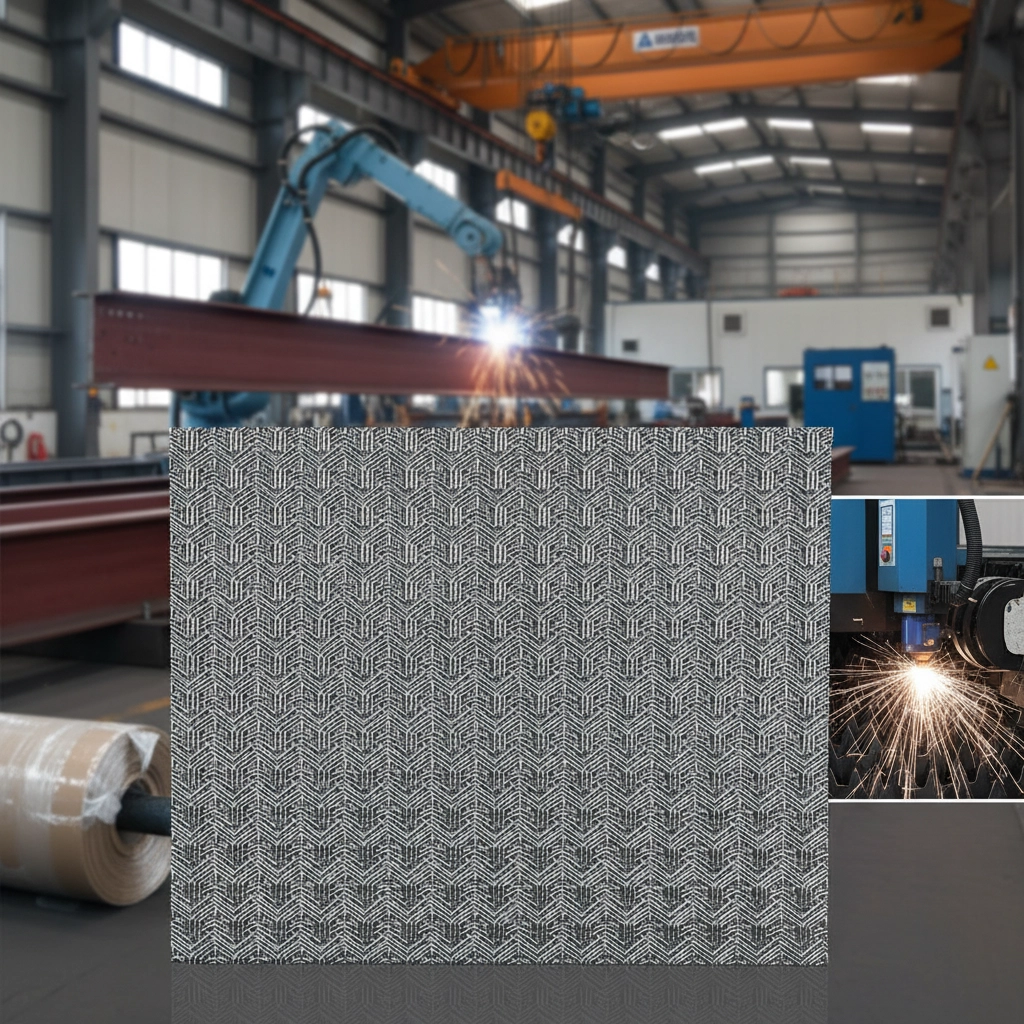
In the demanding landscape of modern industrial filtration and structural reinforcement, woven metal panels have emerged as a cornerstone technology. These precision-engineered components blend the structural integrity of metal with the versatility of a textile weave, providing essential solutions for everything from high-temperature catalyst supports to architectural facade cladding. By manipulating wire diameter and weave patterns, manufacturers can tailor these panels to meet incredibly specific porosity and strength requirements.
Globally, the demand for high-performance mesh solutions is driven by the tightening of environmental regulations and the advancement of aerospace and automotive engineering. Whether it is the need for micron-level filtration in pharmaceutical labs or the requirement for corrosion-resistant guards in chemical plants, the versatility of these panels allows them to operate where solid plates would fail. Their ability to allow airflow, light, and fluid passage while maintaining a rigid physical barrier makes them indispensable in the pursuit of industrial efficiency.
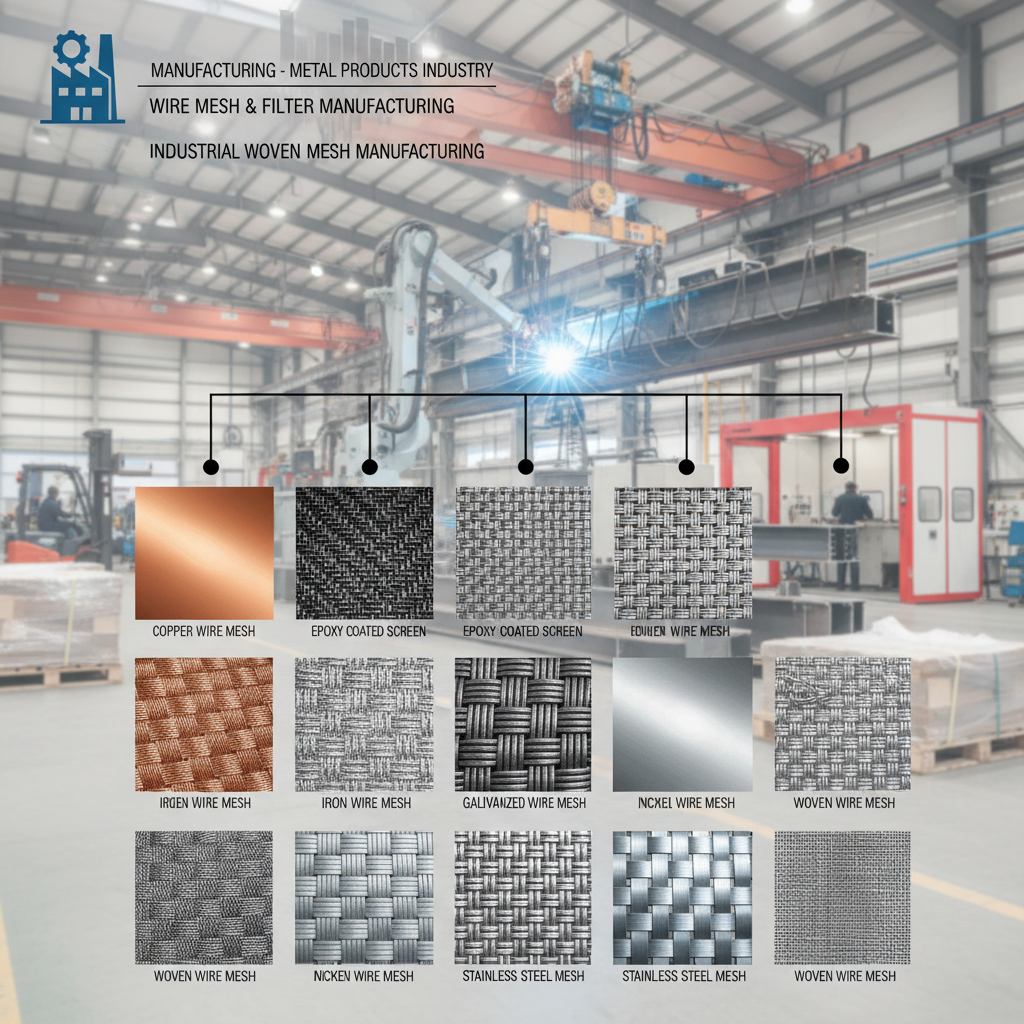
Understanding the nuances of material selection—ranging from stainless steel and nickel to copper and galvanized options—is critical for maximizing the lifespan of your equipment. When selected correctly, woven metal panels not only reduce operational downtime through superior durability but also contribute to sustainable manufacturing by minimizing waste and energy loss in filtration processes.
Global Industrial Context of Woven Metal Panels
The global market for industrial mesh is inextricably linked to the growth of the manufacturing sector. According to ISO standards for wire cloth and the evolving needs of the World Bank's infrastructure projects, the transition toward sustainable, long-life materials has put woven metal panels at the forefront of material science. As industries strive for "Zero Waste" targets, the precision of these panels ensures that filtration and separation processes are optimized, reducing raw material loss.
However, the industry faces a recurring challenge: the trade-off between permeability and structural rigidity. Many legacy systems rely on oversized panels that lack the precision to filter smaller particulates, leading to system failures or contamination. By implementing advanced weaving techniques, modern industry can now achieve high flow rates without sacrificing the mechanical strength required for high-pressure environments.
Defining the Mechanics of Woven Metal Panels
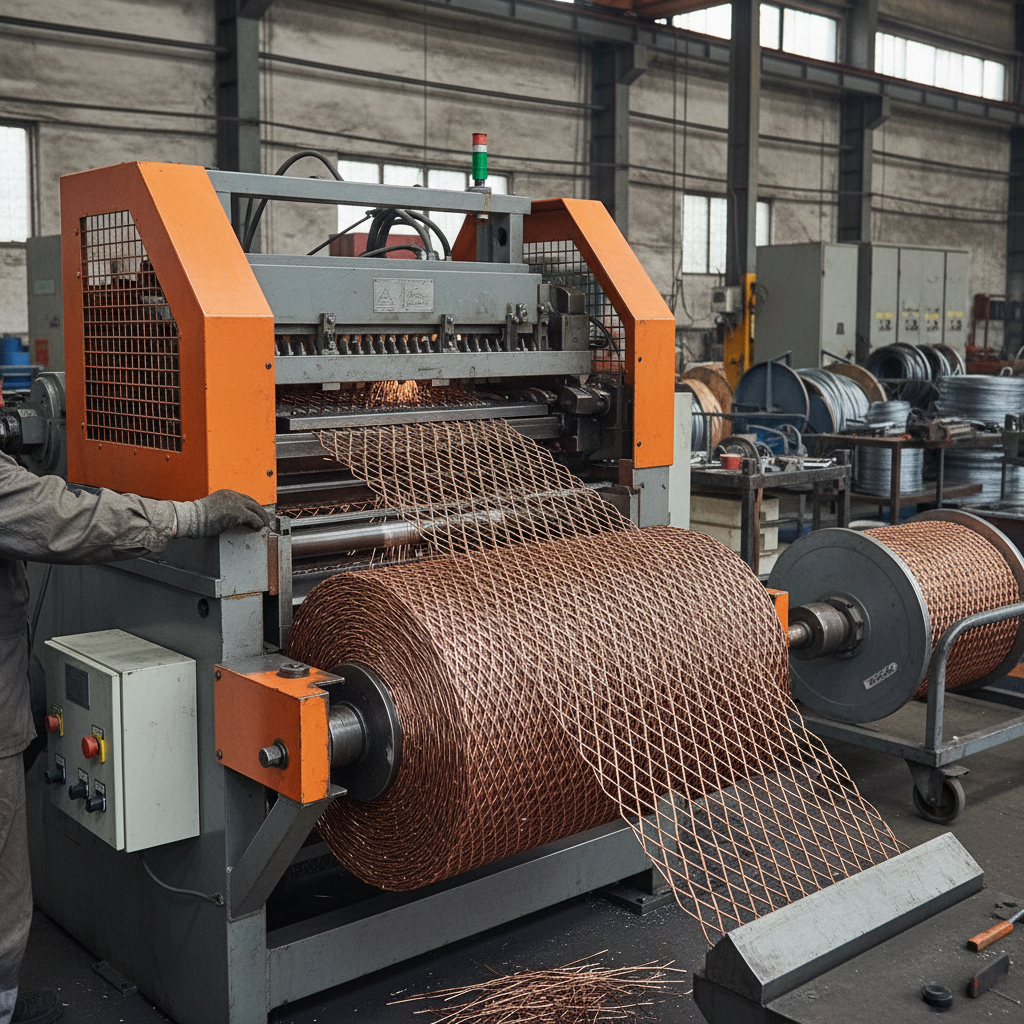
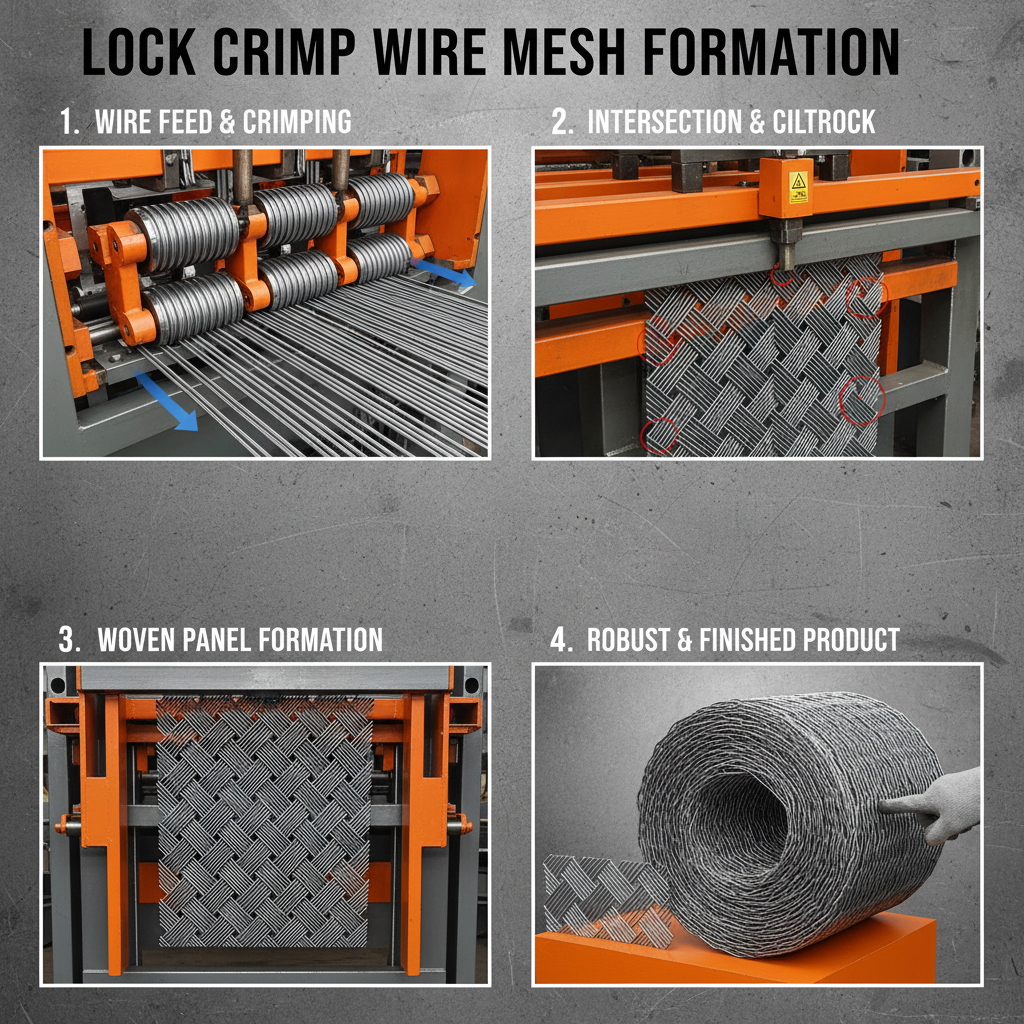
At its core, woven metal panels are created by interlacing two or more sets of metal wires—typically the warp and the weft—at right angles. This process is similar to fabric weaving but utilizes heavy-duty industrial looms capable of handling stainless steel, nickel, or copper. The result is a stable, porous sheet that can be customized in terms of "mesh count" (the number of openings per linear inch), which dictates the panel's filtration precision.
Beyond simple filtration, these panels serve a critical role in modern humanitarian and infrastructure needs. In water purification projects for developing regions, woven panels act as the first line of defense against macro-debris, protecting expensive reverse osmosis membranes from clogging. This connection between high-end metallurgy and basic human needs demonstrates the versatility of the technology.
The "open area" percentage is the most critical metric here. It determines how much fluid or air can pass through the panel versus how much surface area is occupied by the metal wires. By balancing this ratio, engineers can prevent "blinding" (where the mesh becomes clogged) while ensuring that the panel remains strong enough to withstand physical impact or high-velocity fluid streams.
Key Technical Factors for Performance
Material durability is the primary driver when selecting woven metal panels. For environments exposed to saline air or acidic chemicals, Grade 316 stainless steel is the gold standard due to its molybdenum content, which prevents pitting corrosion. In contrast, nickel mesh is often preferred for high-temperature applications where oxidation resistance is paramount.
Scalability and precision are equally vital. The ability to manufacture woven metal panels in varying widths and lengths without compromising the uniformity of the aperture is what separates industrial-grade mesh from commercial-grade wire. This uniformity ensures a predictable pressure drop across the panel, which is essential for automated control systems in chemical processing.
Finally, cost-efficiency is achieved through the optimization of wire gauge. Using a wire that is too thick reduces permeability, while a wire that is too thin may fail under load. The "sweet spot" is found through rigorous stress testing and the application of the E-E-A-T principle (Experience, Expertise, Authoritativeness, and Trustworthiness) in the engineering phase to ensure the panel serves its purpose for the longest possible duration.
Global Applications and Use Cases
In real-world contexts, woven metal panels are deployed across diverse sectors. In the oil and gas industry of the Middle East, these panels are used as intake screens for desalination plants, filtering out marine life and debris before water enters the treatment system. In the European automotive sector, they are integrated into catalytic converters to support the ceramic substrate while allowing exhaust gases to flow freely.
Furthermore, these panels play a vital role in remote industrial zones, such as mining operations in Australia or Canada. Here, they are used in vibrating screens to separate ore by size. The high impact resistance of woven panels allows them to survive the constant bombardment of heavy minerals, which would quickly shred plastic or thinner metal alternatives.
Performance Metrics of Various Woven Metal Panels
Advantages and Long-Term Value
The tangible benefits of investing in high-quality woven metal panels extend far beyond initial installation. From a logical perspective, the reduction in replacement frequency leads to a significant decrease in Total Cost of Ownership (TCO). When a panel resists corrosion for ten years instead of two, the labor and material savings are exponential.
From an emotional and psychological angle, the use of these panels provides peace of mind regarding safety and reliability. In critical applications—such as pressure relief vents or safety guards—the trust that a woven metal panel will not fail under extreme stress is paramount. This reliability fosters innovation, as engineers can push the boundaries of machine speed and temperature, knowing their filtration systems are secure.
Future Trends and Material Innovations
The evolution of woven metal panels is currently being shaped by the "Green Energy" transition. We are seeing a surge in the development of mesh for hydrogen fuel cells and advanced battery separators. These applications require ultra-fine wires and specialized coatings to prevent chemical degradation while maintaining high electrical conductivity.
Digital transformation is also playing a role. The integration of IoT sensors into mesh housings allows operators to monitor the "pressure delta" across a woven panel in real-time. This shift toward predictive maintenance means that panels are replaced based on actual wear data rather than arbitrary schedules, drastically reducing waste and improving uptime.
Furthermore, the adoption of additive manufacturing (3D printing) is complementing traditional weaving. Hybrid structures—where a 3D-printed frame holds a precision-woven metal panel—are becoming common in the aerospace industry to reduce weight while maintaining the high-filtration efficiency that only a woven structure can provide.
Overcoming Challenges in Mesh Implementation
Despite their advantages, woven metal panels can face limitations, most notably the issue of "surface blinding." In industries dealing with sticky or viscous materials, the mesh openings can quickly fill, halting production. To overcome this, experts recommend the use of ultrasonic cleaning systems or the application of hydrophobic coatings that repel contaminants.
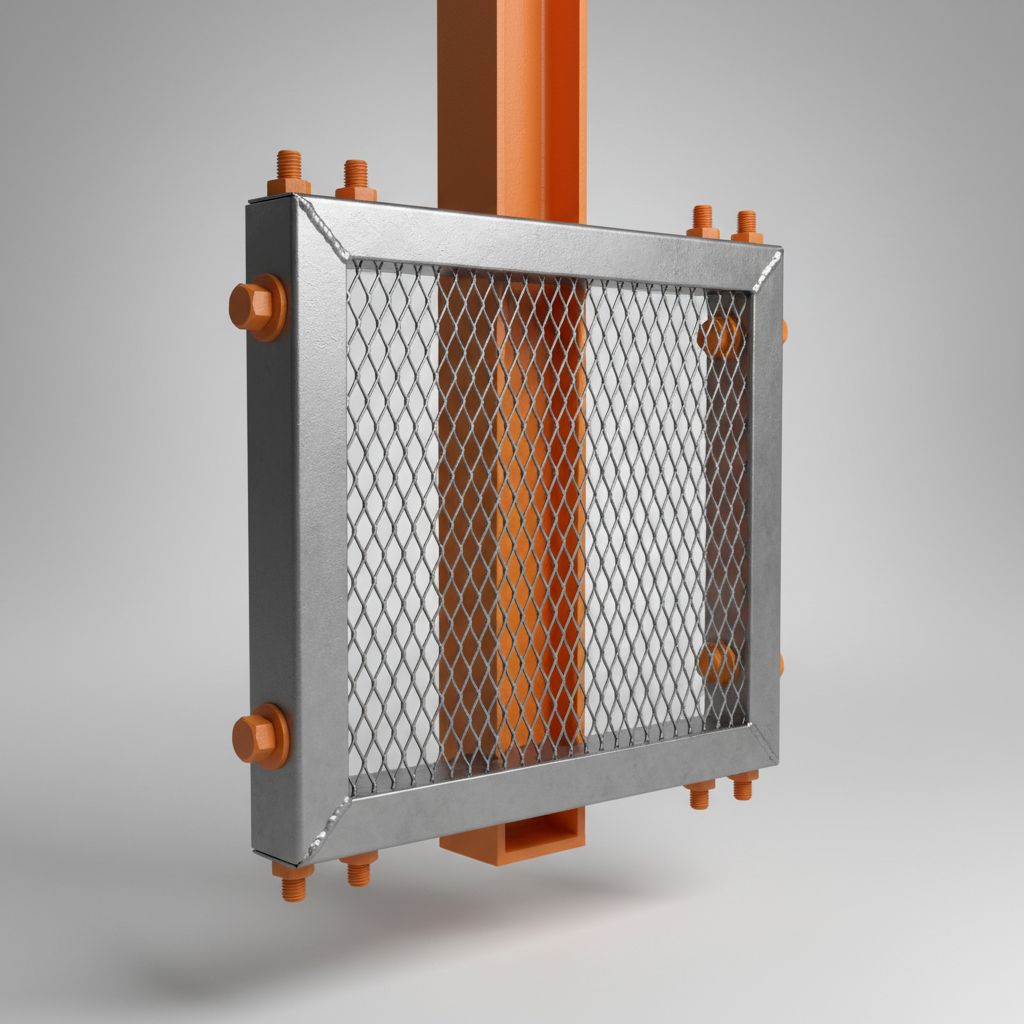
Another challenge is the potential for "wire fraying" at the edges of the panel. If not properly finished, the woven edges can unravel under stress. The professional solution is to employ reinforced bordering—such as welding a solid metal frame or using specialized crimping techniques—to lock the weave in place and ensure structural integrity.
Finally, selecting the wrong material for the environment can lead to rapid failure. To solve this, we advocate for a comprehensive chemical compatibility audit before specification. By matching the alloy to the specific pH and temperature of the environment, the lifespan of the woven panel can be extended by several hundred percent.
Comparative Analysis of Woven Metal Panels by Material and Environment
| Material Grade |
Corrosion Resistance |
Max Temp Stability |
Primary Industry Use |
| SS304 Stainless |
Medium-High |
800°C |
Food & Beverage |
| SS316 Stainless |
Very High |
850°C |
Marine/Chemical |
| Pure Nickel |
High |
1100°C |
Aerospace/Heat Treat |
| Pure Copper |
Low-Medium |
1085°C |
Electrical Shielding |
| Galvanized Iron |
Medium |
200°C |
Agriculture/Fencing |
| Hastelloy |
Extreme |
1200°C |
Extreme Acidic Processing |
FAQS
Choosing the right mesh count depends on the size of the particles you need to filter. A higher mesh count means more wires per inch and smaller openings, suitable for fine filtration. Conversely, a lower mesh count is used for coarse materials. We recommend analyzing the micron size of your target particulate and selecting a mesh with an aperture slightly smaller than that size to ensure efficient capture without causing excessive pressure drop.
It depends on the application. Perforated sheets generally offer higher structural rigidity and are better for heavy-duty guarding. However, woven metal panels provide significantly higher open-area percentages and more precise filtration capabilities. For applications involving fluid flow or fine separation, woven panels are vastly superior because they provide a consistent, interlaced barrier that is less prone to "tear-out" failures than punched holes.
Yes, customization is a core advantage. Beyond selecting the base alloy (like SS316 or Nickel), panels can be treated with epoxy coatings or specialized polymer dips to increase chemical resistance. We can also adjust the weave pattern (e.g., plain, twill, or dutch weave) to change the flow characteristics and durability based on the specific corrosive agents present in your industrial environment.
Clogging, or blinding, can be mitigated through several methods: 1) Implementing a back-flush system that pushes fluid in the opposite direction to clear debris. 2) Using ultrasonic cleaning cycles. 3) Applying a low-surface-energy coating to the wires to prevent particles from adhering. Selecting a "Twill Weave" can also help, as it often creates a smoother surface that allows particulates to slide off more easily.
In a standard industrial environment, a high-quality SS316 woven metal panel can last 5 to 15 years. However, this varies based on the "abrasiveness" of the filtered material and the frequency of cleaning. Regular maintenance and the use of correct cleaning agents can extend this lifespan. In extremely aggressive acidic environments, the lifespan may be shorter, necessitating the use of exotic alloys like Hastelloy.
Quality verification should involve three steps: first, a visual inspection under magnification to ensure there are no broken wires or "slubs" in the weave. Second, a measurement of the aperture size using a calibrated digital microscope. Third, checking the material certificate (Mill Test Report) to ensure the alloy composition meets ISO or ASTM standards. Trusting a supplier who provides these documents is key to ensuring long-term performance.
Conclusion
To summarize, woven metal panels represent a sophisticated intersection of metallurgy and textile engineering. By balancing material selection, mesh count, and weave architecture, industries can solve complex challenges related to filtration, structural support, and environmental protection. The long-term value of these components lies in their ability to reduce operational costs, increase safety, and provide a scalable solution for an ever-evolving industrial landscape.
Looking forward, the integration of smart materials and automated monitoring will only increase the significance of these panels. We encourage engineers and procurement specialists to move beyond "off-the-shelf" solutions and instead specify panels based on precise environmental data and performance requirements. Investing in high-precision woven mesh today is a strategic move toward a more efficient, sustainable, and reliable production future. Visit our website: www.anshengmetalmesh.com