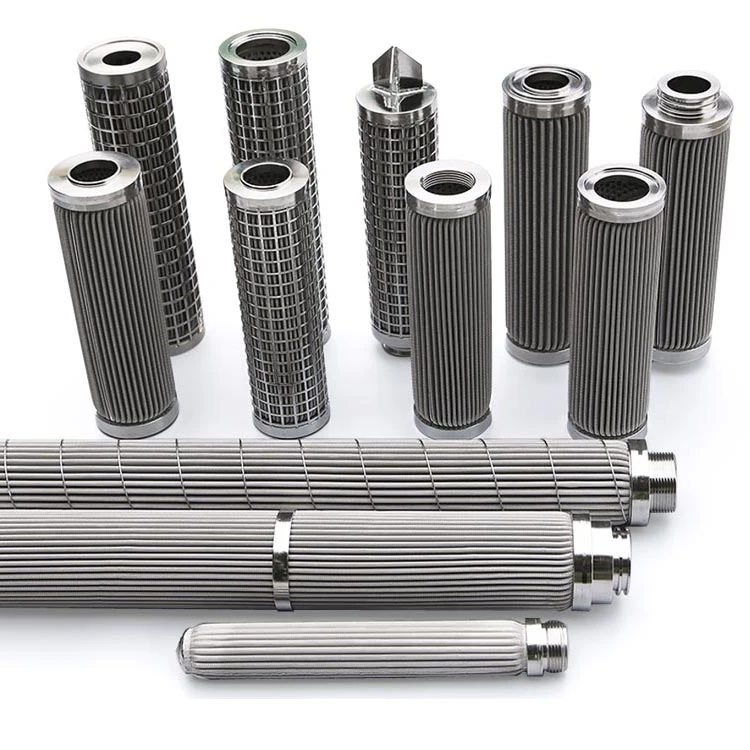
Industrial Filtering Solutions with stainless woven wire mesh in Zambia

High-performance metal mesh engineering designed to withstand the rigorous demands of Zambia's mining and industrial sectors.

Industrial Filtering Solutions with stainless woven wire mesh in Zambia

Providing precision-engineered mesh products to enhance operational efficiency in the Copperbelt and beyond, ensuring durability in harsh environments.

Current State of Industrial Mesh in Zambia

Analyzing the intersection of metallurgy and Zambia's economic landscape.

In Zambia, the demand for woven wire mesh is heavily driven by the mining industry, particularly in the Copperbelt province. The local environment presents significant challenges, where high humidity and acidic mining runoff necessitate materials with exceptional corrosion resistance.

Currently, many industrial sites rely on imported steel woven wire, but there is a noticeable shift toward higher-grade alloys to reduce downtime caused by premature oxidation and structural failure in filtration systems.

The market is evolving from general-purpose screening to precision-engineered stainless steel net solutions, as Zambian refineries implement more stringent purity standards for mineral extraction and chemical processing.
Evolution and Technical Trajectory of Mesh Technology

From traditional weaving to advanced metallurgical engineering.

Market Development History

During the early industrial expansion in Zambia (1960s-1980s), basic carbon steel meshes were the standard, primarily used for coarse sorting in mining, though they suffered from rapid degradation due to the region's tropical climate.

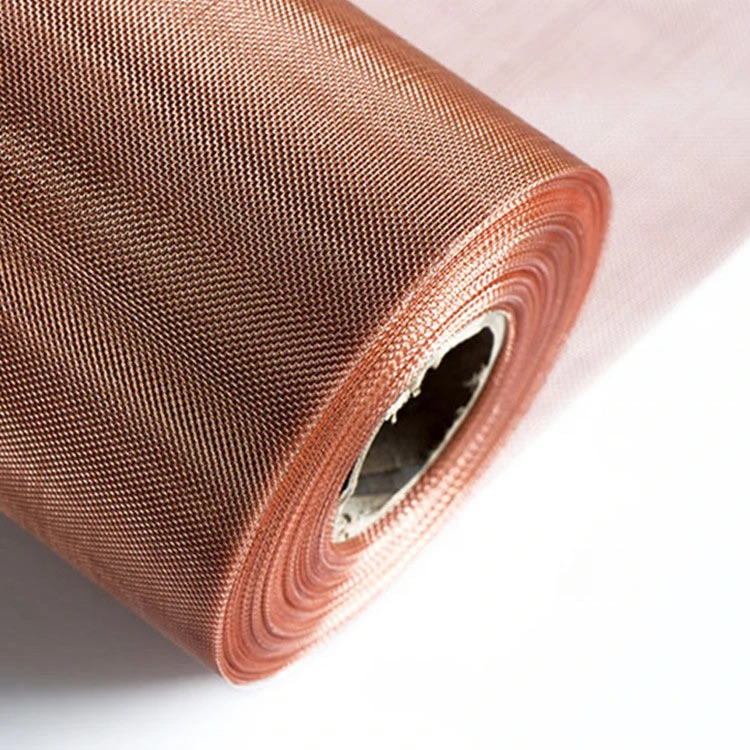
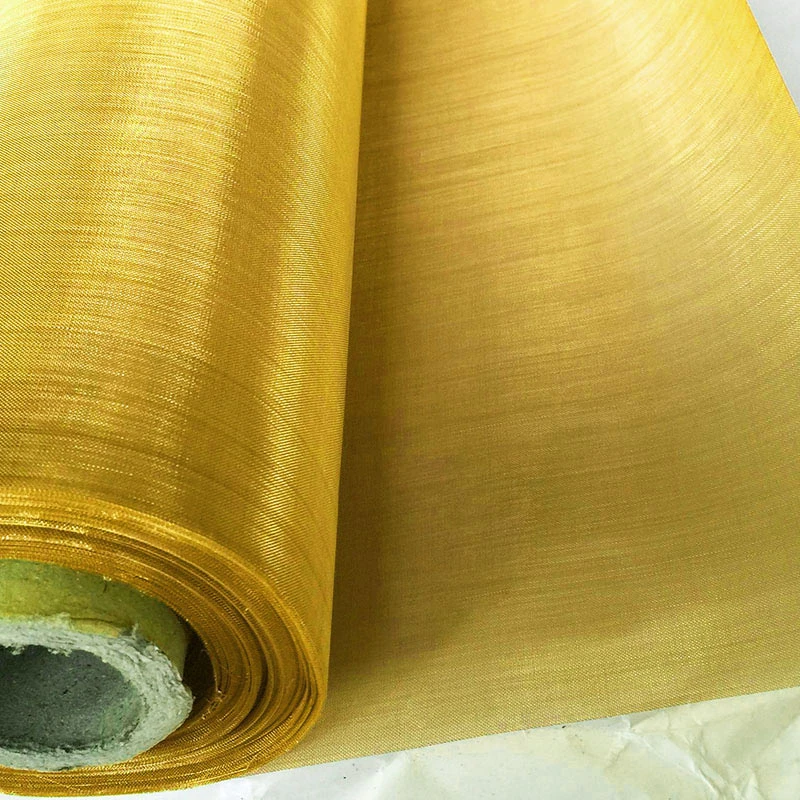
By the early 2000s, the introduction of copper woven wire mesh became pivotal, leveraging local copper resources to create specialized conductive and corrosion-resistant filters for electrochemical applications.

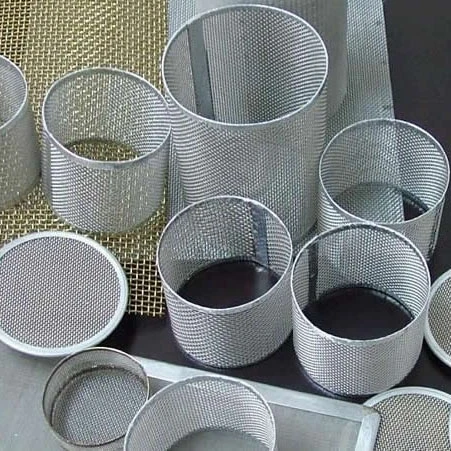
In the last decade, the transition to 304 and 316L stainless alloys has standardized high-pressure filtration, moving the industry toward automated weaving processes that guarantee micron-level precision.

Future Development Trends

Nano-Coated Filtration Surfaces

Integration of hydrophobic and oleophobic coatings to reduce clogging in mineral sludge filtration, increasing the lifecycle of the mesh.

Hybrid Alloy Integration

Development of multi-metal composites that combine the strength of steel with the chemical stability of noble metals for extreme mining conditions.

Smart Monitoring Meshes

Incorporating sensor-integrated mesh frames to monitor pressure drops and wear in real-time, predicting failure before it occurs.

Industry Trends and Future Outlook

Navigating the next era of metal fabric technology in Africa.

Sustainable Metallurgy
Shift towards recyclable alloys and energy-efficient weaving processes to meet ESG goals in Zambian mining.
Precision Micromesh
Increased adoption of ultra-fine weaves for high-purity copper electrolyte filtration.
Corrosion Resistance
Advancements in molybdenum-enhanced alloys to combat the aggressive chemical environments in Zambian plants.
Automated Sizing
Custom CAD-driven mesh cutting to ensure perfect fitment in industrial filtration housings.

Industry Outlook

Based on Google search trends for "industrial filtration Africa", we anticipate a 15% increase in demand for high-alloy meshes over the next 3 years as Zambia diversifies its mining output into cobalt and manganese.

The trend indicates a move away from generic products toward customized specifications, where the interplay between mesh aperture and wire diameter is optimized for specific ore densities found in the Zambian soil.

Localized Application Scenarios in Zambia

Solving real-world engineering challenges with precision metal mesh.

1. Copper Tailings Filtration

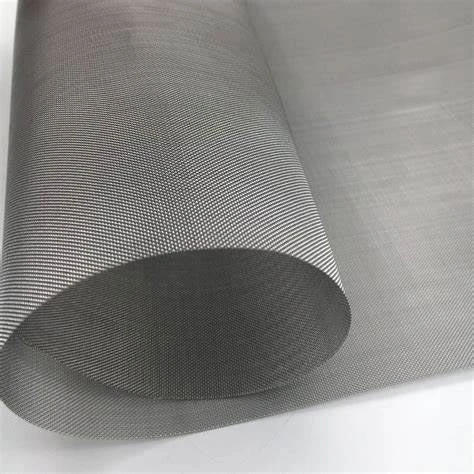
Using heavy-duty stainless woven wire mesh to separate mineral particles from waste water in large-scale copper mines, reducing environmental impact.

2. Electrolytic Refineries

Implementation of copper woven wire mesh for electrical conductivity and filtration in the purification stage of cathode copper production.

3. Agricultural Grain Drying

Deployment of galvanized steel woven wire screens for maize and soy drying processes in rural Zambian farming cooperatives.

4. Industrial Oil & Gas Filtering

High-pressure stainless steel net used in lubricant filtration for heavy machinery operating in the mining sector.

5. Water Purification Plants

Multi-layered mesh systems for removing suspended solids from municipal water supplies in Lusaka and Kitwe.

Brand Story

Global Development History of Anping Ansheng Metal Mesh Co., Ltd.

Foundation and Local Mastery

Established in the heart of Anping, we began by mastering the traditional art of wire weaving, focusing on durability and precision for the domestic Chinese market.

Technological Transition

Invested in CNC weaving machinery and metallurgical research to transition from basic steel to high-performance stainless and copper alloys.

Global Market Expansion

Extended our reach to the African continent, identifying the unique needs of the Zambian mining industry and adapting our products accordingly.

Quality Certification Era

Achieved international ISO certifications, ensuring that every micron of our mesh meets global standards for safety and efficiency.

Future-Ready Innovation

Now focusing on "smart mesh" and sustainable alloys to solve the most complex filtration challenges for our partners in Zambia and worldwide.

Comprehensive Mesh Portfolio for Zambia

A curated selection of high-durability metal fabrics designed for African industrial environments.

Frequently Asked Questions - Zambia

Technical guidance and procurement advice for local industrial buyers.

Which grade of stainless woven wire mesh is best for Zambian copper mines?

We recommend Grade 316L stainless steel due to its superior resistance to chlorides and sulfur compounds commonly found in mining runoff in the Copperbelt.

How does copper woven wire mesh compare to steel in terms of conductivity?

Copper mesh provides significantly higher electrical conductivity, making it essential for electrostatic filtration and grounding applications where steel would be insufficient.

Can you customize the aperture size of the stainless steel net for specific ore?

Yes, we provide custom weaving services allowing you to specify the exact wire diameter and mesh count to optimize particle separation for your specific mineral grade.

What is the typical lead time for steel woven wire shipments to Lusaka?

Depending on the order volume and customization, production typically takes 7-15 days, with shipping to Zambia managed via optimized logistics routes.

How do I prevent clogging in woven wire mesh filters?

We suggest implementing a back-flush system or using our nano-coated meshes which reduce the adhesion of fine particulates to the wire surface.

Do you provide certifications for industrial woven wire mesh exports?

Yes, all our products come with Material Test Reports (MTR) and comply with international standards like ASTM and ISO for metallurgical quality.

Get Your Technical Quote Today

Expert engineering support for industrial filtration available across Zambia. Contact our specialists for customized mesh solutions.

Contact Us Now
tel email tel top

If you are interested in our products, you can choose to leave your information here, and we will be in touch with you shortly.