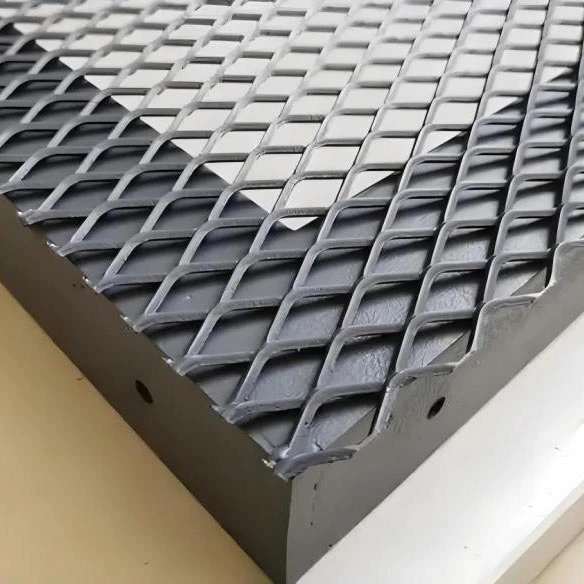
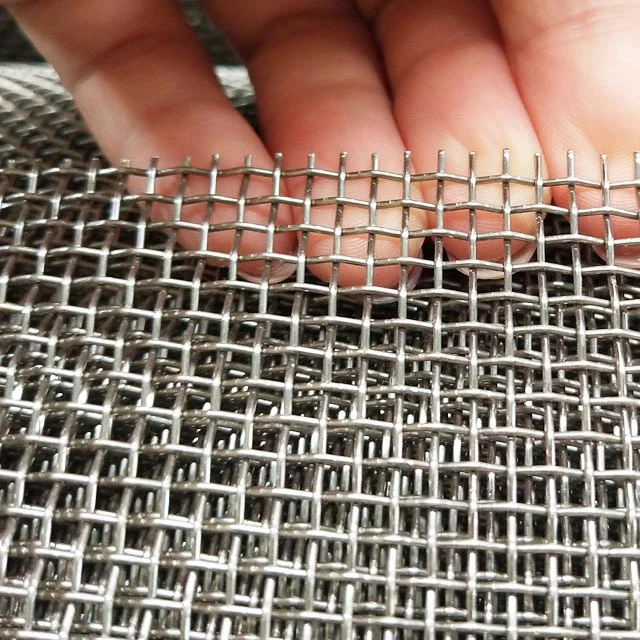
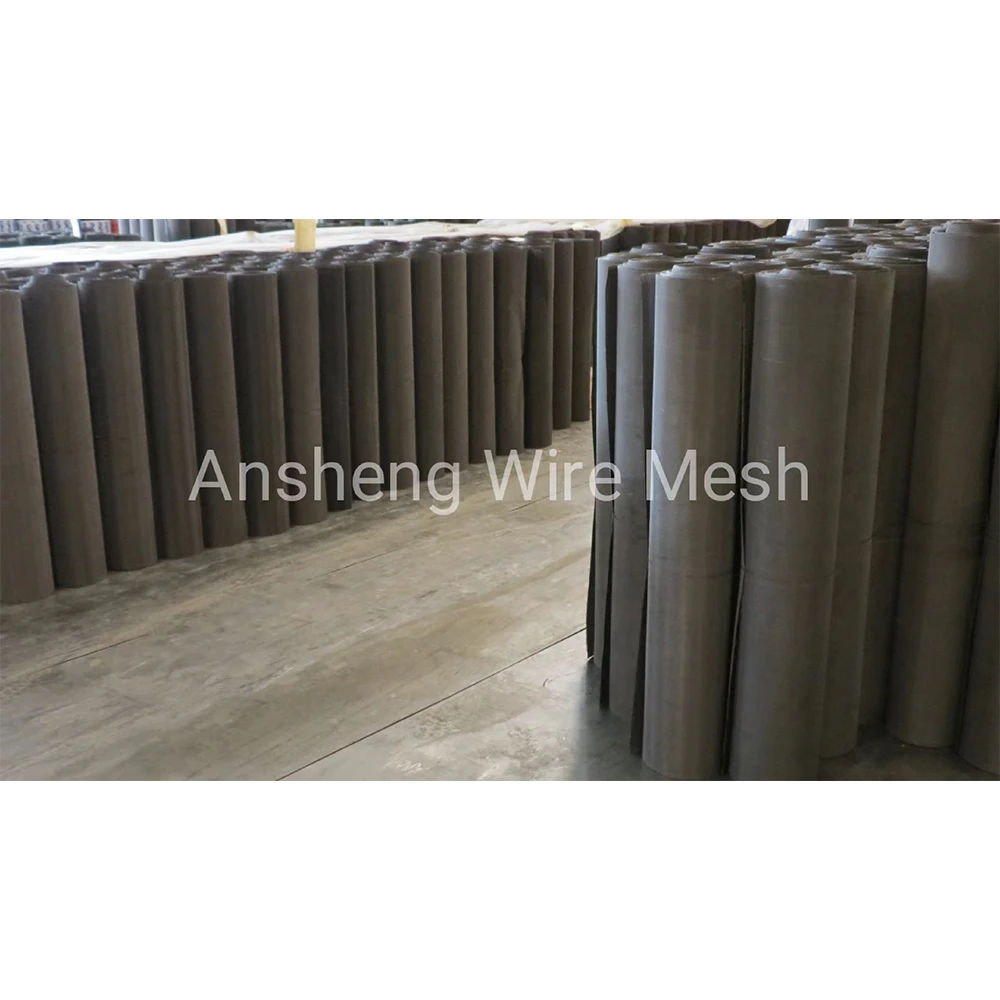
Industrial Filtration Solutions: Premium stainless woven wire mesh for Uruguay

High-precision engineering for the Uruguayan manufacturing and agricultural sectors, ensuring durability in humid Atlantic coastal environments.

Industrial Filtration Solutions: Premium stainless woven wire mesh for Uruguay

Providing advanced screening and filtration components tailored to the specific corrosive challenges and industrial standards of the South American market.

Current Landscape of woven wire mesh in Uruguay

Analyzing the intersection of metallurgy and regional environmental demands.

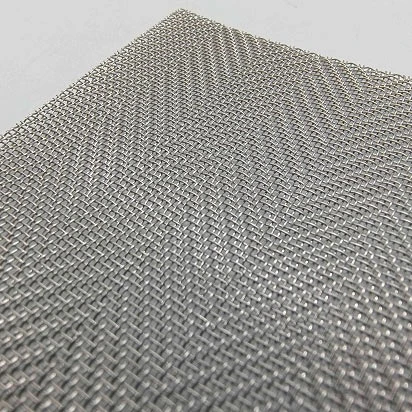
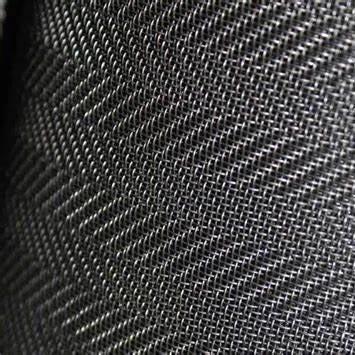
Uruguay's industrial landscape is characterized by a strong emphasis on agribusiness and food processing. Given its proximity to the Atlantic coast, the high humidity and salinity levels make standard materials prone to rapid oxidation. Consequently, there is a surging demand for stainless steel net solutions that can withstand corrosive environments without compromising structural integrity.

In the agricultural sector, particularly in grain storage and livestock management, the transition from basic galvanized products to high-grade steel woven wire has become a priority to reduce long-term maintenance costs. The local market is shifting toward specialized alloys that offer a balance between tensile strength and chemical resistance.

Furthermore, the emerging chemical and pharmaceutical industries in Montevideo and surrounding free trade zones require high-precision filtration. This has led to an increased adoption of copper woven wire mesh for specific electromagnetic shielding and specialized catalytic applications where conductivity and corrosion resistance are paramount.
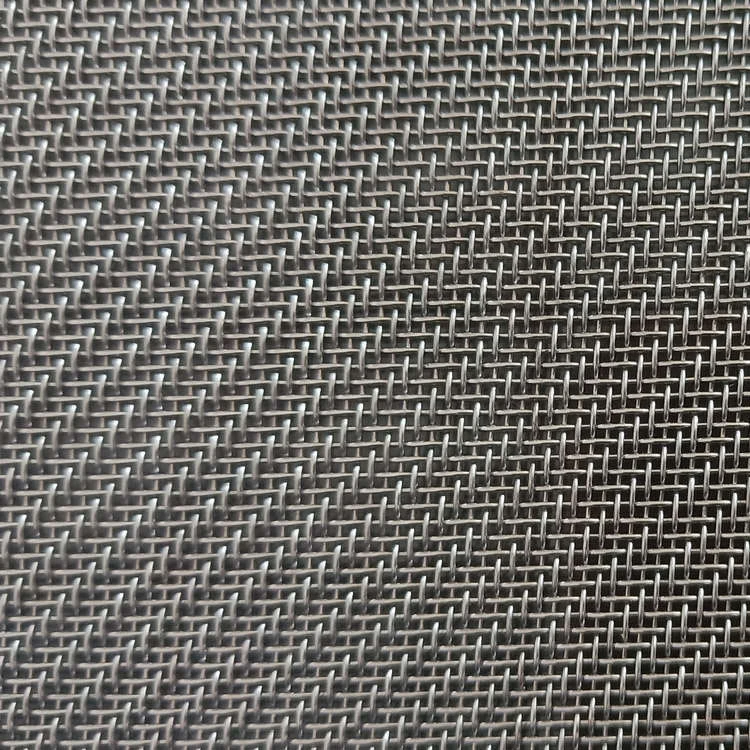
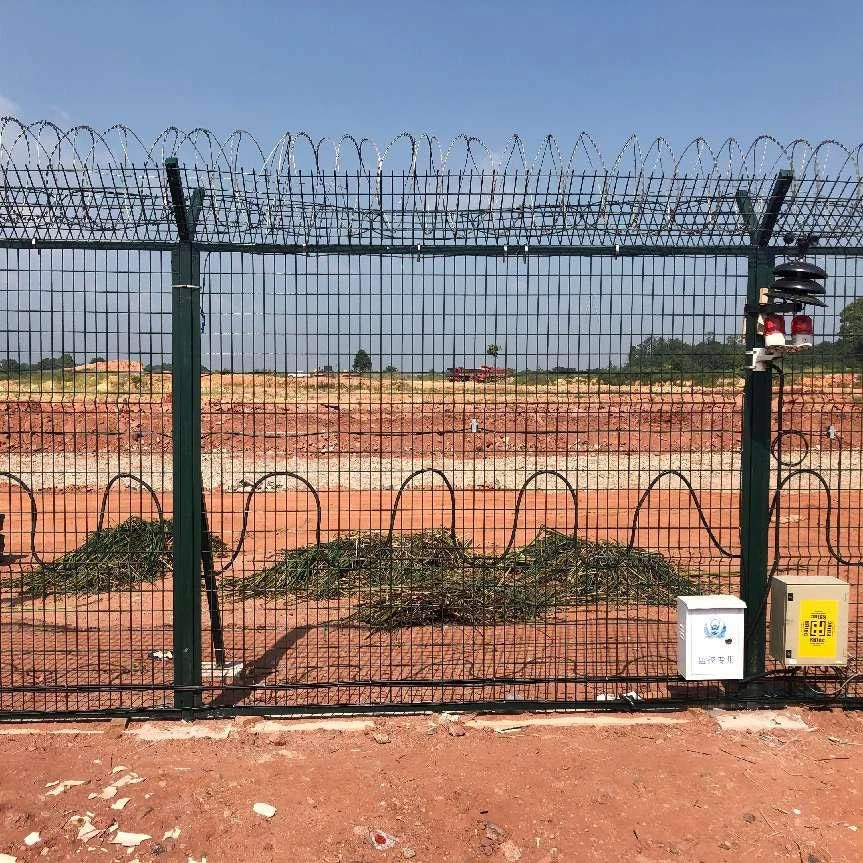
Evolution and Technical Trajectory of Woven Mesh in Uruguay

From traditional craftsmanship to CNC-integrated precision weaving.

Market Development History

During the late 20th century, the Uruguayan market relied primarily on heavy-gauge carbon steel meshes. These were sufficient for basic fencing and coarse filtering but suffered significantly from the region's humid climate, requiring frequent replacements and expensive coatings.

Between 2000 and 2015, a technical pivot occurred with the introduction of automated weaving looms. This era saw the rise of standardized stainless woven wire mesh, allowing for tighter tolerances and more consistent aperture sizes, which revolutionized the local beverage and dairy filtration industries.

From 2016 to the present, the industry has entered the "Precision Era." The integration of computer-aided design (CAD) and high-precision drawing techniques has enabled the production of micro-meshes capable of sub-micron filtration, meeting the stringent ISO standards required for Uruguay's export-oriented economy.

Future Development Trends

Integration of Nano-Coatings

We anticipate a shift toward hybrid meshes where stainless steel is augmented with nano-ceramic coatings to further eliminate friction and enhance hydrophobicity in food processing.

Sustainable Material Sourcing

Driven by global ESG trends, the Uruguayan market will likely demand "Green Steel" certifications, emphasizing meshes produced with lower carbon footprints and recyclable alloys.

Smart Filtration Monitoring

Future iterations of woven mesh will likely be integrated with IoT sensors to monitor pressure drops and clogging in real-time, optimizing maintenance cycles for industrial plants.

Industrial Trends and Future Outlook for Uruguay

Forecasting the next 3-5 years of metallurgical filtration evolution.

Corrosion-Resistant Specialization
Increased reliance on molybdenum-enhanced alloys to combat the salty air of the Uruguayan coastline.
Precision Micronic Weaving
Demand for tighter mesh openings to support high-end pharmaceutical filtration in free trade zones.
Automated Integration
The transition toward modular mesh inserts that allow for rapid replacement in automated production lines.
Sustainable Metallurgy
Adopting recycled stainless steel wire to align with Uruguay's strong environmental protection laws.

Industry Outlook

Based on Google search trends for industrial hardware in the Southern Cone, there is a marked increase in queries regarding "long-life filtration" and "anti-corrosive screens." This indicates that Uruguayan businesses are moving away from short-term low-cost procurement toward Life Cycle Cost (LCC) optimization.

Over the next five years, the convergence of metallurgy and biotechnology will likely lead to the creation of specialized meshes for the Uruguayan pulp and paper industry, focusing on high-temperature stability and chemical inertness.

Localized Application Scenarios in Uruguay

Where our high-performance meshes solve real-world Uruguayan industrial challenges.

1. Wine and Grape Processing Filtration

In the Canelones wine region, stainless woven wire mesh is used for precise sediment filtration during the pressing process, ensuring purity and meeting export quality standards.

2. Dairy and Cheese Production Screens

Uruguay's dairy industry utilizes fine stainless steel net for whey separation and pasteurization filtration, where food-grade hygiene and corrosion resistance are non-negotiable.

3. Port and Maritime Engineering

At the Port of Montevideo, heavy-duty steel woven wire is deployed for debris screening and coastal protection barriers, designed to resist the high salinity of the Atlantic.

4. Pulp and Paper Mill Filtration

Large-scale cellulose plants in Uruguay implement industrial-grade woven meshes for fiber sorting and liquid filtration, requiring extreme mechanical strength and heat resistance.

5. Specialized Electronic Shielding

For local tech startups and communication hubs, copper woven wire mesh provides essential EMI/RFI shielding for sensitive electronic equipment and server environments.

Brand Story

Global Development Journey of Anping Ansheng Metal Mesh Products Co., Ltd.

Foundation and Local Expertise

Starting in the heart of China's wire mesh capital, we began by mastering the traditional art of weaving, focusing on solving the most basic durability issues for local factories.

Technological Transformation

We transitioned from manual looms to fully automated CNC weaving technology, allowing us to achieve the precision required for international pharmaceutical and chemical standards.

Global Market Expansion

By establishing rigorous quality control systems, we expanded our footprint across South America, specifically tailoring our products to the humid climates of regions like Uruguay.

Commitment to Innovation

We invested in R&D to develop specialized alloys, solving the pain point of premature corrosion in coastal industrial applications through advanced material science.

Vision for a Sustainable Future

Today, our mission is to lead the industry toward eco-friendly manufacturing, providing the global market with durable, recyclable, and high-efficiency filtration solutions.

Comprehensive Product Portfolio for the Uruguayan Market

A curated selection of high-performance wire mesh products engineered for durability and precision.

Common Questions regarding Industrial Mesh in Uruguay

Expert answers to the most frequent technical inquiries from our regional clients.

Which stainless woven wire mesh grade is best for Uruguay's coastal humidity?

For coastal areas like Montevideo, we highly recommend Grade 316 stainless steel. It contains molybdenum, which provides significantly better resistance to chloride-induced pitting and corrosion compared to Grade 304.

How does copper woven wire mesh perform in electronic shielding?

Copper mesh offers superior electrical conductivity, making it the ideal choice for EMI/RFI shielding. It effectively blocks electromagnetic interference in sensitive industrial electronics and telecommunications hubs.

Can steel woven wire be customized for specific agricultural aperture sizes?

Yes, we provide fully customizable aperture sizes and wire diameters. Whether you need coarse screens for grain sorting or fine meshes for seed filtration, we can engineer the product to your exact specifications.

What is the lifespan of a stainless steel net in food processing plants?

Depending on the cleaning chemicals used and the grade of steel, a high-quality stainless steel net can last 5-10 years, significantly reducing the downtime and replacement costs compared to galvanized alternatives.

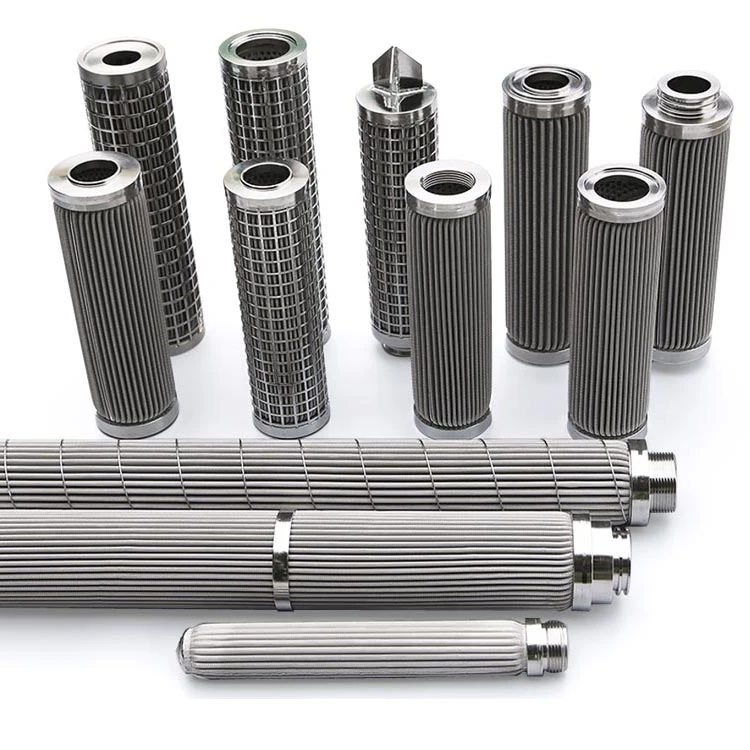
How do I prevent clogging in industrial woven wire mesh filters?

We recommend implementing a regular back-flushing cycle or using ultrasound cleaning. Selecting the correct mesh density based on the particle size of the filtrate is also critical to prevent premature clogging.

Are your products compliant with international food safety standards?

Absolutely. Our food-grade stainless steel meshes are manufactured to meet FDA and ISO standards, ensuring they are non-toxic and safe for direct contact with food and beverages.

Ready to Optimize Your Industrial Filtration?

Contact our engineering team today for a customized consultation on high-performance metal mesh solutions delivered directly to Uruguay.

Contact Us Now
tel email tel top

If you are interested in our products, you can choose to leave your information here, and we will be in touch with you shortly.