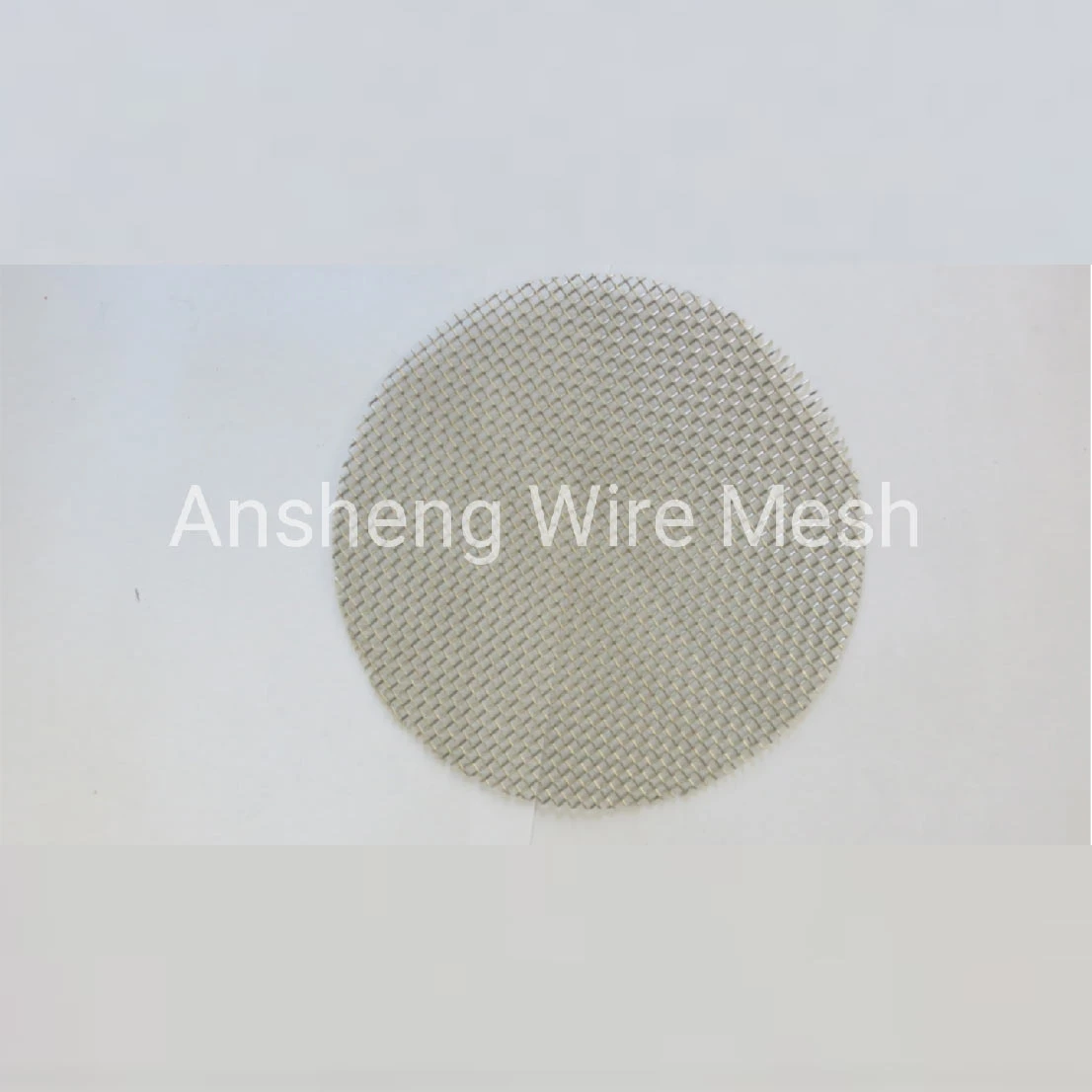
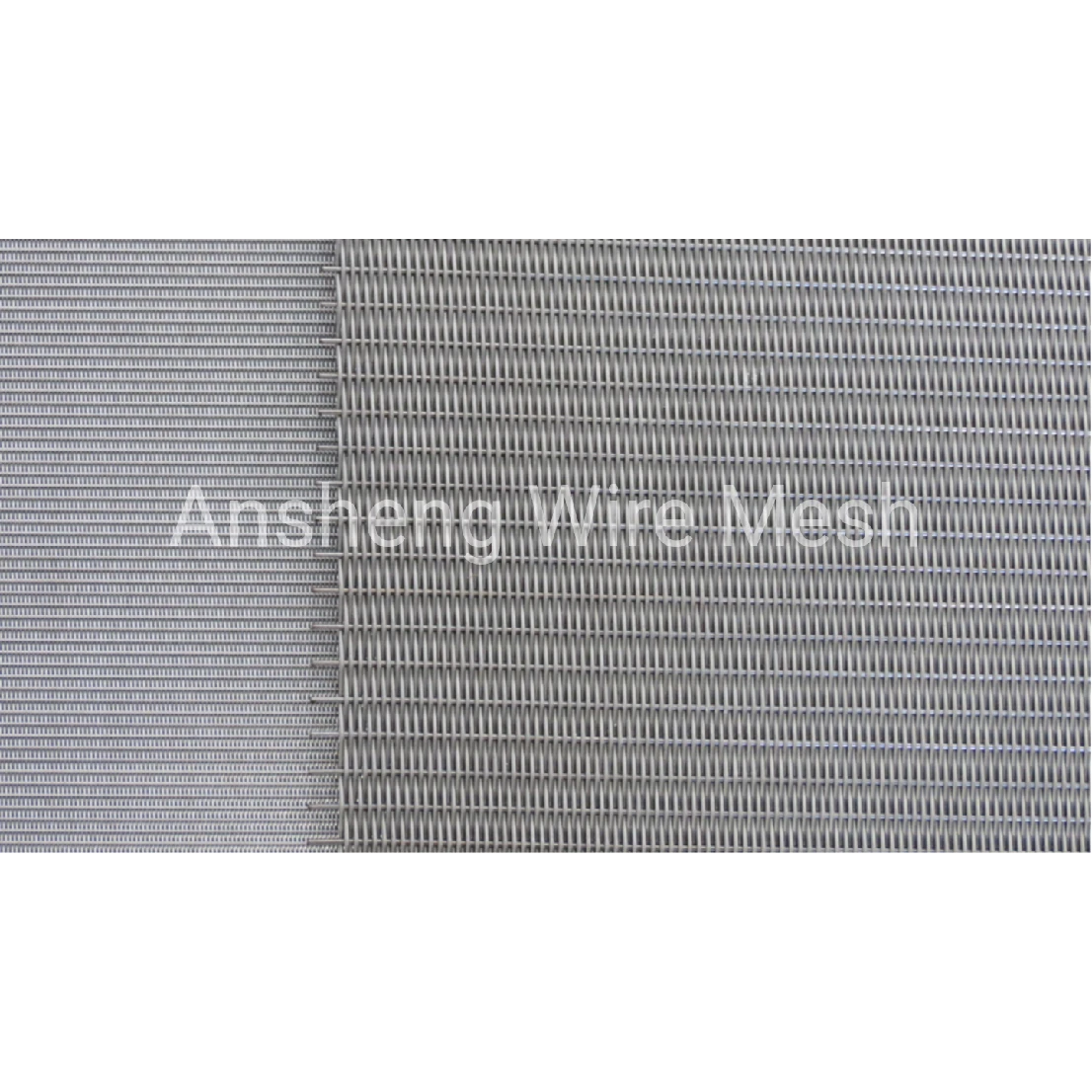
Industrial Filtration Solutions with stainless woven wire mesh in Germany

Providing precision-engineered metal mesh solutions for Germany's high-end automotive, chemical, and mechanical engineering sectors.

Industrial Filtration Solutions with stainless woven wire mesh in Germany

Specializing in high-precision woven wire mesh designed to meet the rigorous DIN standards of the German manufacturing industry.

Market Landscape of Mesh Manufacturing in Germany

Analyzing the intersection of German engineering excellence and industrial filtration needs.

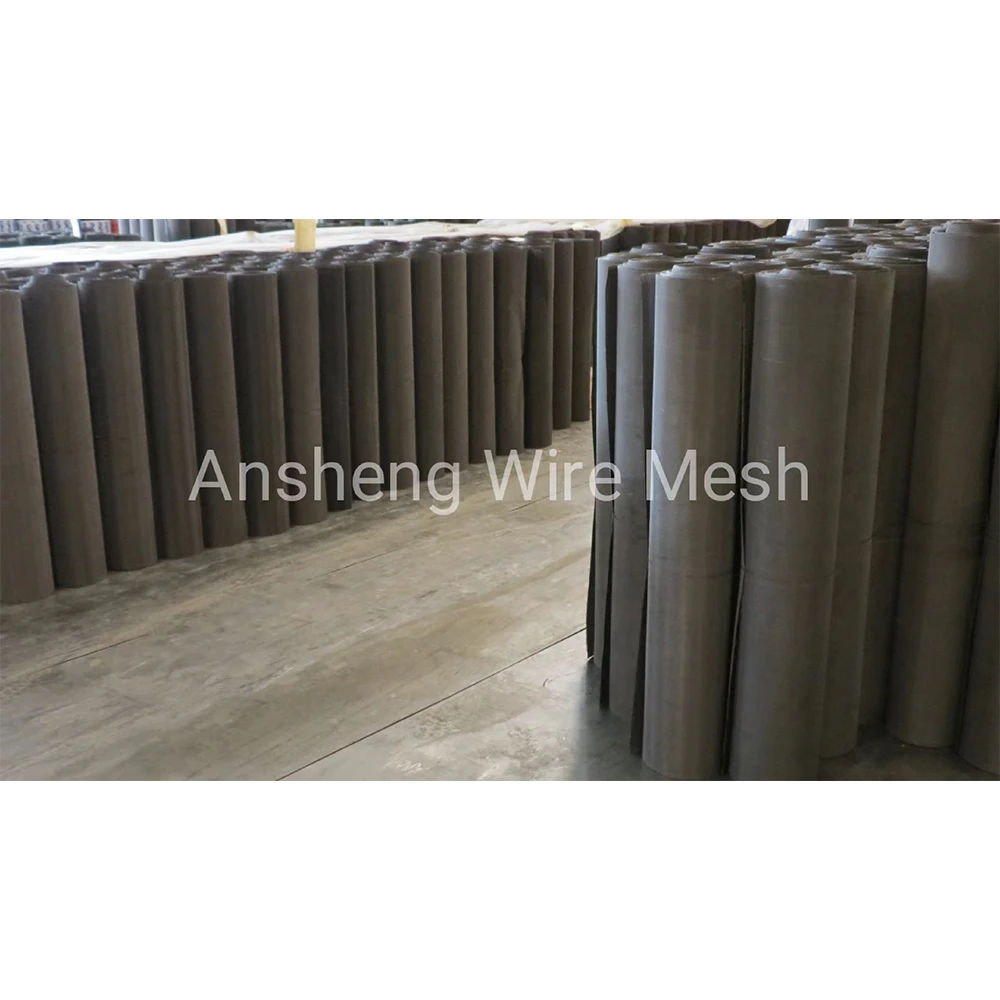
Germany's industrial core, particularly in regions like North Rhine-Westphalia and Baden-Württemberg, demands extreme durability. The use of stainless steel net is critical here, as the humid climate of Northern Germany and the aggressive chemical environments in the Ruhr valley require materials that resist corrosion and oxidation.

The German market is characterized by "Mittelstand" companies that prioritize quality over cost. There is a significant shift toward using steel woven wire with specific heat-treatment properties to withstand the high-pressure environments typical of German automotive engine production lines.

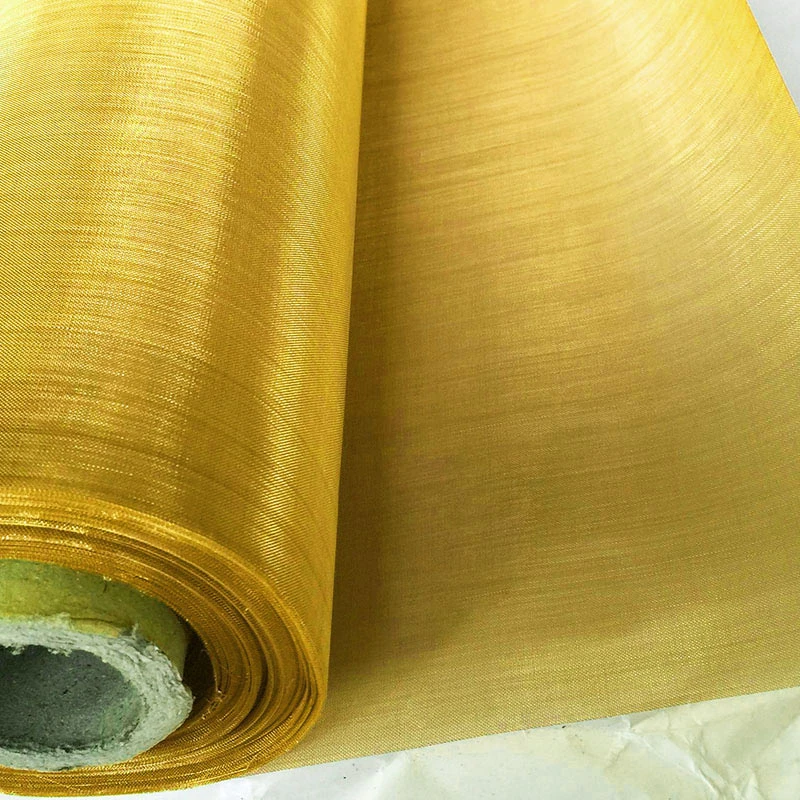
Furthermore, the demand for copper woven wire mesh has surged within the German electronics and electrical engineering sectors, where high conductivity and electromagnetic shielding are paramount for Industry 4.0 integration.
Evolution of Metal Mesh Technology

From traditional weaving to digitally controlled precision filtration.

Market Development History

In the early 20th century, German mesh production relied on manual looms and carbon steel, focusing primarily on basic agricultural and construction sieving. The focus was on raw strength rather than micron-level precision.

Between 1970 and 2000, the industry transitioned to automated weaving. The introduction of high-grade austenitic stainless steels allowed for the mass production of corrosion-resistant filters, aligning with Germany's expansion in the chemical and pharmaceutical industries.

From 2010 to the present, the focus has shifted to "Micro-Mesh" technology. The integration of CNC-controlled weaving and laser-welding has enabled the production of meshes with apertures below 50 microns, meeting the strict requirements of aerospace and medical technology.

Future Development Trends

Smart-Coated Mesh Surfaces

Integration of nano-coatings to enhance the hydrophobic or oleophobic properties of the mesh, reducing cleaning cycles in food processing plants.

Additive Manufacturing Hybridization

Combining 3D-printed frames with traditional woven inserts to create complex, non-linear filter geometries for specialized automotive exhausts.

Sustainable Material Circularity

A shift toward 100% recyclable alloy compositions to comply with the EU's Green Deal and Germany's strict circular economy laws.

Industry Trends & Future Outlook

Predicting the trajectory of industrial filtration for the next 5 years.

Ultra-High Precision
Demand for micron-level accuracy to support semiconductor manufacturing in Germany's "Silicon Saxony".
Corrosion Resistance
Increased adoption of super-alloys to combat aggressive industrial chemicals in the Rhine-Ruhr area.
Digital Integration
Implementation of sensor-embedded mesh systems for real-time filtration monitoring in Smart Factories.
Green Manufacturing
Transitioning to carbon-neutral production processes to align with German environmental regulations.

Industry Outlook

Based on Google search trends for "industrial filtration" and "sustainable materials" in Europe, there is a clear trajectory toward high-performance, low-maintenance mesh solutions. German companies are increasingly searching for materials that reduce downtime.

We expect that the convergence of Material Science and IoT will lead to "self-diagnostic" filters, where the mesh integrity is monitored via electrical resistance changes, which is particularly relevant for high-stakes German chemical plants.

Localized Application Scenarios in Germany

How our metal mesh solutions solve real-world engineering challenges across German industries.

1. Automotive Oil Filtration (Stuttgart/Munich)

Using high-precision stainless woven wire mesh in engine oil filters to ensure particle removal down to the micron level, essential for the longevity of high-performance German luxury vehicles.

2. Chemical Processing (Ludwigshafen)

Implementing heavy-duty stainless steel net for catalyst support and filtration in aggressive acidic environments, preventing corrosion and ensuring plant safety.

3. Electrical Shielding (Berlin/Dresden)

Applying copper woven wire mesh in the production of EMI/RFI shielding for high-frequency electronic components used in German automation systems.

4. Food & Beverage Grade Filters (Hamburg)

Supplying sanitary-grade woven wire mesh for liquid filtration in the beer and dairy industries, adhering to strict EU hygiene and food safety regulations.

5. Heavy Machinery Sifting (Essen)

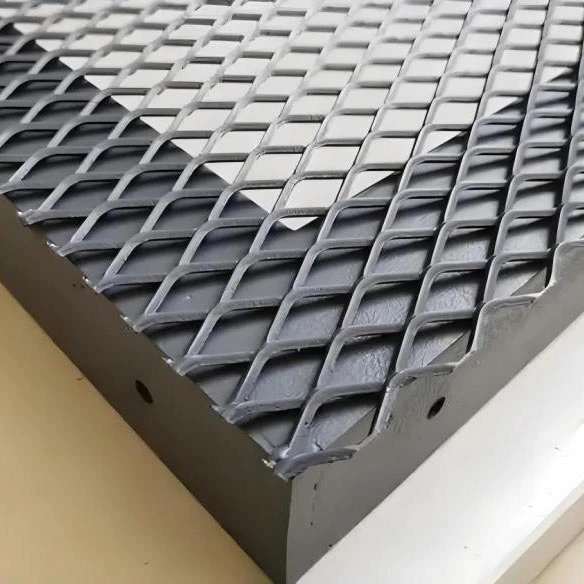
Providing reinforced steel woven wire for industrial sieving in mining and metallurgy, designed to withstand the extreme mechanical stress of heavy-duty vibrating screens.

Brand Story

Global Development History of Anping Ansheng Metal Mesh Products Co., Ltd.

Foundational Excellence

Established in the heart of the wire mesh capital, we began by perfecting the traditional weaving techniques to solve basic filtration problems.

Technical Diversification

We expanded our material capabilities to include a wide range of stainless and copper alloys, catering to specialized industrial needs.

Global Standards Integration

By adopting ISO and DIN standards, we bridged the gap between production efficiency and the strict quality requirements of the European market.

Innovation Leap

Invested in high-precision weaving machinery to provide micron-level filtration solutions for high-tech industries worldwide.

Sustainable Future

Committed to green manufacturing, we now focus on eco-friendly production to support our partners in their sustainability journeys.

Comprehensive Mesh Portfolio for the German Market

A complete range of high-performance metal fabrics designed for European industrial standards.

Frequently Asked Questions for Germany

Technical guidance and compliance information for our German industrial partners.

Does your stainless woven wire mesh comply with DIN standards?

Yes, all our products are manufactured to meet or exceed the relevant DIN (Deutsches Institut für Normung) specifications for aperture size, wire diameter, and material grade.

What is the best stainless steel net for chemical filtration in Germany?

For highly corrosive chemical environments, we recommend AISI 316L or Hastelloy meshes, which provide superior resistance to chloride and acid attack.

Can you provide copper woven wire mesh for EMI shielding?

Absolutely. We offer high-purity copper mesh with precise weaves specifically designed for electromagnetic interference shielding in electronic housing.

What are the lead times for custom steel woven wire orders to Germany?

Standard orders are typically processed within 7-14 days, while complex custom specifications are handled through an expedited production queue to ensure rapid delivery to Europe.

How do I select the right woven wire mesh for high-temperature applications?

Depending on the temperature, we suggest choosing between 310S stainless steel or Nickel alloys, which maintain structural integrity at extreme heat.

Are your products certified for food-grade applications in the EU?

Yes, our food-grade stainless meshes are produced using non-contaminating processes and meet the strict EU food safety requirements.

Get Your Technical Quote Today

Our engineering team is ready to assist you with custom mesh specifications for your project in Germany.

Contact Us Now
tel email tel top

If you are interested in our products, you can choose to leave your information here, and we will be in touch with you shortly.