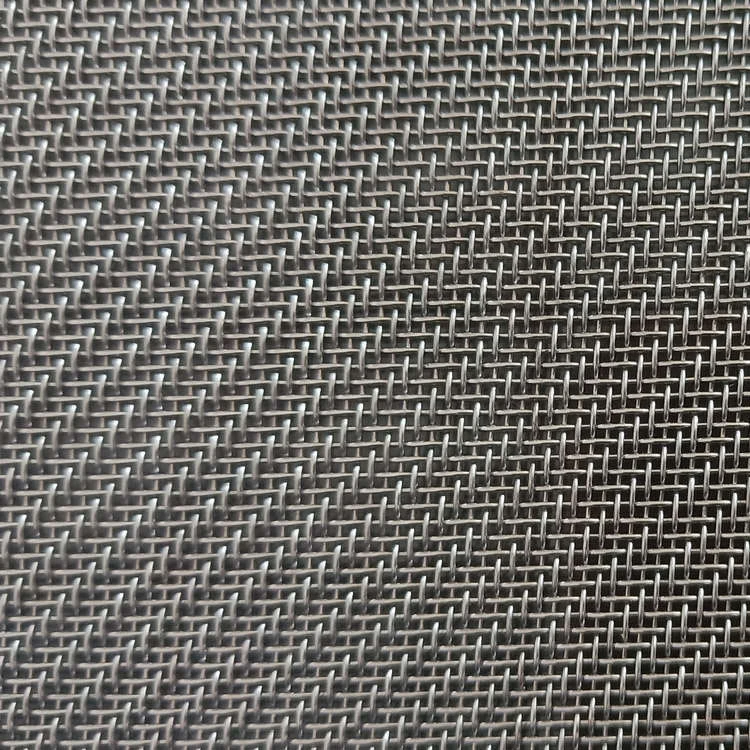
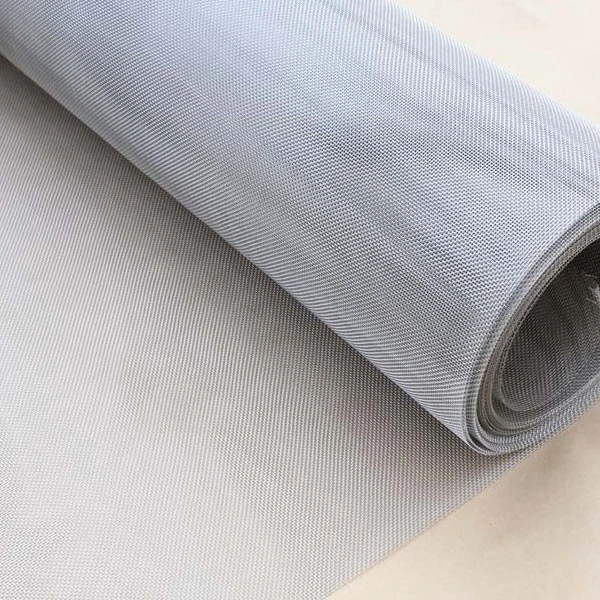
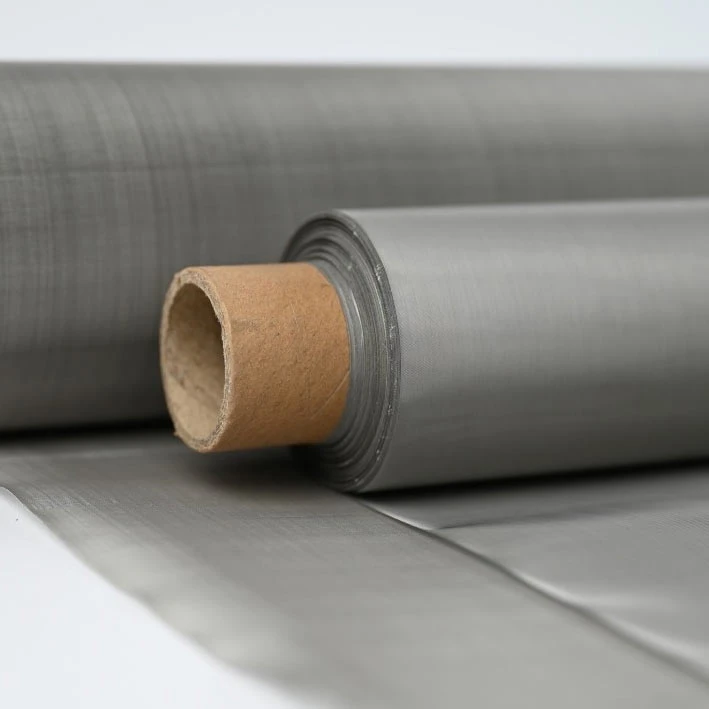
Industrial stainless woven wire mesh Solutions for Netherlands

High-precision filtration and separation systems engineered for the demanding industrial landscape of the Dutch market.

Industrial stainless woven wire mesh Solutions for Netherlands

Providing superior corrosion resistance and precise aperture control for the Netherlands' advanced manufacturing and water management sectors.

The State of Industrial Mesh in the Netherlands

Analyzing the intersection of metallurgy and Dutch environmental challenges.

The Netherlands' industrial sector is characterized by a high density of chemical plants and maritime logistics. Due to the coastal climate and high humidity, the demand for stainless steel net is exceptionally high to prevent oxidation and structural failure in saltwater-adjacent facilities.

In the heart of the Randstad region, the focus has shifted toward extreme precision. Industries are no longer satisfied with standard woven wire mesh; they require micron-level tolerances to support the burgeoning semiconductor and high-tech agriculture sectors.

Furthermore, the Dutch commitment to the "Circular Economy" has pushed manufacturers to prioritize longevity. This has led to a transition from galvanized options to high-grade steel woven wire and alloy-based meshes that reduce replacement cycles and waste.
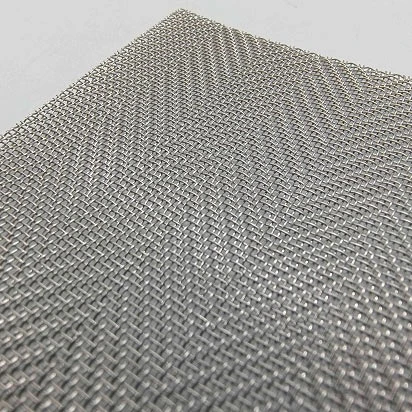
Technical Evolution & Development Trajectory

From traditional weaving to smart filtration materials.

Market Development History

In the early 20th century, the Dutch market relied heavily on basic carbon steel mesh for simple agricultural fencing and coarse filtering, where durability was secondary to cost.

By the 1980s, the rise of the petrochemical industry in Rotterdam catalyzed the adoption of stainless woven wire mesh, introducing 304 and 316L grades to handle corrosive chemicals and high-temperature fluids.

Entering the 2010s, the integration of CNC weaving technology allowed for the production of complex geometries and hybrid materials, such as integrating copper for electrical conductivity in specialized industrial sensors.

Future Development Trends

Nano-Coated Surfaces

Integrating hydrophobic and oleophobic nano-coatings onto mesh structures to reduce clogging in Dutch water purification plants.

Additive Hybridization

Combining traditional weaving with 3D printing to create seamless transitions between the mesh and the structural housing.

Smart Mesh Monitoring

Integrating sensors within the copper woven wire mesh layers to monitor pressure drops and filtration efficiency in real-time.

Industry Trends and Future Outlook

Mapping the next 5 years of metallurgical innovation.

Sustainability Integration
Transitioning to 100% recyclable alloys to meet strict EU Green Deal regulations.
Extreme Micron Precision
Development of ultra-fine mesh for the Dutch semiconductor industry (ASML ecosystem).
Corrosion-Proof Alloys
New duplex stainless steels specifically for North Sea offshore platforms.
AI-Driven Design
Using generative design to optimize pore distribution for maximum flow rate.

Industry Outlook

Google search trends in the Benelux region indicate a surging interest in "high-durability filtration" and "industrial sustainable mesh." This suggests a shift from commoditized products toward value-added, engineered solutions.

Over the next 3-5 years, we expect the Netherlands to lead Europe in the application of smart-mesh technologies, where material science meets IoT to create self-diagnosing industrial filters.

Localized Application Scenarios in the Netherlands

Tailored mesh solutions for specific Dutch industrial needs.

01. Rotterdam Port Filtration

Using heavy-duty stainless steel net for large-scale debris filtration in maritime intake systems to protect turbines from seawater contaminants.

02. Greenhouse Hydroponics (Westland)

Precision-woven mesh for nutrient film technique (NFT) systems, ensuring optimal aeration and preventing root clogging in high-tech greenhouses.

03. Eindhoven High-Tech Fabrication

Utilizing ultra-fine stainless woven wire mesh for clean-room air filtration and semiconductor wafer processing equipment.

04. North Sea Offshore Oil & Gas

Deploying duplex steel steel woven wire filters that withstand extreme salinity and pressure in undersea extraction modules.

05. Food Processing (Dairy & Cheese)

Implementing food-grade 316L woven mesh for whey separation and filtration in the Dutch dairy industry, ensuring strict hygiene compliance.

Brand Story

Global Development Journey of Anping Ansheng Metal Mesh Products Co., Ltd.

Founding Precision

Started with a commitment to solve the problem of inconsistent aperture sizes in industrial weaving, establishing a foundation of quality.

Technological Leap

Invested in automated weaving looms, transitioning from manual production to high-precision industrial output for global markets.

European Expansion

Tailored products for the EU market, focusing on REACH compliance and ISO certifications to enter the Netherlands and Germany.

Material Innovation

Developed specialized alloys and copper-blend meshes to serve the electronics and renewable energy sectors worldwide.

Future Vision

Leading the industry toward "Smart Mesh" solutions, combining material science with digital monitoring for a sustainable future.

Comprehensive Product Portfolio for the Dutch Market

A full range of metallic mesh solutions tailored for European standards.

Common Questions for Industrial Mesh in Netherlands

Technical guidance and procurement FAQs.

Which stainless woven wire mesh grade is best for North Sea environments?

For high-salinity environments like the North Sea, we strongly recommend Grade 316L or Duplex 2205 due to their superior resistance to pitting and chloride-induced corrosion.

Can you customize the aperture size for high-tech filters in Eindhoven?

Yes, we specialize in micron-level precision weaving, providing customized mesh counts and wire diameters to meet the exact specifications of the semiconductor industry.

What is the lead time for shipping steel woven wire to Rotterdam?

Depending on the order volume and customization, standard lead times range from 15 to 30 days, with optimized logistics routes directly to the Port of Rotterdam.

Are your copper woven wire mesh products suitable for EMI shielding?

Absolutely. Our high-purity copper mesh is engineered specifically for electromagnetic interference (EMI) shielding and electrical grounding applications.

Does the stainless steel net comply with EU food safety standards?

Yes, our food-grade 304 and 316 stainless steel meshes are produced following strict hygienic protocols and comply with European food contact regulations.

How do I choose between plain weave and twill weave for industrial use?

Plain weave offers the best stability and precise openings, while twill weave allows for thicker wires and higher open areas, making it better for heavy-duty filtration.

Ready to Optimize Your Filtration?

Get expert metallurgical consultation for your project in Netherlands. Our engineers are ready to assist you.

Contact Us Now
tel email tel top

If you are interested in our products, you can choose to leave your information here, and we will be in touch with you shortly.