In high-precision filtration and industrial screening, the challenge often lies in finding the perfect balance between structural integrity and aperture accuracy. Engineers frequently struggle with the Twill Weave vs Plain Weave Wire Mesh Selection, as the wrong choice can lead to premature mesh failure or inefficient flow rates. Whether you are managing fine chemical processing or heavy-duty aerospace applications, the weave pattern dictates the mechanical behavior of the material under pressure.
With over 20 years of specialized development, Anping County Ansheng Wire Meshes Product Co., Ltd. serves as a global authority in resolving these technical dilemmas. Our modern enterprise integrates R&D and advanced testing equipment to ensure that every roll of mesh—ranging from standard stainless steel 304/316L to exotic nickel and copper—meets rigorous international standards. By leveraging our scientific management systems, we provide the technical clarity needed to optimize your filtration infrastructure.
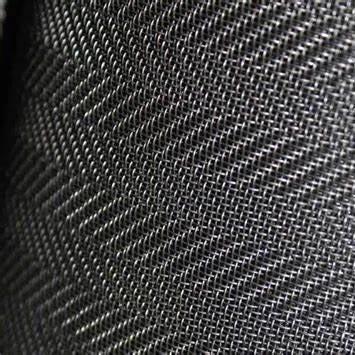
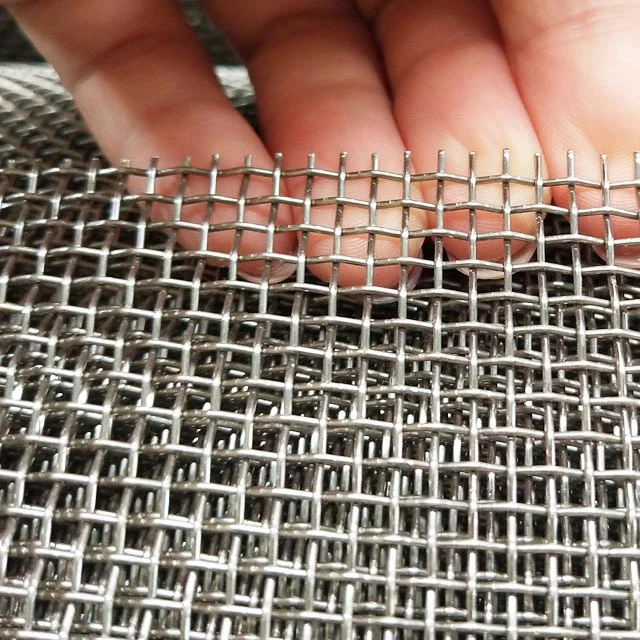
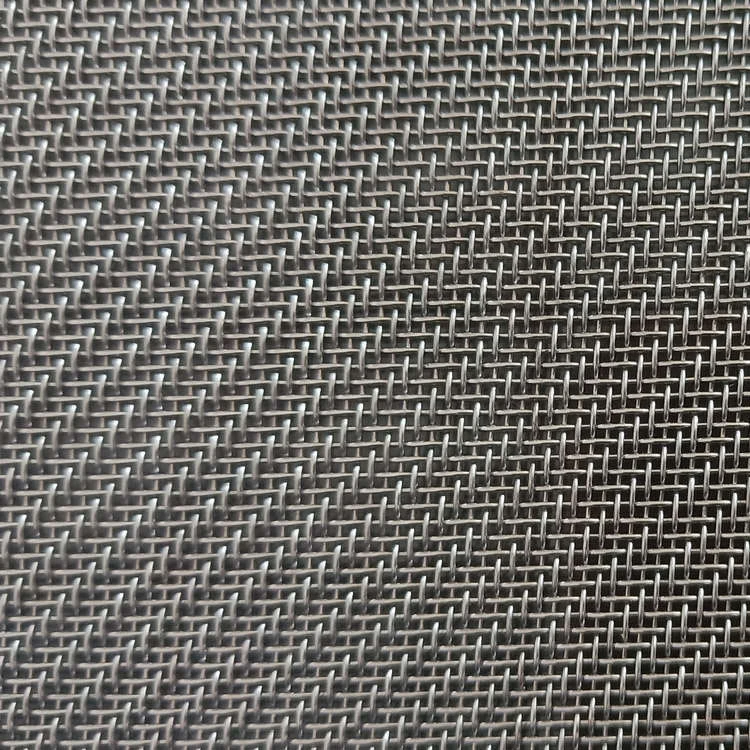
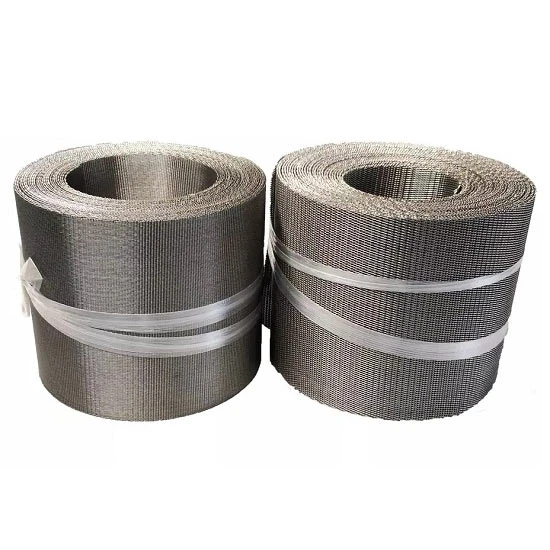
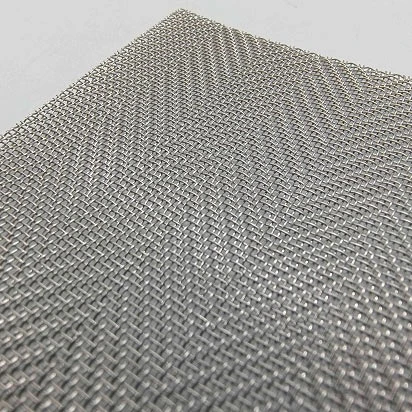
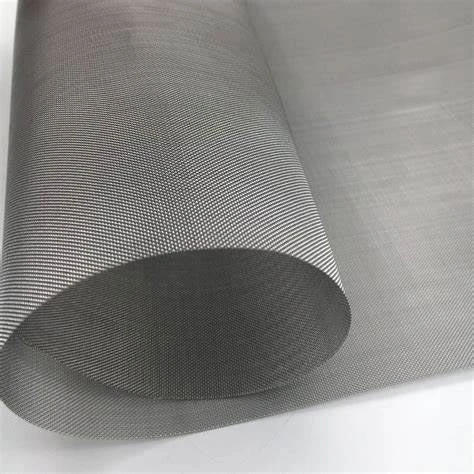
Understanding the mechanical nuances is critical for a successful Twill Weave vs Plain Weave Wire Mesh Selection. While plain weave offers the highest stability for coarser specifications (1x1 crossing), twill weave (2x2 crossing) allows for a heavier wire diameter in a given mesh count, enabling ultra-fine filtration up to 635 mesh. This capability is essential for applications requiring both high precision and durability in harsh environments.
| Performance Metric | Industry Significance | Our Engineering Standard | Advantage |
|---|---|---|---|
| Aperture Stability | Ensures consistent particle retention during high-pressure flow. | Rigid 1:1 interlacing for Plain Weave. | Prevents pore migration under mechanical stress. |
| Filtration Fineness | Determines the minimum particle size captured. | Advanced Twill capability up to 635 Mesh. | Enables high-resolution separation in medical/lab grades. |
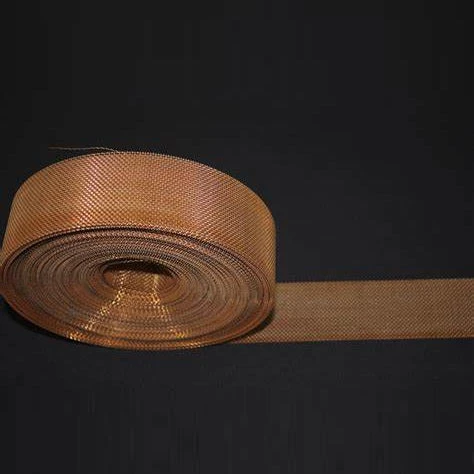
| Material Versatility | Compatibility with corrosive or high-temp media. | SS316L, Nickel, and Copper alloys. | Extended service life in aggressive chemical environments. |
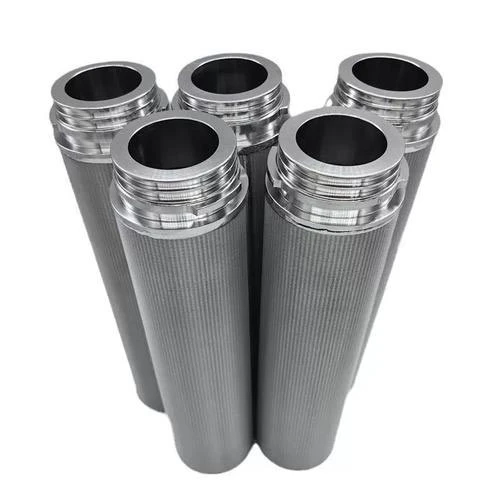
| Deformation Resistance | Ability to maintain shape during forming or pleating. | Strict scientific quality control systems. | Easier fabrication of filter cartridges and partitions. |
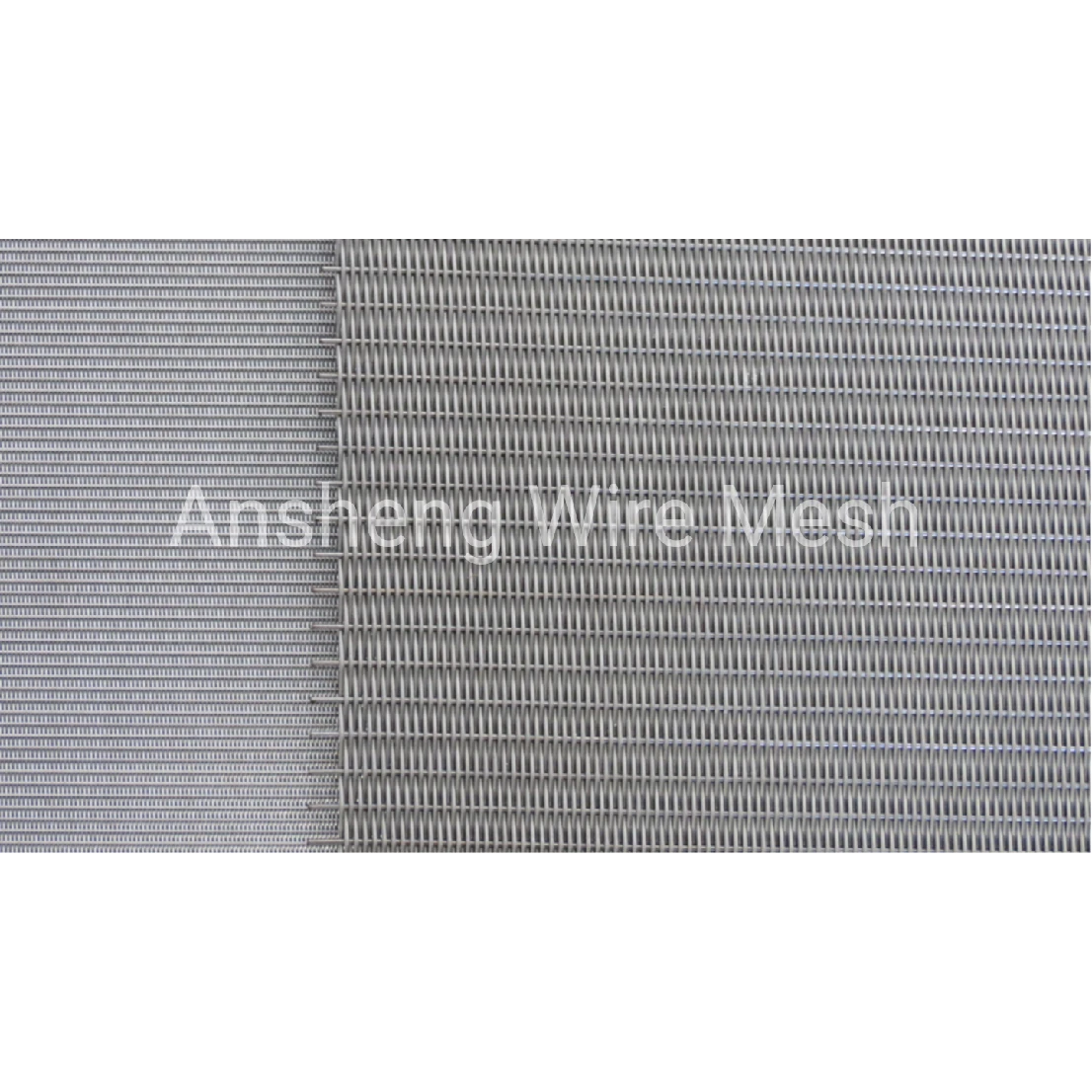
Strategic procurement is not just about the initial cost; it is about the total cost of ownership. A well-informed Twill Weave vs Plain Weave Wire Mesh Selection significantly impacts your ROI by reducing downtime and replacement frequency. Ansheng’s global footprint, exporting to the United States, Germany, and Australia, is built on providing "Value Engineering"—where our advanced production equipment ensures that even the most complex herringbone or dutch weaves provide superior throughput compared to industry averages.
By selecting the optimal weave for your specific pressure and micron requirements, you utilize our 20+ years of service experience to future-proof your operations. Our commitment to using high-grade materials like 316L and specialized nickel ensures that your investment yields long-term financial gains through enhanced process efficiency and minimal maintenance.
Related products
Top Selling Products