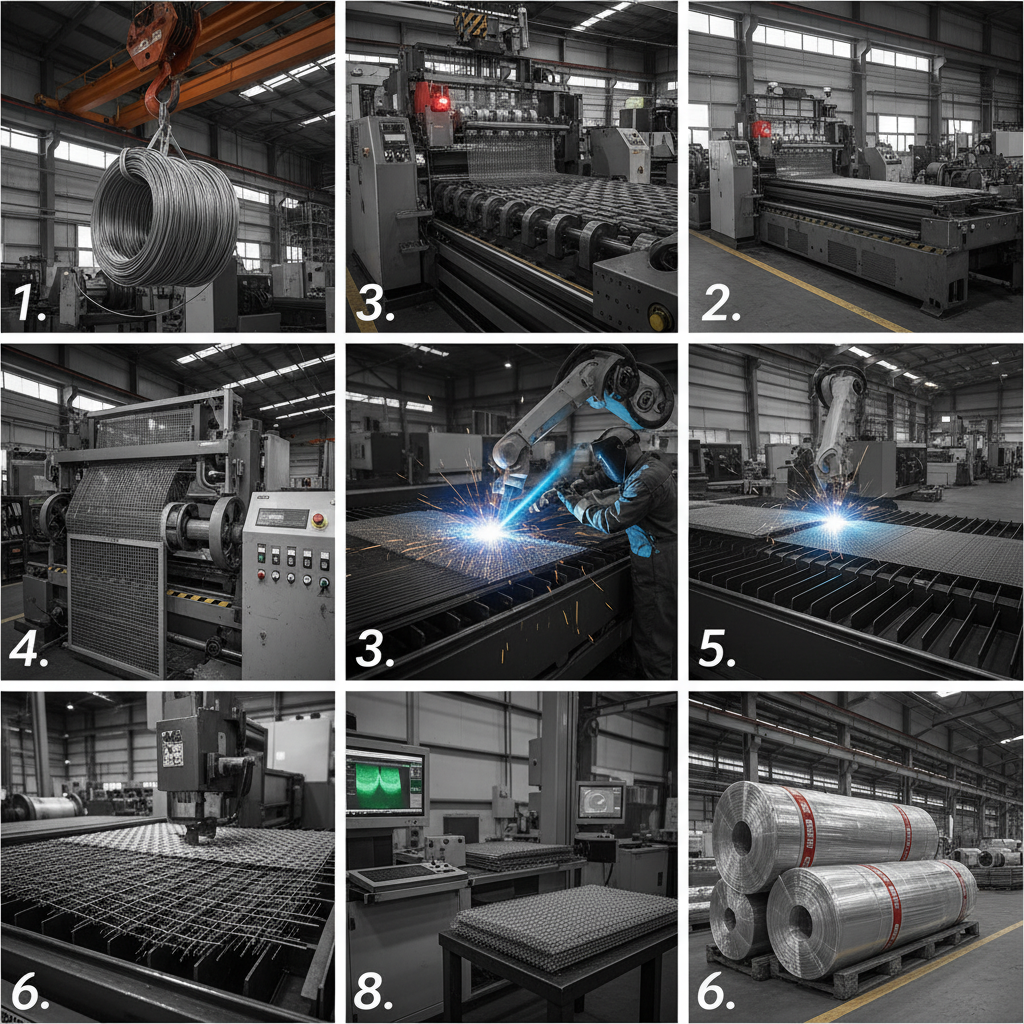
In the demanding world of industrial filtration and structural reinforcement, the steel gauze mesh stands as a cornerstone of engineering precision. This versatile material, characterized by its interwoven metallic wires, provides an essential balance between permeability and strength, making it indispensable for sectors ranging from aerospace to chemical processing. Understanding the nuances of its construction is key to optimizing industrial efficiency and ensuring long-term operational safety.
Globally, the adoption of high-grade steel mesh solutions has surged as industries pivot toward more rigorous ISO quality standards and sustainable manufacturing practices. The ability of a steel gauze mesh to withstand extreme temperatures and corrosive environments allows engineers to push the boundaries of material science, ensuring that critical filtration systems do not fail under pressure.
Beyond its technical specifications, the strategic selection of the right mesh density and alloy composition can significantly reduce operational downtime and maintenance costs. By integrating advanced weaving techniques, modern steel gauze provides not only a physical barrier but a calibrated tool for precise fluid dynamics and particulate control, ensuring that global supply chains remain uninterrupted by equipment failure.
Global Industrial Significance of Steel Gauze Mesh
The global demand for steel gauze mesh is inextricably linked to the expansion of the heavy machinery and chemical processing industries. As emerging economies in Asia and Latin America scale their industrial output, the need for reliable filtration and screening materials has grown exponentially. Data suggests that adherence to ISO 9001 standards in mesh production has led to a 20% increase in filtration efficiency across petrochemical plants worldwide.
However, the industry faces a persistent challenge: the battle against oxidation and structural fatigue in harsh environments. When a steel gauze mesh is deployed in high-salinity or high-acid zones, the risk of corrosion can lead to catastrophic system failures. This necessitates a deeper understanding of alloy integration and protective coatings to ensure that the mesh maintains its integrity over decades of use.
Technical Definition and Material Composition
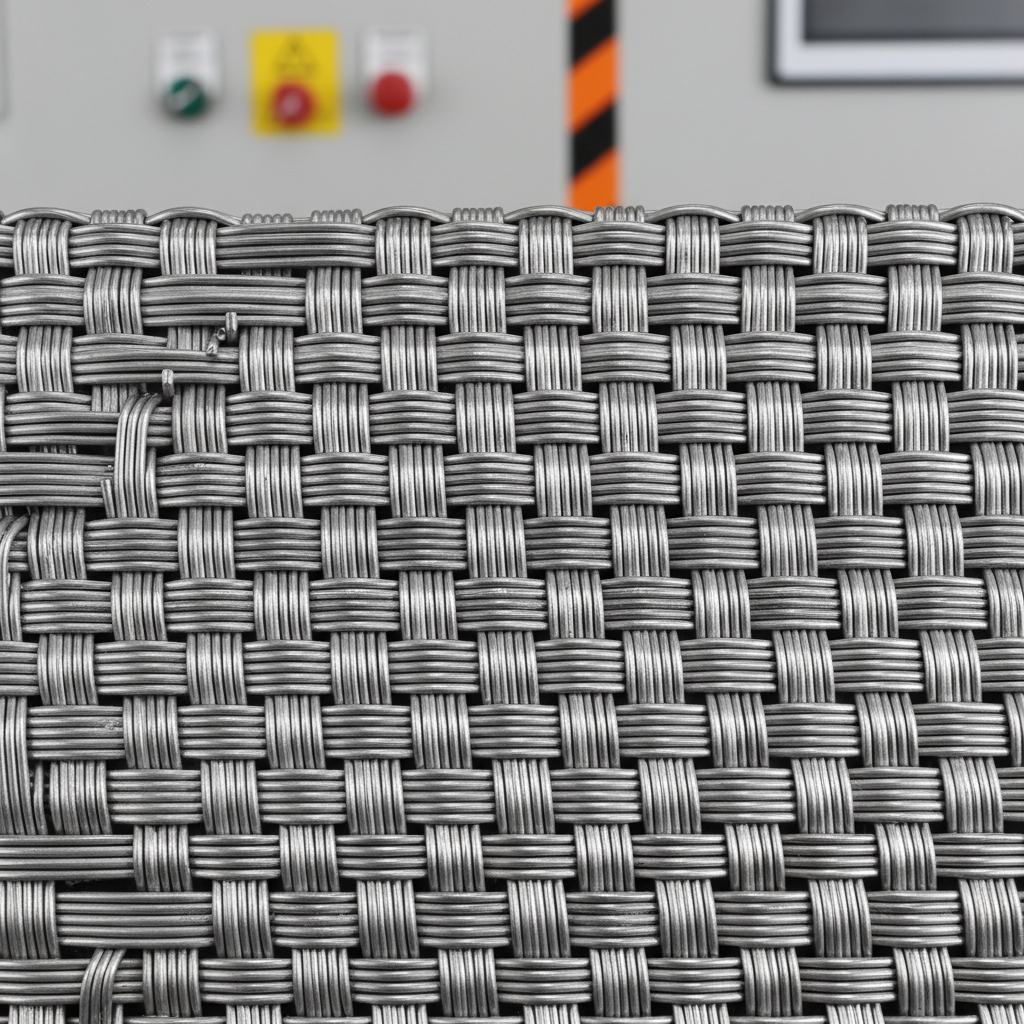
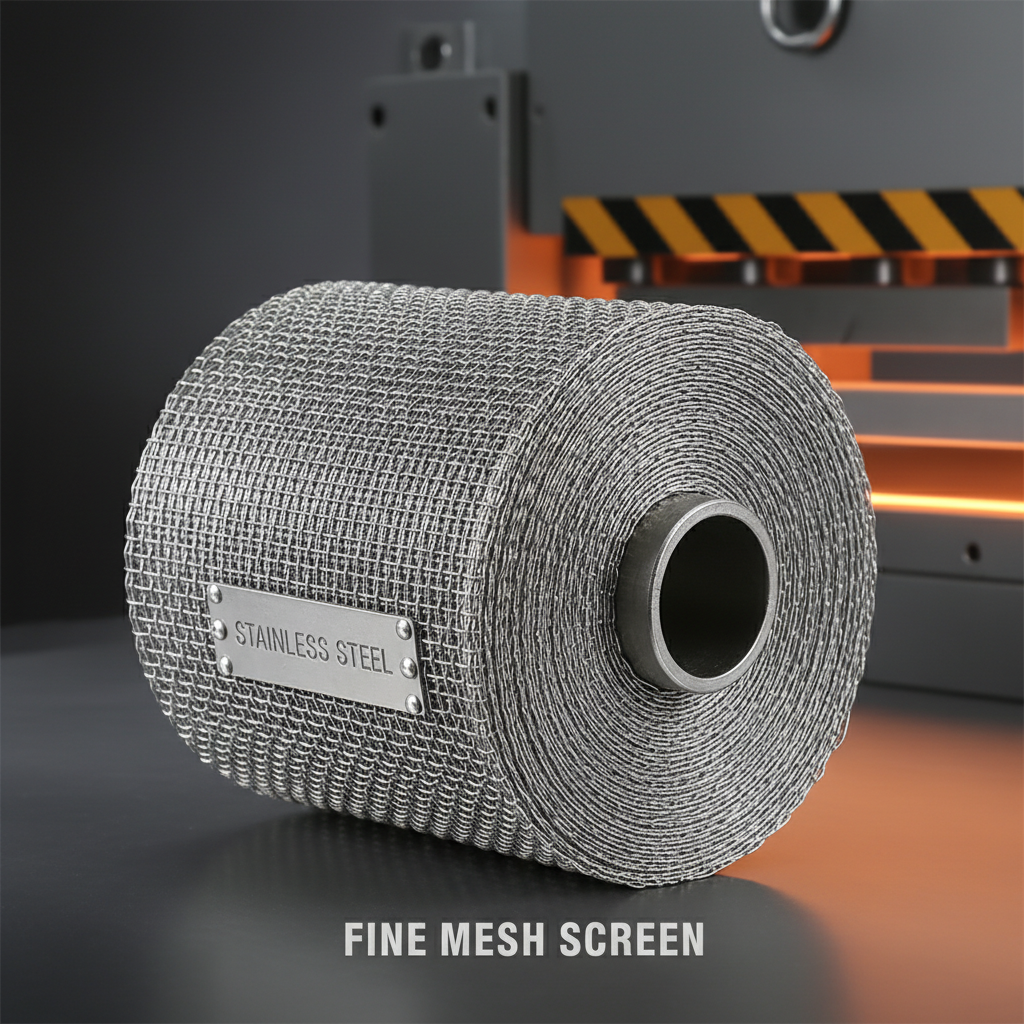
In simple technical terms, steel gauze mesh is a woven fabric made from precision-drawn steel wires, interlaced in a specific pattern—usually a plain weave or twill weave—to create a uniform series of open apertures. Unlike simple perforated sheets, the woven nature of gauze provides a higher ratio of open area to material thickness, which is critical for high-flow filtration applications where pressure drop must be minimized.
Modern industrial needs have evolved the composition of these meshes. While carbon steel remains a staple for general purpose use, the integration of chromium and nickel has given rise to stainless steel variants that offer superior resistance to oxidation. This evolution ensures that the steel gauze mesh can serve as a critical component in humanitarian efforts, such as water purification systems in remote regions, where durability is a matter of survival.
Furthermore, the "gauge" refers to the diameter of the wire, and the "mesh count" refers to the number of openings per linear inch. By manipulating these two variables, manufacturers can create a steel gauze mesh that can filter everything from coarse gravel in construction to microscopic particulates in pharmaceutical laboratories, demonstrating its incredible versatility across the industrial spectrum.
Core Factors Influencing Mesh Performance
The durability of a steel gauze mesh is primarily determined by its tensile strength and the quality of the weave. A tight, consistent weave prevents "wire shift," which can otherwise lead to uneven pore sizes and a decrease in filtration accuracy. This structural stability is paramount when the mesh is subjected to high-pressure fluid surges.
Cost-efficiency in the long term is achieved not by selecting the cheapest material, but by matching the steel gauze mesh alloy to the specific chemical environment. For instance, using a 316L stainless steel gauze in a chloride-rich environment prevents pitting corrosion, thereby extending the replacement cycle from six months to several years.
Scalability and adaptability are also key factors. A high-performance steel gauze mesh must be capable of being welded, crimped, or layered (multi-layer mesh) to create graduated filtration media. This allows for the capture of diverse particle sizes in a single component, optimizing the overall footprint of the filtration assembly.
Global Applications and Practical Use Cases
The practical application of steel gauze mesh spans the globe, from the high-tech cleanrooms of semiconductor fabs in Taiwan to the rugged mining operations of Western Australia. In the food and beverage industry, these meshes are utilized in sifting and straining processes to ensure contaminant-free products, adhering to strict FDA and EFSA health guidelines.
In more extreme scenarios, such as post-disaster relief operations, steel gauze mesh is often integrated into rapid-deployment water filtration units. These units utilize the mesh as a primary stage to remove suspended solids, providing a reliable first line of defense in ensuring potable water for displaced populations in remote industrial or disaster zones.
Performance Rating of Various Steel Gauze Mesh Types
Long-term Value and Economic Advantages
Investing in premium steel gauze mesh yields tangible economic benefits through the reduction of "Total Cost of Ownership" (TCO). While the initial procurement cost of a high-alloy mesh may be higher, the drastic reduction in replacement frequency and labor costs associated with system downtime creates a significant net positive ROI for industrial operators.
Beyond the financial metrics, there is a profound human element: safety and trust. In critical infrastructure, such as oil and gas refineries, the reliability of a steel gauze mesh filter can prevent catastrophic leaks or explosions. This reliability provides peace of mind to operators and ensures the dignity and safety of the workforce by minimizing hazardous exposure.
Future Trends in Mesh Innovation
The future of steel gauze mesh is being shaped by the intersection of nanotechnology and digital manufacturing. We are seeing the emergence of "smart meshes" coated with nano-catalysts that not only filter particles but chemically neutralize toxins as they pass through the weave. This transforms the mesh from a passive barrier into an active purification system.
Sustainability is also driving innovation. The industry is moving toward "green steel" production, reducing the carbon footprint of the wire-drawing process. Additionally, the integration of additive manufacturing (3D printing) is allowing for the creation of non-linear, complex mesh geometries that were previously impossible to weave, optimizing fluid flow and reducing energy consumption in pumping systems.
Automation in quality control is another significant trend. The use of AI-powered optical inspection systems ensures that every square inch of a steel gauze mesh is free of defects, with micron-level precision. This ensures that high-stakes industries, such as aerospace, can rely on absolute consistency across thousands of batches of material.
Overcoming Technical Challenges in Implementation
One of the most common limitations in current practice is "blinding," where particles become lodged in the pores of the steel gauze mesh, effectively blocking the flow. To overcome this, experts are implementing reverse-pulse cleaning systems and utilizing specialized surface coatings that reduce the surface energy of the wires, making it harder for particulates to adhere.
Another challenge is the difficulty of sealing a woven mesh into a rigid housing without distorting the weave. Innovative solutions include the use of precision laser welding and specialized epoxy resins that provide a leak-proof seal while maintaining the open area of the steel gauze mesh. This ensures that the filtration efficiency is not compromised at the edges of the component.
Finally, optimizing the balance between airflow and filtration precision remains a delicate task. By employing multi-layered gauze with varying mesh counts—a technique known as graded density—engineers can capture a wider range of particles without significantly increasing the pressure drop, thereby enhancing the overall energy efficiency of the system.
Analysis of Steel Gauze Mesh Material Selection and Performance
| Material Type |
Corrosion Resistance |
Thermal Stability |
Industrial Use Case |
| Low Carbon Steel |
Low (3/10) |
Moderate (5/10) |
General Construction |
| Galvanized Steel |
Medium (6/10) |
Moderate (6/10) |
Outdoor Fencing/Screens |
| SS 304 |
High (8/10) |
High (8/10) |
Food Grade Filtration |
| SS 316L |
Very High (9/10) |
High (9/10) |
Marine/Chemical Plants |
| Nickel Alloy |
Extreme (10/10) |
Extreme (10/10) |
Aerospace Turbines |
| Tungsten Steel |
High (7/10) |
Extreme (10/10) |
High-Temp Furnaces |
FAQS
Choosing the correct mesh count depends entirely on the size of the particles you need to filter. A higher mesh count means smaller openings. To determine the right size, identify the smallest particle you need to stop and select a mesh count where the aperture size is slightly smaller than that particle. We recommend consulting a technical chart or a professional engineer to ensure the balance between filtration precision and flow rate is maintained.
Yes, but material selection is critical. Standard carbon steel will corrode rapidly. For acidic environments, you should use 316L stainless steel or nickel-based alloys (like Hastelloy). These materials contain molybdenum and other elements that create a passive oxide layer, protecting the mesh from pitting and stress corrosion cracking in harsh chemical settings.
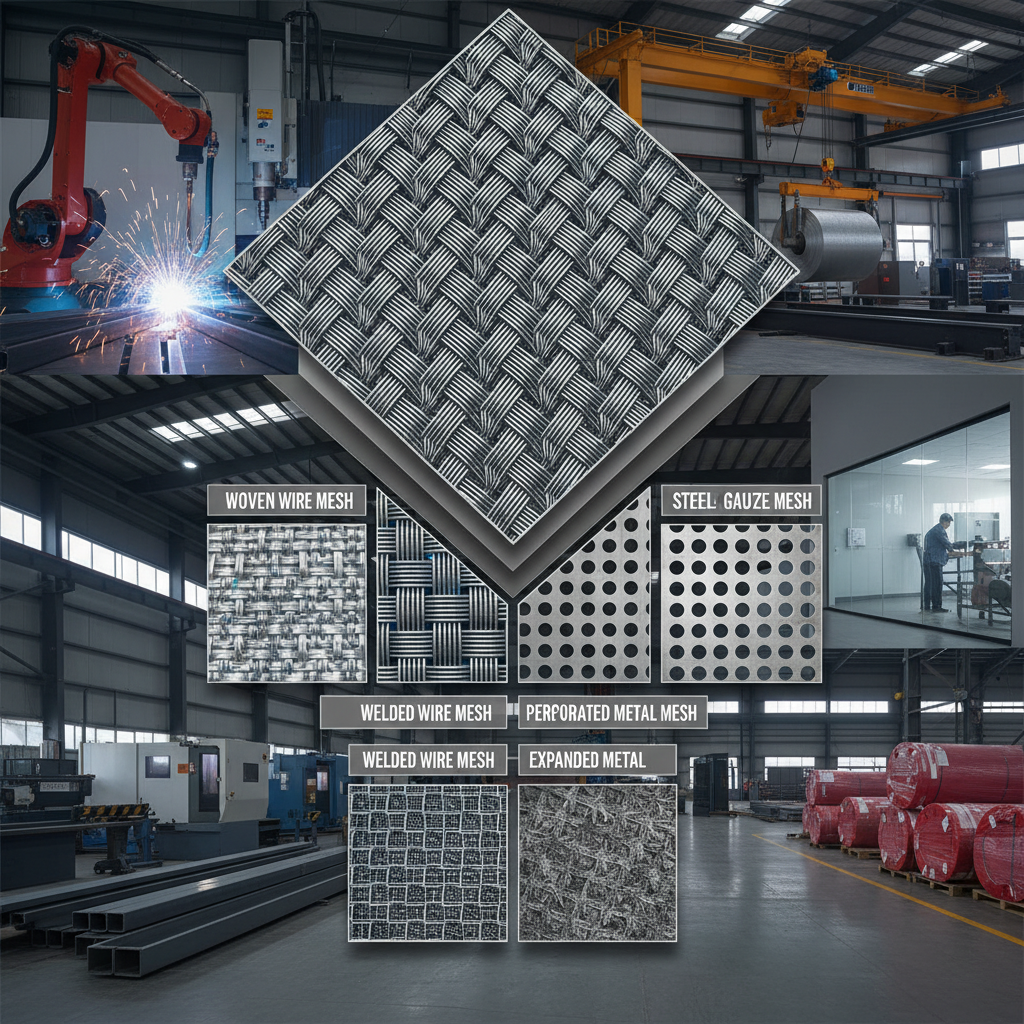
Woven steel gauze consists of wires interlaced over and under each other, allowing for much finer apertures and a higher percentage of open area. Perforated metal is a sheet with holes punched through it, which is generally stronger and better for coarse filtration or structural panels but cannot achieve the micron-level precision that woven gauze provides.
The lifespan varies based on the environment. In a mild, dry environment, a high-quality stainless steel mesh can last over a decade. In abrasive or corrosive industrial settings, the lifespan may be reduced to 6-24 months. To extend longevity, implement regular cleaning cycles (backwashing) and ensure the material grade is perfectly matched to the chemical exposure.
Yes, steel is one of the most recycled materials on earth. Most industrial meshes are made from alloys that can be melted down and repurposed at the end of their life cycle. Furthermore, by increasing filtration efficiency, these meshes help industries reduce waste and prevent pollutants from entering the environment, contributing to a circular economy.
Blinding can be prevented by using a "graded" mesh approach, where multiple layers of different densities are used to distribute the particle load. Additionally, applying oleophobic or hydrophobic coatings can prevent sticky substances from adhering to the wires. Implementing an automated reverse-pulse cleaning system is the most effective mechanical solution for high-volume industrial applications.
Conclusion
In summary, the steel gauze mesh is far more than a simple industrial component; it is a precision-engineered tool that ensures the efficiency, safety, and sustainability of global industrial processes. From the critical selection of alloys to the implementation of advanced weaving patterns, every detail contributes to the overall performance of filtration and structural systems. By prioritizing material quality and technical compatibility, businesses can achieve significant long-term value and operational reliability.
Looking forward, the integration of smart materials and green manufacturing will continue to elevate the role of steel mesh in an increasingly automated world. As we move toward more stringent environmental regulations and higher precision requirements, the evolution of steel gauze mesh will be pivotal in supporting the next generation of industrial innovation. For high-quality, custom-engineered mesh solutions, we invite you to visit our website: www.anshengmetalmesh.com