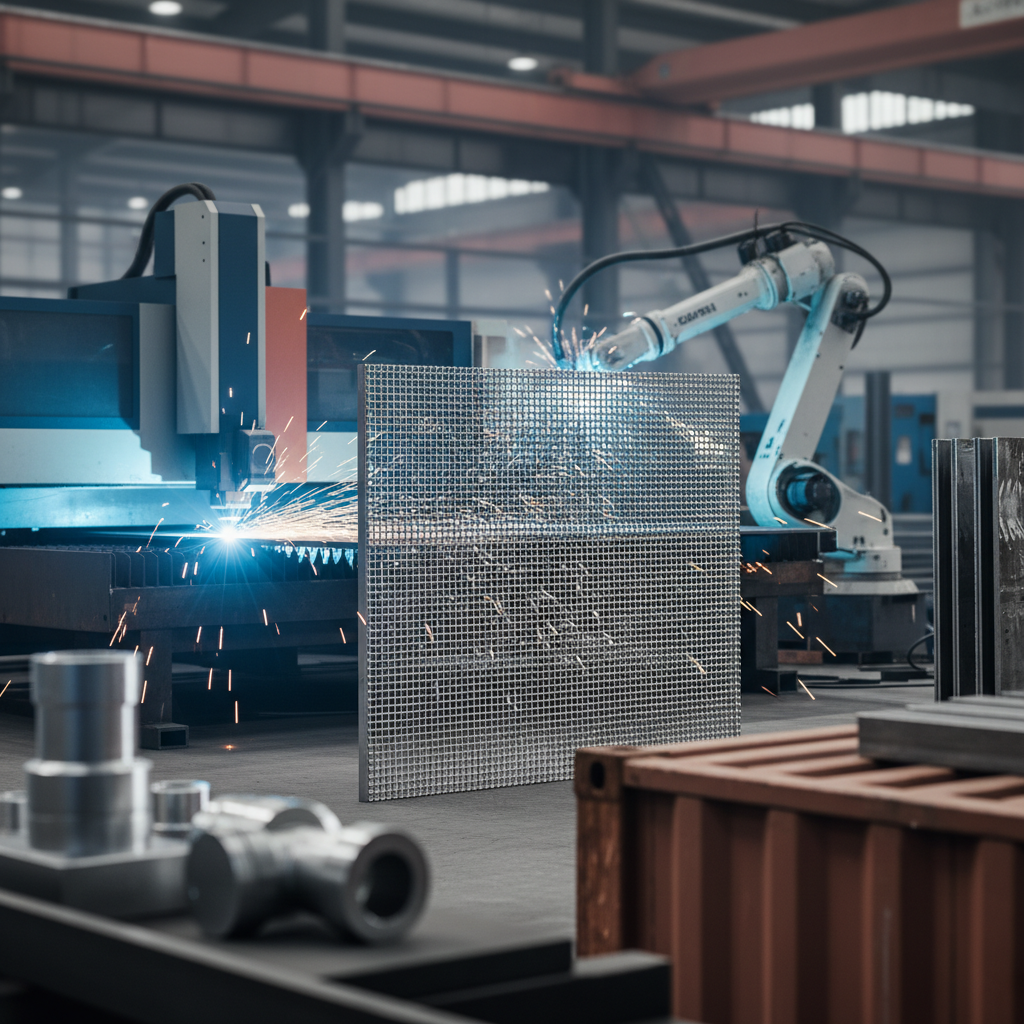
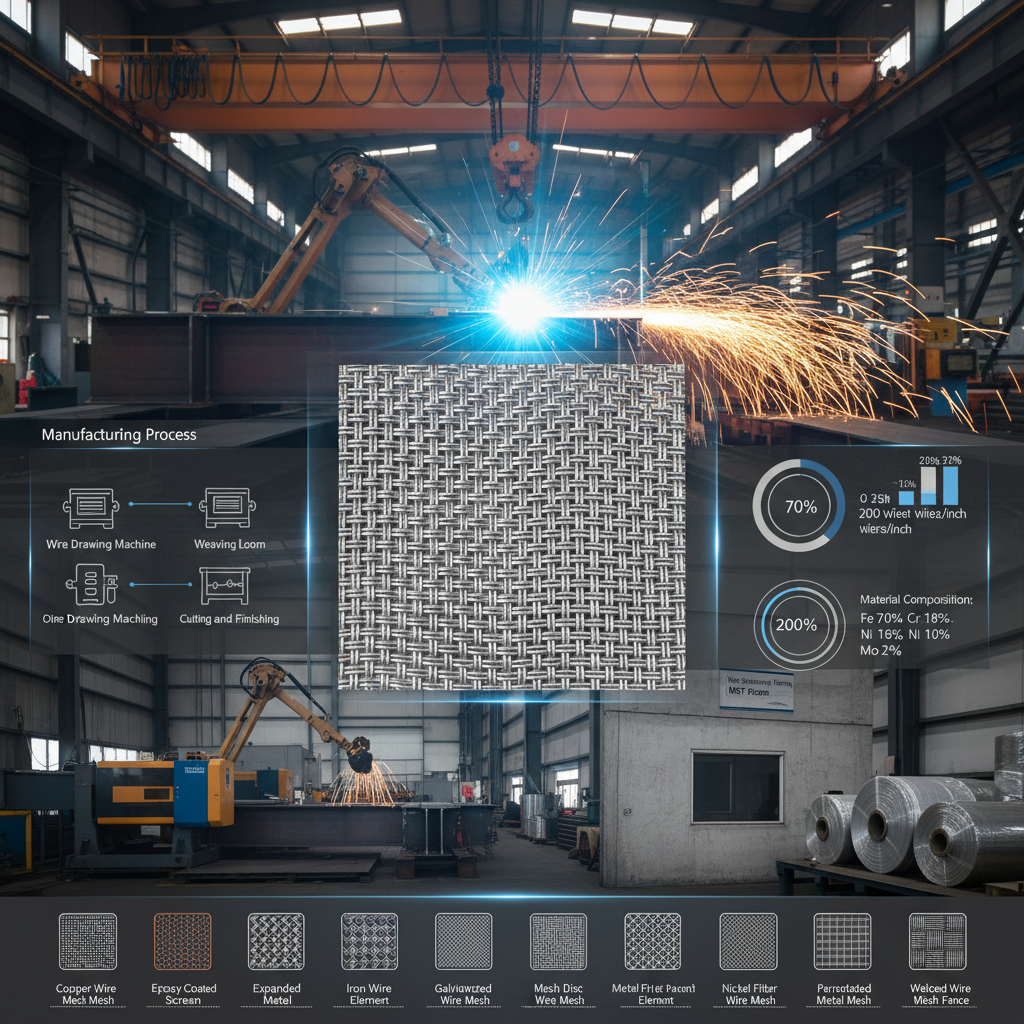
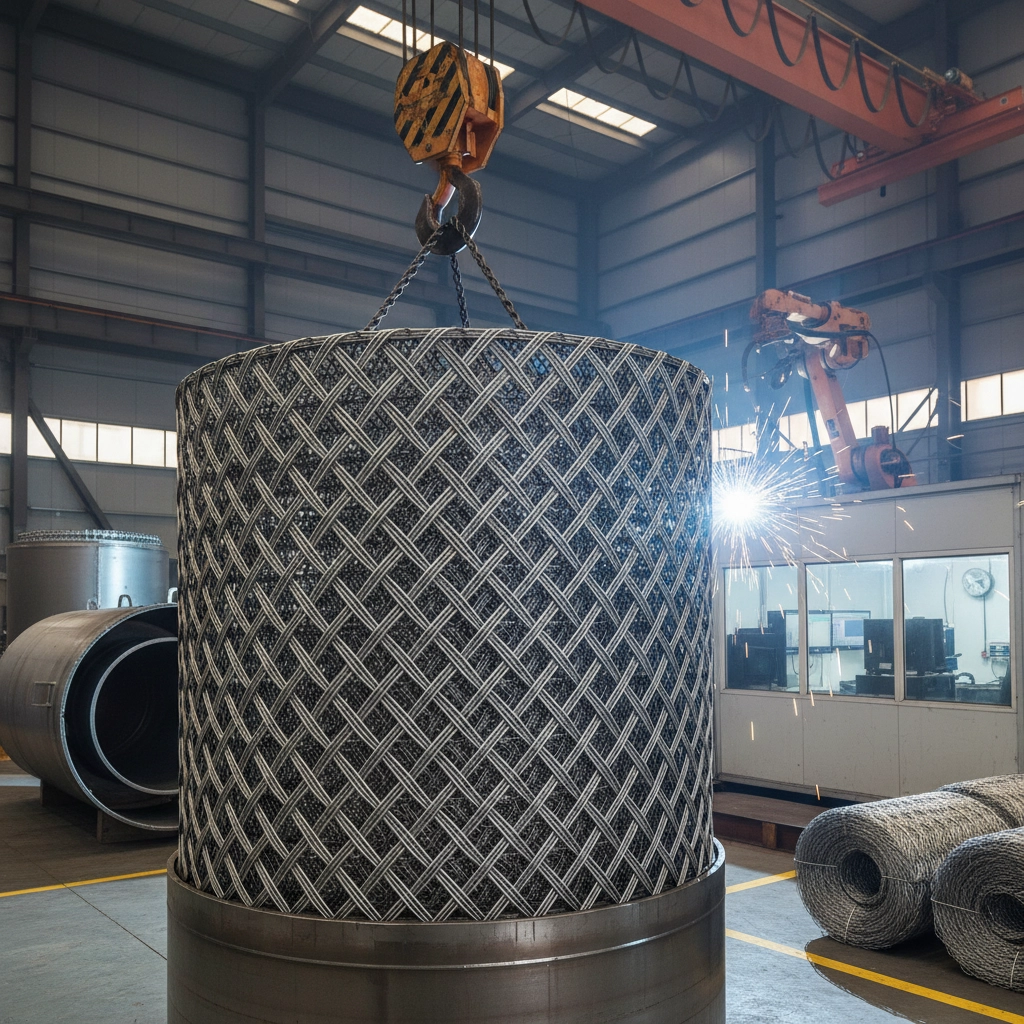
The industrial landscape relies heavily on precision filtration and separation, where the stainless steel woven wire mesh screen serves as a cornerstone for countless manufacturing processes. From chemical processing to food production, these engineered meshes provide the critical balance of permeability and structural integrity required to maintain high purity standards and operational efficiency. Understanding the nuances of weave patterns and alloy grades is essential for any engineer looking to optimize their system's performance.
Globally, the demand for high-performance filtration has surged as industries shift toward more sustainable and rigorous quality control measures. The versatility of a stainless steel woven wire mesh screen allows it to operate in extreme environments—withstanding corrosive chemicals, high pressures, and fluctuating temperatures—where synthetic alternatives would fail. This reliability makes it an indispensable asset in the pursuit of industrial longevity and safety.
By exploring the technical specifications and application strategies of woven wire mesh, businesses can significantly reduce downtime and maintenance costs. Whether it is a simple plain weave for basic screening or a complex five-mesh weave for precision filtration, selecting the right configuration ensures that the stainless steel woven wire mesh screen performs its role with maximum efficiency, safeguarding the integrity of the final product.
Global Industry Context of Stainless Steel Woven Wire Mesh Screen
On a global scale, the integration of stainless steel woven wire mesh screen technology is tied directly to the growth of the global pharmaceutical and petrochemical sectors. According to ISO standards for filtration efficiency, the precision of woven steel is unmatched in preventing cross-contamination. As emerging economies industrialize, the shift from basic iron meshes to high-grade stainless steel reflects a broader commitment to hygiene and durability.
However, the industry faces a persistent challenge: the trade-off between aperture precision and flow rate. Many facilities struggle with premature clogging or mesh rupture due to improper material selection. This gap in application knowledge often leads to operational inefficiencies, highlighting the need for a deeper understanding of how various weaves handle different particulate loads in high-stress environments.
Defining the Engineering of Stainless Steel Woven Wire Mesh Screen
In its simplest form, a stainless steel woven wire mesh screen is a textile-like structure created by interlacing stainless steel wires at right angles. Unlike perforated metals, the woven nature of the screen allows for incredibly fine apertures and a higher open-area percentage, which is critical for maximizing throughput while maintaining strict filtration limits.
Modern industrial needs have evolved the definition of these screens from simple "sieves" to complex "functional interfaces." Today, they are engineered to handle specific chemical interactions, magnetic properties, and thermal expansions. This transformation ensures that whether the mesh is used in a laboratory or a mining site, it serves as a reliable barrier that protects downstream equipment from debris.
The connection to humanitarian and environmental needs is also evident. In water treatment plants across developing regions, the use of durable stainless steel mesh prevents the contamination of drinking water by filtering out micro-plastics and organic pollutants. This makes the stainless steel woven wire mesh screen not just a tool for profit, but a component of global health infrastructure.
Core Components Driving Mesh Performance
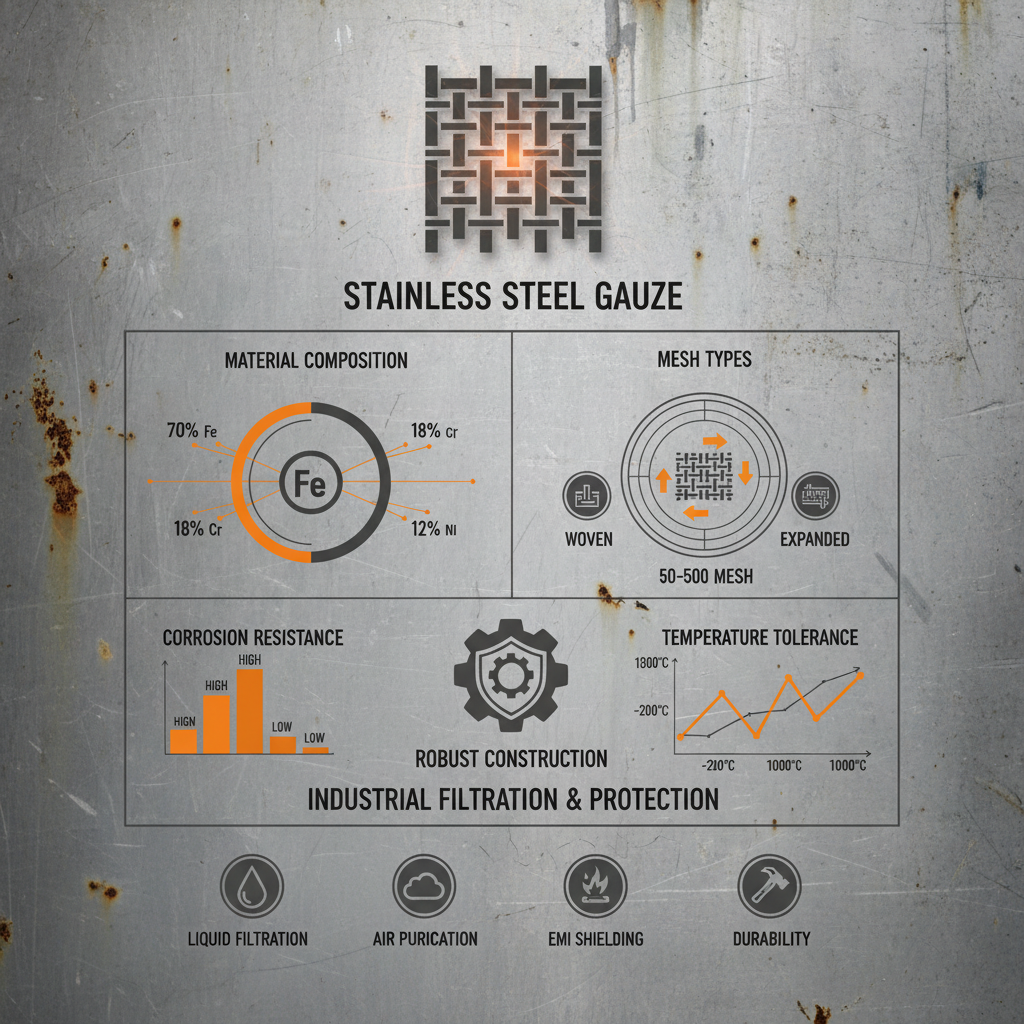
The durability of a stainless steel woven wire mesh screen starts with the alloy grade. Grades such as 304 and 316L are the industry standards, offering a balance of corrosion resistance and mechanical strength. The chromium and nickel content in these alloys creates a passive oxide layer that protects the mesh from oxidation even in saline or acidic environments.
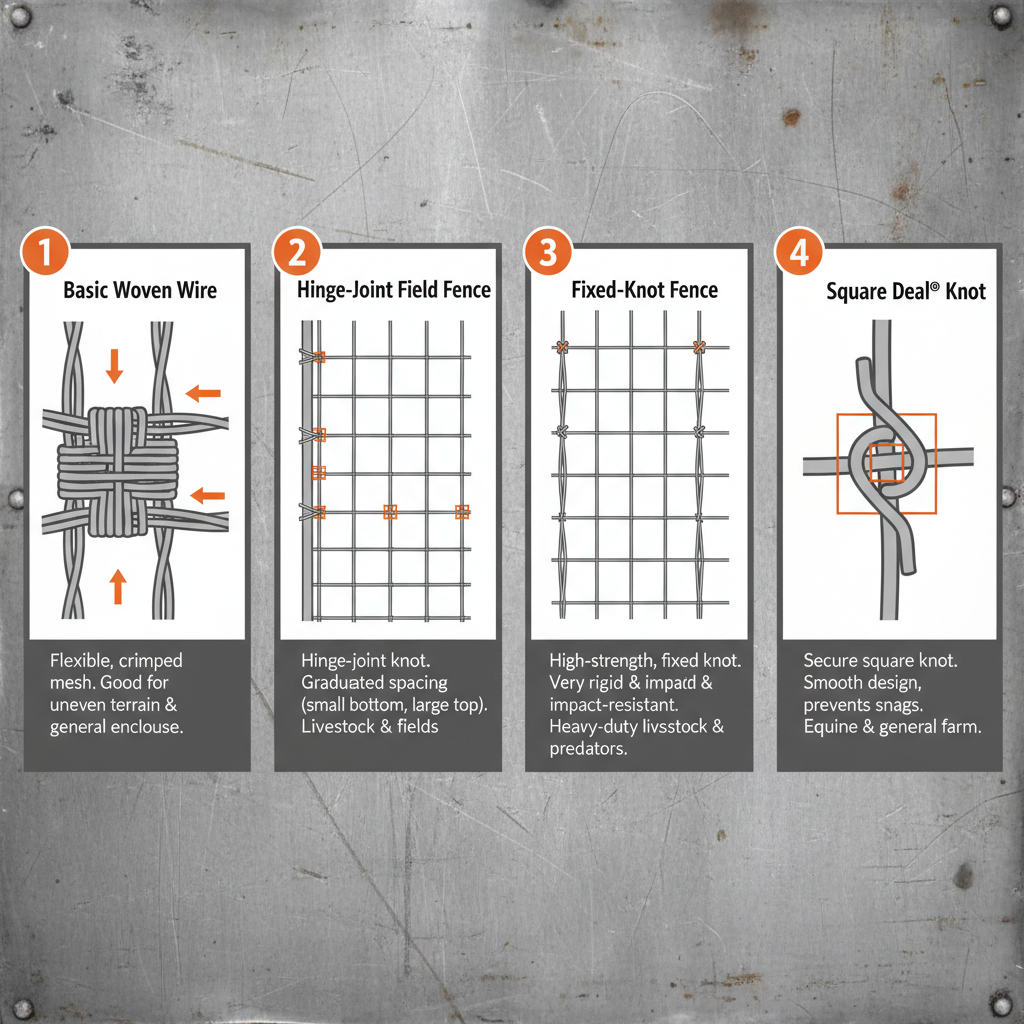
Weave architecture is the second critical factor. A "Plain Weave" provides the most stability and is ideal for general purpose screening, whereas a "Twilled Weave" allows for thicker wires and higher open areas, reducing the risk of blinding (clogging). Selecting the correct weave for your stainless steel woven wire mesh screen directly impacts the lifespan of the filter element.
Finally, dimensional stability and tolerance are what separate industrial-grade screens from consumer products. Precise wire diameter and consistent aperture size ensure that the stainless steel woven wire mesh screen provides a predictable cut-off point for particulates, which is non-negotiable in high-precision industries like aerospace or semiconductor manufacturing.
Global Applications and Industrial Use Cases
The application of the stainless steel woven wire mesh screen spans across diverse geographies. In the oil and gas fields of the Middle East, these screens are used in sand control systems to prevent reservoir solids from entering production wells, thereby extending the life of the pump systems. In the food processing hubs of Europe, they ensure that dairy and beverage products are free of contaminants.
In more specialized contexts, such as post-disaster relief operations, portable filtration units utilizing stainless steel mesh are deployed to provide immediate access to clean water. These units are favored for their robustness and ease of cleaning, proving that the stainless steel woven wire mesh screen is as vital for emergency response as it is for industrial production.
Performance Efficiency of Different Mesh Configurations
Long-term Value and Strategic Advantages
Investing in a high-quality stainless steel woven wire mesh screen offers tangible long-term financial benefits. While the initial cost of 316L stainless steel may be higher than galvanized options, the lifecycle cost is significantly lower due to the lack of corrosion and the ability to repeatedly clean and reuse the mesh via ultrasonic baths or back-flushing.
Beyond the economics, there is a psychological value associated with reliability. In critical safety applications—such as protecting turbines from foreign object damage (FOD)—the trust placed in the structural integrity of the mesh is paramount. This reliability fosters innovation, as engineers can push the boundaries of pressure and temperature knowing their stainless steel woven wire mesh screen will not fail under stress.
Future Trends in Mesh Material Innovation
The future of the stainless steel woven wire mesh screen is being shaped by the drive toward "Green Industry." We are seeing the emergence of nano-coated meshes that incorporate antimicrobial or hydrophobic properties, allowing for self-cleaning screens that drastically reduce water and chemical consumption during maintenance.
Digital transformation is also playing a role. With the advent of Industry 4.0, some high-end mesh installations are now being paired with differential pressure sensors. These sensors alert operators in real-time when the stainless steel woven wire mesh screen is reaching its loading capacity, transforming a passive component into a smart data point within the production line.
Furthermore, the move toward additive manufacturing is complementing traditional weaving. Hybrid structures—where a woven mesh is integrated into a 3D-printed housing—are allowing for more complex geometries and customized flow paths, ensuring that the mesh is positioned exactly where the filtration demand is highest.
Overcoming Technical Challenges in Mesh Implementation
One of the most common challenges with the stainless steel woven wire mesh screen is "blinding," where particles become wedged in the apertures. To solve this, experts recommend the use of twilled weaves or the implementation of automated vibration systems that shake the mesh, preventing the buildup of solids and maintaining a constant flow rate.
Another hurdle is the risk of fatigue failure in high-vibration environments. To combat this, the industry has moved toward reinforced edges and specialized welding techniques that secure the mesh without creating stress concentration points. Choosing a mesh with a slightly larger wire diameter can also provide the necessary structural rigidity without compromising the filtration grade.
Finally, chemical incompatibility can lead to pitting corrosion. The solution lies in a rigorous material audit: switching from 304 to 316L or even Hastelloy for extreme conditions. Proper specification of the stainless steel woven wire mesh screen at the design phase prevents costly replacements and unplanned outages.
Comparative Analysis of Mesh Grades and Weave Types for Industrial Application
| Material Grade |
Weave Pattern |
Corrosion Resistance |
Typical Use Case |
| SS 304 |
Plain Weave |
Moderate |
General Food Grading |
| SS 316L |
Twill Weave |
High |
Chemical Processing |
| SS 316L |
Dutch Weave |
Very High |
Fine Oil Filtration |
| Hastelloy |
Plain Weave |
Extreme |
Acidic Gas Scrubbing |
| SS 304 |
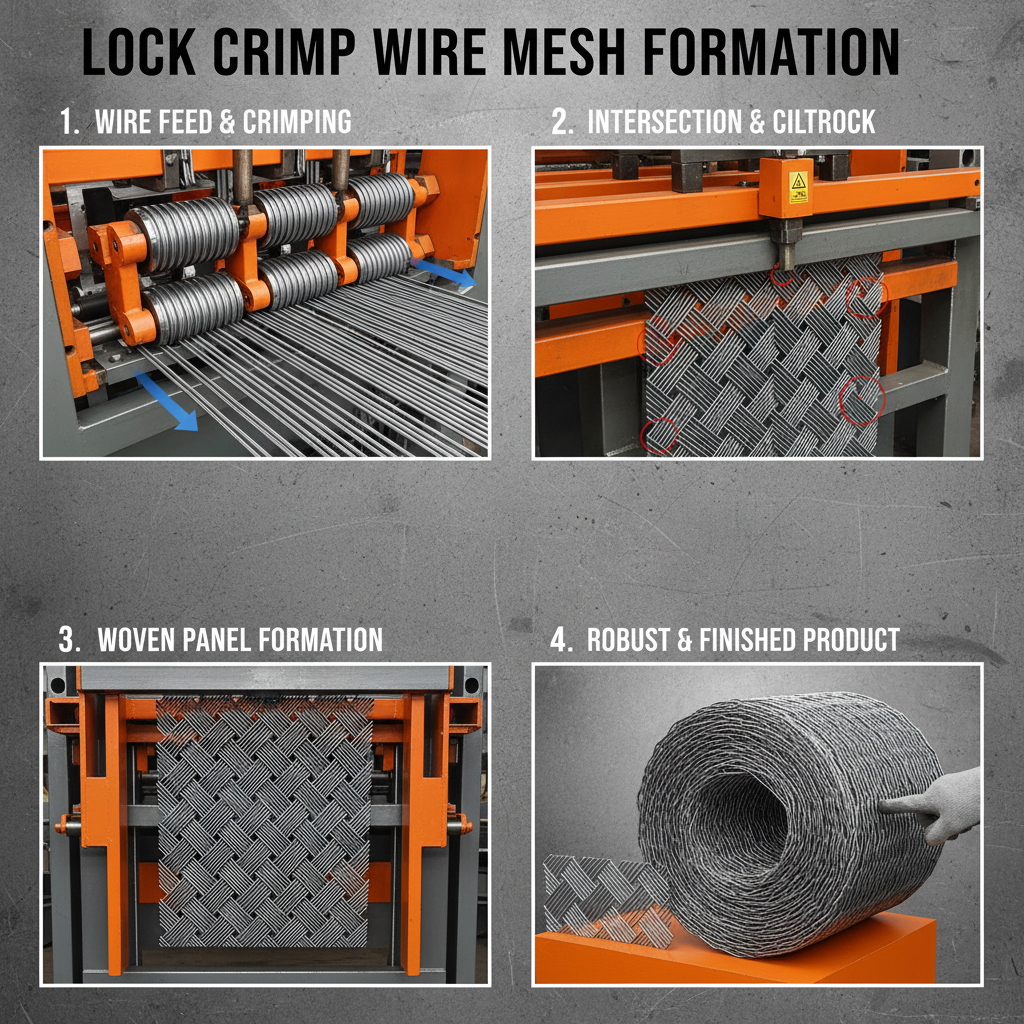
Crimped Weave |
Moderate |
Heavy Duty Mining |
| SS 316L |
Five-Mesh Weave |
High |
Pharmaceutical Pure |
FAQS
A plain weave is the most basic pattern where each wire passes over and under one adjacent wire, providing high stability and a consistent aperture. A twill weave, however, allows the wire to skip one or more wires, creating a diagonal pattern. This results in a higher open area and thicker wires, which makes the screen more resistant to clogging (blinding) and better suited for heavy-duty industrial filtration where flow rate is a priority over absolute precision.
Grade 304 is an excellent general-purpose alloy suitable for most food and light industrial applications. However, if your screen will be exposed to chlorides (like seawater), strong acids, or highly corrosive chemicals, Grade 316L is the superior choice. The addition of molybdenum in 316L significantly enhances its resistance to pitting and crevice corrosion, ensuring that your stainless steel woven wire mesh screen does not degrade prematurely in harsh environments.
Yes, one of the primary advantages of stainless steel is its reusability. Depending on the contaminant, screens can be cleaned using high-pressure back-flushing, chemical solvent baths, or ultrasonic cleaning. Because stainless steel resists the chemicals used in these cleaning processes, a well-maintained stainless steel woven wire mesh screen can last for years, providing a much lower total cost of ownership compared to disposable synthetic filters.
Blinding occurs when particles of a size similar to the mesh aperture become lodged in the openings, blocking the flow. This is often caused by moist or sticky materials. To prevent this, you can use a twill weave for better flow, implement an automated vibration system to shake particles loose, or use a "self-cleaning" mesh with a specialized coating. Proper sizing of the aperture—ensuring it is not too close to the average particle size—is also critical.
Absolutely. Stainless steel maintains its mechanical strength at temperatures where plastics and polymers would melt or deform. Depending on the specific alloy, these screens can operate in extreme heat, making them ideal for exhaust systems, industrial ovens, and chemical reactors. For extremely high-temperature scenarios, specialized alloys or nickel-based meshes may be recommended to prevent oxidation and scale buildup.
The mesh count refers to the number of openings per linear inch. For example, a 100-mesh screen has 100 openings per inch. This is determined by the thickness of the wire and the size of the aperture. When specifying a stainless steel woven wire mesh screen, it is important to provide both the mesh count and the wire diameter to ensure the correct open area and filtration precision for your specific application.
Conclusion
The stainless steel woven wire mesh screen is far more than a simple industrial component; it is a precision-engineered tool that ensures quality, safety, and efficiency across a vast array of global industries. By carefully balancing material grade, weave architecture, and maintenance strategies, companies can achieve an optimal filtration balance that reduces operational costs and enhances product purity. From the micro-precision of pharmaceutical labs to the rugged demands of mining, the versatility of woven stainless steel remains unmatched.
Looking forward, the integration of smart sensors and nano-materials will continue to evolve the capabilities of mesh technology, moving us toward a future of autonomous, self-cleaning filtration systems. For any organization seeking to optimize their industrial processes, investing in high-grade, professionally engineered mesh is not just a technical requirement, but a strategic advantage. To find the perfect filtration solution for your specific needs, visit our website: www.anshengmetalmesh.com.