In the realm of modern architecture and interior design, decorative woven wire has emerged as a transformative element that bridges the gap between industrial strength and aesthetic elegance. By manipulating the weave pattern and material composition, designers can create semi-transparent partitions, dynamic facades, and intricate artistic installations that play with light and shadow.
The global demand for high-end architectural materials is shifting toward solutions that offer both sustainability and versatility. Decorative woven wire provides a unique answer to this need, allowing for natural ventilation and light penetration while maintaining a secure boundary, making it an essential component in the pursuit of "breathable" urban spaces.
Understanding the technical nuances of these mesh systems—from the grade of stainless steel used to the precision of the weave—is crucial for architects and contractors. By leveraging the inherent properties of woven metals, one can achieve a sophisticated visual impact that is durable enough to withstand the elements and flexible enough to fit complex organic shapes.
Global Context of Decorative Woven Wire
On a global scale, the integration of decorative woven wire into commercial and residential projects has seen a significant uptick, aligning with ISO standards for architectural safety and material durability. As urban density increases, the need for materials that provide privacy without sacrificing openness has led to a surge in the use of metal fabrics across Europe, North America, and Asia.
The primary challenge addressed by these materials is the tension between security and transparency. Traditional walls are opaque and isolating, whereas standard fences are often purely functional and visually jarring. Decorative woven wire resolves this by offering a "soft" industrial look that conforms to the rigorous requirements of modern building codes while enhancing the visual identity of the structure.
Defining Decorative Woven Wire in Modernity
At its core, decorative woven wire is a specialized form of metal fabric created by interlacing wires of various diameters and materials in specific patterns to achieve a desired visual and functional effect. Unlike industrial filtration mesh, which focuses solely on micron ratings, decorative mesh prioritizes the interplay of light, the texture of the surface, and the overall drape of the material.
In the context of modern industry, this material represents the intersection of metallurgy and art. It is no longer viewed as a mere construction byproduct but as a sophisticated architectural tool. Whether it is crafted from stainless steel, brass, or copper, the "weave" becomes a language that can convey luxury, minimalism, or industrial grit depending on the application.
From a humanitarian and urban planning perspective, these materials are used to create safe, semi-permeable zones in public spaces. They allow for airflow and visibility, reducing the "closed-off" feeling of security barriers and promoting a sense of community connectivity while still fulfilling the necessary safety protocols of high-traffic urban environments.
Core Components of High-Quality Wire Mesh
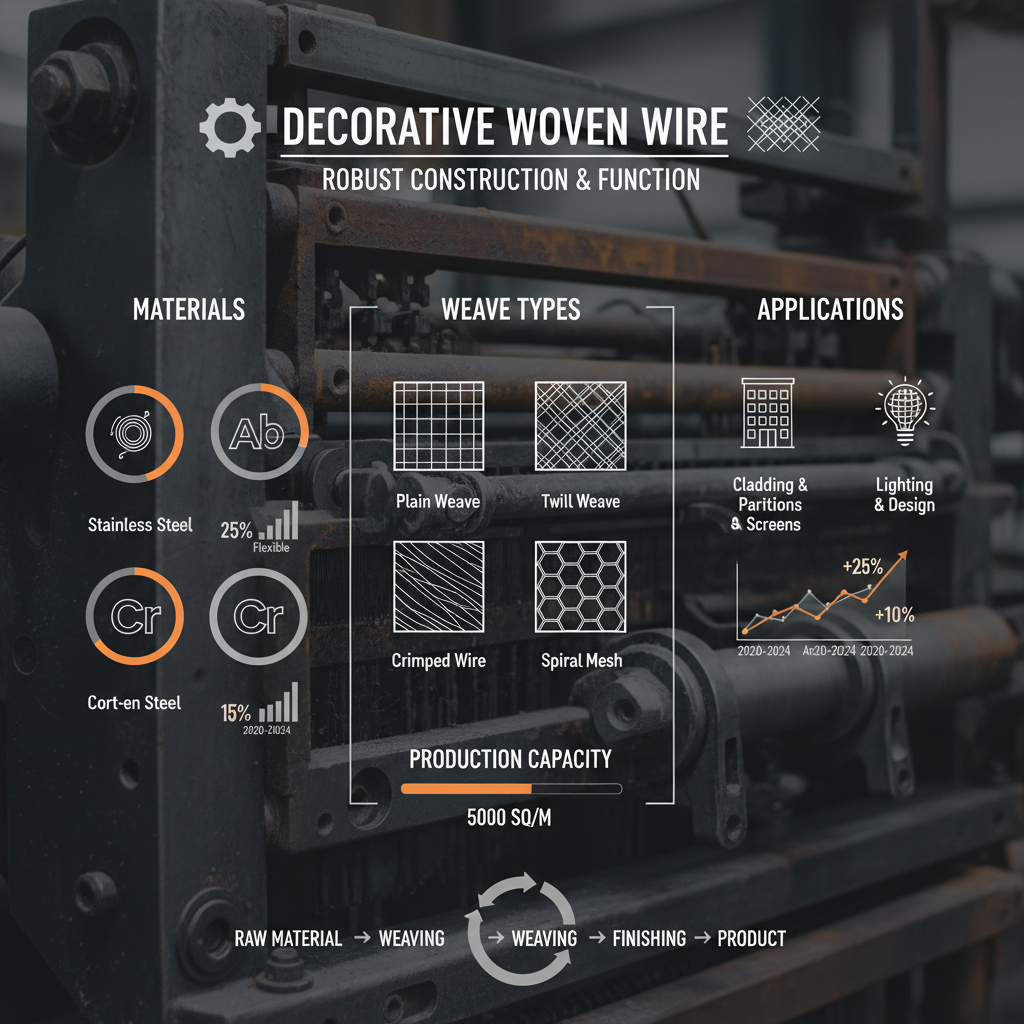
Material Selection is the foundation of any decorative woven wire project. Stainless steel (304 or 316 grade) is the gold standard for exterior use due to its corrosion resistance, while brass and copper are preferred for interior accents where warmth and a vintage patina are desired.
Weave Precision and Patterning dictate the transparency and rigidity of the mesh. From simple plain weaves to complex twills and leno weaves, the geometry of the intersection determines how light hits the surface, creating moiré effects that add a dynamic quality to static walls.
Surface Finishing provides the final touch of durability and style. Electro-polishing, PVD coating, and powder coating allow decorative woven wire to match any color palette, ensuring that the metal does not just fit into the environment but enhances it through contrasting textures and finishes.
Performance Metrics for Decorative Applications
When evaluating the efficacy of decorative woven wire, professionals look beyond the visual appeal to technical performance. Key metrics include the "open area percentage," which defines how much light and air can pass through, and the "tensile strength," which ensures the mesh remains taut over large spans without sagging.
By comparing different weaving methods, architects can optimize for specific goals—such as maximum shade for a sun-drenched facade or maximum transparency for a retail storefront. The balance between wire gauge and aperture size is the critical variable in this optimization process.
Comparative Performance of Decorative Woven Wire Types
Global Applications and Use Cases
In the luxury retail sector of cities like Paris and Tokyo, decorative woven wire is frequently used as a sophisticated backdrop for high-end products, creating a layered depth that draws customers in while maintaining a sleek, industrial edge.
Beyond commercial use, in remote industrial zones or post-disaster relief reconstruction, reinforced decorative mesh is being explored for modular partitioning. These structures provide essential division of space in temporary shelters while ensuring that light and ventilation are maximized, which is critical for the psychological well-being of inhabitants in cramped conditions.
Long-Term Value and Sustainability
The long-term value of investing in high-grade decorative woven wire lies in its extreme durability and low maintenance requirements. Unlike wood or fabric partitions, metal mesh does not rot, tear, or fade under UV exposure, significantly reducing the lifecycle cost of the building's interior and exterior finishes.
Sustainability is another driving factor. Most professional-grade woven wires are made from 100% recyclable metals. When a building is renovated or decommissioned, the mesh can be melted down and repurposed, fitting perfectly into the "circular economy" model that is now mandated by many green building certifications like LEED.
From an emotional standpoint, the use of these materials fosters a sense of transparency and trust. In corporate headquarters, replacing solid walls with woven wire partitions symbolizes an open-door policy and a modern, collaborative culture, blending the logic of security with the emotion of openness.
Future Innovations in Metal Weaving
The future of decorative woven wire is being shaped by the advent of 3D weaving and CNC-guided precision. We are moving toward "smart mesh" that can be woven with conductive threads, allowing the mesh to act as a lighting element or a touch-sensitive interface integrated directly into the architecture.
Digital transformation is also optimizing the production process. AI-driven design software now allows architects to simulate exactly how a specific weave will cast shadows at different times of the day, enabling a level of "light engineering" that was previously impossible.
Furthermore, the integration of nano-coatings is solving the last remaining challenge: maintenance in extreme environments. Self-cleaning, hydrophobic coatings are being applied to decorative mesh, ensuring that salt spray in coastal cities or pollutants in industrial hubs do not degrade the visual purity of the weave.
Technical Analysis of Decorative Woven Wire Material Performance
| Material Type |
Corrosion Resistance |
Aesthetic Flexibility |
Lifecycle Cost |
| Stainless Steel 316 |
Extreme (10/10) |
High (Modern/Sleek) |
Very Low |
| Brass/Bronze |
Moderate (5/10) |
Very High (Classic) |
Moderate |
| Galvanized Iron |
High (7/10) |
Medium (Industrial) |
Low |
| Copper |
Low (4/10) |
Very High (Artistic) |
High |
| Epoxy Coated Steel |
Very High (9/10) |
High (Custom Colors) |
Low |
| Nickel Alloy |
Extreme (10/10) |
Medium (Technical) |
Moderate |
FAQS
Selection depends on the balance of transparency and rigidity. A plain weave offers a clean, traditional look with high stability, while a twill weave provides more texture and a denser appearance. For high-transparency architectural screens, a Leno weave is ideal as it prevents the wires from shifting while maintaining a wide open area. Consult with a specialist to match the wire gauge to your specific light-filtering requirements.
Yes, provided the correct material is selected. Stainless steel 316 is highly recommended for coastal or high-pollution areas due to its superior corrosion resistance. Galvanized steel is a cost-effective alternative for inland projects. To further enhance longevity, PVD coatings or powder coating can be applied to provide an extra layer of protection against the elements.
Absolutely. While metals have natural hues, decorative woven wire can be customized using powder coating or electroplating. This allows for a virtually unlimited range of colors. PVD (Physical Vapor Deposition) is particularly popular for achieving high-end metallic finishes like gold, rose gold, or titanium black without compromising the material's structural integrity.
Maintenance is minimal compared to other architectural materials. For interior installations, periodic dusting or vacuuming is usually sufficient. For exterior facades, a simple low-pressure water rinse removes most atmospheric pollutants. For premium stainless steel, an occasional treatment with a specialized metal cleaner can restore the original luster and remove surface contaminants.
Industrial filter mesh is engineered for precision filtration, focusing on exact pore size and pressure drop. Decorative woven wire, while utilizing similar weaving techniques, focuses on the visual "drape," light reflection, and aesthetic impact. Decorative mesh often uses larger wire diameters and varied patterns to create a tactile and visual experience rather than a functional barrier for particles.
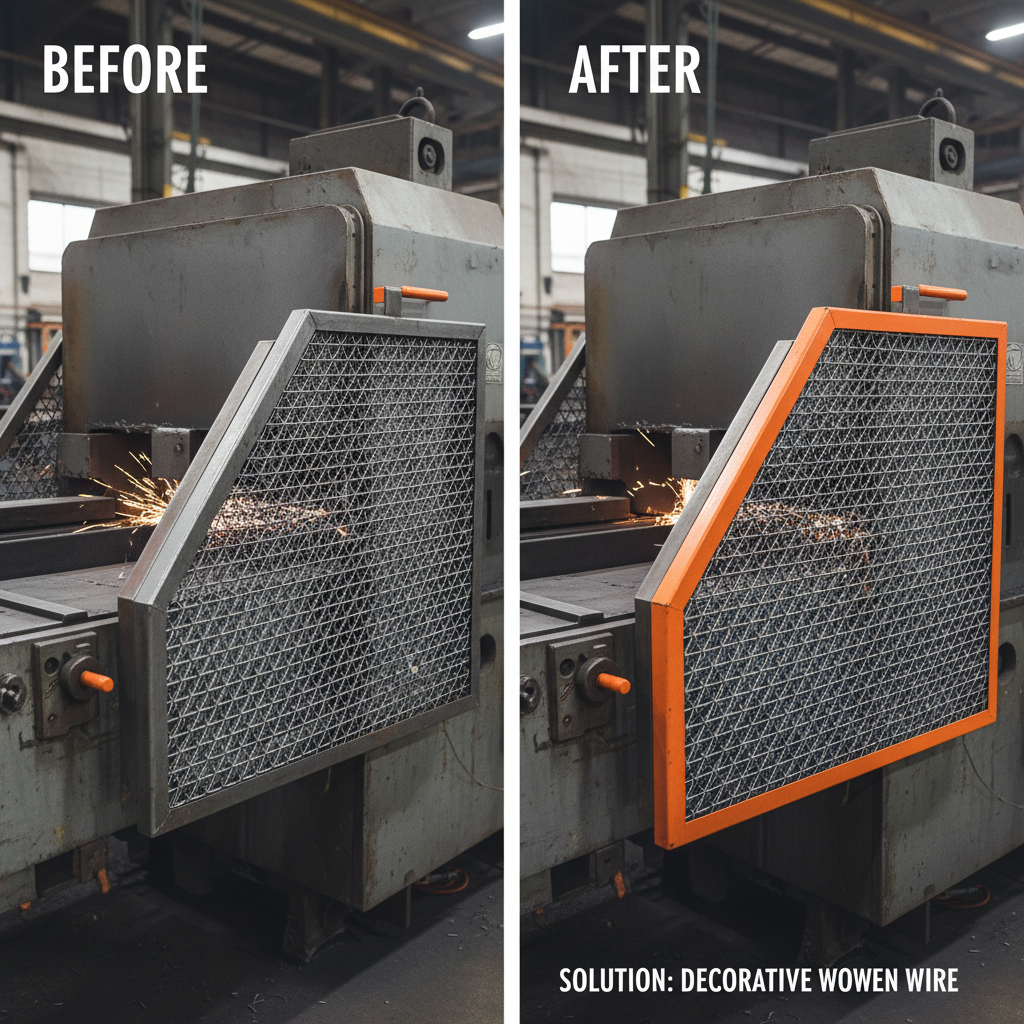
Professionally manufactured decorative woven wire undergoes a finishing process that includes edge trimming and framing. By integrating the mesh into a perimeter frame (such as aluminum or steel channels), all sharp edges are concealed. Furthermore, high-quality weaving ensures that wire ends are properly locked into the pattern, making the surface safe for touch in public environments.
Conclusion
In summary, decorative woven wire represents a perfect synergy of industrial durability and artistic expression. From its ability to regulate light and air in urban facades to its role in defining modern luxury interiors, this material offers unmatched versatility. By focusing on material grade, weave precision, and sustainable lifecycle management, architects can create spaces that are not only secure and functional but also visually captivating.
Looking forward, the integration of smart materials and digital fabrication will only expand the possibilities of metal weaving. As the world moves toward more sustainable and transparent architectural philosophies, the role of woven wire will evolve from a decorative accent to a primary structural element. For those seeking to elevate their next project with a blend of strength and sophistication, exploring the diverse options of woven metal fabrics is a strategic move toward future-proof design. Visit our website for more professional solutions: www.anshengmetalmesh.com