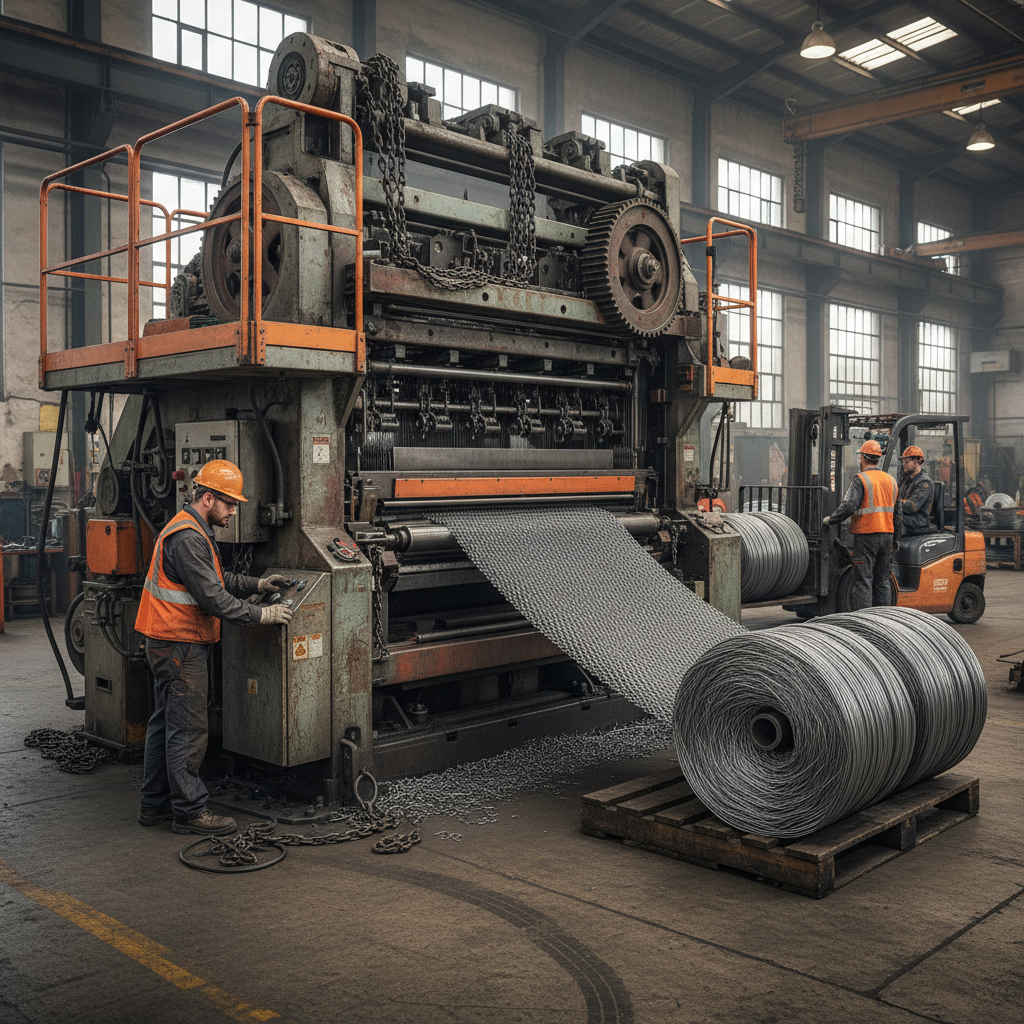
In the complex landscape of industrial filtration and structural reinforcement, stainless steel woven wire 5 mesh stands as a critical component that balances open area with structural integrity. This specific mesh density is engineered to provide a precise balance between particle retention and flow rate, making it indispensable for sectors ranging from chemical processing to architectural design. Understanding the nuances of this material allows engineers to optimize system efficiency while ensuring long-term durability in corrosive environments.
Globally, the demand for high-precision filtration media has surged as industries shift toward more stringent environmental and safety standards. The utilization of stainless steel woven wire 5 mesh ensures that industrial processes can maintain high throughput without compromising the purity of the output. By leveraging the inherent properties of stainless steel—namely its oxidation resistance and tensile strength—companies can significantly reduce downtime caused by material fatigue or chemical degradation.
Whether it is used as a protective guard, a coarse filter, or a catalyst support, the strategic application of this mesh size solves the age-old challenge of "clogging versus leakage." By selecting a 5-mesh configuration, operators gain a reliable barrier that is robust enough to withstand high-pressure environments while remaining permeable enough to prevent excessive backpressure. This synergy of form and function is what makes it a cornerstone of modern industrial metal fabrication.
The Fundamentals of Stainless Steel Woven Wire 5 Mesh
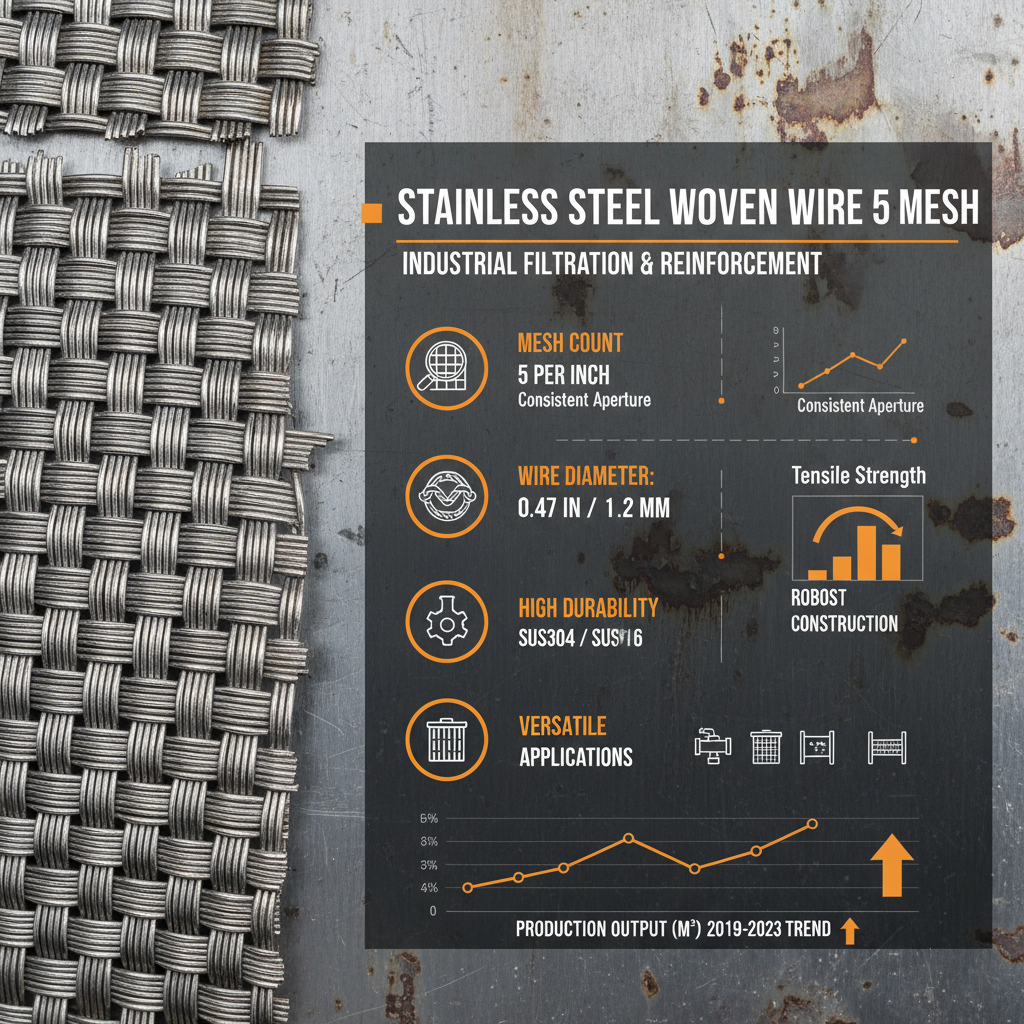
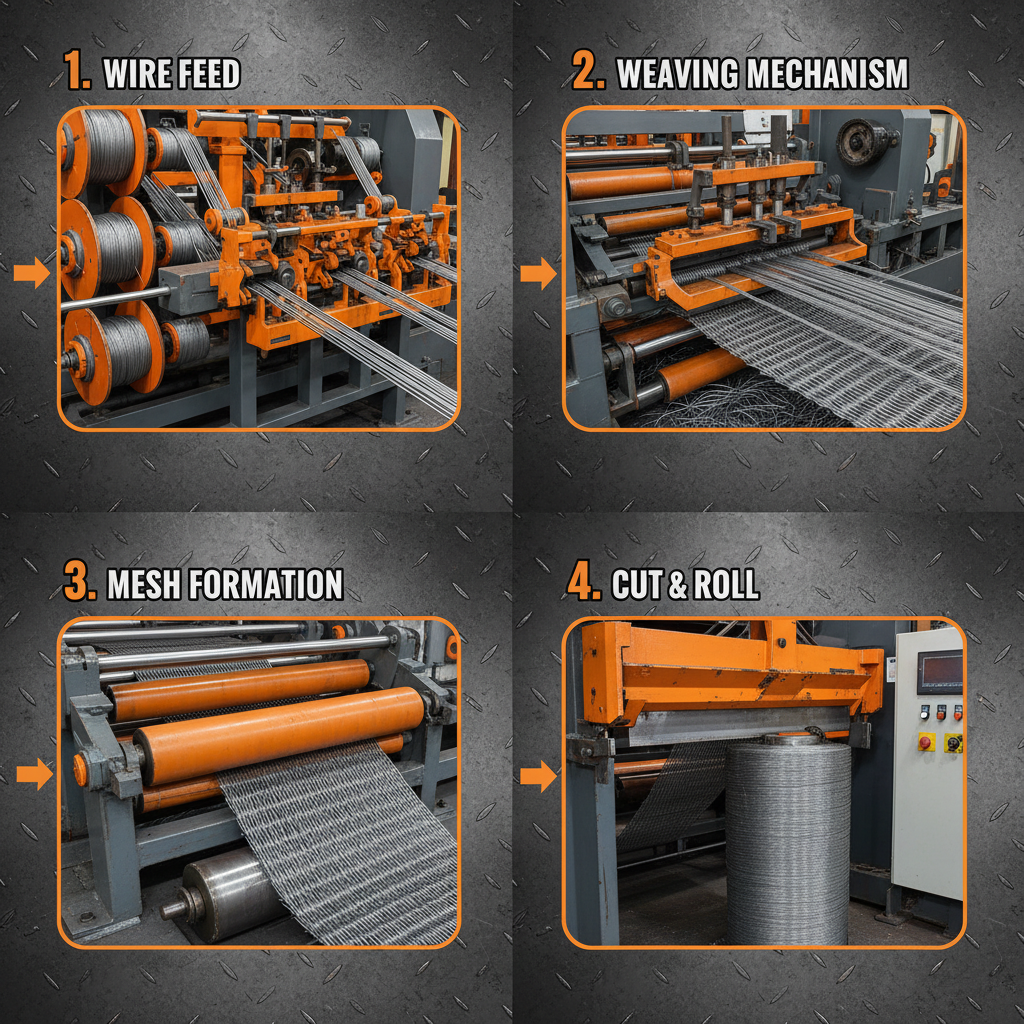
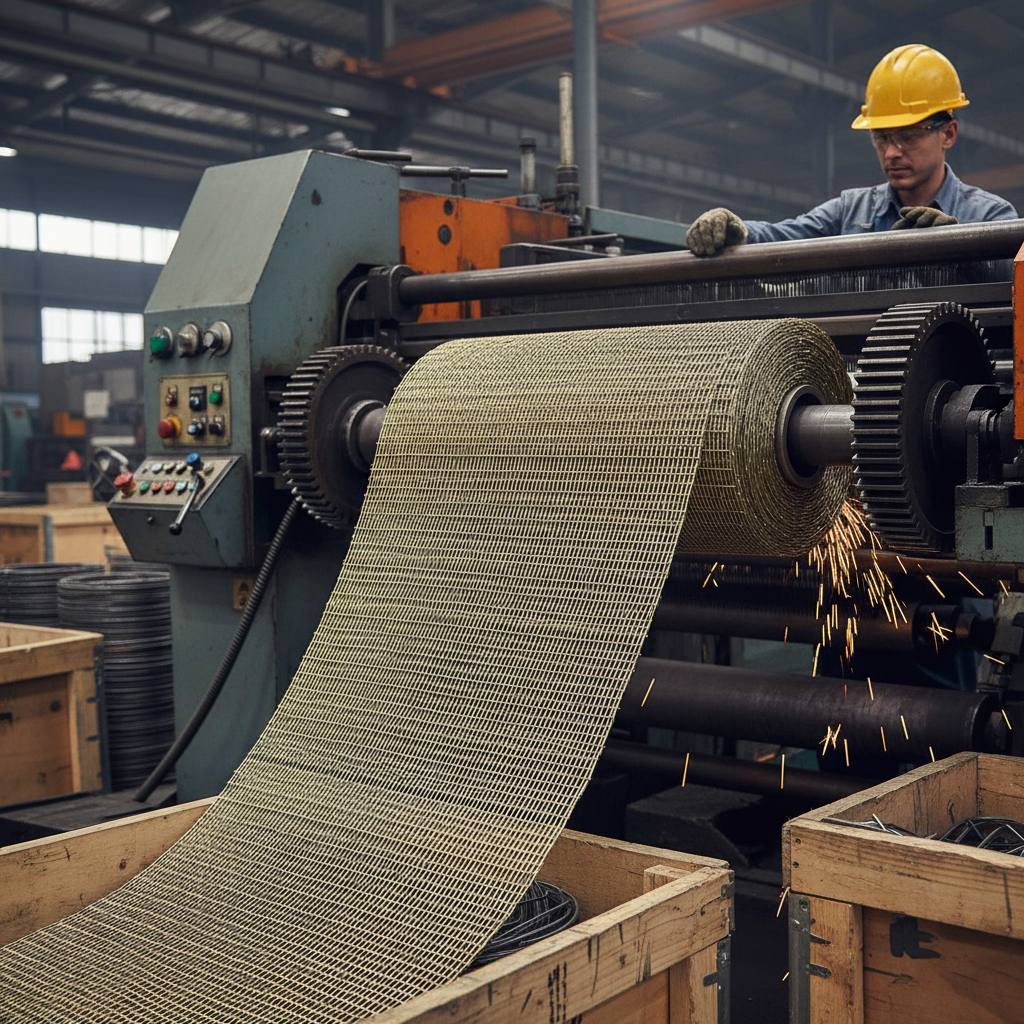
At its core, stainless steel woven wire 5 mesh is defined by its aperture size, meaning there are five openings per linear inch. This creates a relatively coarse weave that is ideal for applications requiring high structural strength and the ability to filter out larger debris. The weaving process involves interlacing vertical warp wires with horizontal weft wires, creating a stable grid that resists deformation under mechanical stress.
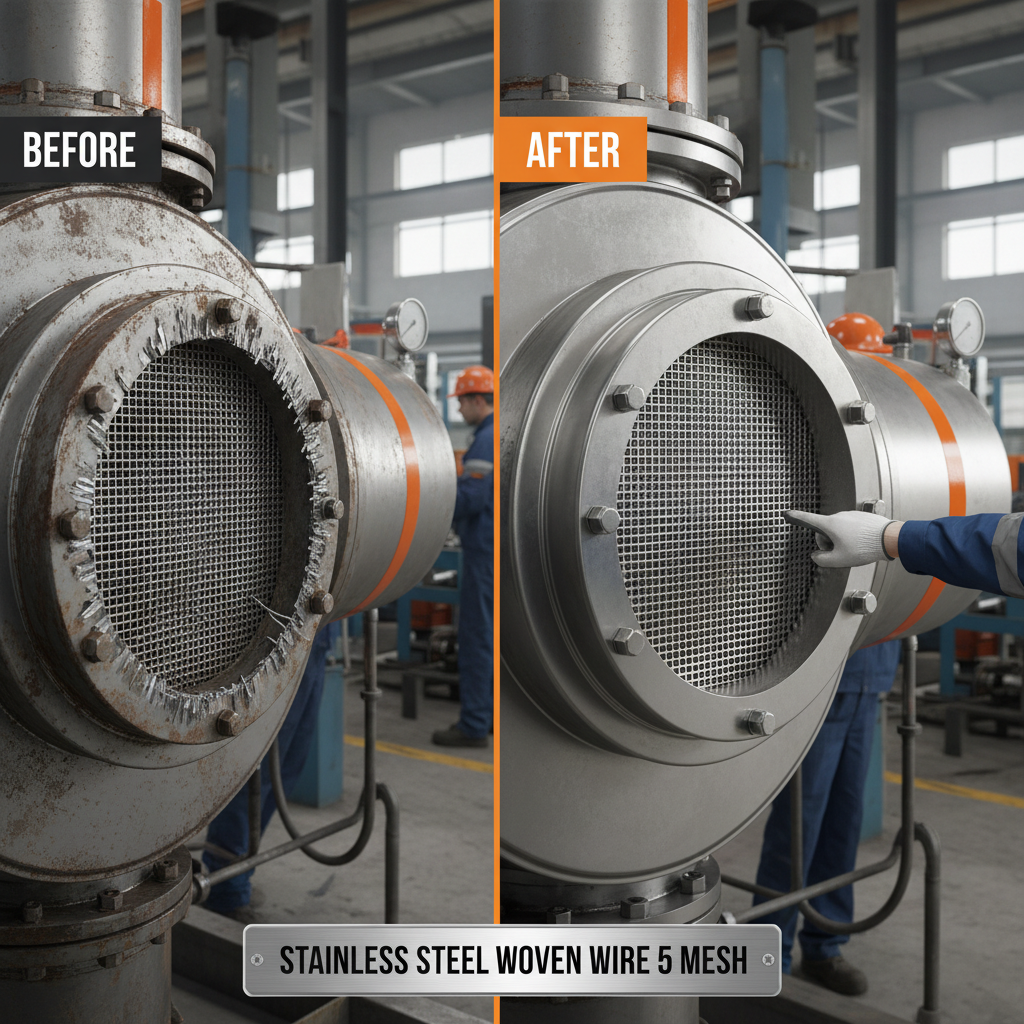
The choice of stainless steel—typically Grade 304 or 316—ensures that the mesh remains inert when exposed to water, steam, or aggressive chemicals. This makes the 5-mesh configuration not just a physical barrier, but a chemical shield that prevents contamination in sensitive production lines. The resulting product is a versatile industrial tool that combines the transparency of a screen with the strength of a metal plate.
Global Industrial Relevance and Standards
The global adoption of stainless steel woven wire 5 mesh is driven by the strict requirements of ISO and ASTM standards. In international trade, consistency in mesh count is paramount; a variation of even a fraction of a millimeter can lead to system failure in precision filtering. Consequently, the industry has standardized the "5 mesh" designation to ensure that engineers in Europe, Asia, and North America are utilizing identical specifications for interchangeable parts.
Data from industrial manufacturing reports suggest a steady increase in the use of high-grade alloy meshes to replace plastic or galvanized alternatives. The primary driver is the "life-cycle cost" analysis; while stainless steel has a higher initial price point, its resistance to corrosion eliminates the need for frequent replacements. This shift is particularly evident in the pharmaceutical and food processing sectors, where sanitary requirements mandate materials that do not flake or rust.
One of the most significant challenges addressed by this material is the prevention of "foreign object debris" (FOD) in automated assembly lines. By implementing stainless steel woven wire 5 mesh as a primary screening layer, factories can intercept large contaminants before they reach expensive high-precision machinery, thereby reducing catastrophic failure rates and increasing overall equipment effectiveness (OEE).
Key Performance Factors for 5 Mesh Systems
Durability is the foremost factor when evaluating stainless steel woven wire 5 mesh. The thickness of the wire, combined with the tightness of the weave, determines how much pressure the mesh can withstand before the apertures distort. This mechanical stability is essential for applications like heavy-duty sifting where the mesh is subjected to constant vibration and abrasion.
Corrosion resistance is another critical pillar, particularly for stainless steel woven wire 5 mesh used in marine or acidic environments. The chromium content in the steel forms a passive oxide layer that self-heals, ensuring that the mesh does not lose its structural integrity when exposed to salt spray or caustic cleaning agents used in industrial kitchens.
Lastly, flow efficiency must be considered. Because stainless steel woven wire 5 mesh possesses a high percentage of "open area," it allows for the rapid passage of fluids and air. This makes it a superior choice for coarse pre-filtration, ensuring that the main filter elements downstream are not overwhelmed by large particles.
Comparative Analysis of Mesh Performance
When comparing different fabrication methods for stainless steel woven wire 5 mesh, it becomes clear that the weaving technique significantly impacts the final performance. Plain weave offers the most stability, while twill weaves might provide better filtration characteristics for certain slurries. The balance between wire diameter and opening size is the key variable that engineers manipulate to achieve specific performance goals.
To better understand how the 5-mesh configuration performs against other common industrial mesh types, we evaluate them across several metrics including tensile strength, flow rate, and cost-effectiveness. This data helps procurement officers decide whether a 5-mesh is the optimal choice or if a finer or coarser mesh would better serve the specific operational environment.
Performance Metrics of Stainless Steel Woven Wire 5 Mesh Variants
Global Applications and Use Cases
In real-world industrial zones, stainless steel woven wire 5 mesh is frequently deployed as a primary guard in mining operations. In remote mineral processing plants, these meshes are used to screen out large rocks and debris from ore slurries, protecting the downstream crushers and mills from damage. The robustness of the 5-mesh weave ensures that it can withstand the impact of heavy materials without tearing.
Beyond mining, this material is critical in the food and beverage industry for the coarse filtration of grains and liquids. For instance, in large-scale breweries, it is used to separate spent grains from the wort. Because it is stainless steel, it meets stringent FDA and EHEDG sanitary standards, ensuring that no metallic contaminants leach into the food product, thus safeguarding public health and brand reputation.
Long-Term Value and Sustainability
The long-term value of investing in stainless steel woven wire 5 mesh extends beyond simple operational efficiency to environmental sustainability. Unlike synthetic filters that are discarded and sent to landfills after a single use, stainless steel mesh is fully recyclable. Moreover, its exceptional lifespan reduces the carbon footprint associated with the manufacturing and shipping of replacement parts.
From a logical perspective, the reliability of this material builds trust in the entire production chain. When a plant manager knows that their primary filtration is handled by a high-grade 5-mesh screen, the psychological stress of potential system failure is mitigated. This reliability translates into safer working environments, as it prevents the hazardous overflow of unfiltered materials.
Furthermore, the integration of stainless steel woven wire 5 mesh into modular industrial designs allows for easier maintenance. The ability to quickly swap out or clean a stainless steel screen ensures that facilities can maintain peak performance with minimal labor costs, enhancing the overall economic viability of the operation.
Future Innovations in Woven Wire Technology
The future of stainless steel woven wire 5 mesh is being shaped by advances in metallurgy and additive manufacturing. We are seeing the emergence of "smart meshes" where nano-coatings are applied to the wires to repel specific chemicals or prevent bio-fouling. This will be particularly revolutionary for water treatment plants where algae and mineral buildup often clog standard screens.
Automation in the weaving process is also increasing precision. New CNC weaving looms can now produce stainless steel woven wire 5 mesh with near-zero variance in aperture size across kilometers of material. This level of consistency is vital for the aerospace industry, where mesh is used in fuel strainers and air intake guards that must meet exact aerodynamic and filtration specifications.
As the world moves toward a "Green Economy," the focus is shifting toward alloys that are easier to recycle without losing their properties. The development of new stainless steel blends that offer the same strength as Grade 316 but with a lower carbon footprint during smelting is a key trend. This ensures that the 5-mesh technology remains relevant in a world governed by strict ESG (Environmental, Social, and Governance) criteria.
Core Analysis of Stainless Steel Woven Wire 5 Mesh Performance and Application
| Material Grade |
Corrosion Resistance |
Typical Application |
Durability Score (1-10) |
| SS304 5 Mesh |
Moderate |
General Purpose Screening |
7 |
| SS316 5 Mesh |
High |
Marine/Chemical Processing |
9 |
| SS316L 5 Mesh |
Very High |
Pharmaceutical Filtration |
9 |
| Duplex 5 Mesh |
Extreme |
Deep Sea Oil & Gas |
10 |
| SS430 5 Mesh |
Low |
Dry Industrial Sifting |
6 |
| Nickel Alloy 5 Mesh |
Superior |
High-Temp Furnaces |
10 |
FAQS
A 5-mesh screen means there are 5 openings per linear inch. While the exact opening size depends on the wire diameter, it generally results in an aperture of approximately 3.8mm to 4.2mm. This makes it ideal for coarse filtration where the goal is to stop large particulates while allowing maximum fluid flow.
Yes, absolutely. Stainless steel, particularly Grade 304 and 316, is the industry standard for food processing because it is non-reactive and easy to sterilize. The 5-mesh configuration is often used for initial sifting of raw ingredients or separating solids from liquids in brewing and dairy production.
The choice depends on the environment. SS304 is sufficient for most indoor industrial applications and freshwater exposure. However, if the mesh will be exposed to chlorides (like salt water) or strong acids, SS316 is highly recommended due to the addition of molybdenum, which prevents pitting and crevice corrosion.
Yes, customization is common. By increasing the wire diameter while maintaining a 5-mesh count, you increase the structural strength and abrasion resistance of the screen, though this slightly reduces the "open area" percentage. This is often done for heavy-duty mining or construction applications.
Depending on the application, it can be cleaned via high-pressure water jetting, ultrasonic cleaning, or chemical CIP (Clean-In-Place) systems. Because it is stainless steel, it can withstand most alkaline and acidic cleaning agents without degrading, ensuring a long operational life.
For coarse safety barriers, yes. It prevents large objects or hands from entering dangerous machinery while allowing visibility and ventilation. However, for fine dust or small particle containment, a higher mesh count (e.g., 20 or 40 mesh) would be required.
Conclusion
In summary, stainless steel woven wire 5 mesh is an essential industrial component that bridges the gap between heavy-duty structural support and effective coarse filtration. Through its unique combination of corrosion resistance, high open-area flow, and mechanical durability, it provides a cost-effective solution for a myriad of global challenges—from protecting mining equipment to ensuring the purity of food and pharmaceutical products.
Looking ahead, the integration of advanced alloys and precision weaving will only enhance the versatility of the 5-mesh configuration. For industries seeking to optimize their operational efficiency and move toward more sustainable, long-life materials, transitioning to high-grade stainless steel woven wire is a strategic imperative. We invite you to explore our full range of filtration solutions to find the perfect fit for your technical requirements. Visit our website: www.anshengmetalmesh.com