
Comprehensive Guide to Steel Woven Wire Mesh Applications and Manufacturing

Understanding Steel Woven Wire Mesh: A Comprehensive Guide

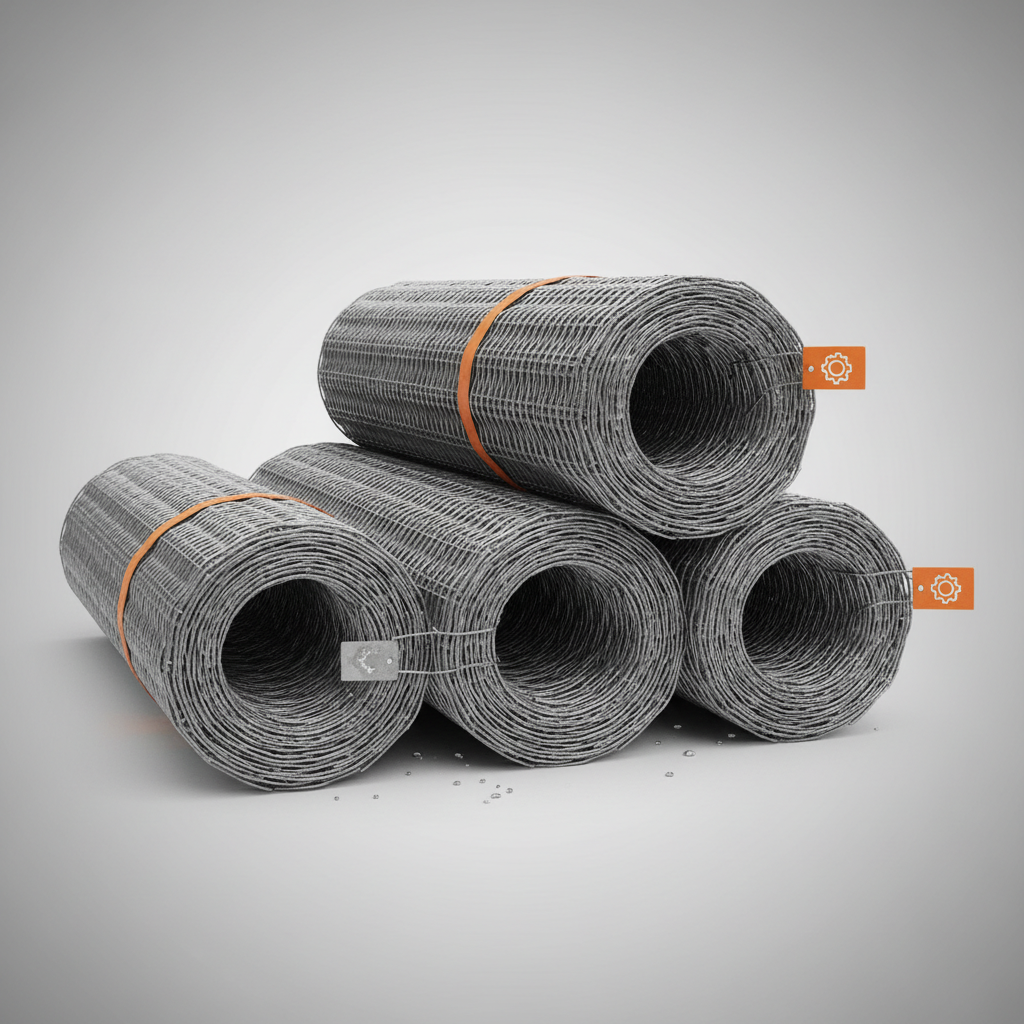
Steel woven wire mesh is a versatile material utilized across numerous industries, from construction and agriculture to security and filtration. Its durability, strength, and cost-effectiveness make it an ideal solution for a wide array of applications. This article will delve into the specifics of steel woven wire mesh, exploring its types, manufacturing processes, applications, and benefits. We'll also explore how Ansheng Metal Mesh provides high-quality solutions for diverse needs. Choosing the right mesh for your project is vital, and we'll guide you through the key considerations.
Comprehensive Guide to Steel Woven Wire Mesh Applications and Manufacturing

Types of Steel Woven Wire Mesh

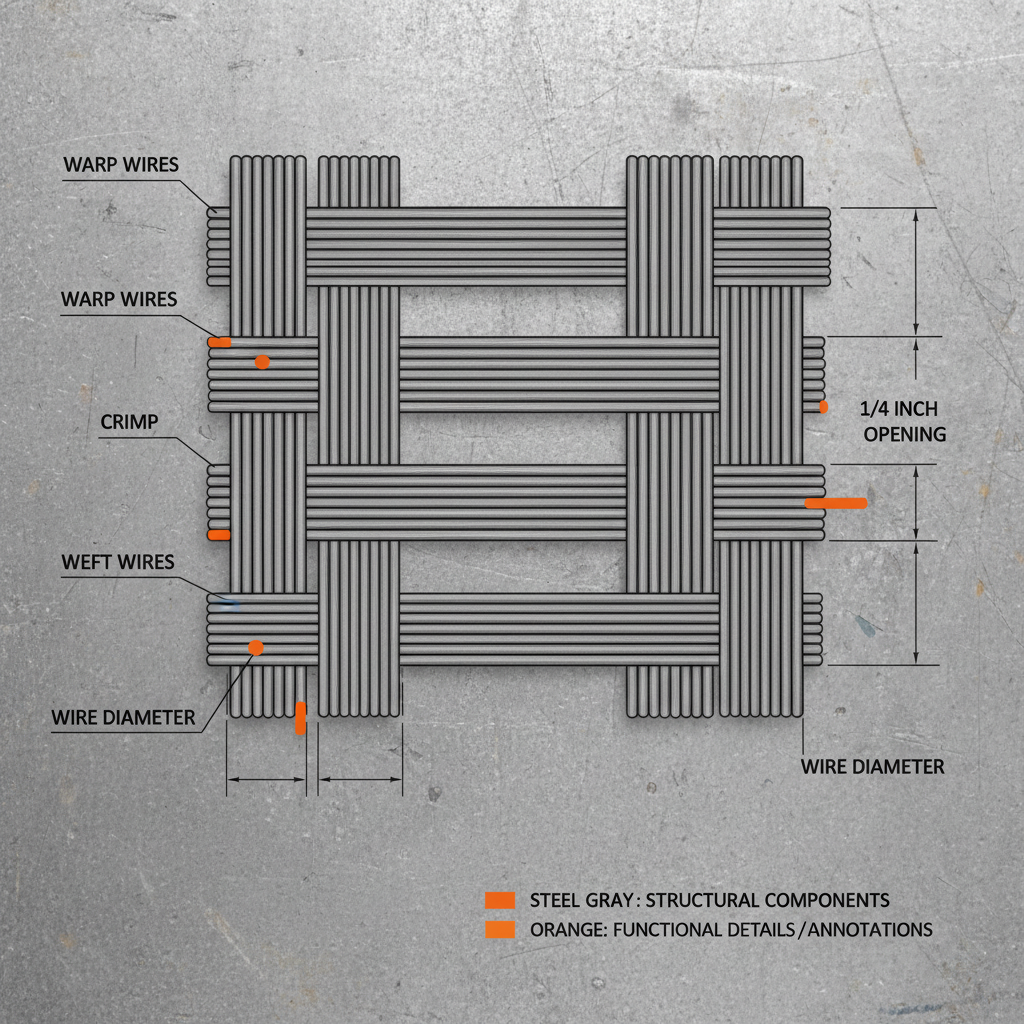
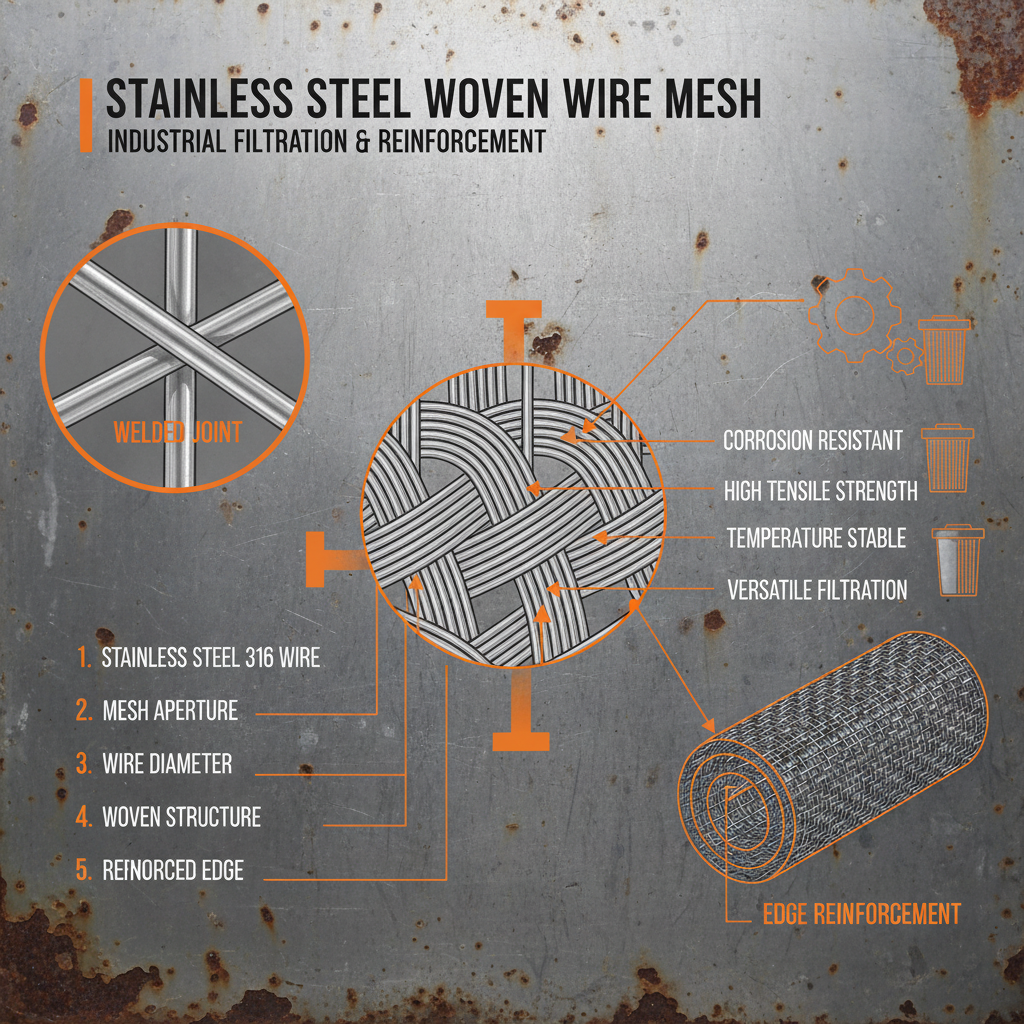
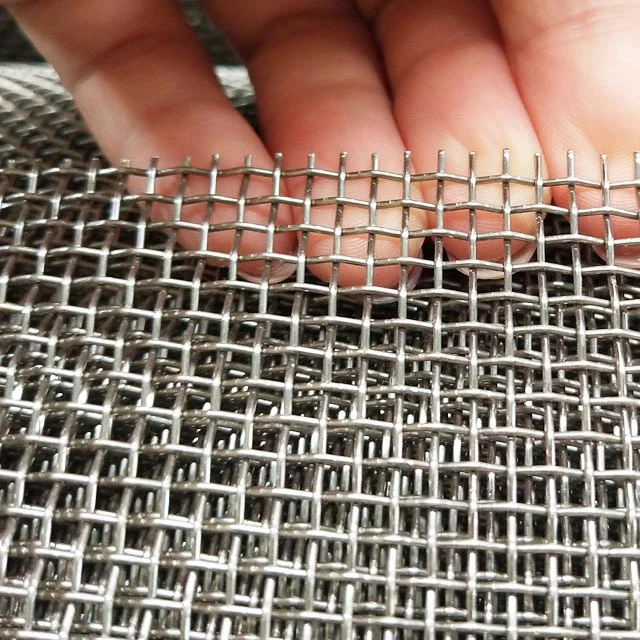
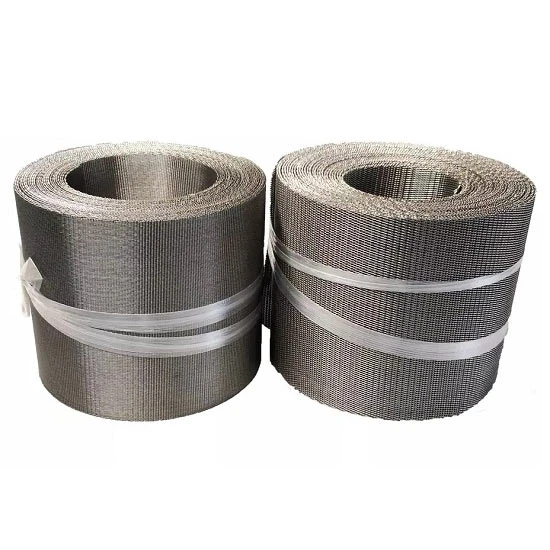
Steel woven wire mesh isn’t a one-size-fits-all product. It comes in various weaves, each offering unique characteristics. Common types include plain weave, twill weave, dutch weave, and reverse dutch weave. Plain weave is the most basic, offering good strength and stability. Twill weave provides a denser, more flexible mesh, suitable for filtration. Dutch weave and reverse dutch weave are known for their varying pore sizes, ideal for specialized filtration applications where precise particle separation is crucial. The material used also varies, including stainless steel, galvanized steel, and carbon steel, each influencing corrosion resistance and cost.

Key Takeaway: Understanding the different weave patterns is essential to selecting the right mesh for the intended application. The material selection affects performance and longevity.

Manufacturing Process of Steel Woven Wire Mesh

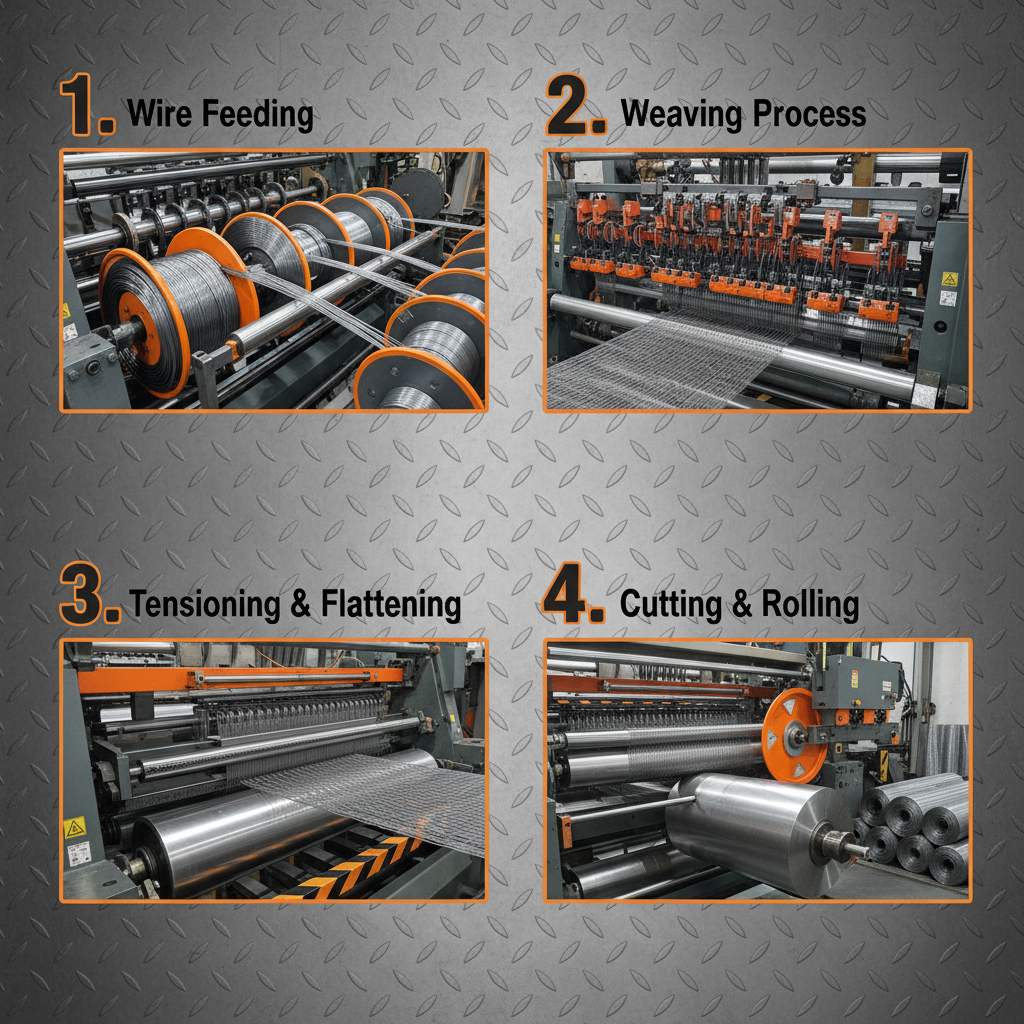
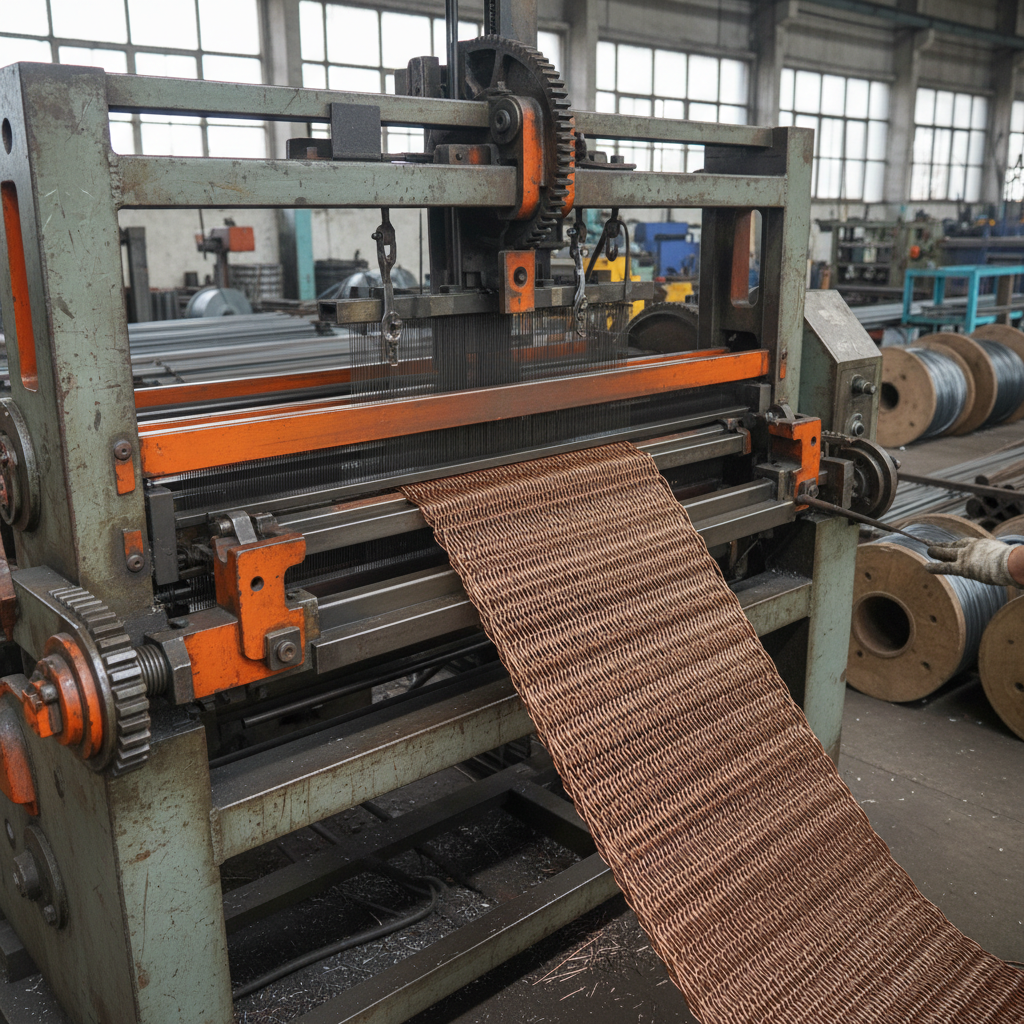
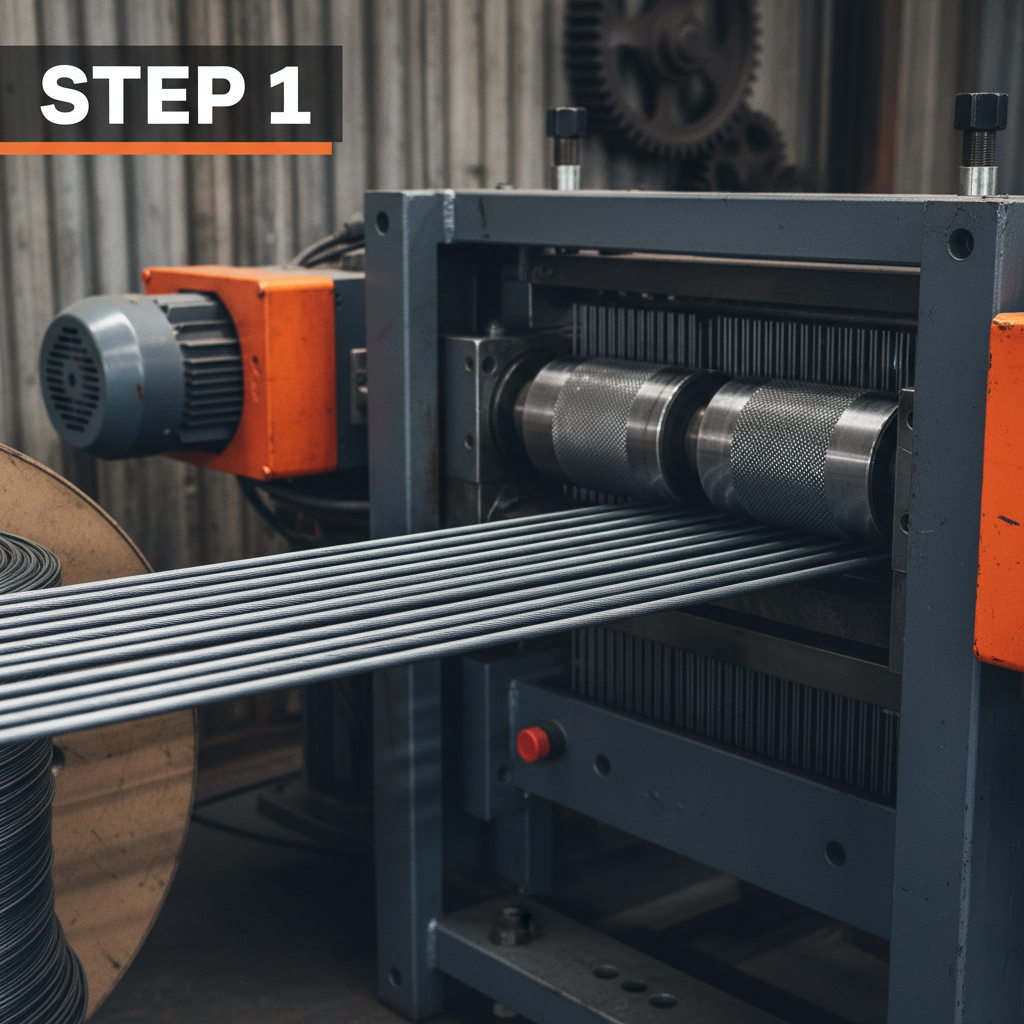
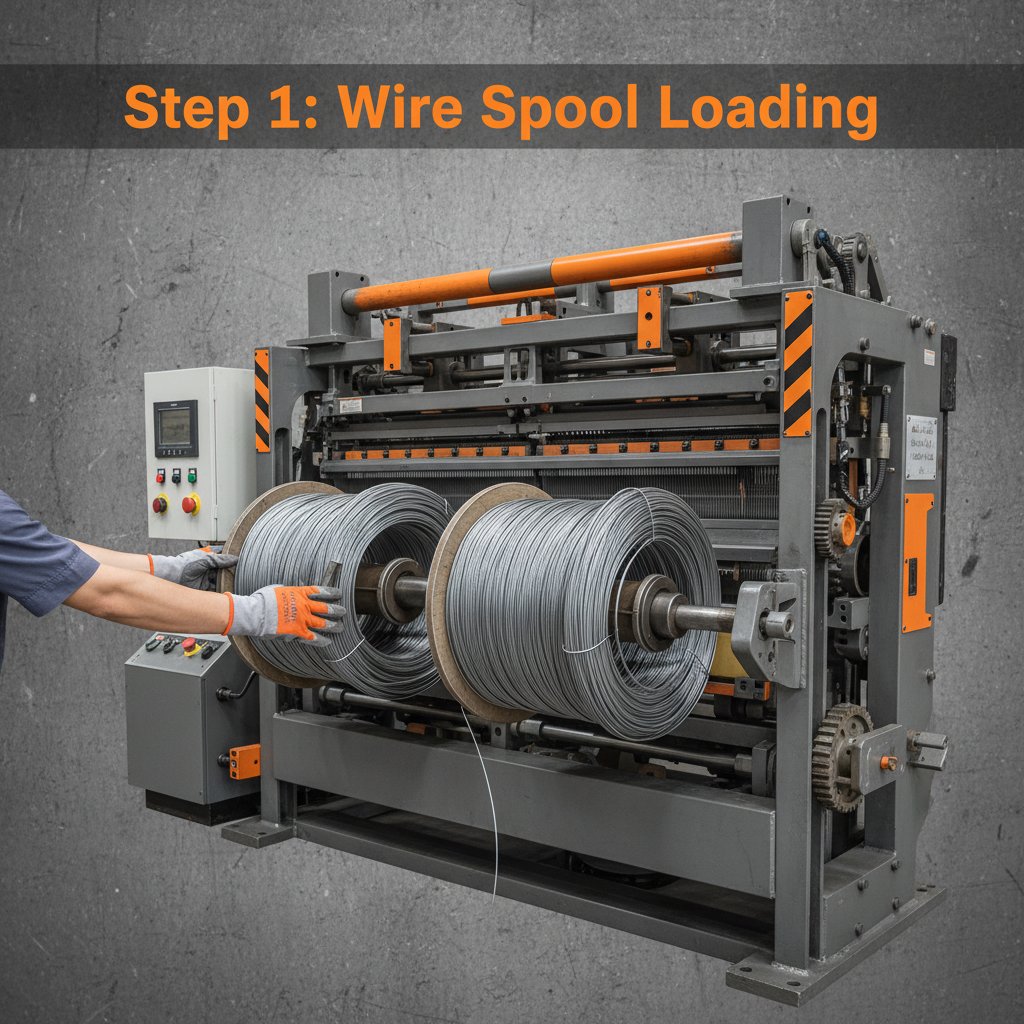
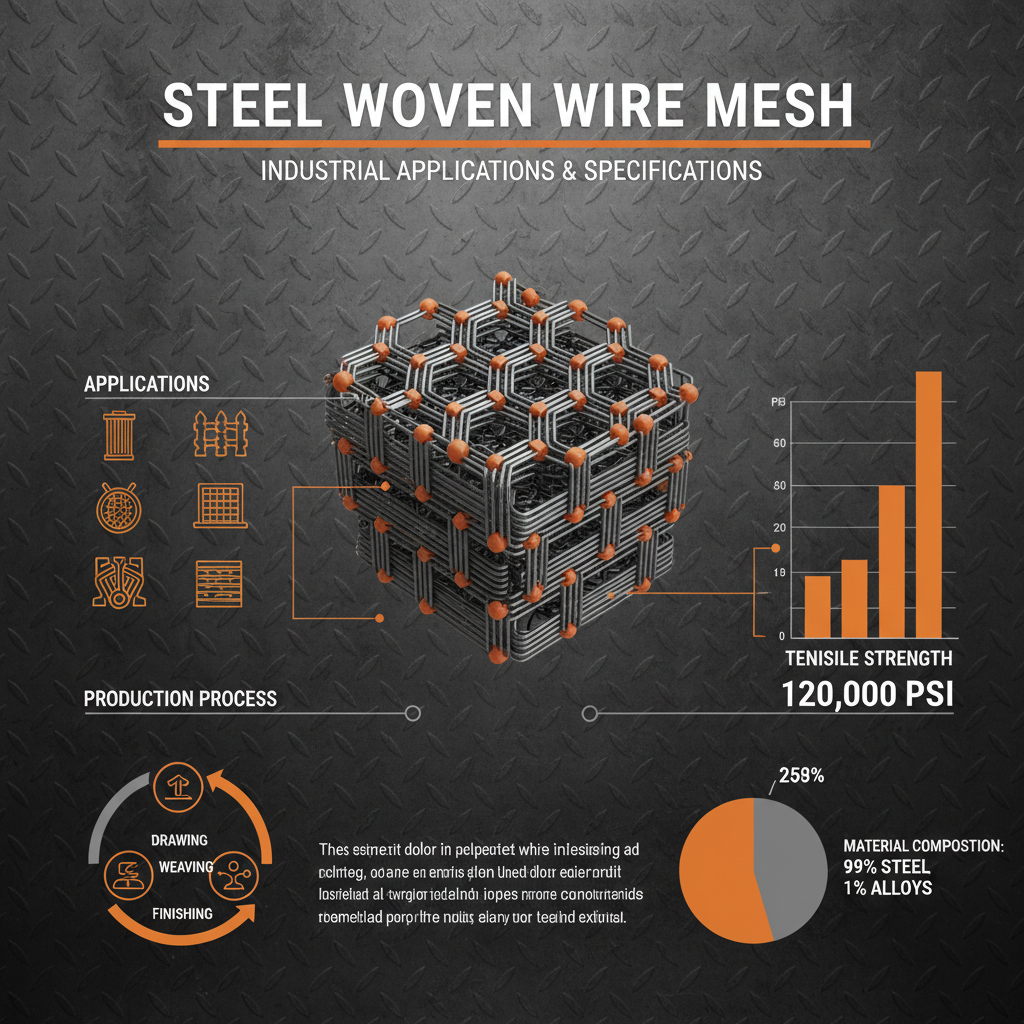
The manufacturing of steel woven wire mesh involves several key steps. First, steel wires are drawn to the desired diameter. These wires are then precisely woven together on specialized looms, interlacing the warp and weft wires. The weaving process is carefully controlled to ensure consistent mesh size and uniformity. Finally, the mesh may undergo finishing treatments such as galvanizing or coating to enhance corrosion resistance and improve its properties. Modern manufacturers utilize automated systems for increased efficiency and accuracy, guaranteeing consistent quality.

Manufacturing Steps:

• Wire Drawing: Reducing wire diameter to specifications

• Weaving: Interlacing warp and weft wires

• Finishing: Galvanizing, coating, or other treatments

Applications of Steel Woven Wire Mesh

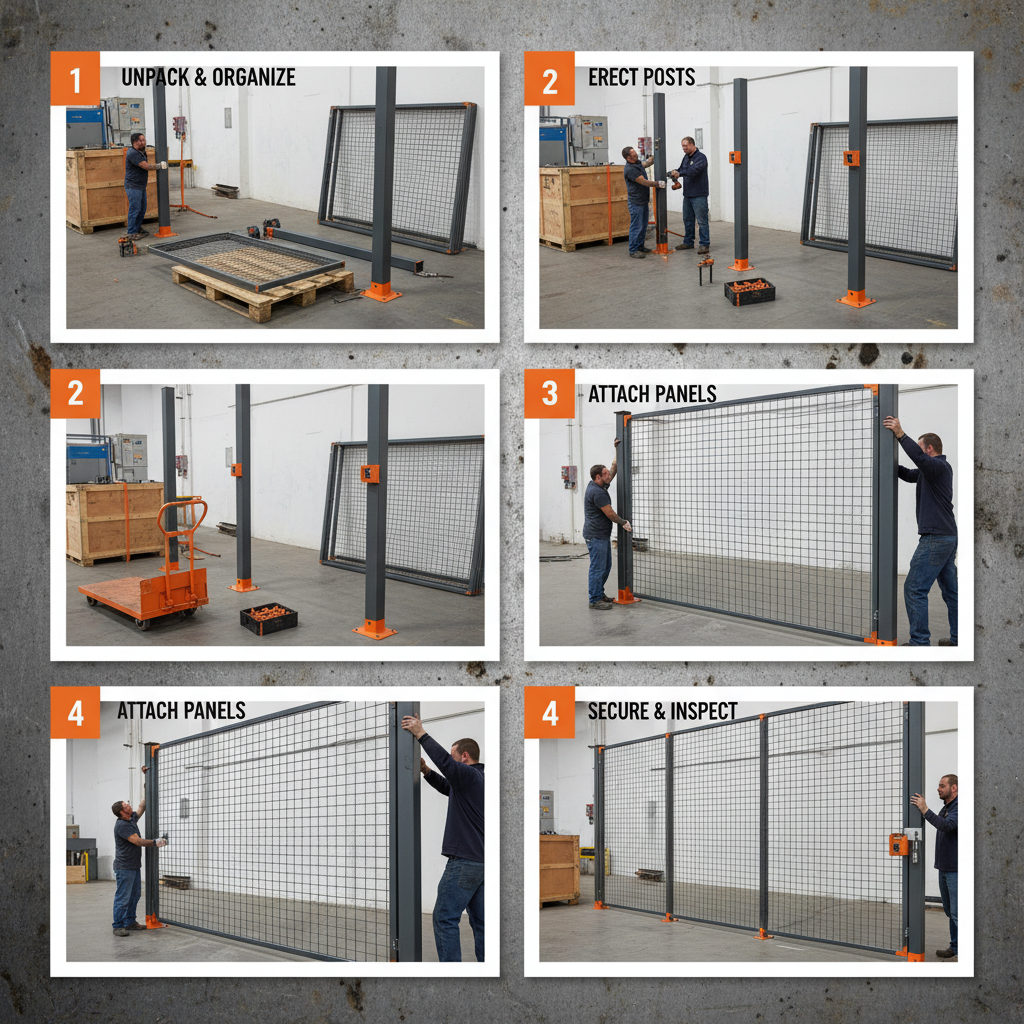
The applications of steel woven wire mesh are remarkably diverse. In the construction industry, it's used for reinforcing concrete, creating plaster support, and forming protective barriers. Agriculture utilizes it for animal enclosures, crop protection, and fencing. Security applications include creating fences, cages, and barriers for preventing unauthorized access. Filtration industries rely on it for separating solids from liquids or gases. It's also found in automotive components, industrial screens, and various other manufacturing processes. Ansheng Metal Mesh caters to these diverse sectors, providing tailored solutions.

Industry Application
Construction Concrete reinforcement, plaster support, safety netting
Agriculture Animal enclosures, crop protection, fencing
Security Perimeter fencing, security cages, barriers
Filtration Liquid/gas separation, screen filters

Choosing the Right Steel Woven Wire Mesh: Key Considerations

Selecting the appropriate steel woven wire mesh requires careful consideration of several factors. The first is the material – stainless steel offers superior corrosion resistance but is more expensive than galvanized steel. The mesh size determines the openings and is crucial for filtration or containment applications. The weave type impacts strength and flexibility. Finally, consider the wire diameter – thicker wires provide greater strength but reduce aperture size. Understanding these parameters will ensure you choose the mesh that best suits your specific needs. Ansheng Metal Mesh offers expert guidance to help you navigate these options.
Comprehensive Guide to Steel Woven Wire Mesh Applications and Manufacturing

Benefits of Using Steel Woven Wire Mesh

Steel woven wire mesh offers numerous advantages. It’s incredibly durable and can withstand harsh environments. Its strength makes it suitable for demanding applications. It's relatively cost-effective compared to other materials. It provides excellent ventilation and allows for light transmission. Furthermore, it's easy to fabricate and can be cut and formed to meet specific requirements. These benefits make it a preferred choice for a vast range of projects.

Conclusion: Reliable Solutions with Steel Woven Wire Mesh

Steel woven wire mesh remains a cornerstone material across countless industries. Its versatility, durability, and cost-effectiveness make it an essential component in numerous applications. Ansheng Metal Mesh is a trusted provider of high-quality steel woven wire mesh products, offering tailored solutions to meet your specific requirements. Choosing the right mesh ensures optimal performance and long-term reliability.

Frequently Asked Questions (FAQs)

What is the difference between galvanized steel and stainless steel woven wire mesh?

Galvanized steel mesh is coated with zinc to protect against rust, making it a more affordable option for general applications. However, the zinc coating can wear away over time, leading to corrosion. Stainless steel mesh, on the other hand, contains chromium, which forms a passive layer that prevents rust and corrosion, making it ideal for harsh environments and long-term use. While more expensive, stainless steel offers superior durability and longevity. The choice depends on the environment and budget.

How do I determine the correct mesh size for my application?

Determining the correct mesh size involves considering the size of the particles you need to contain or filter. Mesh size is typically measured in terms of openings per inch. For containing larger objects, you’ll need larger openings. For finer filtration, you’ll require smaller openings. It’s best to consult with a mesh expert or use a mesh selection guide to ensure you choose the appropriate size for your specific needs. A sample of the material you plan to filter or contain can be tested to determine the optimal mesh size.

Can steel woven wire mesh be cut and formed?

Yes, steel woven wire mesh is relatively easy to cut and form using standard metalworking tools. Shears, wire cutters, and bending tools can be used to create custom shapes and sizes. However, cutting may slightly distort the mesh, so it’s important to use appropriate techniques to minimize damage. For complex shapes or large-scale projects, professional fabrication services are recommended to ensure accuracy and quality.

What are the typical applications of reverse dutch weave mesh?

Reverse Dutch weave mesh, characterized by fewer warp wires and a higher density of weft wires, is primarily used for applications requiring high filtration rates of fine particles. Common uses include filter cloths for chemical processing, oil filtration, and in the manufacturing of printed circuit boards. It’s also utilized in applications where a tight, smooth surface is needed to prevent clogging or buildup.


Post time: Mar . 14, 2026 03:10
Related News
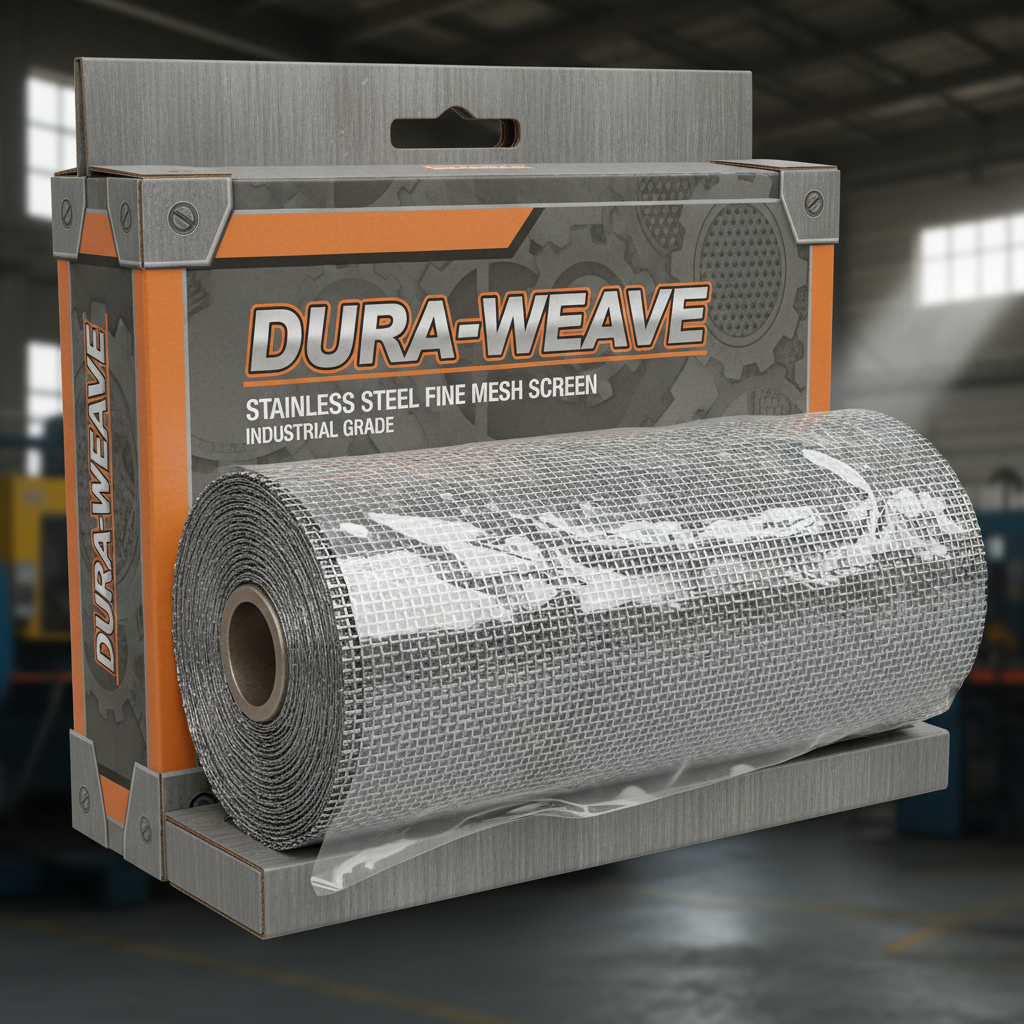
  • In the world of industrial filtration and precision screening, the stainless steel fine mesh screen stands as an indispensable component. Combining exceptional durability with microscopic precision, these screens are engineered to handle the toughest environments while maintaining strict filtration standards. Whether you are dealing with chemical processing, pharmaceutical refining, or high-end architectural design, choosing the right mesh density and material grade is critical for operational efficiency. In this comprehensive guide, we will explore the technical nuances, applications, and selection criteria that make this material a cornerstone of modern industry.

  • In the world of industrial filtration, separation, and architectural design, the woven mesh sheet serves as a fundamental component. Defined by its precise interlacing of metal wires, this versatile material provides a balanced combination of strength, permeability, and durability. Whether you are looking for high-precision filtration in a laboratory or robust security screening for a warehouse, understanding the nuances of woven mesh is essential. This guide explores the technical specifications, material advantages, and industry applications to help you make an informed procurement decision for your project.

  • Woven copper mesh is a versatile material increasingly utilized across diverse industries due to its exceptional properties. From electromagnetic shielding to filtration and decorative applications, its unique characteristics make it a preferred choice. This article will explore the composition, manufacturing process, key benefits, and wide-ranging applications of woven copper mesh, providing a comprehensive guide for potential users.

  • Heavy duty woven steel mesh is a versatile and robust material used across a wide range of industries, from construction and security to filtration and industrial processing. Its strength, durability, and customizable nature make it an ideal solution for applications demanding high performance and longevity. At Ansheng Metal Mesh, we specialize in providing top-quality woven steel mesh solutions tailored to meet your specific needs.

  • 1 4 woven wire mesh is a versatile material used in a wide array of industrial, agricultural, and commercial applications. This mesh, defined by its opening size of approximately 1/4 inch, offers a balance of strength, durability, and cost-effectiveness. At Ansheng Metal Mesh, we specialize in providing high-quality woven wire mesh solutions tailored to your specific needs. This article will delve into the characteristics of 1/4 inch woven wire mesh, its common uses, available materials, and factors to consider when making a purchase.

  • Woven wire screen is a versatile material used across a wide range of industries, from agriculture and construction to filtration and security. Its robust construction and variety of mesh sizes make it a preferred choice for numerous applications. This article will delve into the properties, applications, and benefits of woven wire screen, with a focus on its importance in modern industrial processes. We’ll also explore how An Sheng Metal Mesh provides high-quality woven wire screen solutions tailored to your specific needs.

  • Stainless steel gauze mesh is a versatile material utilized across a broad spectrum of industries, from filtration and screening to medical and industrial applications. Its exceptional properties – corrosion resistance, durability, and precise weave – make it a preferred choice for demanding environments. This article delves into the characteristics of stainless steel gauze mesh, explores its diverse applications, and highlights the benefits of using this high-performance material. Learn how Ansheng Metal Mesh provides quality stainless steel gauze mesh solutions for your specific needs. Stainless steel gauze mesh is a woven fabric constructed from thin stainless steel wires. The ‘gauze’ designation refers to the openness of the weave, resulting in a material with numerous interstices. These meshes are renowned for their strength, resistance to corrosion, and ability to withstand high temperatures. Different grades of stainless steel, such as 304, 316, and 316L, are used to create meshes tailored to specific applications. The weave pattern, wire diameter, and mesh count determine the mesh’s overall properties, making it customizable for a variety of requirements. Ansheng Metal Mesh specializes in producing bespoke stainless steel gauze mesh solutions.

  • Woven wire partitions are a versatile and cost-effective solution for a wide range of security, containment, and aesthetic applications. From industrial settings to retail spaces, these partitions provide a balance of visibility, security, and airflow. This article delves into the details of woven wire partitions, exploring their construction, key benefits, diverse applications, and factors to consider when choosing the right solution for your needs. We will also showcase the quality and customization options available from Ansheng Metal Mesh, a leading manufacturer of woven wire mesh products.

WE PROVIDE HIGH QUALITYEQUIPMENT
Recommend Products
  • Stainless Steel Plain Weave Wire Mesh

    Stainless steel plain weave wire mesh, also known as Stainless steel wire cloth, stainless steel screen, stainless steel gauze. Materials: Stainless steel 201, 304, 316, 316L, etc. Plain weave scope of Mesh : 1mesh-635mesh Plain weave scope of wire diameter: 1mm-0.001mm Plain weave scope of width: usually 0.915m-2meters, and special specifications can be customized according to customer requirements. Plain weave scope of length: generally 30 meters. Stainless steel wire mesh weave type: plain weave, twill weave, herringbone weave, dutch weave, reserve dutch weave

  • Stainless Steel Reverse Dutch Weave Wire Mesh

    Stainless steel reserve dutch weave wire mesh, also known as Stainless steel wire cloth, stainless steel screen, stainless steel gauze. Materials: Stainless steel 201, 304, 316, 316L, etc. Reserve dutch weave scope of Mesh : 72x15mesh-260x40mesh Reserve dutch weave scope of wire diameter: 0.55mm-0.15mm Reserve dutch weave scope of width: usually 60mm-300mm, and special specifications can be customized according to customer requirements. Reserve dutch weave scope of length: generally 10 meters, 20 meters, 30meters. Stainless steel wire mesh weave type: plain weave, twill weave, herringbone weave, dutch weave, reserve dutch weave

  • Iron Dutch Weave Wire Mesh

    Low-carbon steel dutch weave wire mesh, also known as iron wire filter mesh, black wire cloth. Materials: Low-carbon steel Scope of Mesh : 7x55mesh-40x200mesh Scope of wire diameter: 0.14mm-0.75mm Scope of width: usually 0.915m-1.3meters, and special specifications can be customized according to customer requirements. Scope of length: generally 30 meters. Weave: plain weave, herringbone weave, dutch weave

  • Phosphor Copper Wire Mesh

    Phosphor copper wire mesh, also known as copper wire mesh. Materials: QSn6.5-0.1,QSn6.5-0.4 Property: Non-magnetic, wear resistant, good ductility Scope of Mesh : 2-300mesh Scope of wire diameter: 0.08mm-0.8mm Scope of width: usually 1m-1.5meters, and special specifications can be customized according to customer requirements. Scope of length: generally 30 meters. Weave: plain weave, twill weave

tel email tel top

If you are interested in our products, you can choose to leave your information here, and we will be in touch with you shortly.