
Decorative Woven Wire Mesh: A Comprehensive Guide
Decorative woven wire mesh is a versatile material used in a wide array of applications, from architectural facades to security fencing. Its aesthetic appeal, combined with its durability and functionality, makes it a popular choice for designers and contractors alike. This article will explore the different types of decorative woven wire mesh, their applications, benefits, and factors to consider when selecting the right mesh for your project. Discover how Ansheng Metal Mesh provides high-quality, customized solutions to meet diverse needs.
Understanding the Different Types of Decorative Woven Wire Mesh
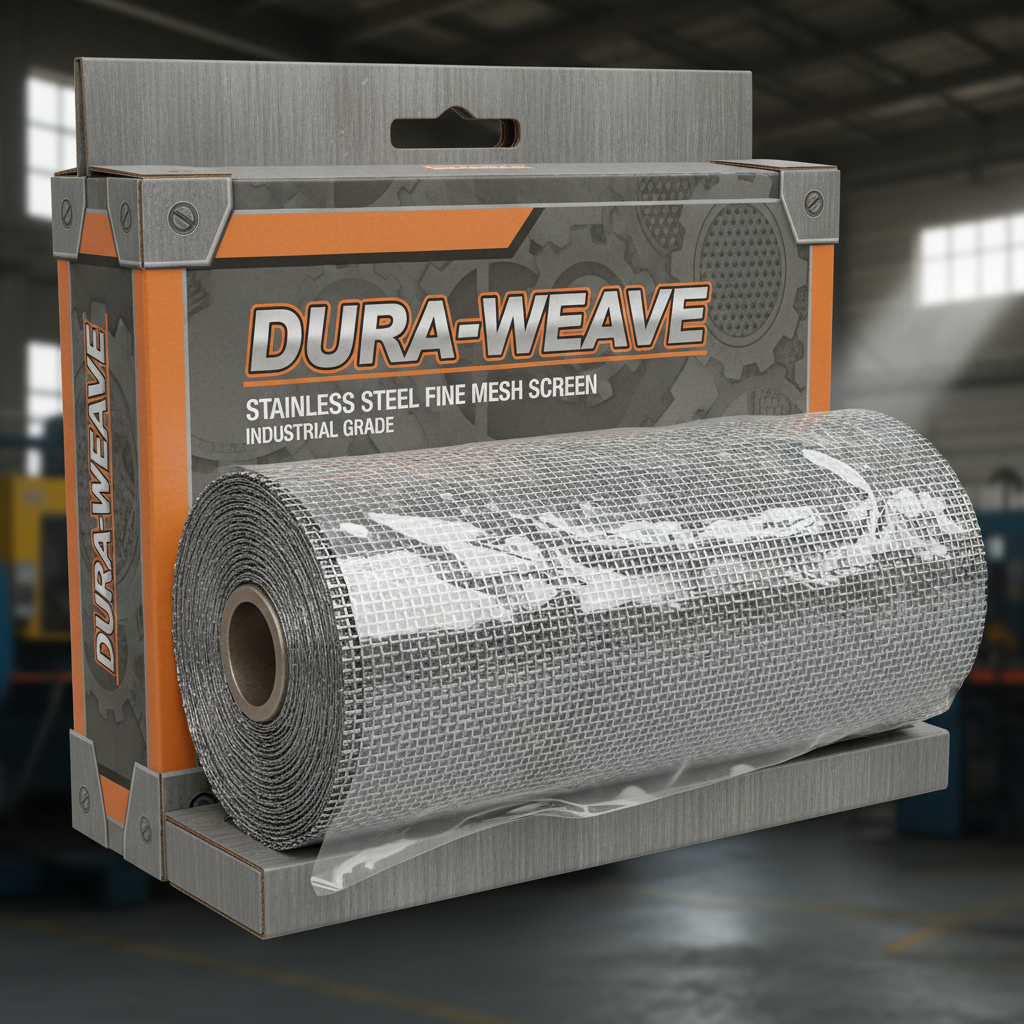
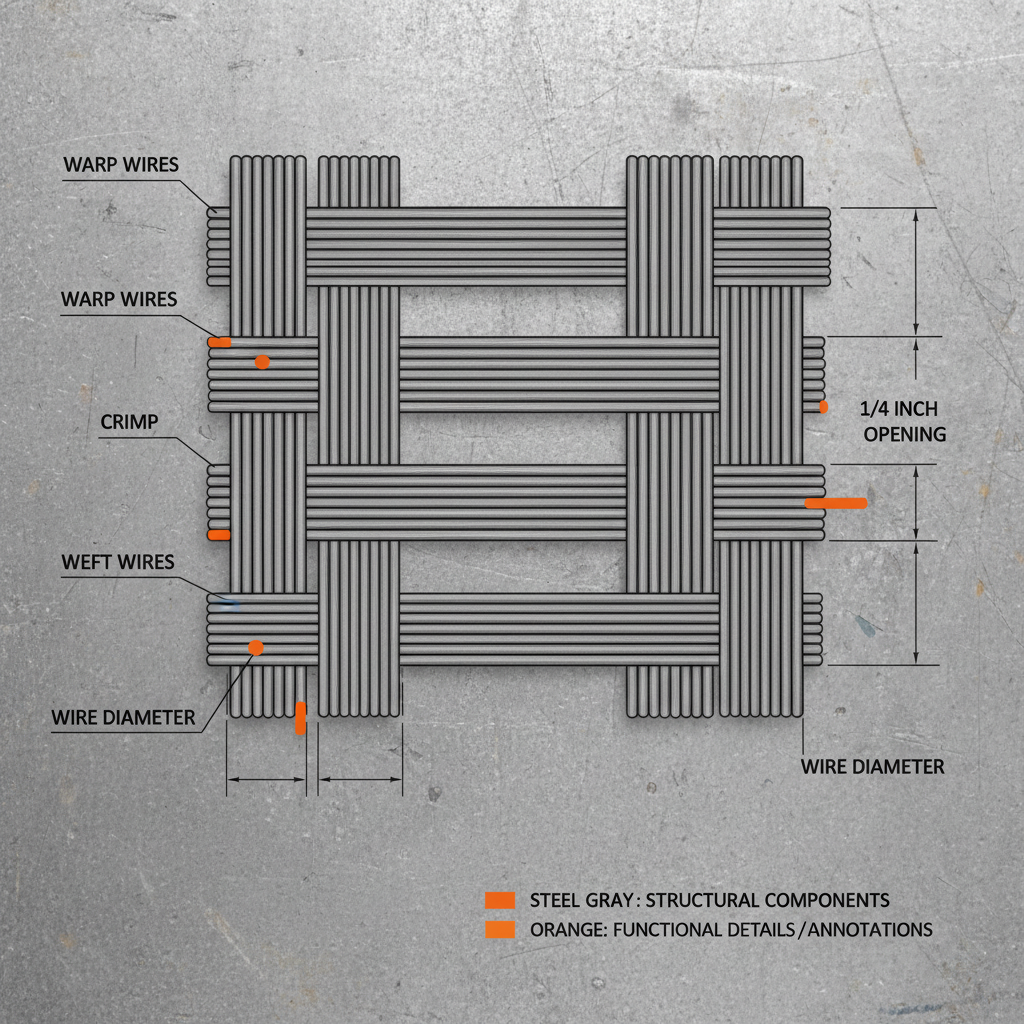
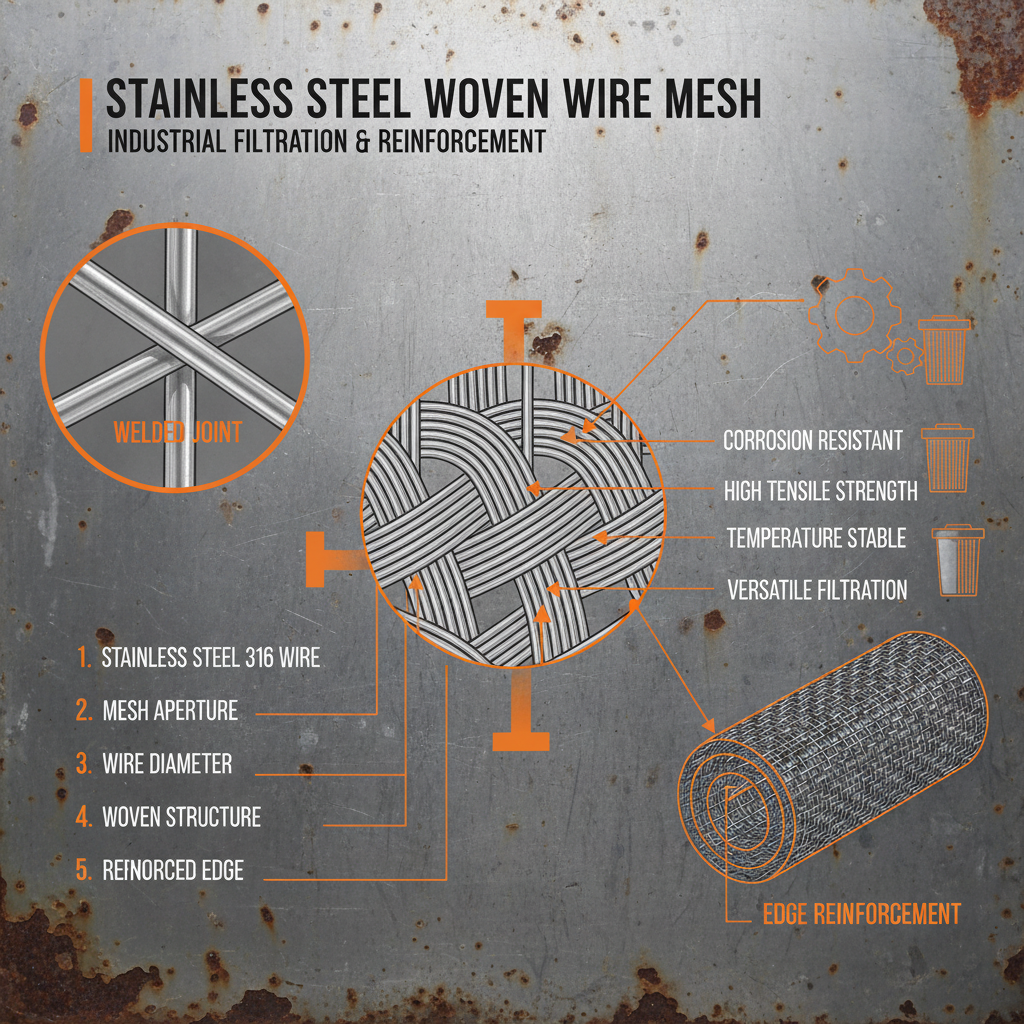
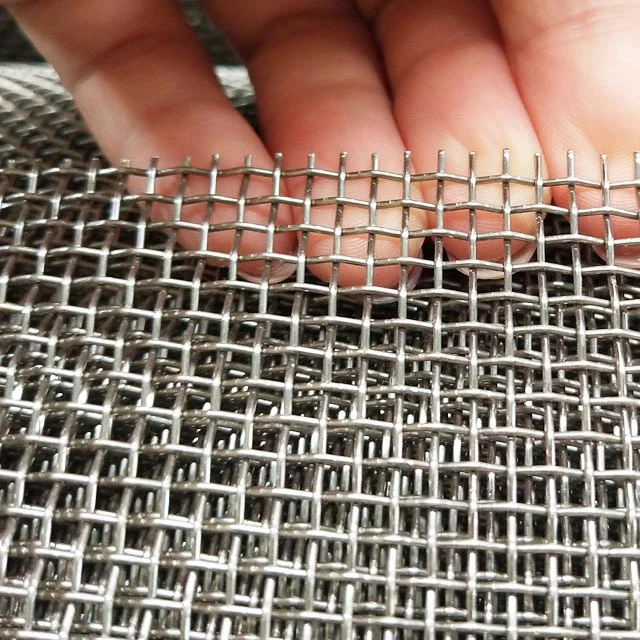
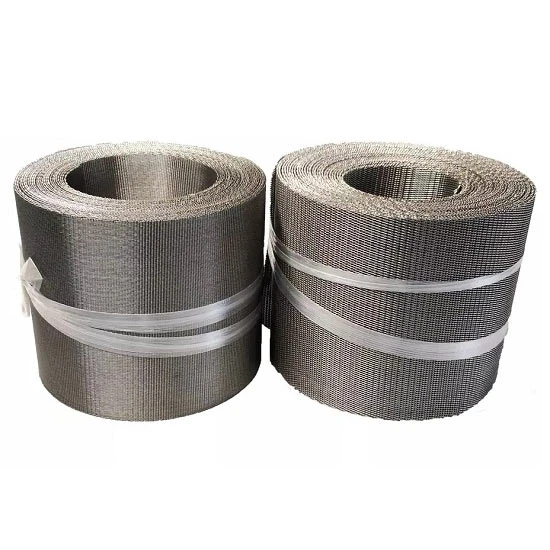
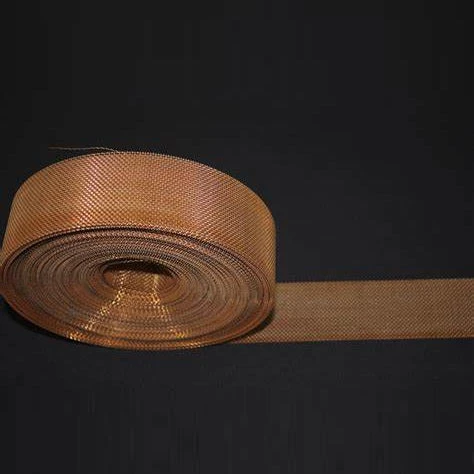
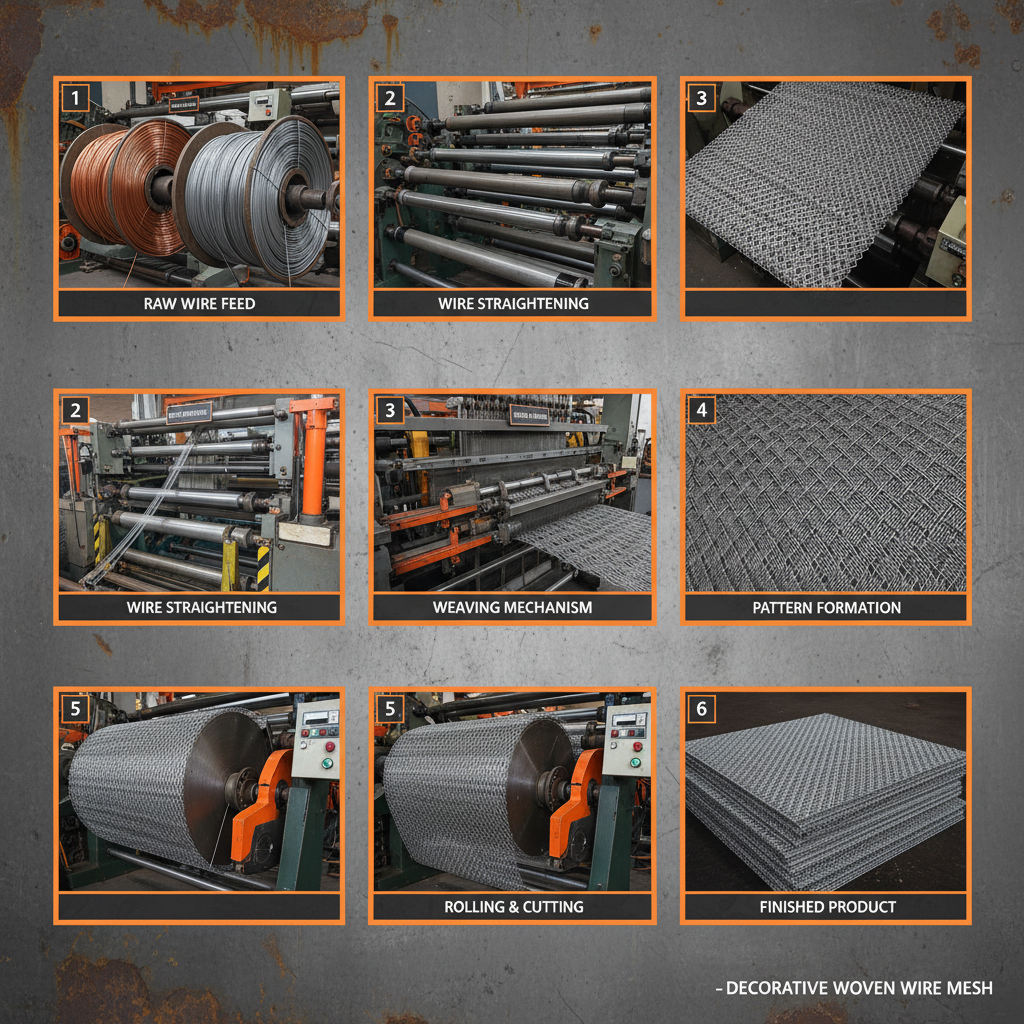
Decorative woven wire mesh comes in a variety of weaves, each offering a unique aesthetic and functional characteristic. Common weaves include plain weave, twill weave, dutch weave, and reverse dutch weave. The material used also impacts the mesh’s characteristics – stainless steel is popular for its corrosion resistance and durability, while brass and bronze offer a classic, elegant look. Choosing the correct weave and material is critical for achieving the desired look and performance. For example, a plain weave is known for its simplicity and balance, while a twill weave offers a more textured, visually dynamic appearance. Ansheng Metal Mesh specializes in creating custom weaves to match specific design requirements.
Key Highlights: Understanding the different weaves and materials allows for precise customization to meet project-specific aesthetic and functional goals.
Applications of Decorative Woven Wire Mesh
The applications of decorative woven wire mesh are incredibly diverse. It's widely used in architectural projects as exterior facades, providing both aesthetic appeal and solar shading. In interior design, it serves as room dividers, wall coverings, and even furniture accents. Security applications benefit from the mesh’s robustness, offering a visually appealing yet effective barrier. Furthermore, it's utilized in various industrial settings for filtration, screening, and protective enclosures. The versatility of this material makes it a staple in modern design and construction.
Application Areas:
• Architectural Facades
• Interior Design (Room Dividers, Wall Coverings)
• Security Fencing and Barriers
• Industrial Filtration and Screening
Decorative Woven Wire Mesh: Material Comparison
The choice of material is crucial when selecting a decorative woven wire mesh. Each material offers unique advantages and disadvantages. Stainless steel is highly durable and resistant to corrosion, making it ideal for outdoor applications. Aluminum is lightweight and cost-effective but less robust than stainless steel. Brass and bronze offer a classic aesthetic but require more maintenance to prevent tarnishing. The following table summarizes a comparison of common materials:
Benefits of Using Decorative Woven Wire Mesh
Utilizing decorative woven wire mesh provides numerous benefits. Beyond its aesthetic appeal, it offers excellent durability and longevity. It’s a sustainable material, often made from recycled metals, contributing to environmentally conscious design. The mesh’s open structure allows for airflow and natural light transmission, making it ideal for facades and screening applications. Furthermore, it's relatively easy to install and maintain, reducing long-term costs. The flexibility of the material also allows for creative and customized designs, fulfilling unique architectural visions.
Factors to Consider When Choosing Woven Wire Mesh
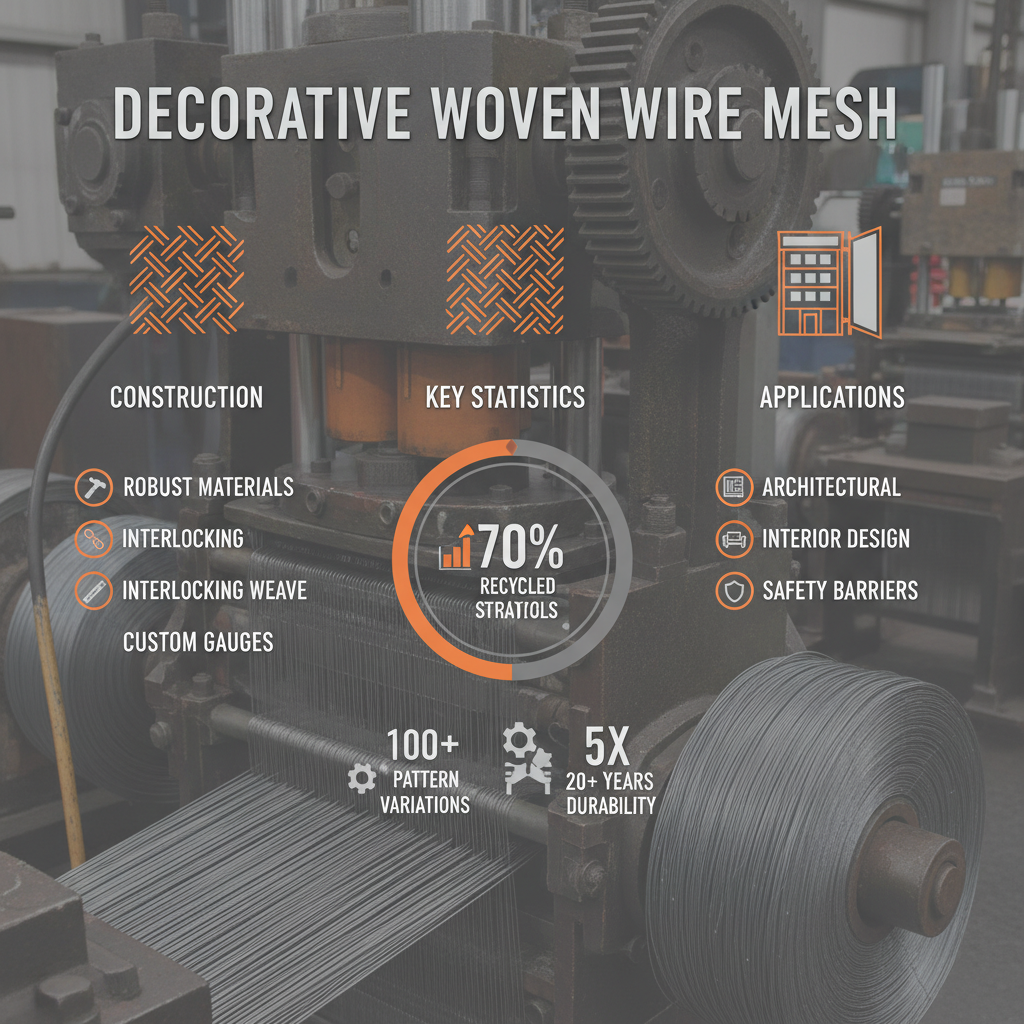
When selecting decorative woven wire mesh, several factors need careful consideration. The intended application, environmental conditions, budget, and aesthetic preferences all play a role. Consider the required level of security, the exposure to weather elements, and the desired level of transparency. Also, ensure the mesh complies with relevant building codes and safety regulations. Working with a reputable supplier, like Ansheng Metal Mesh, can provide expert guidance and ensure you select the optimal mesh for your project.
Conclusion
Decorative woven wire mesh offers a compelling combination of aesthetic appeal, durability, and functionality. By carefully considering the different types, materials, and applications, you can select the perfect mesh to enhance your project. Ansheng Metal Mesh is dedicated to providing high-quality, customized solutions to meet your specific needs.
Frequently Asked Questions (FAQs)
What is the typical lifespan of decorative woven wire mesh?
The lifespan of decorative woven wire mesh depends heavily on the material used and the environmental conditions it's exposed to. Stainless steel mesh, for example, can last for decades with minimal maintenance. Aluminum may have a shorter lifespan, particularly in coastal environments due to corrosion. Regular inspection and cleaning can significantly extend the life of any type of mesh. Factors like exposure to harsh chemicals, UV radiation, and physical damage also influence longevity. A well-maintained mesh can provide long-lasting aesthetic and functional benefits.
Can woven wire mesh be customized in terms of color and finish?
Yes, decorative woven wire mesh can be extensively customized. While the inherent color of the metal is a starting point, finishes like powder coating, anodizing, or polishing can alter the appearance significantly. Powder coating provides a durable and wide range of color options. Anodizing is commonly used for aluminum to enhance corrosion resistance and provide various colors. Polishing can create a brighter, more reflective surface. Ansheng Metal Mesh offers a wide range of customization options to meet specific design requirements.
How easy is it to install woven wire mesh?
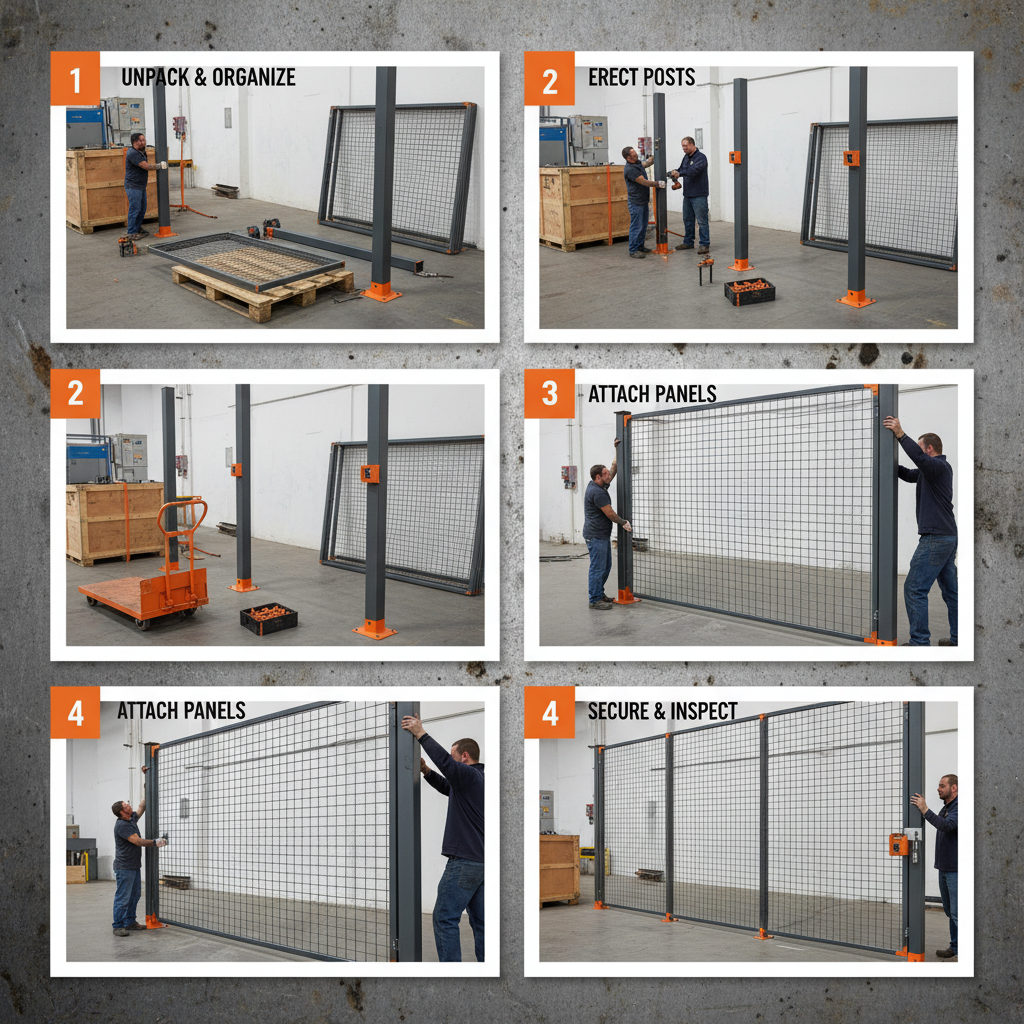
The ease of installation depends on the size and complexity of the project, as well as the chosen mounting method. Smaller sections can be relatively simple to install using basic tools like wire cutters, tensioning devices, and fasteners. Larger installations may require professional assistance to ensure proper tensioning and secure attachment. Common mounting methods include using frames, cables, or direct attachment to the substrate. Proper planning and accurate measurements are crucial for a successful installation.
Is woven wire mesh a sustainable material?
Yes, woven wire mesh can be a very sustainable material. Many metals used in its production, such as stainless steel and aluminum, are highly recyclable. Using recycled content reduces the environmental impact of manufacturing. Furthermore, the durability and long lifespan of the mesh minimize the need for replacements, reducing waste. Choosing a mesh made from responsibly sourced materials and supporting manufacturers committed to sustainable practices further enhances its environmental credentials.
Post time: Mar . 21, 2026 03:07