
Understanding Stainless Woven Wire Mesh: A Comprehensive Guide
Stainless woven wire mesh is a versatile material widely used across various industries, from filtration and screening to security and architectural applications. Its durability, corrosion resistance, and precise weave make it a superior choice compared to other materials. This article delves into the characteristics, types, applications, and benefits of stainless woven wire mesh, providing a detailed overview for professionals and buyers. Choosing the right mesh specification is crucial for optimal performance. Explore the options available at Ansheng Metal Mesh and discover the perfect solution for your needs.
What is Stainless Woven Wire Mesh?
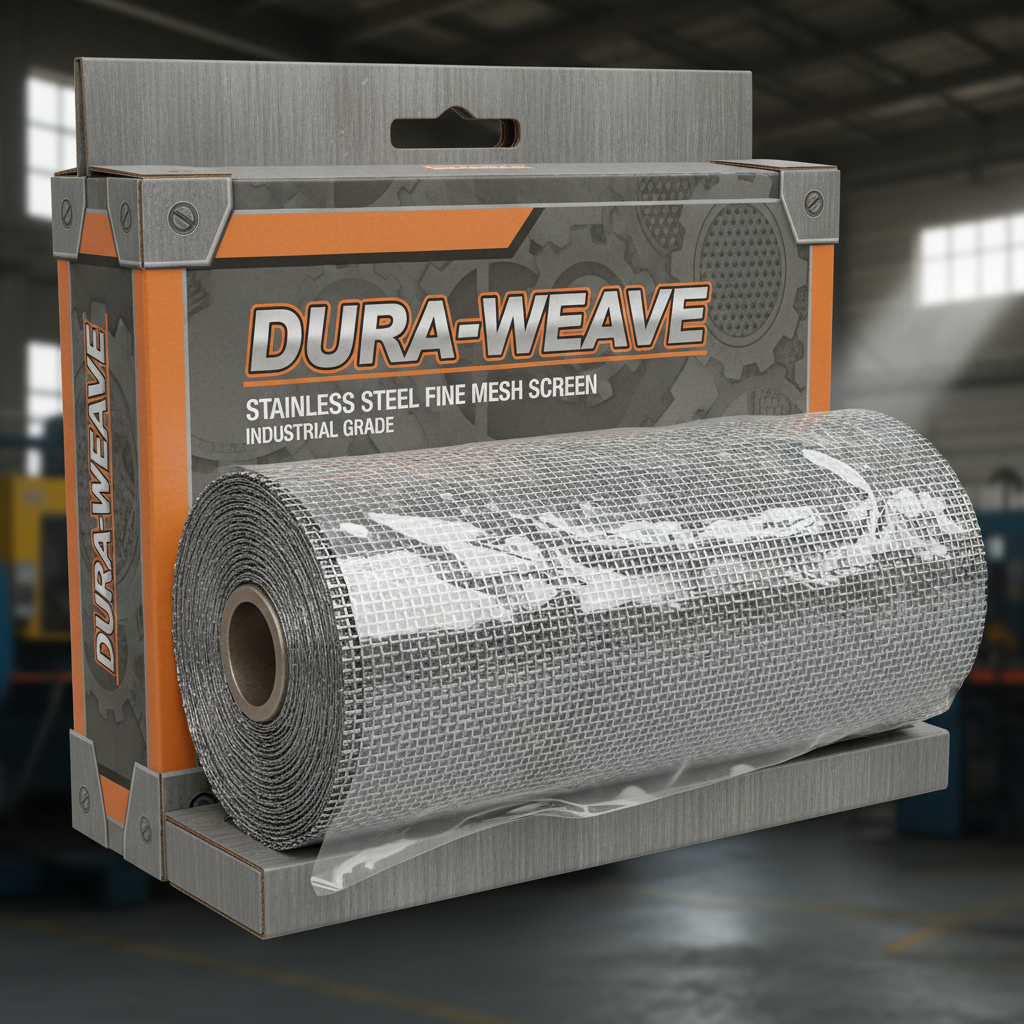
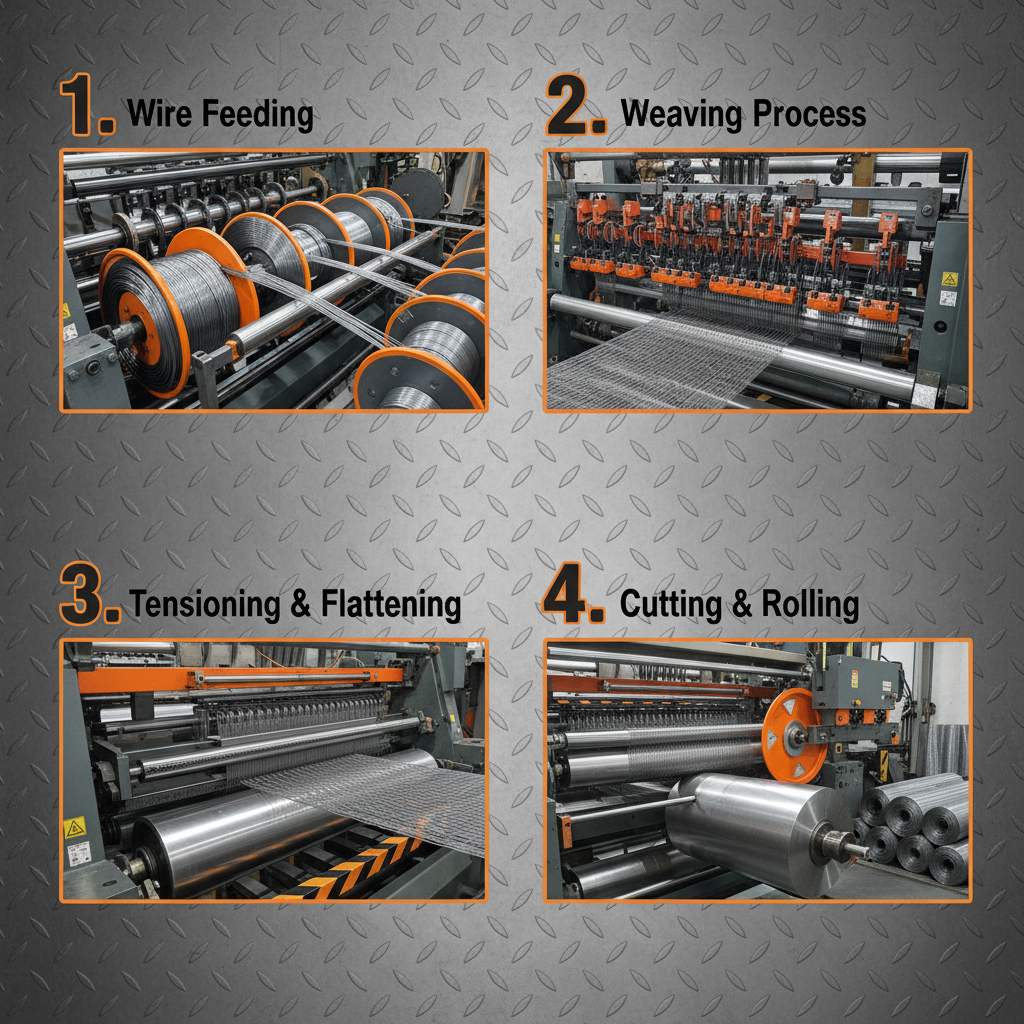
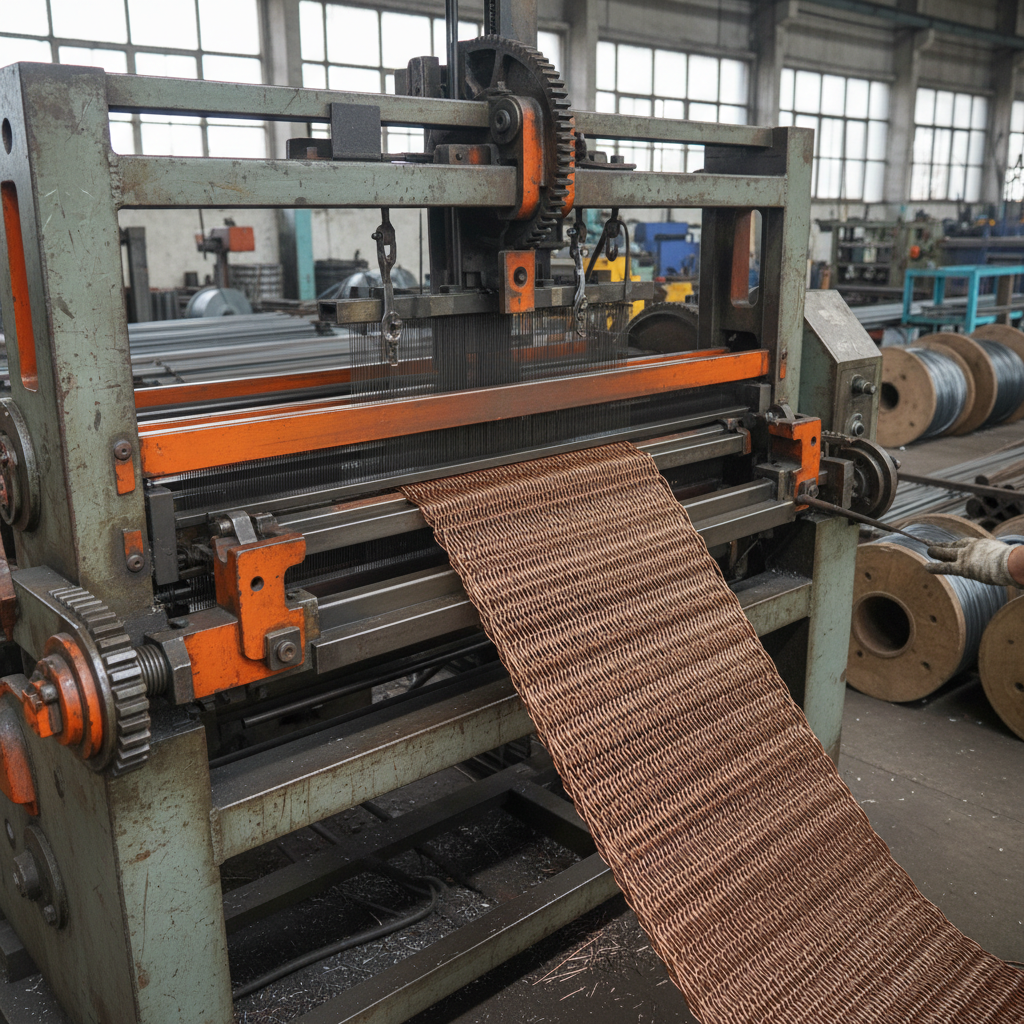
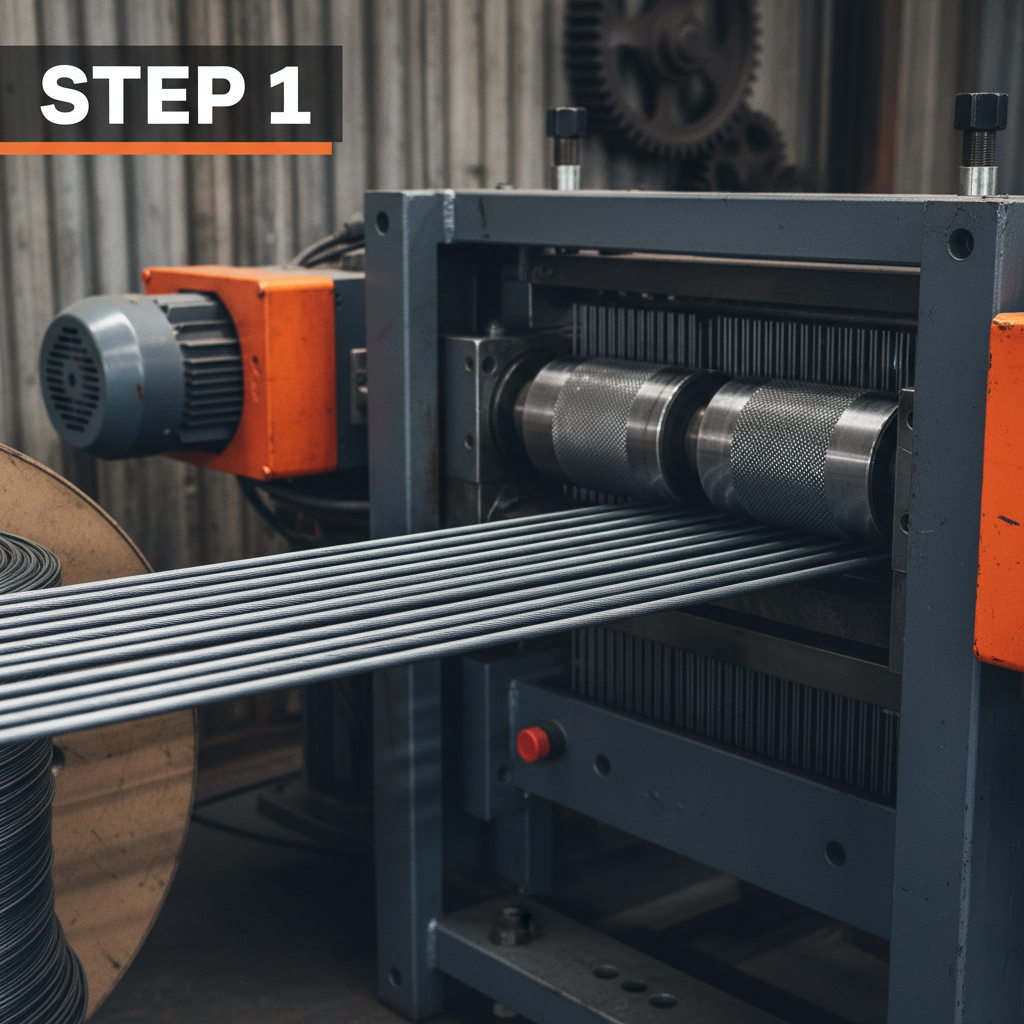
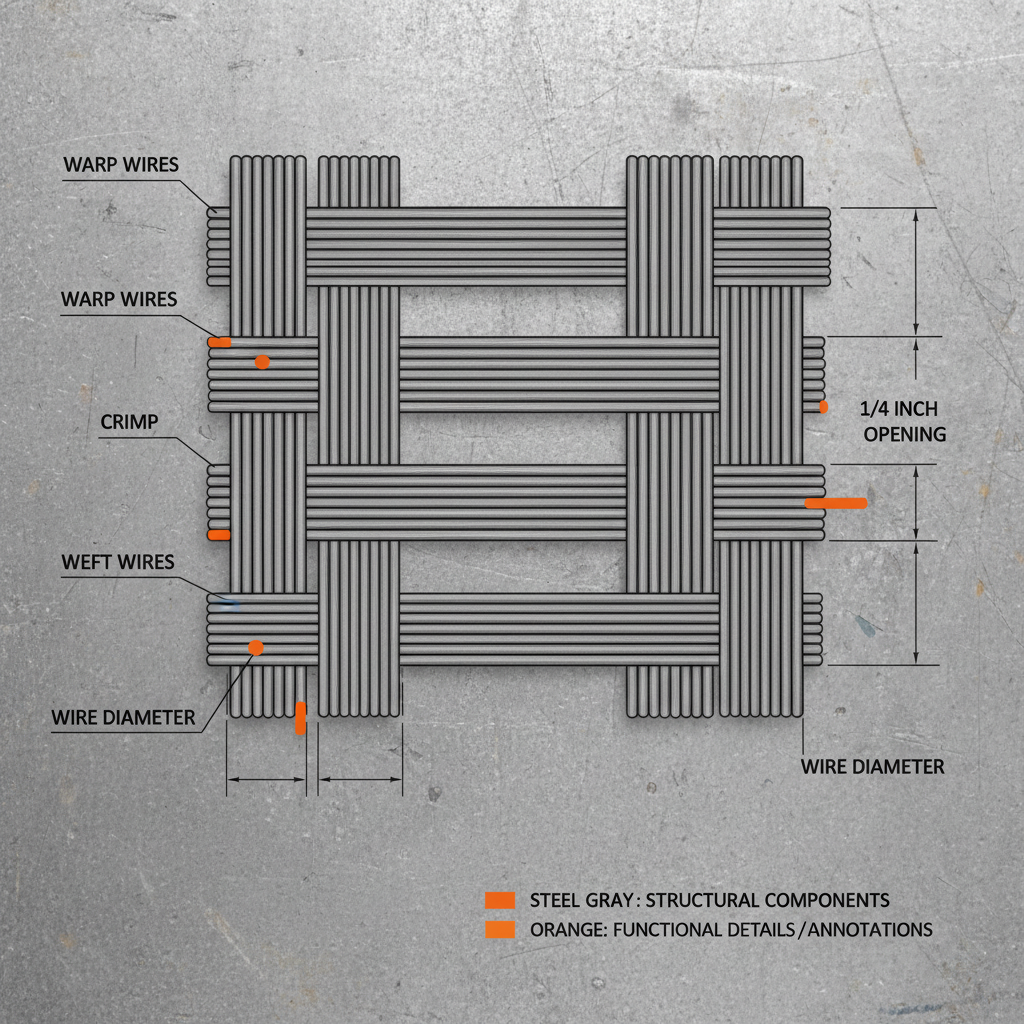
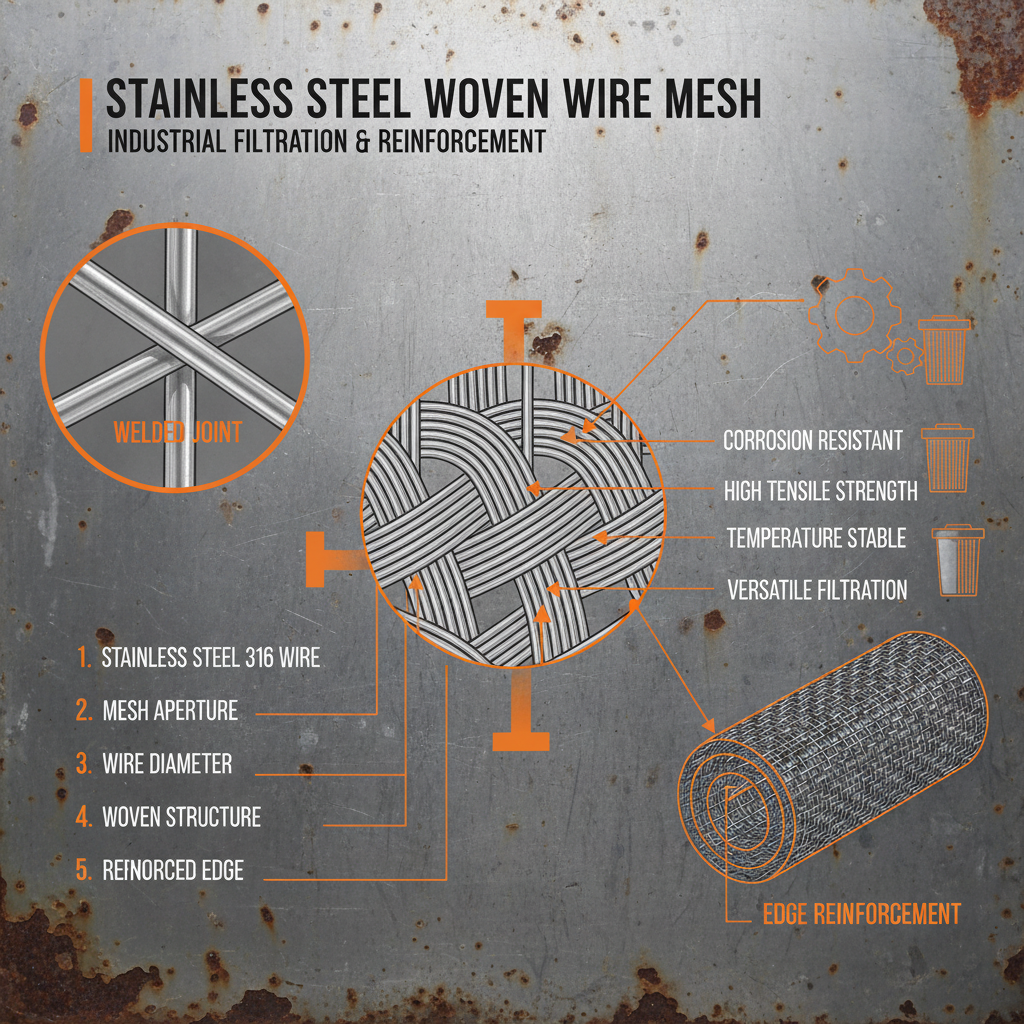
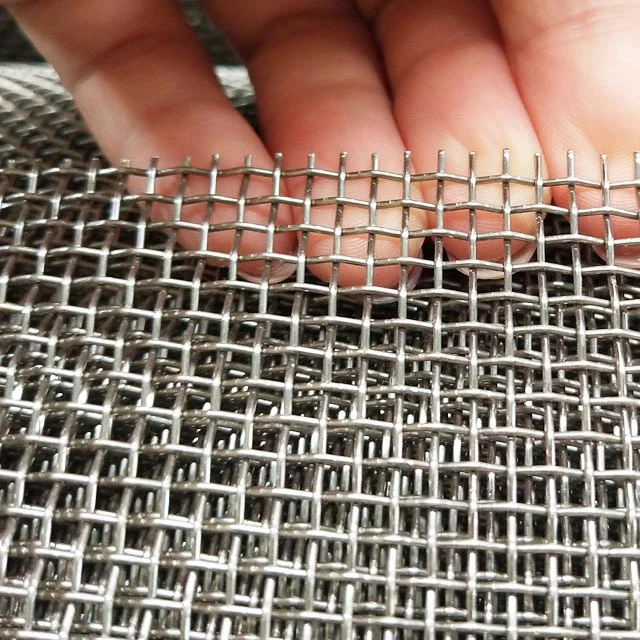
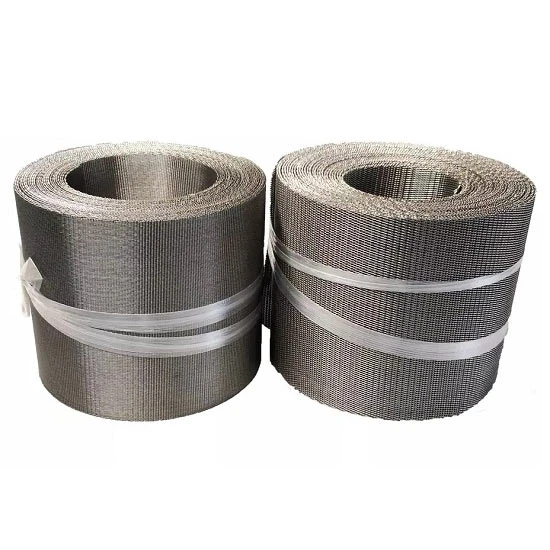
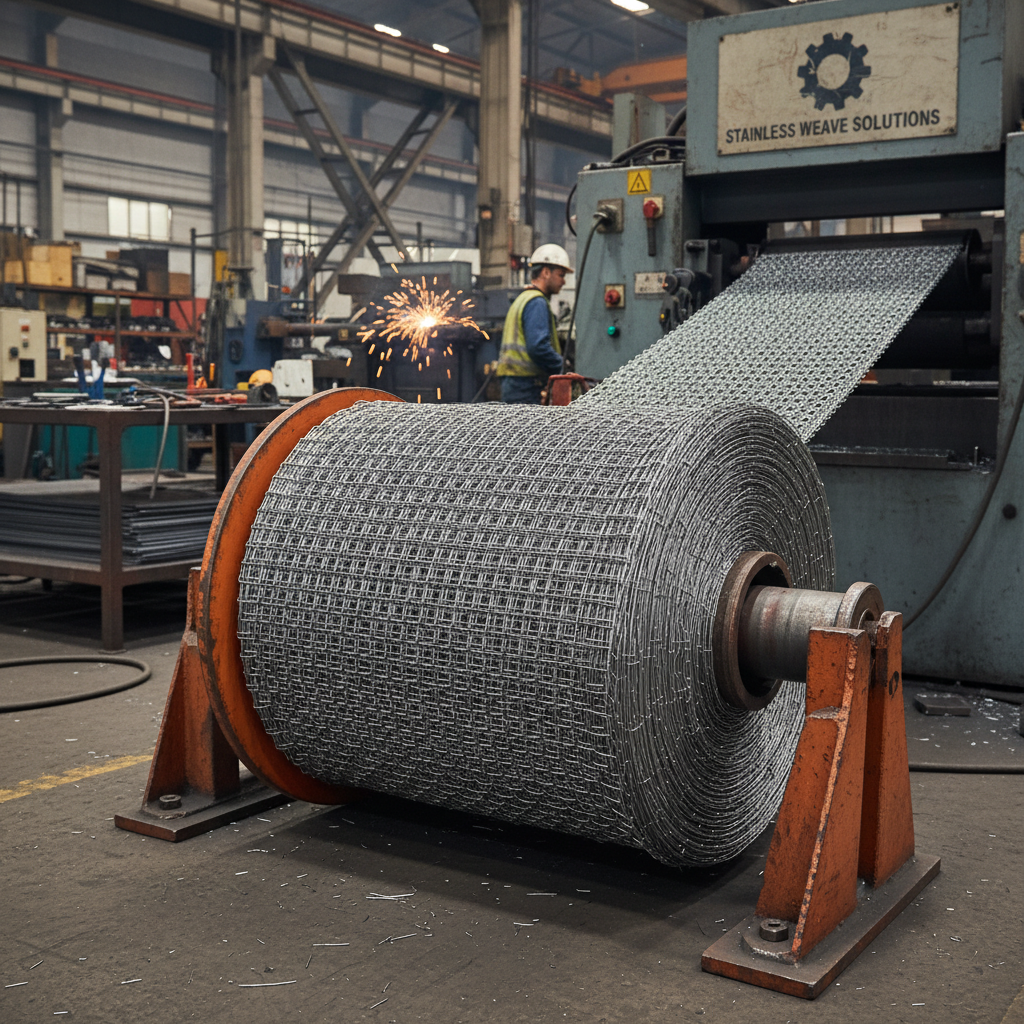
Stainless woven wire mesh is fabricated by weaving stainless steel wires in a plain, twill, or dutch weave pattern. The stainless steel alloys commonly used include 304, 316, 316L, and others, each offering varying levels of corrosion resistance and strength. The weaving process creates a strong, durable, and precise mesh opening size. The mesh count (number of wires per inch) and wire diameter are key factors determining the mesh's filtration and screening capabilities. This makes it a preferred material in environments requiring high hygiene standards and longevity. You can find a wide selection of stainless steel woven wire mesh at Ansheng Metal Mesh.
Key Benefits: Corrosion resistance, durability, precision weave, wide range of applications, and long lifespan.
Types of Stainless Steel Wire Mesh Weaves
Different weaving patterns offer unique characteristics suited for specific applications. The most common types include:
- Plain Weave: The simplest weave, offering good strength and stability.
- Twill Weave: Creates a diagonal pattern, resulting in a softer and more flexible mesh with a higher open area.
- Dutch Weave: Alternates under and over wires in both warp and weft directions, creating varying pore sizes and excellent filtration properties.
Choosing the right weave is crucial for optimizing performance. Ansheng Metal Mesh offers a comprehensive selection of weaves to meet diverse needs.
Weave Type Comparison:
• Plain Weave: Stable, strong, good for general applications.
• Twill Weave: Flexible, higher open area, suitable for filtration.
• Dutch Weave: High filtration efficiency, varying pore sizes, ideal for liquid/gas separation.
Applications of Stainless Woven Wire Mesh
The versatility of stainless woven wire mesh leads to its use in a wide array of industries. Some key applications include:
- Filtration: Filtering liquids, gases, and solids in various industrial processes.
- Screening: Separating materials based on particle size in mining, agriculture, and food processing.
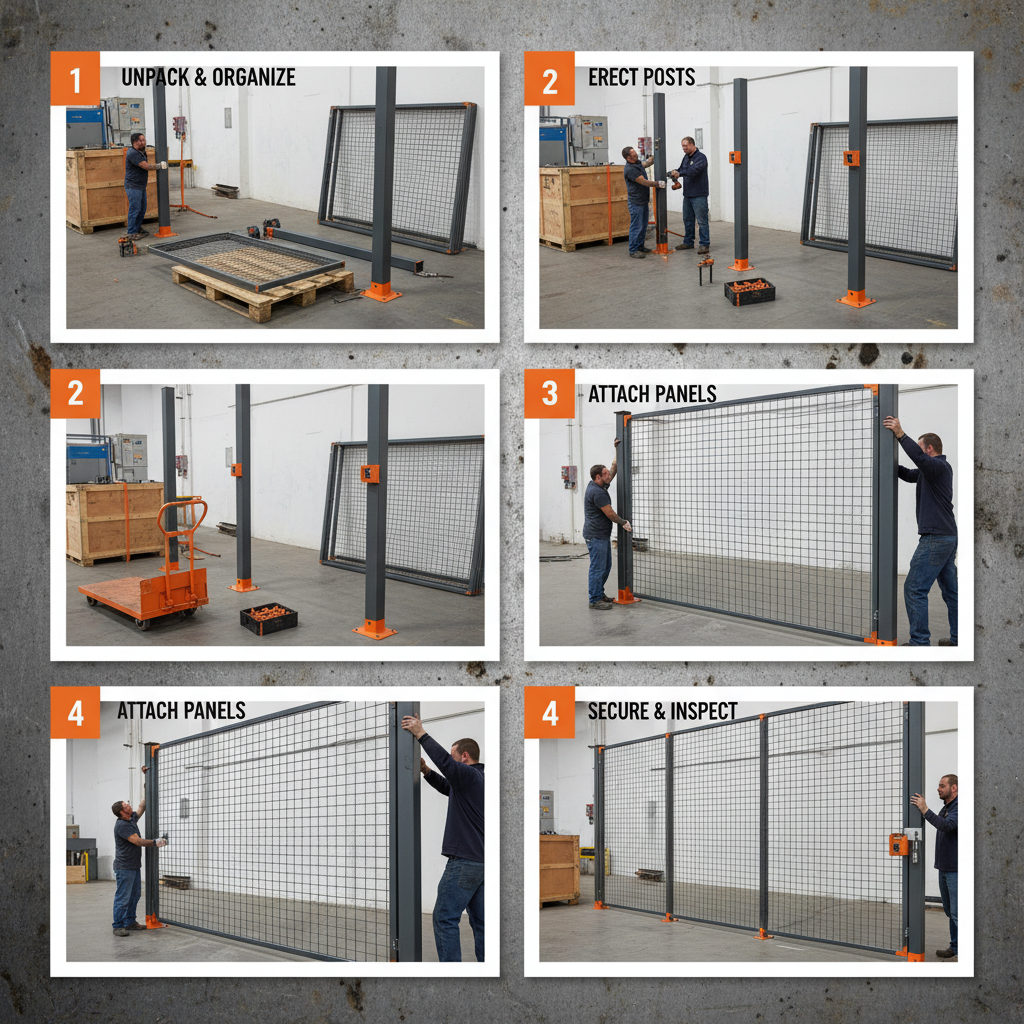
- Security: Creating secure barriers, cages, and fencing.
- Architectural: Decorative facades, safety netting, and sun shading systems.
- Chemical Processing: Corrosion-resistant screens and filters for harsh chemical environments.
- Pharmaceuticals: High-purity filtration for drug manufacturing.
Ansheng Metal Mesh provides tailored solutions for each of these industries.
Stainless Steel Grade Comparison: 304 vs. 316
Choosing the correct stainless steel grade is crucial for ensuring longevity and performance. The two most common grades are 304 and 316. Here's a comparison:
Selecting the Right Mesh for Your Application
Choosing the correct stainless woven wire mesh involves considering several factors, including the intended application, the material being filtered or screened, the required precision, and the environmental conditions. Consulting with a specialist, like Ansheng Metal Mesh, can help you select the optimal mesh type, weave, and stainless steel grade for your specific requirements.
Conclusion: The Power of Precision with Stainless Woven Wire Mesh
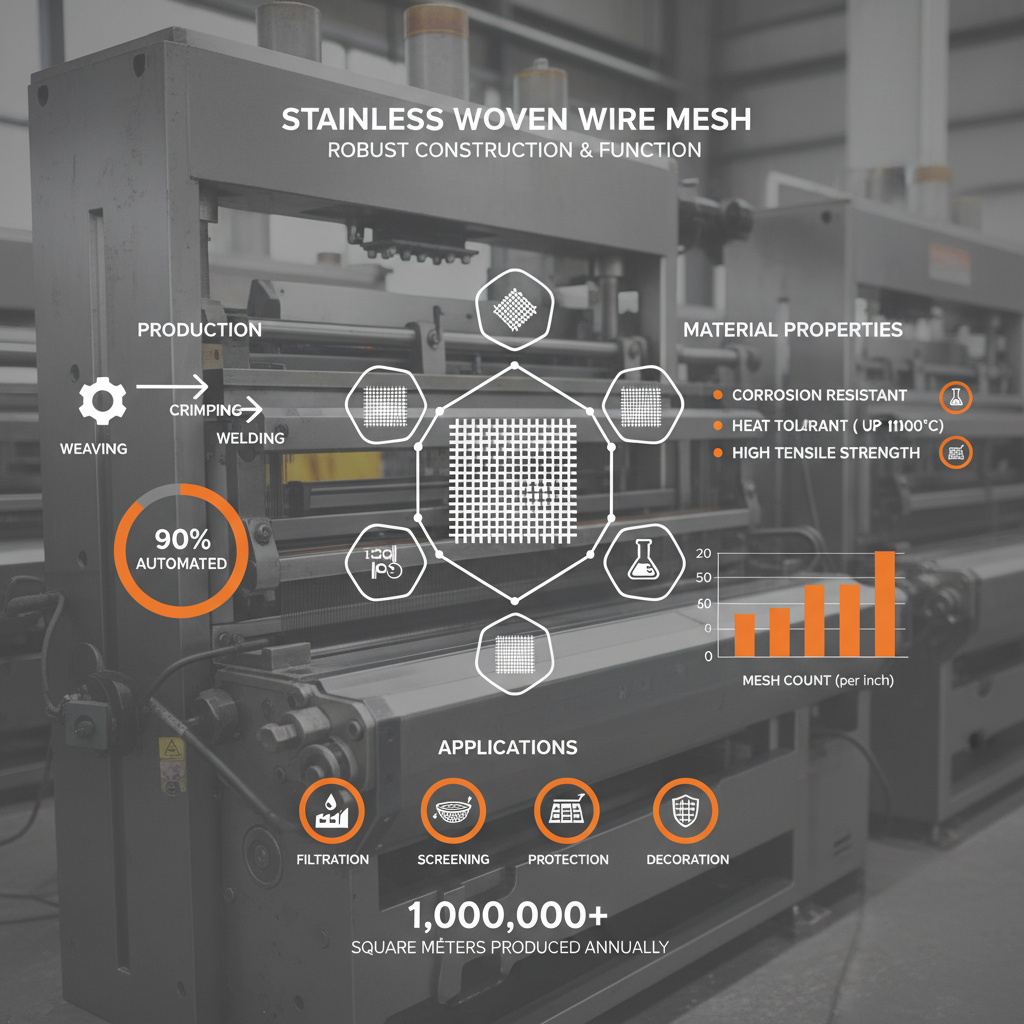
Stainless woven wire mesh offers a robust and reliable solution for a diverse range of applications. Its corrosion resistance, durability, and precise weaving make it a superior material for demanding environments. By understanding the different types of weaves and stainless steel grades, and by partnering with a trusted supplier like Ansheng Metal Mesh, you can ensure you're getting the perfect mesh for your needs.
Frequently Asked Questions (FAQs)
What is the typical lead time for custom stainless steel woven wire mesh orders?
Lead times vary depending on the complexity of the order, the quantity required, and the availability of the specific stainless steel grade and weave pattern. Generally, standard orders can be fulfilled within 1-2 weeks, while custom orders may take 3-6 weeks. Ansheng Metal Mesh provides accurate lead time estimates upon receiving your specific requirements. We strive to accommodate urgent requests whenever possible and offer expedited production options.
Can stainless woven wire mesh be cut to size?
Yes, stainless woven wire mesh can be cut to precise sizes using various methods, including shears, laser cutting, and wire EDM. However, it's important to note that cutting the mesh can potentially fray the edges. To prevent this, edge treatments such as binding, welding, or rolling are often applied. Ansheng Metal Mesh offers custom cutting and finishing services to ensure a clean and professional result.
What are the benefits of using 316 stainless steel over 304?
316 stainless steel contains molybdenum, which significantly enhances its corrosion resistance, particularly against chlorides and saltwater. This makes 316 ideal for marine environments, chemical processing, and applications where exposure to corrosive substances is likely. While 304 offers good corrosion resistance in many environments, 316 provides superior protection in more challenging conditions. Consequently, 316 generally commands a higher price point than 304.
Post time: Mar . 19, 2026 03:11