
Exploring Different Types of Mesh Wire and Their Applications

Different Types of Mesh Wire: A Comprehensive Guide

Mesh wire is a versatile material used across numerous industries, from construction and agriculture to security and filtration. Understanding the different types of mesh wire available is crucial for selecting the optimal solution for a specific application. This article provides a detailed overview of common mesh wire types, their properties, and their ideal uses. We will explore woven wire mesh, welded wire mesh, hexagonal wire mesh, crimped wire mesh, expanded metal mesh, and perforated metal sheets, helping you make informed decisions for your project.
Exploring Different Types of Mesh Wire and Their Applications

Woven Wire Mesh: A Classic and Versatile Choice

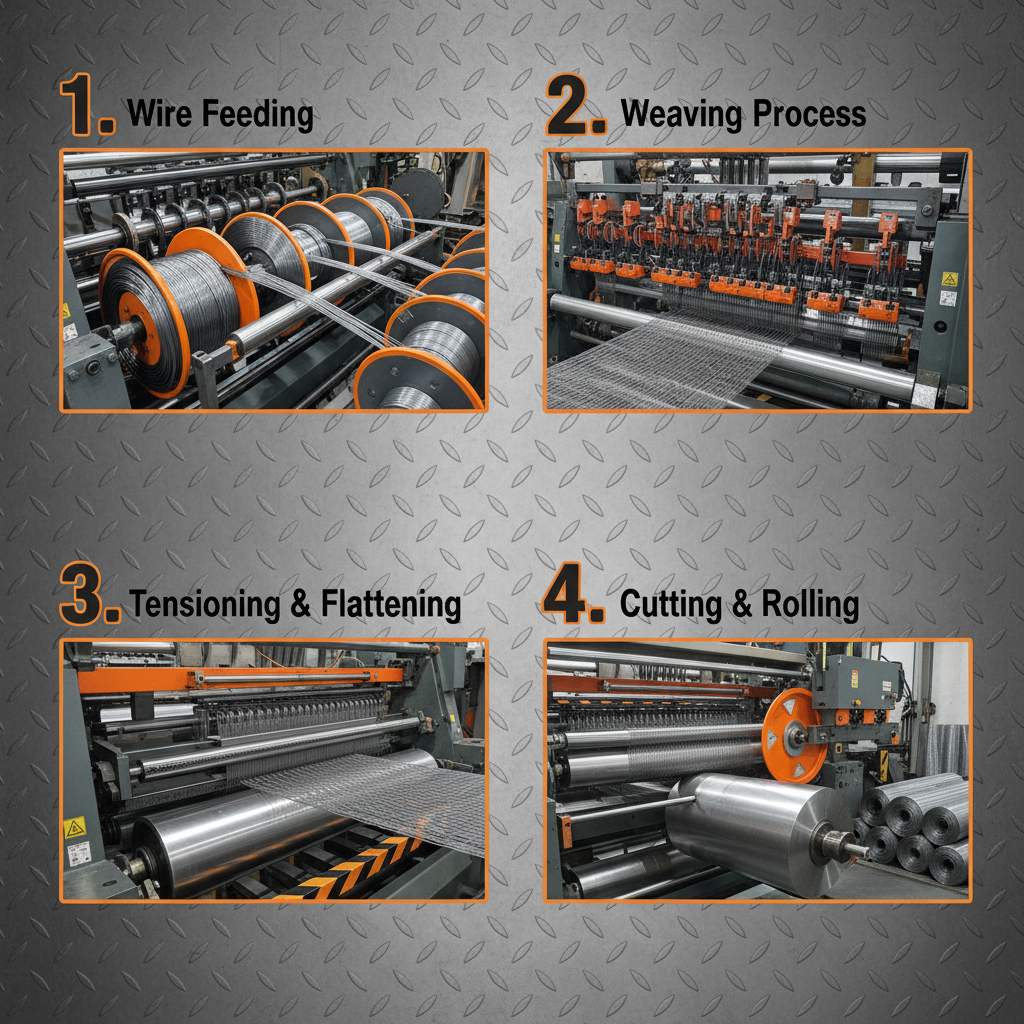
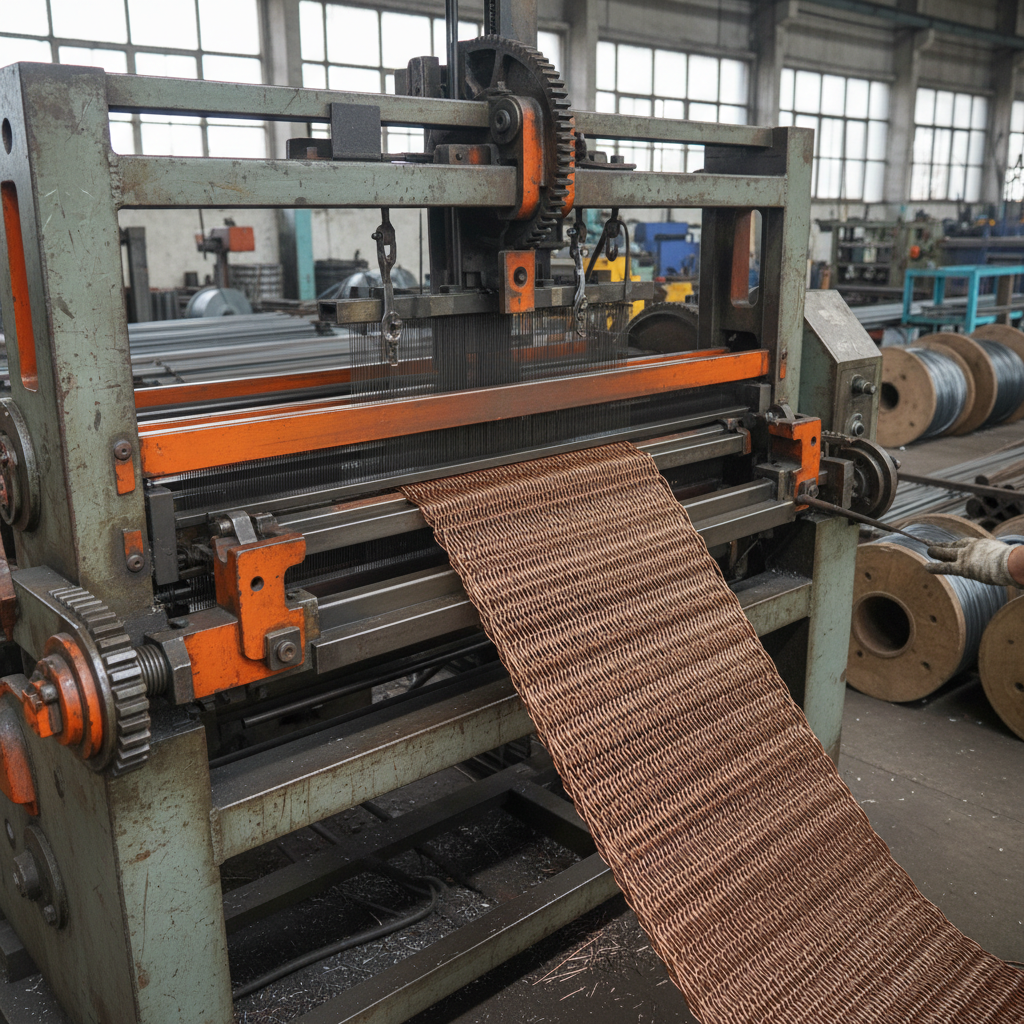
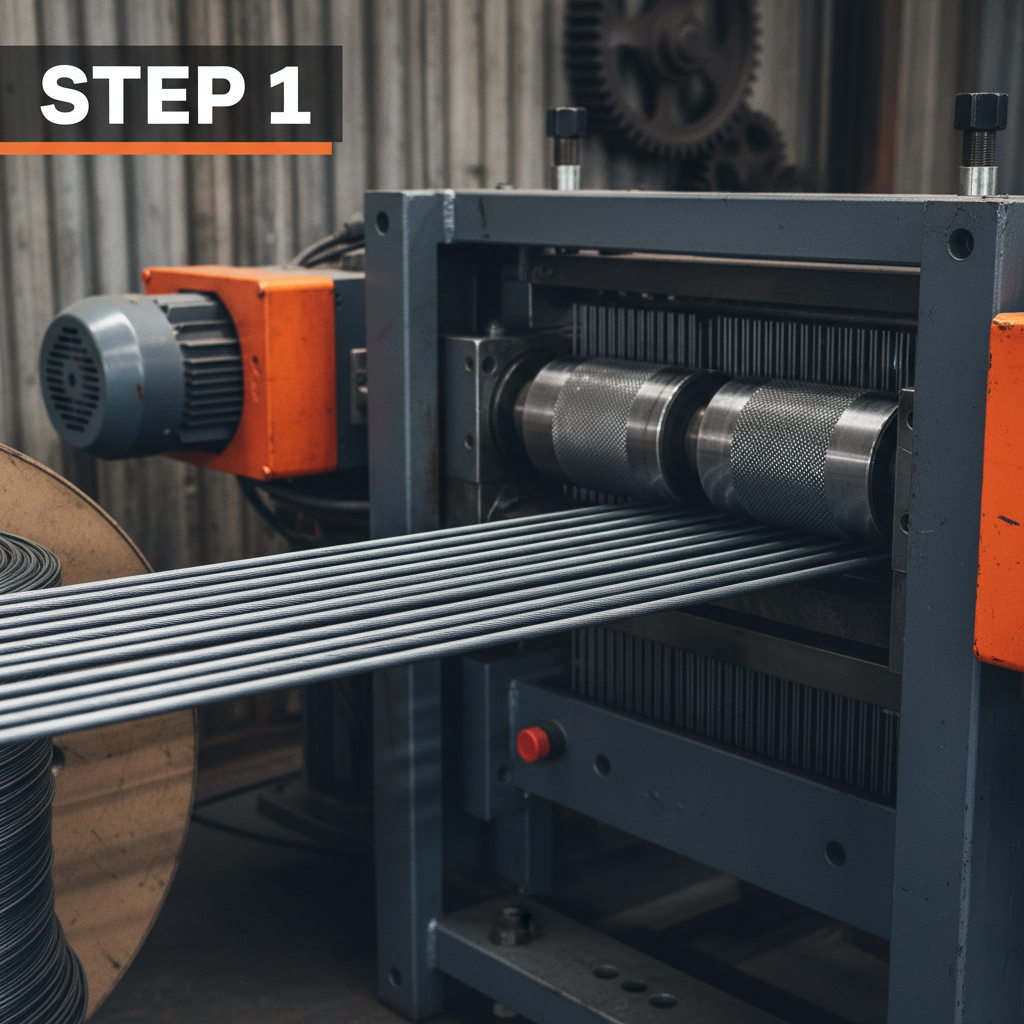
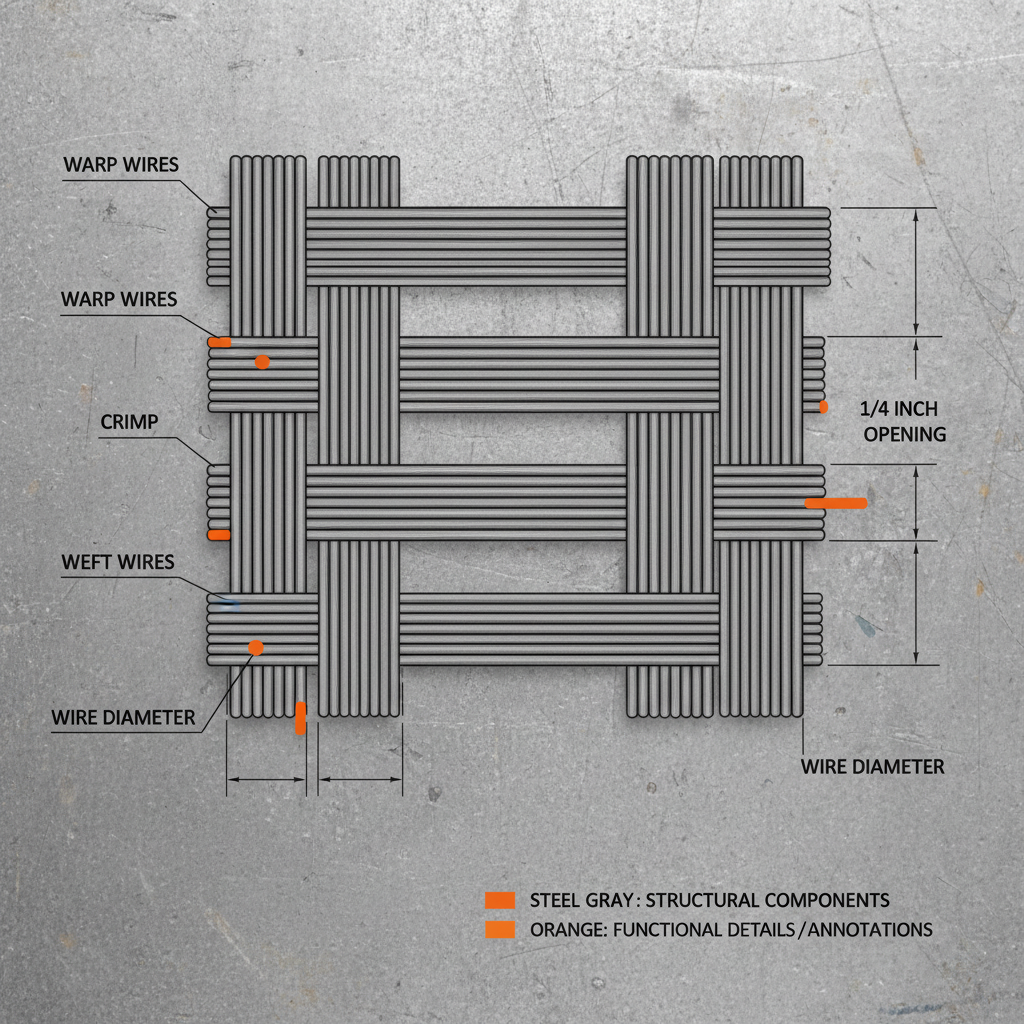
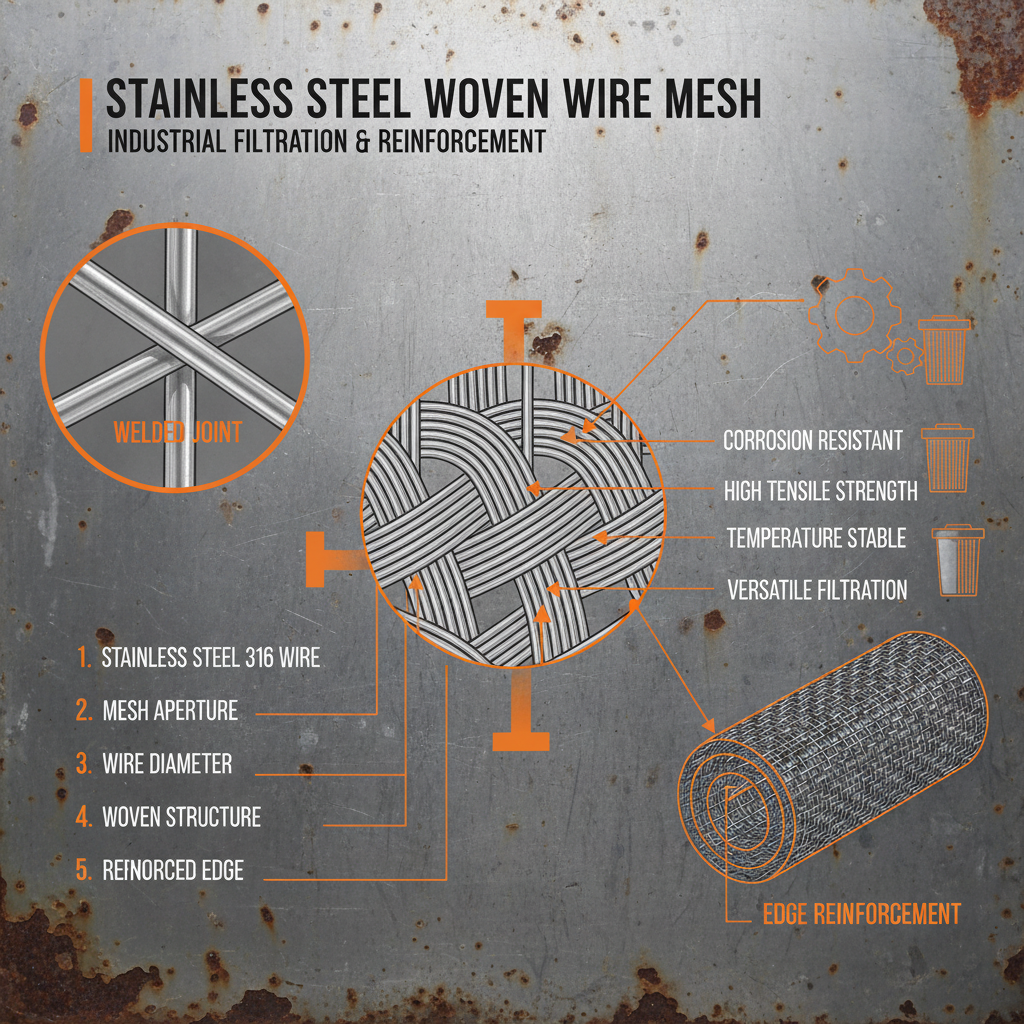
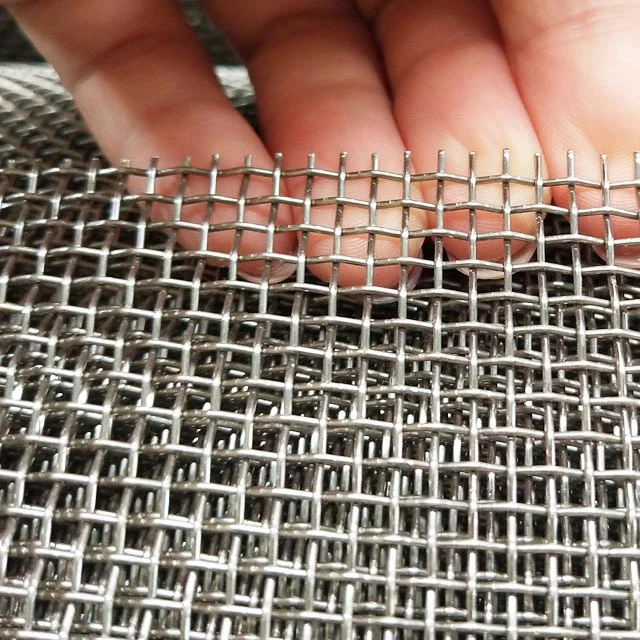
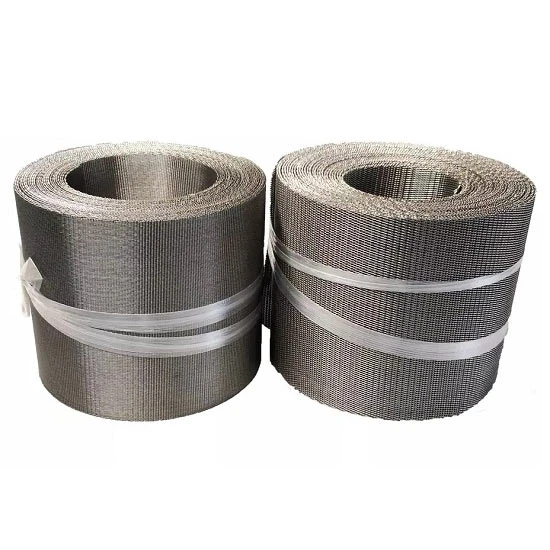
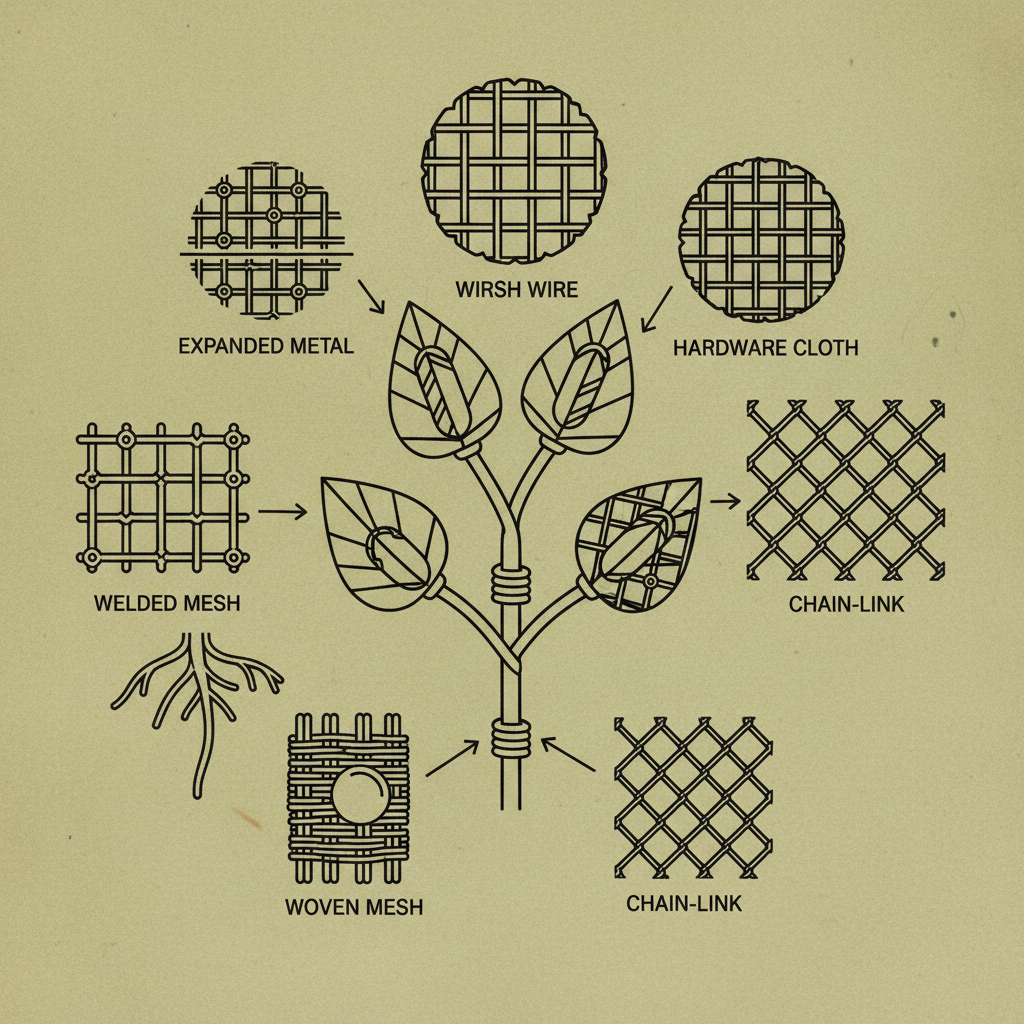
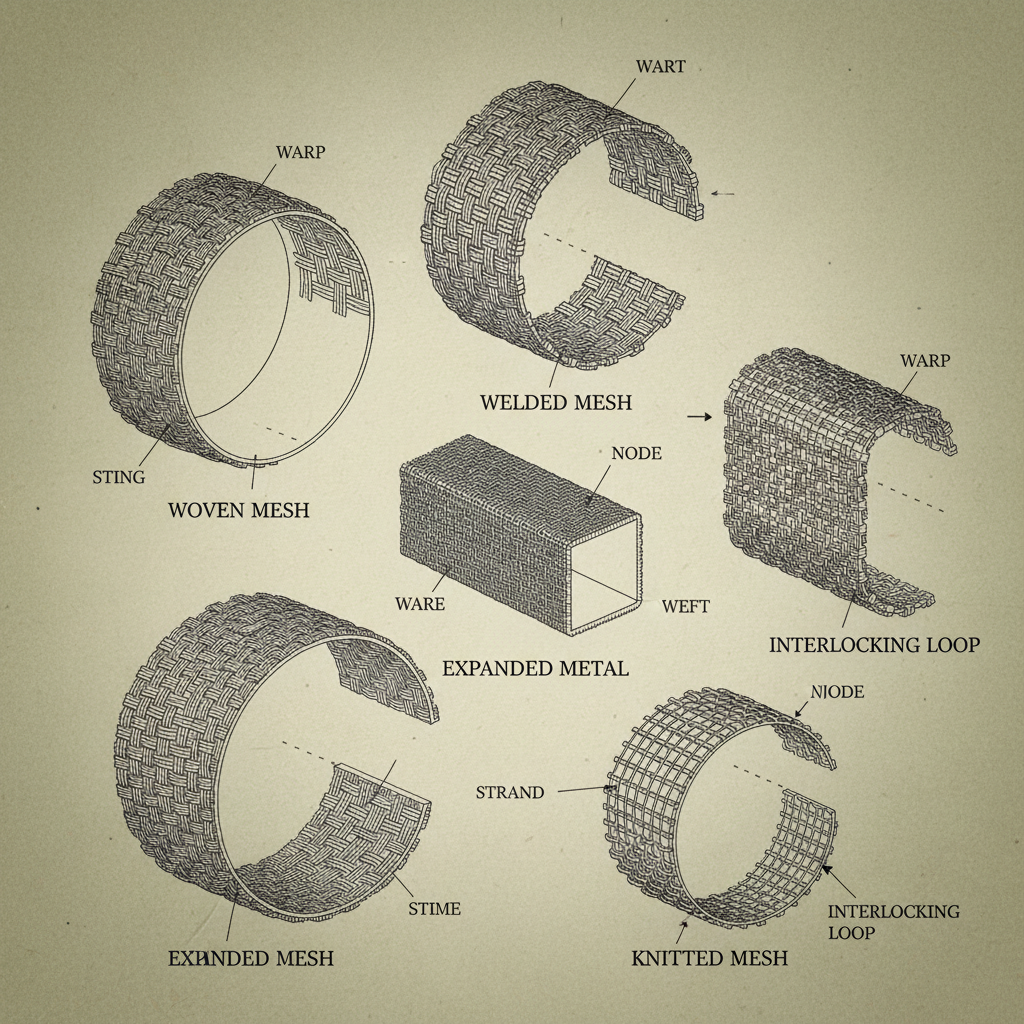
Woven wire mesh is created by interlacing wires in a plain, twill, or dutch weave. This method produces a strong, durable, and consistently sized mesh. Plain weave is the most common, offering good stability and even surfaces. Twill weave provides a tighter mesh with greater flexibility. Dutch weave, with alternating under and over wires, creates a highly porous filter cloth. Woven wire mesh excels in applications requiring precise openings and consistent performance, such as filtration, screening, and insect control. AnSheng Metal Mesh offers a wide array of woven wire mesh options tailored to diverse industrial requirements.

Key Highlights: Strong and durable, precise openings, versatile applications, available in various materials and weaves.

Welded Wire Mesh: Strength and Stability

Welded wire mesh is formed by welding wires at their intersections, creating a robust and rigid structure. It's commonly used in construction, fencing, and reinforcing materials. Compared to woven mesh, welded wire mesh is generally less flexible but offers superior strength and dimensional stability. It is cost-effective and readily available in various wire gauges and mesh sizes. Applications include animal cages, shelving, and concrete reinforcement.

Welded Wire Mesh Benefits:

• High tensile strength

• Dimensional stability

• Cost-effective

• Easy to fabricate

Hexagonal Wire Mesh: Versatility in Containment

Hexagonal wire mesh, also known as chicken wire, is formed by twisting wires together in a hexagonal pattern. It’s lightweight, flexible, and cost-effective, making it ideal for poultry enclosures, garden fencing, and craft projects. While not as strong as woven or welded mesh, its flexibility and affordability are key advantages. Galvanized or PVC-coated hexagonal mesh offers improved corrosion resistance.

Crimped Wire Mesh: Enhanced Strength and Rigidity

Crimped wire mesh is created by pre-crimping the wires before weaving or welding them together. This process adds rigidity and strength to the mesh, making it suitable for applications requiring greater structural integrity, such as filters, screens, and security fencing. The crimped wires interlock, improving resistance to deformation. This type of mesh is particularly beneficial when dealing with high-pressure or heavy loads.
Exploring Different Types of Mesh Wire and Their Applications

Expanded Metal Mesh vs. Perforated Metal Sheets: Key Differences

Expanded metal mesh and perforated metal sheets are both created from solid metal plates but utilize different manufacturing processes. Expanded metal is slit and stretched, creating a diamond-shaped opening without removing any metal. This results in a strong, unitary structure. Perforated metal, on the other hand, involves punching holes in the metal sheet, removing the material and creating circular, square, or other shaped openings. Here's a quick comparison:

Feature Expanded Metal Mesh Perforated Metal Sheets
Manufacturing Process Slitting and Stretching Punching Holes
Material Removed None Yes
Strength Higher Lower
Typical Applications Walkways, stair treads, security screens Filters, speaker grills, architectural panels

Conclusion: Choosing the Right Mesh Wire for Your Needs

Selecting the appropriate type of mesh wire depends heavily on the specific application requirements. Consider factors such as strength, flexibility, aperture size, corrosion resistance, and cost. AnSheng Metal Mesh provides a comprehensive range of mesh wire products and expert guidance to help you find the perfect solution for your project.

Frequently Asked Questions (FAQs)

What materials are mesh wires typically made from?

Mesh wires are commonly manufactured from a variety of materials including stainless steel (304, 316, 316L), carbon steel, galvanized steel, aluminum, copper, and brass. The choice of material depends on the intended application and the need for corrosion resistance, strength, and cost-effectiveness. Stainless steel is often preferred for its durability and resistance to rust, while carbon steel is a more economical option for less demanding environments. Aluminum is lightweight and corrosion-resistant, making it suitable for applications where weight is a concern.

How is mesh size measured?

Mesh size is typically measured as the number of openings per inch. For example, a mesh size of 100 indicates that there are 100 openings (wires) per linear inch of the mesh. A higher mesh count means smaller openings. It's important to note that mesh size can be specified differently depending on the type of mesh. For woven wire mesh, it refers to the number of wires per inch. For perforated metal sheets, it refers to the diameter of the holes and the spacing between them.

What are the applications of expanded metal mesh in construction?

Expanded metal mesh is extensively used in the construction industry for a variety of purposes including walkways, stair treads, scaffolding, metal lath for concrete reinforcement, and security fencing. Its open grid design provides excellent load-bearing capacity and slip resistance. It's also used for creating decorative facade elements and ventilation grilles. The durability and strength of expanded metal make it a reliable choice for demanding construction applications.

How can I prevent corrosion of wire mesh?

Several methods can be used to prevent corrosion of wire mesh. Galvanization, which involves coating the wire with a layer of zinc, is a common and effective technique. PVC coating provides an additional layer of protection against corrosion and can also add color. Using stainless steel wire is another excellent option for applications where corrosion is a major concern. Regular cleaning and maintenance can also help to prolong the lifespan of the mesh.


Post time: Jan . 30, 2026 17:53
Related News
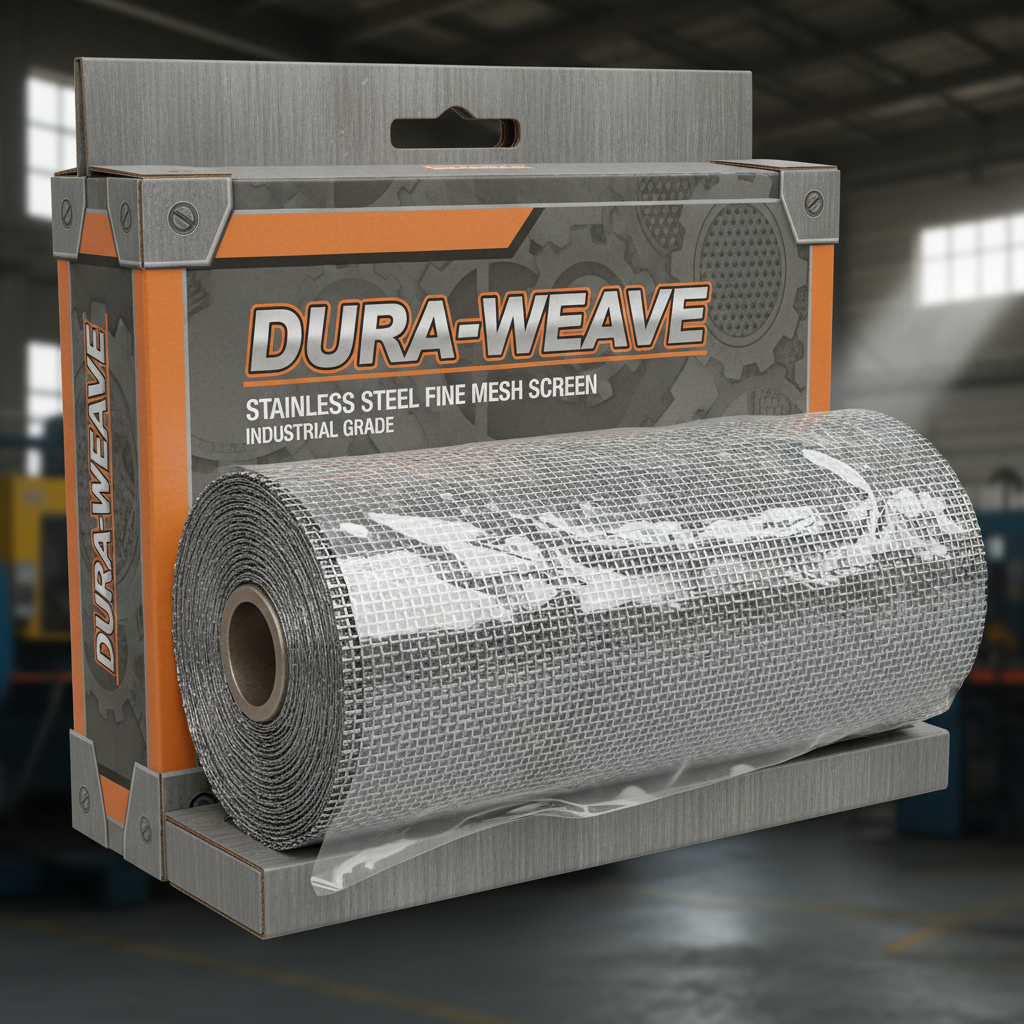
  • In the world of industrial filtration and precision screening, the stainless steel fine mesh screen stands as an indispensable component. Combining exceptional durability with microscopic precision, these screens are engineered to handle the toughest environments while maintaining strict filtration standards. Whether you are dealing with chemical processing, pharmaceutical refining, or high-end architectural design, choosing the right mesh density and material grade is critical for operational efficiency. In this comprehensive guide, we will explore the technical nuances, applications, and selection criteria that make this material a cornerstone of modern industry.

  • In the world of industrial filtration, separation, and architectural design, the woven mesh sheet serves as a fundamental component. Defined by its precise interlacing of metal wires, this versatile material provides a balanced combination of strength, permeability, and durability. Whether you are looking for high-precision filtration in a laboratory or robust security screening for a warehouse, understanding the nuances of woven mesh is essential. This guide explores the technical specifications, material advantages, and industry applications to help you make an informed procurement decision for your project.

  • Woven copper mesh is a versatile material increasingly utilized across diverse industries due to its exceptional properties. From electromagnetic shielding to filtration and decorative applications, its unique characteristics make it a preferred choice. This article will explore the composition, manufacturing process, key benefits, and wide-ranging applications of woven copper mesh, providing a comprehensive guide for potential users.

  • Heavy duty woven steel mesh is a versatile and robust material used across a wide range of industries, from construction and security to filtration and industrial processing. Its strength, durability, and customizable nature make it an ideal solution for applications demanding high performance and longevity. At Ansheng Metal Mesh, we specialize in providing top-quality woven steel mesh solutions tailored to meet your specific needs.

  • 1 4 woven wire mesh is a versatile material used in a wide array of industrial, agricultural, and commercial applications. This mesh, defined by its opening size of approximately 1/4 inch, offers a balance of strength, durability, and cost-effectiveness. At Ansheng Metal Mesh, we specialize in providing high-quality woven wire mesh solutions tailored to your specific needs. This article will delve into the characteristics of 1/4 inch woven wire mesh, its common uses, available materials, and factors to consider when making a purchase.

  • Woven wire screen is a versatile material used across a wide range of industries, from agriculture and construction to filtration and security. Its robust construction and variety of mesh sizes make it a preferred choice for numerous applications. This article will delve into the properties, applications, and benefits of woven wire screen, with a focus on its importance in modern industrial processes. We’ll also explore how An Sheng Metal Mesh provides high-quality woven wire screen solutions tailored to your specific needs.

  • Stainless steel gauze mesh is a versatile material utilized across a broad spectrum of industries, from filtration and screening to medical and industrial applications. Its exceptional properties – corrosion resistance, durability, and precise weave – make it a preferred choice for demanding environments. This article delves into the characteristics of stainless steel gauze mesh, explores its diverse applications, and highlights the benefits of using this high-performance material. Learn how Ansheng Metal Mesh provides quality stainless steel gauze mesh solutions for your specific needs. Stainless steel gauze mesh is a woven fabric constructed from thin stainless steel wires. The ‘gauze’ designation refers to the openness of the weave, resulting in a material with numerous interstices. These meshes are renowned for their strength, resistance to corrosion, and ability to withstand high temperatures. Different grades of stainless steel, such as 304, 316, and 316L, are used to create meshes tailored to specific applications. The weave pattern, wire diameter, and mesh count determine the mesh’s overall properties, making it customizable for a variety of requirements. Ansheng Metal Mesh specializes in producing bespoke stainless steel gauze mesh solutions.

  • Woven wire partitions are a versatile and cost-effective solution for a wide range of security, containment, and aesthetic applications. From industrial settings to retail spaces, these partitions provide a balance of visibility, security, and airflow. This article delves into the details of woven wire partitions, exploring their construction, key benefits, diverse applications, and factors to consider when choosing the right solution for your needs. We will also showcase the quality and customization options available from Ansheng Metal Mesh, a leading manufacturer of woven wire mesh products.

WE PROVIDE HIGH QUALITYEQUIPMENT
Recommend Products
  • Stainless Steel Plain Weave Wire Mesh

    Stainless steel plain weave wire mesh, also known as Stainless steel wire cloth, stainless steel screen, stainless steel gauze. Materials: Stainless steel 201, 304, 316, 316L, etc. Plain weave scope of Mesh : 1mesh-635mesh Plain weave scope of wire diameter: 1mm-0.001mm Plain weave scope of width: usually 0.915m-2meters, and special specifications can be customized according to customer requirements. Plain weave scope of length: generally 30 meters. Stainless steel wire mesh weave type: plain weave, twill weave, herringbone weave, dutch weave, reserve dutch weave

  • Stainless Steel Reverse Dutch Weave Wire Mesh

    Stainless steel reserve dutch weave wire mesh, also known as Stainless steel wire cloth, stainless steel screen, stainless steel gauze. Materials: Stainless steel 201, 304, 316, 316L, etc. Reserve dutch weave scope of Mesh : 72x15mesh-260x40mesh Reserve dutch weave scope of wire diameter: 0.55mm-0.15mm Reserve dutch weave scope of width: usually 60mm-300mm, and special specifications can be customized according to customer requirements. Reserve dutch weave scope of length: generally 10 meters, 20 meters, 30meters. Stainless steel wire mesh weave type: plain weave, twill weave, herringbone weave, dutch weave, reserve dutch weave

  • Iron Dutch Weave Wire Mesh

    Low-carbon steel dutch weave wire mesh, also known as iron wire filter mesh, black wire cloth. Materials: Low-carbon steel Scope of Mesh : 7x55mesh-40x200mesh Scope of wire diameter: 0.14mm-0.75mm Scope of width: usually 0.915m-1.3meters, and special specifications can be customized according to customer requirements. Scope of length: generally 30 meters. Weave: plain weave, herringbone weave, dutch weave

  • Phosphor Copper Wire Mesh

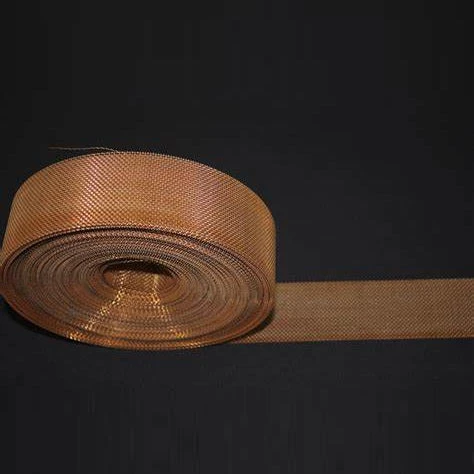
    Phosphor copper wire mesh, also known as copper wire mesh. Materials: QSn6.5-0.1,QSn6.5-0.4 Property: Non-magnetic, wear resistant, good ductility Scope of Mesh : 2-300mesh Scope of wire diameter: 0.08mm-0.8mm Scope of width: usually 1m-1.5meters, and special specifications can be customized according to customer requirements. Scope of length: generally 30 meters. Weave: plain weave, twill weave

tel email tel top

If you are interested in our products, you can choose to leave your information here, and we will be in touch with you shortly.